derek guy Profile picture
Sep 6 10 tweets 4 min read Twitter logo Read on Twitter
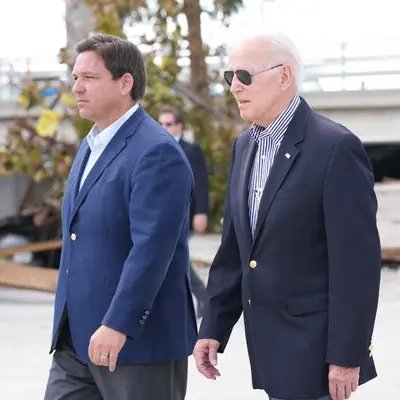
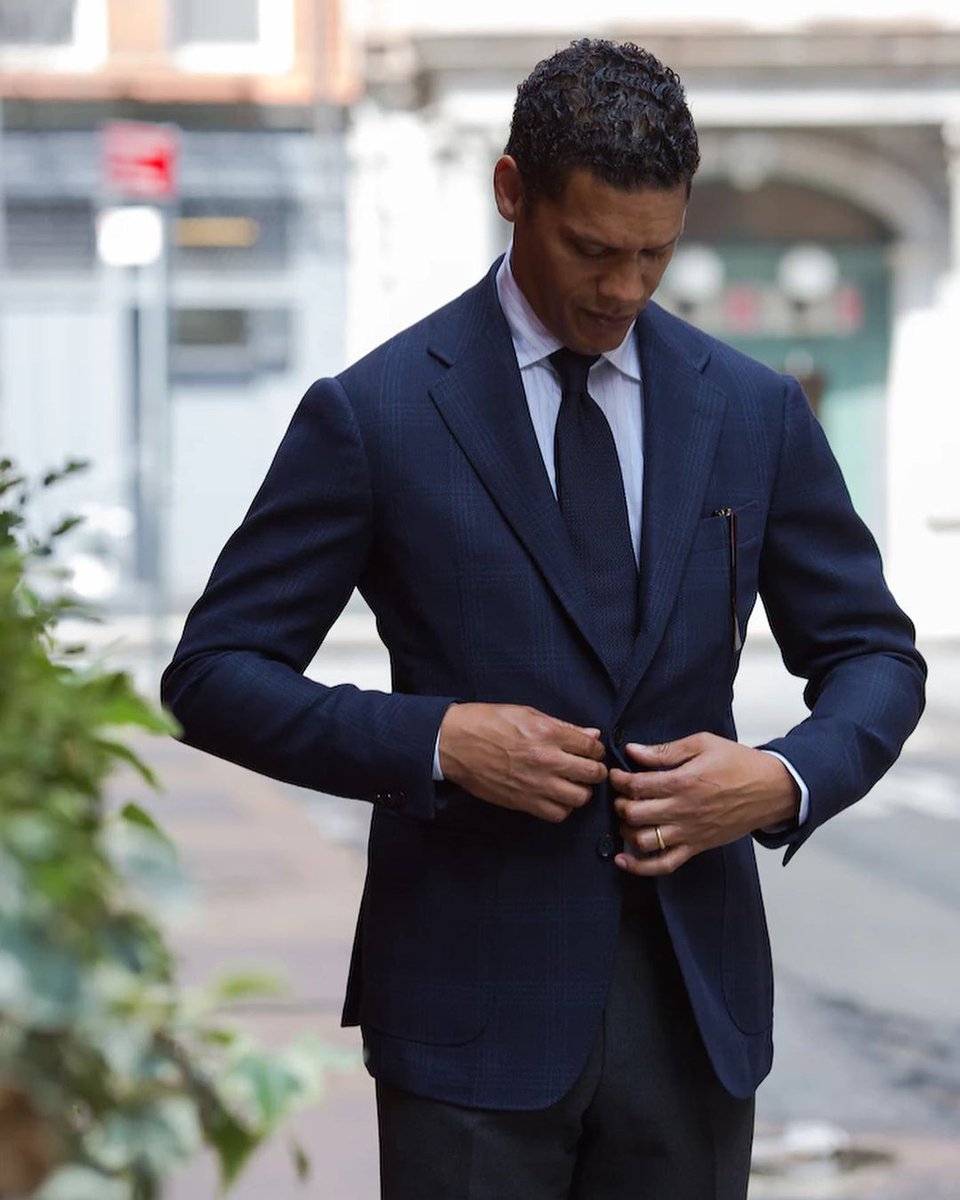
one of the worst trends in men's tailoring in the last twenty years is how the buttoning point—the center button on a three button coat or the top button on a two button coat—has gotten pushed up over the years. you see this on desantis vs biden. 🧵 Image
when a bespoke tailor makes a coat, they place the buttoning point near the waist (the slimmest portion of your torso). this does a two things.

1. it allows them to create more waist supression, giving you that flattering V-shaped silhouette. Image
2. it creates a nice balance between the upper and lower halves of the coat. the buttoning point serves as the visual fulcrum for the jacket. it's the point from which the lapels bloom and the quarters sweep out. Image
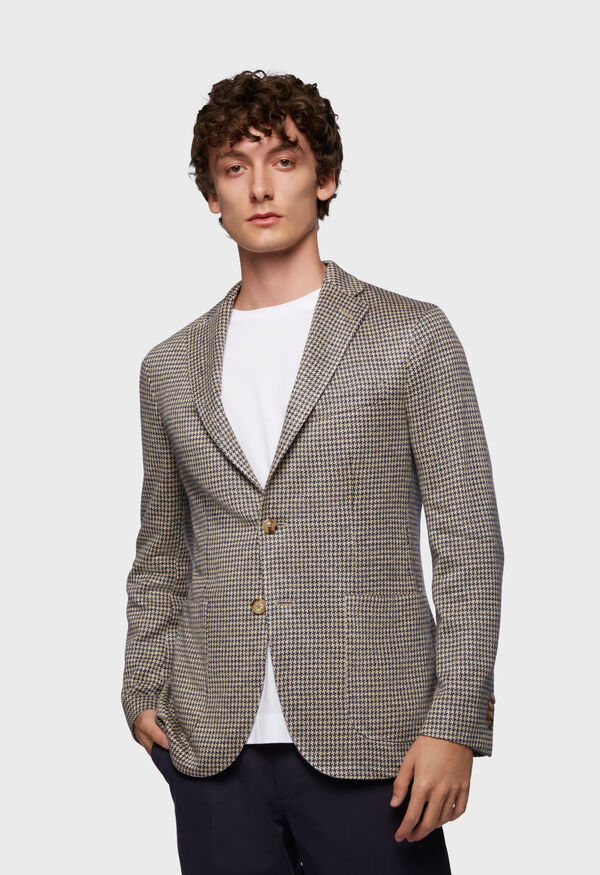
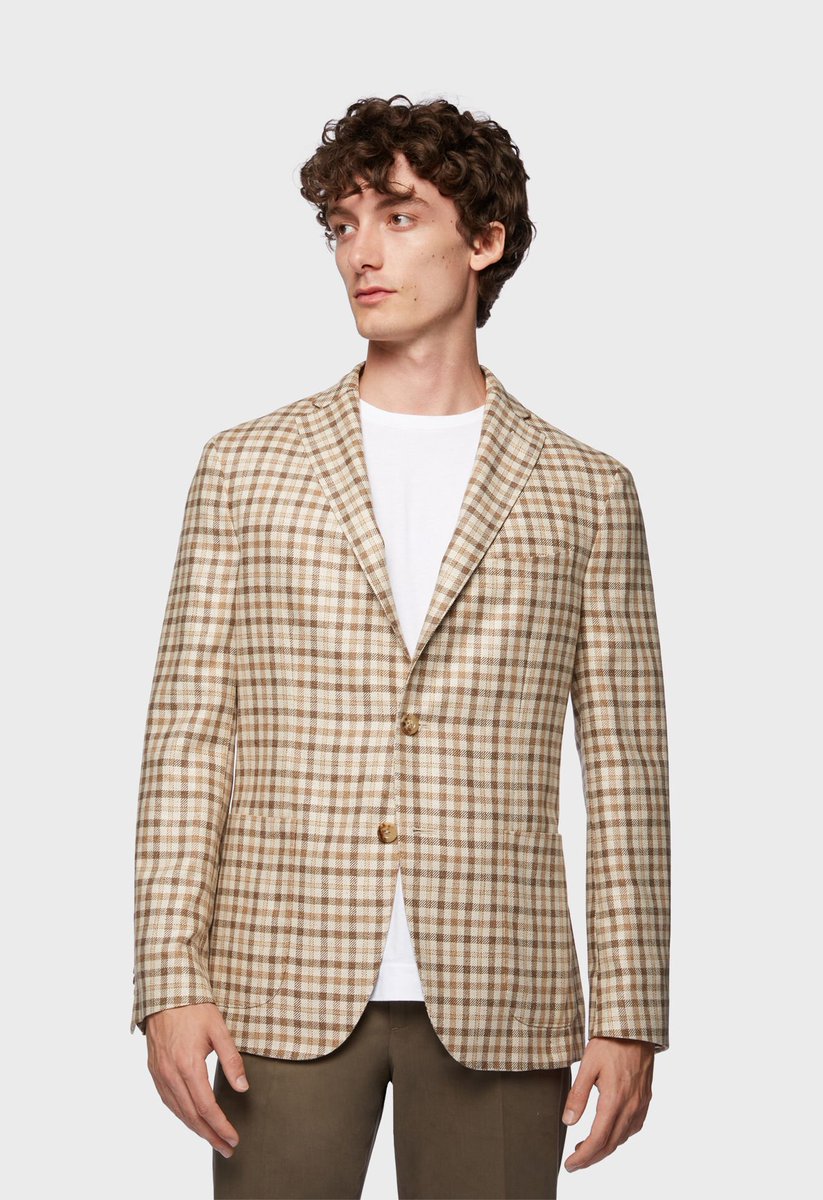
in the last 20 years, buttoning points have crept up. this is because the jackets themselves are shorter. when the jacket is short, the buttoning point has to be high, so there's proper distance from buttoning point to hem. but this looks unflattering
Image
Image
raising the buttoning point shortens the lapel line and makes the lapels look stumpy. it reduces the amount of waist suppression possible. in many cases, it can also make the wearer look like they have a beer gut. Image
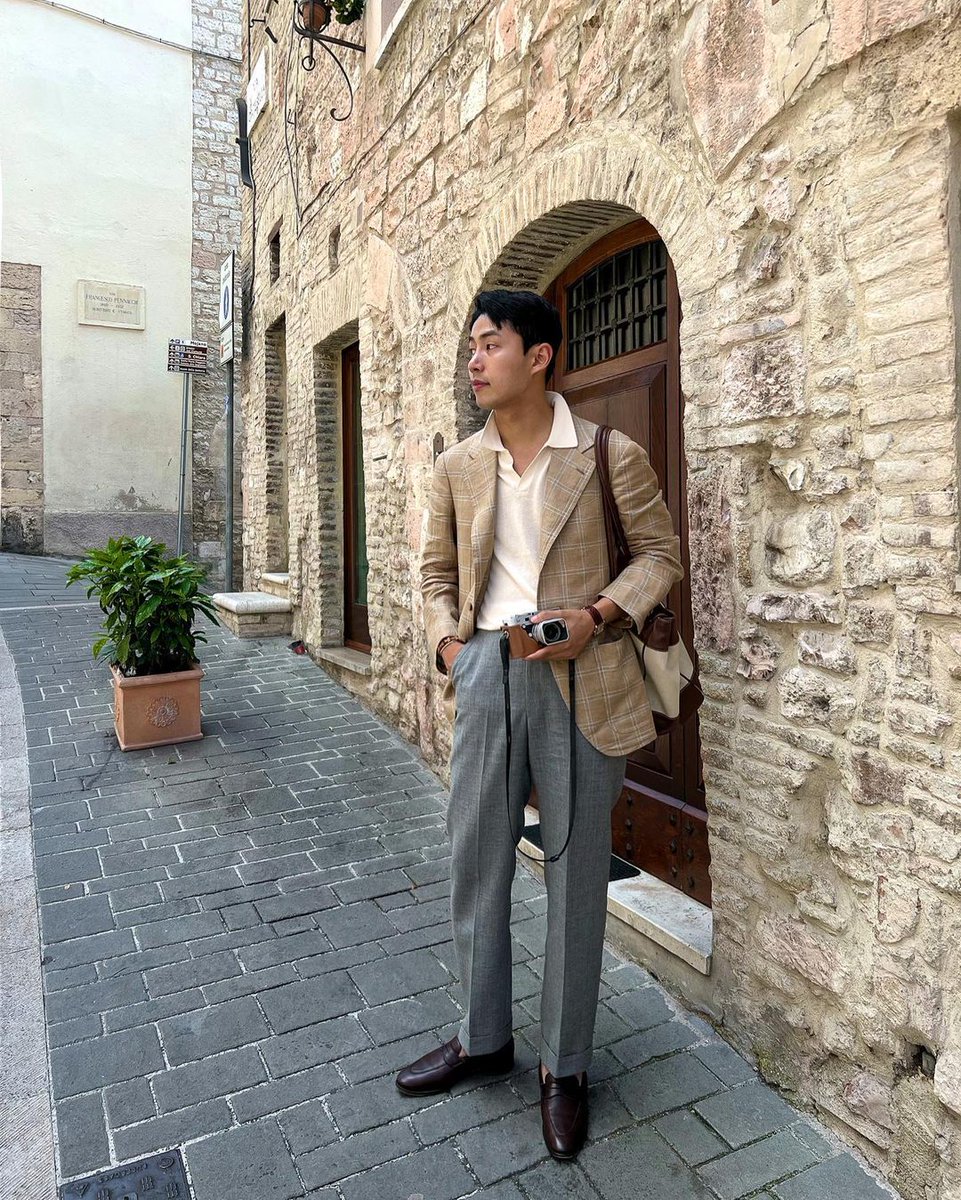
in some rare instances, tailors have lowered the buttoning point. this elongates the lape line and gives the jacket a more louche, slouchy effect. however, to do this, you often need a longer jacket to preserve distance from buttoning point to hem. Image
in modern day tailoring, Kotaro Miyahira, founder and cutter behind Sartoria Corcos in Florence, Italy, does this sort of style. you can see here how the buttoning point is about a centimenter lower than the waist, elongating the lapel line and giving a slouchier look Image
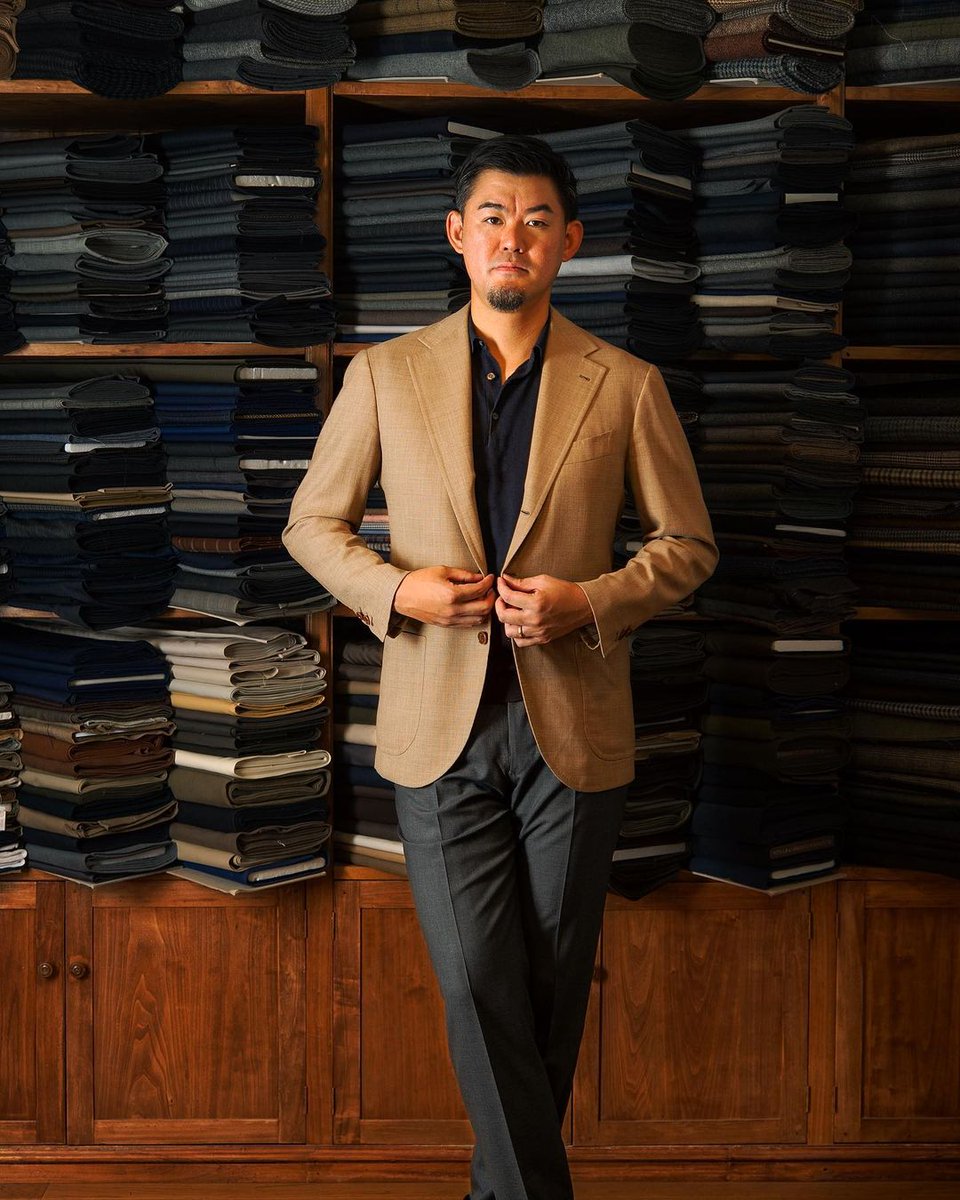
the combination of a short jacket, high buttoning point, and low rise trousers does something else: they reveal the shirt fabric and waistband below the coat's buttoning point, ruining the harmony between coat and pants.

in tailoring, measurements as small as 1 cm are everything Image

if you already own suits like this, better to wear the jacket open. however, if you're shopping for something new, try to get

1) a jacket that ends about halfway from your collar to the floor when you're wearing heeled shoes.
2) trouser rise that's high enough to hide shirt fabric below your coat's buttoning point when it's fastened

3) and a coat that has a buttoning point at your natural waist, so you can get that longer lapel line and waist suppression. Image
• • •

Missing some Tweet in this thread? You can try to force a refresh

 

Keep Current with derek guy

derek guy Profile picture

Stay in touch and get notified when new unrolls are available from this author!

Read all threads

This Thread may be Removed Anytime!

PDF

Twitter may remove this content at anytime! Save it as PDF for later use!

Try unrolling a thread yourself!

how to unroll video
  1. Follow @ThreadReaderApp to mention us!

  2. From a Twitter thread mention us with a keyword "unroll"
@threadreaderapp unroll

Practice here first or read more on our help page!

More from @dieworkwear

Sep 6
there are a few differences between the clothing of the past and the clothing we buy today. i will list three important ones 🧵
the first is complexity. clothing in the past was much more complex to make. a women's dress would have pleats, panels, and sometimes a self-belt tied around the waist. men's suits were made of haircloth, canvas, and padding. now we wear t-shirts (four panels and a collar)
Image
Image
the second is materials. technology has improved materials in many ways, but has worsened some. in the past, men would have worn full-grain leather shoes. full-grain is called so because it shows the natural grain of the hide. it ages well and develops a patina Image
Read 13 tweets
Sep 6
one way to help curb the excesses of fast fashion is to encourage ppl to value the patina and wear-and-tear that good clothes develop. that way, they: 1) buy less, buy better; 2) buy vintage; 3) wear things. examples

1. King Charles' patched-up suit (see hem)

2. King Charles' patched-up shoes

3. Vintage Lee 101-J trucker jacket with a repaired collar (collar has been repaired by hand with a bit of oxford cloth). Vintage denim garments are also great in that they're softer and often have natural fades (rather than pre-distressed fades that don't always look very convincing)

4. Old sweatshirts (easy to find vintage; just search eBay and Etsy for vintage Russell Athletic). Looks great with old jeans and boots


Image
Image
Image
Image
the NYT had an article about this earlier this year about how old beat-up Birkins are a bigger status symbol than new Birkins. this is a very old concept—people who signal generational wealth are considered "higher status" than nouveau riche

nytimes.com/2023/03/04/sty…
the idea of aping the signals of the upper-most class seems kind of crass, but ... whatever gets you there is fine IMO. valuing quality things as they age is good. the wear-and-tear becomes part of the item's beauty, like the Japanese concept of kintsugi Image
Read 4 tweets
Sep 4
Something I find interesting here is how many Twitter trads frame business casual as "traditional dress." I suspect many of them are between the ages of 20 and 50, and grew up during a time when most men stopped wearing a coat-and-tie with any regularity. To them, this is trad 🧵 Image
But to an older generation, business casual is already a fall from grace. Much has already been written about the rise of business causal: the suit's slow slide into irrelevance as a result of the post-war culture wars, the '90s Casual Friday movement, and the rise of New Economy
In the early 1990s, Rick Miller and his PR team at Levis—parent company to Dockers—sent out a brochure to some 25k human resources departments. They marketed the idea of business casual as a way to give employees more freedom and comfort (and, in turn, more productivity). Image
Read 13 tweets
Sep 2
Some ppl have asked why anyone would spend a lot of money on a watch, except to signal status. Lately, I've been really into Dirty Dozen watches. The name refers to how 12 companies made watches for the British Ministry of Defense (MoD) during WWII 🧵 Image
During WWII, the MoD wanted a watch that would stand up to the rigors of war. So they spec'd out a specific watch: black dial, luminous markers, Arabic numerals, shatterproof crystal, and stainless steel case. Idea was that this could be easily read at all times and be durable. Image
Companies that fulfilled the order included some famous watchmaking names, such as Jaeger-LeCoultre, Omega, and IWC. And some lesser-known names, such as Record, Timor, and Vertex. Collectively, they made ~150k watches, which were worn by special unit & artillery staff members. Image
Read 12 tweets
Sep 1
PENNY LOAFER GUIDE

If I could only have three pairs of shoes, at lesat one pair would be a loafer. Easy to slip on, easy to slip off. Can be worn with casualwear and help dress down taioring. Lots of options: penny, horsebit, venetian, and tassel (among many others)


Image
Image
Image
Image
However if you're just getting your first pair, I recommend a penny loafer. They're a little more neutral and will go with a wider range of wardrobes. Can be worn with suits or sport coats, and, depending on the styling, casualwear.

Some options in this thread:


Image
Image
Image
Image
MEERMIN

At $195, the most affordable on this list. Full grain leather and Goodyear welted. But also unlined and made with a softer single leather sole, so they're more flexible than Meermin's other shoes (which can be a bit stiff at first)

meermin.com/collections/me…
Image
Read 15 tweets
Aug 28
any time someone on here talks about how it's super cheap to produce clothes and the fashion industry is all inflated markups, i think about this insightful Sole Review article on how much it costs to run a sneaker business

solereview.com/what-does-it-c…
Image
any article like this will necessarily have to be very stylized in its modeling bc it can't reasonably capture every single nuance and brand. but it more accurately reflects the contours of the clothing industry than twitter chatter
Permanent Style also had a useful breakdown some years ago on how much it costs to make a $6k bespoke suit on Savile Row. This does not include the cost of running a business (or travel for traveling tailors). Production cost alone is 33% of price.

permanentstyle.com/2014/10/bespok…
Image
Read 4 tweets

Did Thread Reader help you today?

Support us! We are indie developers!


This site is made by just two indie developers on a laptop doing marketing, support and development! Read more about the story.

Become a Premium Member ($3/month or $30/year) and get exclusive features!

Become Premium

Don't want to be a Premium member but still want to support us?

Make a small donation by buying us coffee ($5) or help with server cost ($10)

Donate via Paypal

Or Donate anonymously using crypto!

Ethereum

0xfe58350B80634f60Fa6Dc149a72b4DFbc17D341E copy

Bitcoin

3ATGMxNzCUFzxpMCHL5sWSt4DVtS8UqXpi copy

Thank you for your support!

Follow Us on Twitter!

:(