🪔The Sanskrit Effect - Vedic Techniques of Memory
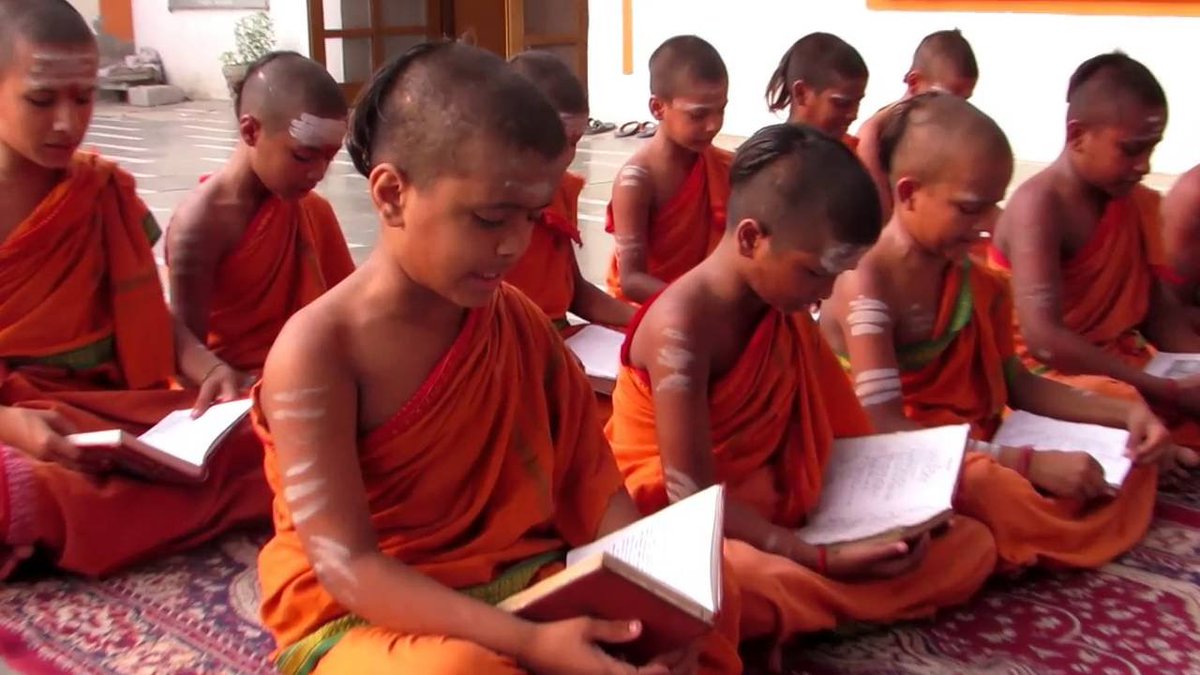
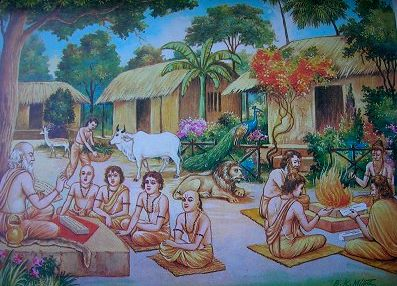
🪔Did you know that in Gurukul system of Vedic culture students memorized entire Vedas and associated Scriptures by listening to their Gurus (Teachers)?
🪔Vedic education system was based on the concept of Shruti (To listen) and Smriti (To Memorize).
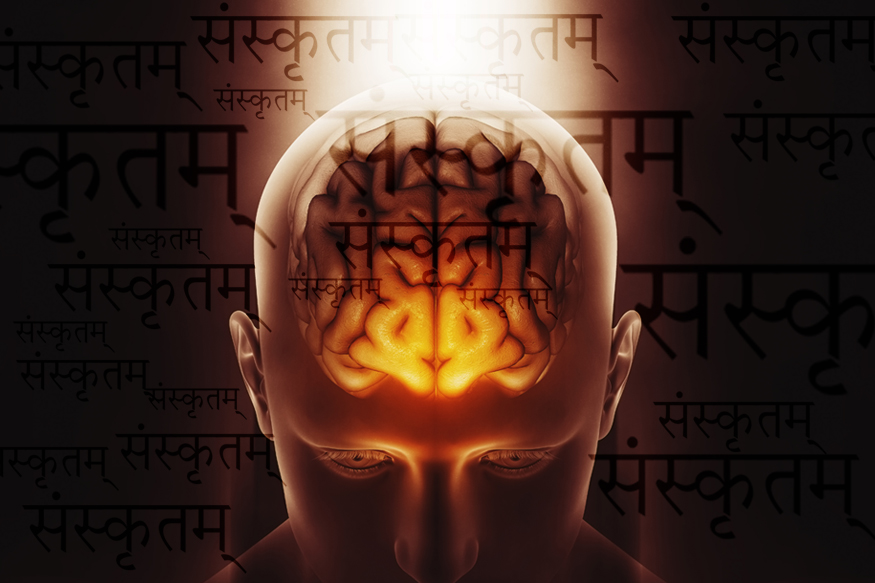
🪔Vedas and associated Vedic scriptures were written in Sanskrit language. It has been found in various research studies that Sanskrit language learning and speaking has a profound impact on the human brain.
🪔Let's explore the mystical. magical methods of Vedic Shruti and Smriti to understand the science behind the Vedic methods of memorization:
#SanatanDharma #Vedas #Upnishad #Gurukul #Sanskrit #Spirituality #Hinduism

🪔Did you know that in Gurukul system of Vedic culture students memorized entire Vedas and associated Scriptures by listening to their Gurus (Teachers)?
🪔Vedic education system was based on the concept of Shruti (To listen) and Smriti (To Memorize).
🪔Vedas and associated Vedic scriptures were written in Sanskrit language. It has been found in various research studies that Sanskrit language learning and speaking has a profound impact on the human brain.
🪔Let's explore the mystical. magical methods of Vedic Shruti and Smriti to understand the science behind the Vedic methods of memorization:
#SanatanDharma #Vedas #Upnishad #Gurukul #Sanskrit #Spirituality #Hinduism
1. Language and Human Brain
Human Brain is the most mysterious part of the human body, and it has been till date a mystery to the science when it comes to explanation of the Human Intuition, Dreams, Memory and Cognition.
Most potent ability brain manifest through human body is the ability to speak, learn and memorize.
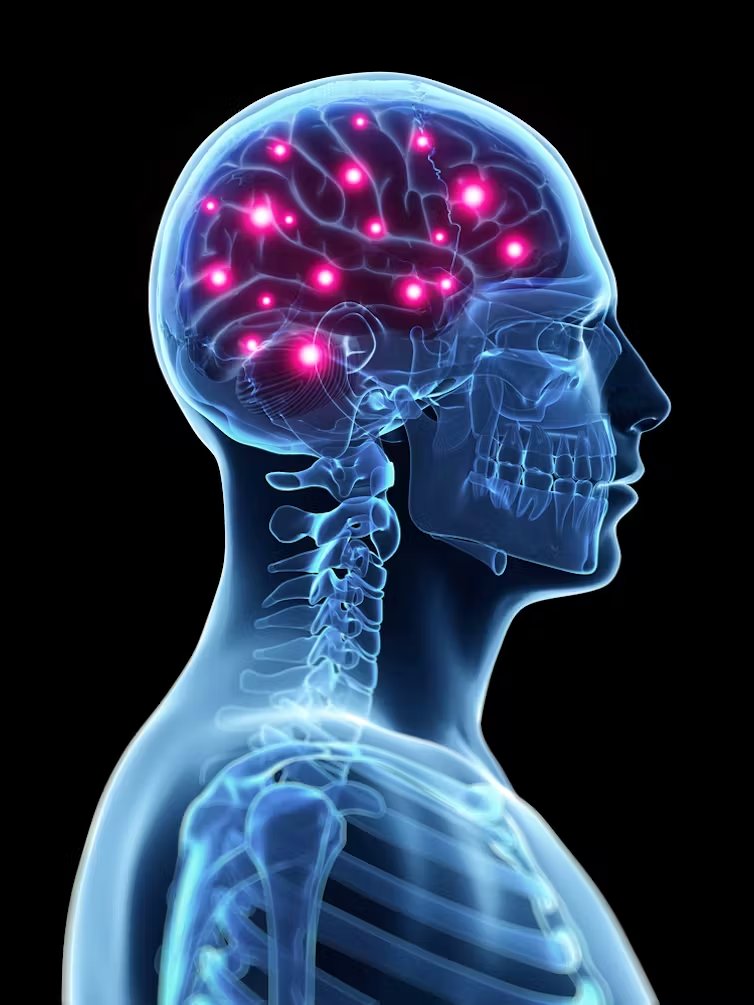
Before we explore the impact of Sanskrit language on the Human brain, let us explore the parts of brain which help with speech and memory.
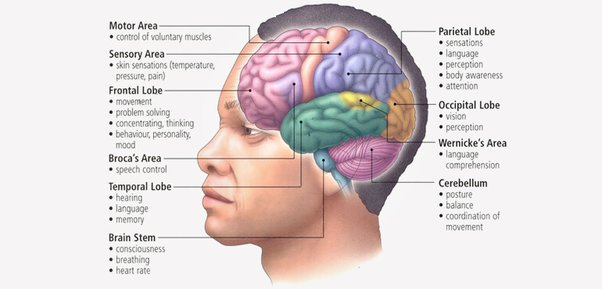
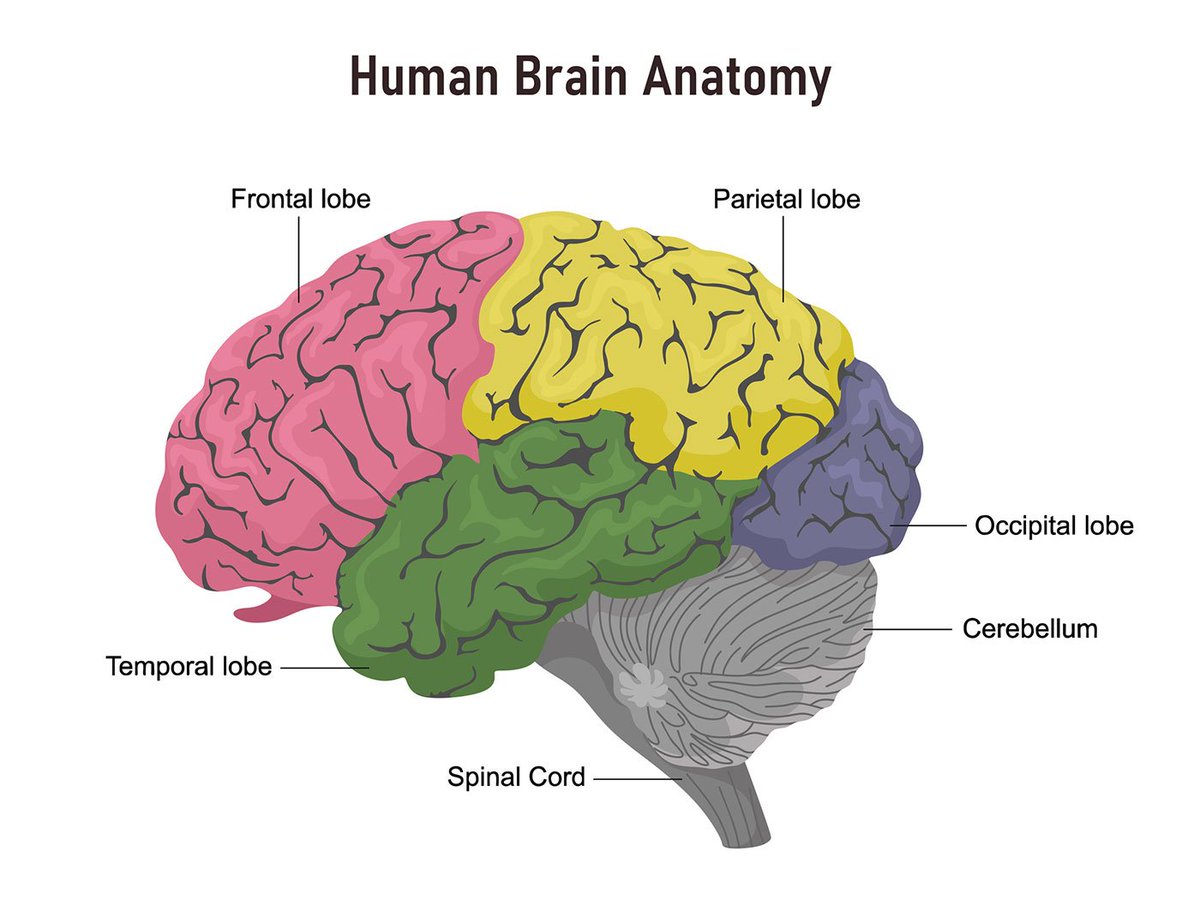
Human Brain is divided into four parts anatomically.
Frontal Lobe
Personality, behaviour, emotions
judgment, planning, problem solving
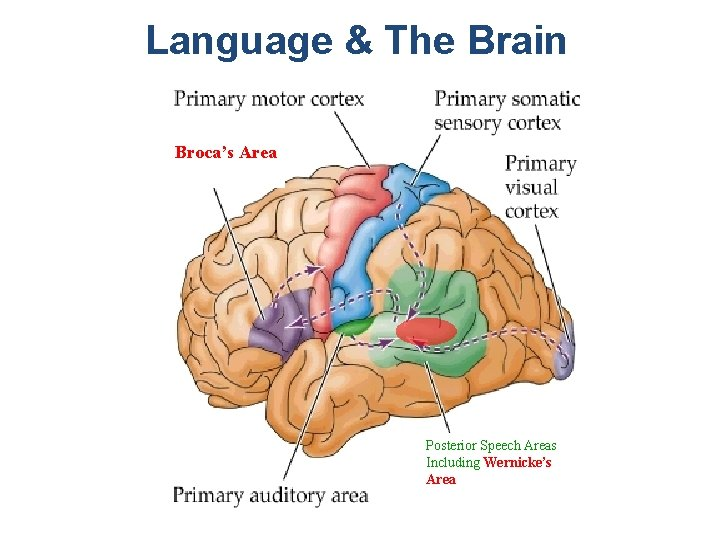
speech - speaking and writing (Broca's area)
body movement
intelligence, concentration, self-awareness
Parietal Lobe
Interprets language, words
sense of touch, pain, temperature
interprets signals from vision, hearing, motor, sensory and memory
spatial and visual perception
Temporal Lobe
Understanding language (Wernicke's area)
memory
hearing
sequencing and organization
Occipital Lobe
Interprets vision (colour, light, movement)
At the base is Cerebellum (Also called little brain, voluntary muscle movements and to maintain posture, balance and equilibrium)
Mass of the brain is made-up of grey matter and white matter. It consumes maximum amount of oxygen in human body.
Brain areas are divided into two parts known as - Right and Left Cerebrum. Both parts in total contain approx 86 Billion Neurons.
Gray matter makes up the the outer most layer of the brain while white matter makes up the inner layer. Gray matter is where the main processing of the information in brain happens, while white matter acts as the connector to maintain the flow of electromagnetic signals to the neurons of the grey matter for the information flow and processing.
Though Human Brain anatomy very vast and too complex to be explained here, so we jump to the parts of the brain which control Memory and speech in the next part of the thread.
For a brief on the functioning of the brain you can refer to the below link:
()
Human Brain is the most mysterious part of the human body, and it has been till date a mystery to the science when it comes to explanation of the Human Intuition, Dreams, Memory and Cognition.
Most potent ability brain manifest through human body is the ability to speak, learn and memorize.
Before we explore the impact of Sanskrit language on the Human brain, let us explore the parts of brain which help with speech and memory.
Human Brain is divided into four parts anatomically.
Frontal Lobe
Personality, behaviour, emotions
judgment, planning, problem solving
speech - speaking and writing (Broca's area)
body movement
intelligence, concentration, self-awareness
Parietal Lobe
Interprets language, words
sense of touch, pain, temperature
interprets signals from vision, hearing, motor, sensory and memory
spatial and visual perception
Temporal Lobe
Understanding language (Wernicke's area)
memory
hearing
sequencing and organization
Occipital Lobe
Interprets vision (colour, light, movement)
At the base is Cerebellum (Also called little brain, voluntary muscle movements and to maintain posture, balance and equilibrium)
Mass of the brain is made-up of grey matter and white matter. It consumes maximum amount of oxygen in human body.
Brain areas are divided into two parts known as - Right and Left Cerebrum. Both parts in total contain approx 86 Billion Neurons.
Gray matter makes up the the outer most layer of the brain while white matter makes up the inner layer. Gray matter is where the main processing of the information in brain happens, while white matter acts as the connector to maintain the flow of electromagnetic signals to the neurons of the grey matter for the information flow and processing.
Though Human Brain anatomy very vast and too complex to be explained here, so we jump to the parts of the brain which control Memory and speech in the next part of the thread.
For a brief on the functioning of the brain you can refer to the below link:
()
2. Speech, Language, and Memory - Three Wonders of the Human Brain
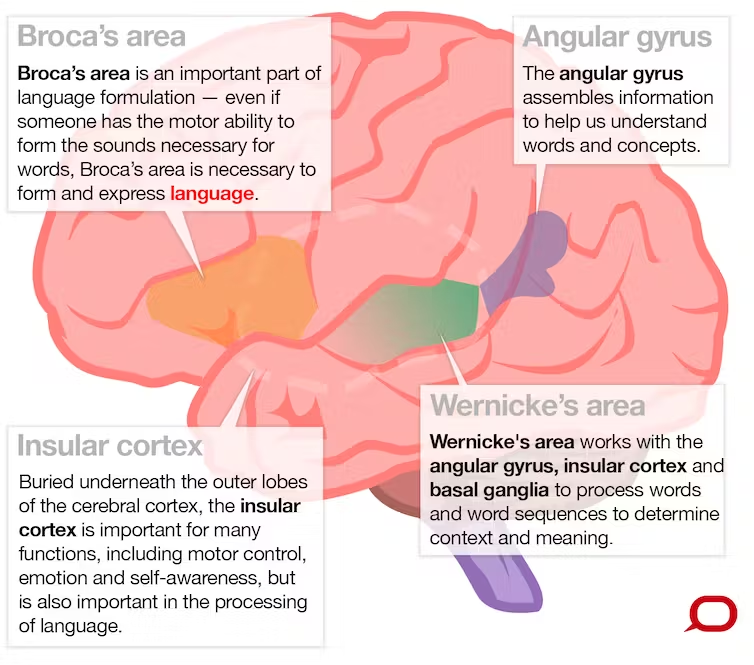
Four parts which play main role in the development of the Human Speech and Language are:
Broca's Area
It was first identified by the French neurologist Pierre Paul Broca. It works as the main processing centre of the brain for the speech production and expression.
Wernicke's Area
It was identified by German Anatomist Carl Wernicke in 1867. This part of the Brain helps us to understand the meaning and reasoning of the speech.
Angular Gyrus
It connects Wernicke's area with visual Cortex to draw meaning from the things we see, and we pay attention to.
It is also called Geschwind's Housing Area after its discoverer Norman Geschwind who discovered it in 1970.
Insular Cortex
This part of the Brain controls our Consciousness, Self-Awareness, Social Emotions and All our Spiritual experiences we attain through our life.
It was discovered by Johann Christian Reil in 1809, so it is also called Reil's Island.
🪔Though these four parts of the brain manifest 100s of other functions in Human body but we will stick to the functions related to Speech, Language, memory and Consciousness as per the topic of the thread.
Four parts which play main role in the development of the Human Speech and Language are:
Broca's Area
It was first identified by the French neurologist Pierre Paul Broca. It works as the main processing centre of the brain for the speech production and expression.
Wernicke's Area
It was identified by German Anatomist Carl Wernicke in 1867. This part of the Brain helps us to understand the meaning and reasoning of the speech.
Angular Gyrus
It connects Wernicke's area with visual Cortex to draw meaning from the things we see, and we pay attention to.
It is also called Geschwind's Housing Area after its discoverer Norman Geschwind who discovered it in 1970.
Insular Cortex
This part of the Brain controls our Consciousness, Self-Awareness, Social Emotions and All our Spiritual experiences we attain through our life.
It was discovered by Johann Christian Reil in 1809, so it is also called Reil's Island.
🪔Though these four parts of the brain manifest 100s of other functions in Human body but we will stick to the functions related to Speech, Language, memory and Consciousness as per the topic of the thread.
3. Human Memory - The Enigma of the Brian
Explicit Memory
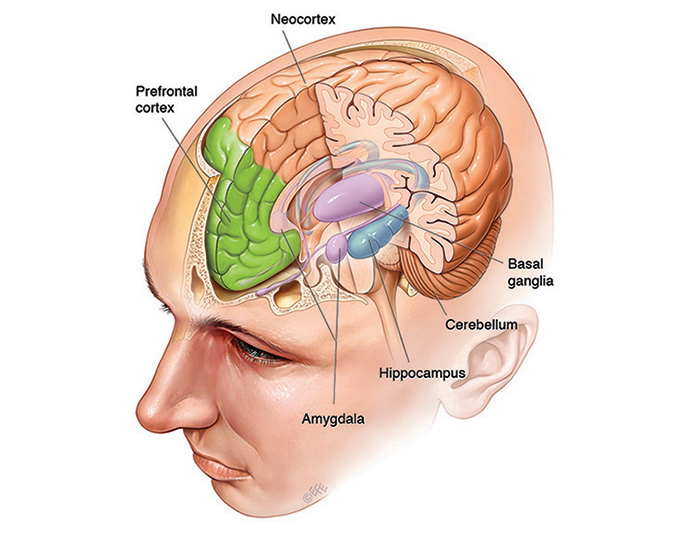
There are three parts of the Brain which control Human Memory:
Hippocampus
It controls episodic memory by storing the information related to the events in our life for later processing. For example, memories of a holiday trip, our school education, festivals we celebrated etc.
Neocortex
This part of the brain controls higher functions such as sensory perception, generation of motor commands, spatial reasoning and language. Over time, information from certain memories that are temporarily stored in the hippocampus can be transferred to the neocortex as general knowledge things like knowing that who is favourite friend, who is your favourite actor, what colour you like etc. Most of this information transfer happens during the sleep.
Amygdala
This part creates emotions and emotional memories.
It combines with Hippocampus and Neocortex to form the stability and retention of the memory based on the level of the emotions associated with any event or happening of our life. In addition to this manifestation of fear comes from Amygdala based on our repeated perception of any happening or event in our life.
Implicit Memory
Two parts of the brain control this type of Memory:
Basal Ganglia
This part of the brain controls emotional learning, emotional reward processing, habit formation, movement and learning. They are mainly involved in co-ordinating sequences of motor activity, for example when playing a musical instrument, dancing or playing basketball.
Cerebellum
This part of the brain coordinates motor control and learning of motor control of our body through memory.
For example, when we learn to play a musical instrument, we know how to move our hands, how much pressure we need to put on instrument through our fingers, how long to press the keys of the instrument etc.
Working Memory
Prefrontal Cortex
This part of the brain has two parts: Left and right.
It helps us to create situational awareness of events happening then and there by creating short ter memories which work in tandem through left and right parts to create on the spot information analysis and response by the human body.
The left is more involved in verbal working memory to create linguistic explanation of something happening, while the right is more active in spatial working memory, such as remembering where something just happened.
Now we just saw that which parts of our brain control our speech, language, ability to comprehend things we see, information we read and events we see happening around us along with memorization of the information associated with them. In next part of the thread, we will see what how Sanskrit Language learning impacts these parts of the brain.
Explicit Memory
There are three parts of the Brain which control Human Memory:
Hippocampus
It controls episodic memory by storing the information related to the events in our life for later processing. For example, memories of a holiday trip, our school education, festivals we celebrated etc.
Neocortex
This part of the brain controls higher functions such as sensory perception, generation of motor commands, spatial reasoning and language. Over time, information from certain memories that are temporarily stored in the hippocampus can be transferred to the neocortex as general knowledge things like knowing that who is favourite friend, who is your favourite actor, what colour you like etc. Most of this information transfer happens during the sleep.
Amygdala
This part creates emotions and emotional memories.
It combines with Hippocampus and Neocortex to form the stability and retention of the memory based on the level of the emotions associated with any event or happening of our life. In addition to this manifestation of fear comes from Amygdala based on our repeated perception of any happening or event in our life.
Implicit Memory
Two parts of the brain control this type of Memory:
Basal Ganglia
This part of the brain controls emotional learning, emotional reward processing, habit formation, movement and learning. They are mainly involved in co-ordinating sequences of motor activity, for example when playing a musical instrument, dancing or playing basketball.
Cerebellum
This part of the brain coordinates motor control and learning of motor control of our body through memory.
For example, when we learn to play a musical instrument, we know how to move our hands, how much pressure we need to put on instrument through our fingers, how long to press the keys of the instrument etc.
Working Memory
Prefrontal Cortex
This part of the brain has two parts: Left and right.
It helps us to create situational awareness of events happening then and there by creating short ter memories which work in tandem through left and right parts to create on the spot information analysis and response by the human body.
The left is more involved in verbal working memory to create linguistic explanation of something happening, while the right is more active in spatial working memory, such as remembering where something just happened.
Now we just saw that which parts of our brain control our speech, language, ability to comprehend things we see, information we read and events we see happening around us along with memorization of the information associated with them. In next part of the thread, we will see what how Sanskrit Language learning impacts these parts of the brain.
4. Sanskrit Language and Its Impact on Human Brain
What is Sanskrit?
Word Sanskrit comes from Two root words "Sam" and "Karoti".
"Sam" means Combining
"Karoti" means One who does
So Sanskrit means "One which combines".
In Vedic times it was written as "Samskrta" which actually meant in Vedic times as "Purified" or "Perfect"
So, Sanskrit stands out as a purified language which binds together various aspects of the knowledge of the Cosmos for the understanding of the lesser mortals.
All Sanatan scriptures from Veda, Upanishad to Purana to Ramayana and Mahabharat were written in Sanskrit language.
Rishi Panini was the first one to compose a rule-based grammar for the Sanskrit language. He named it as "Ashtdhyayi" mentioning 3959 Sutras in 8 Chapters (Adhyay).
Etymologically Sanskrit is a rule-based language and very closely associated with Mathematics. That makes this language one of the most profound and most technically, phonically, acoustically impactful language ever created by the Humanity.
Please refer to this link for a brief introduction to the Sanskrit Language:
Dyvagyna Surya Pandita composed RamaKrishna Viloma Kavyam mentions:
Here are some examples of the power of the Sanskrit Language:
Raghav Yadaviyam composed Venkatadhvari Shloka 13:
वन्देऽहं देवं तं श्रीतं रन्तारं कालं भासा यः ।
रामो रामाधीराप्यागो लीलामारायोध्ये वासे ॥
Meaning:
I pay my obeisance to Lord Shri Rama, who with his heart pining for Sita, travelled across the Sahyadri Hills and returned to Ayodhya after killing Ravana and sported with his consort, Sita, in Ayodhya for a long time
In reverse same Shloka becomes:
सेवाध्येयो रामालाली गोप्याराधी मारामोरा ।
यस्साभालंकारं तारं तं श्रीतं वन्देहं देवं ॥
Meaning:
I bow to Lord Shri Krishna, whose chest is the sporting resort of Shri Lakshmi;who is fit to be contemplated through penance and sacrifice, who fondles Rukmani and his other consorts and who is worshipped by the gopis, and who is decked with jewels radiating splendour.
Dyvagyna Surya Pandita composed RamaKrishna Viloma Kavyam mentiones:
तं भूसुतामुक्तिमुदारहासं वन्दे यतो भव्यभवम् दयाश्रीः II
Meaning:
I pay my homage to Him who rescued Sita, whose laughter is captivating, whose incarnation is grand, and from whom mercy and splendour arise everywhere.
In reverse this Shloka becomes:
श्रीयादवं भव्यभतोयदेवं संहारदामुक्तिमुतासुभूतम् ॥
Meaning:
I bow before that Sri Krishna, the descendent of Yaadava family, who is a divinity of the sun as well as the moon; who destroyed Putana who only gave destruction; and who is the soul of all this universe.
In Magha composed Sanskrit Nataka "Shishupala Vadh" we find most unique and extreme example of Sanskrit's liguistic power.
जजौजोजाजिजिज्जाजी
तं ततोऽतितताततुत् ।
भाभोऽभीभाभिभूभाभू-
रारारिररिरीररः ॥
Meaning:
Then the warrior, winner of war, with his heroic valour, the subduer of the extremely arrogant beings, he who has the brilliance of stars, he who has the brilliance of the vanquisher of fearless elephants, the enemy seated on a chariot, began to fight.
Shloka composed using only Two consonants:
भूरिभिर्भारिभिर्भीराभूभारैरभिरेभिरे ।
भेरीरेभिभिरभ्राभैरभीरुभिरिभैरिभाः ॥
Meaning:
The fearless elephant, who was like a burden to the earth because of its weight, whose sound was like a kettledrum, and who was like a dark cloud, attacked the enemy elephant.
Shloka composed using only one consonant:
दाददो दुद्ददुद्दादी दाददो दूददीददोः ।
दुद्दादं दददे दुद्दे दादाददददोऽददः ॥
Meaning: (Just pronounce the shloka once 😂)
Sri Krishna, the giver of every boon, the scourge of the evil-minded, the purifier, the one whose arms can annihilate the wicked who cause suffering to others, shot his pain-causing arrow at the enemy.
Each line of Shloka as Palindrome:
वारणागगभीरा सा साराभीगगणारवा ।
कारितारिवधा सेना नासेधा वारितारिका ॥
Meaning:
It is very difficult to face this army which is endowed with elephants as big as mountains. This is a very great army and the shouting of frightened people is heard. It has slain its enemies.
Shloka of the 27th Stanza is called sarvatobhadra and it is considered most difficult Palindrome ever created in any language. It has same meaning of the words while you read it left to right, top to bottom, bottom to top...!!!!
सकारनानारकास-
कायसाददसायका ।
रसाहवा वाहसार-
नादवाददवादना ॥
Meaning:
That army, which relished battle contained allies who brought low the bodes and gaits of their various striving enemies, and in it the cries of the best of mounts contended with musical instruments.
Do you need any more proof of the linguistic uniqueness and the power of the language of the Sanatan, the world knows as "Sanskrit"....!!!
Namo Sanatana
What is Sanskrit?
Word Sanskrit comes from Two root words "Sam" and "Karoti".
"Sam" means Combining
"Karoti" means One who does
So Sanskrit means "One which combines".
In Vedic times it was written as "Samskrta" which actually meant in Vedic times as "Purified" or "Perfect"
So, Sanskrit stands out as a purified language which binds together various aspects of the knowledge of the Cosmos for the understanding of the lesser mortals.
All Sanatan scriptures from Veda, Upanishad to Purana to Ramayana and Mahabharat were written in Sanskrit language.
Rishi Panini was the first one to compose a rule-based grammar for the Sanskrit language. He named it as "Ashtdhyayi" mentioning 3959 Sutras in 8 Chapters (Adhyay).
Etymologically Sanskrit is a rule-based language and very closely associated with Mathematics. That makes this language one of the most profound and most technically, phonically, acoustically impactful language ever created by the Humanity.
Please refer to this link for a brief introduction to the Sanskrit Language:
Dyvagyna Surya Pandita composed RamaKrishna Viloma Kavyam mentions:
Here are some examples of the power of the Sanskrit Language:
Raghav Yadaviyam composed Venkatadhvari Shloka 13:
वन्देऽहं देवं तं श्रीतं रन्तारं कालं भासा यः ।
रामो रामाधीराप्यागो लीलामारायोध्ये वासे ॥
Meaning:
I pay my obeisance to Lord Shri Rama, who with his heart pining for Sita, travelled across the Sahyadri Hills and returned to Ayodhya after killing Ravana and sported with his consort, Sita, in Ayodhya for a long time
In reverse same Shloka becomes:
सेवाध्येयो रामालाली गोप्याराधी मारामोरा ।
यस्साभालंकारं तारं तं श्रीतं वन्देहं देवं ॥
Meaning:
I bow to Lord Shri Krishna, whose chest is the sporting resort of Shri Lakshmi;who is fit to be contemplated through penance and sacrifice, who fondles Rukmani and his other consorts and who is worshipped by the gopis, and who is decked with jewels radiating splendour.
Dyvagyna Surya Pandita composed RamaKrishna Viloma Kavyam mentiones:
तं भूसुतामुक्तिमुदारहासं वन्दे यतो भव्यभवम् दयाश्रीः II
Meaning:
I pay my homage to Him who rescued Sita, whose laughter is captivating, whose incarnation is grand, and from whom mercy and splendour arise everywhere.
In reverse this Shloka becomes:
श्रीयादवं भव्यभतोयदेवं संहारदामुक्तिमुतासुभूतम् ॥
Meaning:
I bow before that Sri Krishna, the descendent of Yaadava family, who is a divinity of the sun as well as the moon; who destroyed Putana who only gave destruction; and who is the soul of all this universe.
In Magha composed Sanskrit Nataka "Shishupala Vadh" we find most unique and extreme example of Sanskrit's liguistic power.
जजौजोजाजिजिज्जाजी
तं ततोऽतितताततुत् ।
भाभोऽभीभाभिभूभाभू-
रारारिररिरीररः ॥
Meaning:
Then the warrior, winner of war, with his heroic valour, the subduer of the extremely arrogant beings, he who has the brilliance of stars, he who has the brilliance of the vanquisher of fearless elephants, the enemy seated on a chariot, began to fight.
Shloka composed using only Two consonants:
भूरिभिर्भारिभिर्भीराभूभारैरभिरेभिरे ।
भेरीरेभिभिरभ्राभैरभीरुभिरिभैरिभाः ॥
Meaning:
The fearless elephant, who was like a burden to the earth because of its weight, whose sound was like a kettledrum, and who was like a dark cloud, attacked the enemy elephant.
Shloka composed using only one consonant:
दाददो दुद्ददुद्दादी दाददो दूददीददोः ।
दुद्दादं दददे दुद्दे दादाददददोऽददः ॥
Meaning: (Just pronounce the shloka once 😂)
Sri Krishna, the giver of every boon, the scourge of the evil-minded, the purifier, the one whose arms can annihilate the wicked who cause suffering to others, shot his pain-causing arrow at the enemy.
Each line of Shloka as Palindrome:
वारणागगभीरा सा साराभीगगणारवा ।
कारितारिवधा सेना नासेधा वारितारिका ॥
Meaning:
It is very difficult to face this army which is endowed with elephants as big as mountains. This is a very great army and the shouting of frightened people is heard. It has slain its enemies.
Shloka of the 27th Stanza is called sarvatobhadra and it is considered most difficult Palindrome ever created in any language. It has same meaning of the words while you read it left to right, top to bottom, bottom to top...!!!!
सकारनानारकास-
कायसाददसायका ।
रसाहवा वाहसार-
नादवाददवादना ॥
Meaning:
That army, which relished battle contained allies who brought low the bodes and gaits of their various striving enemies, and in it the cries of the best of mounts contended with musical instruments.
Do you need any more proof of the linguistic uniqueness and the power of the language of the Sanatan, the world knows as "Sanskrit"....!!!
Namo Sanatana
5. Sanskrit and Scientific Research
Functional MRI Scans of the brain in scientific studies have shown that learning a language increase electromagnetic activities in the parts of the brain which are associated with words processing, speech and memory. It increases the density of the grey matter in our brain.
The term the ‘Sanskrit Effect’ was coined by neuroscientist James Hartzell, who studied 21 professionally qualified Sanskrit pandits. He discovered that memorising Vedic mantras increases the size of brain regions associated with cognitive function, including short and long-term memory.
Dr. Hartzell, a Sanskrit devotee and postdoctoral researcher at Spain’s Basque Centre on Cognition, Brain and Language, spent many years studying and translating Sanskrit and became fascinated by its impact on the brain.
You can refer to this research paper published by Dr. James Hartzell in Scientific American to read about his findings:
()
In 1967, Alfred Tomatis, a French physician, psychologist, and ear specialist, studied the effect of chanting on Benedictine monks who had been part of a tradition with a strict schedule of daily chanting of up to eight hours a day. When a new Abbott changed this schedule, cutting out the chanting, the monks became tired and lethargic, even though they were getting extra sleep. In fact, the more sleep they got, the more tired they were. Alfred Tomatis believed that the chanting was energising their brains and bodies, so he reintroduced the chanting and the monks were soon full of energy again.
You can refer to additional links to supplement your understanding of the Sanskrit effect on Human Brain:
()
()
Most famous research paper of Sanskrit effect was written by Rick briggs, A NASA Researcher.
His research paper titled "Knowledge Representation in Sanskrit and Artificial Intelligence" published in AI magazine in 1985 was based on the theme of finding a natural language suitable for working with AI/Machine learning.
He wrote in his research paper that:
“There is at least one language, Sanskrit, which for the duration of almost 1000 years was a living spoken language with a considerable literature of its own Besides works of literary value, there was a long philosophical and grammatical tradition that has continued to exist with undiminished vigour until the present century. Among the accomplishments of the grammarians can be reckoned a method for paraphrasing Sanskrit in a manner that is identical not only in essence but in form with current work in Artificial Intelligence.”
HIS PURPOSE WAS TO FIND A NATURAL LANGUAGE WHICH AI COULD USE AS IT IS WITHOUT ANY CHANGE JUST LIKE A PROGRAMMING LANGUAGE.
This was to become most famous validation of the linguistic potential of the Sanskrit as a natural language in the field of the AI.
You can read Rick Briggs's research aper at below link:
()
Functional MRI Scans of the brain in scientific studies have shown that learning a language increase electromagnetic activities in the parts of the brain which are associated with words processing, speech and memory. It increases the density of the grey matter in our brain.
The term the ‘Sanskrit Effect’ was coined by neuroscientist James Hartzell, who studied 21 professionally qualified Sanskrit pandits. He discovered that memorising Vedic mantras increases the size of brain regions associated with cognitive function, including short and long-term memory.
Dr. Hartzell, a Sanskrit devotee and postdoctoral researcher at Spain’s Basque Centre on Cognition, Brain and Language, spent many years studying and translating Sanskrit and became fascinated by its impact on the brain.
You can refer to this research paper published by Dr. James Hartzell in Scientific American to read about his findings:
()
In 1967, Alfred Tomatis, a French physician, psychologist, and ear specialist, studied the effect of chanting on Benedictine monks who had been part of a tradition with a strict schedule of daily chanting of up to eight hours a day. When a new Abbott changed this schedule, cutting out the chanting, the monks became tired and lethargic, even though they were getting extra sleep. In fact, the more sleep they got, the more tired they were. Alfred Tomatis believed that the chanting was energising their brains and bodies, so he reintroduced the chanting and the monks were soon full of energy again.
You can refer to additional links to supplement your understanding of the Sanskrit effect on Human Brain:
()
()
Most famous research paper of Sanskrit effect was written by Rick briggs, A NASA Researcher.
His research paper titled "Knowledge Representation in Sanskrit and Artificial Intelligence" published in AI magazine in 1985 was based on the theme of finding a natural language suitable for working with AI/Machine learning.
He wrote in his research paper that:
“There is at least one language, Sanskrit, which for the duration of almost 1000 years was a living spoken language with a considerable literature of its own Besides works of literary value, there was a long philosophical and grammatical tradition that has continued to exist with undiminished vigour until the present century. Among the accomplishments of the grammarians can be reckoned a method for paraphrasing Sanskrit in a manner that is identical not only in essence but in form with current work in Artificial Intelligence.”
HIS PURPOSE WAS TO FIND A NATURAL LANGUAGE WHICH AI COULD USE AS IT IS WITHOUT ANY CHANGE JUST LIKE A PROGRAMMING LANGUAGE.
This was to become most famous validation of the linguistic potential of the Sanskrit as a natural language in the field of the AI.
You can read Rick Briggs's research aper at below link:
()
6. How our Vedic ancestors mastered the unbound knowledge of Vedas and Vedangs written in Sanskrit through memorization Shruti and Smriti methods of learning?
As i have discussed in my previous thread that how Vedic chants were composed for the Yajna ceremonies to pay homage to the gods which lead to our Vedic ancestors composing Sam Ved - The cradle of Vedic Music.
All these methods were based on the mathematical rules of the recitation called "Pathas".
Recitation and Chanting of the Vedic Shlokas and Mantras was daily part of the Vedic Gurukul learning.
Vedic chanting was based on four methods:
Udatta उदात्त (middle tone),
Anudaatta अनुदात्त (lower tone)
Svarita स्वरित (higher tone)
Deergha Svarita दीर्घस्वरित (High tone extended)
All these methods were based on the mathematical rules of the recitation called "Pathas".
Pathas were structured on the basis of the sequence, structure, length and tone to be used to recite a shloka or mantra from the Vedic scriptures.
This structured way of recitation helped students during Vedic times to learn and memorize the Vedic scriptures in their true meaning and context without even missing a single syllable.
Types of Pathas:
1. Samhita Patha - Since Rig Veda was not supposed to be sung in the form of poetic recitation. Samhita Patha would be used to recite the shlokas and Mantras of the Rig Veda word by word in exact sequence and phonetics.
2. Pada Patha - In this method there would be pause after every word recited and phonetically correct pronunciation would be stressed upon by adding grammatical codes after each word. Pause was to fetch the meaning of the word before proceeding to next word.
This method was developed by Rishi Gargya and Rishi Sakalya. Later on, Panini described this method in his masterpiece "Ashtadhyayi" grammar of the Sanskrit.
3. Krama Patha - In this method each word will be sequentially recited but without any grammatical euphonics to ensure the accuracy of the pronounciation. the first word of a sentence is added to
the second, the second to the third, the third to the fourth and so on, until the whole
sentence is completed. This method enables the student to understand not only individual
words but also how the words combine in recitation with the attendant modification of
the svaras. The Vedic masters who mastered this method were called Kramavrits. It was developed by the Rishi Babhravya and Rishi Galava. Later on, Panini described this method in his masterpiece "Ashtadhyayi" grammar of the Sanskrit.
These were three basic methods of the recitation followed by the Vedic Rishis and Vedic Vidhyarthis (Students) and they are called "Prakriti Pathas".
Later on, additional complex and difficult Pathas were added to these three basic methods of Vedic Chanting and recitation. These methods are called "Vikriti Pathas" or modified Pathas.
4. Jata Patha -
In the Jata method, the first word and the second
words are recited together and then the words are recited in the reverse order and then again in the original order. It followed this sequence:
1-2-2-1-1-2, 2-3-3-2-2-3, 3-4-
4-3-3-4 and so on.
Vedic Scholars capable of reciting in the Jata method were given the title “JataVallabha”.
5. Mala Patha -
This involves the recitation of a set of mantras in their original order, followed by the recitation of the same mantras in reverse order.
Sequence it followed was:
1 2 ~ 2 1 ~ 1 2 ~ 2, 3 ~ 3 2 ~ 2 3 ~ 3 4 ~ 4 3 ~ 3 4 ~
4 5 ~ 5 4 ~ 4 5 ~ 5 6 ~ 6 5 ~ 5 6 ~ 6 7 ~ 7 6 ~ 6 7 ~
7 8 ~ 8 7 ~ 7 8 ~ 8 9 ~ 9 8 ~ 8 9 ~ 9 ~ 9 ~ 9
6. Shikha Patha -
This involves the recitation of the mantras in a specific pattern of increasing length, starting with a single word and gradually increasing to longer phrases and sentences.
The sequence it followed was:
1 2 ~ 2 1 ~ 1 2 3 ~
2 3 ~ 3 2 ~ 2 3 4 ~
3 4 ~ 4 3 ~ 3 4 5 ~
4 5 ~ 5 4 ~ 4 5 6 ~
5 6 ~ 6 5 ~ 5 6 7 ~
6 7 ~ 7 6 ~ 6 7 8 ~
7 8 ~ 8 7 ~ 7 8 9 ~
8 9 ~ 9 8 ~ 8 9 _ ~
9 _ ~ _ 9 ~ 9 _ _ ~
7. Rekha Patha -
This involves the recitation of the mantras in a specific pattern of increasing pitch, starting with a low pitch and gradually increasing to higher pitches.
The sequence it followed was:
1 2 ~ 2 1 ~ 1 2 ~
2 3 4 ~ 4 3 2 ~ 2 3 ~
3 4 5 6 ~ 6 5 4 3 ~ 3 4 ~
4 5 6 7 8 ~ 8 7 6 5 4 ~ 4 5 ~
5 6 7 8 9 ~ 9 8 7 6 5 ~ 5 6 ~
6 7 8 9 ~ 9 8 7 6 ~ 6 7 ~
7 8 9 ~ 9 8 7 ~ 7 8 ~
8 9 ~ 9 8 ~ 8 9 ~
9 ~ 9 ~ 9 _ ~
8. Dhwaja Patha -
This involves the recitation of the mantras in a specific pattern of alternating high and low tones, which is said to create a powerful and uplifting effect on the listener.
The sequence it followed was:
1 2 ~ 8 9 ~
2 3 ~ 7 8 ~
3 4 ~ 6 7 ~
4 5 ~ 5 6 ~
5 6 ~ 4 5 ~
6 7 ~ 3 4 ~
7 8 ~ 2 3 ~
8 9 ~ 1 2 ~
9 _ ~ _ 1 ~
9. Danda Patha - This involves the recitation of the mantras with a specific rhythm and pattern of pauses, similar to the way a conductor might lead an orchestra.
The sequence it followed was:
1 2 ~ 2 1 ~ 1 2 ~ 2 3 ~ 3 2 1 ~ 1 2 ~ 2 3 ~ 3 4 ~ 4 3 2 1 ~ 1 2 ~
2 3 ~ 3 2 ~ 2 3 ~ 3 4 ~ 4 3 2 ~ 2 3 ~ 3 4 ~ 4 5 ~ 5 4 3 2 ~ 2 3 ~
3 4 ~ 4 3 ~ 3 4 ~ 4 5 ~ 5 4 3 ~ 3 4 ~ 4 5 ~ 5 6 ~ 6 5 4 3 ~ 3 4 ~
4 5 ~ 5 4 ~ 4 5 ~ 5 6 ~ 6 5 4 ~ 4 5 ~ 5 6 ~ 6 7 ~ 7 6 5 4 ~ 4 5 ~
5 6 ~ 6 5 ~ 5 6 ~ 6 7 ~ 7 6 5 ~ 5 6 ~ 6 7 ~ 7 8 ~ 8 7 6 5 ~ 5 6 ~
6 7 ~ 7 6 ~ 6 7 ~ 7 8 ~ 8 7 6 ~ 6 7 ~ 7 8 ~ 8 9 ~ 9 8 7 6 ~ 6 7 ~
7 8 ~ 8 7 ~ 7 8 ~ 8 9 ~ 9 8 7 ~ 7 8 ~ 8 9 ~ 9 _ ~ _ 9 8 7 ~ 7 8 ~
8 9 ~ 9 8 ~ 8 9 ~ 9 _ ~ _ 9 8 ~ 8 9 ~ 9 _ ~ _ _ ~ _ _ 9 8 ~ 8 9 ~
9 _ ~ _ 9 ~ 9 _ ~ _ _ ~ _ _ 9 ~ 9 _ ~ _ _ ~ _ _ ~ _ _ _ 9 ~ 9 _ ~
As i have discussed in my previous thread that how Vedic chants were composed for the Yajna ceremonies to pay homage to the gods which lead to our Vedic ancestors composing Sam Ved - The cradle of Vedic Music.
All these methods were based on the mathematical rules of the recitation called "Pathas".
Recitation and Chanting of the Vedic Shlokas and Mantras was daily part of the Vedic Gurukul learning.
Vedic chanting was based on four methods:
Udatta उदात्त (middle tone),
Anudaatta अनुदात्त (lower tone)
Svarita स्वरित (higher tone)
Deergha Svarita दीर्घस्वरित (High tone extended)
All these methods were based on the mathematical rules of the recitation called "Pathas".
Pathas were structured on the basis of the sequence, structure, length and tone to be used to recite a shloka or mantra from the Vedic scriptures.
This structured way of recitation helped students during Vedic times to learn and memorize the Vedic scriptures in their true meaning and context without even missing a single syllable.
Types of Pathas:
1. Samhita Patha - Since Rig Veda was not supposed to be sung in the form of poetic recitation. Samhita Patha would be used to recite the shlokas and Mantras of the Rig Veda word by word in exact sequence and phonetics.
2. Pada Patha - In this method there would be pause after every word recited and phonetically correct pronunciation would be stressed upon by adding grammatical codes after each word. Pause was to fetch the meaning of the word before proceeding to next word.
This method was developed by Rishi Gargya and Rishi Sakalya. Later on, Panini described this method in his masterpiece "Ashtadhyayi" grammar of the Sanskrit.
3. Krama Patha - In this method each word will be sequentially recited but without any grammatical euphonics to ensure the accuracy of the pronounciation. the first word of a sentence is added to
the second, the second to the third, the third to the fourth and so on, until the whole
sentence is completed. This method enables the student to understand not only individual
words but also how the words combine in recitation with the attendant modification of
the svaras. The Vedic masters who mastered this method were called Kramavrits. It was developed by the Rishi Babhravya and Rishi Galava. Later on, Panini described this method in his masterpiece "Ashtadhyayi" grammar of the Sanskrit.
These were three basic methods of the recitation followed by the Vedic Rishis and Vedic Vidhyarthis (Students) and they are called "Prakriti Pathas".
Later on, additional complex and difficult Pathas were added to these three basic methods of Vedic Chanting and recitation. These methods are called "Vikriti Pathas" or modified Pathas.
4. Jata Patha -
In the Jata method, the first word and the second
words are recited together and then the words are recited in the reverse order and then again in the original order. It followed this sequence:
1-2-2-1-1-2, 2-3-3-2-2-3, 3-4-
4-3-3-4 and so on.
Vedic Scholars capable of reciting in the Jata method were given the title “JataVallabha”.
5. Mala Patha -
This involves the recitation of a set of mantras in their original order, followed by the recitation of the same mantras in reverse order.
Sequence it followed was:
1 2 ~ 2 1 ~ 1 2 ~ 2, 3 ~ 3 2 ~ 2 3 ~ 3 4 ~ 4 3 ~ 3 4 ~
4 5 ~ 5 4 ~ 4 5 ~ 5 6 ~ 6 5 ~ 5 6 ~ 6 7 ~ 7 6 ~ 6 7 ~
7 8 ~ 8 7 ~ 7 8 ~ 8 9 ~ 9 8 ~ 8 9 ~ 9 ~ 9 ~ 9
6. Shikha Patha -
This involves the recitation of the mantras in a specific pattern of increasing length, starting with a single word and gradually increasing to longer phrases and sentences.
The sequence it followed was:
1 2 ~ 2 1 ~ 1 2 3 ~
2 3 ~ 3 2 ~ 2 3 4 ~
3 4 ~ 4 3 ~ 3 4 5 ~
4 5 ~ 5 4 ~ 4 5 6 ~
5 6 ~ 6 5 ~ 5 6 7 ~
6 7 ~ 7 6 ~ 6 7 8 ~
7 8 ~ 8 7 ~ 7 8 9 ~
8 9 ~ 9 8 ~ 8 9 _ ~
9 _ ~ _ 9 ~ 9 _ _ ~
7. Rekha Patha -
This involves the recitation of the mantras in a specific pattern of increasing pitch, starting with a low pitch and gradually increasing to higher pitches.
The sequence it followed was:
1 2 ~ 2 1 ~ 1 2 ~
2 3 4 ~ 4 3 2 ~ 2 3 ~
3 4 5 6 ~ 6 5 4 3 ~ 3 4 ~
4 5 6 7 8 ~ 8 7 6 5 4 ~ 4 5 ~
5 6 7 8 9 ~ 9 8 7 6 5 ~ 5 6 ~
6 7 8 9 ~ 9 8 7 6 ~ 6 7 ~
7 8 9 ~ 9 8 7 ~ 7 8 ~
8 9 ~ 9 8 ~ 8 9 ~
9 ~ 9 ~ 9 _ ~
8. Dhwaja Patha -
This involves the recitation of the mantras in a specific pattern of alternating high and low tones, which is said to create a powerful and uplifting effect on the listener.
The sequence it followed was:
1 2 ~ 8 9 ~
2 3 ~ 7 8 ~
3 4 ~ 6 7 ~
4 5 ~ 5 6 ~
5 6 ~ 4 5 ~
6 7 ~ 3 4 ~
7 8 ~ 2 3 ~
8 9 ~ 1 2 ~
9 _ ~ _ 1 ~
9. Danda Patha - This involves the recitation of the mantras with a specific rhythm and pattern of pauses, similar to the way a conductor might lead an orchestra.
The sequence it followed was:
1 2 ~ 2 1 ~ 1 2 ~ 2 3 ~ 3 2 1 ~ 1 2 ~ 2 3 ~ 3 4 ~ 4 3 2 1 ~ 1 2 ~
2 3 ~ 3 2 ~ 2 3 ~ 3 4 ~ 4 3 2 ~ 2 3 ~ 3 4 ~ 4 5 ~ 5 4 3 2 ~ 2 3 ~
3 4 ~ 4 3 ~ 3 4 ~ 4 5 ~ 5 4 3 ~ 3 4 ~ 4 5 ~ 5 6 ~ 6 5 4 3 ~ 3 4 ~
4 5 ~ 5 4 ~ 4 5 ~ 5 6 ~ 6 5 4 ~ 4 5 ~ 5 6 ~ 6 7 ~ 7 6 5 4 ~ 4 5 ~
5 6 ~ 6 5 ~ 5 6 ~ 6 7 ~ 7 6 5 ~ 5 6 ~ 6 7 ~ 7 8 ~ 8 7 6 5 ~ 5 6 ~
6 7 ~ 7 6 ~ 6 7 ~ 7 8 ~ 8 7 6 ~ 6 7 ~ 7 8 ~ 8 9 ~ 9 8 7 6 ~ 6 7 ~
7 8 ~ 8 7 ~ 7 8 ~ 8 9 ~ 9 8 7 ~ 7 8 ~ 8 9 ~ 9 _ ~ _ 9 8 7 ~ 7 8 ~
8 9 ~ 9 8 ~ 8 9 ~ 9 _ ~ _ 9 8 ~ 8 9 ~ 9 _ ~ _ _ ~ _ _ 9 8 ~ 8 9 ~
9 _ ~ _ 9 ~ 9 _ ~ _ _ ~ _ _ 9 ~ 9 _ ~ _ _ ~ _ _ ~ _ _ _ 9 ~ 9 _ ~
7. How our Vedic ancestors mastered the unbound knowledge of Vedas and Vedangs written in Sanskrit through memorization Shruti and Smriti methods of learning? - Part 2
10. Ratna Patha -
It involves the recitation of the mantras with specific changes in pitch and tone, in order to create a musical and melodious effect. This is achieved by reciting the mantras in a specific pattern of rising and falling tones, with each syllable being given a specific emphasis to create a sense of rhythm and flow. Ratna Patha is considered to be one of the most beautiful and captivating forms of Vedic chant recitation and requires a high level of skill and precision on the part of the reciter. It is often used in devotional settings, such as during puja or other religious ceremonies, and is said to create a powerful and uplifting effect on the listener.
The sequence it followed was:
1 2 ~ 5 6 ~ 2 1 ~ 6 5 ~ 1 2 ~ 5 6 ~
2 3 ~ 6 7 ~ 3 2 1 ~ 7 6 5 ~ 1 2 ~ 5 6 ~ 2 3 ~ 6 7 ~
3 4 ~ 7 8 ~ 4 3 2 1 ~ 8 7 6 5 ~ 1 2 ~ 5 6 ~ 2 3 ~ 6 7 ~ 3 4 ~ 7 8 ~
4 5 ~ 8 9 ~ 5 4 3 2 1 ~ 9 8 7 6 5 ~ 1 2 ~ 5 6 ~ 2 3 ~ 6 7 ~ 3 4 ~ 7 8 ~ 4 5 ~ 8 9 ~
5 6 ~ 9 _ ~ 6 5 4 3 2 1 ~ 9 8 7 6 5 ~ 1 2 ~ 5 6 ~ 2 3 ~ 6 7 ~ 3 4 ~ 7 8 ~ 4 5 ~ 8 9 ~ 5 6 ~ 9 _ ~
6 7 ~ _ _ ~ 7 6 5 4 3 2 1 ~ 9 8 7 6 5 ~ 1 2 ~ 5 6 ~ 2 3 ~ 6 7 ~ 3 4 ~ 7 8 ~ 4 5 ~ 8 9 ~ 5 6 ~ 9 _ ~ 6 7 ~ _ _ ~
7 8 ~ _ _ ~ 8 7 6 5 4 3 2 1 ~ 9 8 7 6 5 ~ 1 2 ~ 5 6 ~ 2 3 ~ 6 7 ~ 3 4 ~ 7 8 ~ 4 5 ~ 8 9 ~ 5 6 ~ 9 _ ~ 6 7 ~ _ _ ~ 7 8 ~ _ _ ~
8 9 ~ _ _ ~ 9 8 7 6 5 4 3 2 1 ~ 9 8 7 6 5 ~ 1 2 ~ 5 6 ~ 2 3 ~ 6 7 ~ 3 4 ~ 7 8 ~ 4 5 ~ 8 9 ~ 5 6 ~ 9 _ ~ 6 7 ~ _ _ ~ 7 8 ~ _ _ ~ 8 9 ~ _ _ ~
9 _ ~ _ _ ~ 9 8 7 6 5 4 3 2 1 ~ 9 8 7 6 5 ~ 1 2 ~ 5 6 ~ 2 3 ~ 6 7 ~ 3 4 ~ 7 8 ~ 4 5 ~ 8 9 ~ 5 6 ~ 9 _ ~ 6 7 ~ _ _ ~ 7 8 ~ _ _ ~ 8 9 ~ _ _ ~ 9 _ ~ _ _ ~
11. Ghana Patha -
Along with Mala Patha this method is considered most difficult method of Vedic chanting.
This involves the repetition of each word or group of words in the mantra a specific number of times, in order to create a specific rhythm and pattern of sound.
The sequence it followed was:
1 2 2 1 1 2 3 3 2 1 1 2 3 ~
2 3 3 2 2 3 4 4 3 2 2 3 4 ~
3 4 4 3 3 4 5 5 4 3 3 4 5 ~
4 5 5 4 4 5 6 6 5 4 4 5 6 ~
5 6 6 5 5 6 7 7 6 5 5 6 7 ~
6 7 7 6 6 7 8 8 7 6 6 7 8 ~
7 8 8 7 7 8 9 9 8 7 7 8 9 ~
8 9 9 8 8 9 _ _ 9 8 8 9 _ ~
9 _ _ 9 9 _ _ _ _ 9 9 _ _ ~
Sequence information source:
()
10. Ratna Patha -
It involves the recitation of the mantras with specific changes in pitch and tone, in order to create a musical and melodious effect. This is achieved by reciting the mantras in a specific pattern of rising and falling tones, with each syllable being given a specific emphasis to create a sense of rhythm and flow. Ratna Patha is considered to be one of the most beautiful and captivating forms of Vedic chant recitation and requires a high level of skill and precision on the part of the reciter. It is often used in devotional settings, such as during puja or other religious ceremonies, and is said to create a powerful and uplifting effect on the listener.
The sequence it followed was:
1 2 ~ 5 6 ~ 2 1 ~ 6 5 ~ 1 2 ~ 5 6 ~
2 3 ~ 6 7 ~ 3 2 1 ~ 7 6 5 ~ 1 2 ~ 5 6 ~ 2 3 ~ 6 7 ~
3 4 ~ 7 8 ~ 4 3 2 1 ~ 8 7 6 5 ~ 1 2 ~ 5 6 ~ 2 3 ~ 6 7 ~ 3 4 ~ 7 8 ~
4 5 ~ 8 9 ~ 5 4 3 2 1 ~ 9 8 7 6 5 ~ 1 2 ~ 5 6 ~ 2 3 ~ 6 7 ~ 3 4 ~ 7 8 ~ 4 5 ~ 8 9 ~
5 6 ~ 9 _ ~ 6 5 4 3 2 1 ~ 9 8 7 6 5 ~ 1 2 ~ 5 6 ~ 2 3 ~ 6 7 ~ 3 4 ~ 7 8 ~ 4 5 ~ 8 9 ~ 5 6 ~ 9 _ ~
6 7 ~ _ _ ~ 7 6 5 4 3 2 1 ~ 9 8 7 6 5 ~ 1 2 ~ 5 6 ~ 2 3 ~ 6 7 ~ 3 4 ~ 7 8 ~ 4 5 ~ 8 9 ~ 5 6 ~ 9 _ ~ 6 7 ~ _ _ ~
7 8 ~ _ _ ~ 8 7 6 5 4 3 2 1 ~ 9 8 7 6 5 ~ 1 2 ~ 5 6 ~ 2 3 ~ 6 7 ~ 3 4 ~ 7 8 ~ 4 5 ~ 8 9 ~ 5 6 ~ 9 _ ~ 6 7 ~ _ _ ~ 7 8 ~ _ _ ~
8 9 ~ _ _ ~ 9 8 7 6 5 4 3 2 1 ~ 9 8 7 6 5 ~ 1 2 ~ 5 6 ~ 2 3 ~ 6 7 ~ 3 4 ~ 7 8 ~ 4 5 ~ 8 9 ~ 5 6 ~ 9 _ ~ 6 7 ~ _ _ ~ 7 8 ~ _ _ ~ 8 9 ~ _ _ ~
9 _ ~ _ _ ~ 9 8 7 6 5 4 3 2 1 ~ 9 8 7 6 5 ~ 1 2 ~ 5 6 ~ 2 3 ~ 6 7 ~ 3 4 ~ 7 8 ~ 4 5 ~ 8 9 ~ 5 6 ~ 9 _ ~ 6 7 ~ _ _ ~ 7 8 ~ _ _ ~ 8 9 ~ _ _ ~ 9 _ ~ _ _ ~
11. Ghana Patha -
Along with Mala Patha this method is considered most difficult method of Vedic chanting.
This involves the repetition of each word or group of words in the mantra a specific number of times, in order to create a specific rhythm and pattern of sound.
The sequence it followed was:
1 2 2 1 1 2 3 3 2 1 1 2 3 ~
2 3 3 2 2 3 4 4 3 2 2 3 4 ~
3 4 4 3 3 4 5 5 4 3 3 4 5 ~
4 5 5 4 4 5 6 6 5 4 4 5 6 ~
5 6 6 5 5 6 7 7 6 5 5 6 7 ~
6 7 7 6 6 7 8 8 7 6 6 7 8 ~
7 8 8 7 7 8 9 9 8 7 7 8 9 ~
8 9 9 8 8 9 _ _ 9 8 8 9 _ ~
9 _ _ 9 9 _ _ _ _ 9 9 _ _ ~
Sequence information source:
()
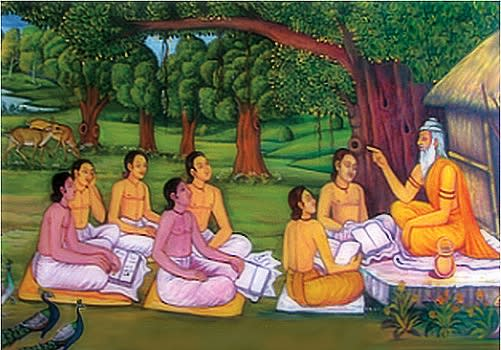
8. 14 Sources of the Vedic knowledge
In our Sanatan Dharma and Vedic culture, there are 14 basic sources of the knowledge which are considered foremost and base of the Vedic Learning.
They are – the Vedas (Rigveda, Yajurveda, Samaveda and Atharvaveda), Vedangas (Shiksha, Kalpa, Vyakarana, Nirukta, Chanda and Jyotisha), Purana, Nyaya, Meemamsa and Dharmashastra.
Name Deva Rishi Shakhas Content
Rig Agni Paila 21 Hymns
on Devas;
Social Life,
Soul etc
Yaju Vayu Vaishampayana 101 Rituals,
Yajnas,
Sacrifices
Sama Aditya Jaimini 1000 Devotional
Hymns,
Music, Peace
Atharva Aditya Sumanthu 9 Devatas,
Creation,
Mantras to ward off
enemies,
commerce
Up Vedas
Ayurveda - Part of Rigveda
DhanurVeda - Part of Yajurveda
Artha Shastra - Part of Atharvaveda
Gandharva Veda - Part of Samveda
For a short introduction to Vedic knowledge refer to my threads:
Thread 1:
()
Thread 2:
()
In our Sanatan Dharma and Vedic culture, there are 14 basic sources of the knowledge which are considered foremost and base of the Vedic Learning.
They are – the Vedas (Rigveda, Yajurveda, Samaveda and Atharvaveda), Vedangas (Shiksha, Kalpa, Vyakarana, Nirukta, Chanda and Jyotisha), Purana, Nyaya, Meemamsa and Dharmashastra.
Name Deva Rishi Shakhas Content
Rig Agni Paila 21 Hymns
on Devas;
Social Life,
Soul etc
Yaju Vayu Vaishampayana 101 Rituals,
Yajnas,
Sacrifices
Sama Aditya Jaimini 1000 Devotional
Hymns,
Music, Peace
Atharva Aditya Sumanthu 9 Devatas,
Creation,
Mantras to ward off
enemies,
commerce
Up Vedas
Ayurveda - Part of Rigveda
DhanurVeda - Part of Yajurveda
Artha Shastra - Part of Atharvaveda
Gandharva Veda - Part of Samveda
For a short introduction to Vedic knowledge refer to my threads:
Thread 1:
()
Thread 2:
()
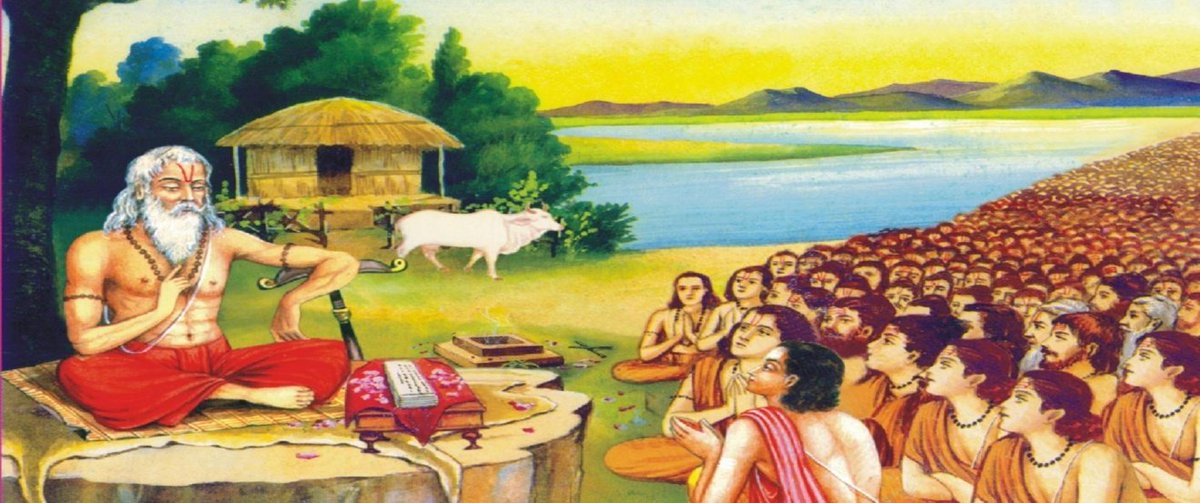
9. Be very proud of your Sanatan Lineage.
Sanatan is the light and Dharma is the path.
Please share it further to spread the light of the Sanatan.
Blessings from Shri Krishna.
Radhe Radhe
Sanatan is the light and Dharma is the path.
Please share it further to spread the light of the Sanatan.
Blessings from Shri Krishna.
Radhe Radhe
• • •
Missing some Tweet in this thread? You can try to
force a refresh