Read on Twitter
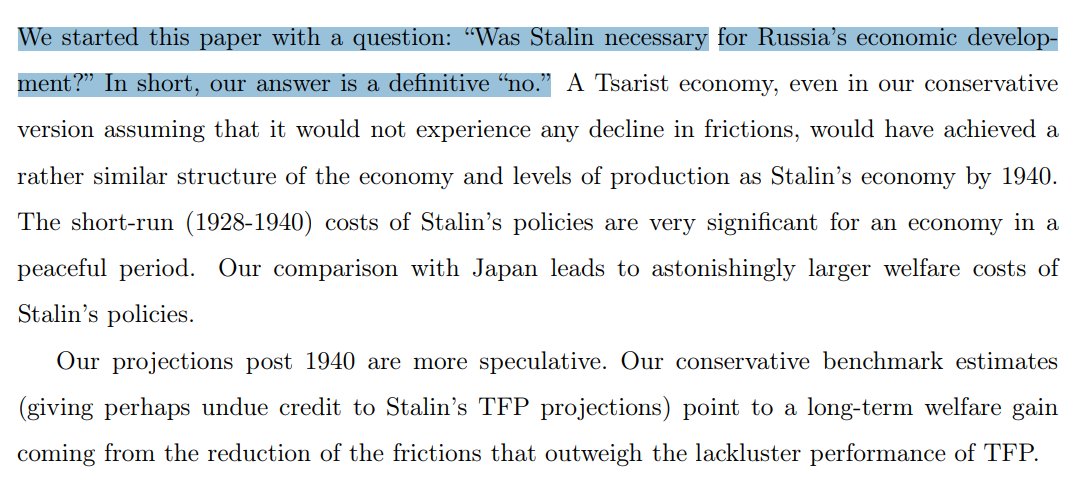
As far as I can tell, there are no good reasons to think that the Soviet Union was better for Russian development than the continuation of the Tsarist regime.
A few papers have been written on this.
First one, has a title question where the answer is "no".

A few papers have been written on this.
First one, has a title question where the answer is "no".
https://twitter.com/Patryk87837486/status/1700803671729099219

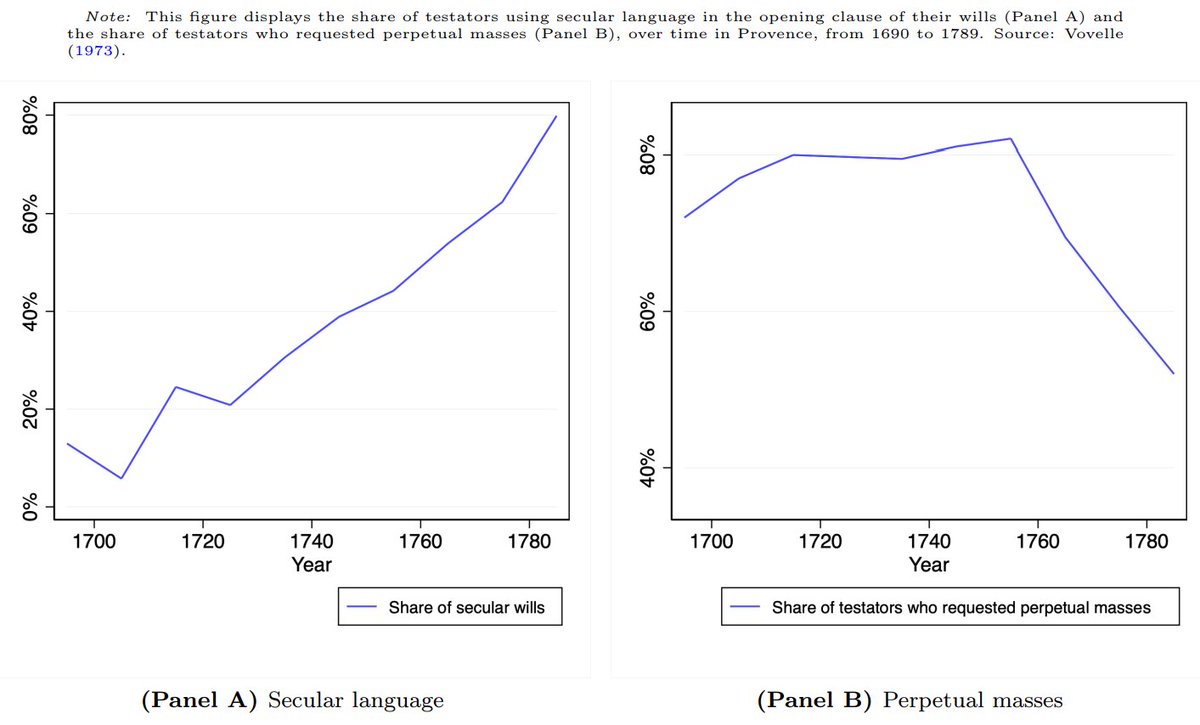
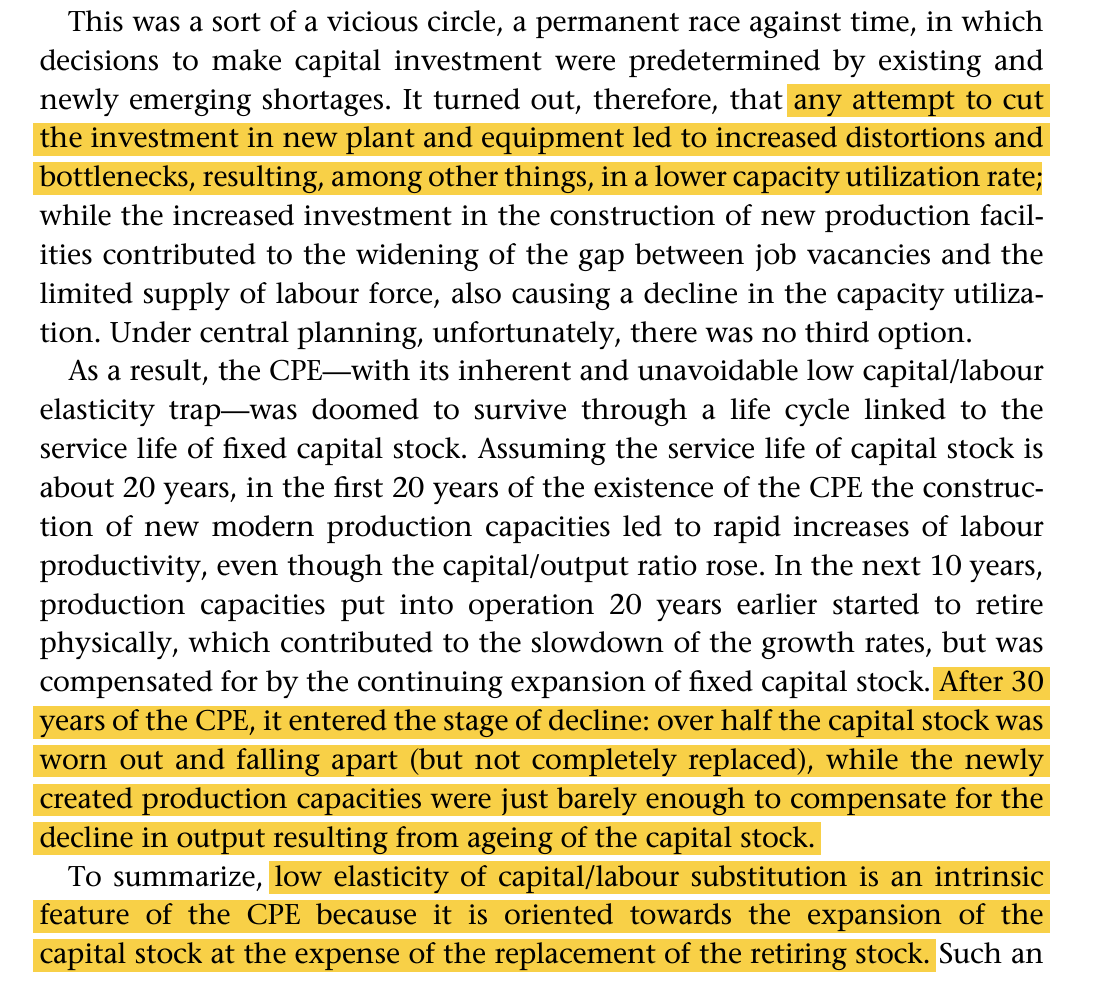
The fact that it seems Stalin's policies weren't needed (first pic) is a stunning indictment of central planning, because such policies pretty much invariably have their best days in their early days since they rely on extensive growth that falls apart (second pic).
Another study was done on the Stalin question specifically.
Same conclusion.
Same conclusion.

There's another popular Communist transformation myth: that China wouldn't have developed without Mao.
I've never seen a believer actually grapple with the counterfactual, but the facts just don't support it anyway.
For example, under Mao, China didn't really de-peasantify.
I've never seen a believer actually grapple with the counterfactual, but the facts just don't support it anyway.
For example, under Mao, China didn't really de-peasantify.
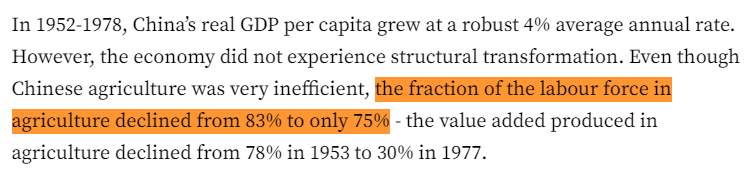
The real de-peasantification happened after China opened up.
There's also just not any good reason to think the KMT regime would have done worse. It almost-certainly would have done better thanks to less central planning, repression, genocide, irrationality, etc.
But oh well.
There's also just not any good reason to think the KMT regime would have done worse. It almost-certainly would have done better thanks to less central planning, repression, genocide, irrationality, etc.
But oh well.
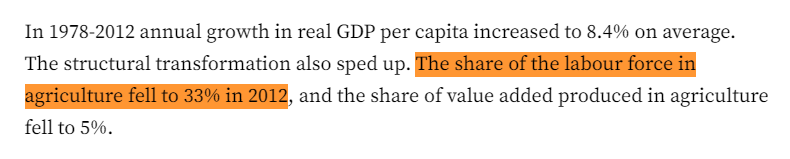
Had China failed to reform, it likely would have stayed a peasant kingdom for longer.
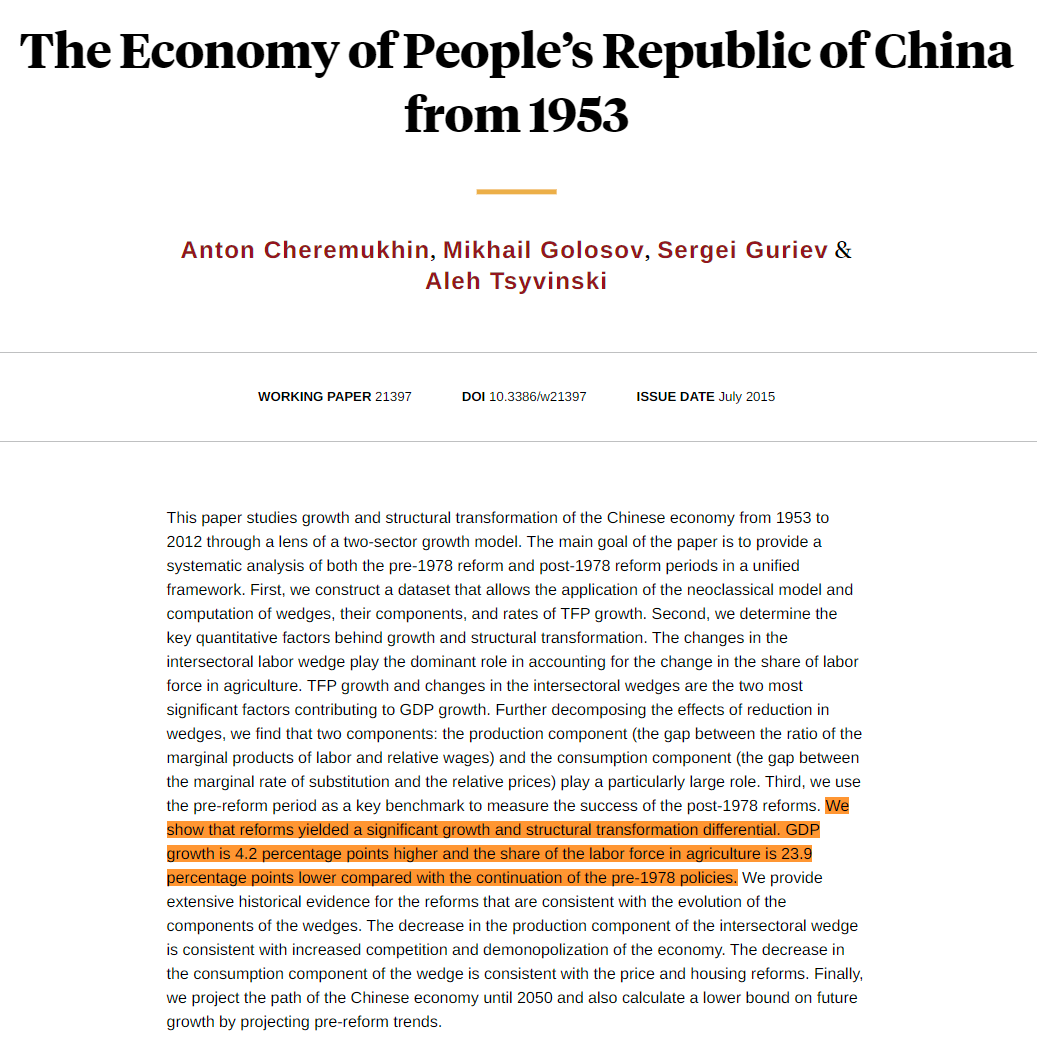
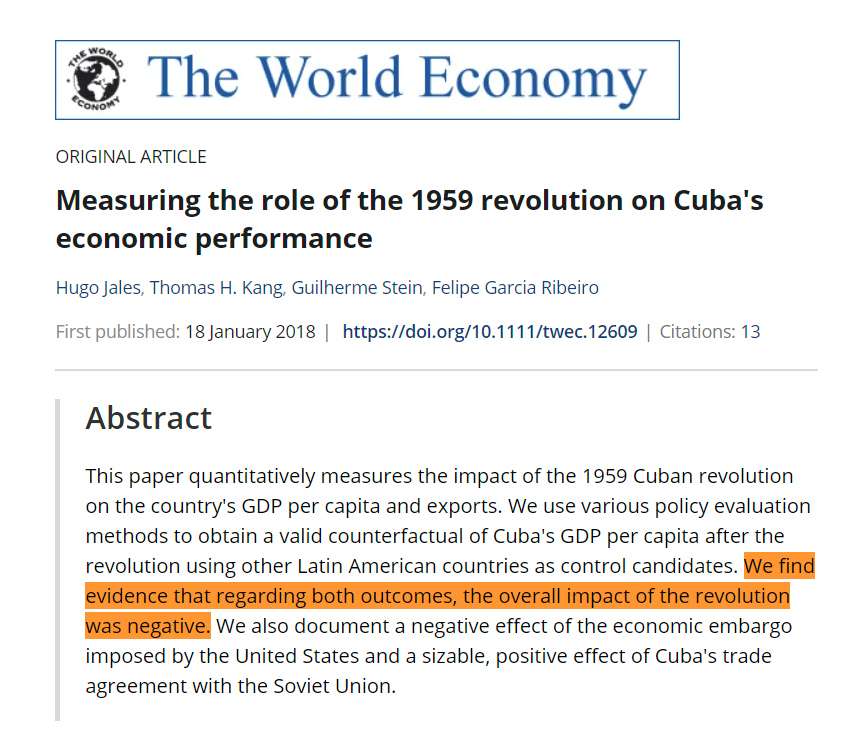
Russia and China are the big examples, but it's also pretty clear that other places did worse than they should have.
Take Cuba.
Take Cuba.
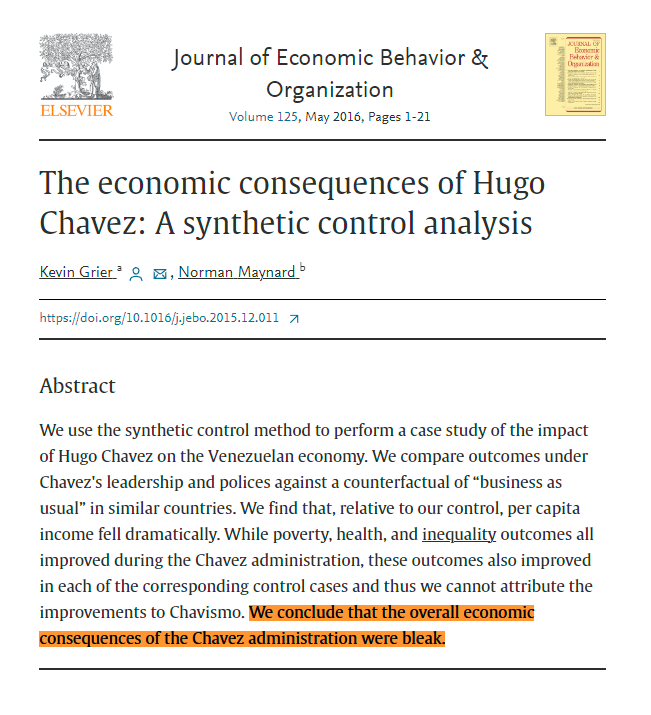
Or Venezuela under Chavez.
The idea that communism should kick-start an economy just doesn't make much sense.
It is universally associated with immiseration relative to market economies and no one has been able to show that it's needed to lay the groundwork for some countries to become market economies.
It is universally associated with immiseration relative to market economies and no one has been able to show that it's needed to lay the groundwork for some countries to become market economies.
Sources:
nber.org/papers/w19425
library.lol/main/83ADE80F2…
academic.oup.com/restud/article…
cepr.org/voxeu/columns/…
nber.org/papers/w21397
onlinelibrary.wiley.com/doi/10.1111/tw…
sciencedirect.com/science/articl…
nber.org/papers/w19425
library.lol/main/83ADE80F2…
academic.oup.com/restud/article…
cepr.org/voxeu/columns/…
nber.org/papers/w21397
onlinelibrary.wiley.com/doi/10.1111/tw…
sciencedirect.com/science/articl…
• • •
Missing some Tweet in this thread? You can try to
force a refresh