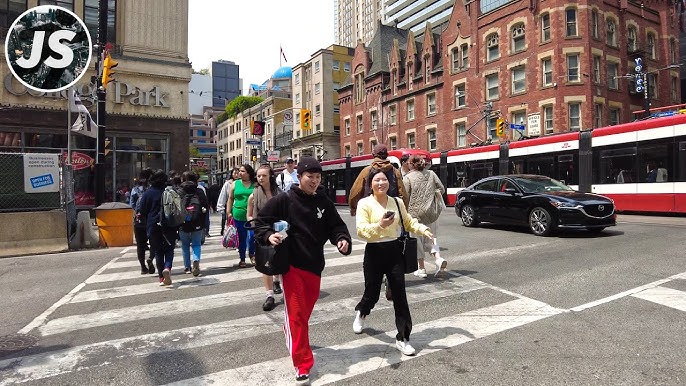
Even though it's a surname and not an English word, the Quebec French language laws won't let Starbucks be "Starbucks" because it's not a French surname, so it's "Cafè Starbucks" instead.
Today I find myself at East Riverfront Metrolink Station!
I am going to walk clear across St Louis, "tHe mOsT daAnGeRouS CiTy in North America" to prove a point, and get some awesome sandwiches.
I will be posting anything interesting I see along the way down below😎 👇
First, obligatory Metrolink train. My beloved Siemens SD400s which are original to the system. These guys are OLD and will probably be among the first to be retired when we get our new trains in a few years!
I love the Eads Bridge but I think it's top deck is wasted in it's current configuration.
Operating from 1966 to 2009, the #15 Hodiamont bus served north St Louis and was ahead of it’s time in many ways and could be though of as an early BRT, similar to the services operated on Pittsburgh’s famed busways.
Short 🧵
As with many US cities, St Louis was never really the same after the great recession of 2008. The #15 Hodiamont bus’s closure in 2009 was just one of the many victims of corporate America’s greed. But even though it’s gone, it’s legacy lives on through it’s unique infrastructure.
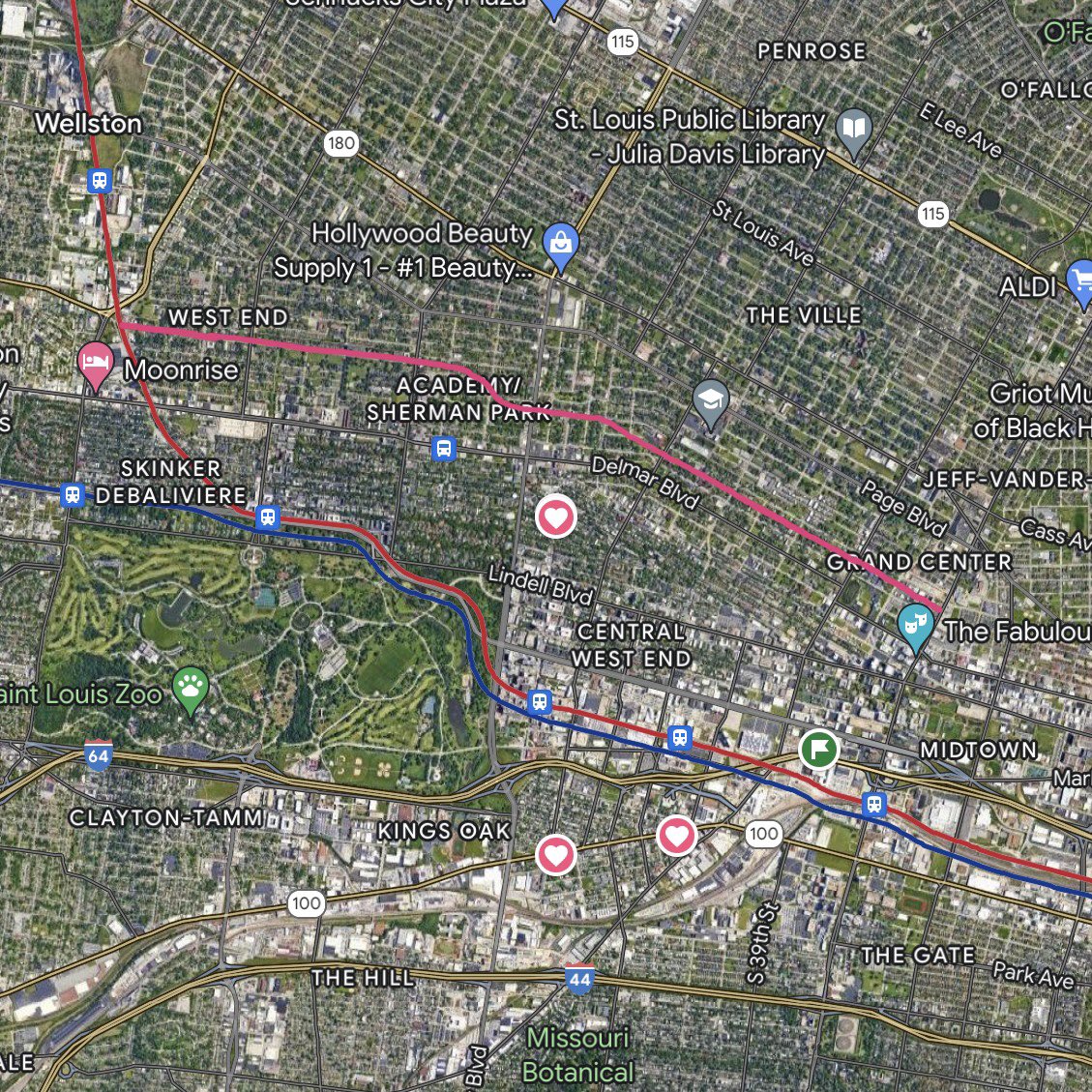
The #15 Hodiamont’s busway, as highlighted in magenta on the map, ran from north Delmar to Grand Center, and then on normal streets into downtown.
A busway is the ultimate form of bus lanes; a road dedicated to buses only. This allows for greater speeds and higher capacity.
This is a photo of the Sioux City Elevated Railway, the first electric elevated railroad in the world.
New York and Chicago's elevated trains are special because they survived, it's worth remembering there used to be similar systems in countless other cities.
The Cincinnati Subway is infamous for being rapid transit that was never finished, but I think perhaps the Sioux City elevated should be even more infamous for being rapid transit that was demolished.
That someone once saw a city as small and insignificant as Sioux City deserving of rapid transit speaks speaks volumes regarding how we once viewed our urban areas; as promising and vibrant hubs of activity deserving of investment.
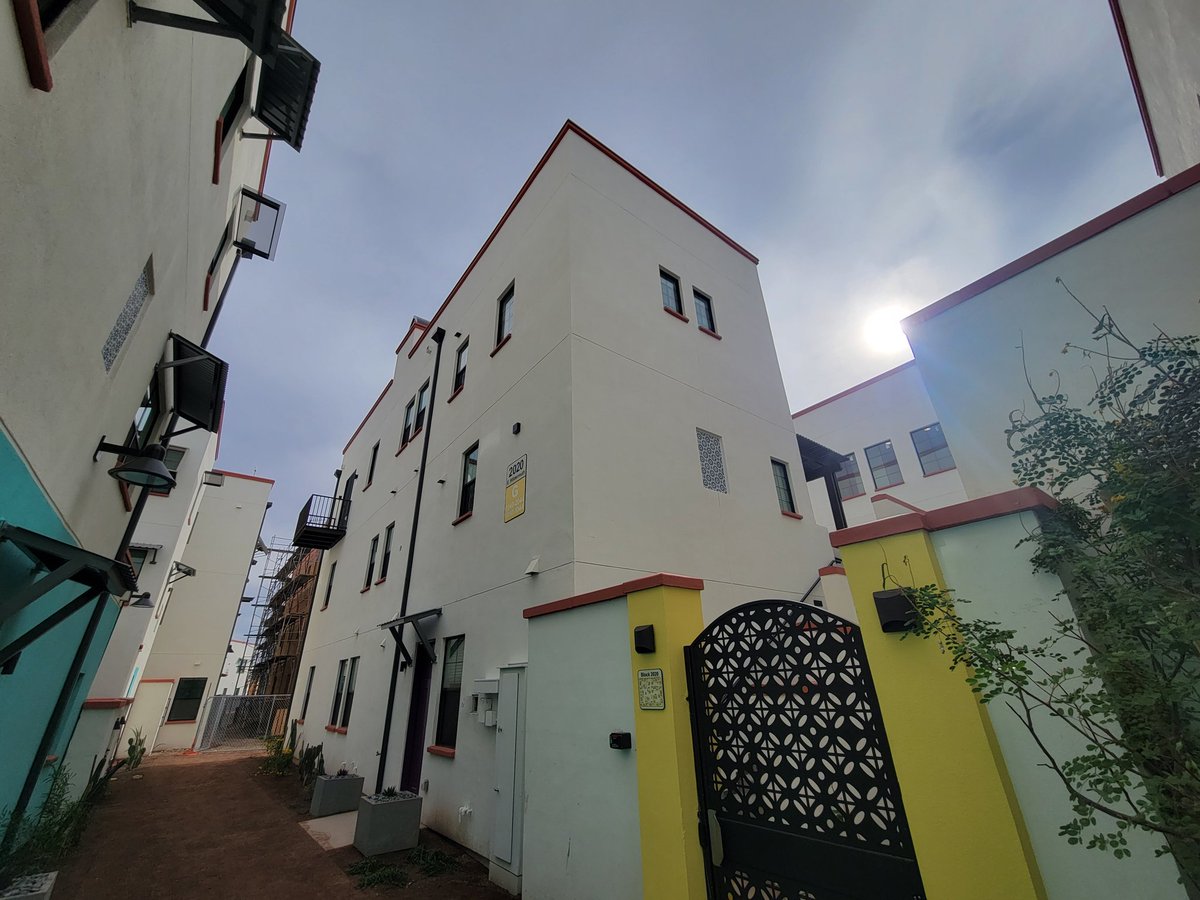
I visited Culdesac, which claime to be a template for more sustainable housing in the Phoenix AZ metro area.
It's not perfect, but it is good! It's incredibly easy to live car free or car lite here. There's a small grocery store, a light rail station, and ample bike parking! 🧵
The homes themselves are pretty standard wooden apartment construction covered in stucco, which isn't the best for "sustainability" and energy consumption in the summer, but they at least appear to be well insulated. Masonry would be preferable here.
That being said, density is high. Everything is very tightly packed together and walkways and entryways are well-shaded.
The apartment buildings themselves look nice and are reasonably tall, and some are mixed use with small tenants like a tea shop and a thrift store.
This Friday, July 31st marks Metrolink's 30th anniversary, I want to discuss the system a bit over the next few days.
Today, tunnels!
Many don't know this, but Metrolink's downtown tunnels are 148yrs old (1875), making them the OLDEST SUBWAY TUNNELS IN THE WORLD! 🧵
The tunnels are called the St Louis freight tunnels, construction started in 1866 and they opened with the Eads Bridge in 1875 to carry rail traffic from the lower deck of the bridge through downtown and to Union Station.
They were built cut and cover, and are of sandstone and brick arch construction.
These tunnels are absurdly old but still in good working order, a testament to the resilience of WEL:L MAINTAINED rail infrastructure.