Read on Twitter
1. I’ve had a lot of emails from governments, institutions and individuals following UNODC’s recent report on methamphetamine in Afghanistan. unodc.org/documents/data…
2. Most are sceptical of the findings & UNODC’s claim that OTC & bulk pharmaceuticals are the primary precursors for meth in Afghanistan & what they see as a corresponding lack of evidence. Further confusion is expressed over the press coverage that has accompanied the report.
3. Particularly the claim that methamphetamine trafficking is rising in response to the Taliban ban. reuters.com/world/asia-pac…
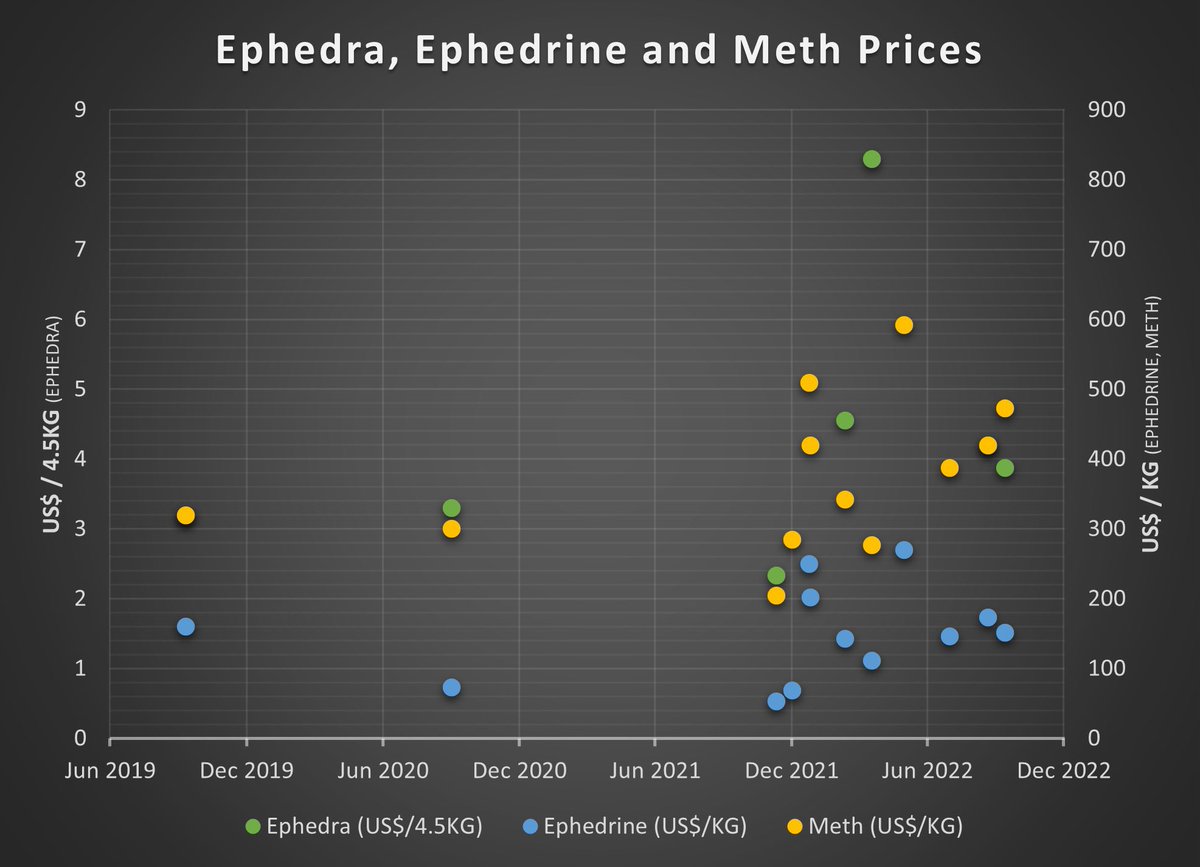
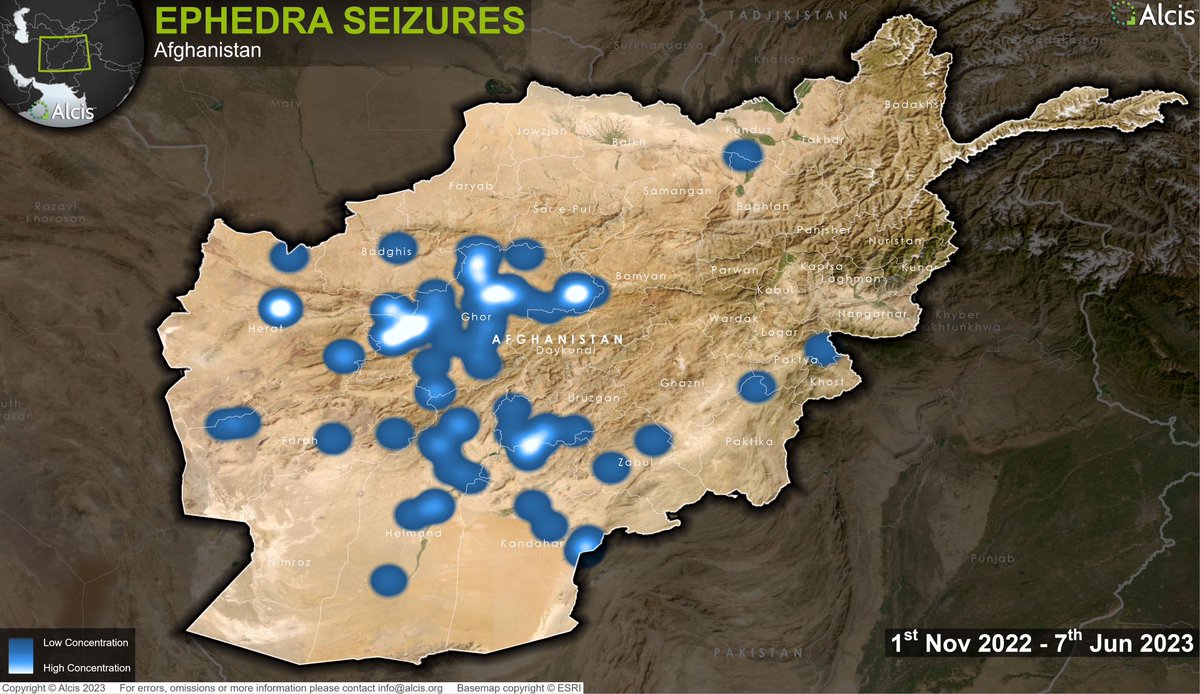
4. An argument that makes little sense when reviewing evidence on prices, lab counts, & seizures of ephedra & labs destroyed -much of which is publicly available. alcis.org/post/taliban-d…
5. I have tried to refrain from commenting publicly as these critiques give me no satisfaction, however, a number of these contacts have encouraged me to engage & give them some pointers with which they can anchor their own justifiable worries regarding this latest UNODC report.
6. Having read the paper its hard not to conclude that the paper is (i) technically weak & not grounded in Afghan realities (ii) disingenuous in its failure to engage with evidence that doesn’t fit its thesis that bulk pharmaceuticals are behind meth production in Afghanistan..
7. …. &(iii) thoroughly misleading when it comes to the impact of the Taliban ban on meth production.
8. The primary concern is the absence of evidence to support the report’s primary thesis: that there is not enough ephedra in Afghanistan to produce the amount of meth being produced & bulk pharmaceuticals are likely to be the primary precursor.
9. No one ruled out that other precursors could be in play (some of us have been looking for some time). But the report offers no evidence of bulk pharmaceutical ephedrine incountry: no supporting seizures, price data, or interviews of those involved in processing.
10. It remains a hypothetical even based on UNODC’s own work. The report does offer some insights into the use of Over the Counter Medicines (OTC) but even here UNODC’s own calculations show the costs of producing ephedra based meth is half that of OTC, …..
11…. & that “estimates here suggest ephedra may be competitively priced such that it is a desirable input material in Afghanistan”. But even on OTC, UNODC can’t help but over sell it.
12. They claim “production from cold medications [is] marginally profitable” despite only factoring in the costs of the tablets in their calcs (this is an oft repeated mistake in UNODC publications who unfortunately don’t seem to have a good grasp of the definition of “profit”).
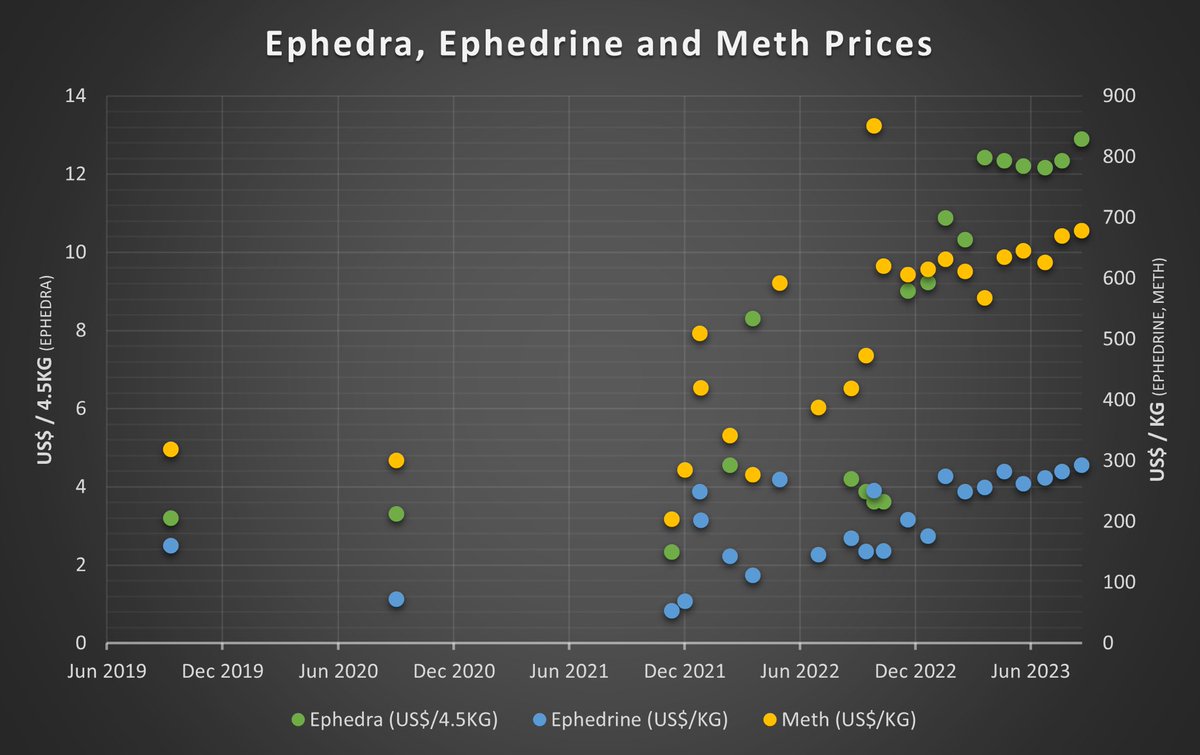
13. Certainly, Afghan cooks disagree that OTC is even “marginally profitable”; it’s hard to meet anyone that cooks with it. Most argue they make a loss using OTC given the costs of the tablets required to make 1kg of meth @$709 exceeding that of a market price for meth @$680/kg.




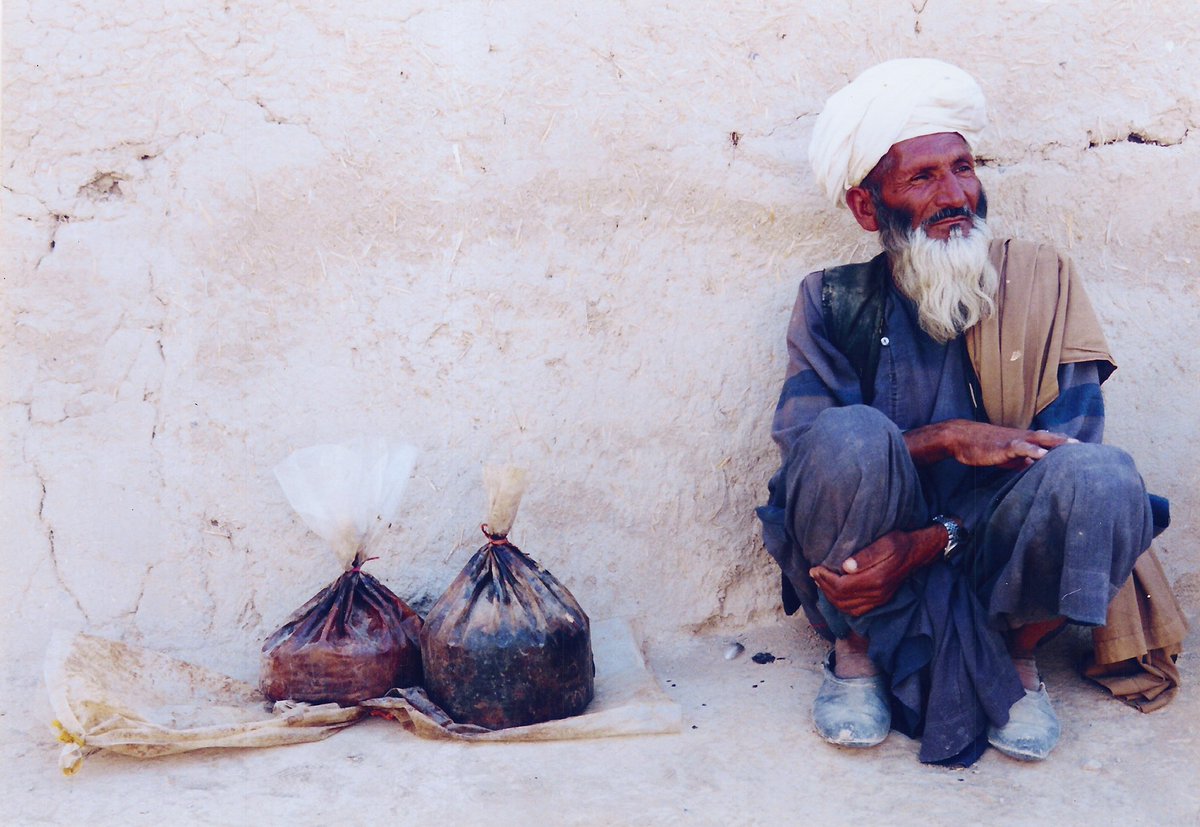
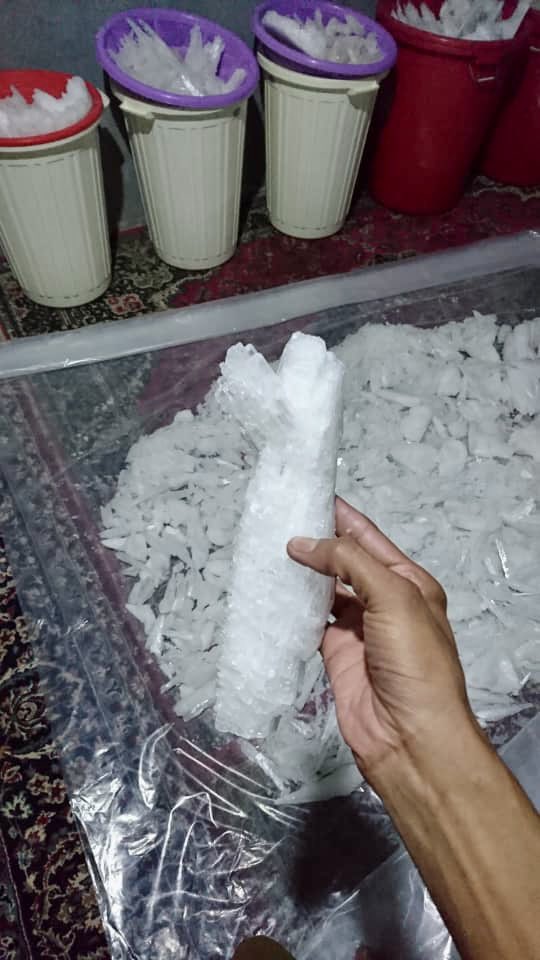
14. They would also argue whats the logic of paying for imported medicines from other countries when they can use a crop that grows wild in the mountains.
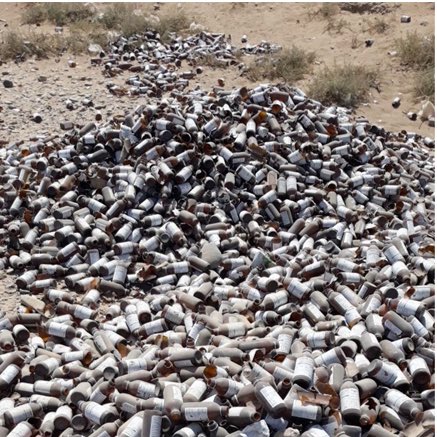

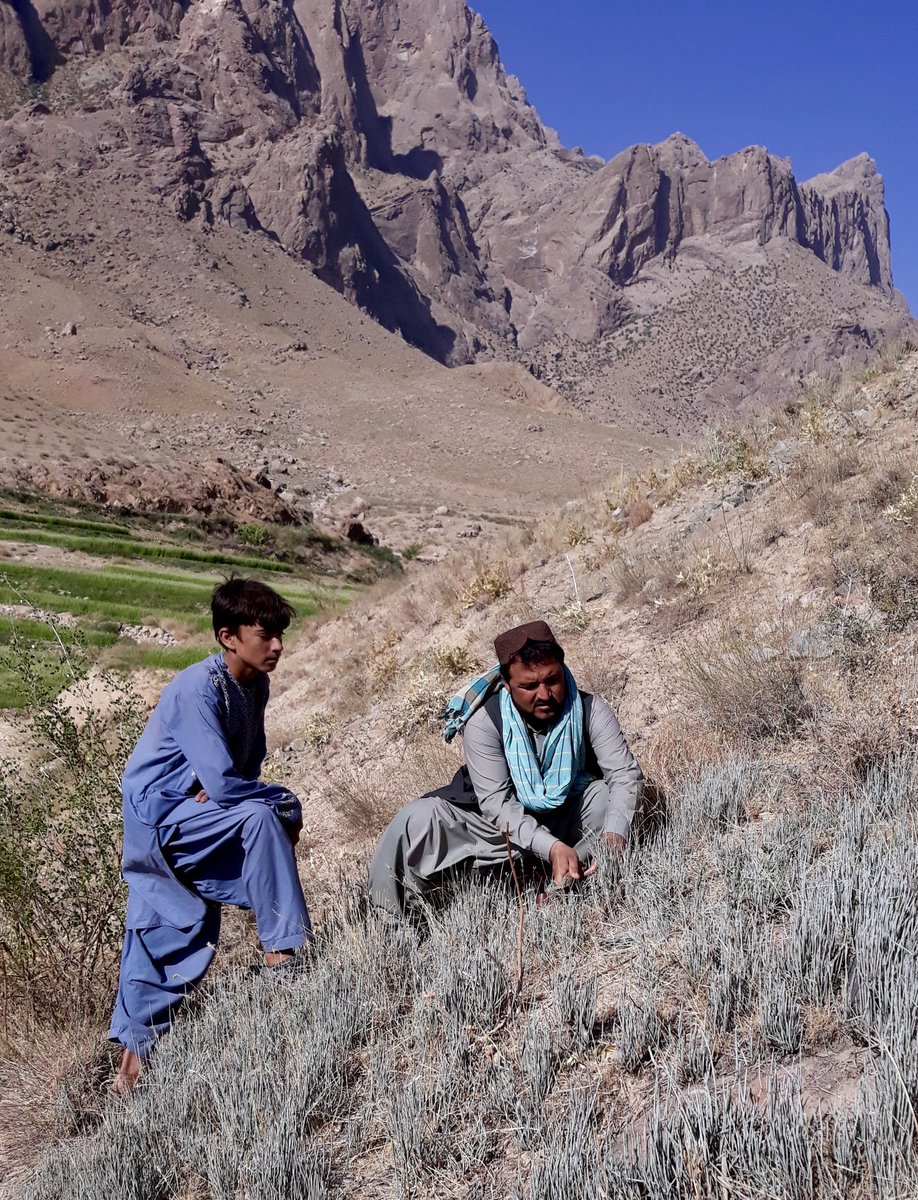
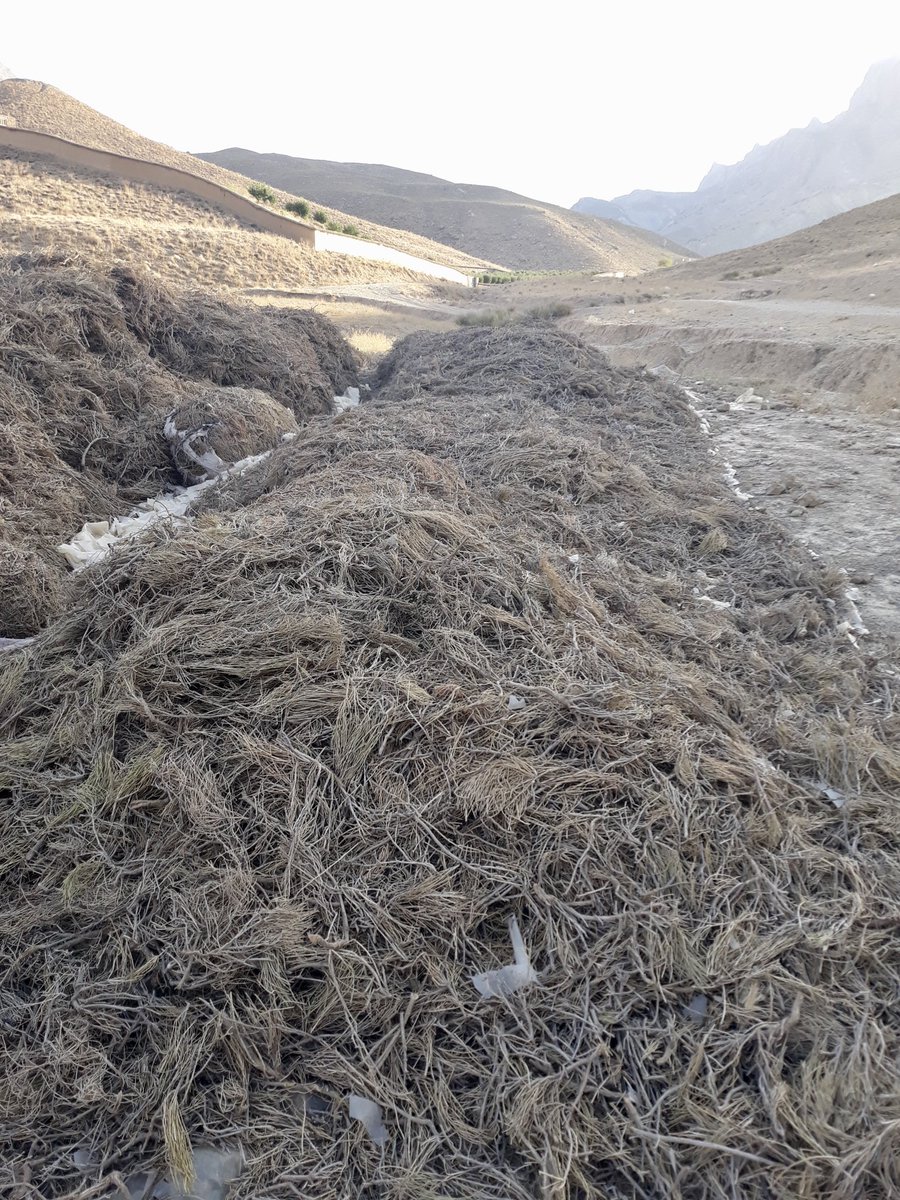
15. Despite concluding that ephedra is economically more viable & that there is no evidence of bulk pharmaceuticals, the report largely focuses on ephedra based meth production & an attempt to prove that there is insufficient ephedra in Afghanistan to produce the meth seized.
16. The report jumps through various hoops to argue there isn’t enough ephedra incountry. For ‘
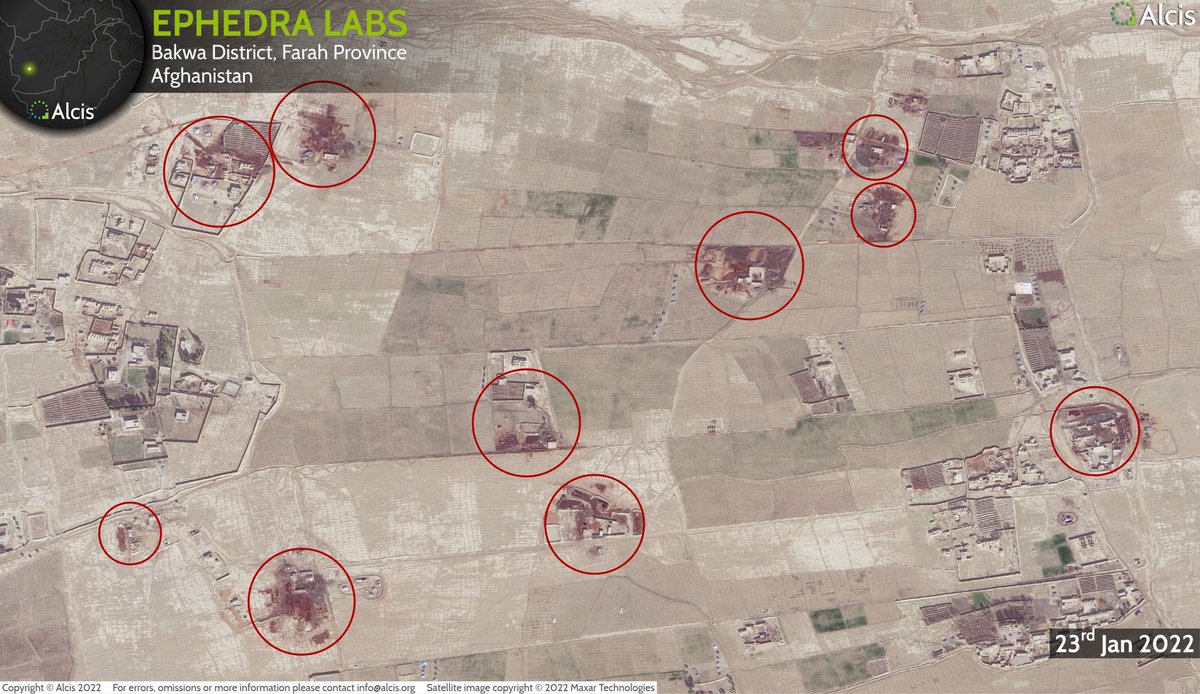
many this seems an odd conclusion given evidence of the large area where ephedra is grown, the significant volumes stored, & the number of ephedrine labs found (& also destroyed).
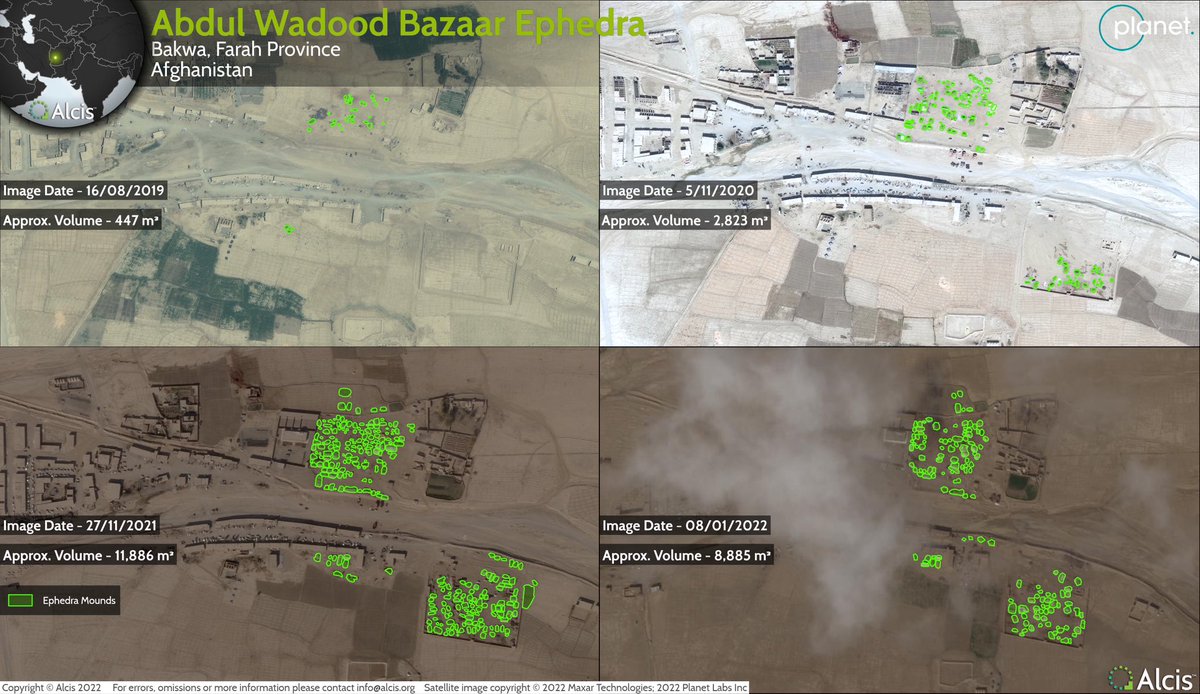
many this seems an odd conclusion given evidence of the large area where ephedra is grown, the significant volumes stored, & the number of ephedrine labs found (& also destroyed).
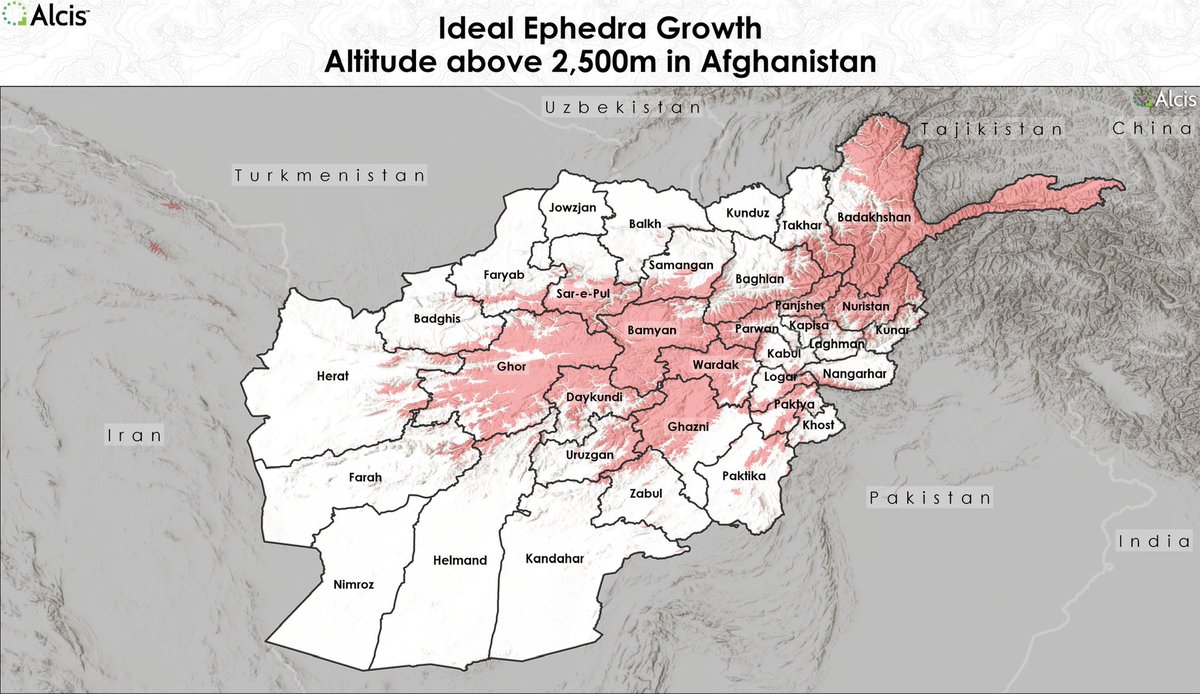
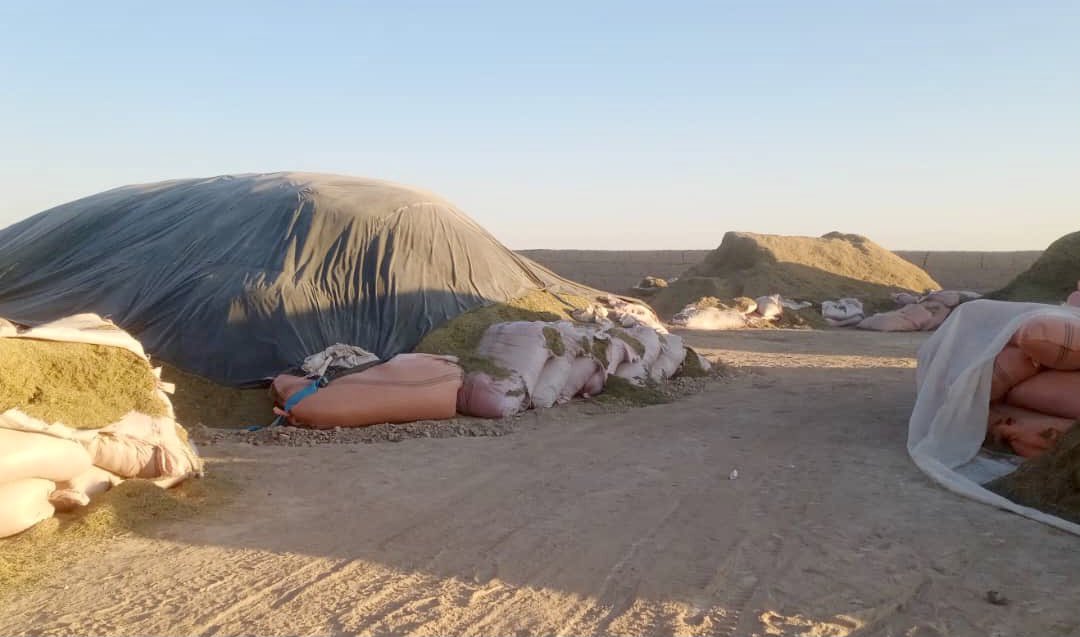

17. But UNODC persist. They dismiss what we can see with our own eyes in videos, imagery, photos as “anecdotal”. It often feels like a Jedi mind trick - “these are not the droids you are looking for”

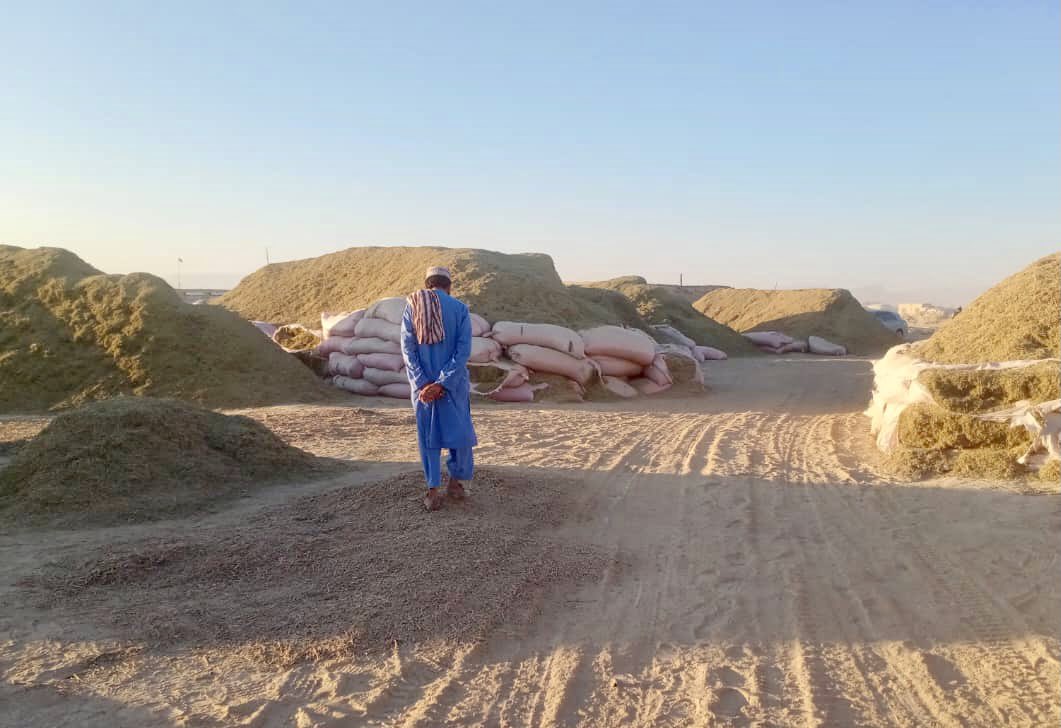

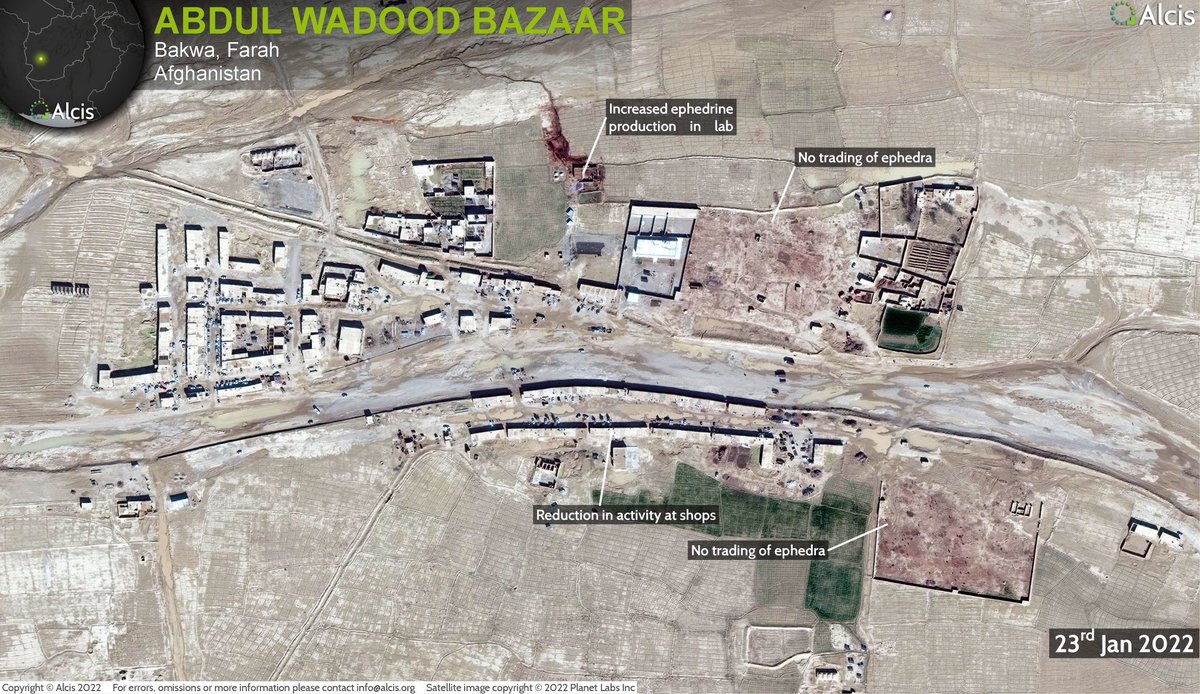
18. They even reference an Alcis product containing imagery, photos, & video from Abdul Wadood bazaar to extract a conversion rate for ephedra to meth & ignore the fact that on one day 27/11/21 - in one bazaar 9,900 MT of ephedra was stored for all to see. storymaps.arcgis.com/stories/fc4f58…
19. Again, hard evidence - imagery, photos & video - is deemed “anecdotal”.
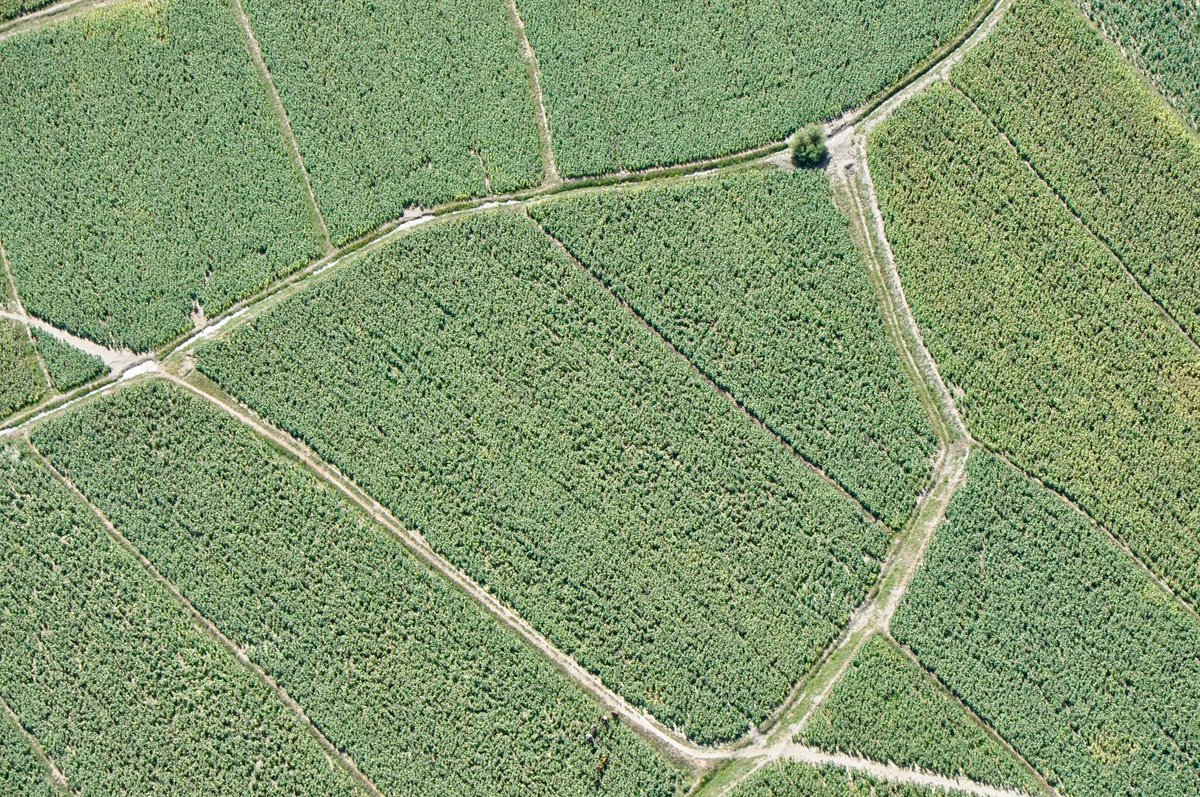
https://twitter.com/sgreports/status/1521884495678373889
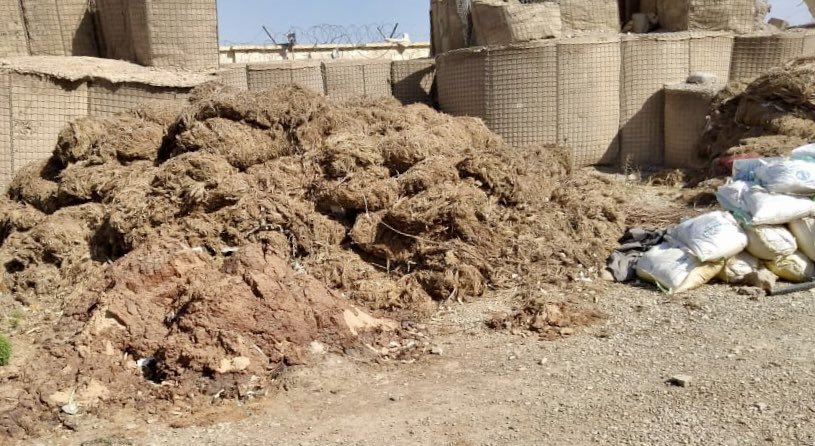


20. Moreover, the fact that the volumes in AWB that one day are far more than the 2,900 to 5,300 MT of dried ephedra UNODC estimate is required to produce the 29.7 MT of meth seized in Afghanistan & neighbouring countries in 2021 is also dismissed….
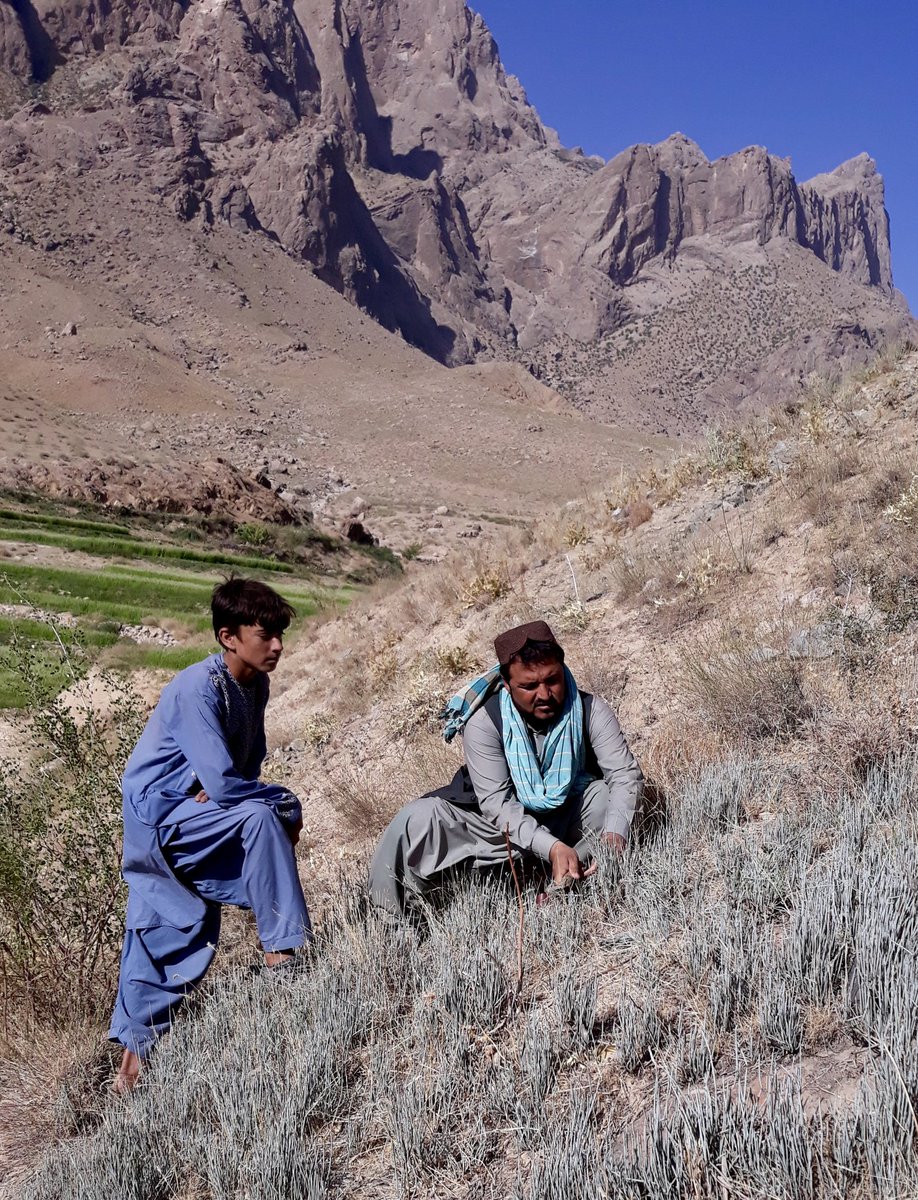
21….. as UNODC continue to claim that there is simply not enough ephedra in Afghanistan despite all the evidence to the contrary.
22. These attempts to deny the potential volumes of ephedra in Afghanistan continue. But perhaps the best example - as well as a failure to engage in ground realities in Afghanistan - is the use of high resolution satellite imagery over Kyrgyzstan.

23. Now if someone is throwing around budget for 40cm resolution imagery so we can better understand meth production in Afghanistan I’m not tasking it over Kyrgyzstan.
24. Nor am I using it to look at ephedra a crop that grows wild, does not have a uniform pattern of growth & is largely indistinguishable from other crops when viewed through satellite imagery.


25. No, I’d be taking that taxpayers money & using it to identify areas where ephedra is stored & processed, but hey what do I know?The Kyrgyzstan experiment is used to calculate the surface area required to produce the 29.7 MT of meth seized in Afghanistan & neighbours.
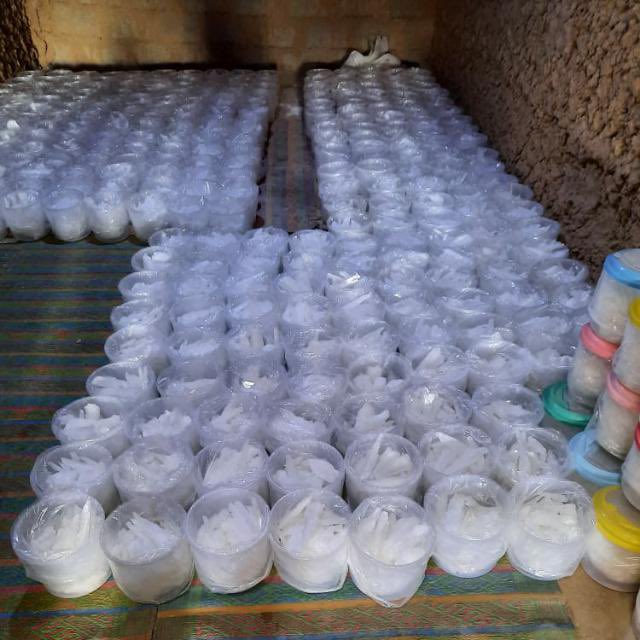
26. Based on this neighbouring country, & a location 1600 metres above sea level, rather than the mountains of Afghanistan, UNODC conclude “between 507,000 to 913,000 hectares would be needed to source enough ephedra for the 29.7 MT seized…”
27. They reinforce their point regarding as to how improbable this all is by comparing it with poppy: “to place this in context, this hectarage is about 2-3 times the area that was under illicit poppy in its 2017 record year”.



28. I won’t go down the rabbit hole of the appropriateness of using plant density in a neighbouring country & it’s inconsistency with the mountains of Afghanistan, hypothetical conversion rates based on assumed moisture in China.
29. Nor the wisdom of calculations based on “pure meth” rather than what is produced in Afghanistan, & the absence of any testimony of those involved in trading & producing meth in Afghanistan. It would take up too much time.


30. However, even when it comes to their estimate of the surface area, UNODC do not prove what they hope to. Their upper limit of 913,000 hectares is only 4.7% of the surface area of Afghanistan over 2500 metres where ephedra can grow.

31. Comparing this area with the record poppy crop-a cultivated plant not a wild one-feels like just another distraction aimed to convince policy makers that a body of work done to date (not a single market case study as they refer) lacks veracity & UNODC is here to save the day.
32.There are many other areas where the report appears disingenuous. Arguments that the harvest is done in remote mountainous areas, & is difficult & too time consuming for large volumes to be produced could only have been written by someone who’s never been to rural Afghanistan


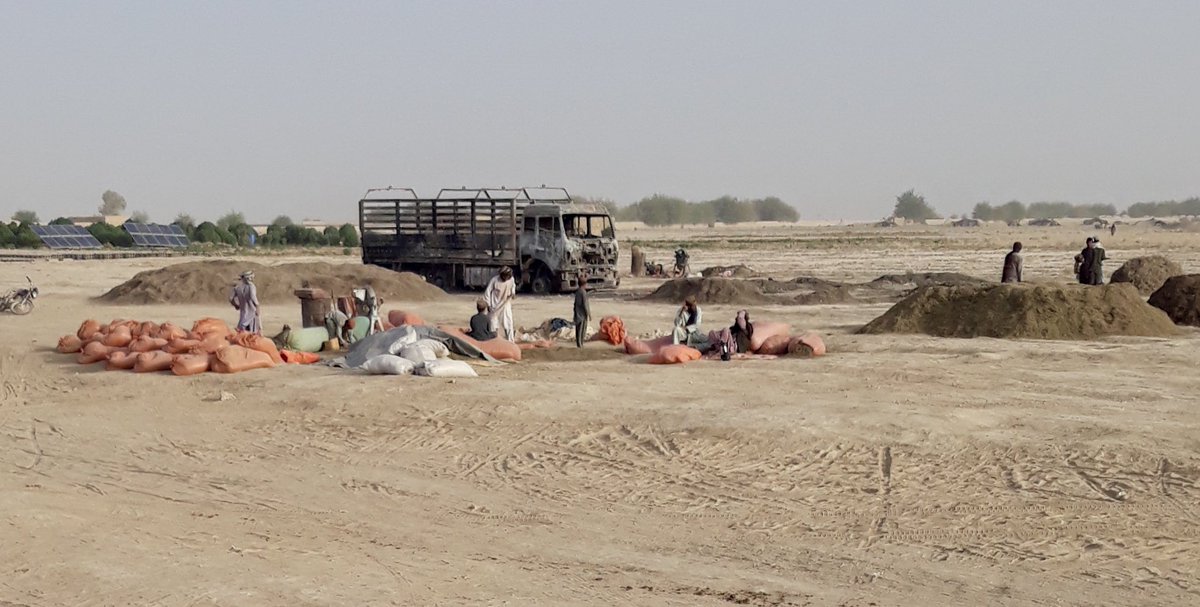
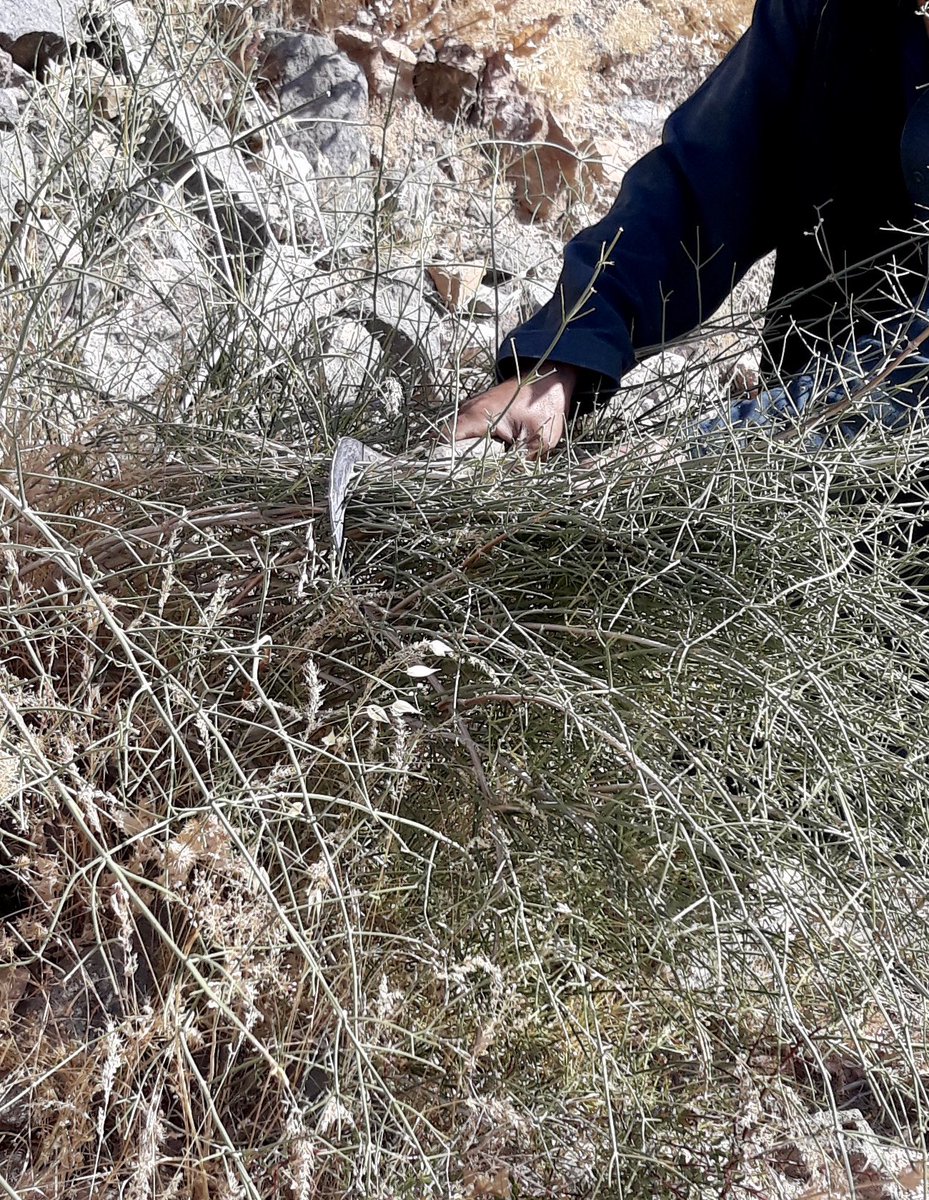
33. It would certainly be scoffed at by the multitude of farmers in central Afghanistan who have few other work opportunities & whose day often consists of arduous work and long hours in the boondocks.
34. It’s certainly not the basis by which to argue the ephedra crop is not viable as UNODC infer & there is plenty evidence to disprove it.
35. The report is littered with other comments that suggest there has been little to no engagement with those who trade ephedra, ephedrine, & meth in Afghanistan or indeed those cooking ephedrine & meth, or indeed the wider literature in the public domain.

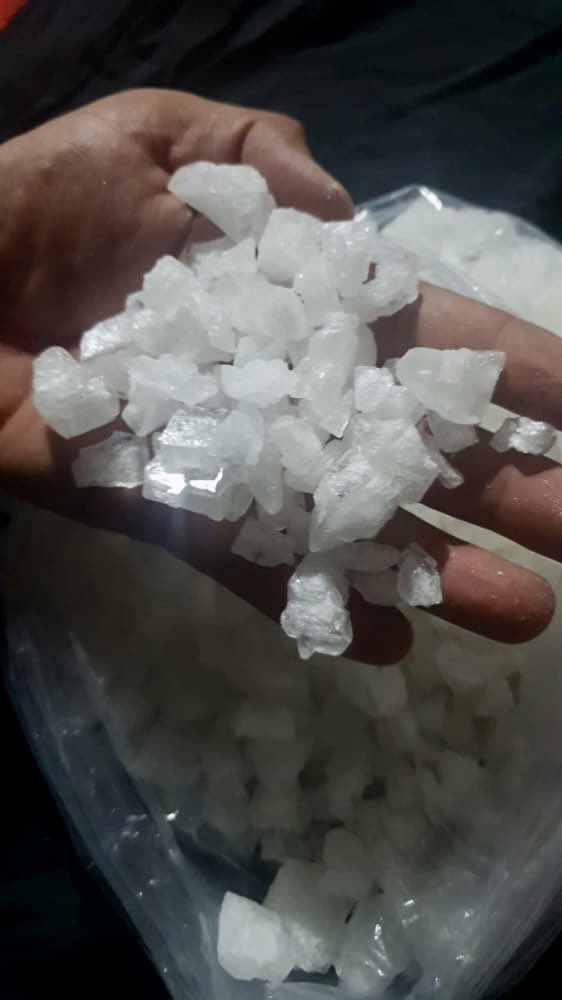


36. In fact, traders & cooks know ephedra dried directly in the sun is low quality & wont produce as much ephedrine. They prefer a harvested plant that green in hue from the higher areas of the province of Ghor, Baghran in Helmand & parts of Purchaman & Gulistan.


37. They also know not to buy imports of ephedrine from Gulistan in Pakistan because it’s made from ephedra growing in low lying areas & it doesn’t produce as much meth.
38. It’s not for me to justify the skills of traders & cooks but I do think we should work on the basis they aren’t fools as this report implies & that they are sufficiently armed with “universal tests” & canny enough to test batches of ephedra & ephedrine before buying in bulk.


39. However, ultimately the greatest concern is not how remote this report is from the realities of Afghanistan, how technically weak or indeed selective it is in engaging with the research & coverage of meth in Afghanistan.
40. No the far bigger issue is the policy misdirect. The paper is specific in saying that it will not address the Taliban ban (this the 3rd since August 2021 & 170+ pages where the Taliban is not mentioned).
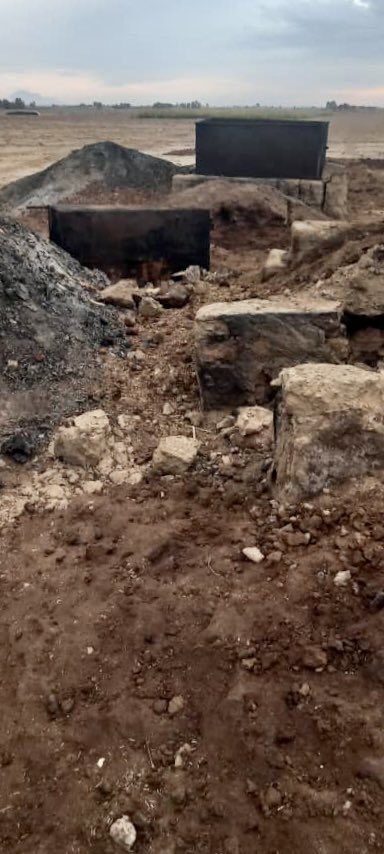
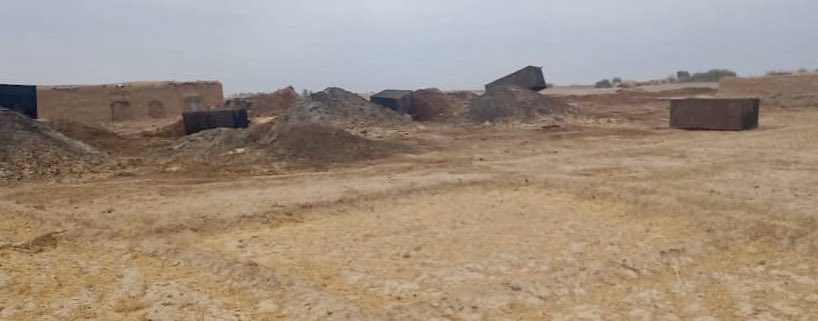
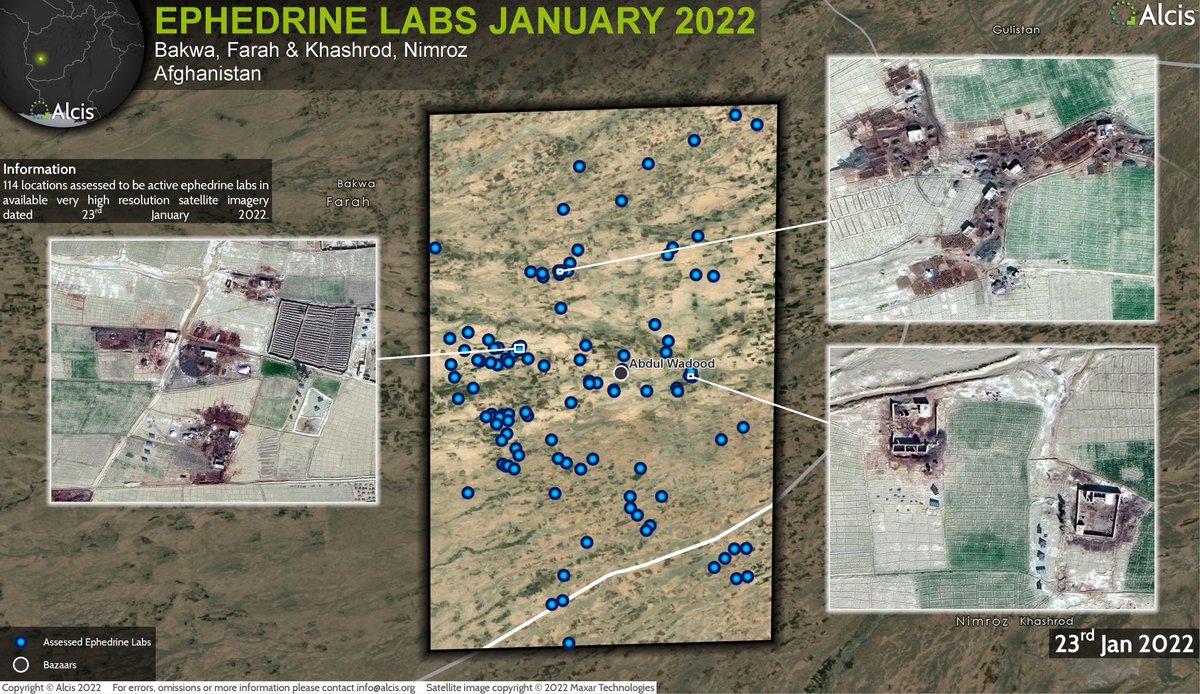
41. It’s unclear why UNODC made this choice given that the Taliban drugs ban is the most significant policy issue when it comes to drugs in Afghanistan.
42. One thought could be that to address the ban would have compelled UNODC to consider the reporting on lab destruction in Afghanistan to date….


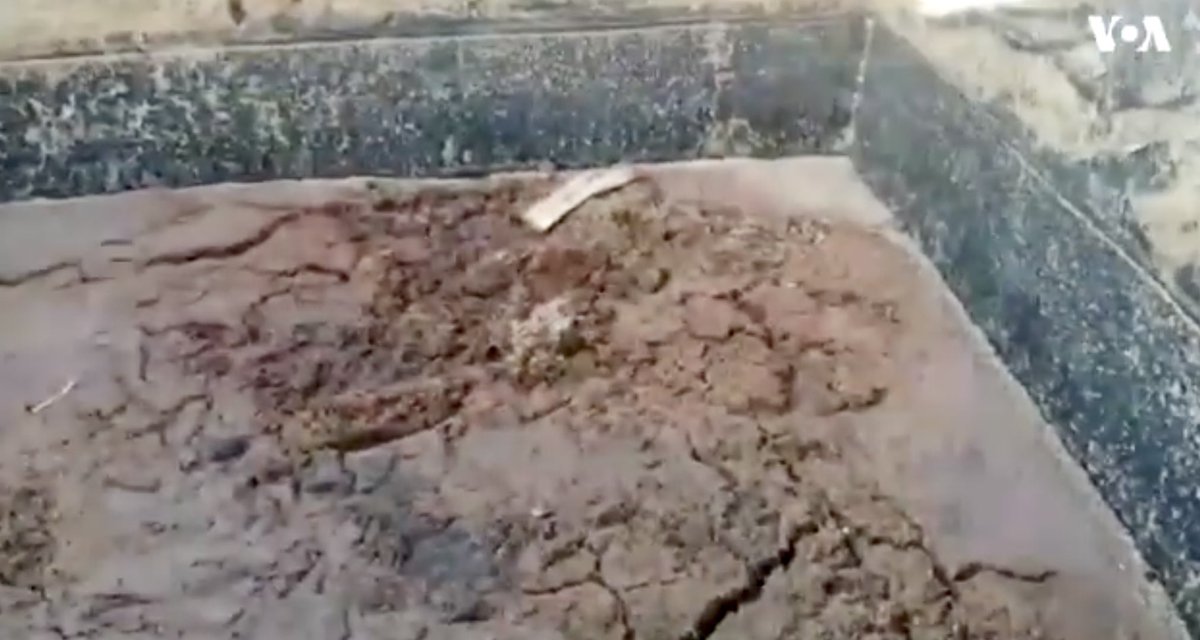
43. ….the lions share of which is of ephedrine labs with large amounts of ephedra in sight- no OTC, no bulk pharmaceuticals - but that would have not fitted the overall message of the report that we should be refocusing on bulk pharmaceuticals darivoa.com/a/discovery-an…

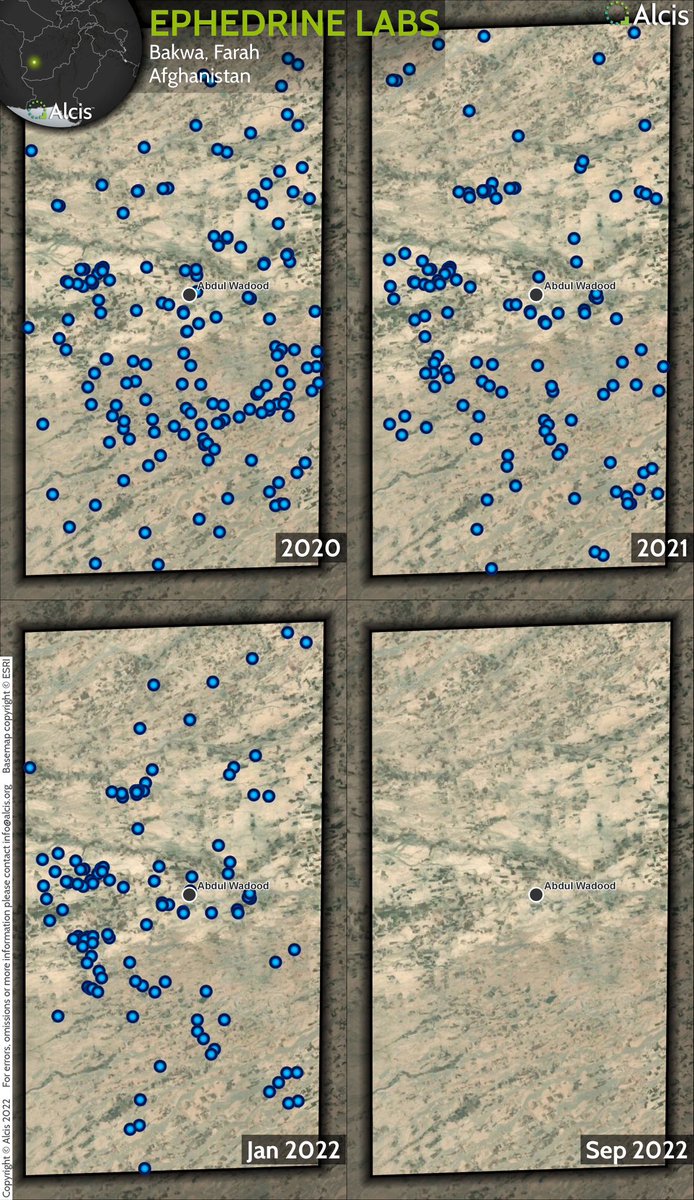
44. Indeed, the reports in the media - both photos & videos show large numbers of labs destroyed. High resolution imagery over Bakwa - an area in which 174 ephedrine labs were concentrated in 2020, show none in September 2022.


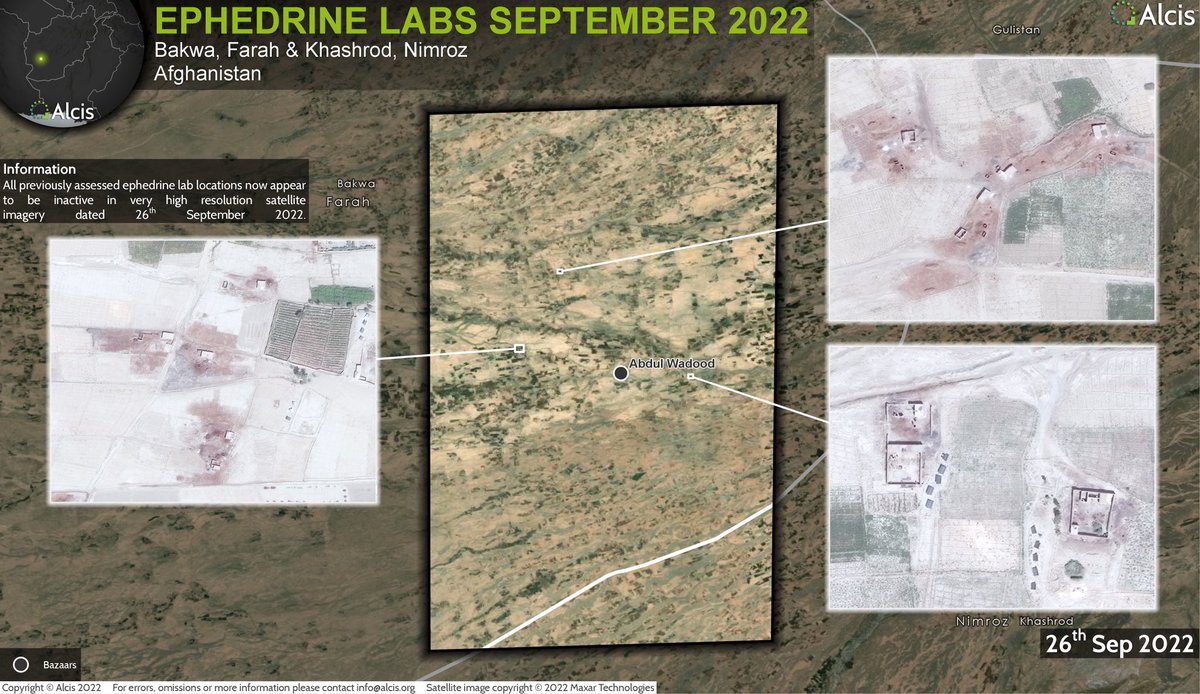
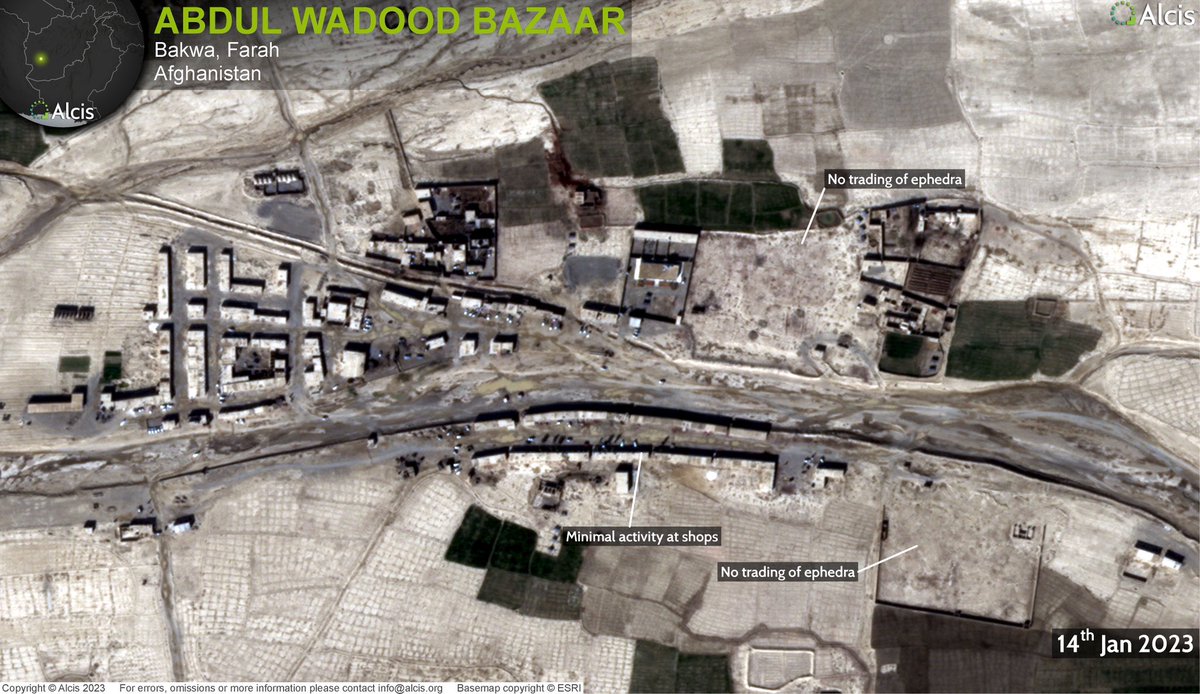
45. It also shows no inventory in AWB from January 2022 onwards following the ban the Taliban announced in December 2021.


46. To be fair to the report, it is in the press releases & coverage that UNODC has suggested trafficking of meth increased, implying that this is a function of increased production since the Taliban ban (even though their seizure date only runs to 2021). unodc.org/unodc/en/press…
47. In some media reports, it is even argued that meth production has risen as a direct consequence of declining heroin production & trafficking (neither of which is true). foreignpolicy.com/2023/09/13/tal…
48. It’s hard to believe that a drug control organisation would confuse a rise in seizures with volumes trafficked, let alone suggest production has increased when increasing prices, reductions in lab numbers & seizures, suggest the contrary-but they do. There is no denying it.

49. The reality is UNODC has long been behind the curve on Afghan meth. It was late 2020 before UNODC acknowledged large volumes of meth were being produced in Afghanistan but only after large seizures in the Gulf, Mozambique, Sri Lanka, & even Indonesia & Australia.
50. All had tell-tale signs that they had origins in Afghanistan. In fact, even as late as 2020 the DMP was still labelling large meth seizures found on Afghanistan’s border entering Iran as of “unknown” origin. unodc.org/documents/data…
51. All in all this report largely seems like a case of UNODC turning up late to the parade but wearing the wrong costume.
52. Ultimately, many those writing express a high degree of incredulity about this latest report. Those that have read the report from end-to-end identify many of the points made above.
53. Almost all end by asking me “why would UNODC publish something so flawed and misleading”. To this my only answer is “because they can, because no one holds them to account”. @GhadaFathiWaly
• • •
Missing some Tweet in this thread? You can try to
force a refresh