What is Ten Hag's Manchester United's philosophy?
We're 17 months into the ETH era. And while the results have been largely good, there are some big questions that need answers.
A thread.🧵

We're 17 months into the ETH era. And while the results have been largely good, there are some big questions that need answers.
A thread.🧵

Firstly, the fact that we often see massive drop offs when we are missing first-team players begs the question:
1. 𝑊ℎ𝑖𝑙𝑒 𝑎 𝑑𝑟𝑜𝑝 𝑖𝑛 𝑞𝑢𝑎𝑙𝑖𝑡𝑦 𝑖𝑠 𝑒𝑥𝑝𝑒𝑐𝑡𝑒𝑑, 𝑖𝑠 𝑎 𝑑𝑟𝑜𝑝 𝑖𝑛 𝑠𝑡𝑟𝑢𝑐𝑡𝑢𝑟𝑒 & 𝑡𝑎𝑐𝑡𝑖𝑐𝑎𝑙 𝑖𝑛𝑡𝑒𝑛𝑡 𝑣𝑎𝑙𝑖𝑑?
1. 𝑊ℎ𝑖𝑙𝑒 𝑎 𝑑𝑟𝑜𝑝 𝑖𝑛 𝑞𝑢𝑎𝑙𝑖𝑡𝑦 𝑖𝑠 𝑒𝑥𝑝𝑒𝑐𝑡𝑒𝑑, 𝑖𝑠 𝑎 𝑑𝑟𝑜𝑝 𝑖𝑛 𝑠𝑡𝑟𝑢𝑐𝑡𝑢𝑟𝑒 & 𝑡𝑎𝑐𝑡𝑖𝑐𝑎𝑙 𝑖𝑛𝑡𝑒𝑛𝑡 𝑣𝑎𝑙𝑖𝑑?
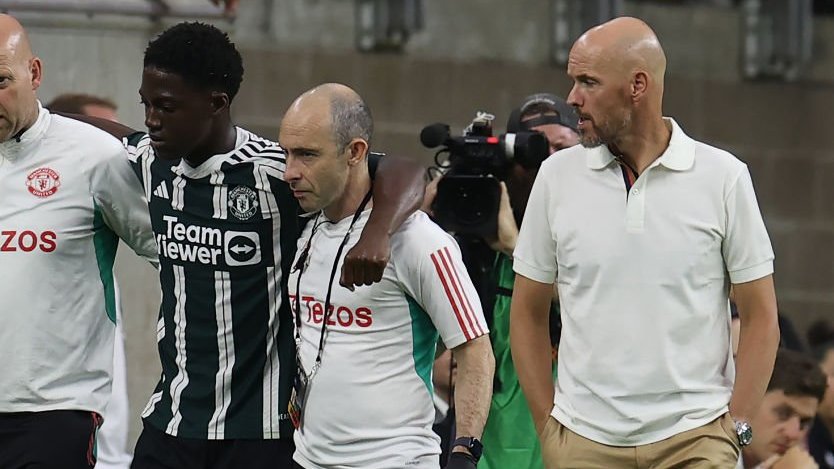
There are many teams that stick to their style of play & core philosophy regardless of players available or opposition faced. Brighton didn't play many usual starters against us, but we all knew how they would play. It's the same for City, Arsenal, Barcelona etc. Even Spurs.
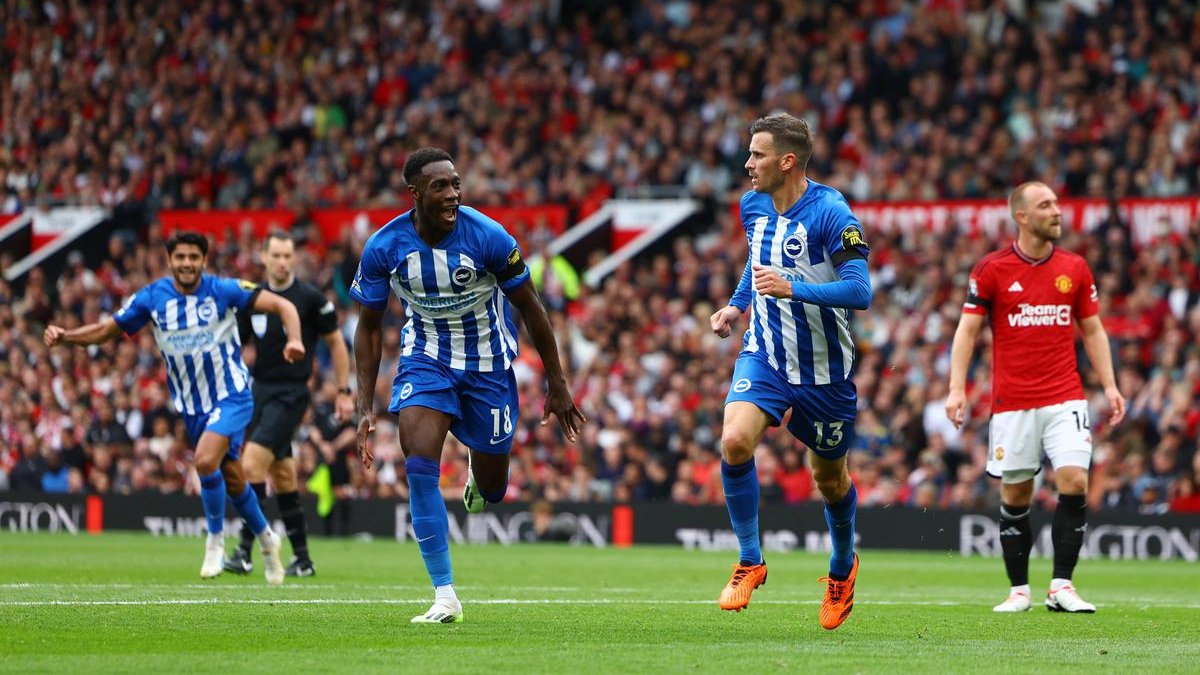
But if the argument is that we cannot execute certain tactical elements with backups but we can with starters, then the answer to that question seems to be:
"𝑂𝑢𝑟 𝑡𝑎𝑐𝑡𝑖𝑐𝑎𝑙 𝑖𝑛𝑡𝑒𝑛𝑡 𝑖𝑠 𝑣𝑒𝑟𝑦 𝑑𝑒𝑝𝑒𝑛𝑑𝑒𝑛𝑡 𝑜𝑛 𝑝𝑙𝑎𝑦𝑒𝑟 𝑞𝑢𝑎𝑙𝑖𝑡𝑦."
"𝑂𝑢𝑟 𝑡𝑎𝑐𝑡𝑖𝑐𝑎𝑙 𝑖𝑛𝑡𝑒𝑛𝑡 𝑖𝑠 𝑣𝑒𝑟𝑦 𝑑𝑒𝑝𝑒𝑛𝑑𝑒𝑛𝑡 𝑜𝑛 𝑝𝑙𝑎𝑦𝑒𝑟 𝑞𝑢𝑎𝑙𝑖𝑡𝑦."
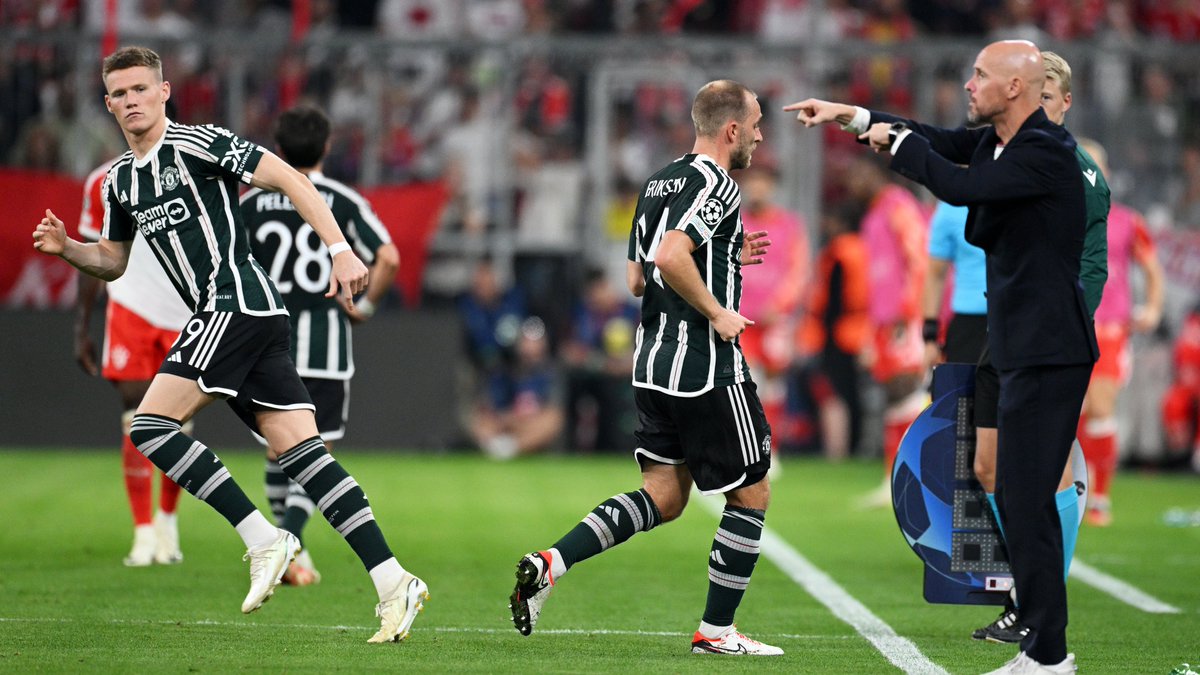
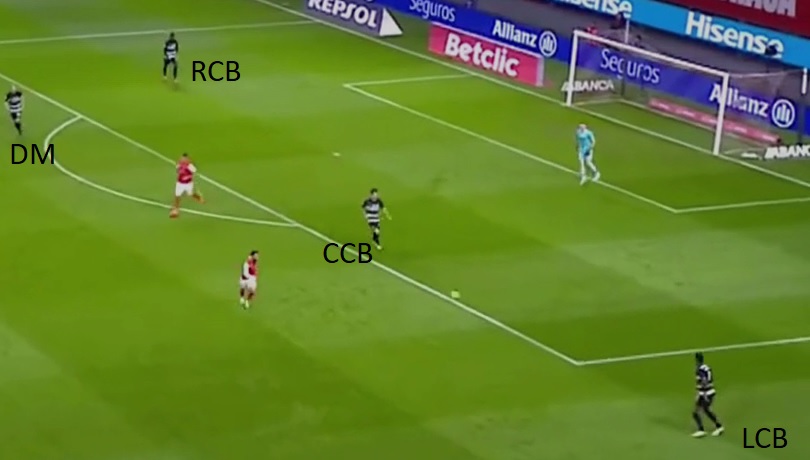
Eg. If the argument is that we can build up short & play through a press only if some players start, else we will have to go long, then this means that the build up is very reliant on the problem-solving ability of those players & not on coached patterns that everyone can execute

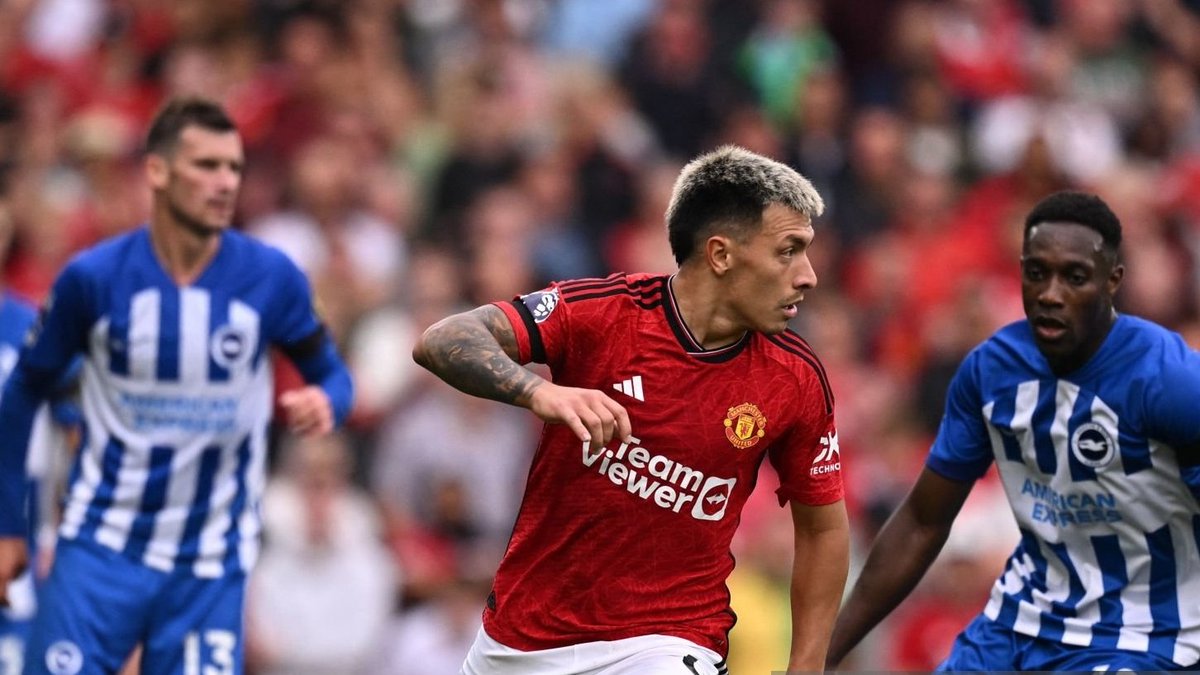
It's noticable. Licha & Shaw are great problem-solvers in build up who can carry/pass out of a press. But others can't. When both don't play, we struggle in 1st phase progression. This is also the main reason why ETH isn't a fan of rotation & dropping his best players in general.

While it's normal for teams to upgrade & get better players, relying on monster/unique player ability to solve tactical gaps instead of patterns of play isn't a good sign. You're always at the mercy of many external factors like injuries, form, opposition quality, gamestate etc.
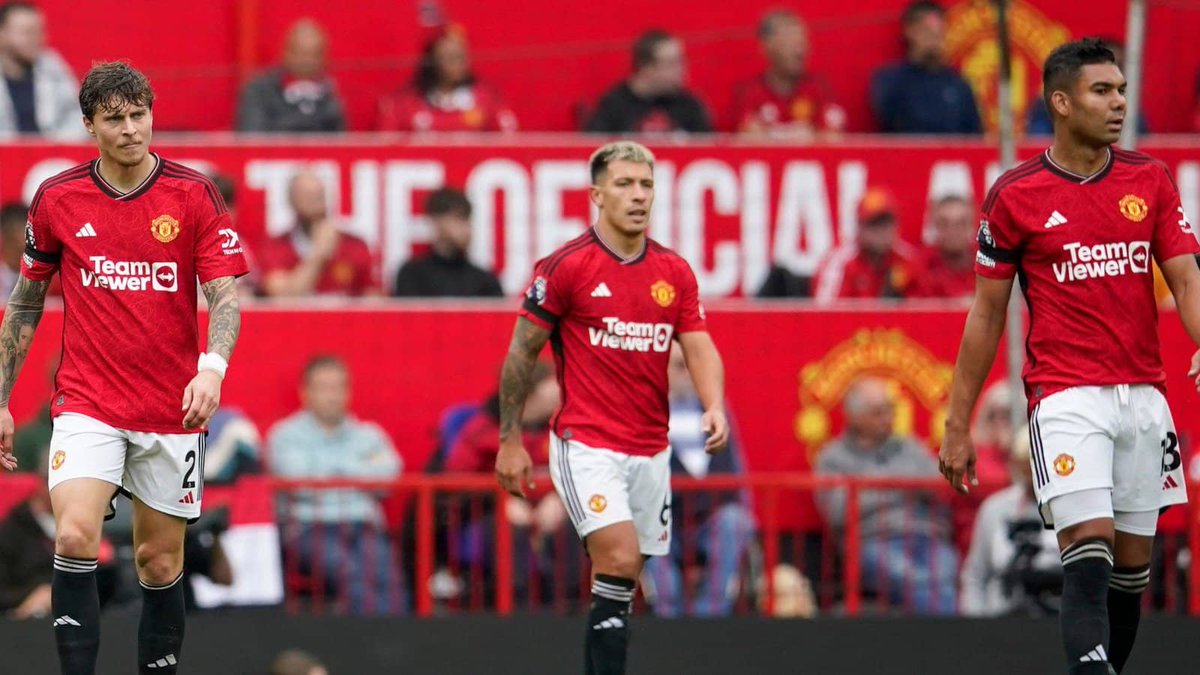
Even when players are fit like vs Spurs (Mount, Licha, Varane, Antony, AWB, Shaw started), we often went long to bypass build up & rely on counter-press to create, while our high press was figured out within 20 mins & was played through easily all game.
https://twitter.com/TheDevilsDNA/status/1693675857217454586
ETH's United can probably boss a build up & high press at home with their best XI vs a relegation club when they're leading 1-0, but might struggle to string 2 passes & get any turnover with a few first teamers injured when facing a top 6 club away from home when losing 1-0.

This extreme variation comes from dependency on players over patterns. A philosophy is something that can be executed consistently. It's efficiency & success may vary based on factors, but the very nature of the tactical intent won't fluctuate wildly.
https://twitter.com/TheDevilsDNA/status/1706257183212720556
Which brings us to our next question.
2. 𝑊ℎ𝑎𝑡 𝑖𝑠 𝑇𝑒𝑛 𝐻𝑎𝑔'𝑠 𝑀𝑎𝑛𝑐ℎ𝑒𝑠𝑡𝑒𝑟 𝑈𝑛𝑖𝑡𝑒𝑑'𝑠 𝑝ℎ𝑖𝑙𝑜𝑠𝑝ℎ𝑦?
What is that well-defined idea that we constantly see on the pitch game after game & envision a clear path to success (treble-aiming seasons) with?
2. 𝑊ℎ𝑎𝑡 𝑖𝑠 𝑇𝑒𝑛 𝐻𝑎𝑔'𝑠 𝑀𝑎𝑛𝑐ℎ𝑒𝑠𝑡𝑒𝑟 𝑈𝑛𝑖𝑡𝑒𝑑'𝑠 𝑝ℎ𝑖𝑙𝑜𝑠𝑝ℎ𝑦?
What is that well-defined idea that we constantly see on the pitch game after game & envision a clear path to success (treble-aiming seasons) with?
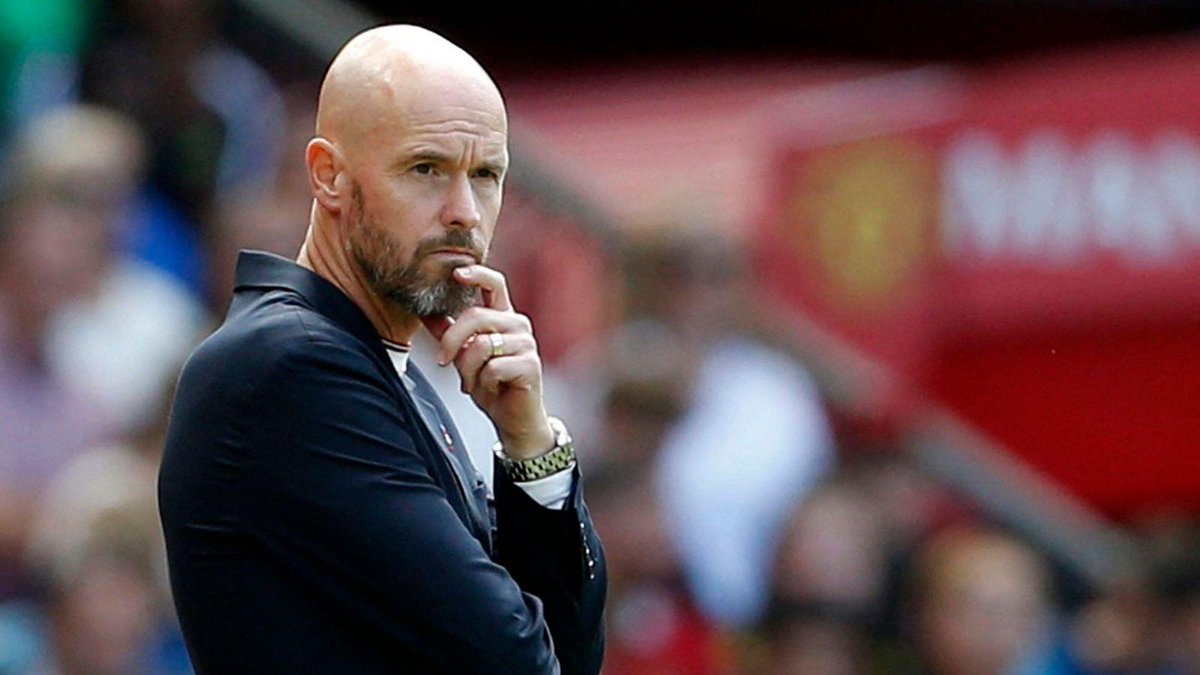
My guess is that ETH's philosophy is on the lines of:
'𝐷𝑜 𝑤ℎ𝑎𝑡𝑒𝑣𝑒𝑟 𝑖𝑡 𝑡𝑎𝑘𝑒𝑠 𝑡𝑜 𝑤𝑖𝑛'
His biggest strength is the flexibility & pragmatism to change things to suit the players he has & get the best out of any situation that the team is in.
'𝐷𝑜 𝑤ℎ𝑎𝑡𝑒𝑣𝑒𝑟 𝑖𝑡 𝑡𝑎𝑘𝑒𝑠 𝑡𝑜 𝑤𝑖𝑛'
His biggest strength is the flexibility & pragmatism to change things to suit the players he has & get the best out of any situation that the team is in.
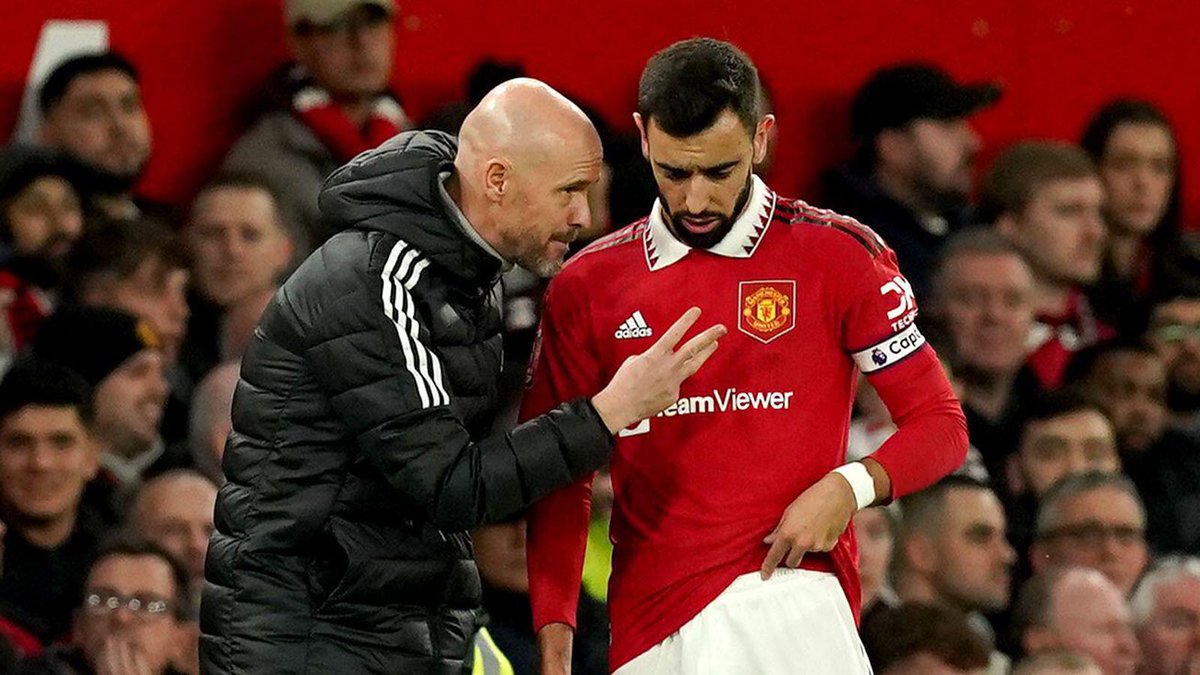
It's a good trait to have in a manager. It is the main reason for last season's impressive results & served us well for year 1.
But in the long-term, is it a boon or a bane?
ETH's pragmatism seems to stem from reliance on certain players for certain game-breaking actions.
But in the long-term, is it a boon or a bane?
ETH's pragmatism seems to stem from reliance on certain players for certain game-breaking actions.
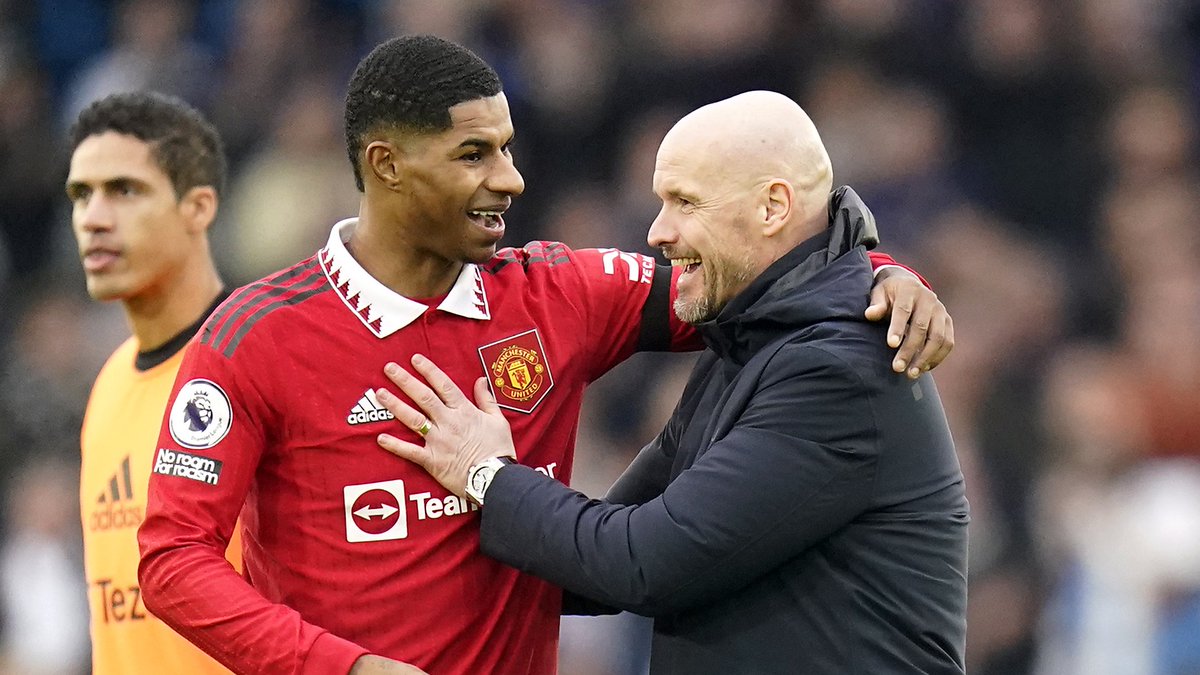
He might ask his teams to pass through an opponent press if it contains a monster passer like Blind, dribble through it if it has a monster carrier like Frenkie De Jong or simply abandon build up & go long if it has neither. There are examples of each case in his career.
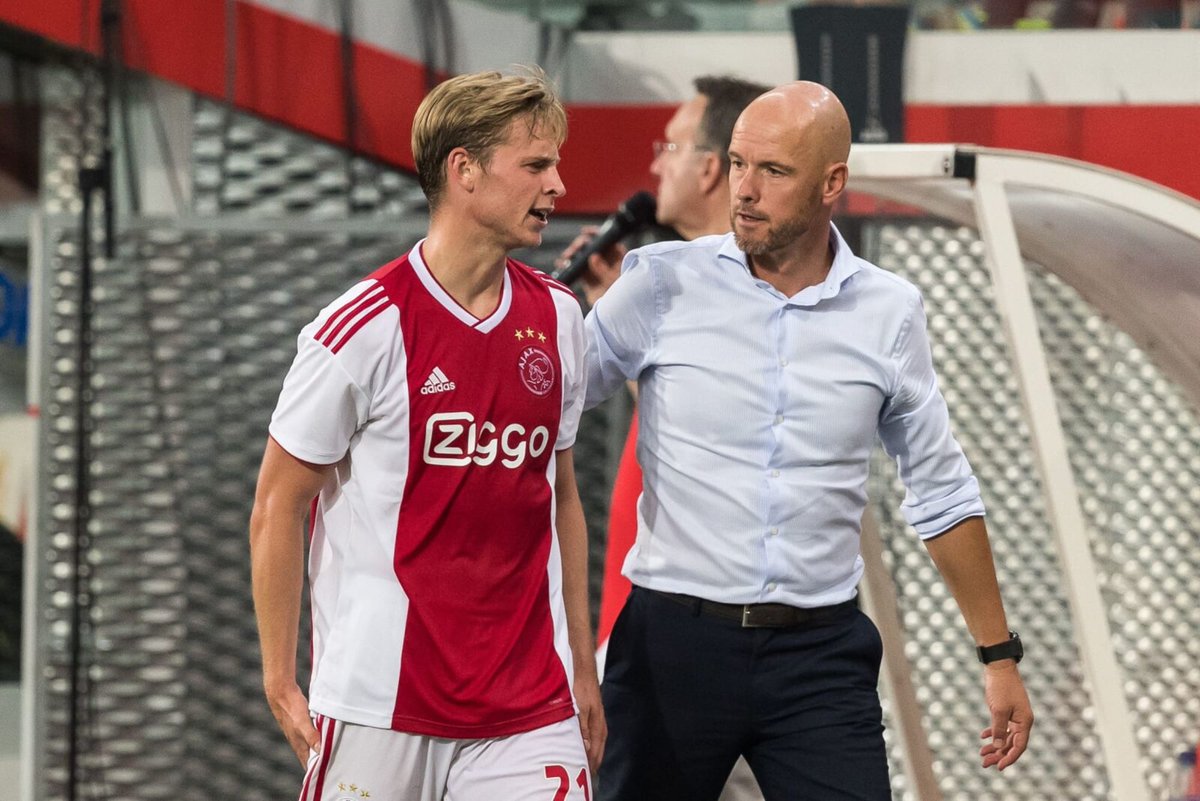

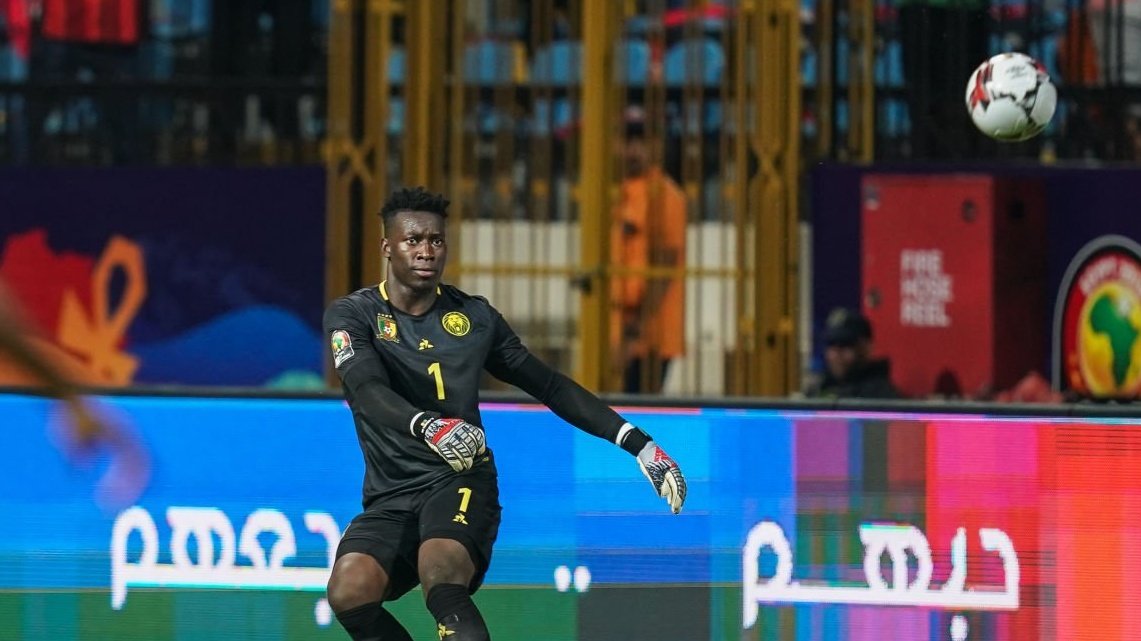
He's mentioned in multiple pressers that his players need to think for themselves & go long if the short option isn't there instead of losing the ball in build up. We've seen 1 of the world's best build up GKs in Onana playing long in the last few games including vs Burnley.
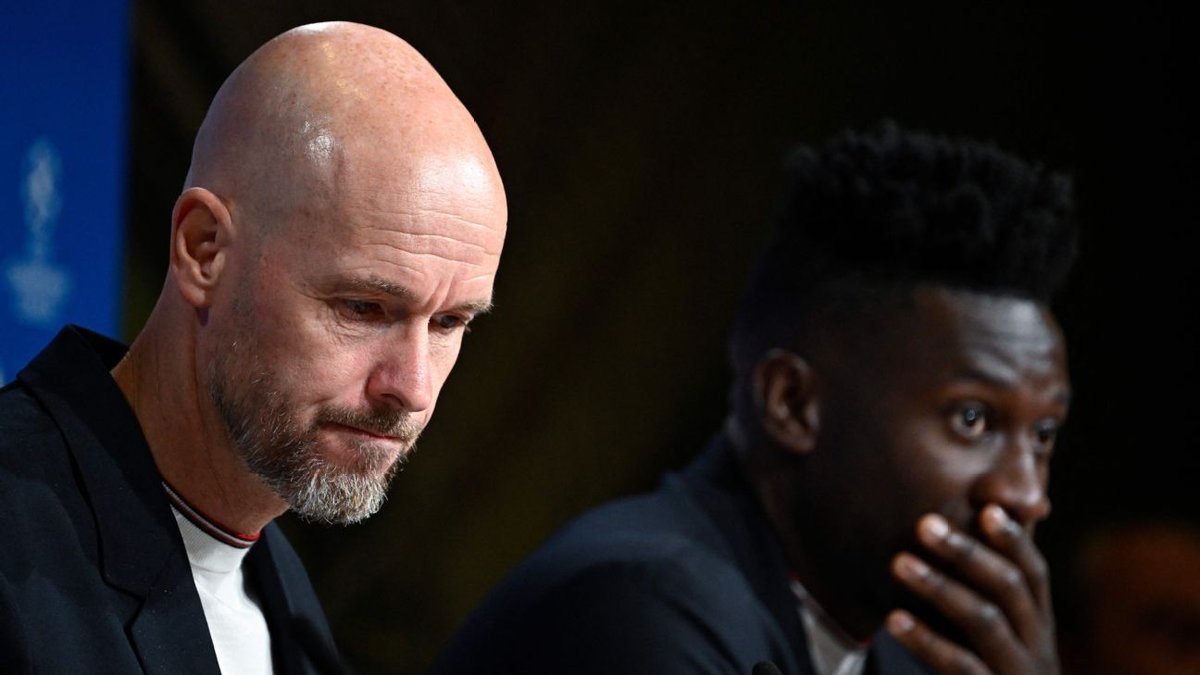
ETH seems too content to take those hits. He's not idealistic enough to feel hurt at not being able to play in a certain way, like a Pep/RDZ/Ange would. ETH's ability to discard an approach based on player traits leads to constant sacrifice on how his team should ideally play.
A philosophy isn't built like that. The ideal state of having all players fit & happy in a perfect environment will never come. Not at a club like Man United anyway. The idea of management is to work through ever-changing dynamics & deliver sustainable & repeatable performances.

The issue is further exacerbated with our board having no philosophy either. We've functioned without a DOF in a manager-driven model. When the manager lacks a philosophy, there is no one higher to enforce 1 either. This affects transfers, youth recruitment, youth development etc
3. 𝑆𝑜 𝑤ℎ𝑎𝑡'𝑠 𝑡ℎ𝑒 𝑠𝑜𝑙𝑢𝑡𝑖𝑜𝑛?
There probably isn't any solution as such. Such era-defining philosophies don't crop up overnight (if at all).
But we might have to start viewing Ten Hag's United with a certain set of assumptions:
There probably isn't any solution as such. Such era-defining philosophies don't crop up overnight (if at all).
But we might have to start viewing Ten Hag's United with a certain set of assumptions:

A) Manchester United's gameplay & approach will fluctuate wildly based on available players, opposition, gamestate & other external factors. Big away games may always be a struggle & rely on a reactive approach rather than a proactive approach.

B) Manchester United's gameplay will rely heavily on game-breakers. Build up masters, press monsters, carry mechants, 1v1 specialists - such profiles of high quality/ceiling become important to dominate games due to the lack of coached patterns. Recruitment importance goes up.

C) Manchester United may never be a league title challenger. Probably, my bigger concern compared to (A) and (B), such flexible state-based approaches work well for knockout competitions where you can adapt & thrive. It is a big reason why we went deep in last year's cups.
A dominant league side is built on the basis of a clear philosophy where a team's various XIs can consistenly outplay all opponents across a year. Man City are a good example, Liverpool were & Arsenal are close - consistent playstlyle & resistance to player rotation drop offs.
Final thoughts:
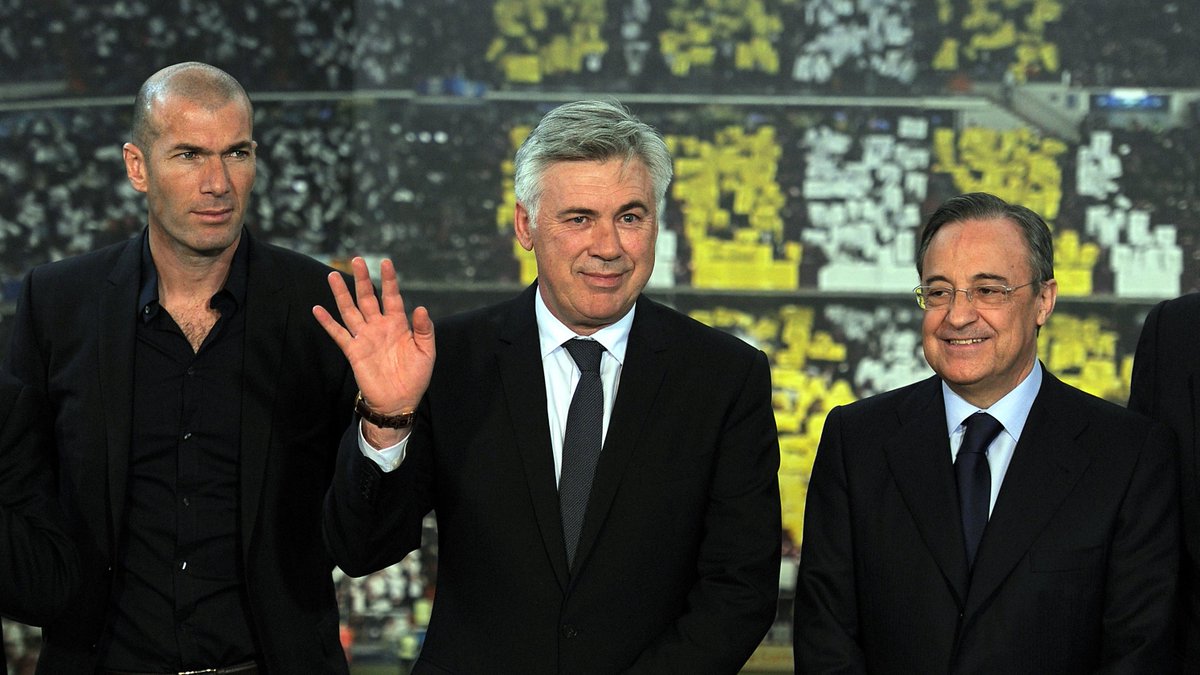
Combining A, B & C, I get the impression that if ETH does succeed at United, it will look something like Madrid under Ancelotti/Zidane - flexible tactical approaches based around high quality well-rounded players with more success in cups compared to the league.
Combining A, B & C, I get the impression that if ETH does succeed at United, it will look something like Madrid under Ancelotti/Zidane - flexible tactical approaches based around high quality well-rounded players with more success in cups compared to the league.
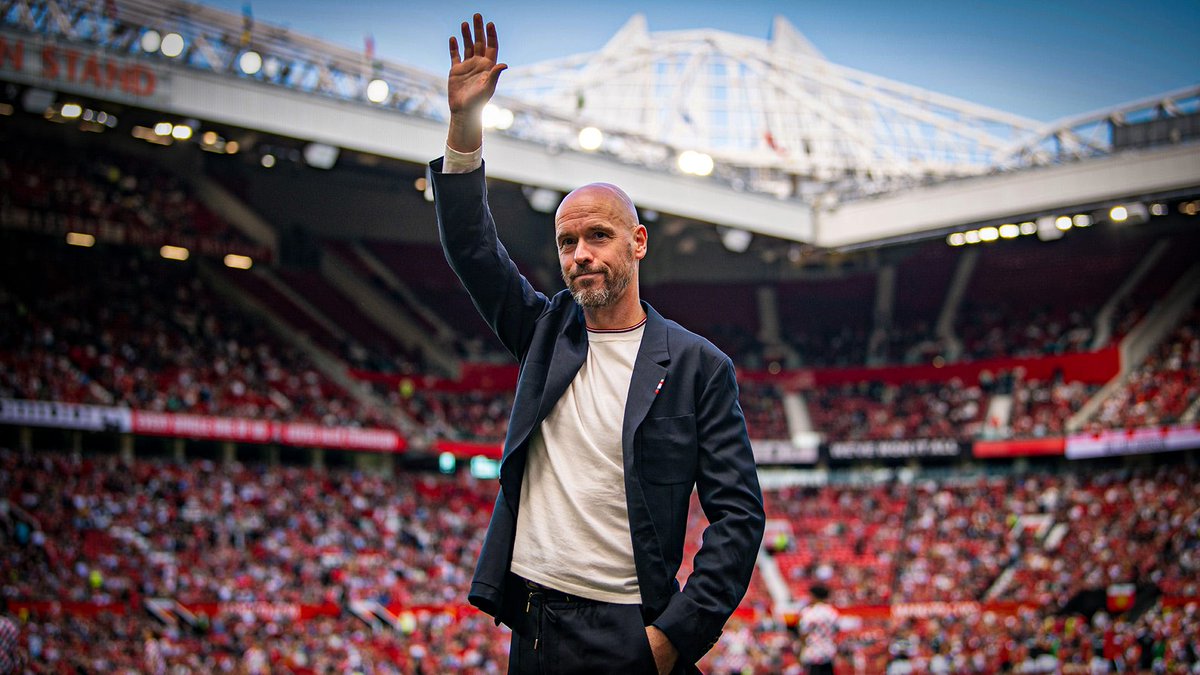
ETH's pragmatism & lack of idealism could be his greatest weakness.
He might win many games & even trophies but his wish of building a consistent treble-aiming dynasty will be tough until he doesn't define an unshakable philosophy to stick to regardless of external factors.
END
He might win many games & even trophies but his wish of building a consistent treble-aiming dynasty will be tough until he doesn't define an unshakable philosophy to stick to regardless of external factors.
END
• • •
Missing some Tweet in this thread? You can try to
force a refresh