I think I've figured it out. I think I know why so many politicians have collar gaps on the debate stage. Here is some relatively nerdy tailoring info. 🧵
When shopping for a suit, you will by according to chest size and height. So, a size 38R indicates that the coat was made for someone with a 38" chest and "regular height." But there are many aspects of the coat here that are not in the size. It's just built into the pattern.
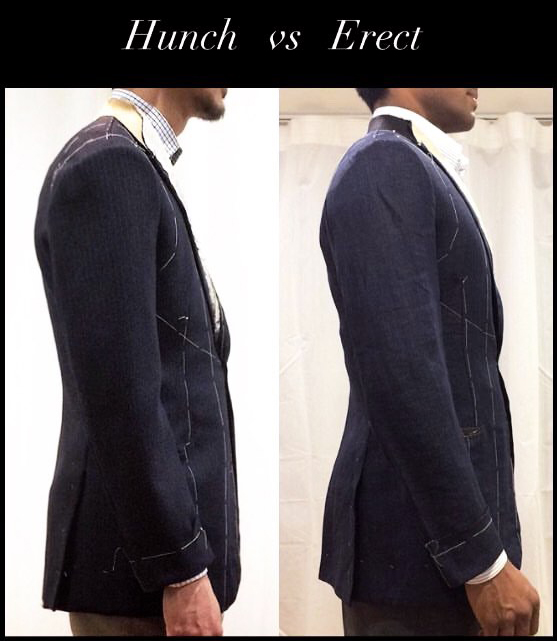
One of these is posture. When you go to a bespoke tailor, they will emphasize that you should stand naturally. They do this because people often stand "at attention" when looking at themselves in the mirror.
But if you do this, the coat will be built for a different figure.
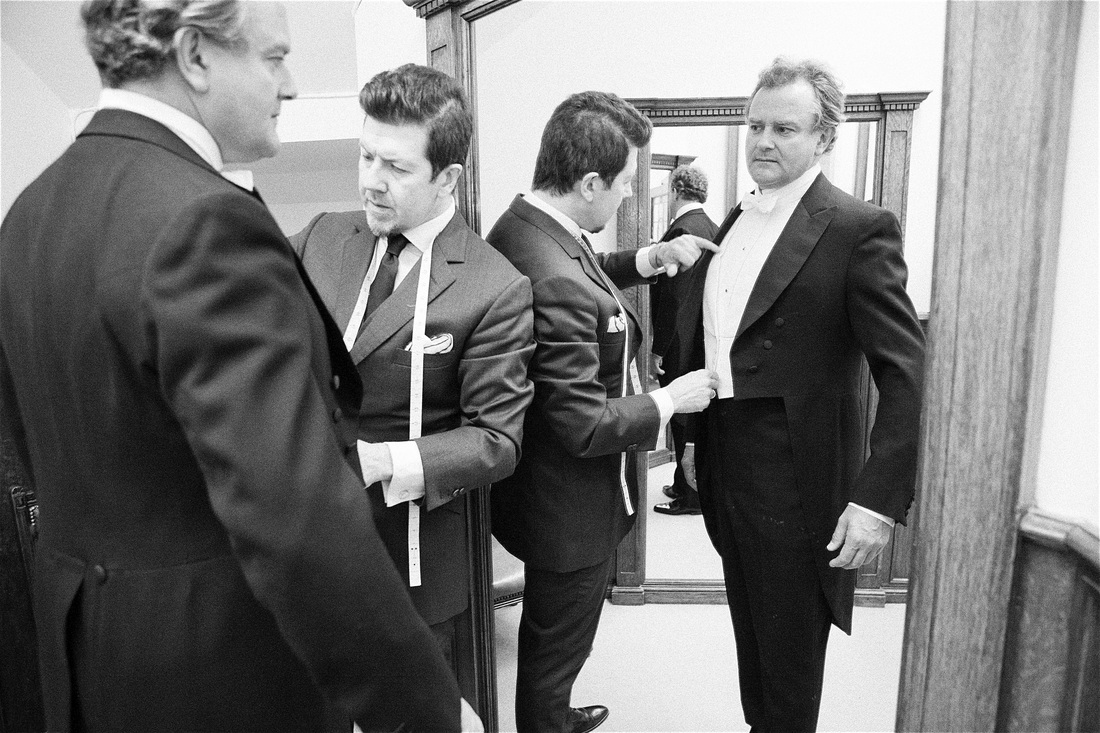
A proper coat will be made so that it fits according to your natural posture. Some people naturally stand with a bit of a hunch. Others stand very erect. A proper coat will fit your natural posture so that the collar hugs your neck at all times.
IG dylanandson
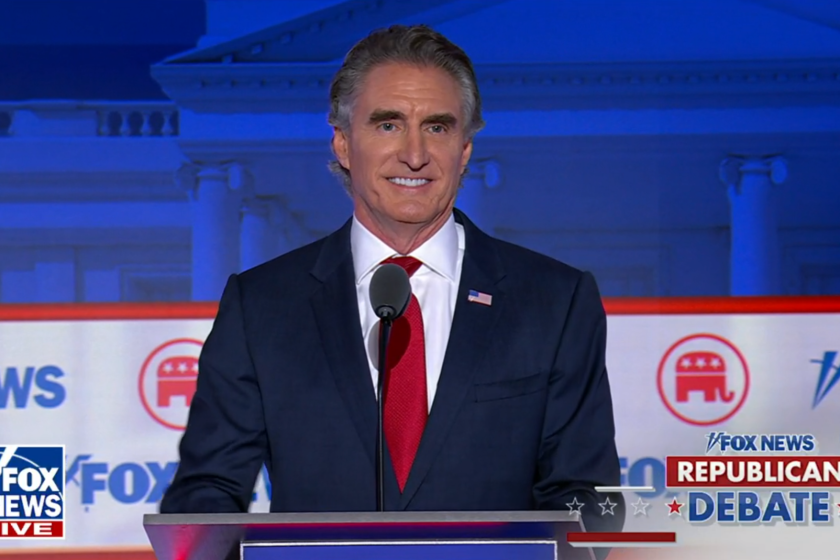
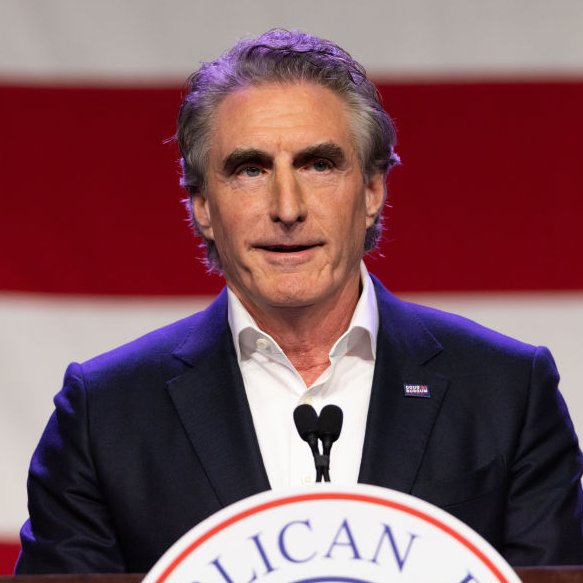
If you look at the candidates tonight, almost all the men have collar gaps to some degree. The worst was on Governor Doug Burgum. Yet, when you look up other photos of him, the collar gap isn't there. Why?
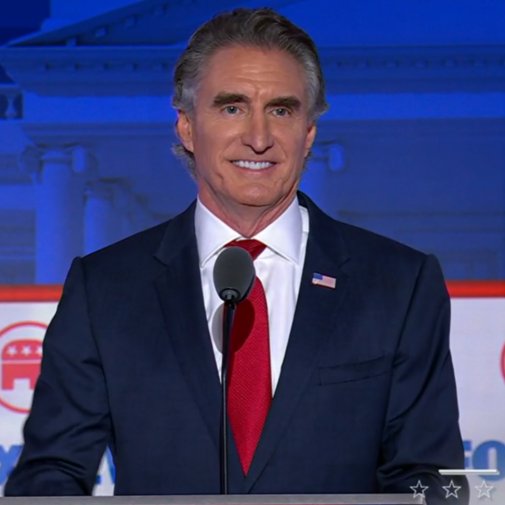
With the pressure of running for the nomination and wanting to look like a strong, confident person, I think many of these men are throwing their shoulders back and standing straighter than they normally do.
You can see how the collar gap here disappears when Christie takes a more hunched position (the collar gap appears in the beginning; disappears at the end, probably because he naturally stands with more of a stoop)
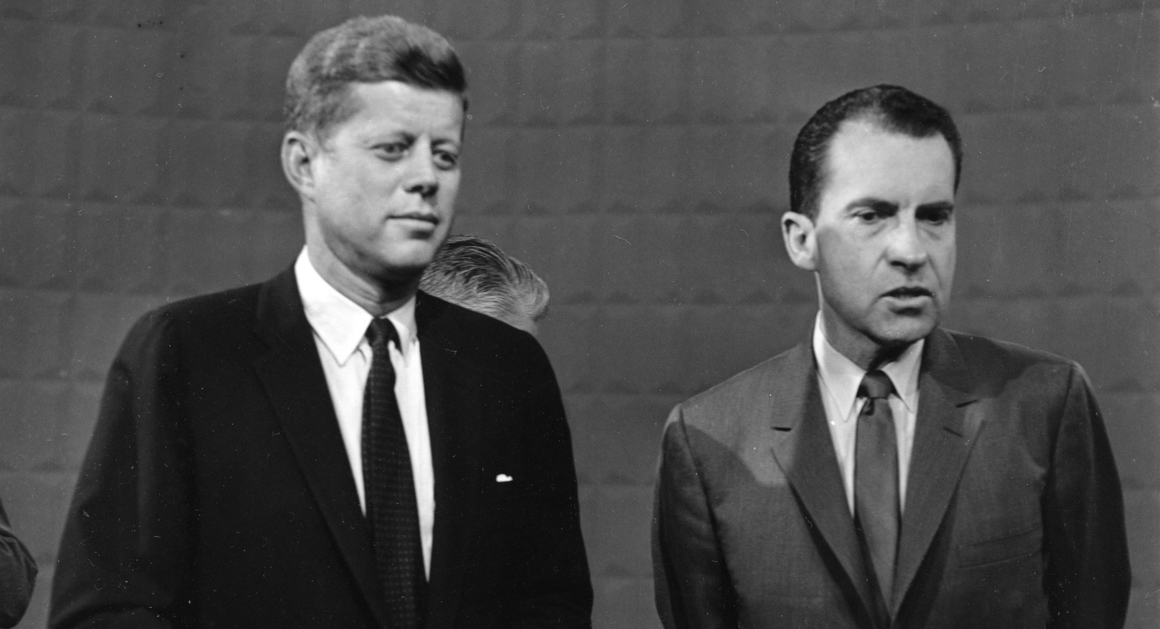
Makes me wonder if the reason why we saw less of this in the past is because people naturally stood with a more erect posture, whether on- or off-screen. No collar gap on Kennedy or Nixon during their famous debate.
Anyway, that's my guess.
• • •
Missing some Tweet in this thread? You can try to
force a refresh

One day, "It" will happen, by which I mean sudden and unexpected news that you want to celebrate. In such cases, you will want the right outfit. 🧵
What do I mean by "It?" I mean that joyous moments are not always something you can plan for. Perhaps you received a pay raise or got accepted at a waitlisted school. Perhaps a loved one is now cancer-free. Such moments can be sudden and unexpected — and you want to be prepared.
Of course, you can always celebrate in the same clothes you wear to bed. But IMO, this diminishes the moment. Thus, it's nice to special outfits for "It," even if you don't wear them all the time. It's similar to toasting a special glass of champagne and drinking water.
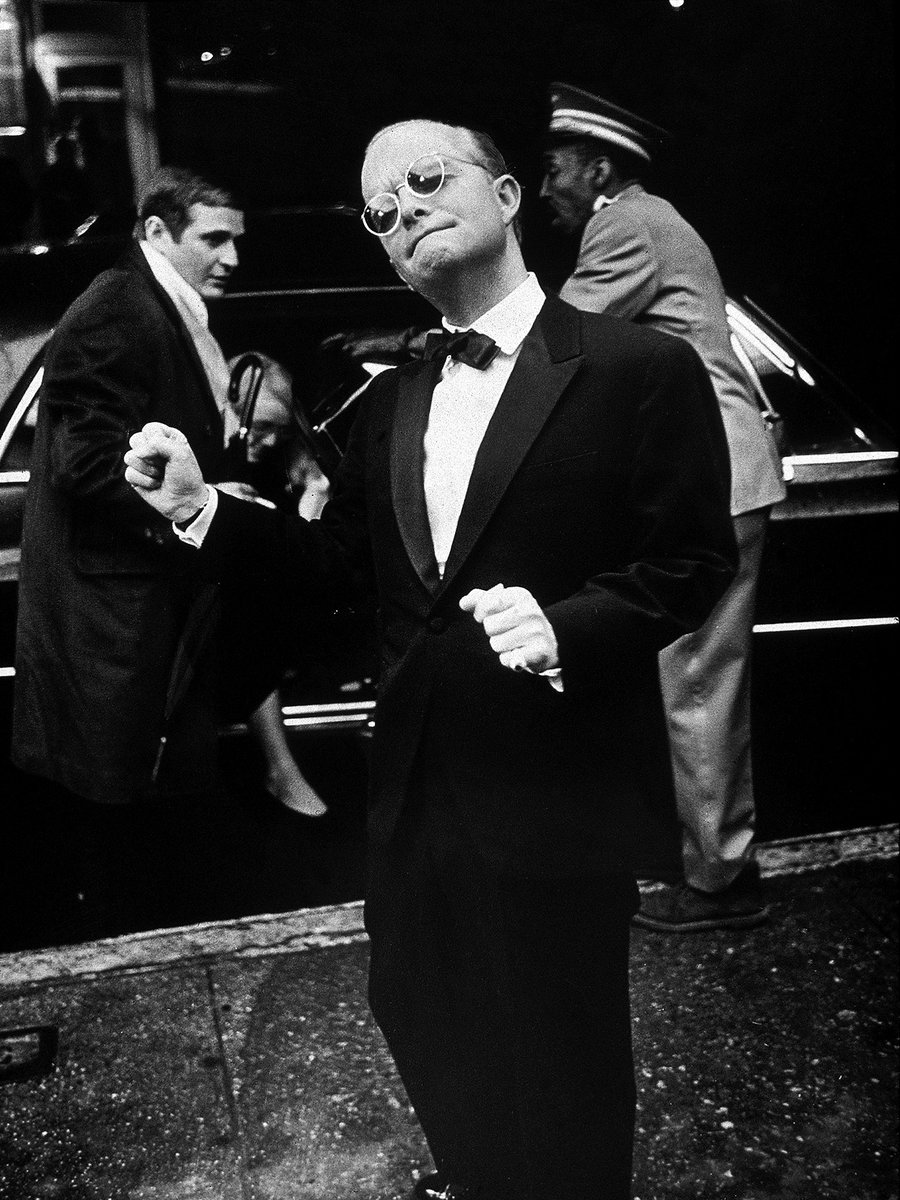
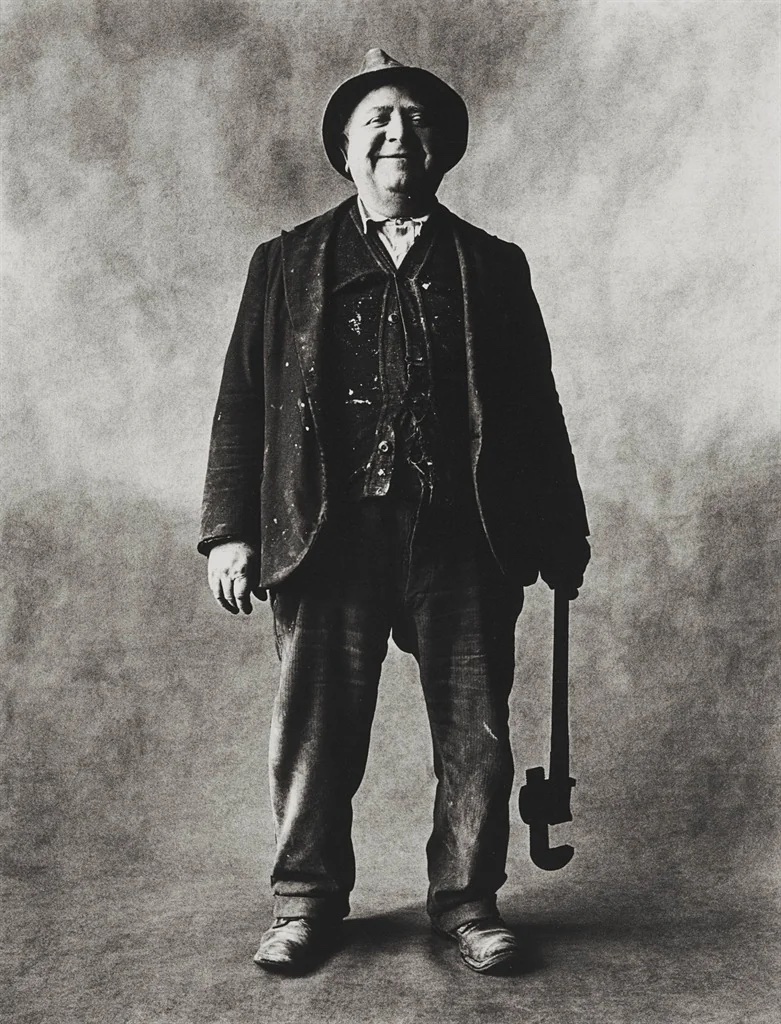
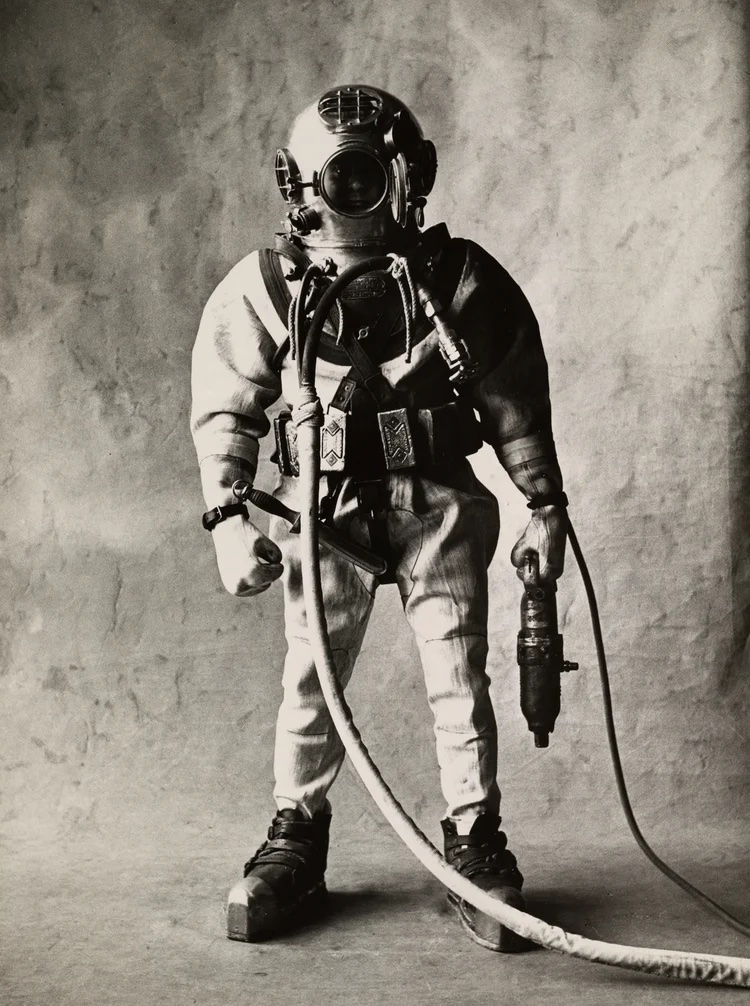
In the 1950s, Irving Penn traveled across London, Paris, and NYC to take portraits of workers in their work clothes. These clothes at the time were not considered glamorous — they would not have shown up on fashion runways — but they demonstrate a simple aesthetic principle 🧵
Consider these outfits. How do you feel about them? Are they charming? Repulsive? Stylish?
If you consider them charming and stylish, as I do, then ask yourself: what makes them charming and stylish? Why are you drawn to the outfits?
As I've mentioned before, I think outfits look better when they have "shape and drape." By shape, I mean the outfit confers a distinctive silhouette. If these men took off their clothes, we can reliably guess their bodies would not be shaped like this:
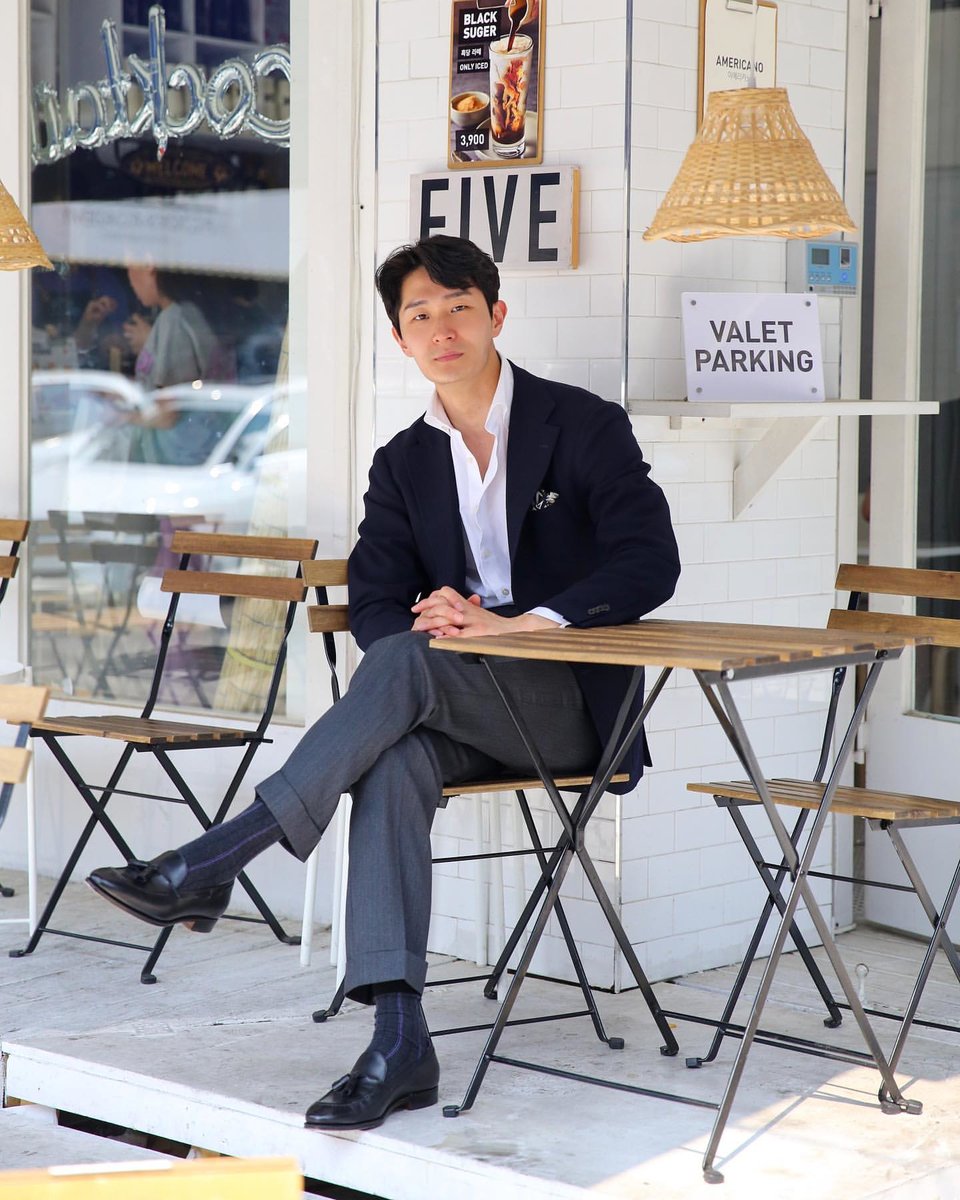
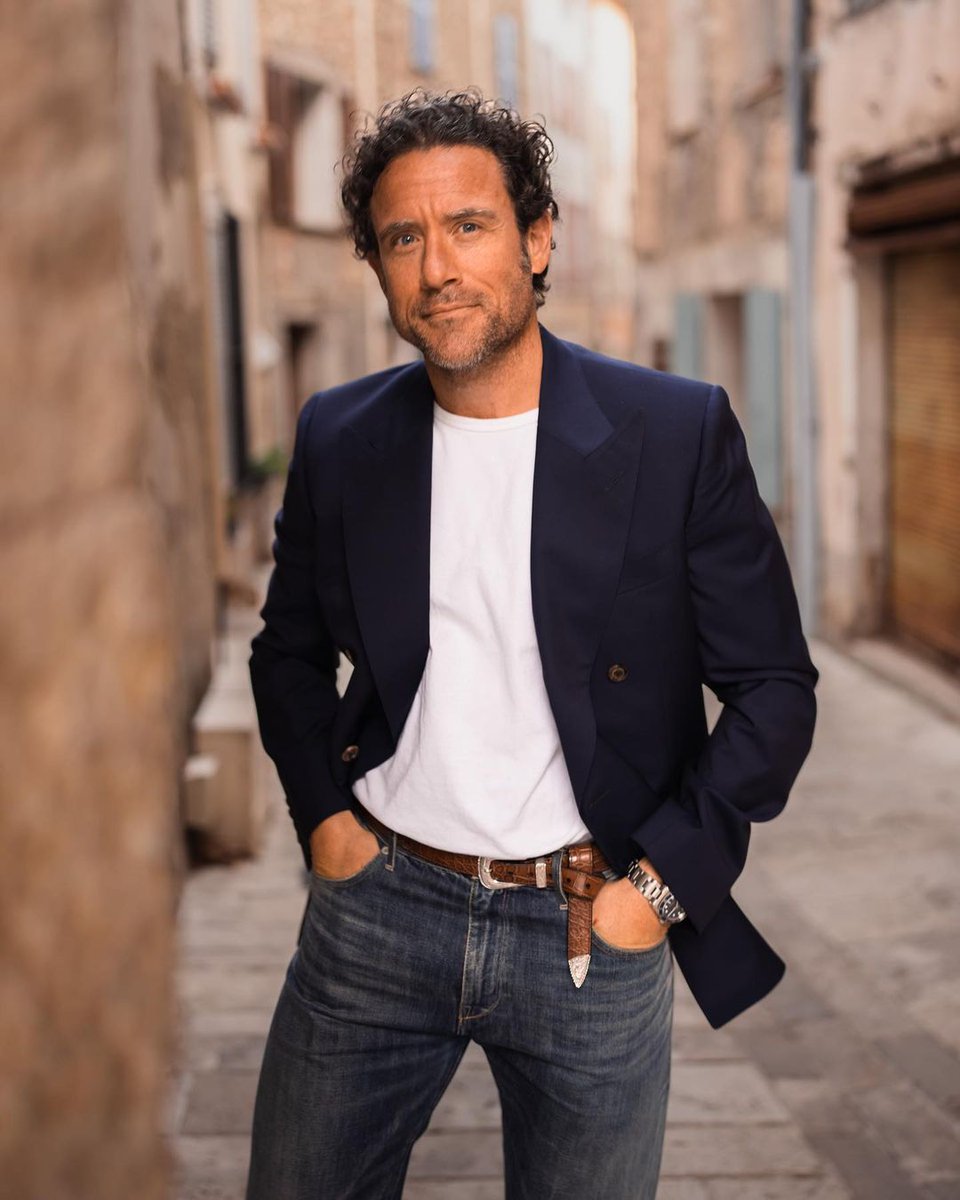
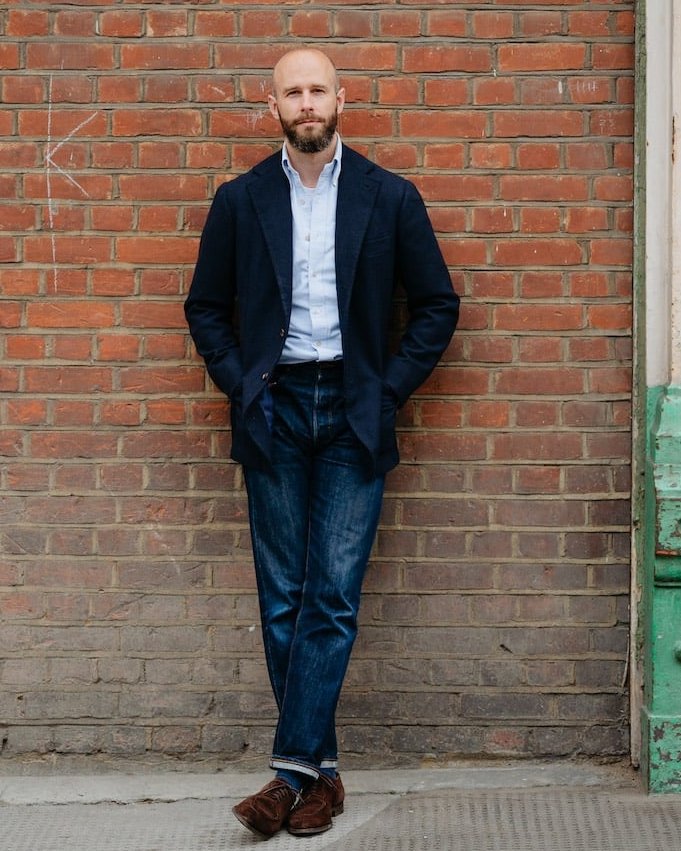
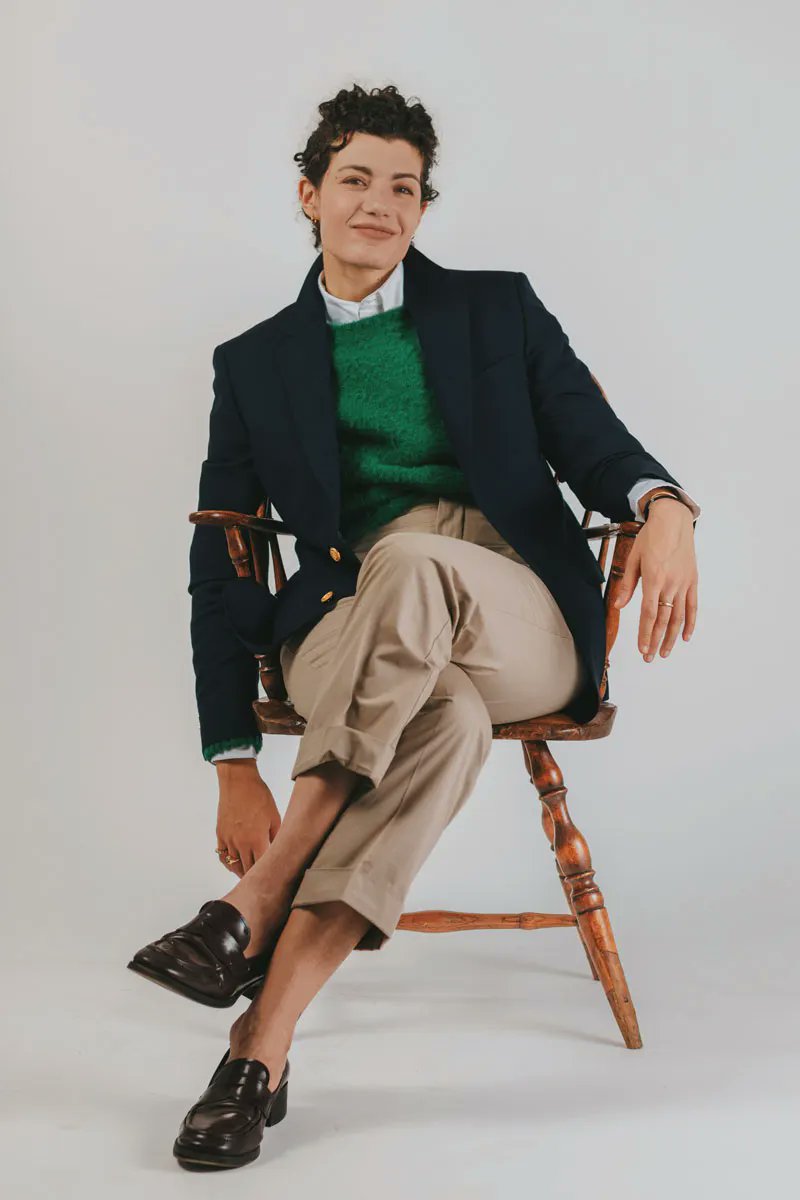
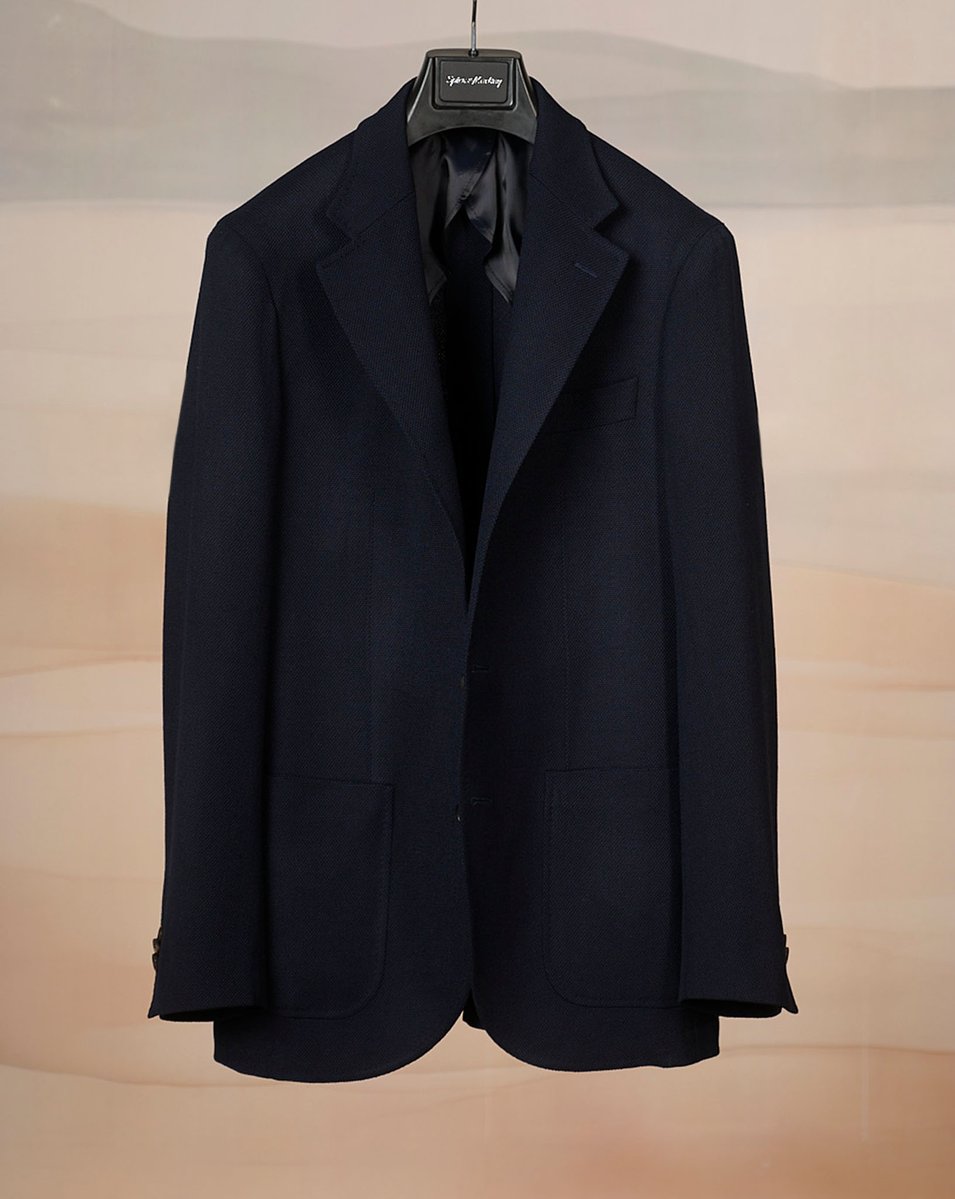
If you're just dipping your toes into tailored clothing, start with a navy sport coat. This is something you can wear with a button-up shirt and pair of trousers, or something as casual as a t-shirt and some jeans. It's easily the most versatile jacket.
Key is to get something with texture so it doesn't look like an orphaned suit jacket. Spier & Mackay has great semi-affordable tailoring. Their navy hopsack Moro is made from pure wool and a half-canvas to give it shape. Classic proportions and soft natural shoulder
There's a pervasive belief that we no longer produce clothes in the United States. This is not true. In this thread, I will tell you about some great made-in-USA brands — some that run their own factories, while others are US brands contracting with US factories. 🧵
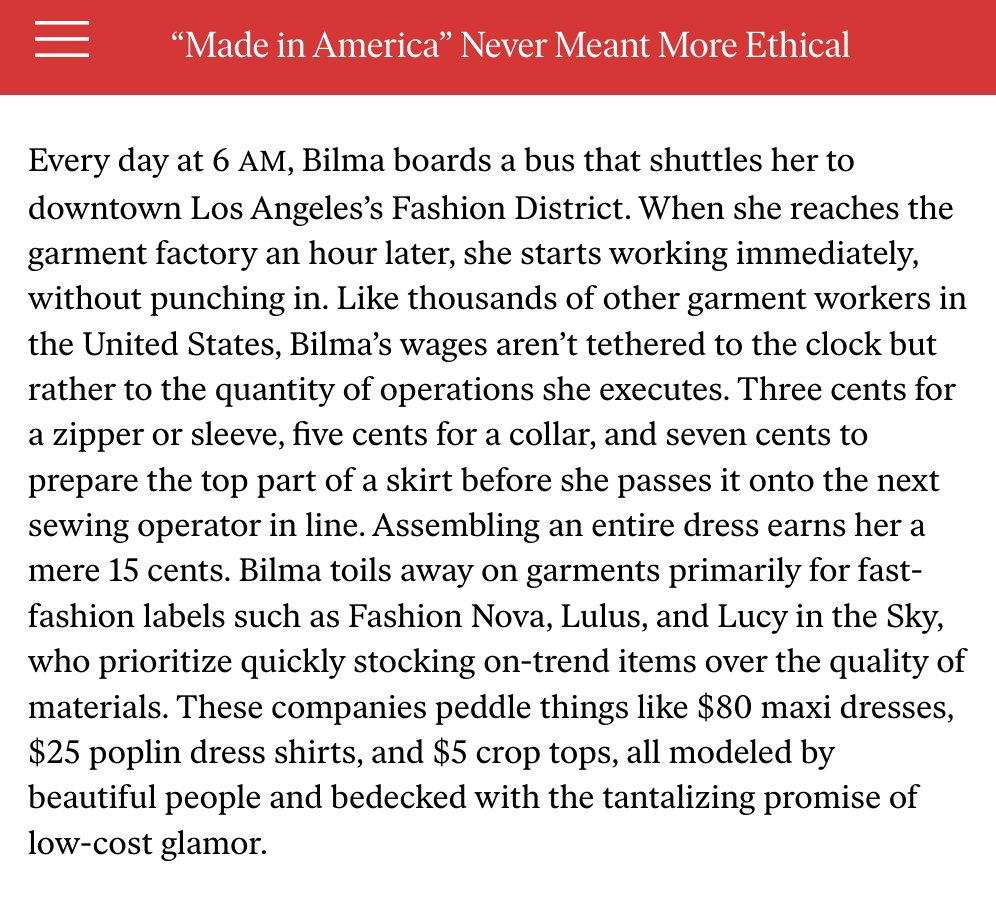
I should first note this thread focuses on well-made, stylish clothes produced in ethical conditions. For me, producing in the US is not enough. It means nothing if the clothes are ugly, crappy, or produced in sweatshop conditions. My article for The Nation below.
JEANS
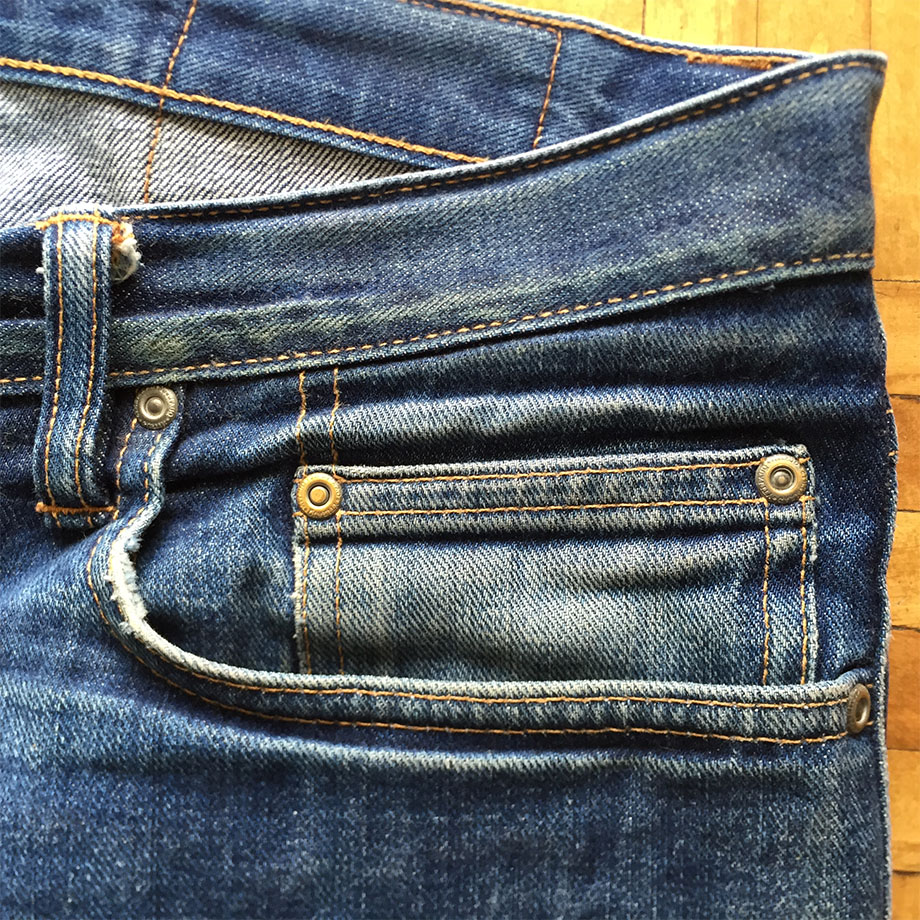
Gustin produces MiUSA jeans using raw Japanese denim. "Raw" means the fabric hasn't been pre-distressed, allowing it to naturally fade with use, reflecting your actual body and lifestyle. I like their fuller 1968 Vintage Straight fit. They also do lots of other stuff.
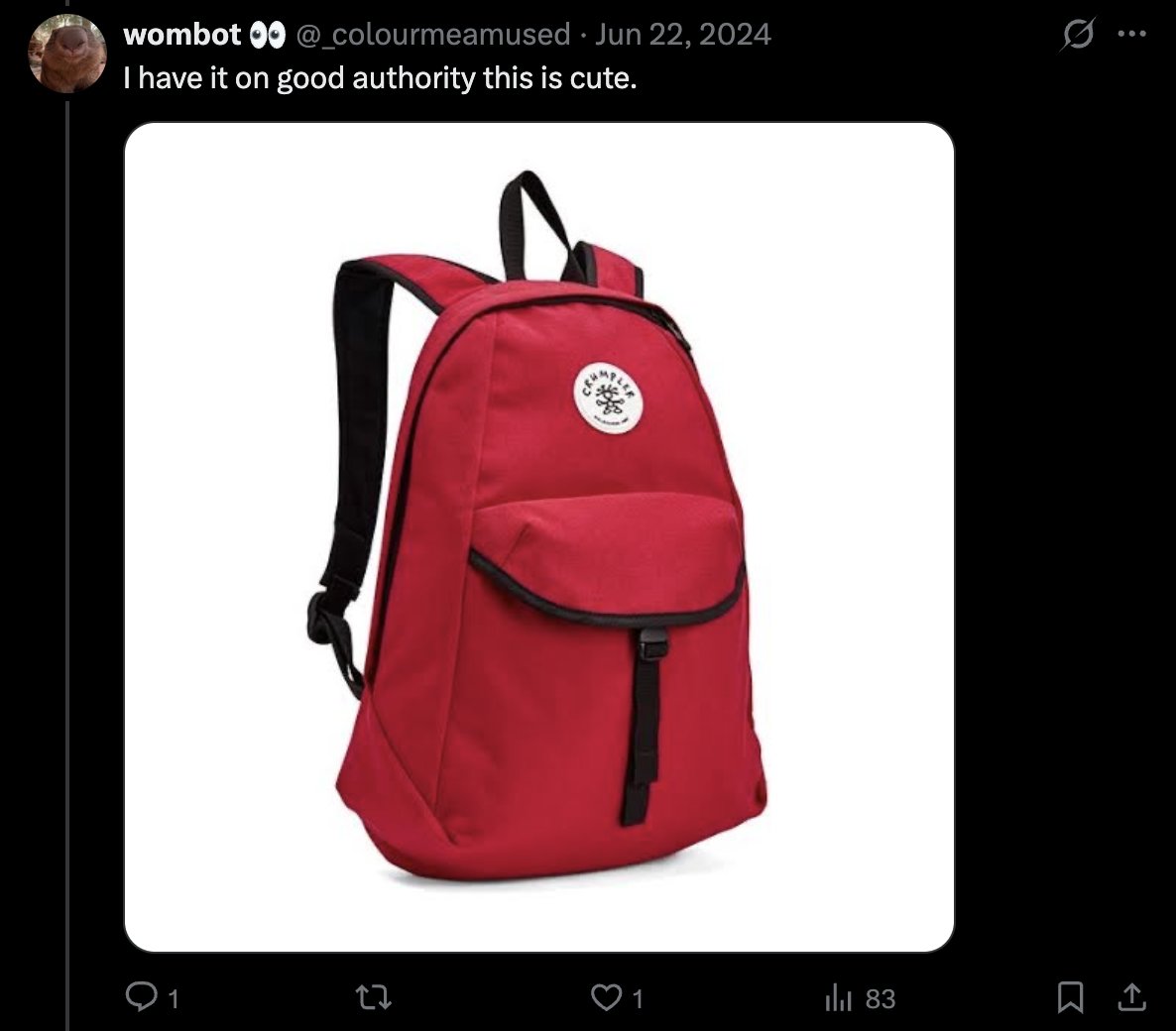
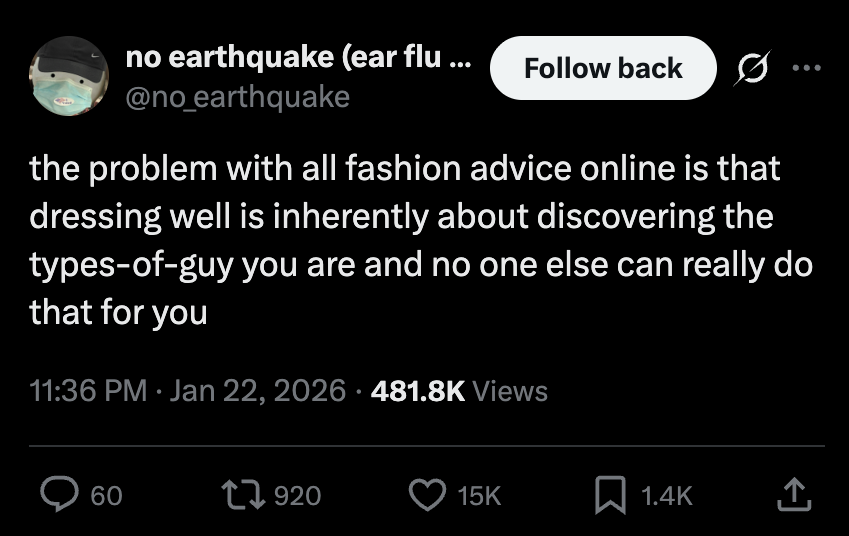
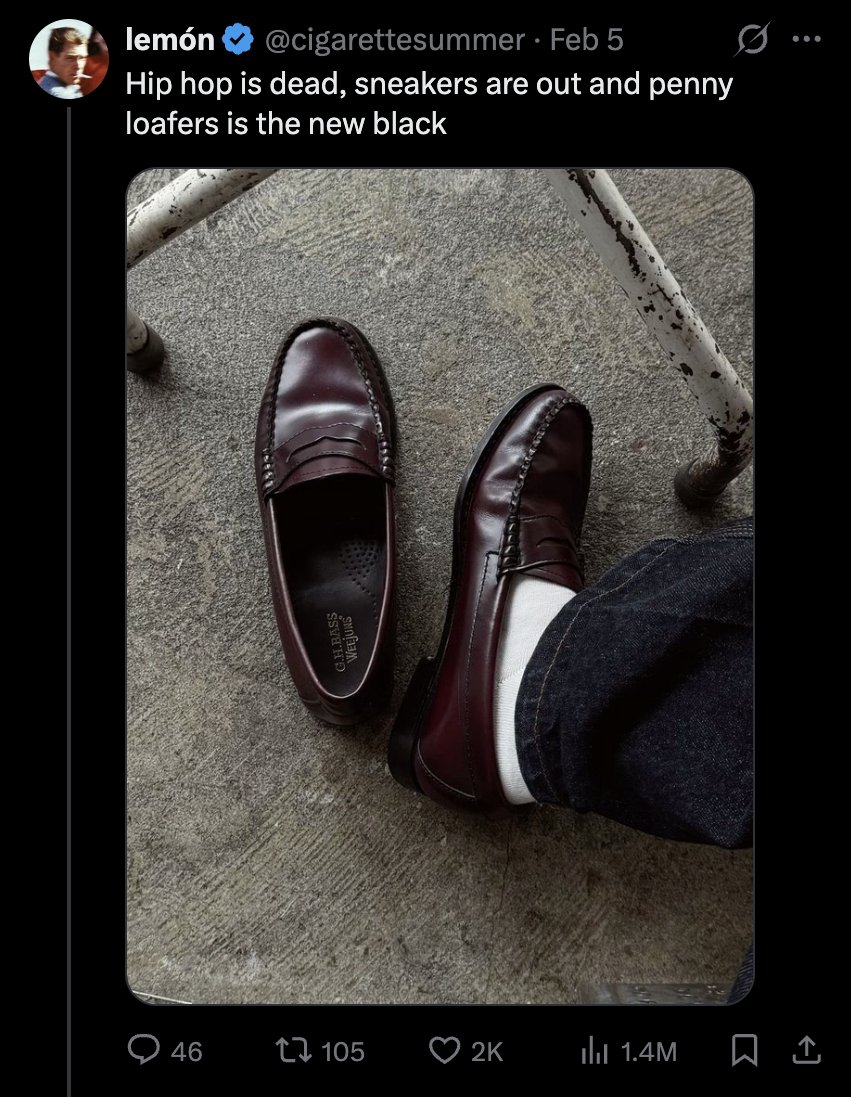
Let's first establish good vs bad ways to think about style. The first pic is correct — style is a kind of social language and you have to figure out what type of person you are. The second pic is stupid bc it takes style as disconnected objects ("this is in" vs "this is out").
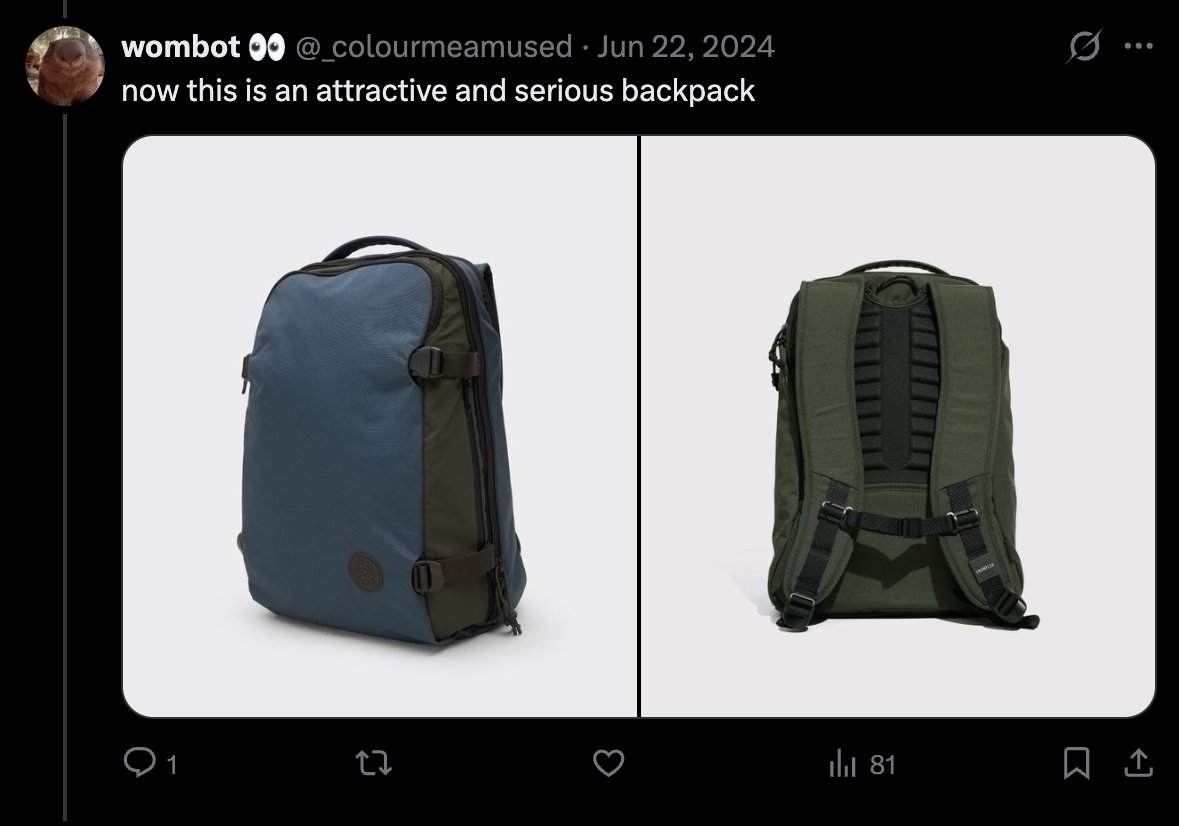
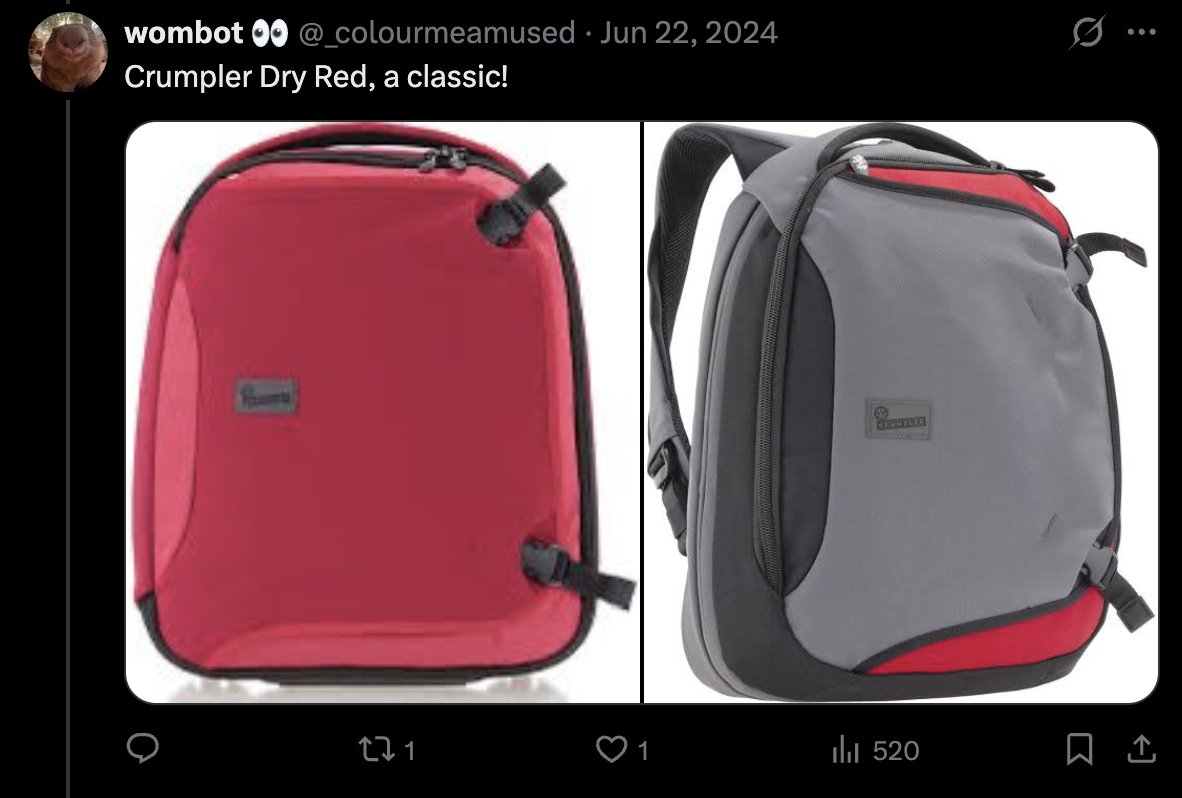
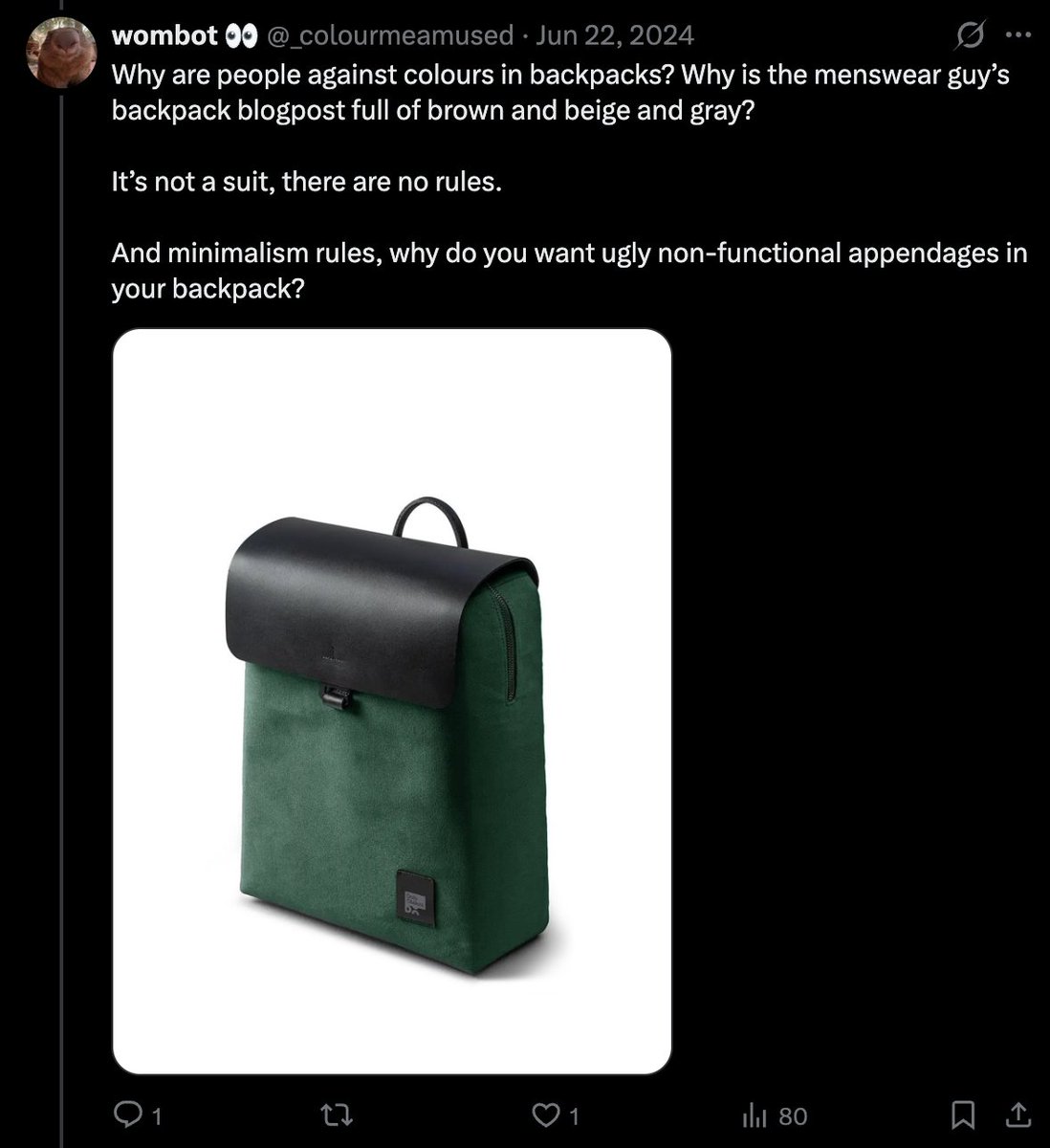
I should also note here that I'm only talking about style. I'm not here to argue with you about ergonomics, water bottle holders, or whether something accommodates your Dell laptop. I'm am talking about aesthetics.
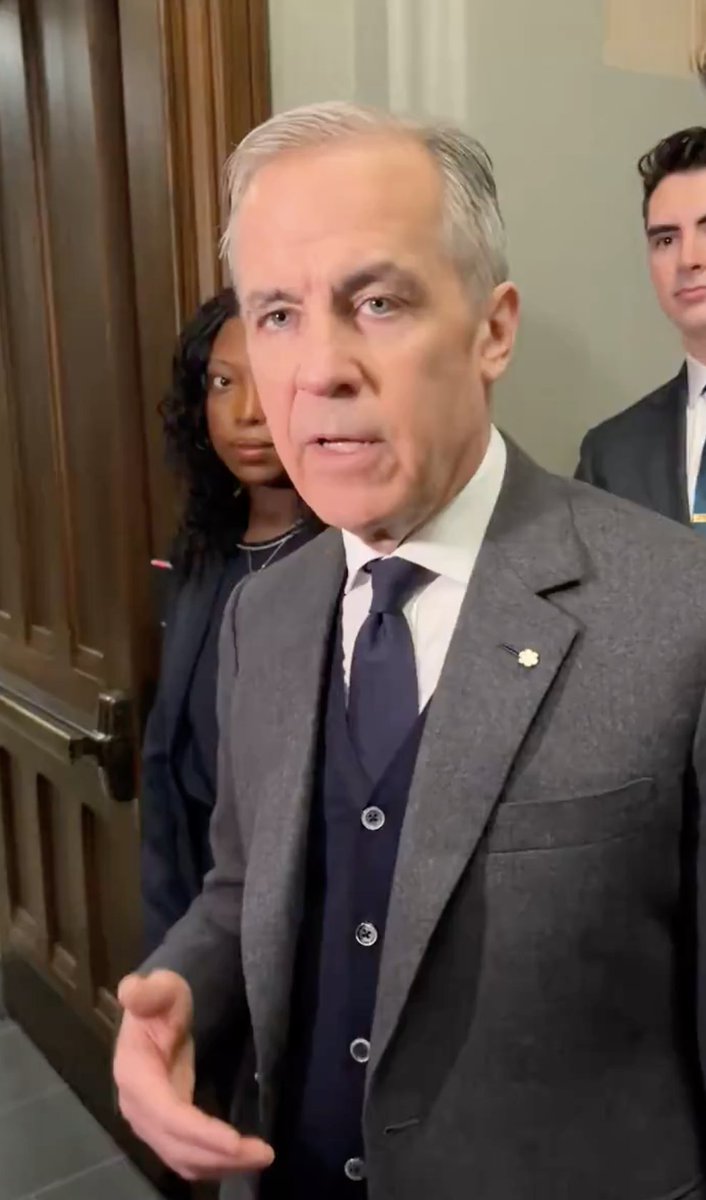
Watch these two videos. Then answer these two questions:
— Which of the two men is better dressed?
— How does each come off?
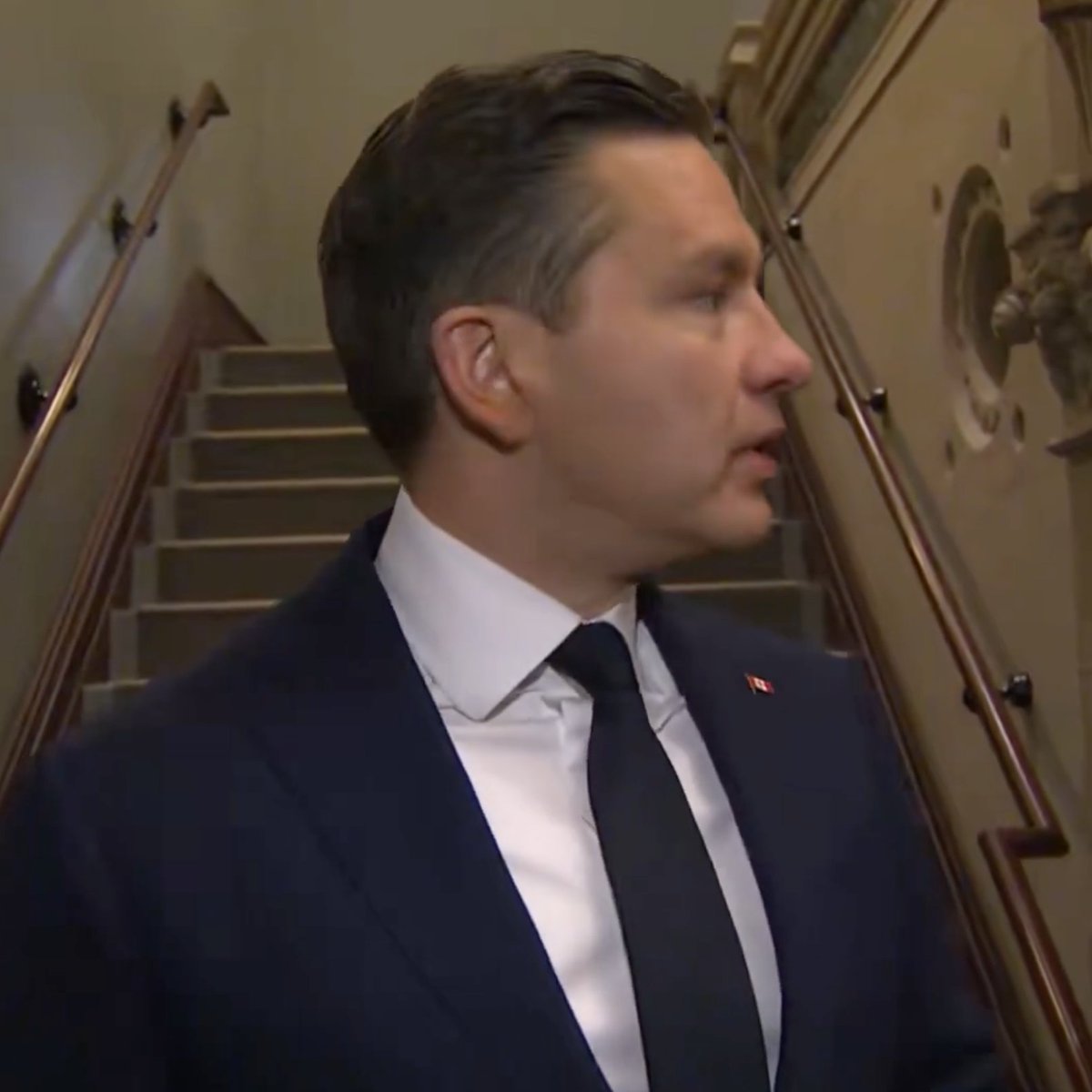
I think Carney is better dressed, partly because his clothes fit better. Notice that his jacket collar always hugs his neck, while Pierre Poilievre's jacket collar never touches him.