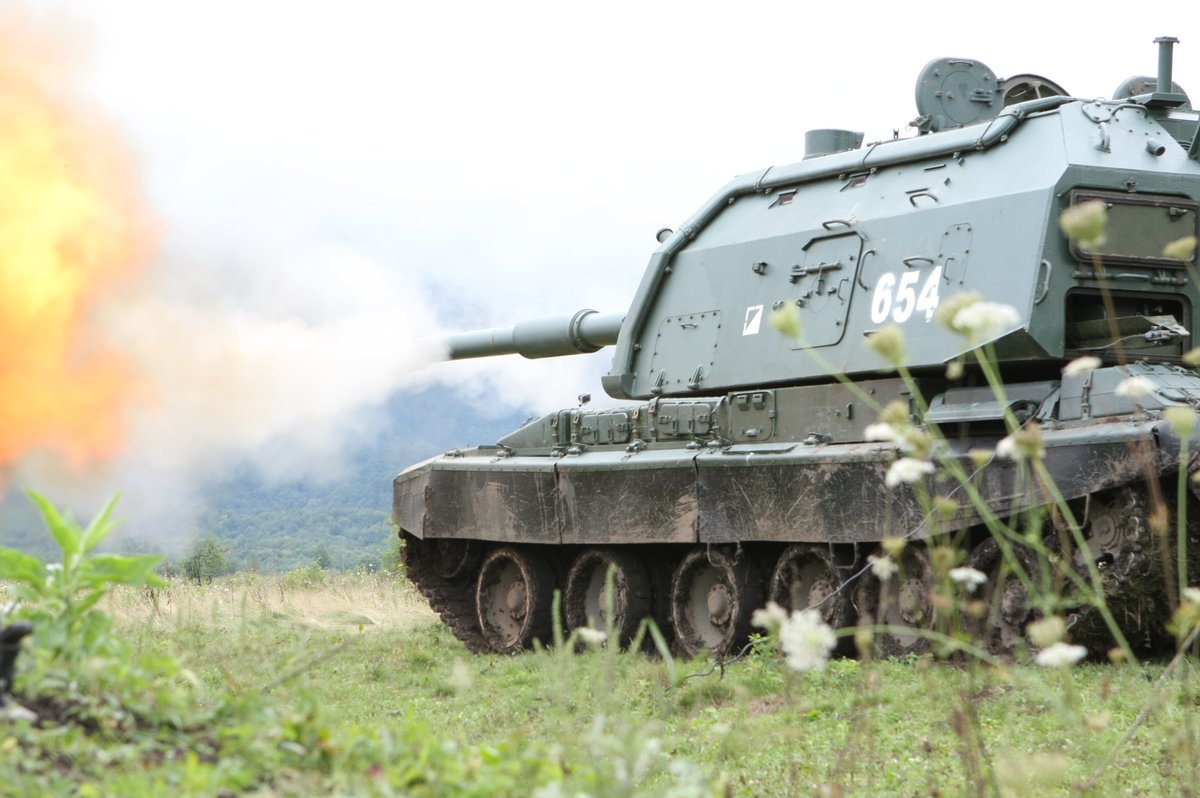
(1/30) Let's talk about the Msta-S. 

(2/30) In the 1970s, the primary division-level Soviet SPA was the 2S3 Akatsiya. At the time, it was considered on par with its Western counterparts, such as the American M109 and French Canon de 155 mm mle. F3 automouvant.
https://twitter.com/ChungTzuW/status/1699686153224413291


(3/30) However, the 1970s also saw the emergence of new Western artillery like the European 155 mm FH70, which outranged and outshot the Akatsiya with its superior range and rate-of-fire, and whose SP counterpart, the SP70, seemed just over the horizon.
(4/30) At the same time, the Americans were also introducing the towed M198 and improved M109A1/A2 with longer 155 mm L/39 barrels, both of which significantly outranged the Akatsiya.
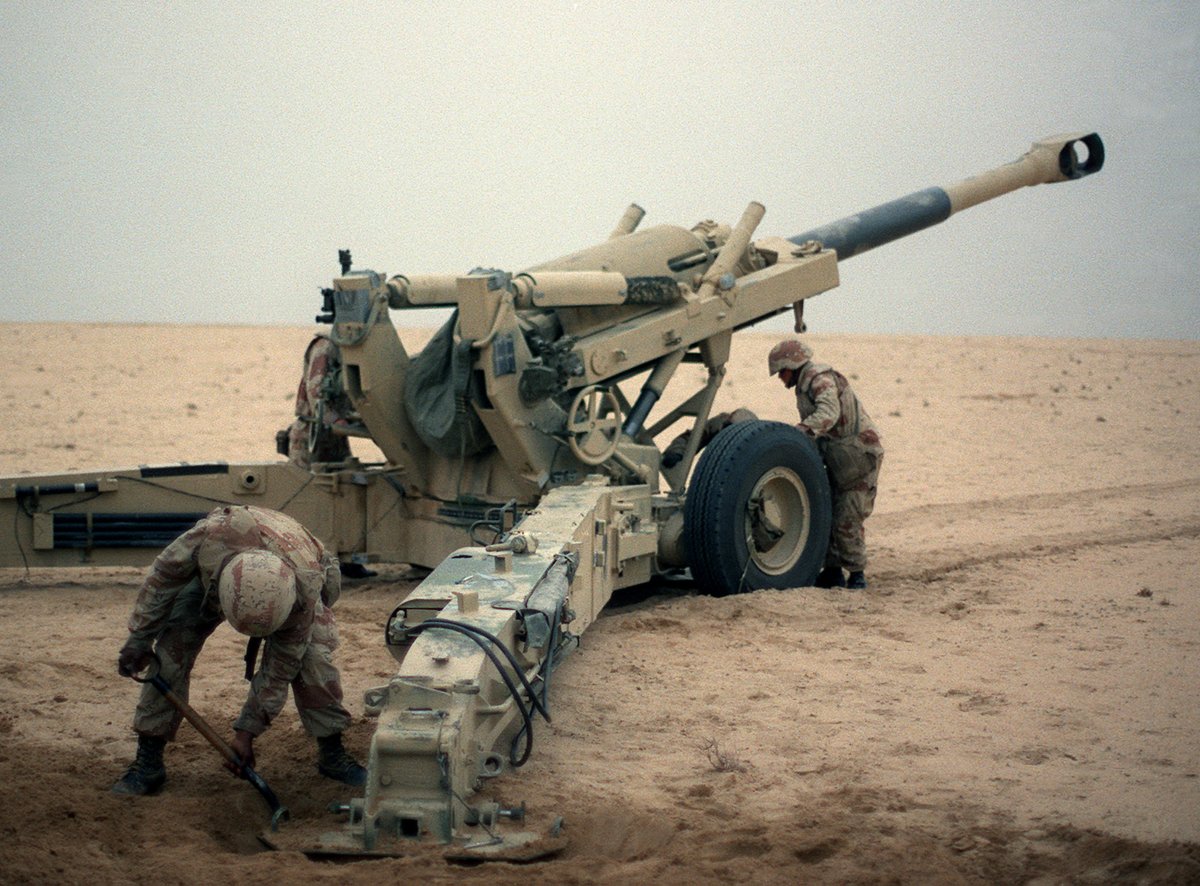
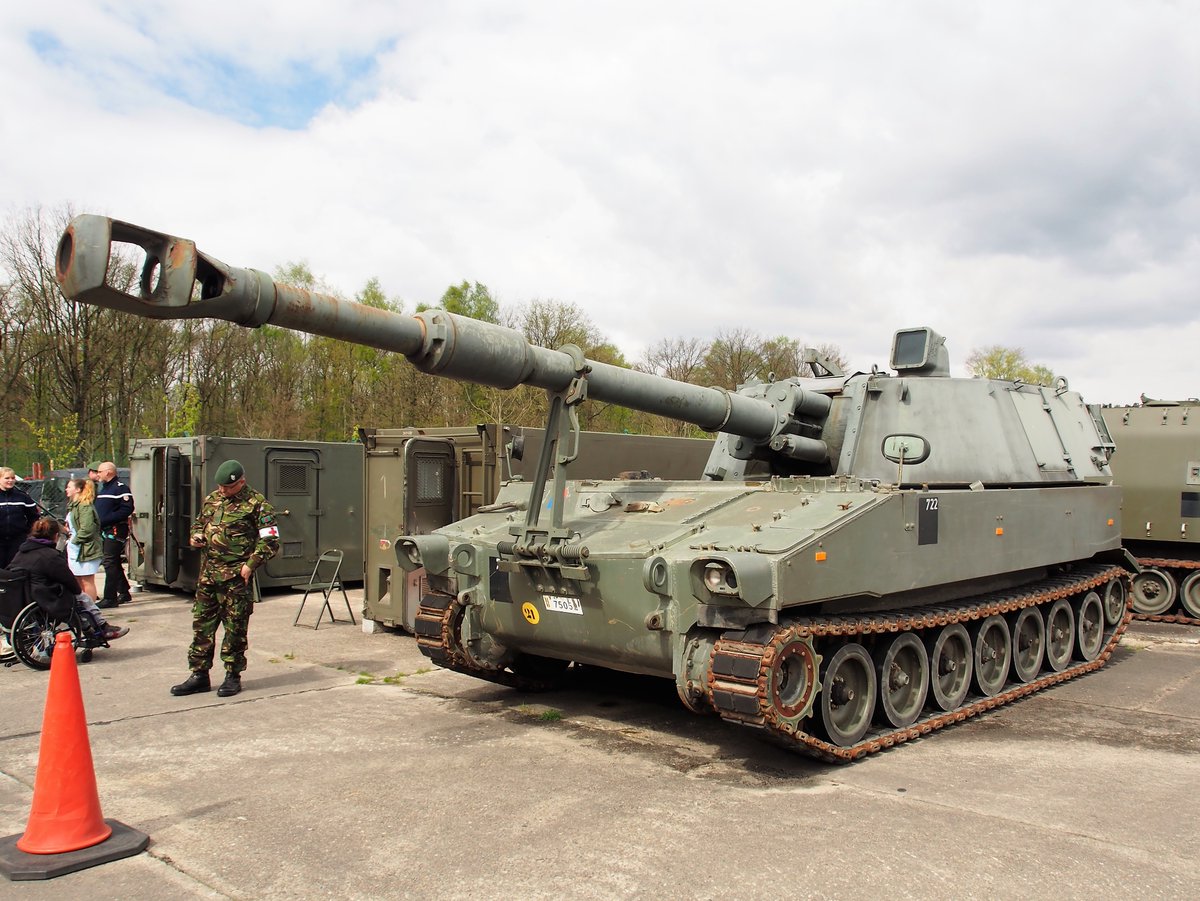
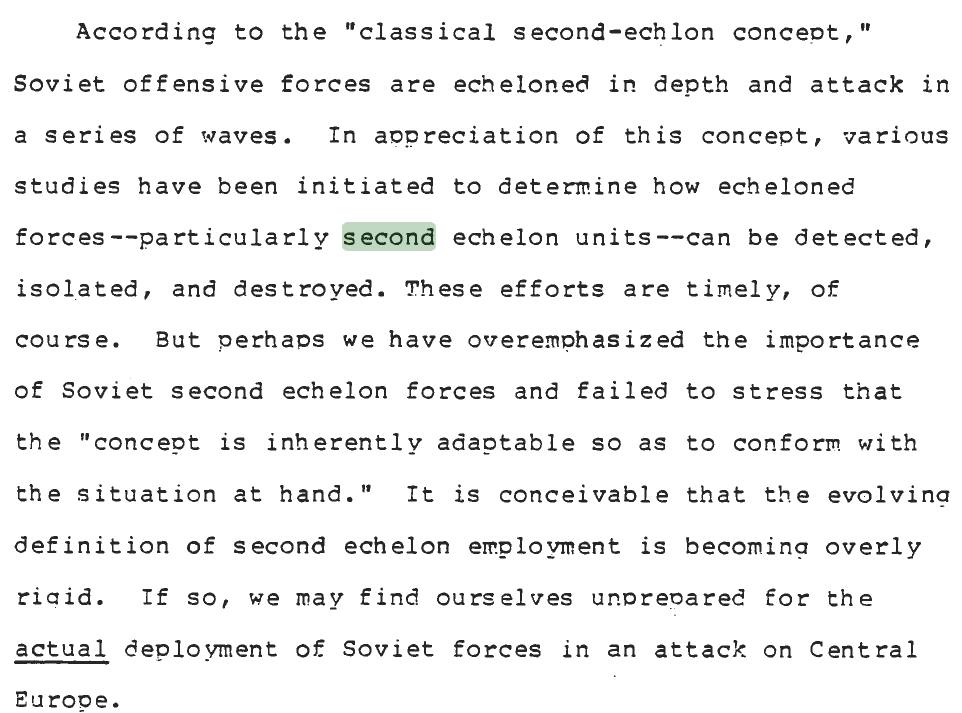
(5/30) These systems could all shoot out to ranges in excess of ~30 km with rocket-assisted projectiles (RAP), which gave them the ability to strike and suppress Soviet second echelon forces, whose divisional artillery systems would be unable to reply.
reaganlibrary.gov/public/digital…
reaganlibrary.gov/public/digital…
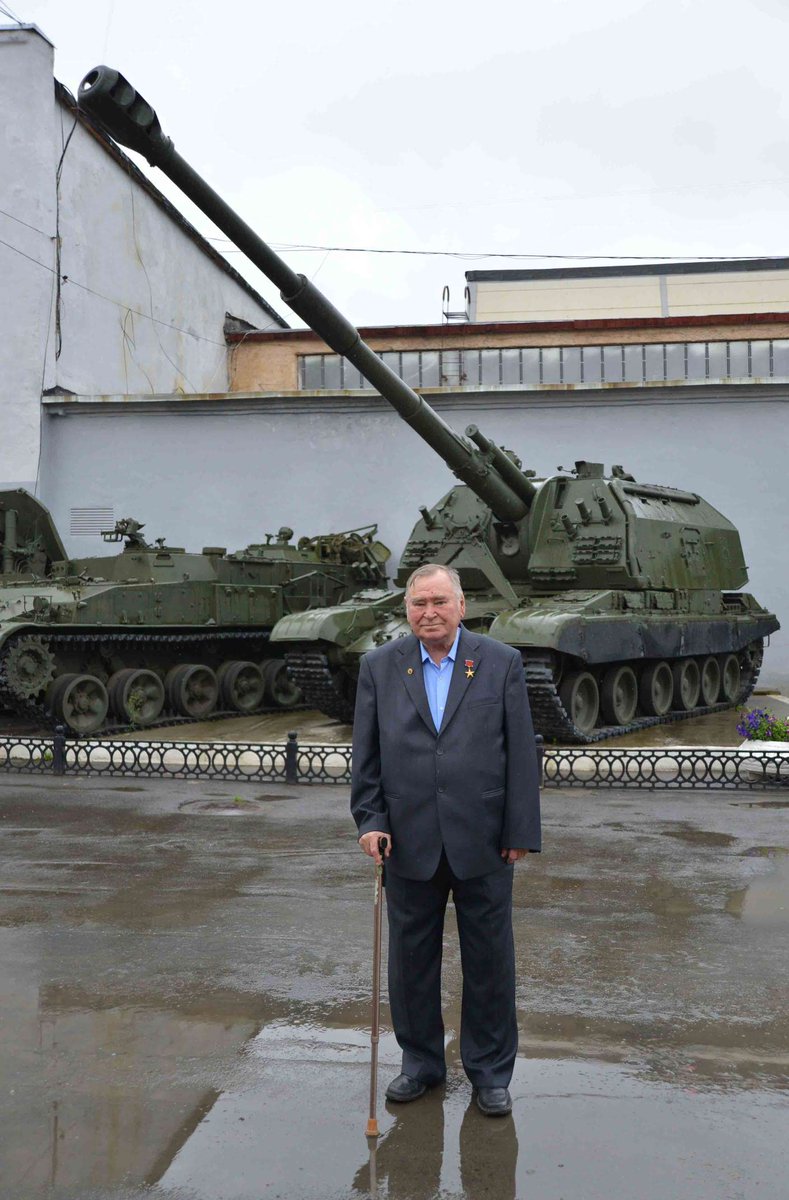
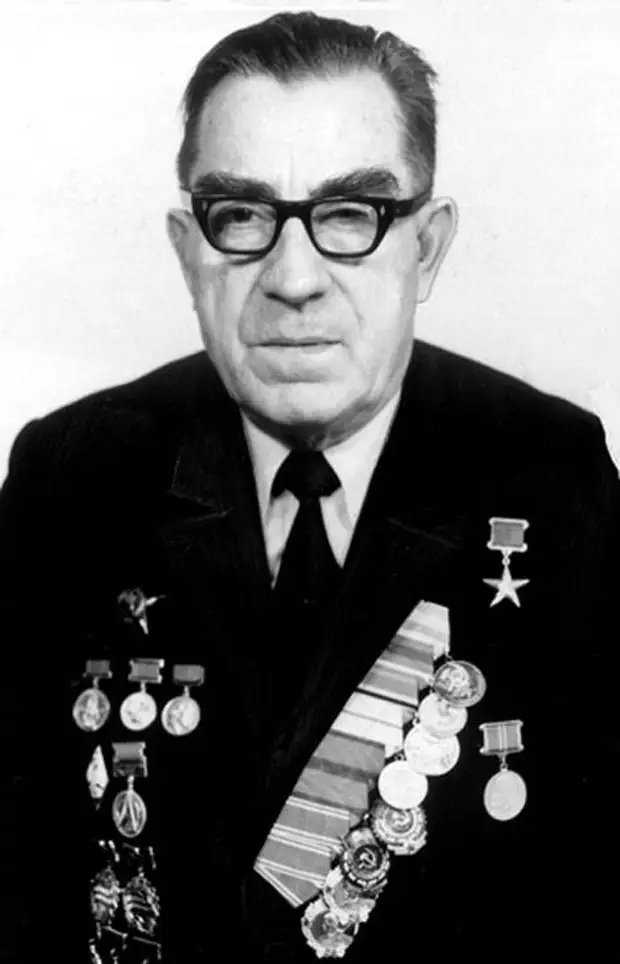
(6/30) In 1976, work began on both towed and SP 152 mm artillery to replace the workhorse Akatsiya and D-20. Development of the SP system was led by Yuri Tomashov of Uraltransmash, while the gun and towed system were led by Georgiy Sergeev of TsKB Titan.
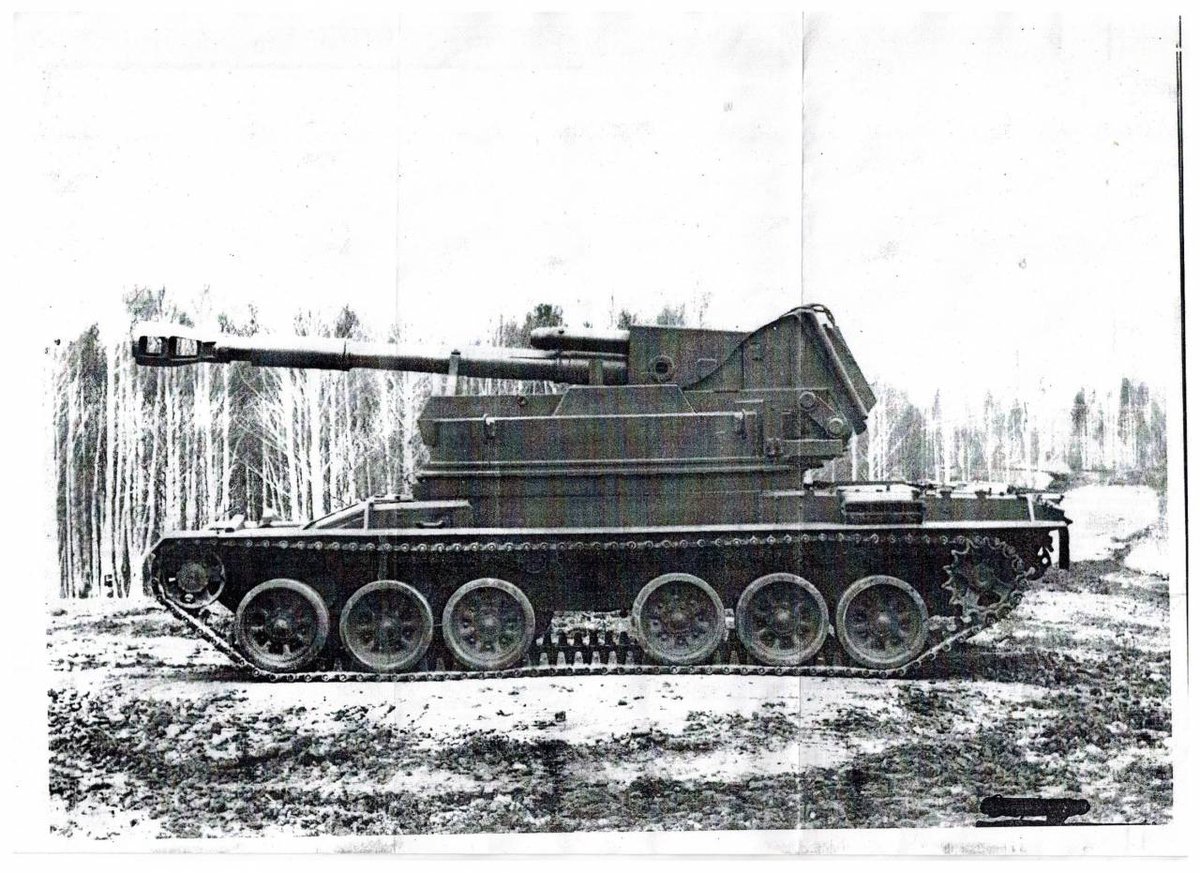
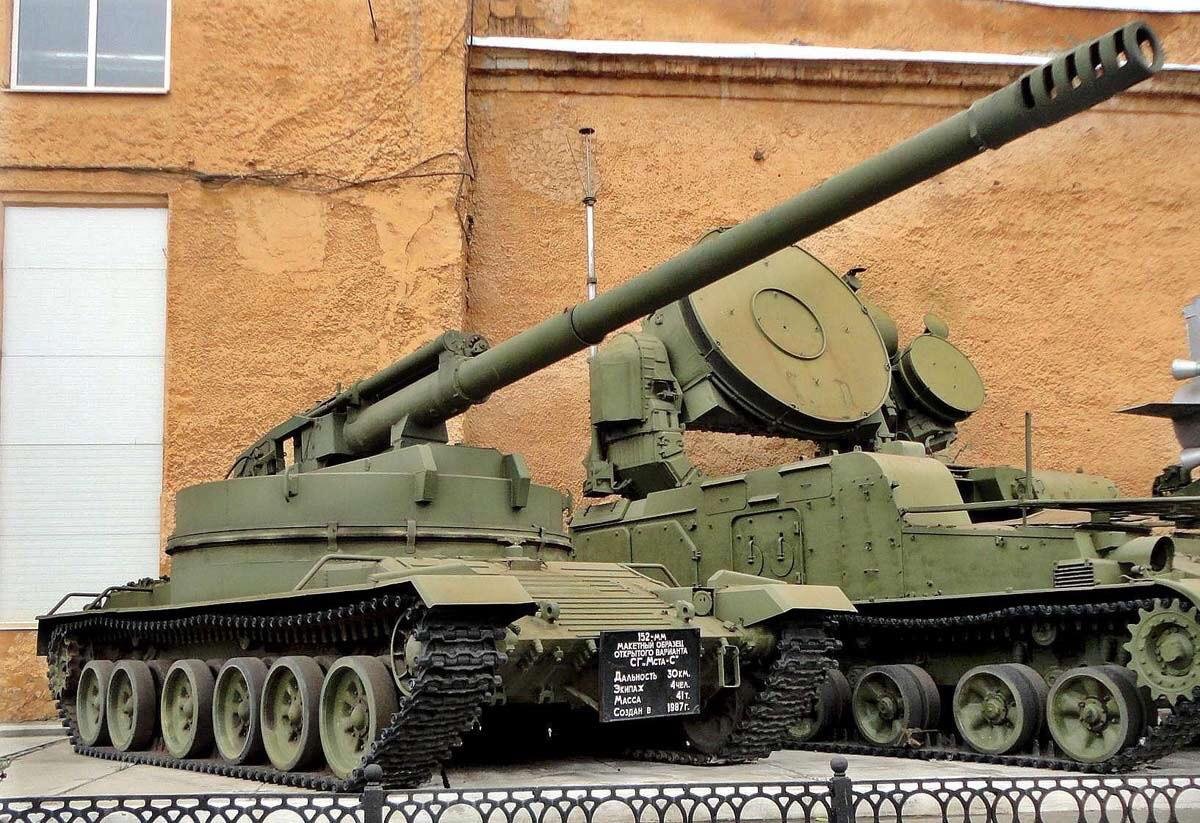
(7/30) The SP platform was given the GBTU index '316', and it competed with the parallel '327', an open-topped and lighter alternative that used either the Akatsiya or Giatsint's barrel.
In the end, the '316' was chosen in 1980 as the 2S19 Msta-S.
In the end, the '316' was chosen in 1980 as the 2S19 Msta-S.
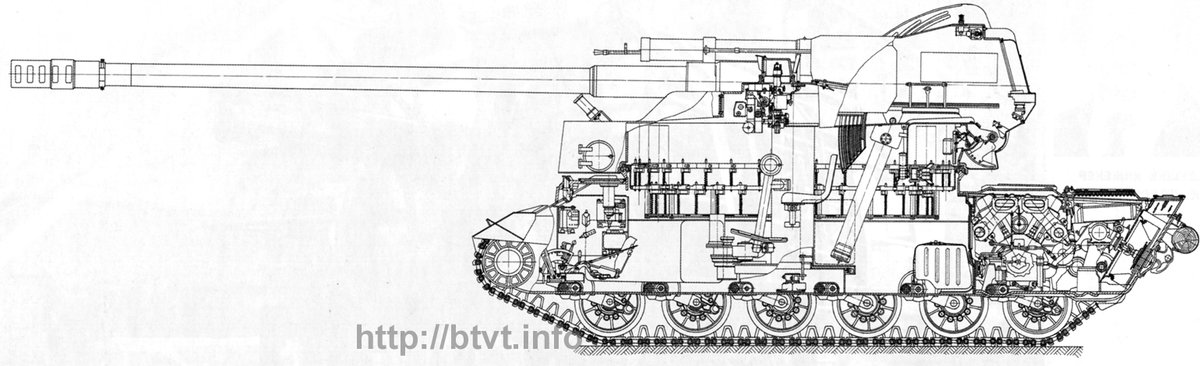
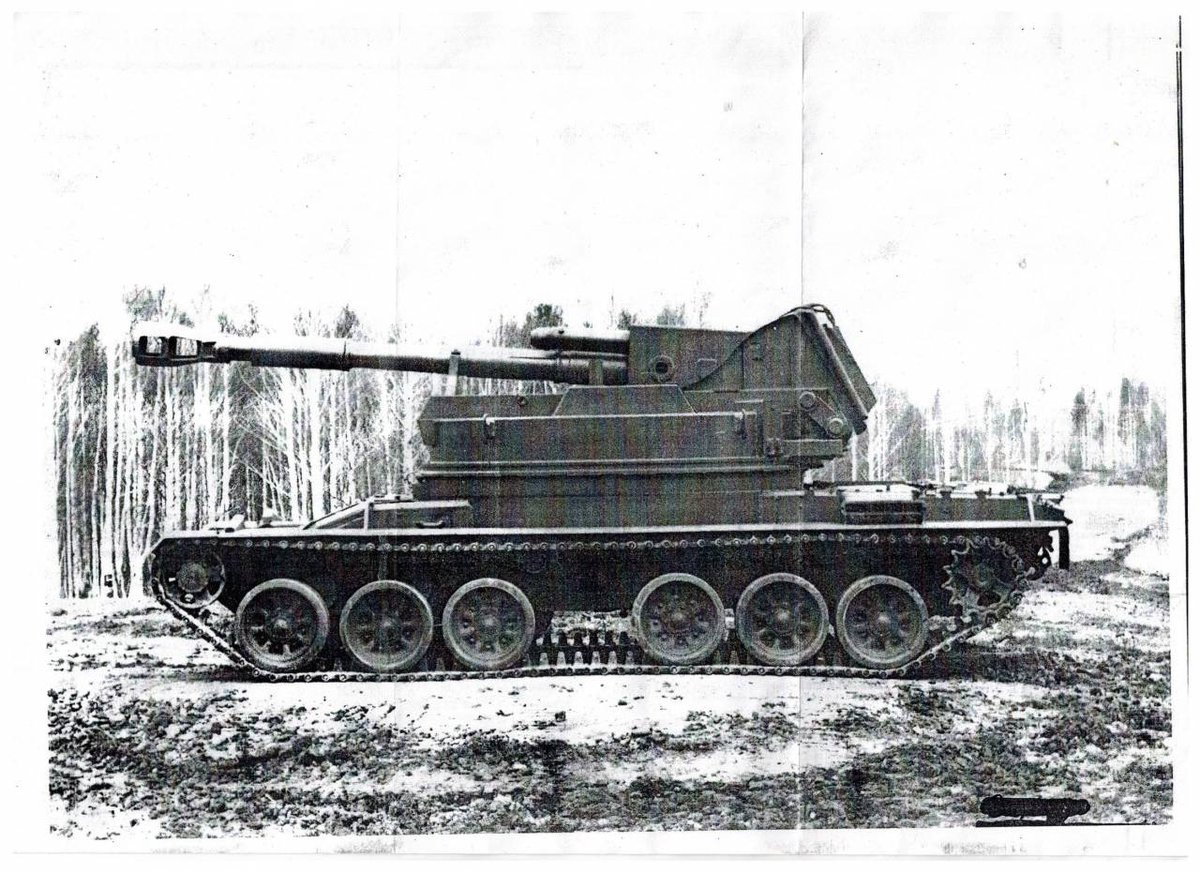
(8/30) According to the Russian Wikipedia, which cites this magazine that I have not yet been able to get copy of, the original Msta-S prototype of 1983 used the T-72's hull, engine, transmission, and suspension.

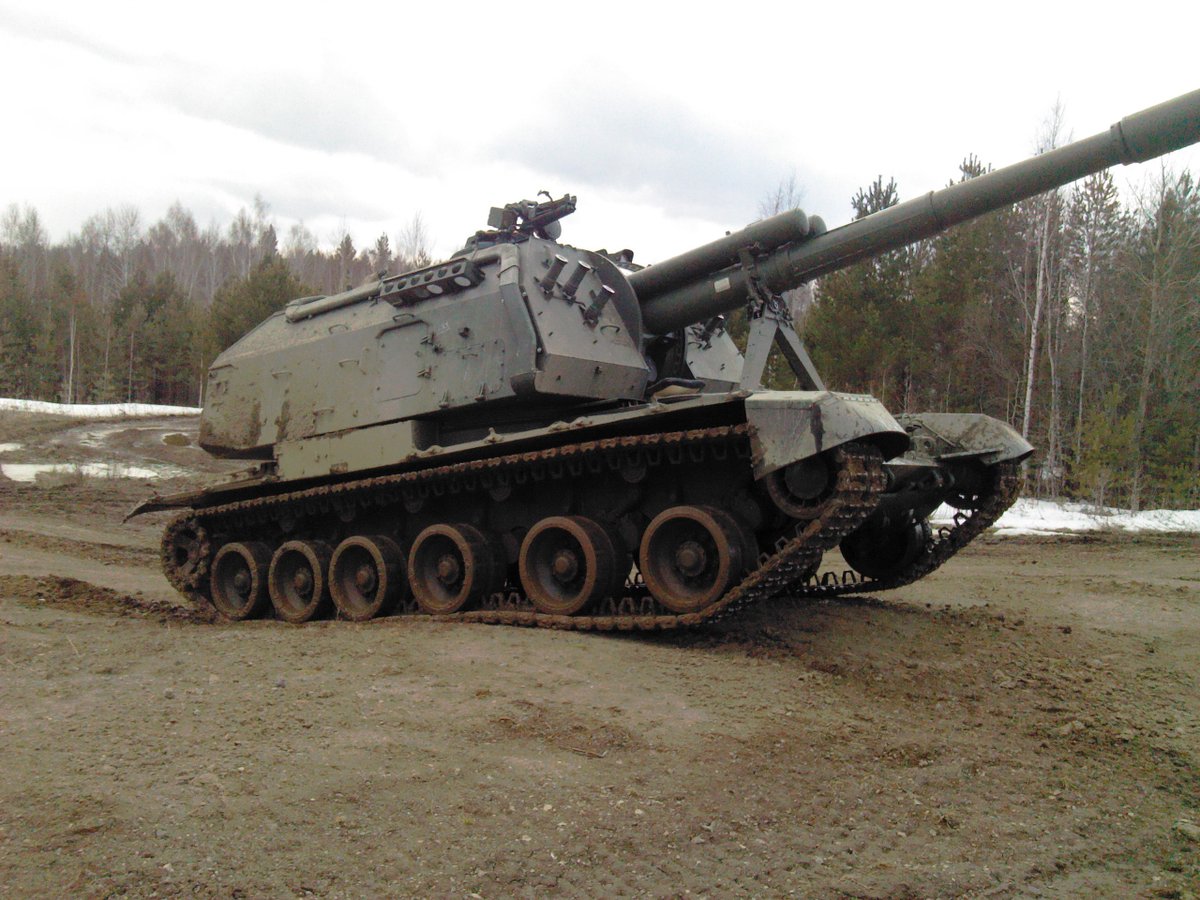
(9/30) Unsurprisingly, they found in tests that the T-72 suspension (which is the stiffest among the T-64/72/80) is a poor platform, resulting in large gun movement from recoil when firing, among other things. So, they replaced the suspension elements with the T-80's.
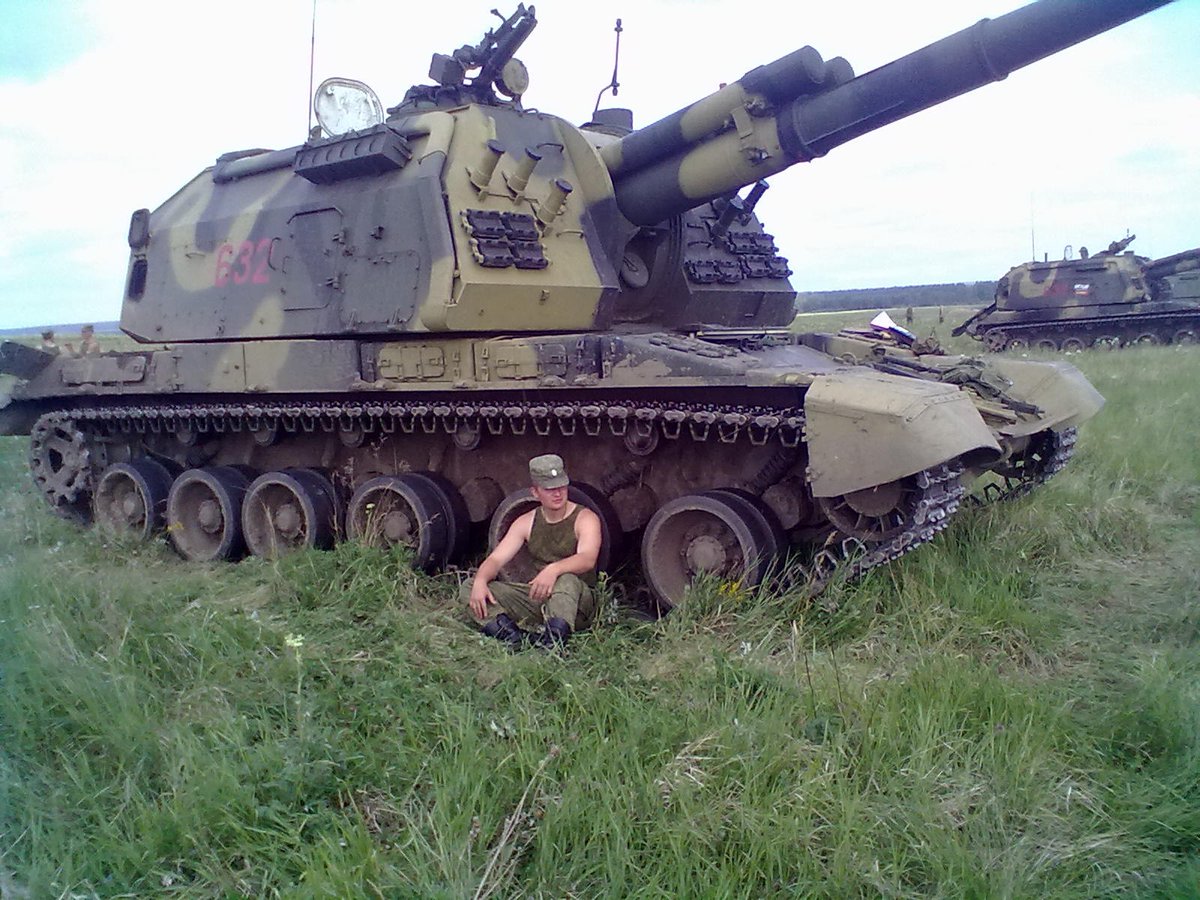
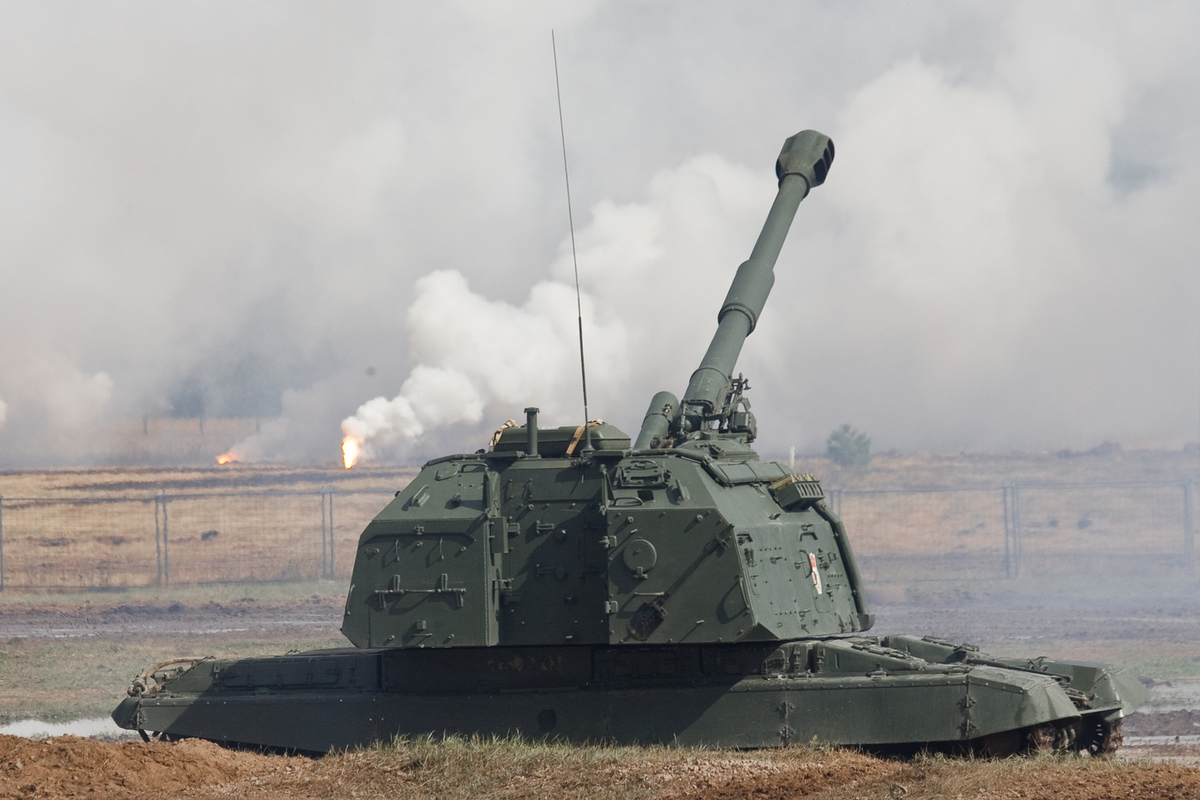
(10/30) Both the Msta-S and the towed Msta-B entered service in 1989. They began to replace the Akatsiya and D-20 in Soviet tank and motor-rifle divisions, but this process was never completed because the USSR collapsed in 1991.
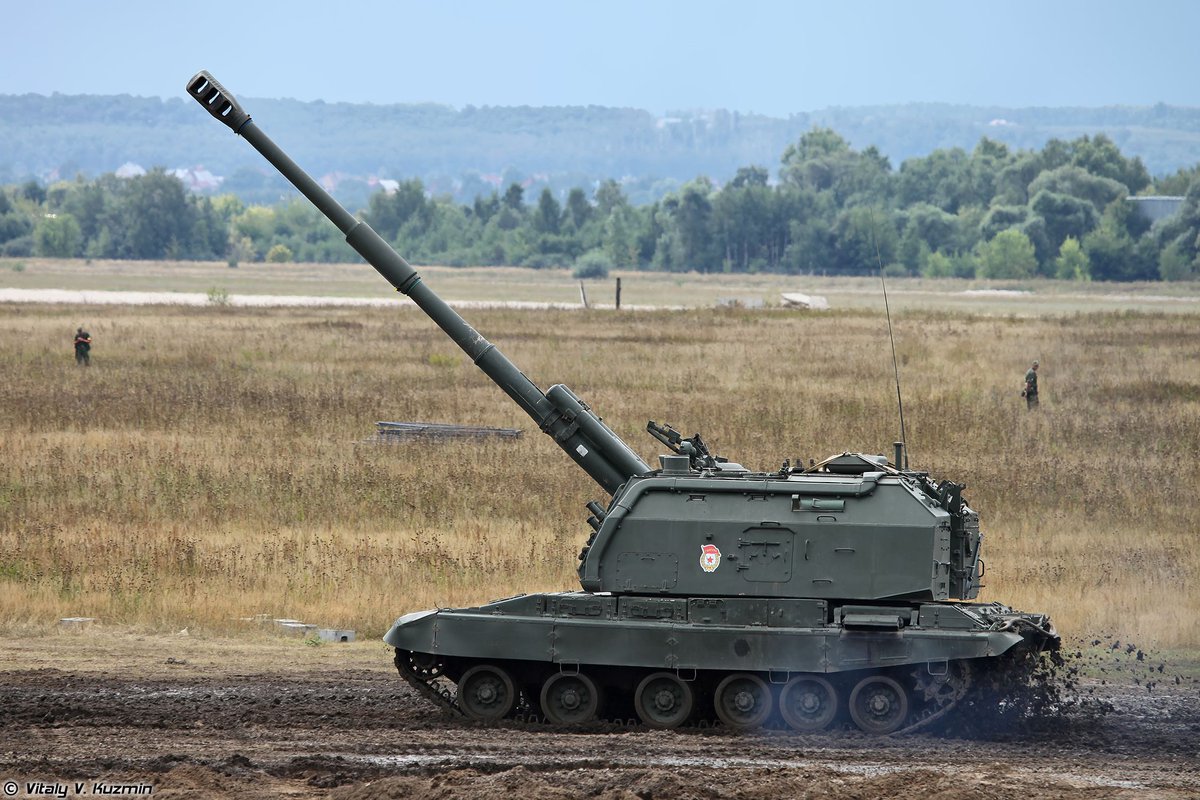
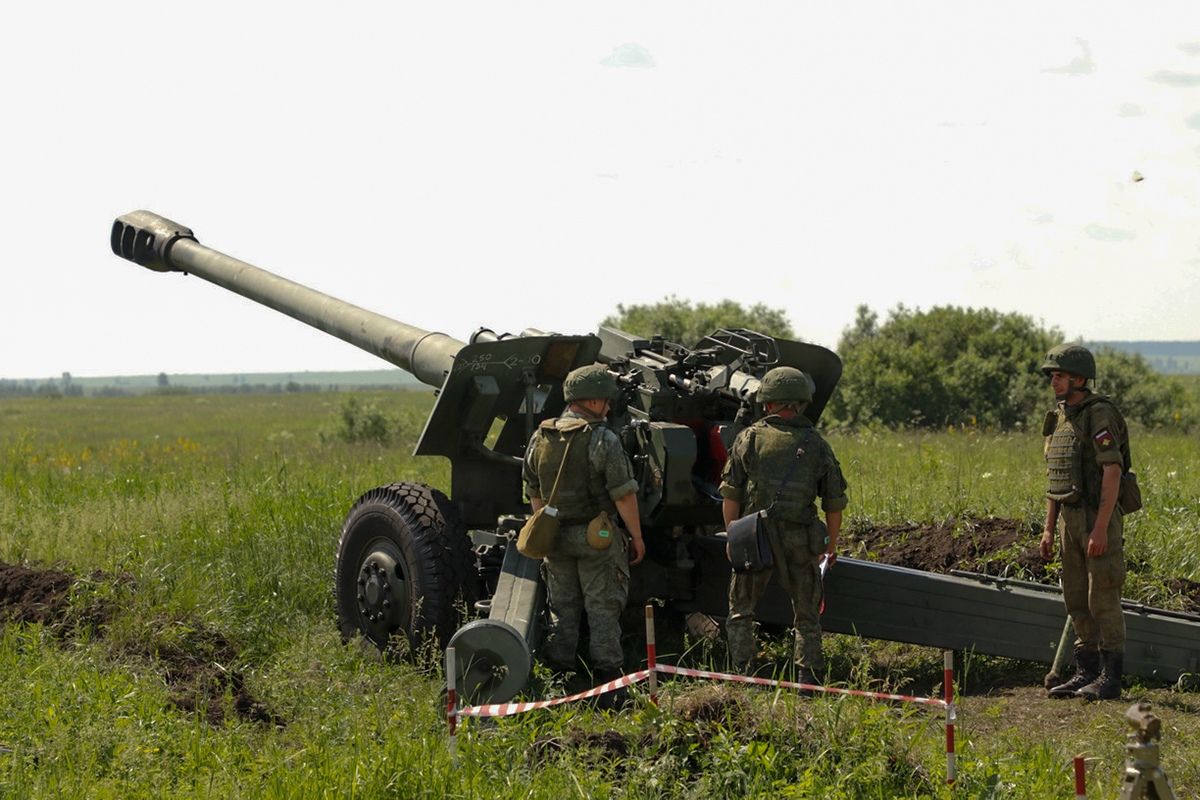
(11/30) The heart of the Msta-S is, of course, its 152-mm 2A64 gun. It is an L/53 weapon with a barrel life rated at 2,000 rounds. Despite the very long barrel, its range with standard HE is not that much better than NATO 155 L/39 systems like the M109A6 Paladin.
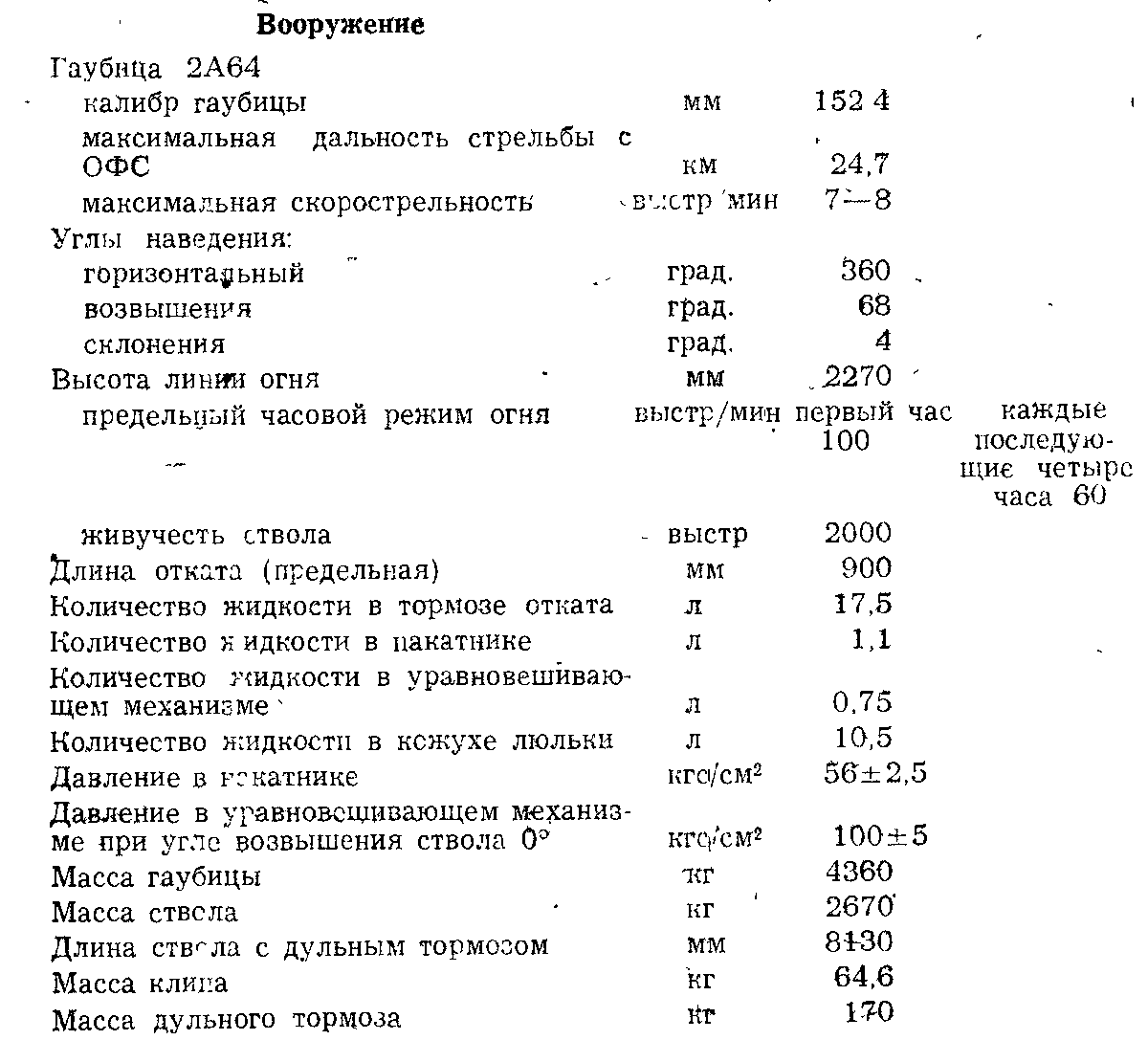
(12/30) The standard projectile is the 43.56 kg 3OF45 Namestnik-1 ('Deputy') HE-Frag containing 7.65 kg of A-IX-2, developed specifically for the Msta duplex. With the 4Zh61 long range charge, it has a maximum rated range of 24.7 km.
soviet-ammo.ucoz.ru/index/152_of45…
soviet-ammo.ucoz.ru/index/152_of45…
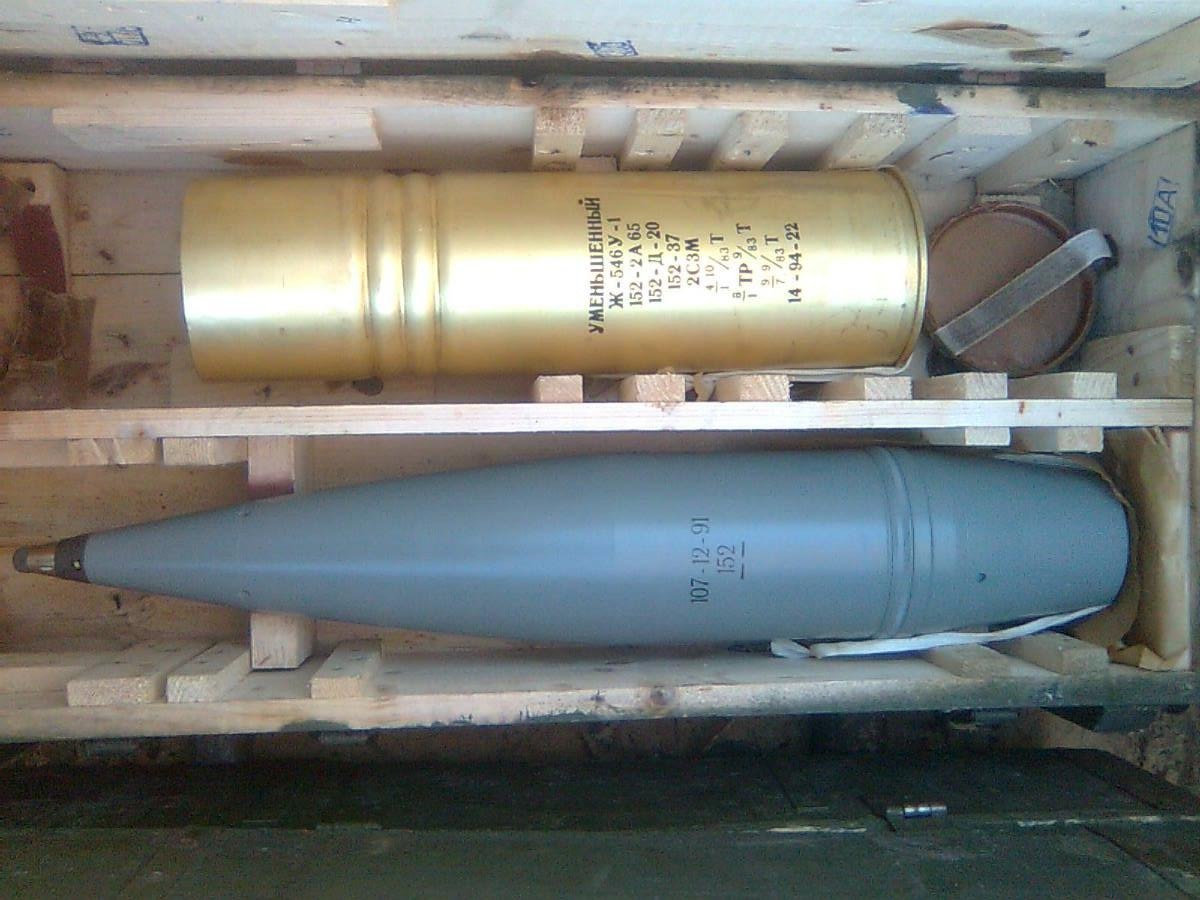
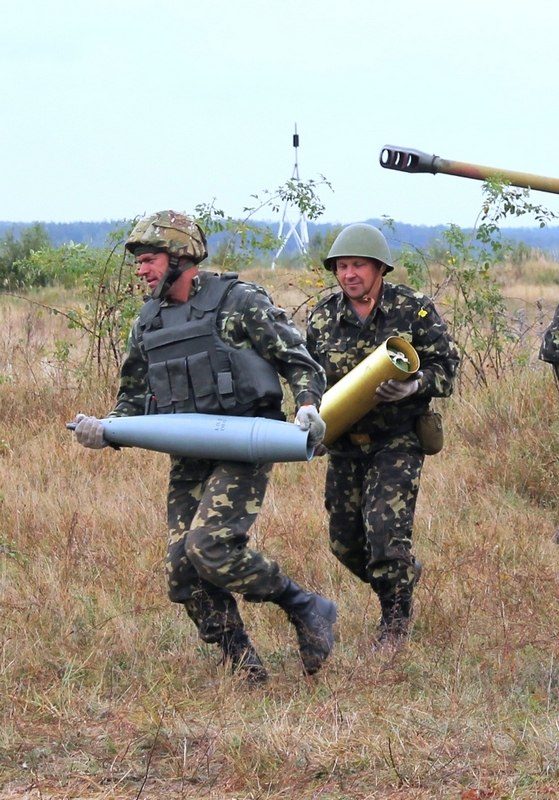
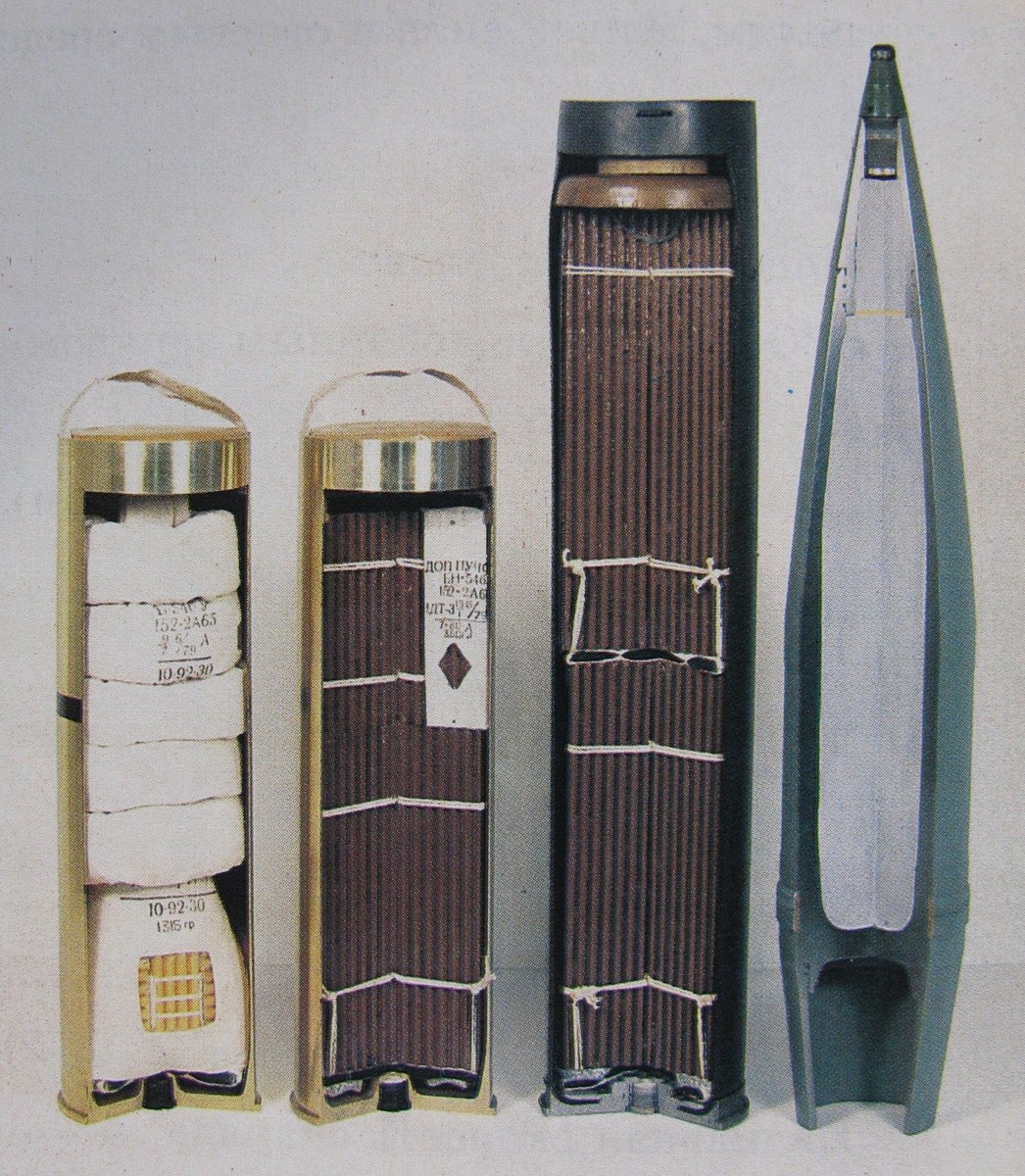
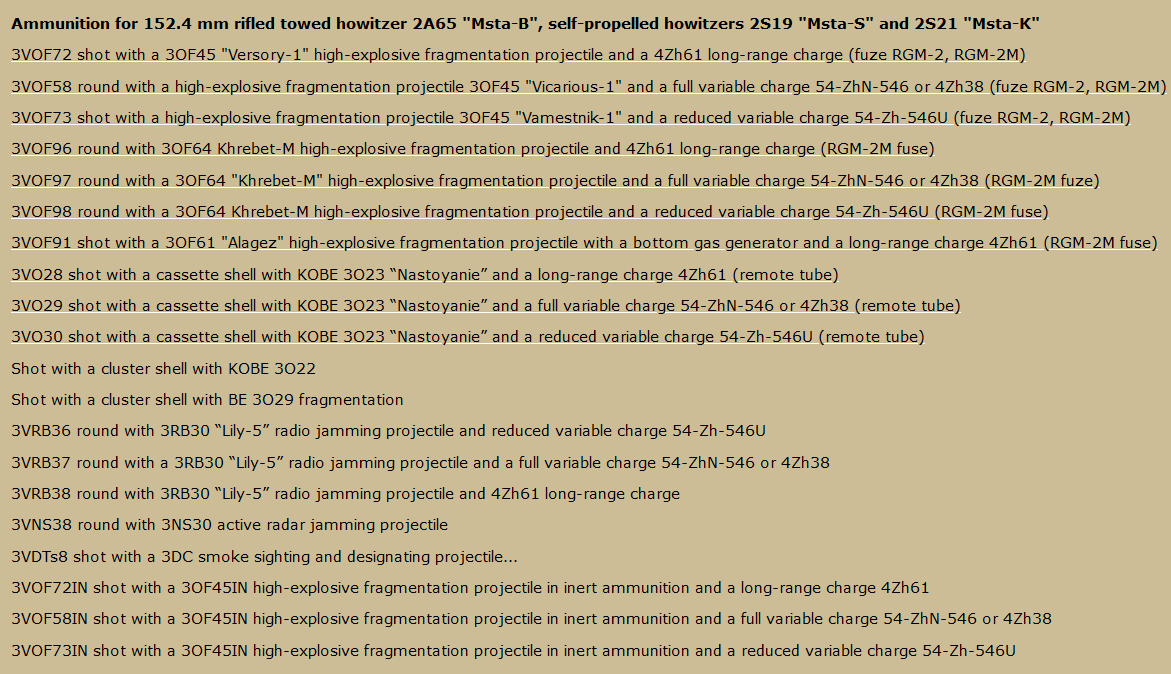
(13/30) There are many other projectiles available, this list is not comprehensive. They range from cluster shells to nuclear shells, as well as the laser-guided 3OF39 Krasnopol (right).
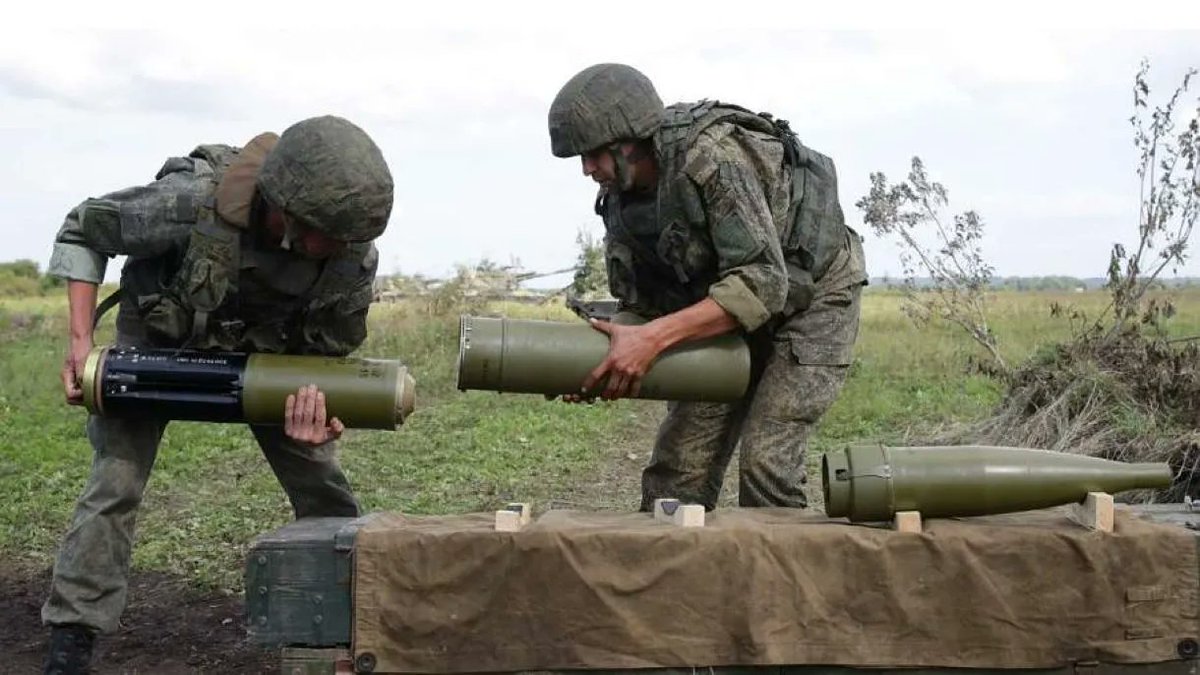
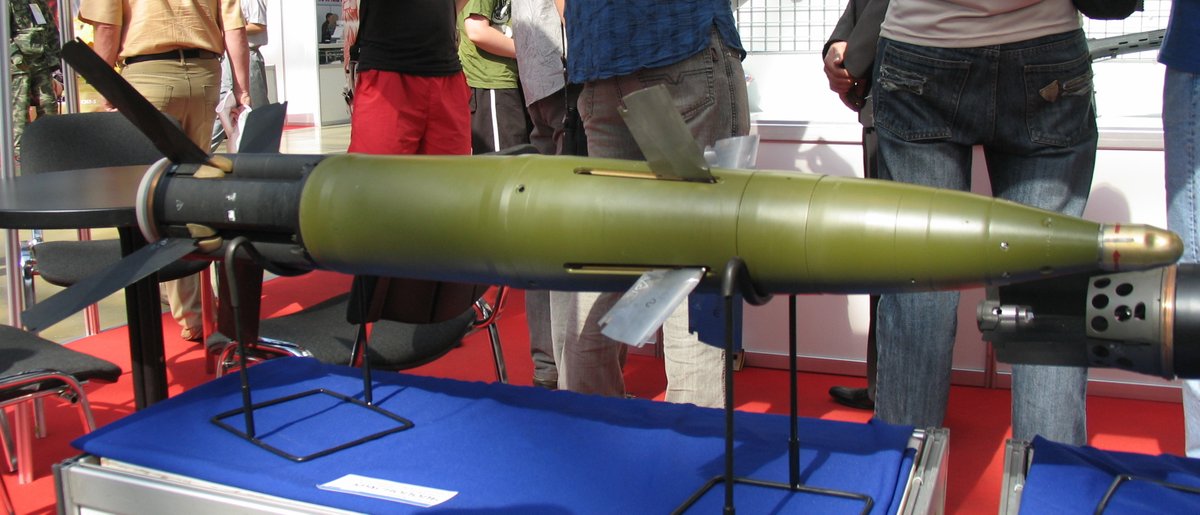
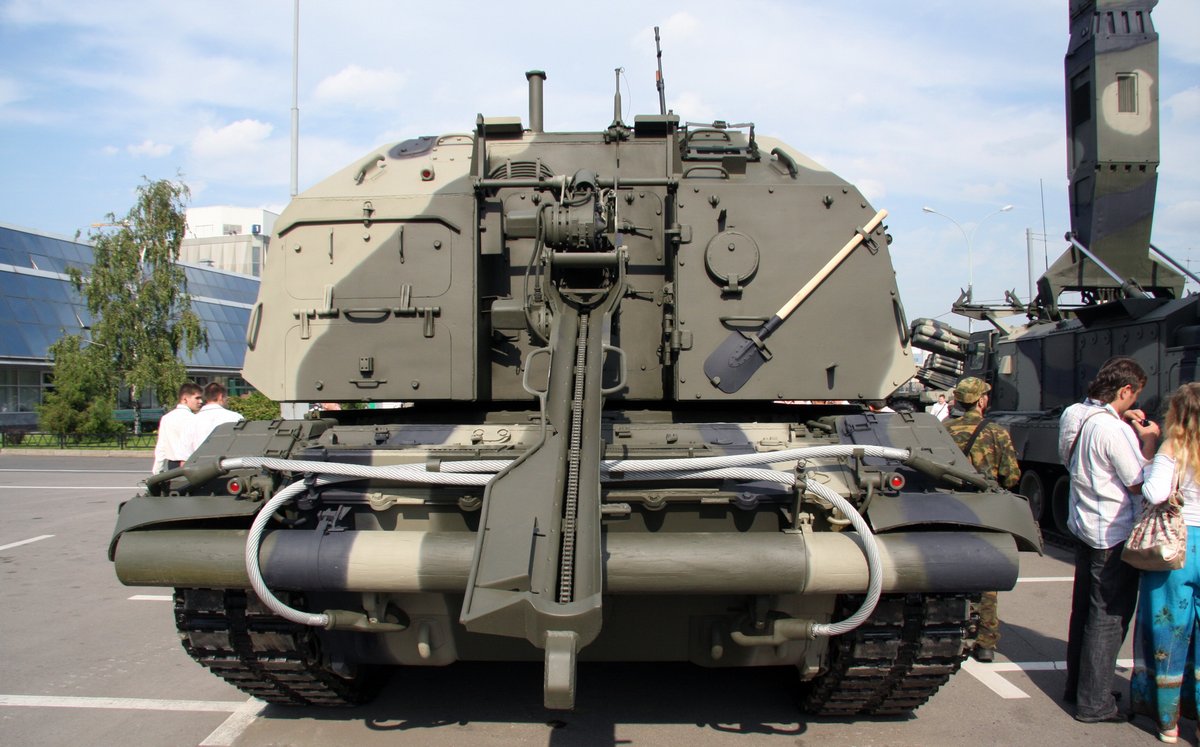
(14/30) The gun is mounted in a massive slab-sided turret built to accommodate the bustle's two mechanised ammunition conveyors.
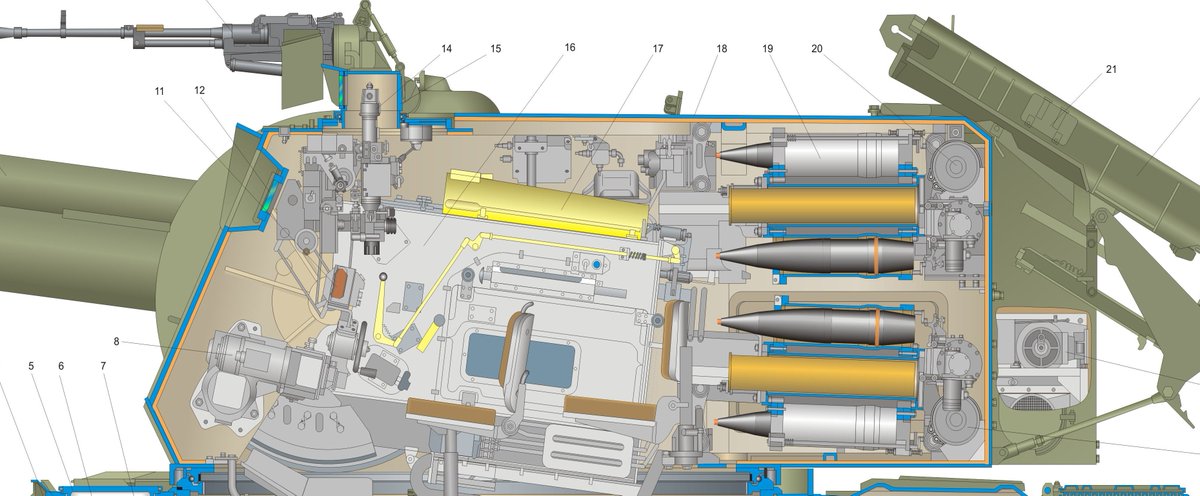
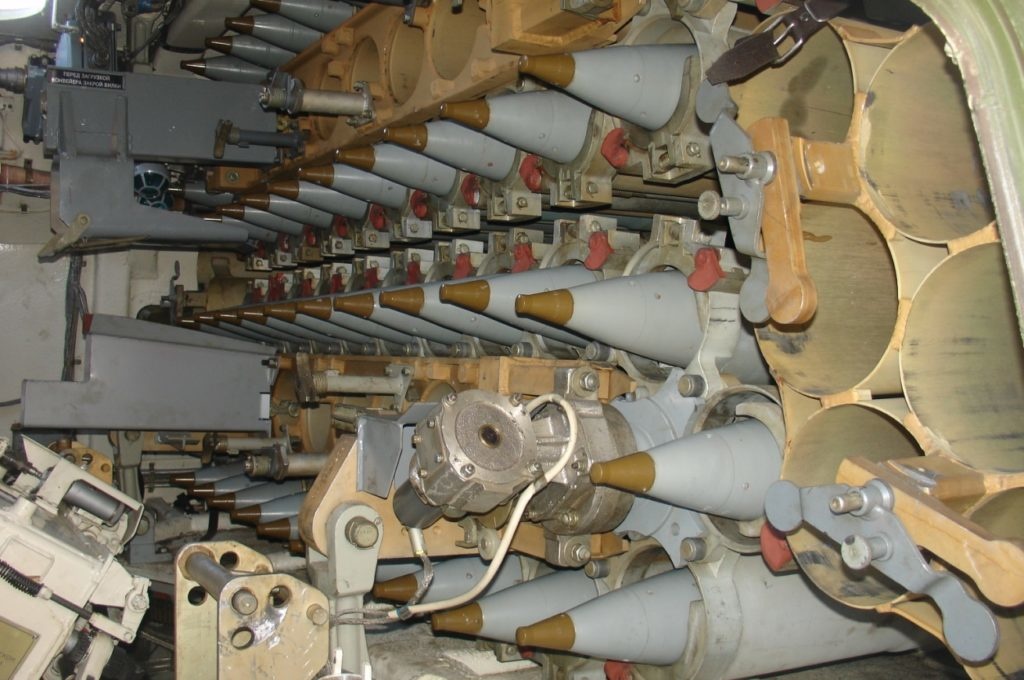
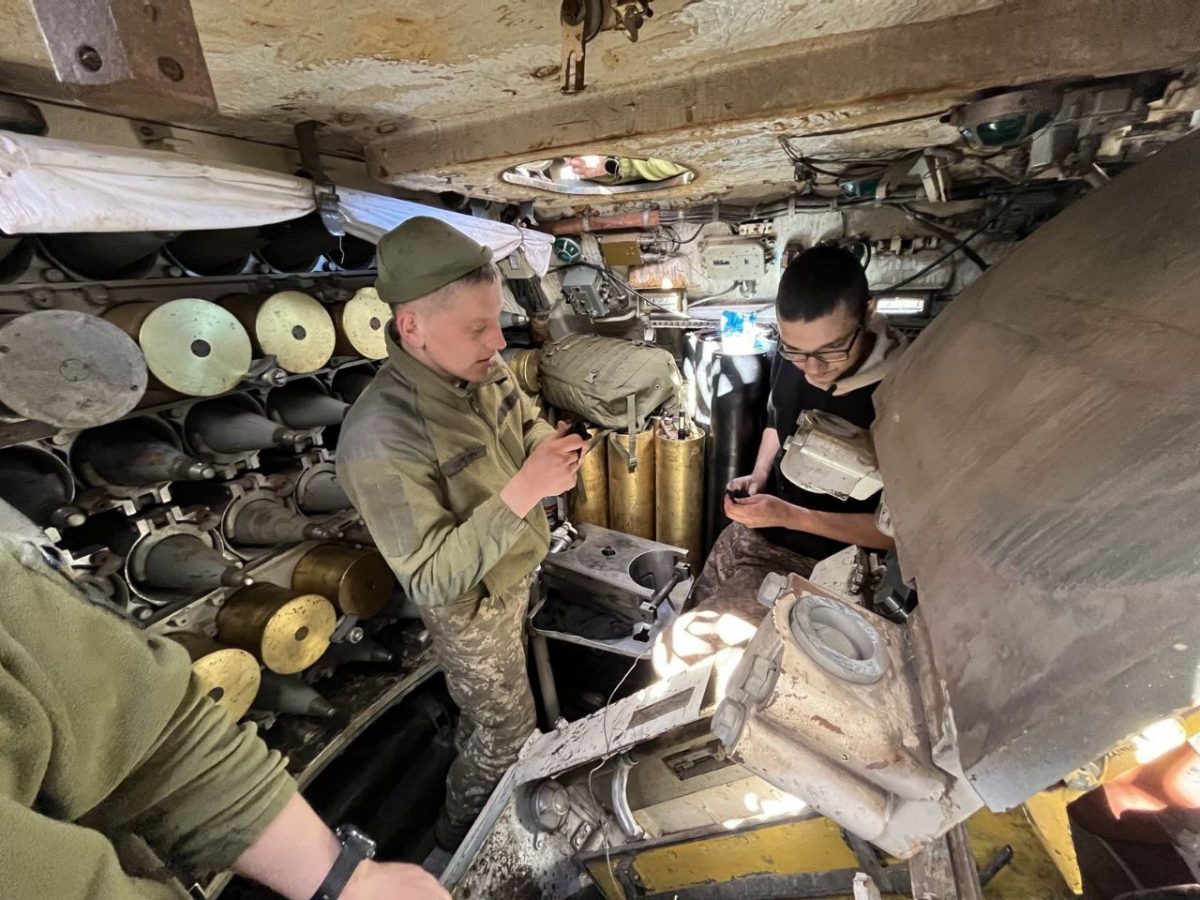
(15/30) The 2 loaders must retrieve rounds from the conveyors and place them in the tray for the rammer to then ram into the gun. The maximum rate-of-fire is rated in the manual to be 7-8 rounds/min.
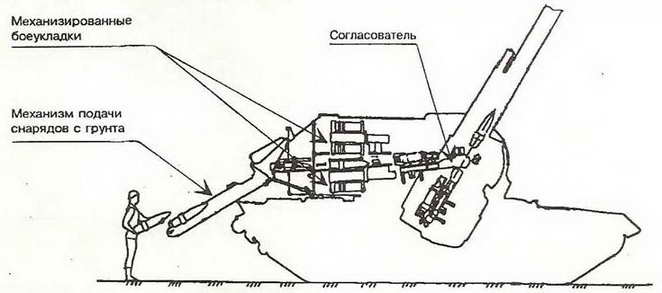
(16/30) At the back of the turret is a conveyor used for lifting shells into the turret when using external supplies. Charges are fed into the other side.
youtube.com/shorts/UifNsRW…
youtube.com/shorts/UifNsRW…
(17/30) This conveyor is folded up when not in use, and it can also be removed if necessary. When shooting with shells from an external source, the manual specifies an additional 2 personnel for the crew.
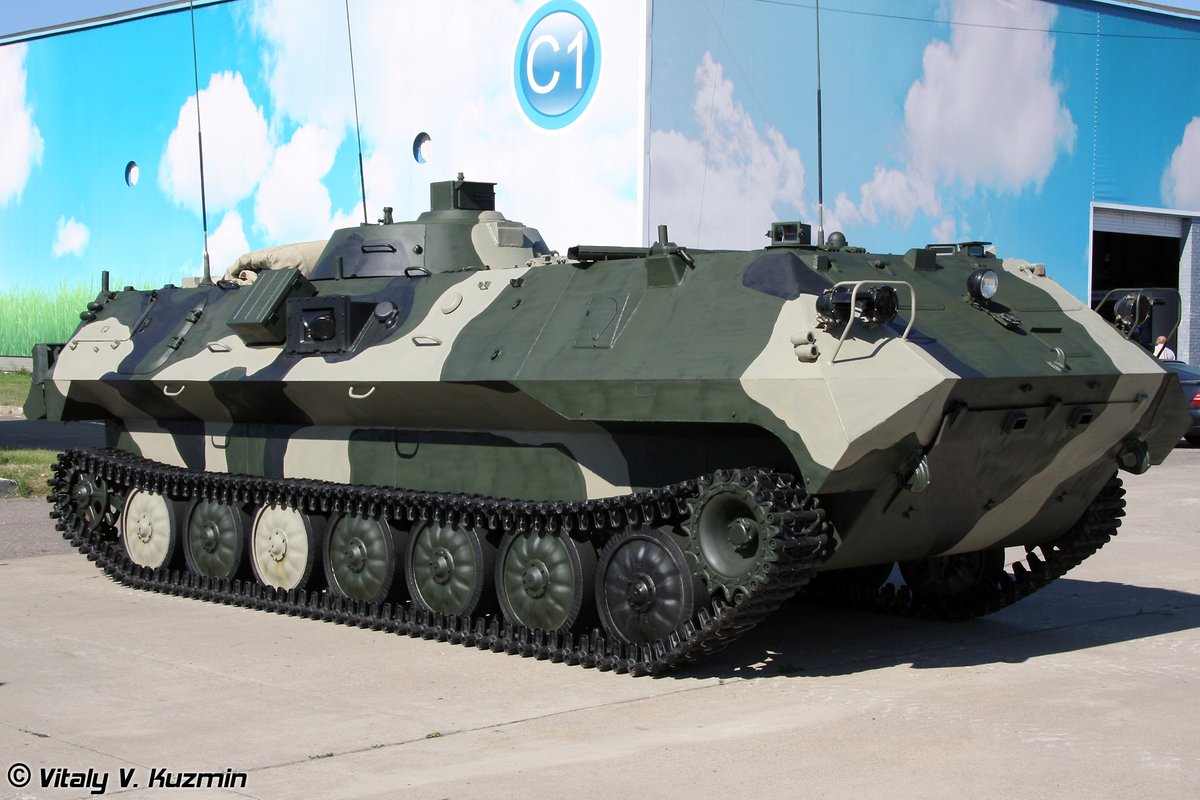
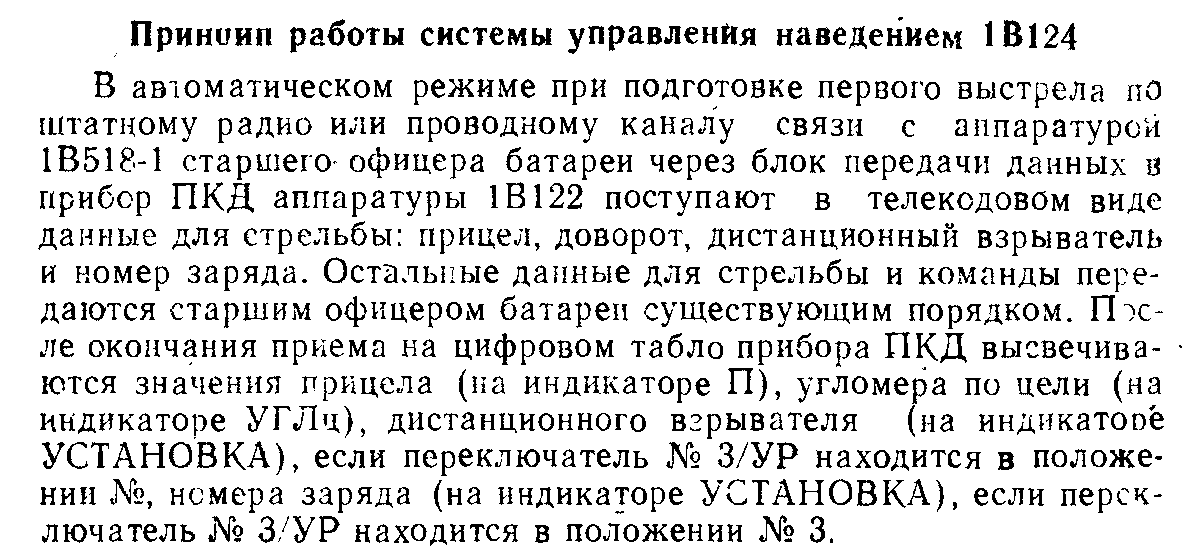
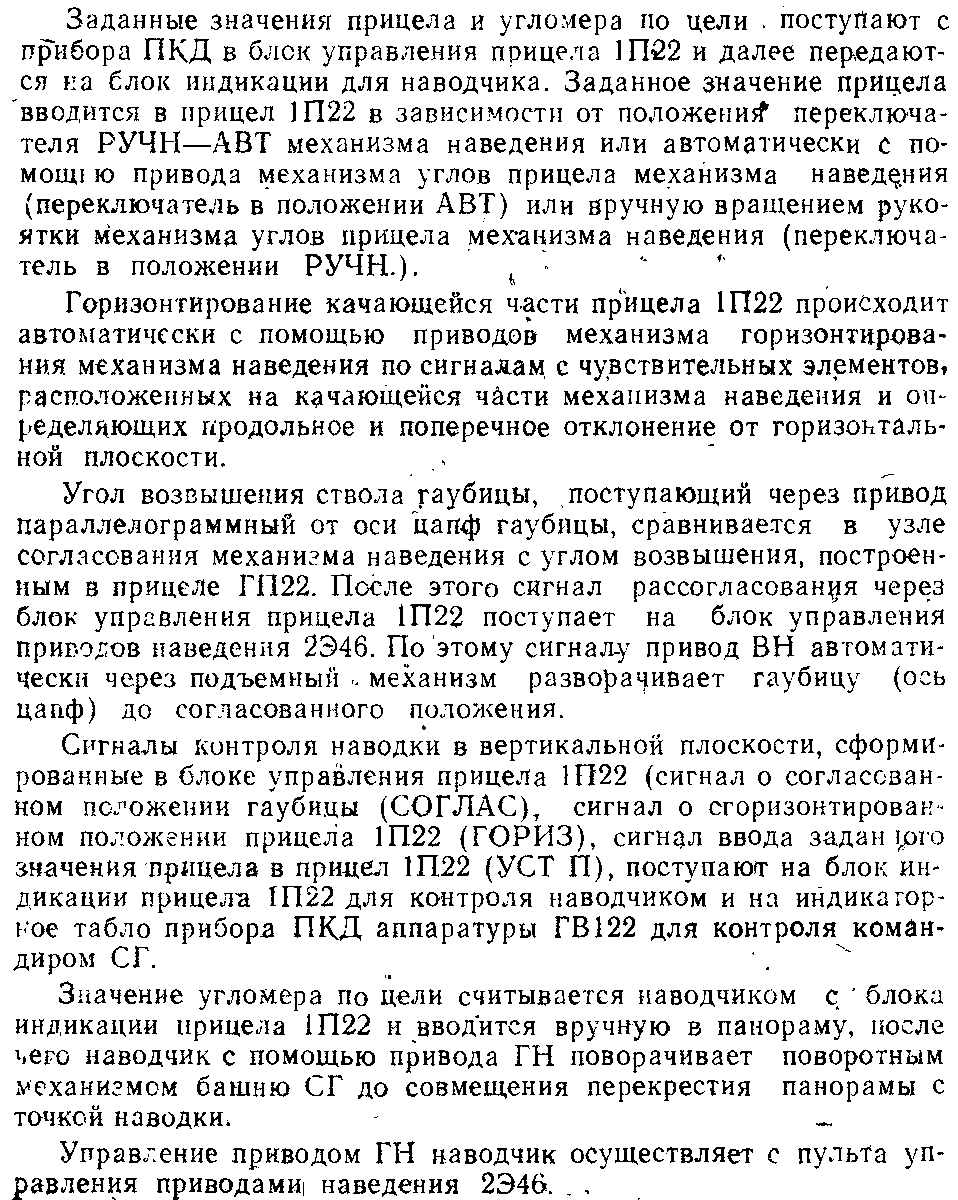
(18/30) Unlike previous Soviet SPAs, the Msta-S has an automated gun-laying system, the 1V124. It can automatically elevate the gun based on data received via a wired or radio connection from the battery fire control centre (in Soviet times this was the 1V13).
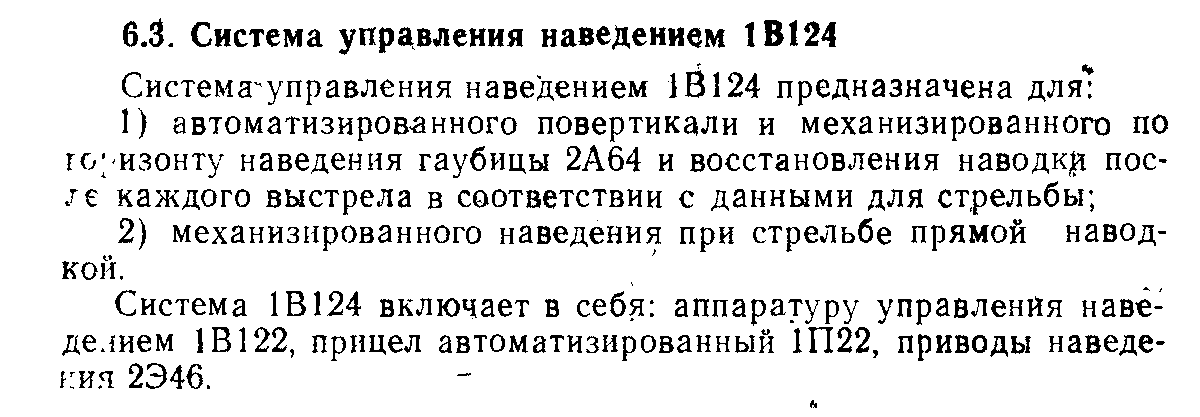
(19/30) The system would also display various other data for the crew to handle, such as target bearing, fuse setting, and number of charges. The only thing the gunner really has to do is optically align his 1P22 panoramic sight with the predetermined reference point.
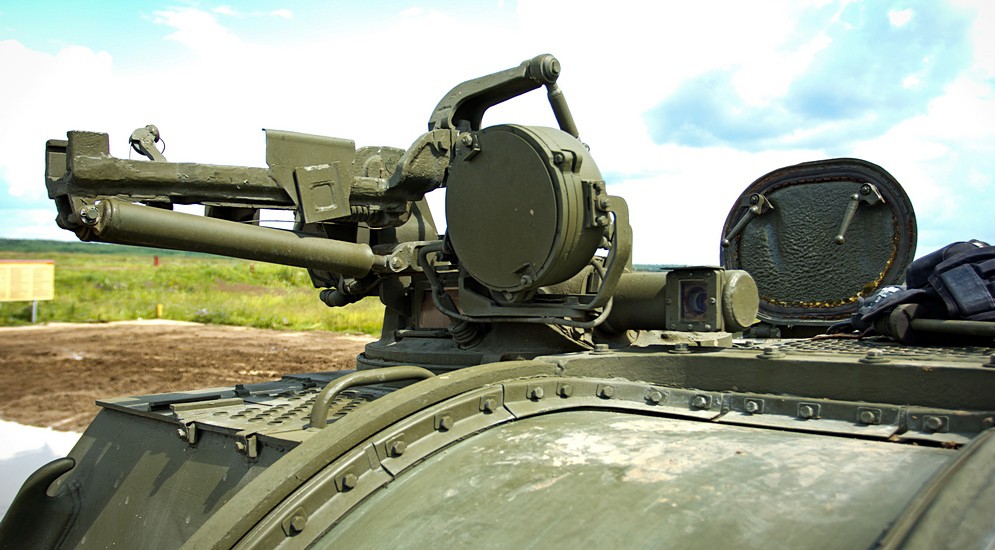
(22/30) The commander has a 12.7-mm NSVT heavy machine gun in a remote-controlled mounting on his cupola, using the same PZU-5 sight as the T-64A/B.
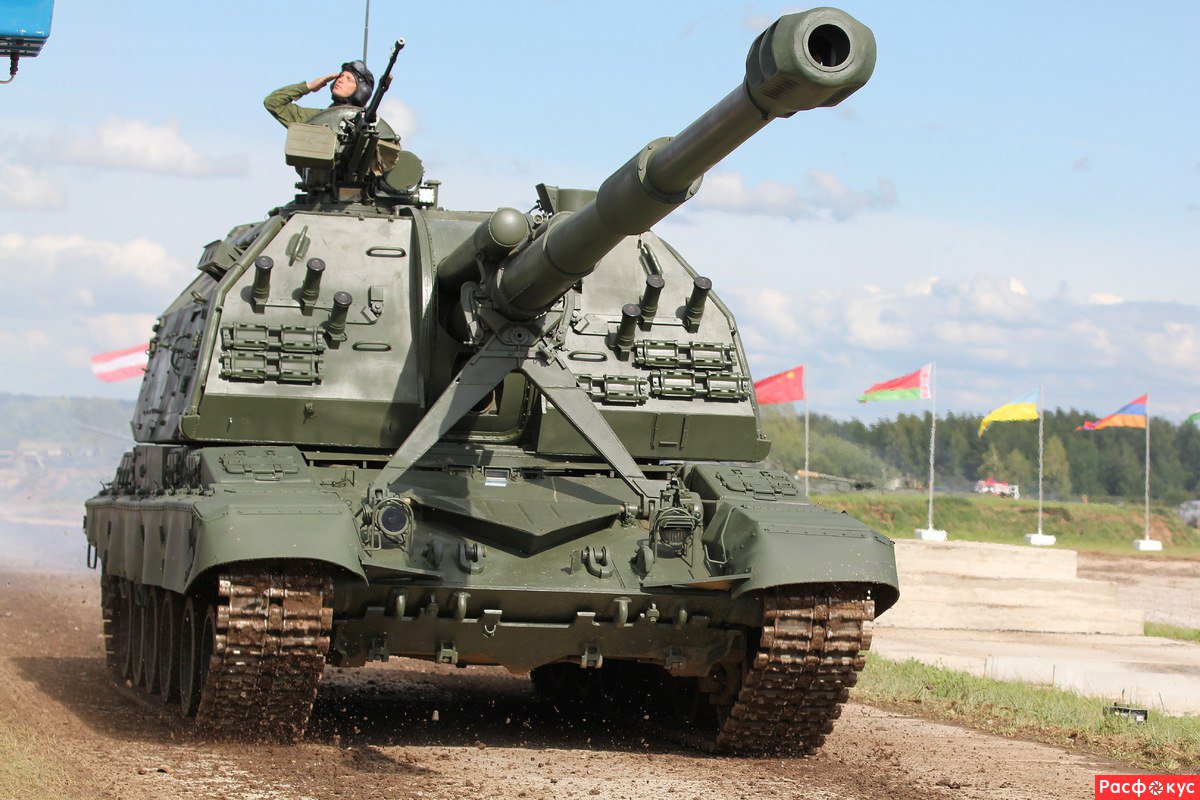
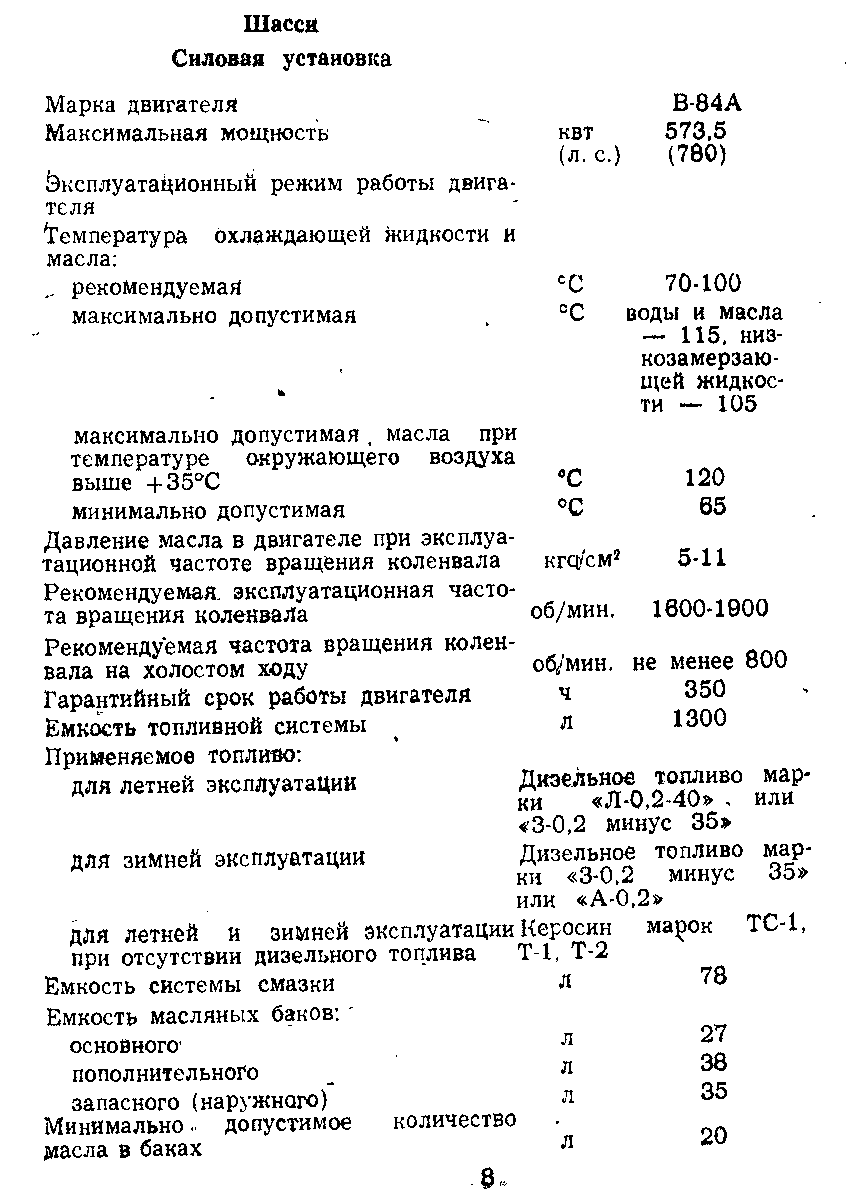
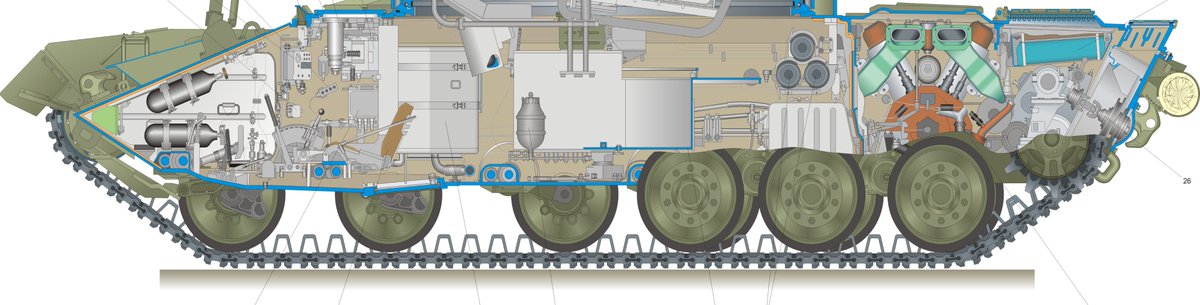
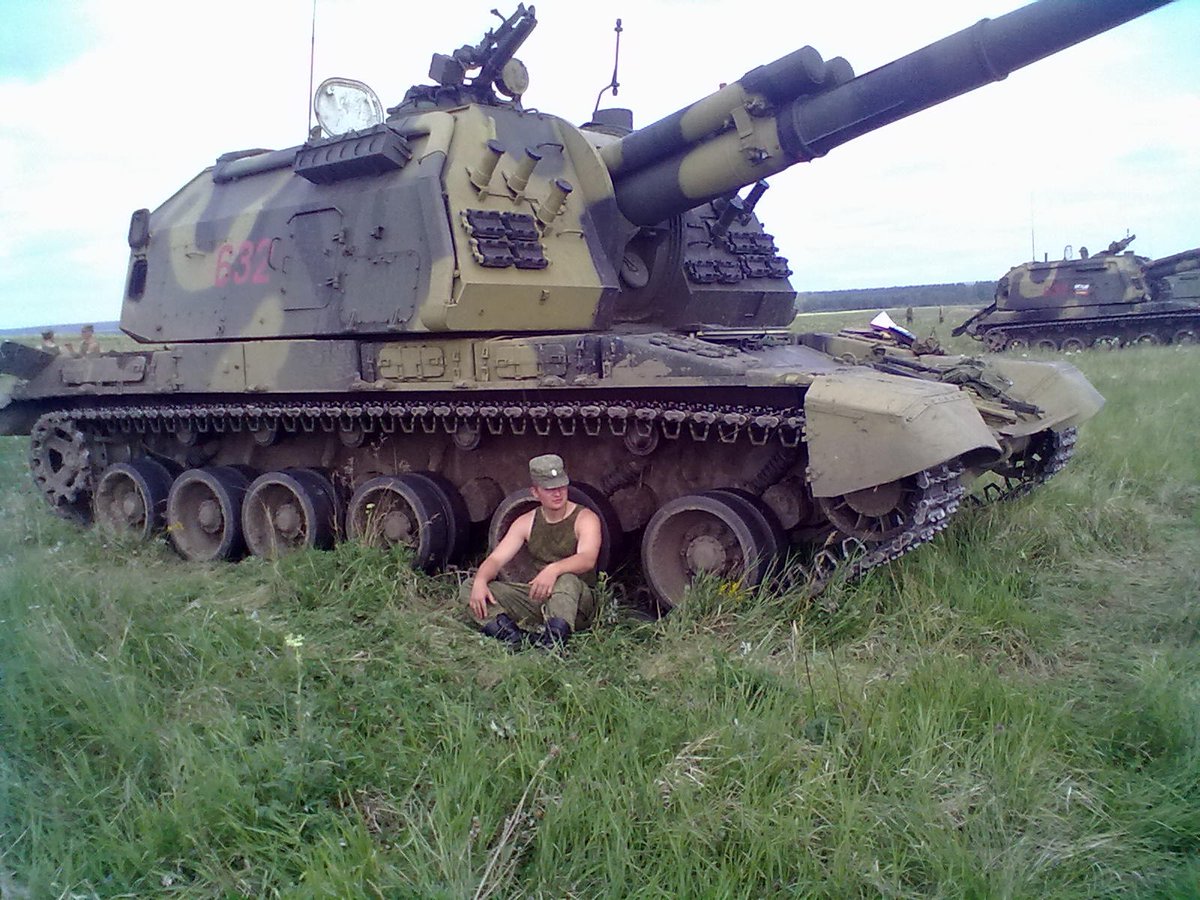
(21/30) The Msta-S, as mentioned before, is based on the T-72 hull and uses the 780 hp V-84A V-12 engine as well as the 7+1-speed BKP transmission units inherited from the T-72. However, it uses the tracks, road wheels, telescoping shock absorbers, and torsion bars of the T-80.

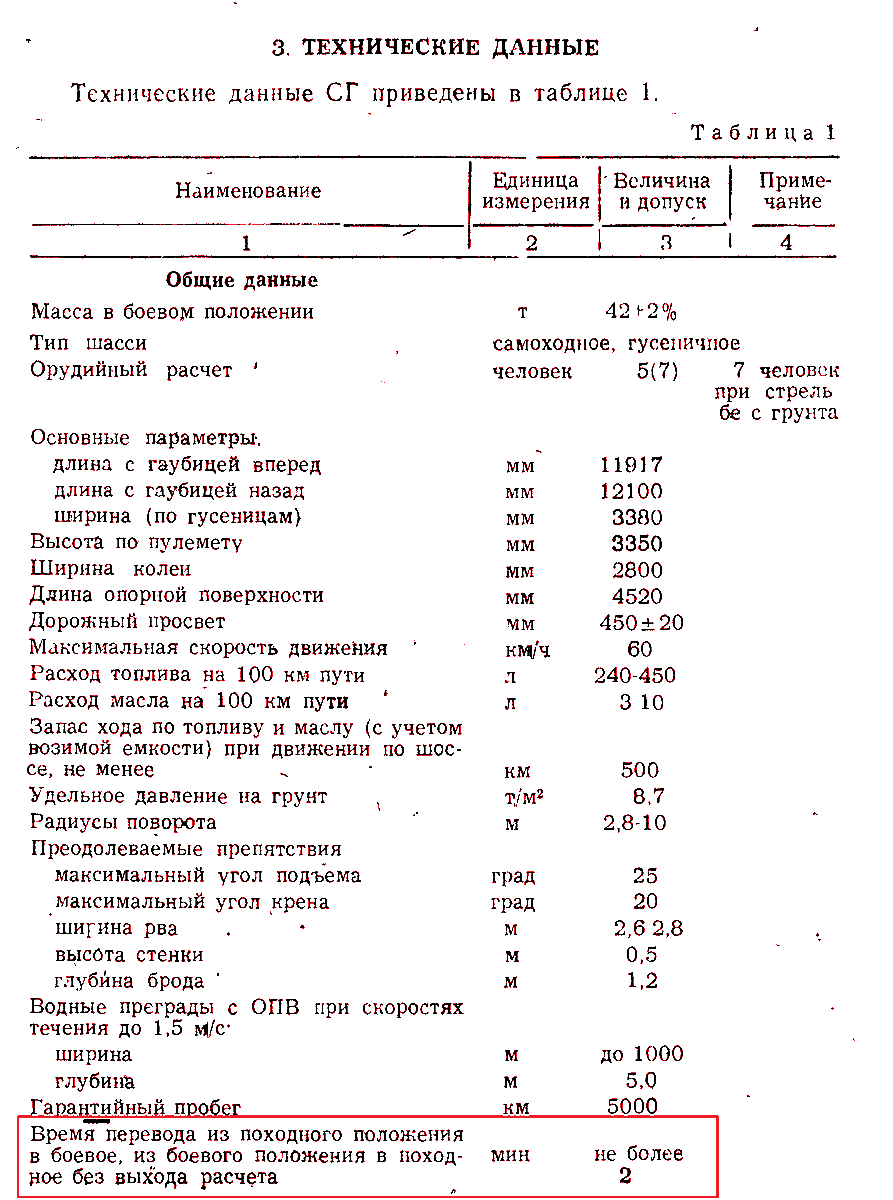
(22/30) The manual states that it takes no more than 2 minutes to switch from traveling to firing configuration, and the same vice versa.
(23/30) Russia is by far the largest user of the Msta-S. Altyn73 has estimated the number of Msta-S (including modernised 2S19M1 and 2S19M2/33 Msta-SM2) to be around 600 in 2017, based on known unit equipment.
altyn73.livejournal.com/1139741.html
altyn73.livejournal.com/1139741.html
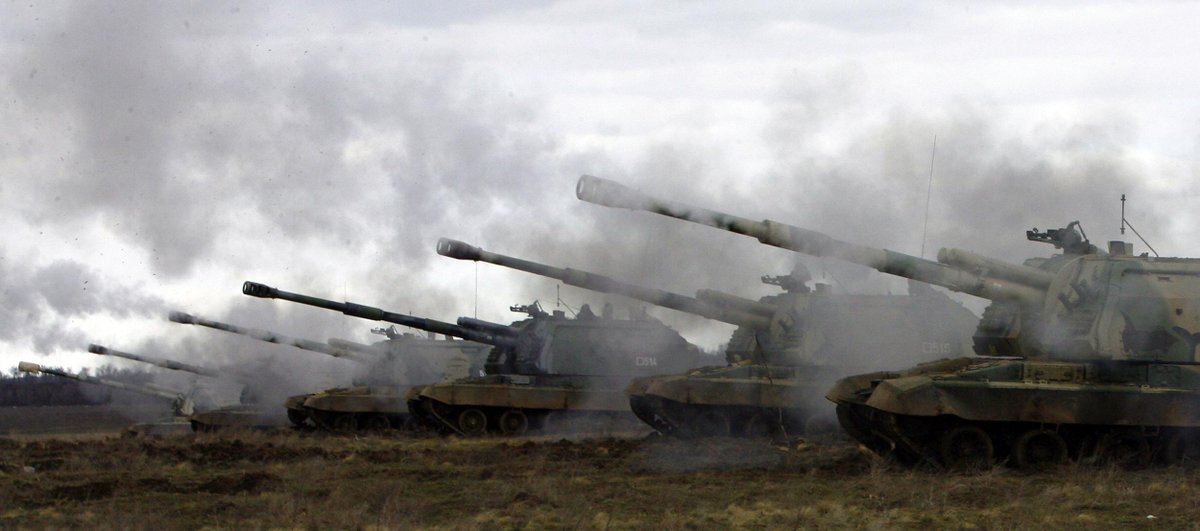
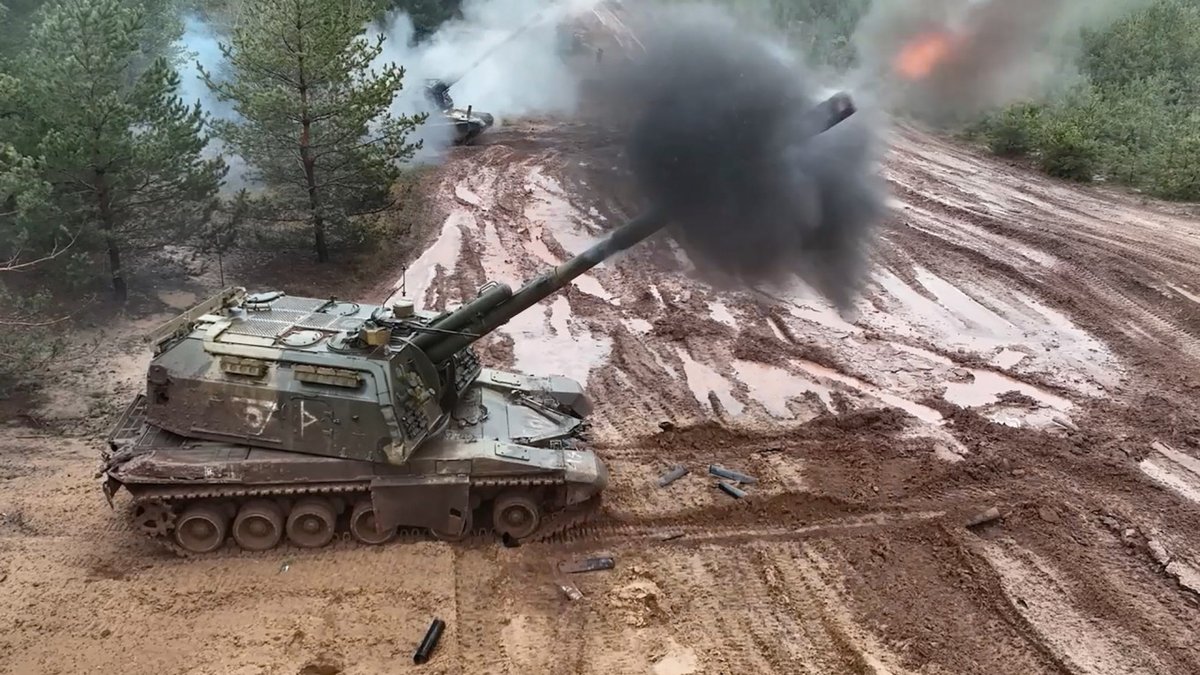
(24/30) The 2S19M1 has GLONASS integration and a new V-84AMS. It is pretty much externally identical to the base Msta-S, at least to me. I don't know any way to differentiate the two.
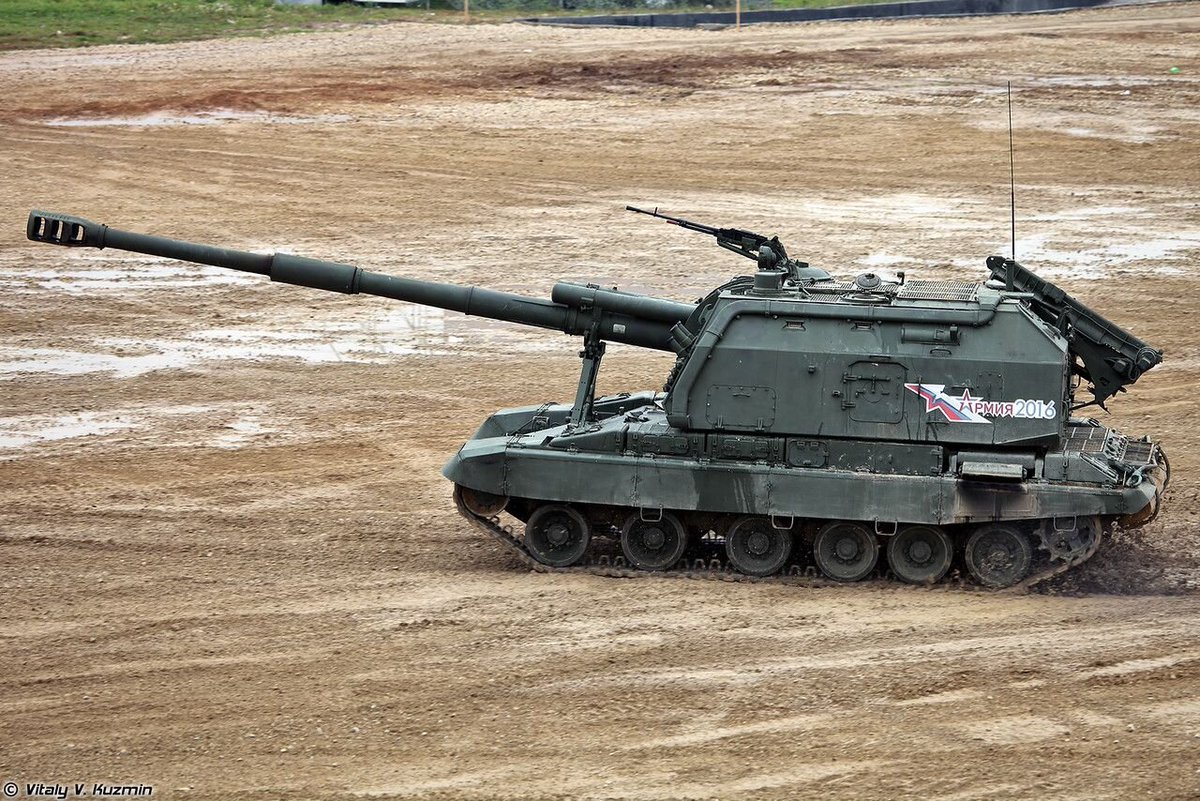
(25/30) The Msta-SM2 is claimed to have a new L/60 barrel capable of firing long-range ammunition, and the rate-of-fire increased to 10 rounds/minute. It can most easily be recognised by the new skirts.
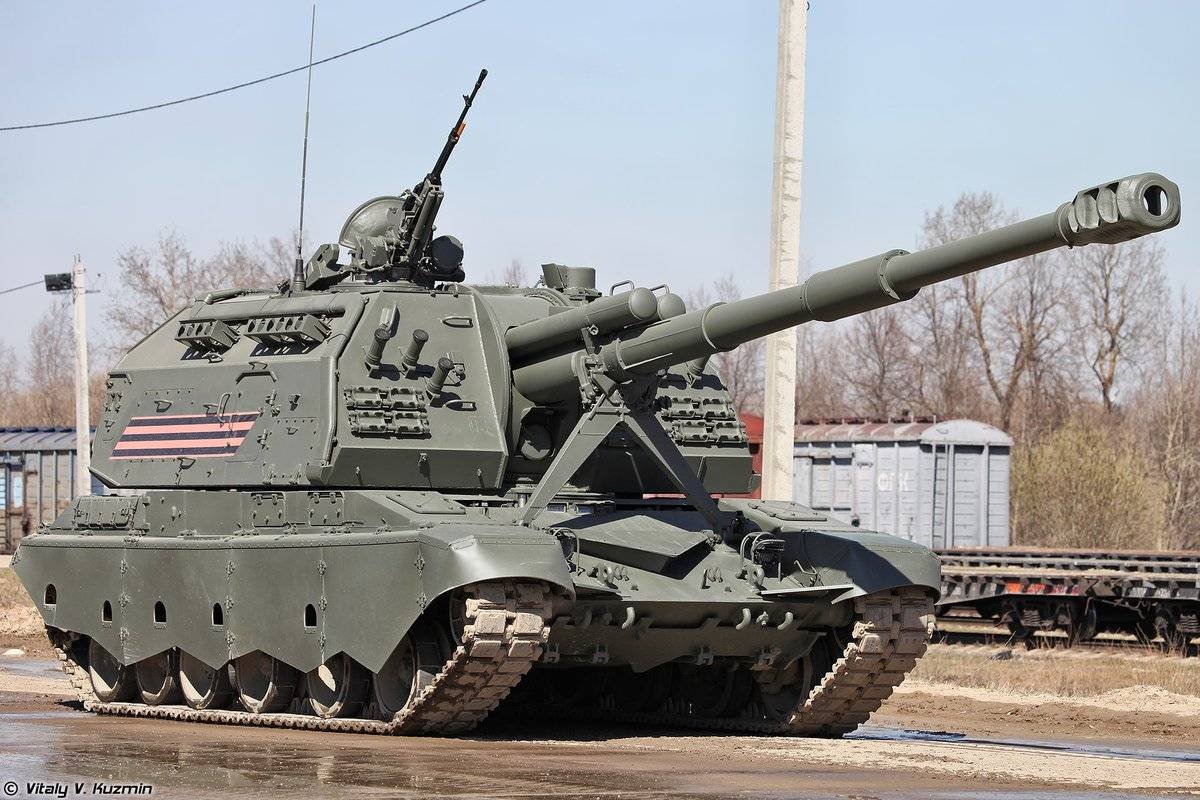
(26/30) The Msta-S and its variants are the most important SPAs used by the Russian forces, represented by the high losses they have suffered (the most of any Russian SPA type) in Ukraine.
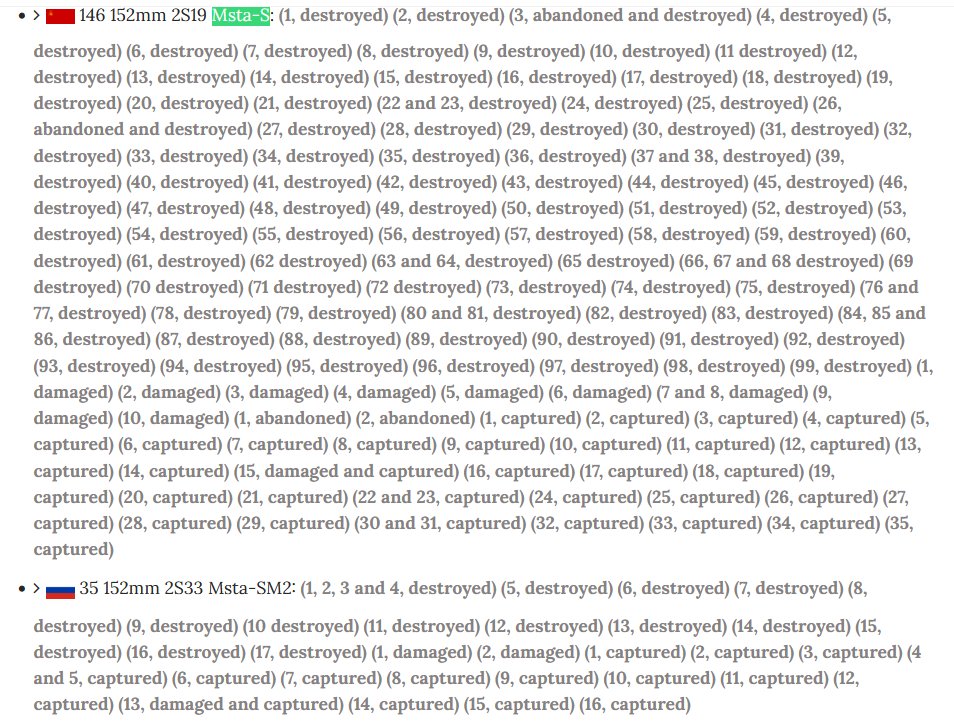
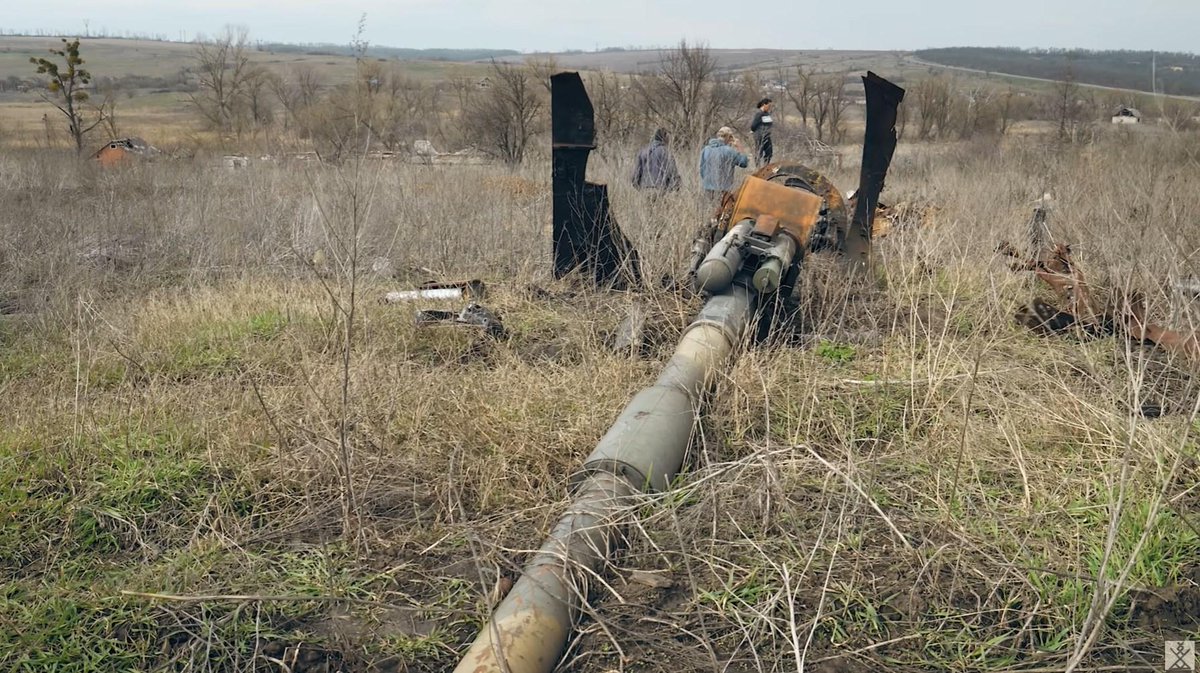
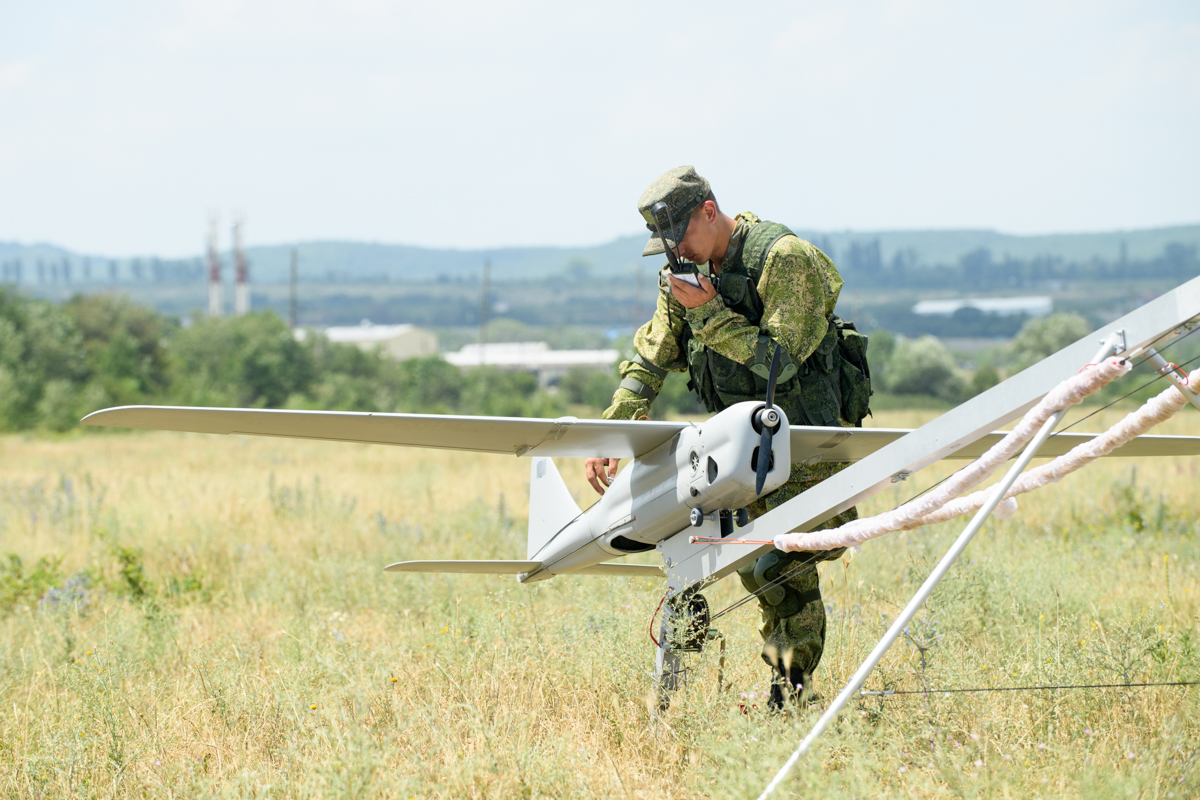
(27/30) In particular, they form an effective combination with drone spotters such as the Orlan-10/30; the latter can designated targets for the Krasnopol guided round. Only recently have Western 155 systems become available to Ukraine in enough numbers to counterbattery them.
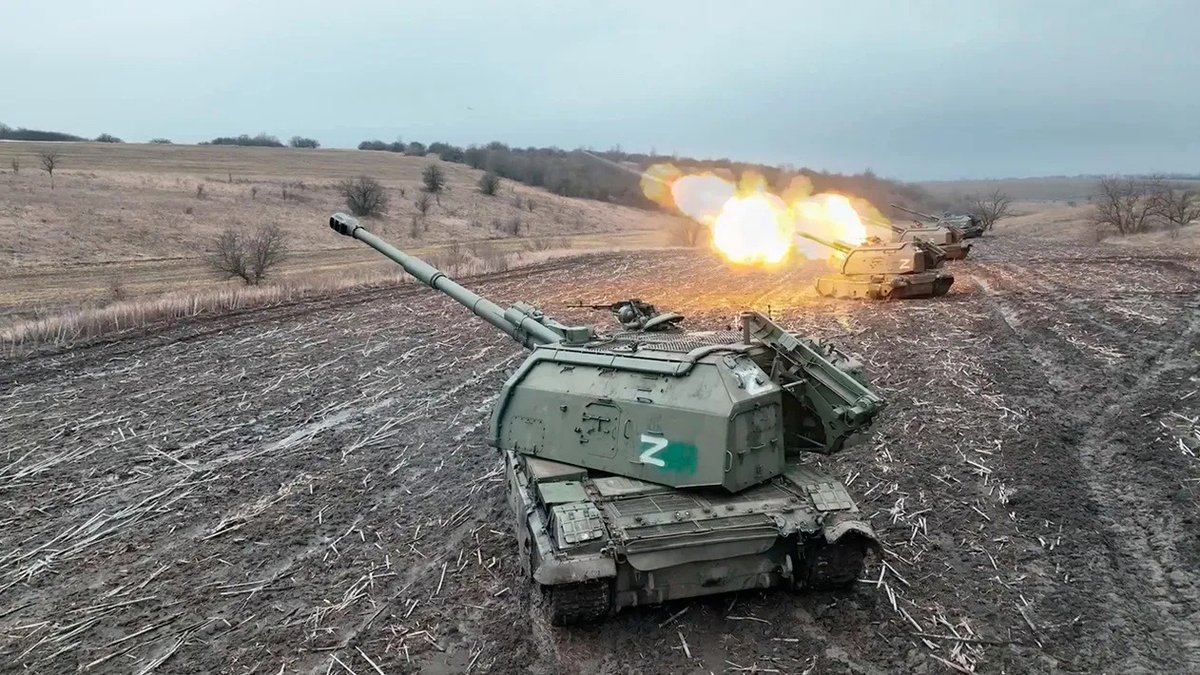
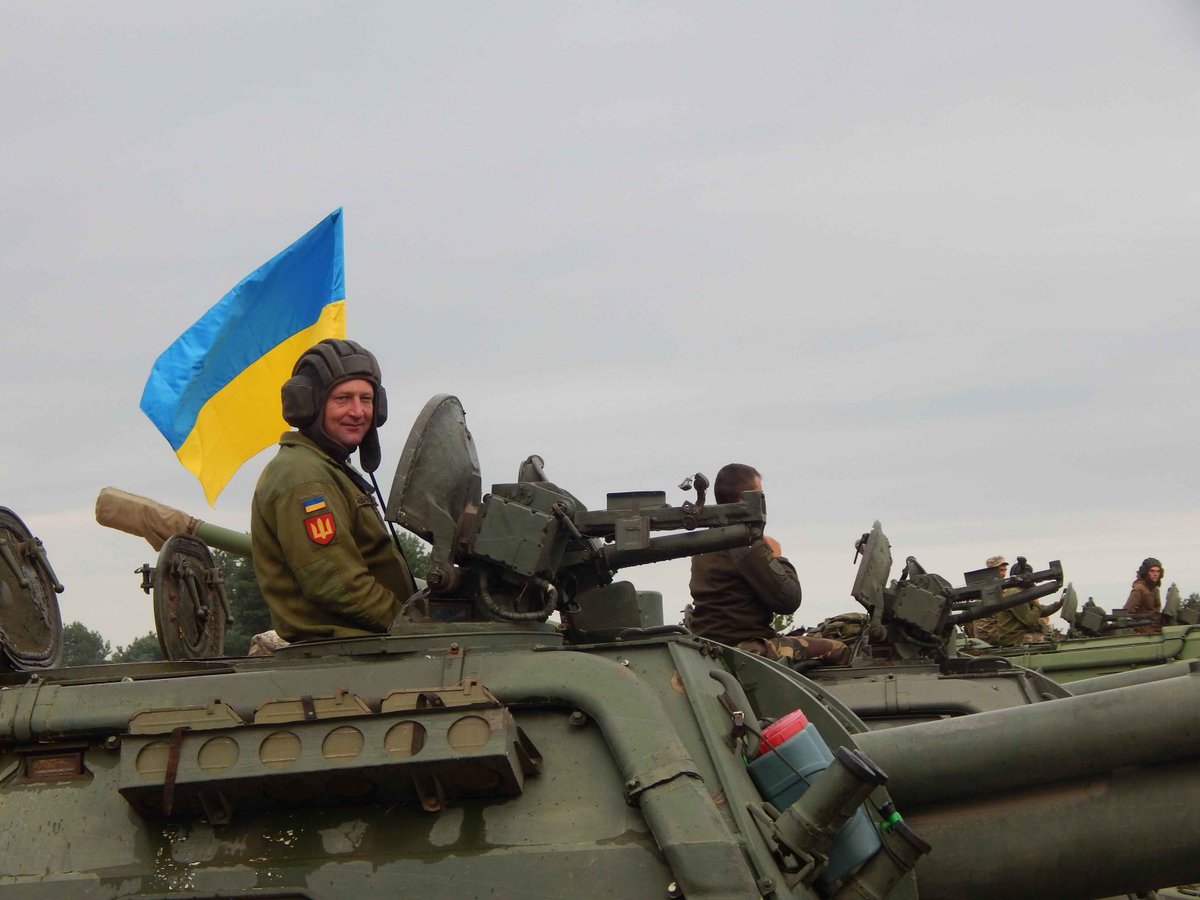
(28/30) Ukraine itself is known to have around 40 Msta-Ss. They primarily serve in the 26th Artillery Brigade.
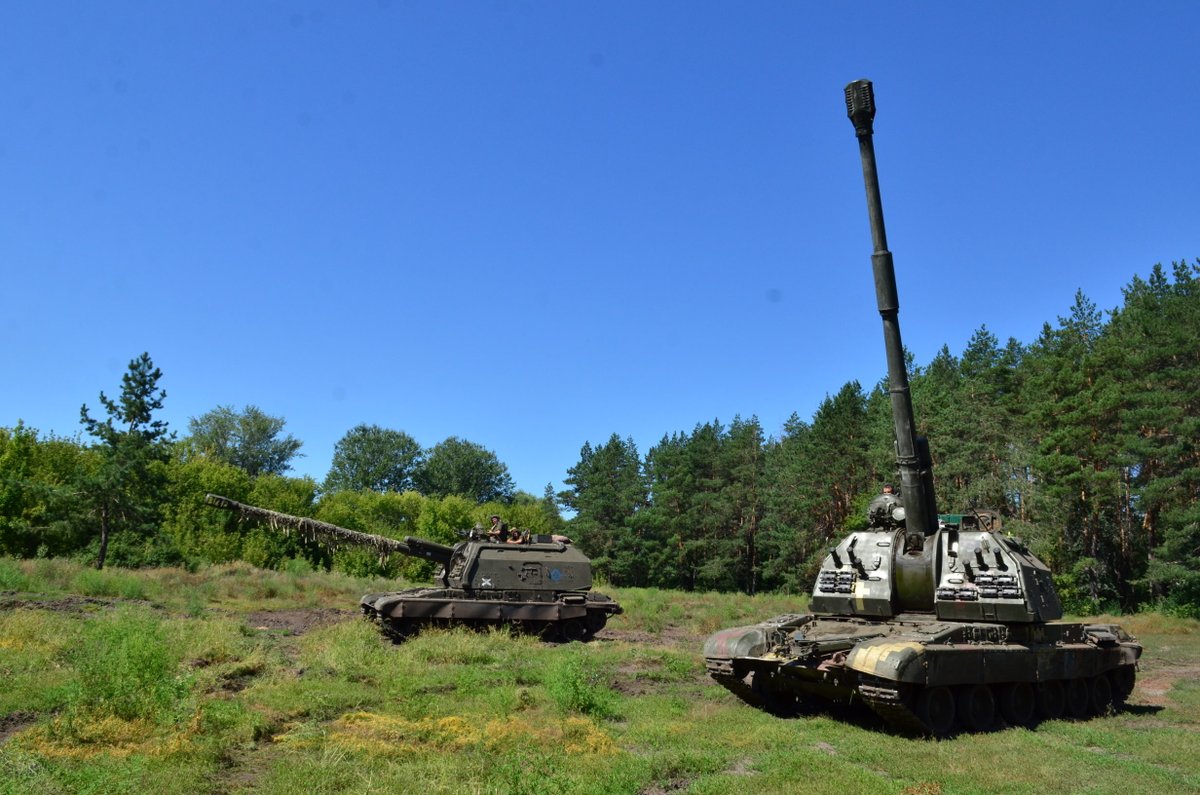
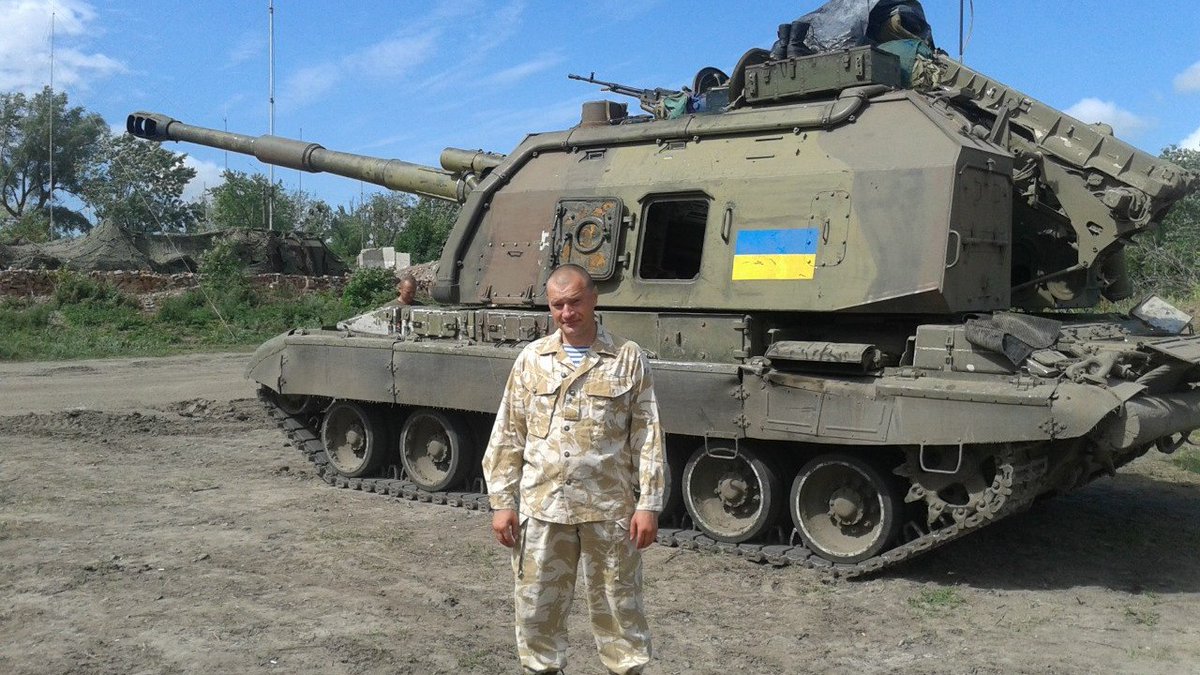
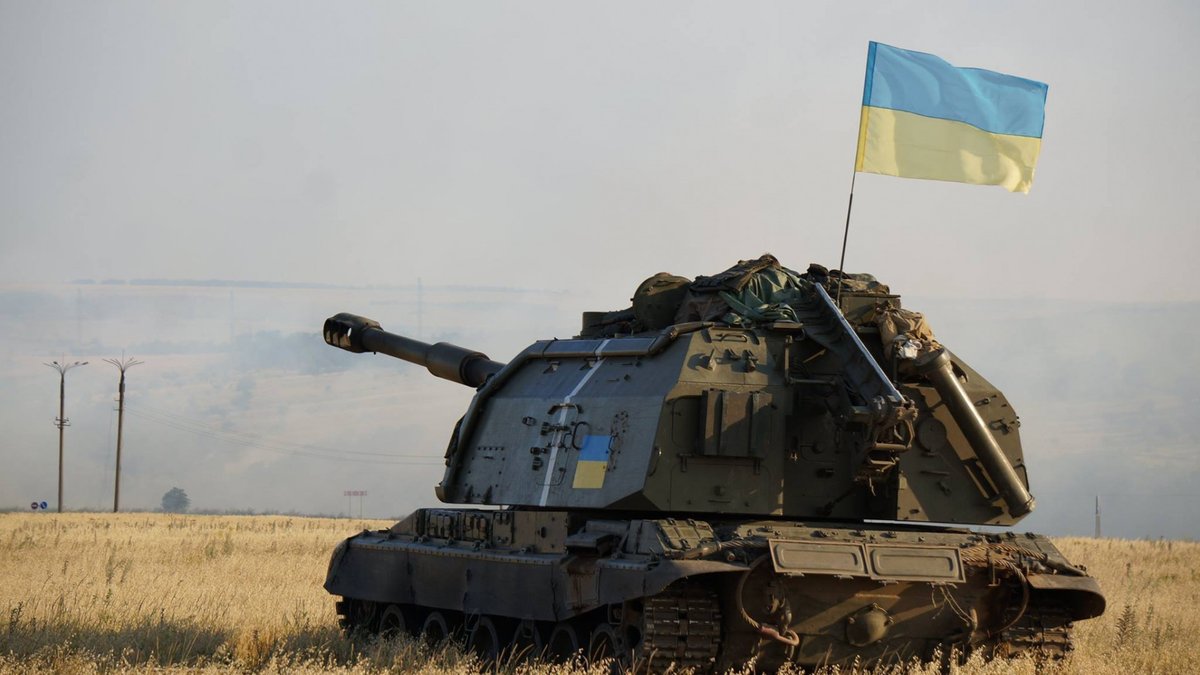
(29/30) There is not much available about their combat service online. All that can be said is that they are active and seeing combat against the Russians. I'd assume they are integrated into Kropyva, Ukraine's artillery battlefield management system.
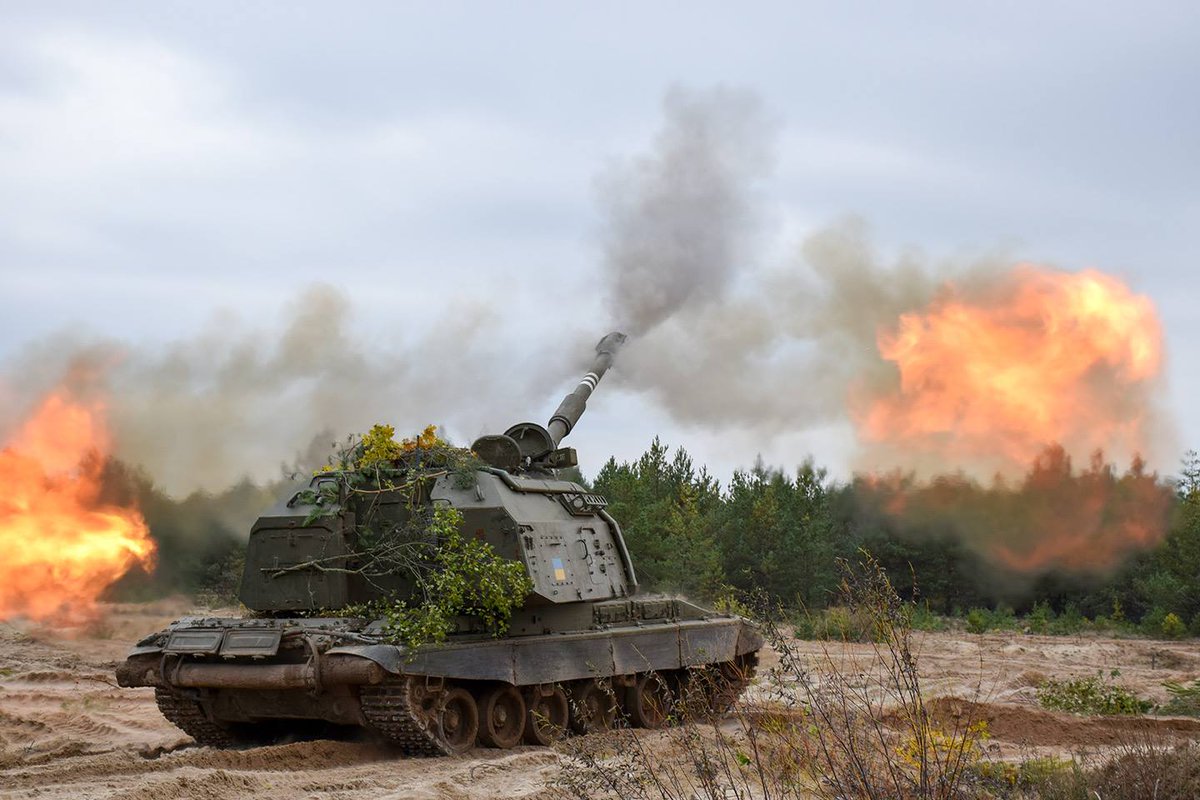
(30/30) As the most modern Russian SPA in a war dominated by artillery, the Msta-S is one of the more effective battlefield weapons on the Russian side. Ukraine doesn't have nearly as many Msta-Ss, but the few that exist are credited with being quite effective as well.
(32/30) Voennoe Delo on Msta-B
(33/30) Msta-S vs. Lada
(I think it's the literally the same cupola as the T-64A/B, since it also has a TKN-3V, but can't confirm at this time)
(34/30) Should note that I was mistaken about the loading. After checking the manual again, the projectile can be fed into the breech automatically, though charges have to be fed manually. The video gave me the wrong impression.
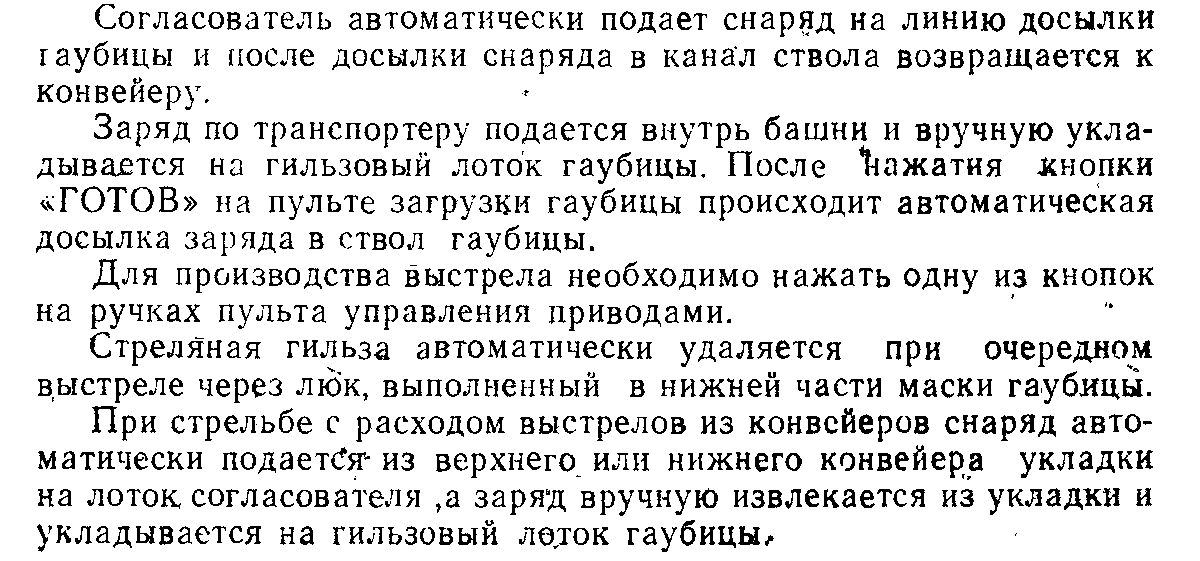
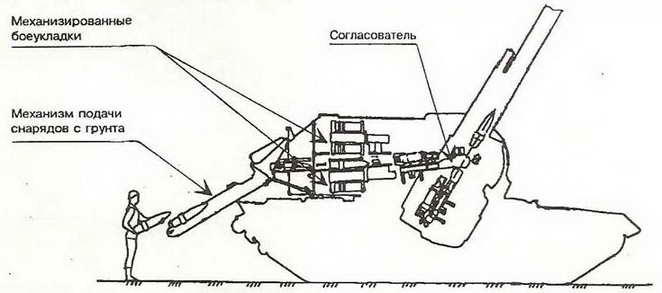
(35/30) The other interesting thing in the manual is that it considers shooting using 'shells from the ground' fed from the external conveyor to be the 'main' operating mode, not using the internal stowage.
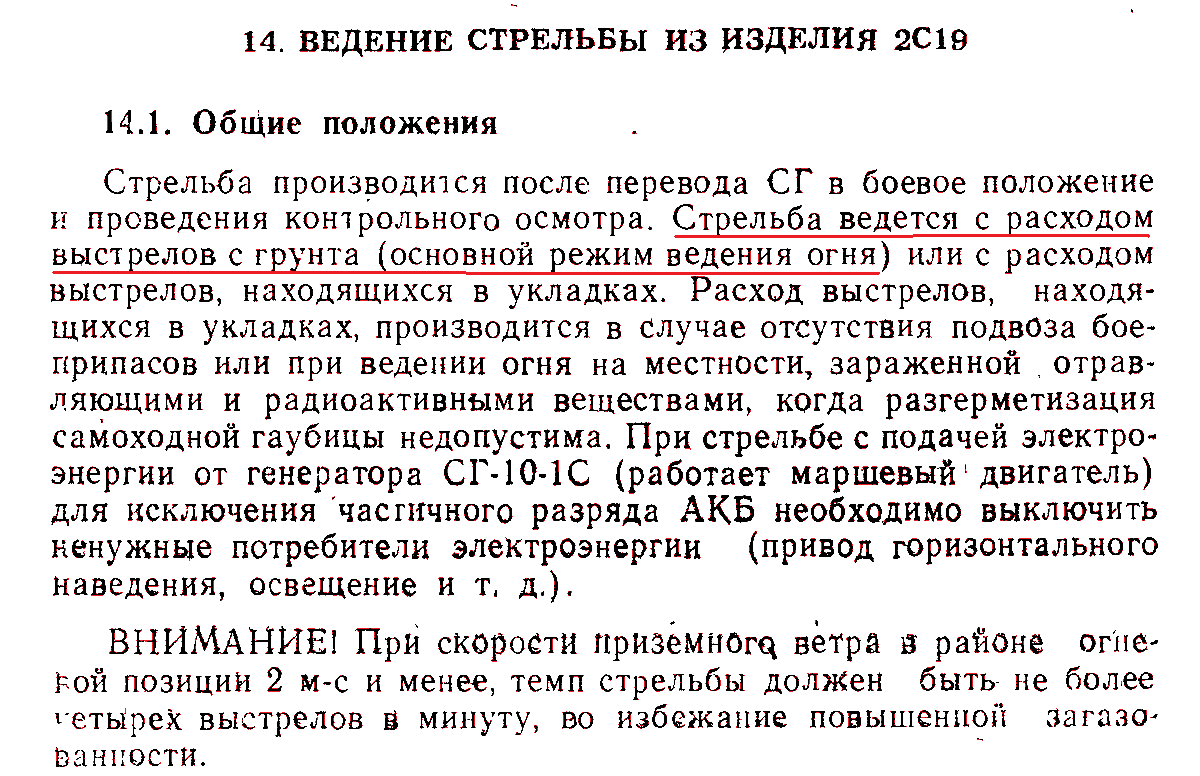
(36/30) Not sure how practical that is if your enemy's counterbattery is on-point.
https://twitter.com/bayraktar_1love/status/1710960304220221566
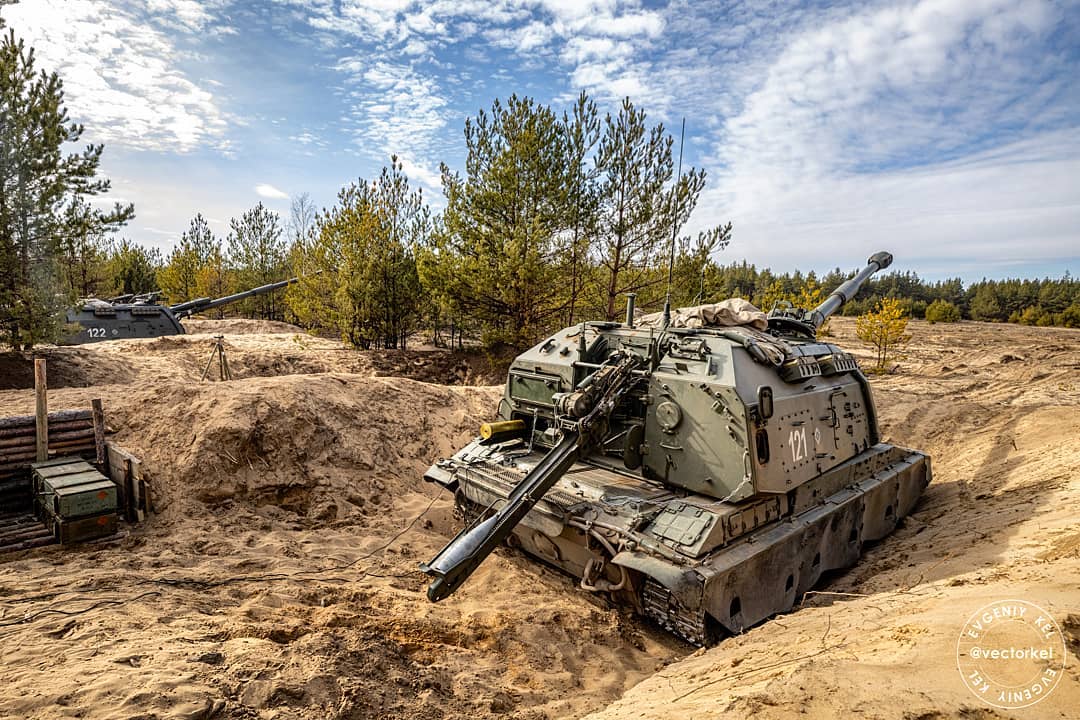
(37/30) This is the only video I've seen so far of the projectile feeding tray in action. For some reason the other Msta-S videos show the loaders feeding shells manually.
• • •
Missing some Tweet in this thread? You can try to
force a refresh