Read on Twitter
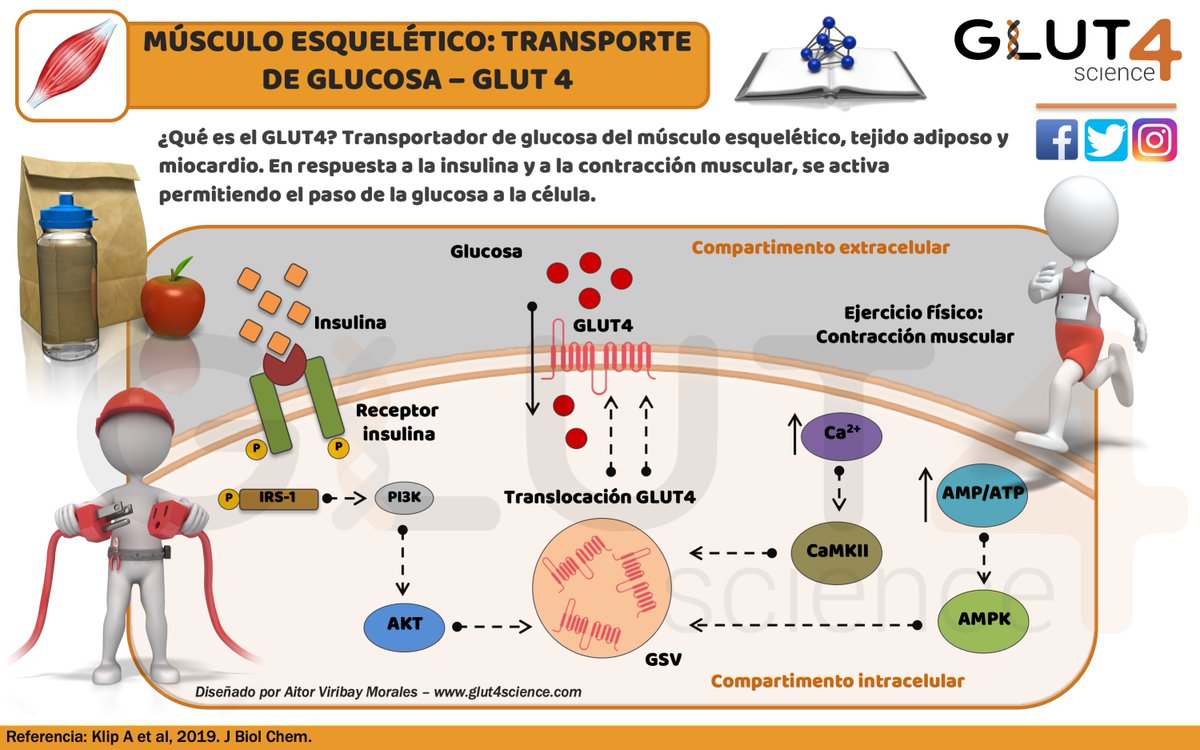
1. Nitric Oxide (NO) pathway rise in interest in the health and performance fields. Diverse supplementation approaches ignite NO production, yielding multiple benefits, including adaptations from cell metabolism to whole-body physiology. 

2. As physiologists, we have been always interested in the topic and some years ago we started a series of humble studies led by @MielgoAyuso, researching an emerging area: combined supplementation protocols to optimise NO pathway performance.
Let me introduce you:
Let me introduce you:
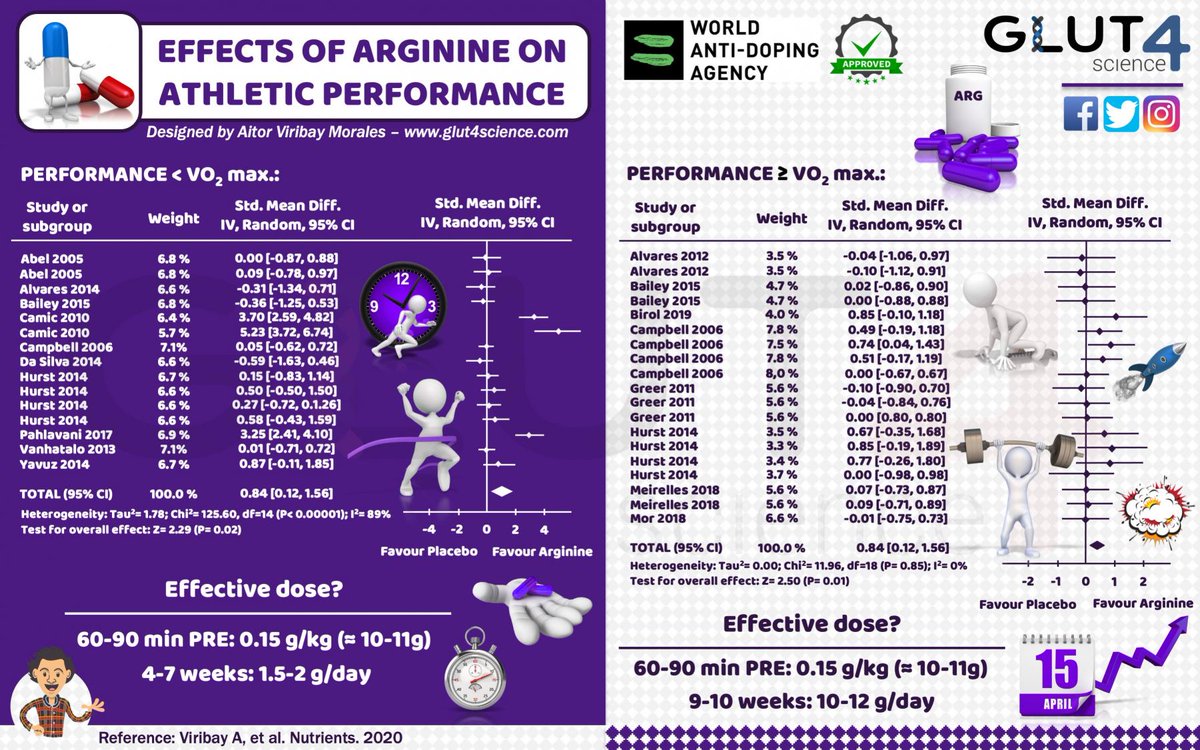
3. We started publishing a systematic review and meta analysis in 2 main amino-acids participating in the NO pathway (Arginine and Citrulline).
Arginine:
Citrulline:
That was already interesting to see isolated effects. pubmed.ncbi.nlm.nih.gov/32370176/
ncbi.nlm.nih.gov/pmc/articles/P…
Arginine:
Citrulline:
That was already interesting to see isolated effects. pubmed.ncbi.nlm.nih.gov/32370176/
ncbi.nlm.nih.gov/pmc/articles/P…
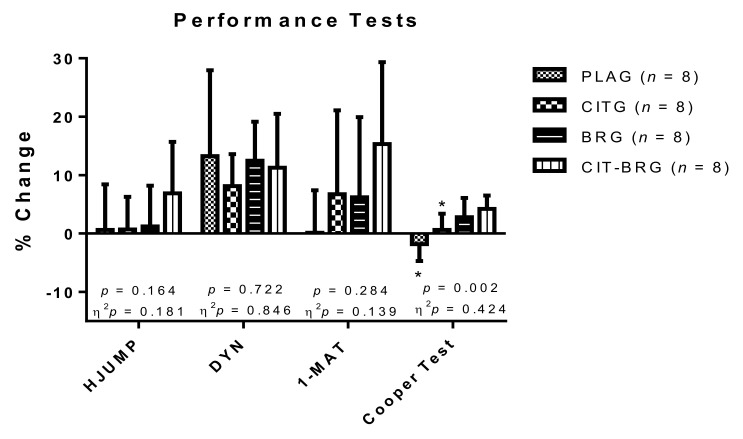
4. What about nitrate? We continue with some experiments, and J.Burgos took the lead in interesting studies researching the impact of a combined supplementation of Citrulline and Nitrate, in different performance outcomes in highly trained athletes.
Those studies were published.
Those studies were published.
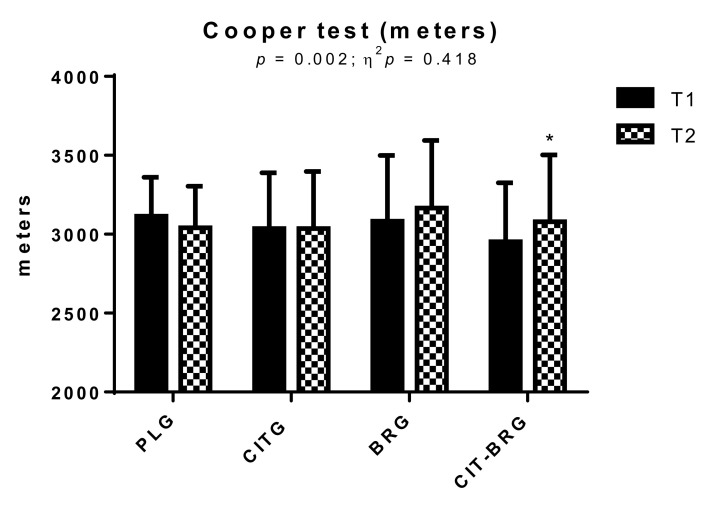
5. In the first one performance outcomes were studied after a chronic (9 weeks) of combined supplementation (citrulline + nitrates) in comparison with a placebo, a nitrate and citrulline supplementation groups.
Check it here:
pubmed.ncbi.nlm.nih.gov/35010917/
Check it here:
pubmed.ncbi.nlm.nih.gov/35010917/

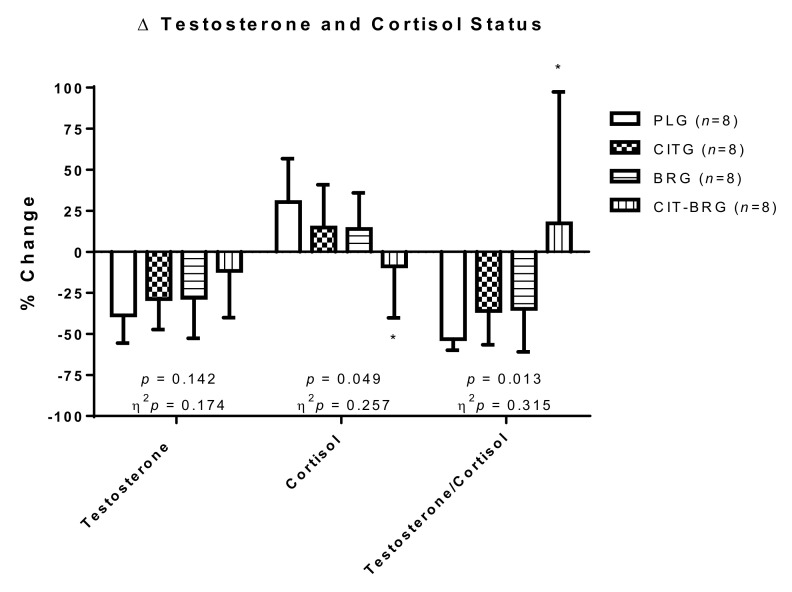
6. Second study showed humble benefits in recovery status in same population (trained triathletes) using same protocol.
You can check it here:
pubmed.ncbi.nlm.nih.gov/35053073/
You can check it here:
pubmed.ncbi.nlm.nih.gov/35053073/
7. Now, what are we exploring at the moment to continue this line?
- Is combined supplementation a better protocol than isolated supplementation?
- How long does it takes to get benefits?
- Are 9 weeks necessary?
- What about metabolic outcomes? How can this impact on them?
- Is combined supplementation a better protocol than isolated supplementation?
- How long does it takes to get benefits?
- Are 9 weeks necessary?
- What about metabolic outcomes? How can this impact on them?
8. We took a whole professional rowing team and we started to investigate all that.
First paper has been submitted. The results are intriguing in a field where many questions remain unanswered.
Answers? Soon (if we are able to publish).
Thanks!!! NO pathway is cool!
First paper has been submitted. The results are intriguing in a field where many questions remain unanswered.
Answers? Soon (if we are able to publish).
Thanks!!! NO pathway is cool!

• • •
Missing some Tweet in this thread? You can try to
force a refresh