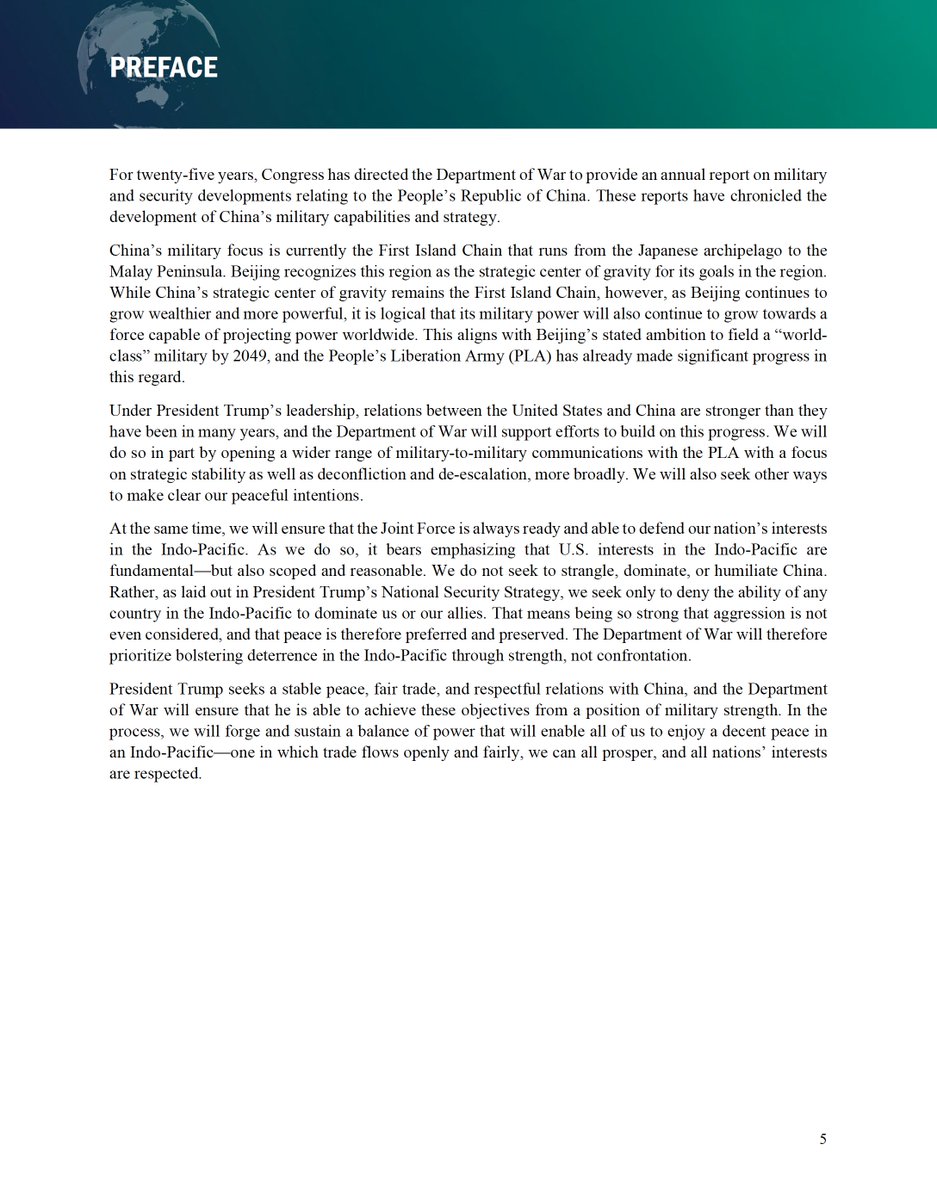
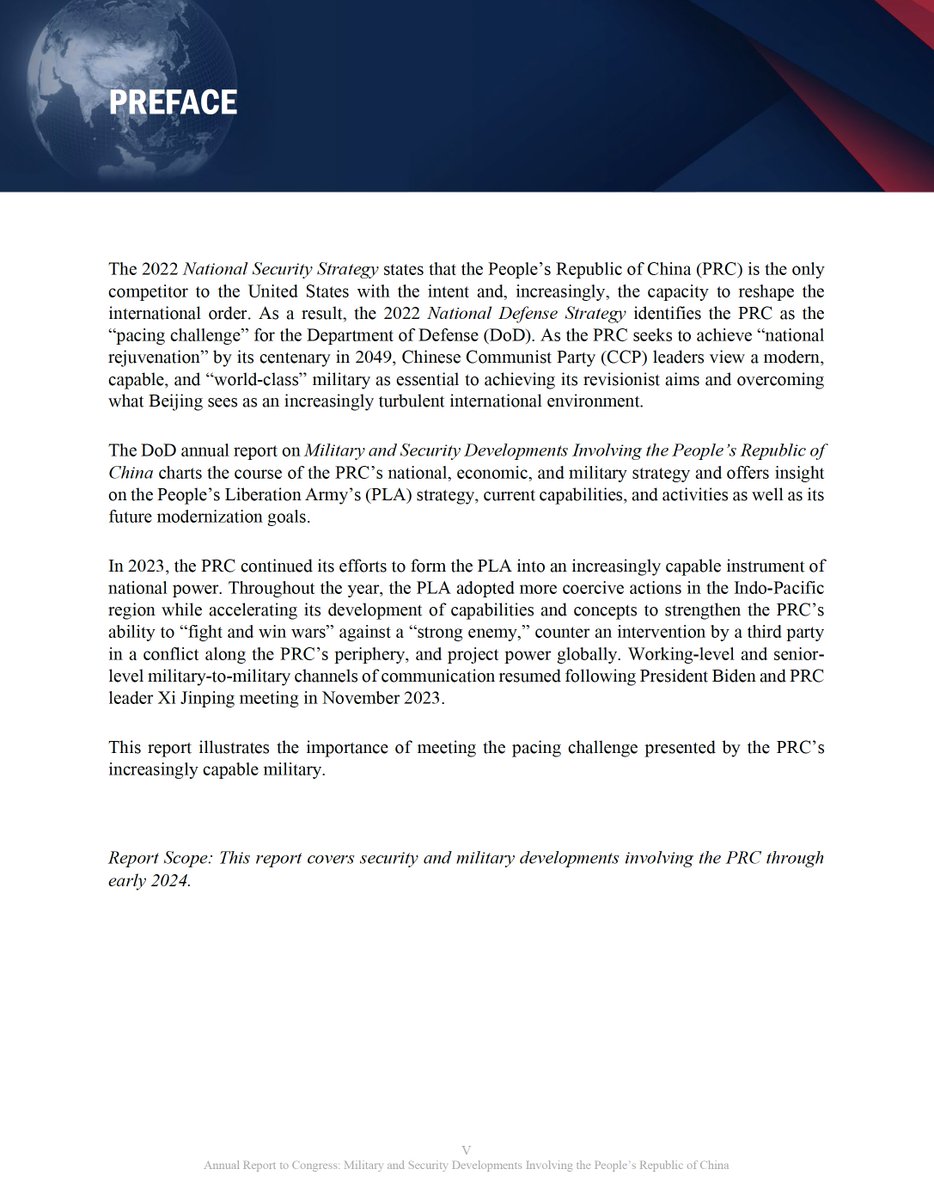
This week saw the release of the 2023 China Military Power Report (CMPR). For those not familiar, this is DoD’s congressionally-mandated unclassified update on the Chinese military. It’s an annual feast of open source data.
So, here are few thoughts (Part 1) on the report:
So, here are few thoughts (Part 1) on the report:

Big flick: the PRC, through the increasing military capability of the PLA, is taking more coercive action against its neighbors in the region (just ask the Philippines & Taiwan).
While improving its ability to fight the U.S., it seems largely uninterested in talking anymore.
While improving its ability to fight the U.S., it seems largely uninterested in talking anymore.

On to the details: first up - the PLA Army section (yes, Army is repeated).
We get a bit of news that the PLAA used its new long-range rocket artillery during Speaker Pelosi’s visit to Taiwan in 2022.
We get a bit of news that the PLAA used its new long-range rocket artillery during Speaker Pelosi’s visit to Taiwan in 2022.

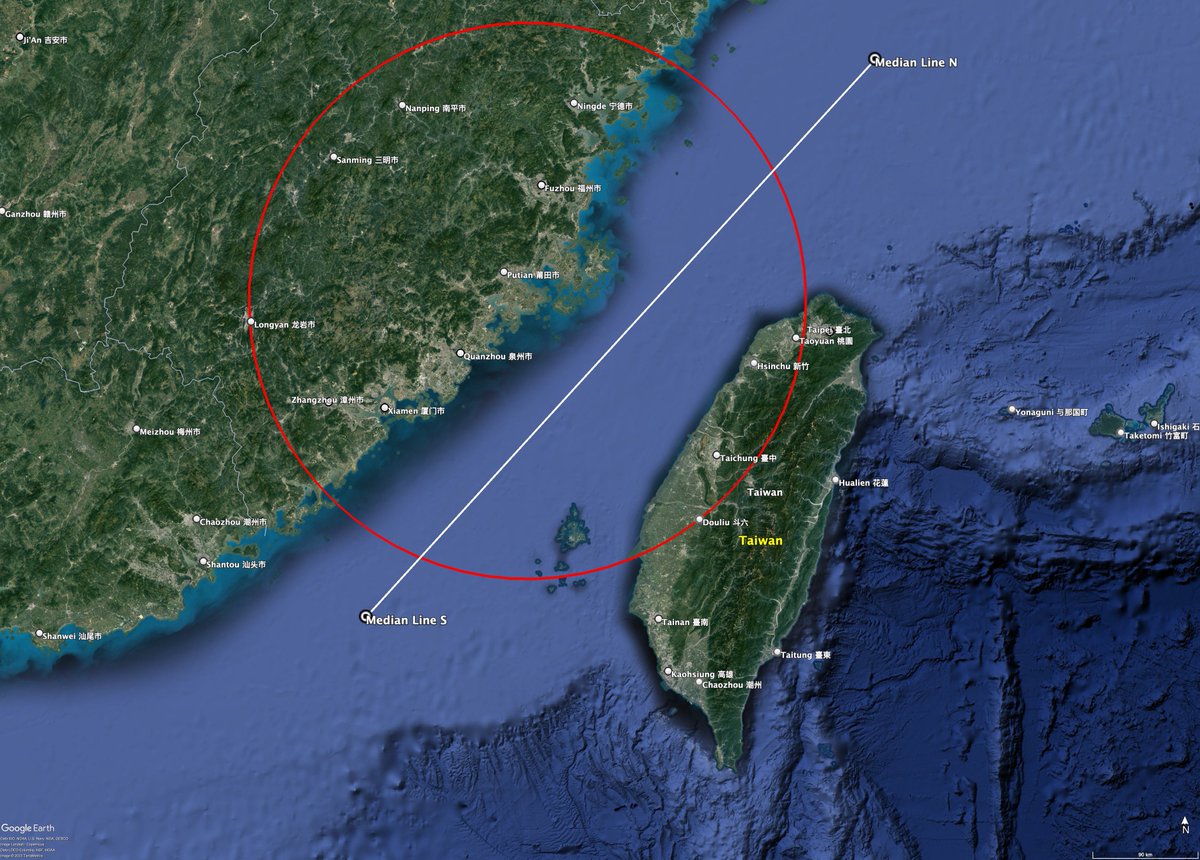
Why does this matter? Well, the PCH191 (one name seen for it) is a multiple rocket system whose open source range covers Taiwan’s west coast (and thus likely landing sites)n from the mainland. militarytoday.com/artillery/phl_…
This means the PLAA can hit those key spots with much large numbers of rockets, requiring less help from the PLAAF or the PLARF and saving those services’ munitions for targets further afield.
It’s just one of a number of invasion-related capabilities the PLA practiced using.
It’s just one of a number of invasion-related capabilities the PLA practiced using.
Moving on to the PLA Navy (always a source of developments in recent years).
The report puts the PLAN’s hull count at 370 this year, up from 340, and 140 surface combatants, up from 125.
(Where appropriate, I’ll put the ’23 report on the last, ’22 report on the right.)
The report puts the PLAN’s hull count at 370 this year, up from 340, and 140 surface combatants, up from 125.
(Where appropriate, I’ll put the ’23 report on the last, ’22 report on the right.)


That 30-hull jump is more than I expected, as well as the 15-hull jump in surface combatants. I knew they were building, but not that they were building THAT fast.
On this page we also have DoD confirmation that:
more Type 055 Renhais cruisers are under construction, and…
more Type 055 Renhais cruisers are under construction, and…
https://twitter.com/tshugart3/status/1567870366613127168
there is a new class of frigates (which we’ve known at the Type 054B), that DoD is going to call the Jiangkai III, and…
https://twitter.com/tshugart3/status/1598708028835909637
that there is indeed likely another Type 075 large amphib under construction:
https://twitter.com/tshugart3/status/1689633929920135168
DoD this year makes a point to call out the PLAN’s hypocrisy: how it claims to have the right to regulate naval activities within its EEZ (which it doesn’t), and then feels free to operate as it pleases in other nations’ EEZs.

In terms of future PLAN growth, DoD estimates 395 ships by 2025 and 435 by 2030. This is actually down by 5 hulls from the 2022 report. However…


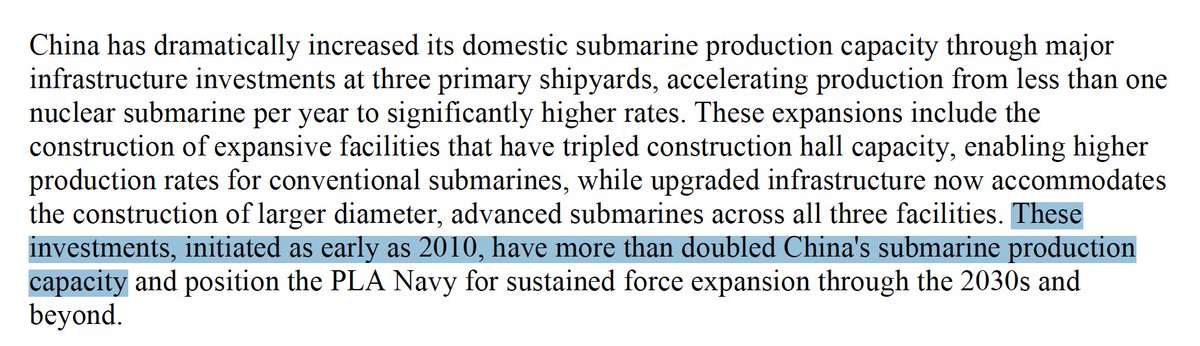
Estimates of future PLAN submarine force go up a bit, with an expectation of growth to 80 boats by 2035:


DoD estimates that the PLAN has now built 21 Yuan Class submarines in the last year, up from 17 in 2022. I’d seen a few at the piers at the Wuchang shipyard, but didn’t know they’d built 4 in the last year. 😯


We also have confirmation that the Huludao shipyard did in fact launch TWO new Type 093B VLS-equipped SSGNs.
https://twitter.com/tshugart3/status/1621161711997968388
The report also indicates that construction of the new, larger Type 096 SSBN is likely to start “in the near future”. This statement didn’t exist in previous reports, so I guess it’s finally happening.
https://twitter.com/tshugart3/status/1594030275729694727
On the PLAN’s Type 094 SSBNs, DoD goes from characterizing it as “likely” that they’re conducting at-sea deterrence patrols (i.e., carrying mated nuclear warheads) to a more definitive statement that they ARE doing so.


Moving on to the PLA Air Force: this year’s report indicates that the PLAAF now has 1300 4th-gen fighters out of 1900 total (I assume that 1300 includes 5th-gen too), up *500* from the previous year.


Of note, by my count that 1300 4th-gen-fighter total outnumbers the total number of 4th- (and a few 5th) gen fighters operated by the air forces of the UK, France, Italy, Spain, Germany, the Netherlands, Belgium, Poland, Canada, Sweden, and Finland combined.
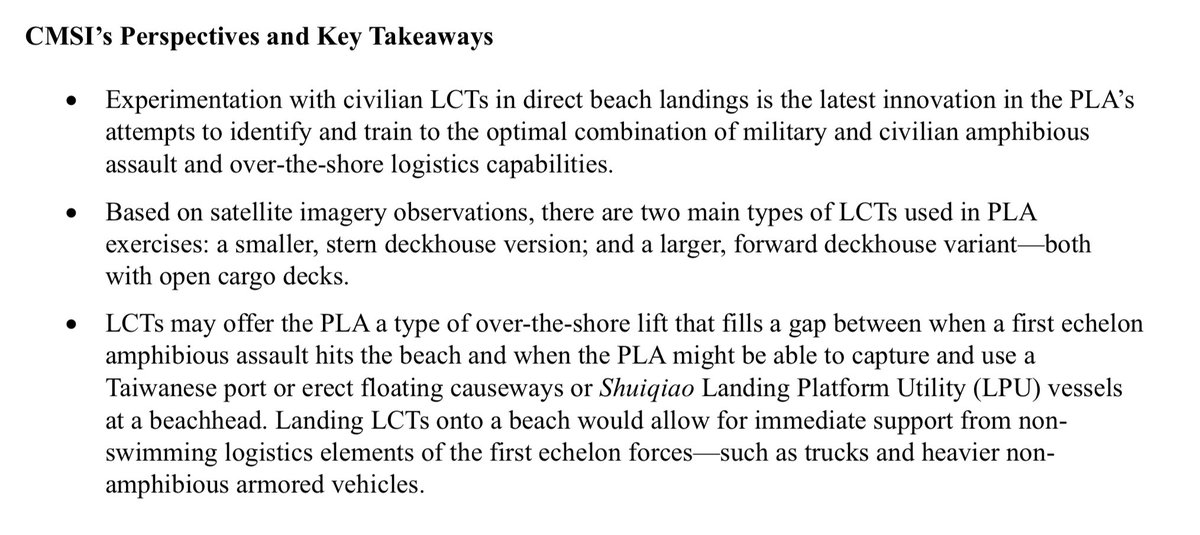
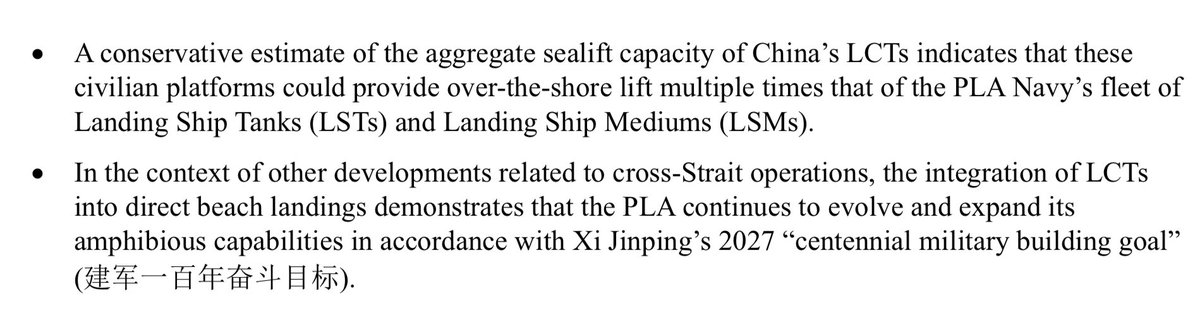
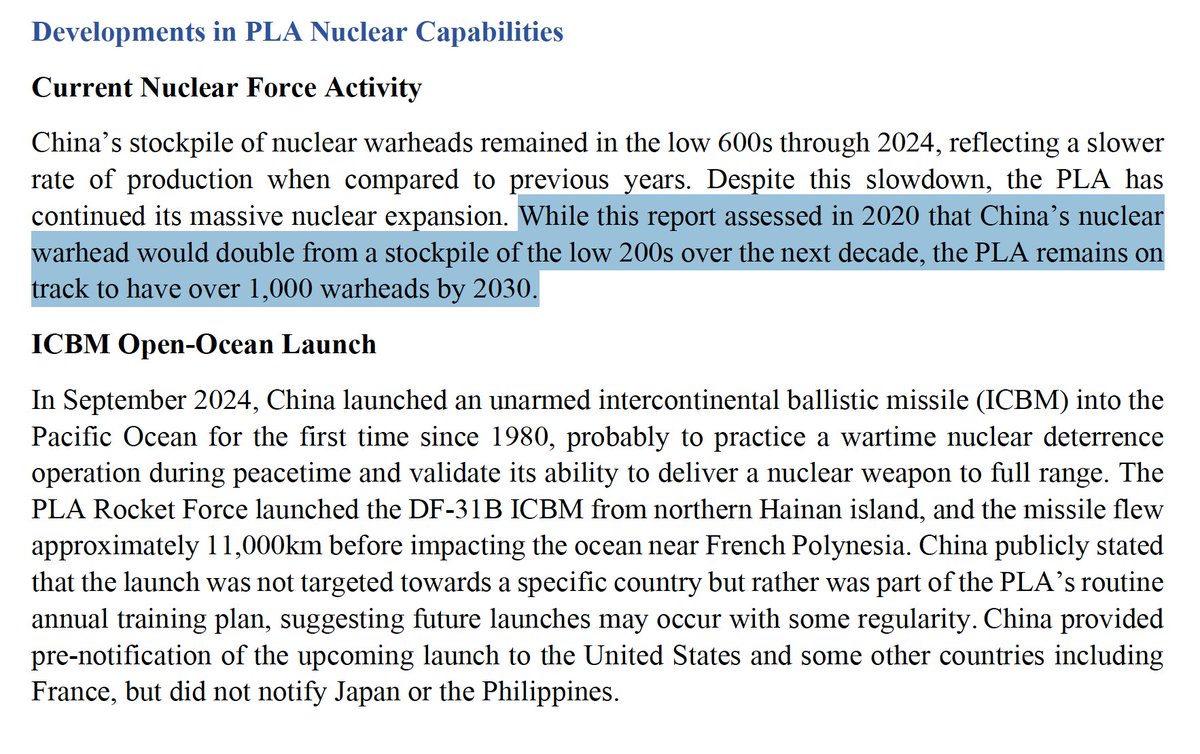
Ok, enough for tonight. In our next installment, I’ll take a look at sections that discuss the PLA Rocket Force, PRC nuclear forces, the PLA’s (dangerous) operational shenanigans, and of course one of my (and apparently now one of DoD’s) faves: China’s dual-use RO/RO ferries.
As promised, see here for the 2nd installment:
https://twitter.com/tshugart3/status/1716465378635751757
• • •
Missing some Tweet in this thread? You can try to
force a refresh