A big proposed overhaul of the H-1B program was published today in the federal register!
Here are the five changes I'm most excited about: 🧵
Here are the five changes I'm most excited about: 🧵
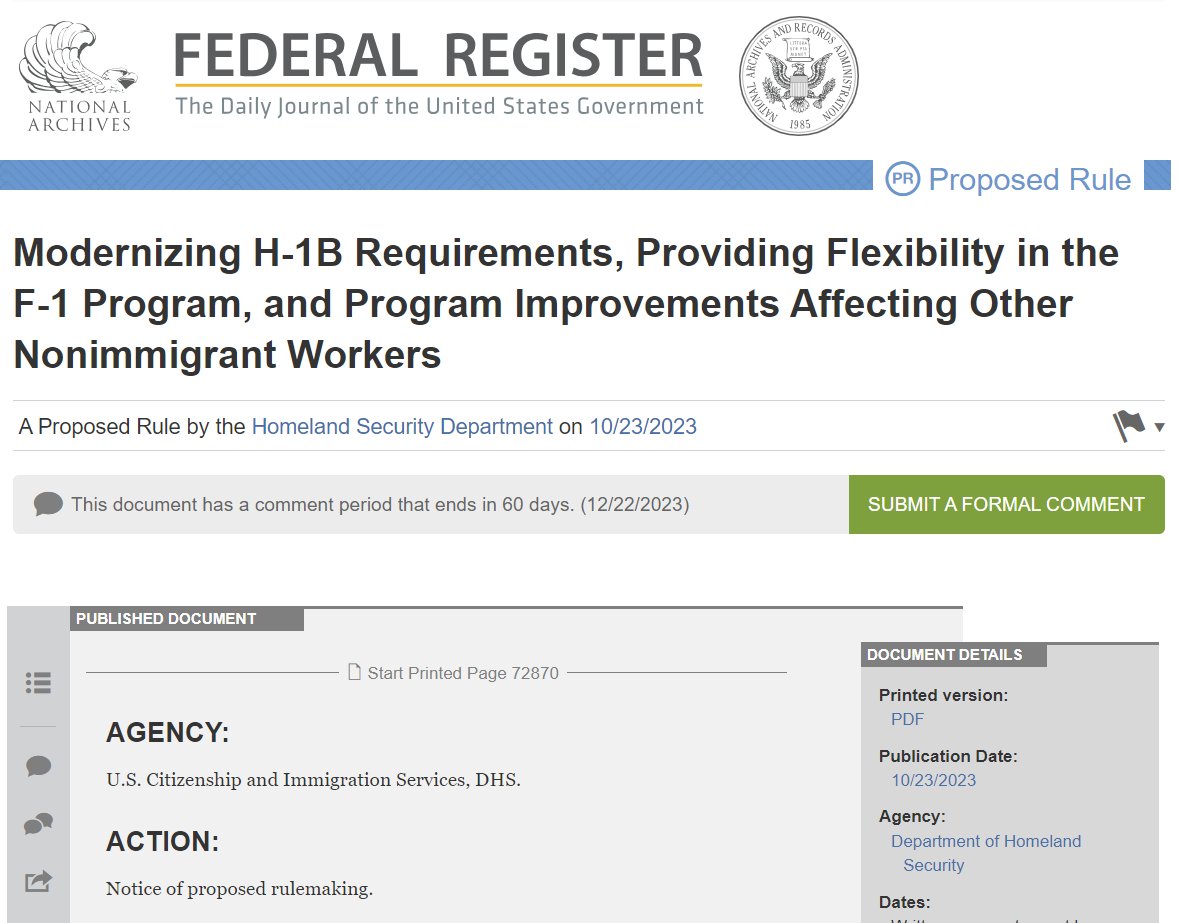
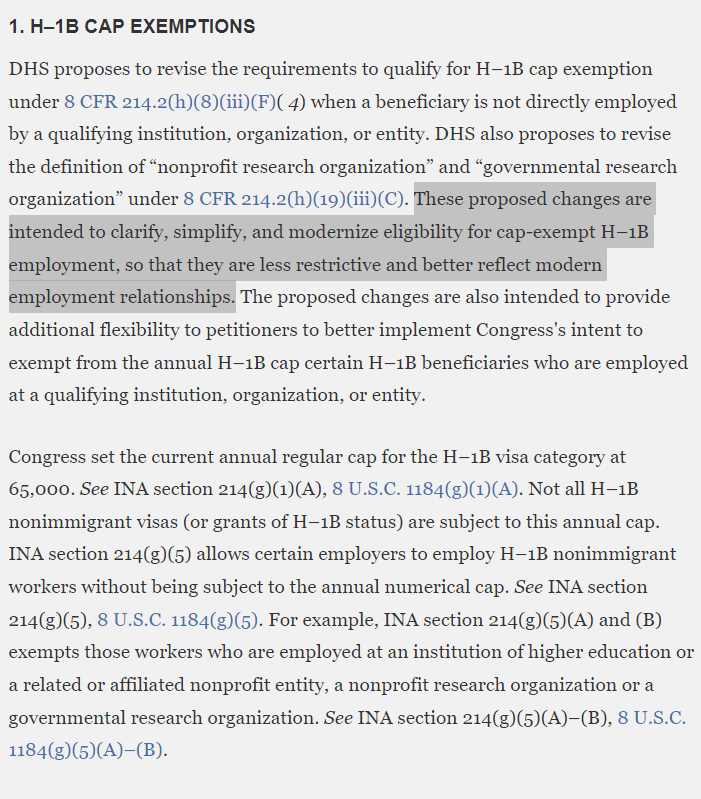
1. Expanded H-1B cap exemptions would make it easier for research organizations to qualify for cap-exempt H-1Bs
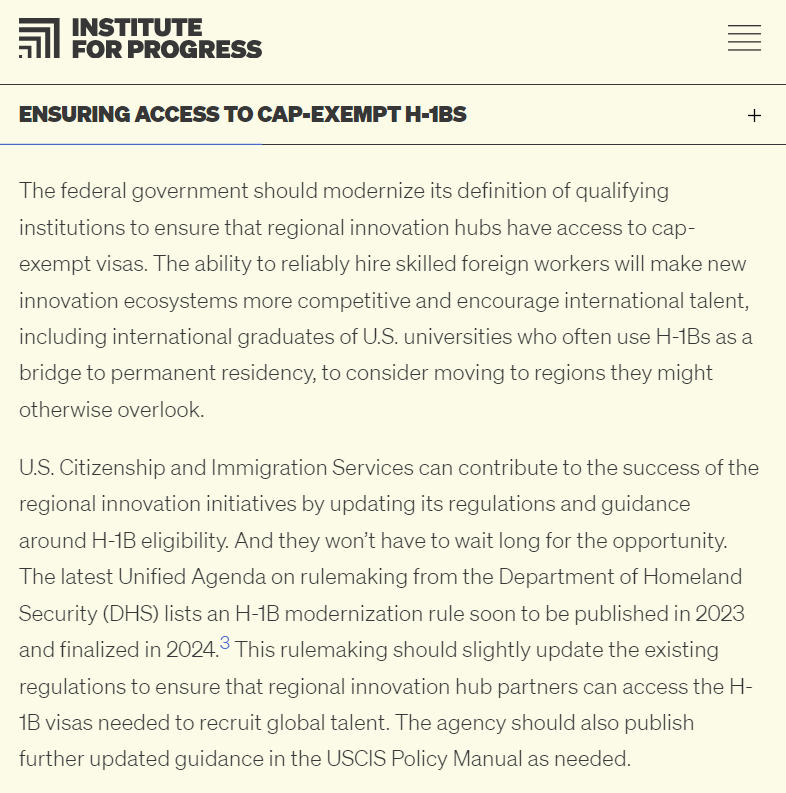
This would be especially helpful for new regional innovation hubs to recruit, as @LK_Milliken and I recommended earlier this year:
progress.institute/talent-regiona…
This would be especially helpful for new regional innovation hubs to recruit, as @LK_Milliken and I recommended earlier this year:
progress.institute/talent-regiona…
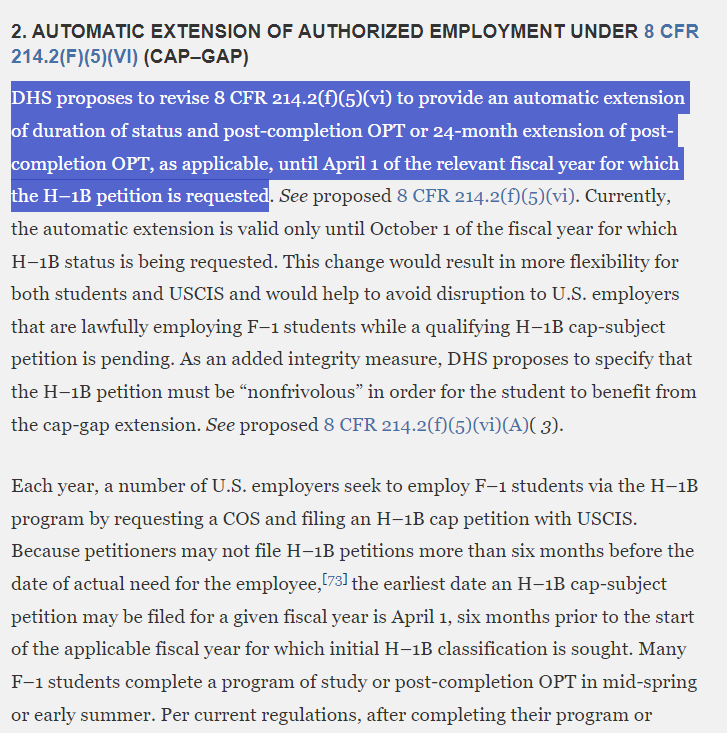
2. Automatic cap-gap extensions will make it easier for international students to stay here after they graduate
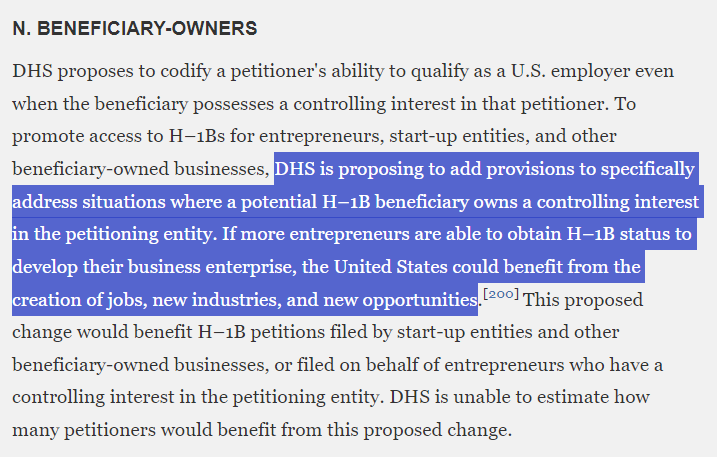
3. The new rule would make it easier for immigrant founders to stay here on H-1Bs to grow their companies
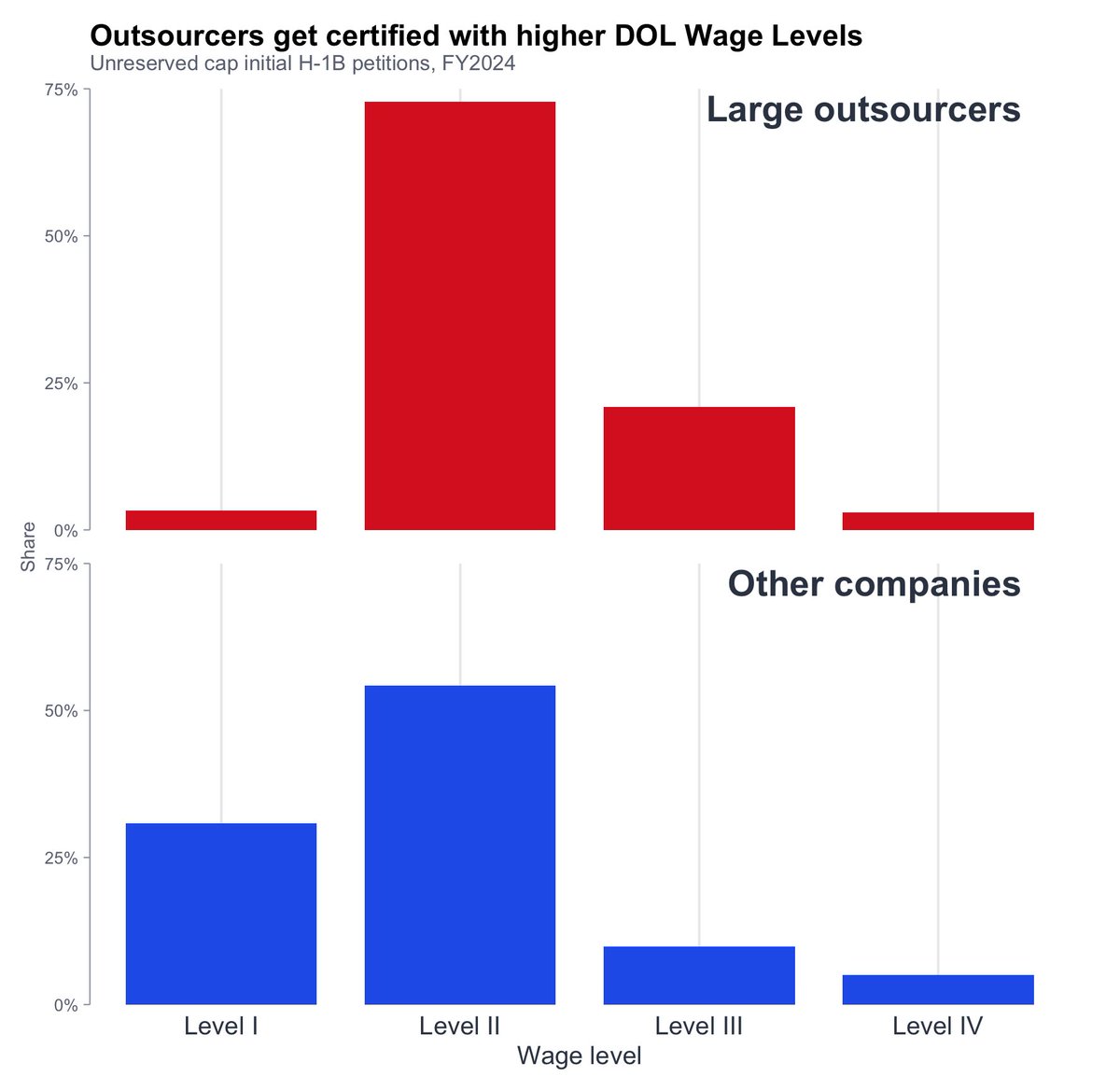
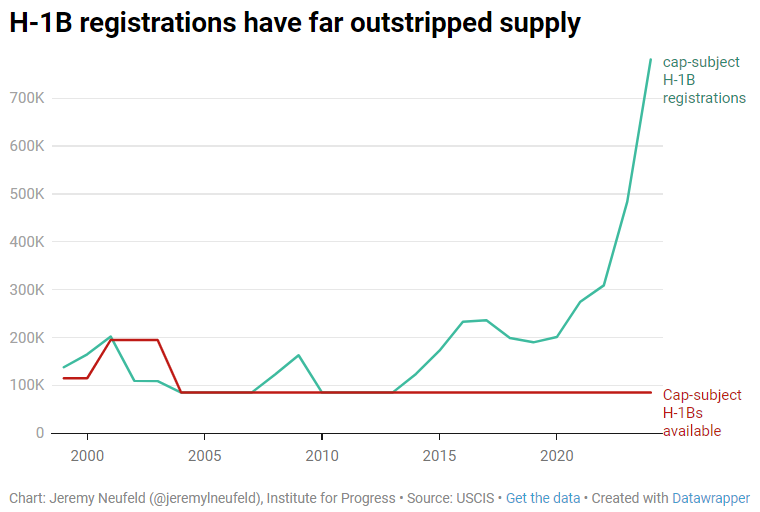
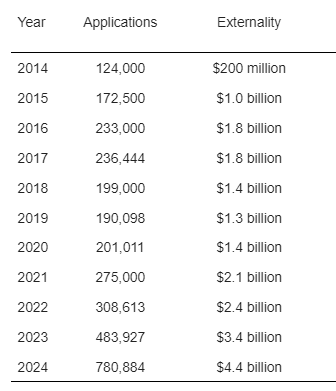
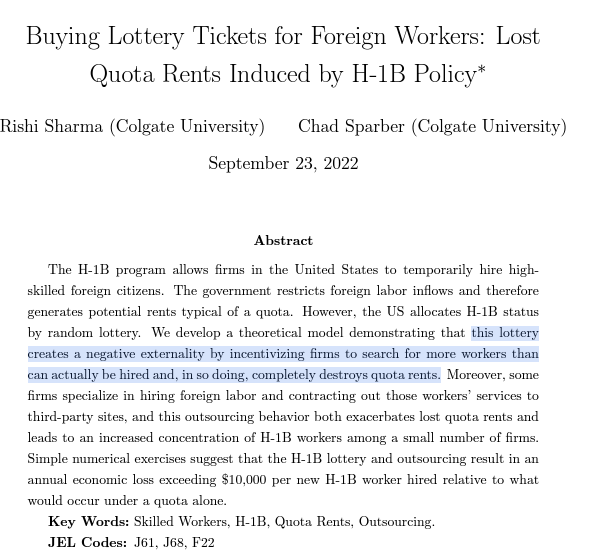
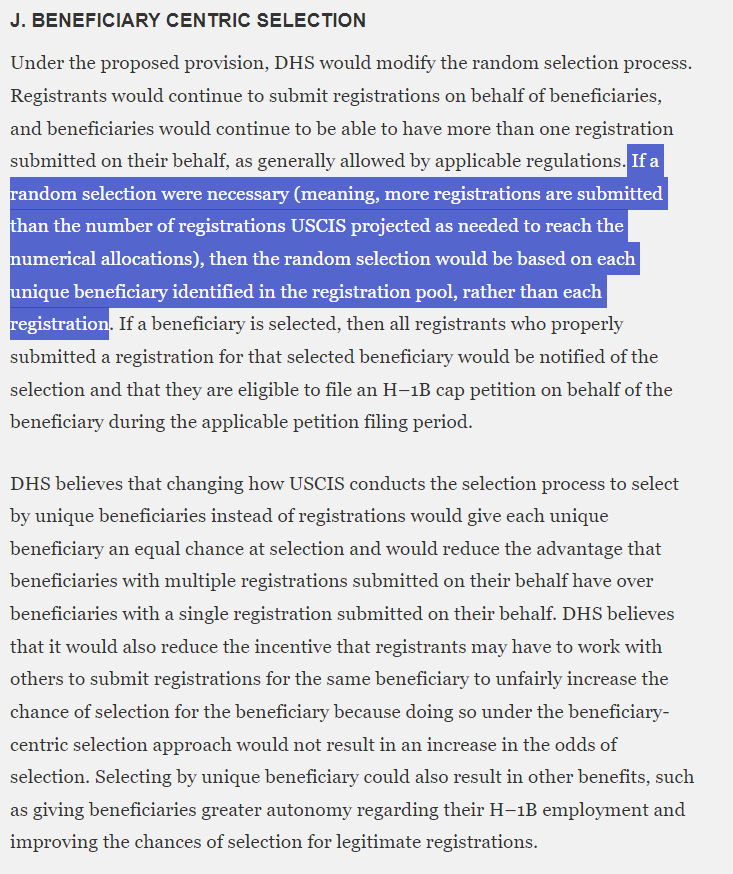
4. Beneficiary-first selection would put immigrants in the driver's seat in picking between competing job offers
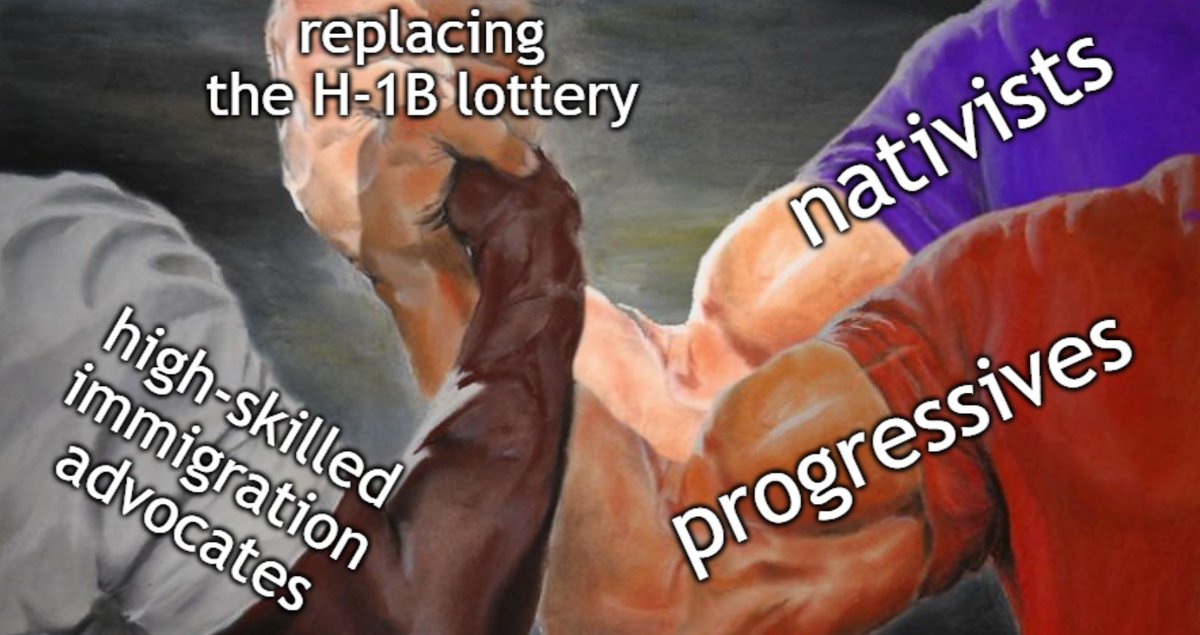
It would also help level the playing field by making it harder for IT outsourcing companies to game the system and boost their chances of securing visas
It would also help level the playing field by making it harder for IT outsourcing companies to game the system and boost their chances of securing visas
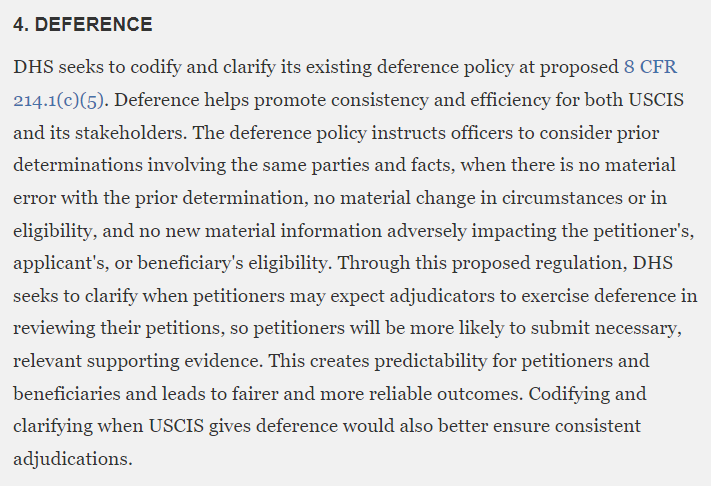
5. "Prior deference" will give certainty and predictability when it comes to visa renewals
Lots more to be done, but all of this will help mitigate some of the program's many problems
All in all, this is good stuff that will make the H-1B program more predictable and better suited to entrepreneurship, research, and innovation!
All in all, this is good stuff that will make the H-1B program more predictable and better suited to entrepreneurship, research, and innovation!
• • •
Missing some Tweet in this thread? You can try to
force a refresh