(1/24) Let's talk about Smerch. 

(2/24) According to Sergey Gurov's 'MLRS Review', between 1969-1976, TulgosNIItochmash did design studies on an MRL for the Reserve of the Supreme High Command (RVGK). Development of the Smerch ('Whirlwind') project was formally ordered in 1976.
missilery-info.translate.goog/gallery/mlrsre…
missilery-info.translate.goog/gallery/mlrsre…


(3/24) Development was led by NPO Splav, originally under chief designer Aleksandr Ganichev, the father of postwar Soviet MRLs, including Grad and Uragan. Following his death in 1983, he was succeeded by Gennadiy Denezhkin.


(4/24) One of the key requirements of the Smerch was an exceptionally long range to strike at group targets well behind the frontline. Free-flight MRLs, including the M270 MLRS's M26 rockets, up to that time had ranges between 30-50 km, limited by accuracy constraints.
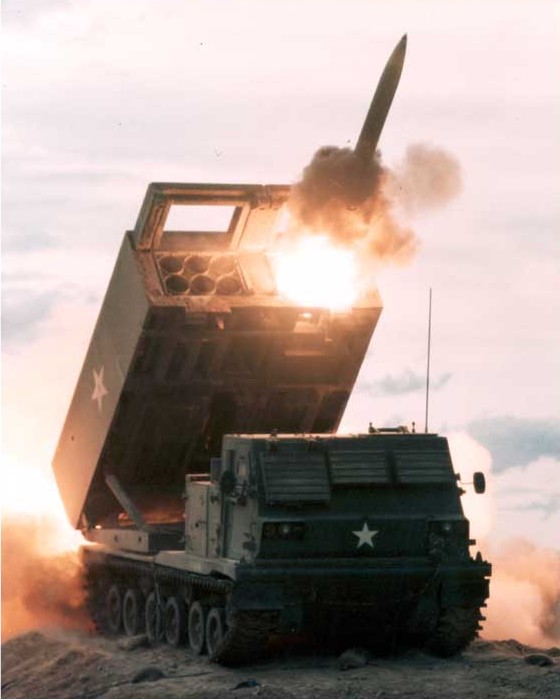
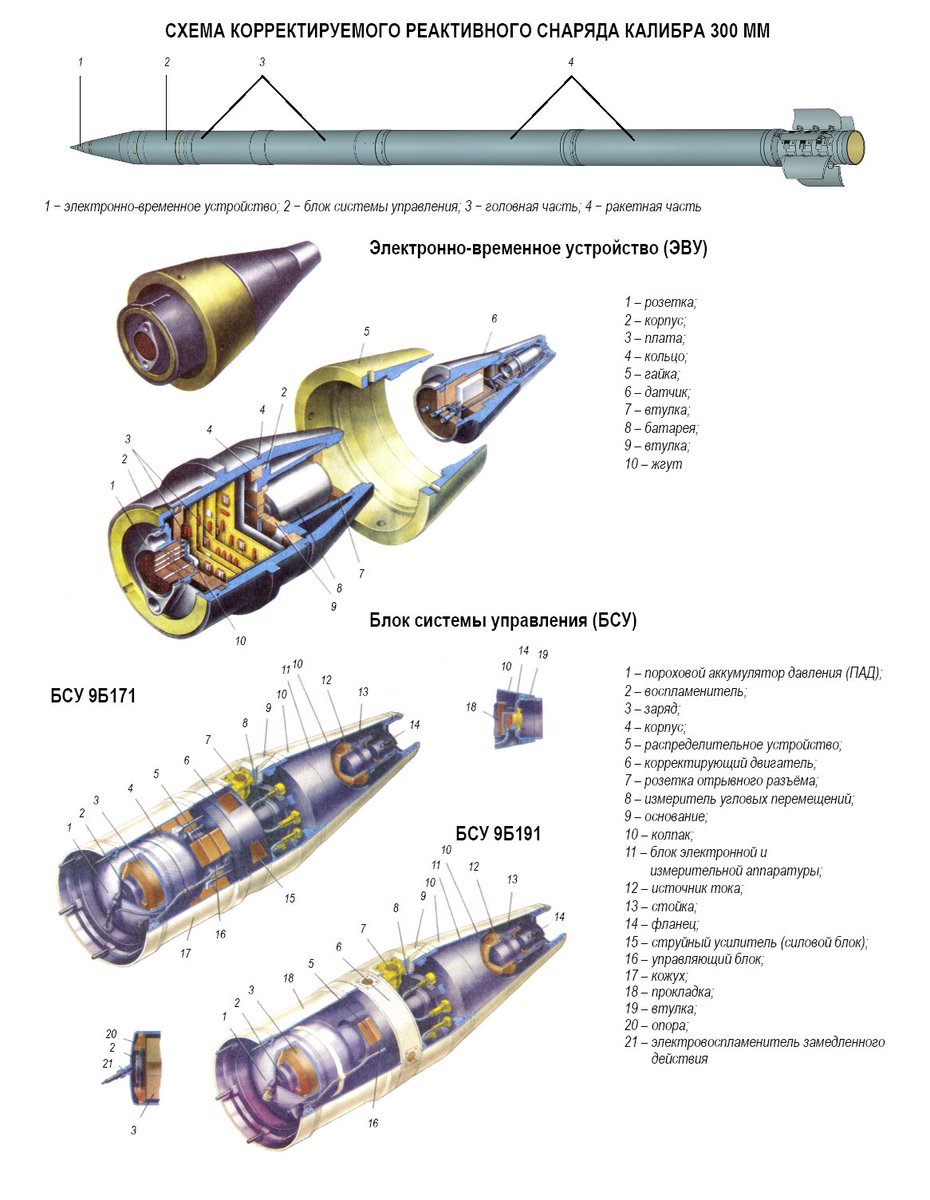
(5/24) To attain reasonable accuracy at the 70 km range of the original 9M55 rockets, Smerch employs an inertial guidance system. This complexity probably had to do with why, even after passing state tests in 1982, Smerch did not enter service until 1987 under the index 9K58.
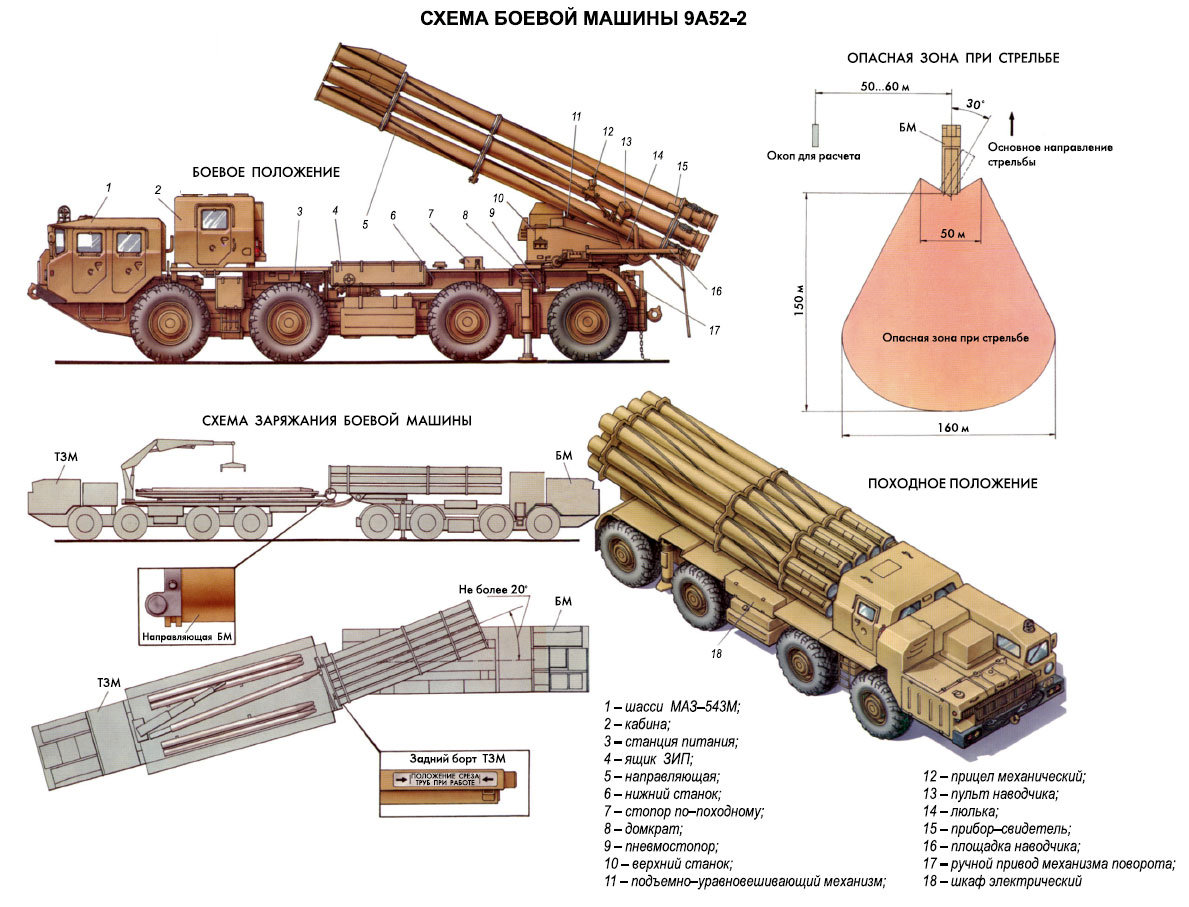
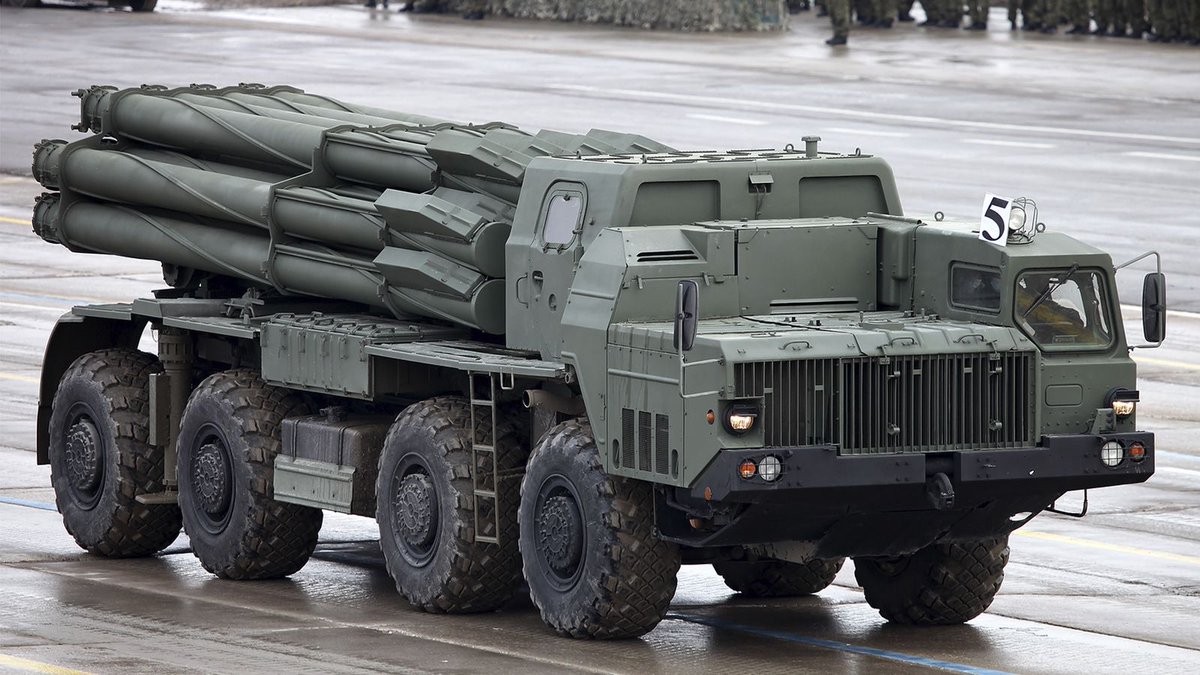
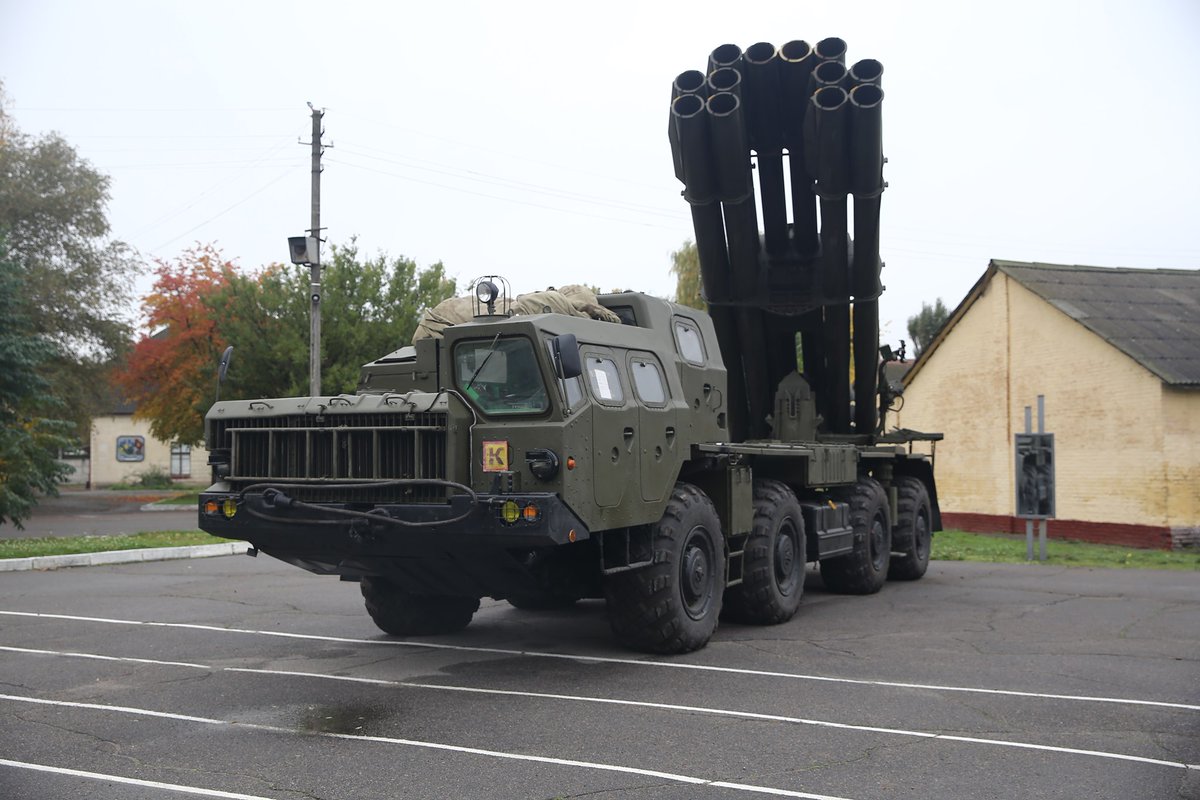
(6/24) The Smerch's launch platform has the index 9A52-2. You may ask why '-2', and the reason is that originally they intended to use the next-generation MAZ Oplot as the platform. It was planned to replace the MAZ-543 and MAZ-537 as the standard Soviet heavy truck.
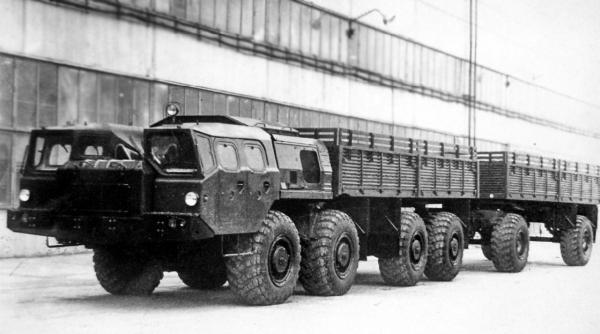
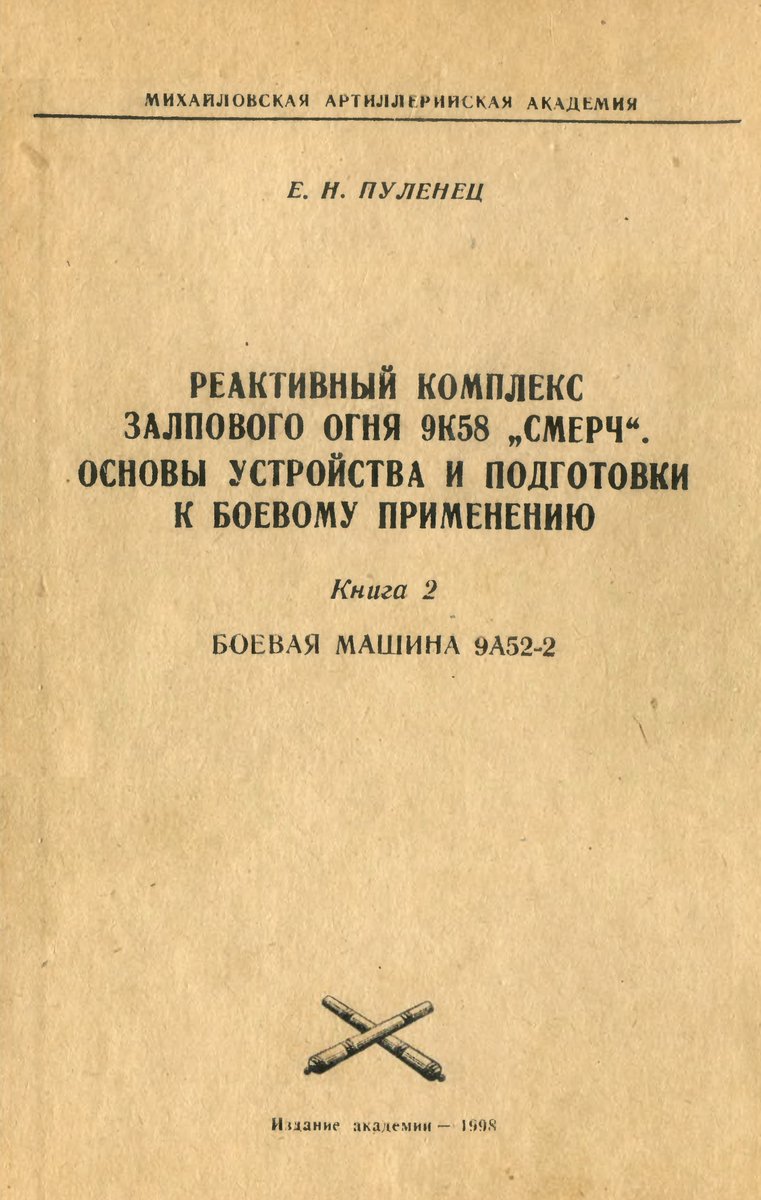
(7/24) The Oplot had various improvements, including a new 650 hp D-12AN650 V-12 diesel engine, but engine production problems and the Soviets not wanting to go to the trouble of remounting all existing systems to the new trucks doomed the Oplot.
statehistory-ru.translate.goog/books/Evgeniy-…
statehistory-ru.translate.goog/books/Evgeniy-…
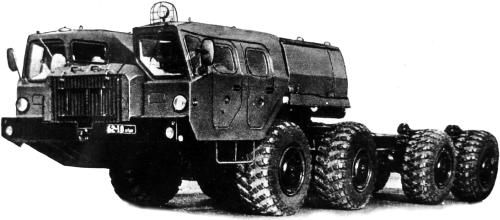
(8/24) The original 9A52 Smerch launcher is based on the MAZ-79111 of the Oplot family. Only a few of these were built for trials, and they currently exist only in museums. They have 4 stabiliser jacks instead of 2 on the production MAZ-543M-based 9A52-2 (right).
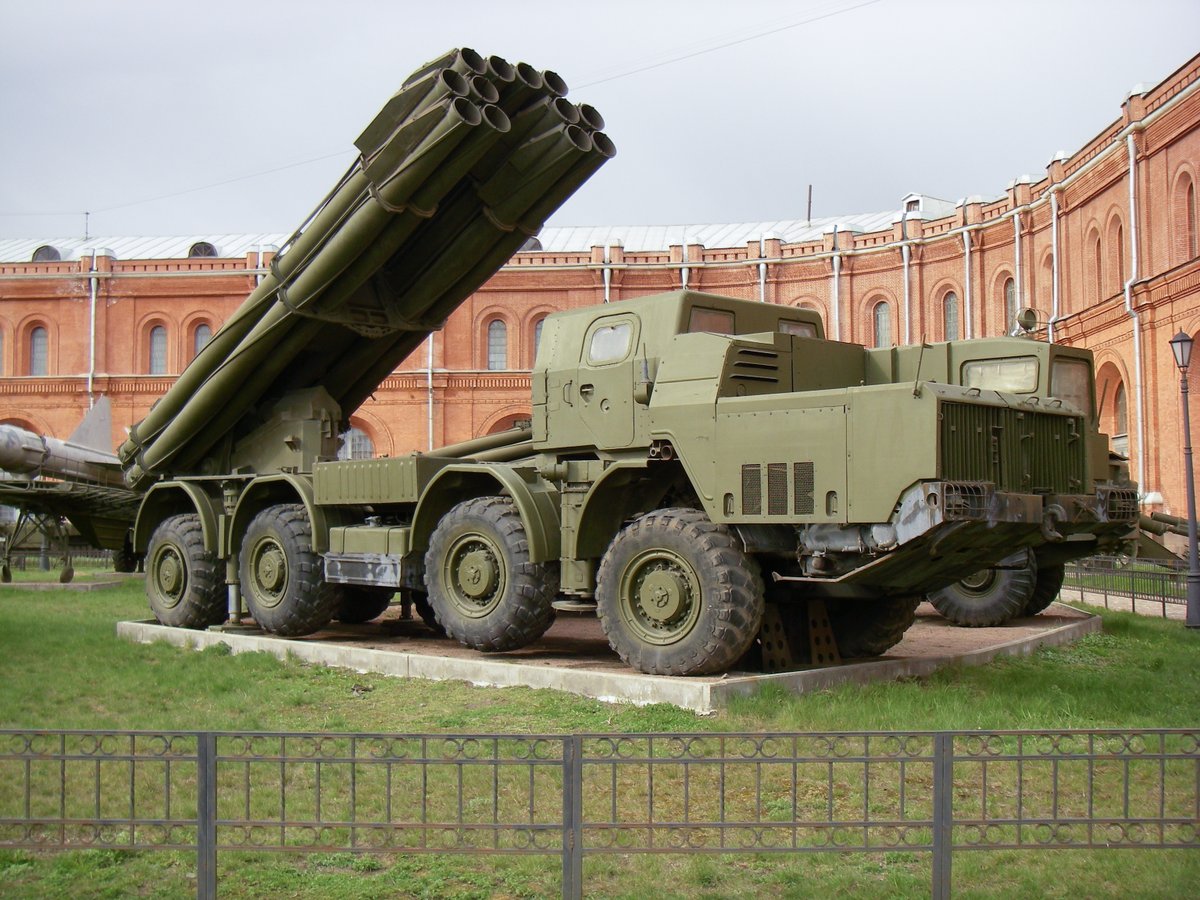
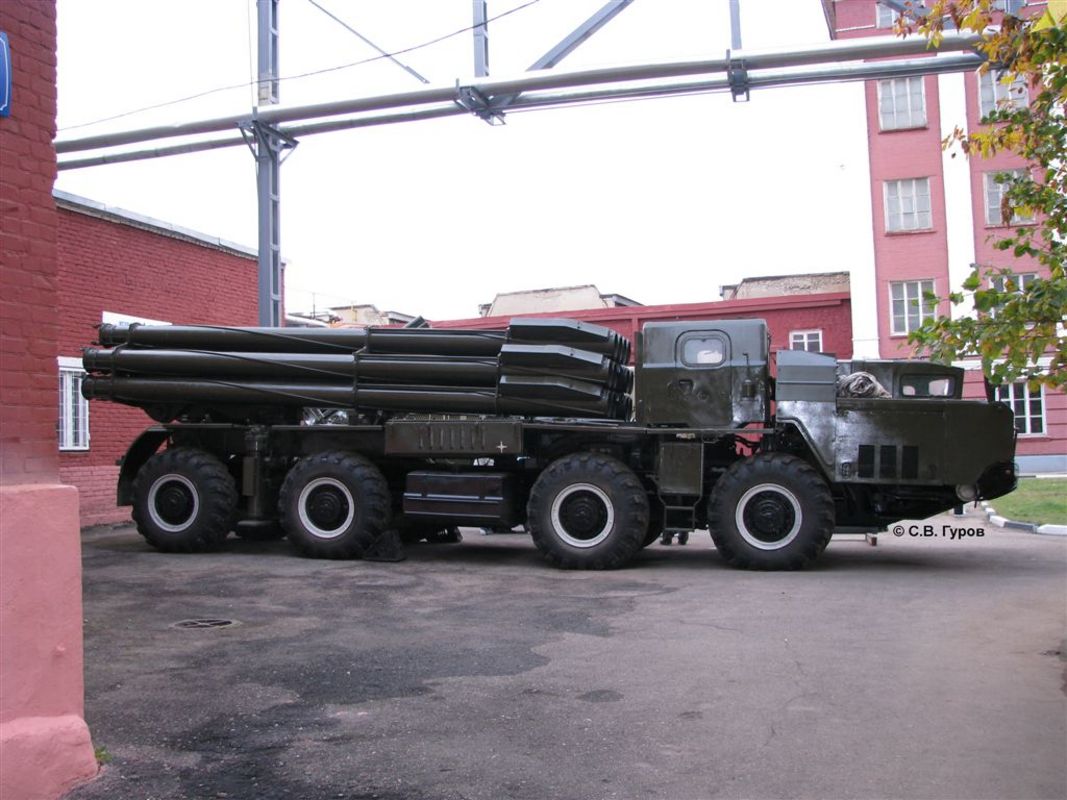
(9/24) Incidentally, neither the manuals nor authoritative Russian books on the subject like Gurov's ever refer to this launcher as 'BM-30'. Gurov himself says this is a 'Western' name for the Smerch.
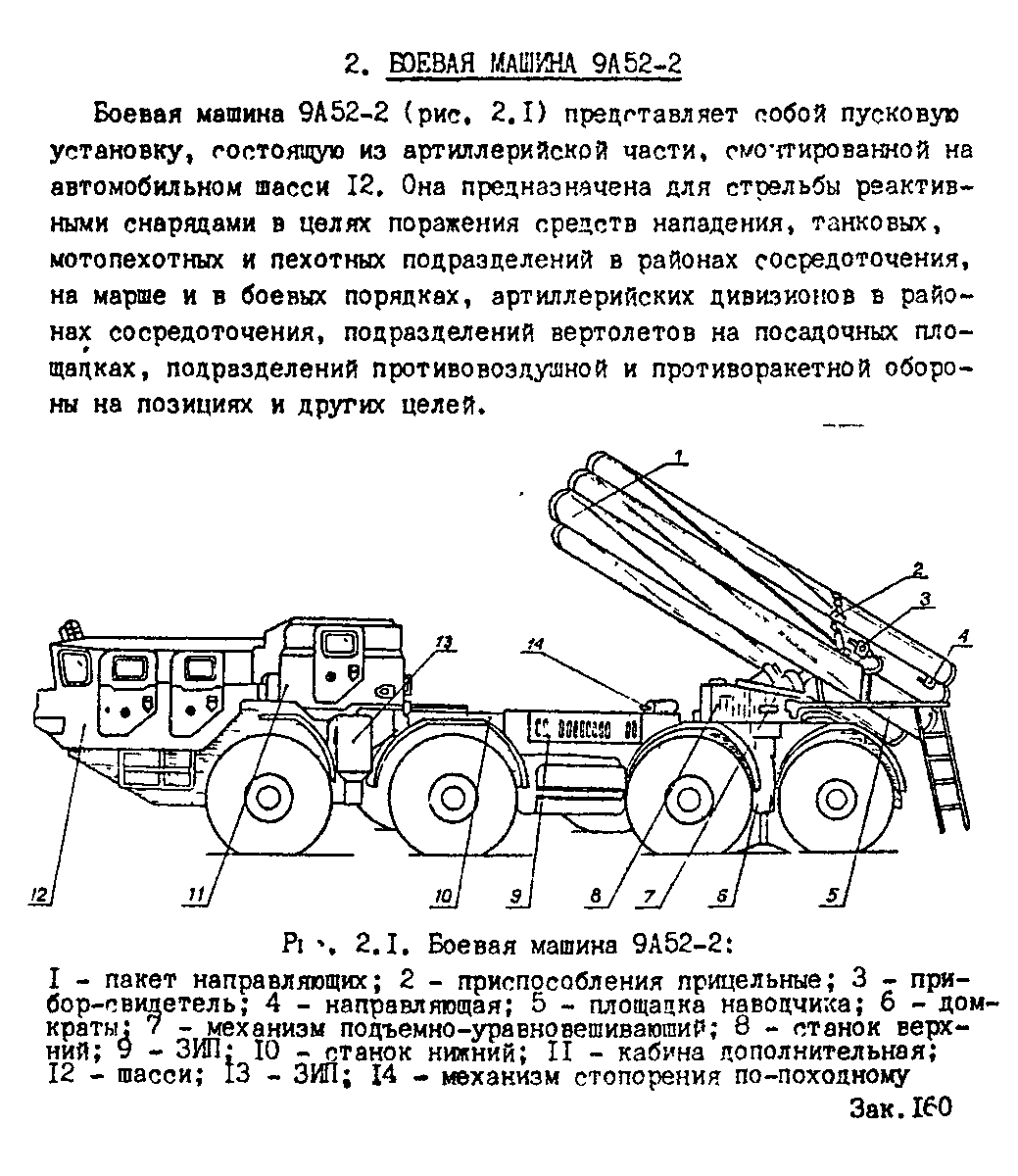

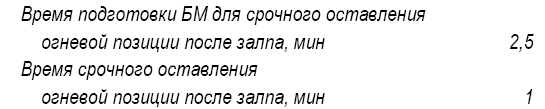
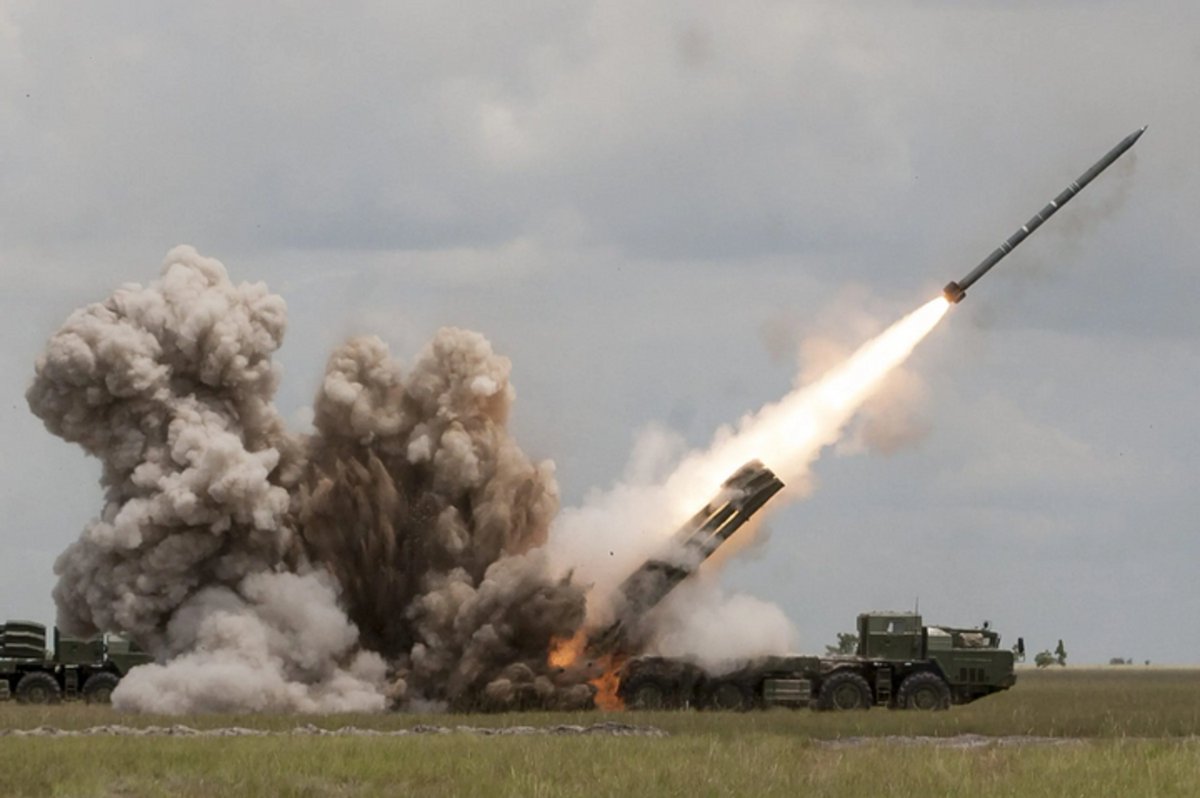
(10/24) Each 9A52-2 carries 12 x 300 mm launch tubes. It takes no more than 40 s to fire off a full salvo of 12 rockets. It takes 3 minutes to transfer between combat and marching configurations. Preparation for urgent relocation (which takes 1 min) can be done in 170 s.
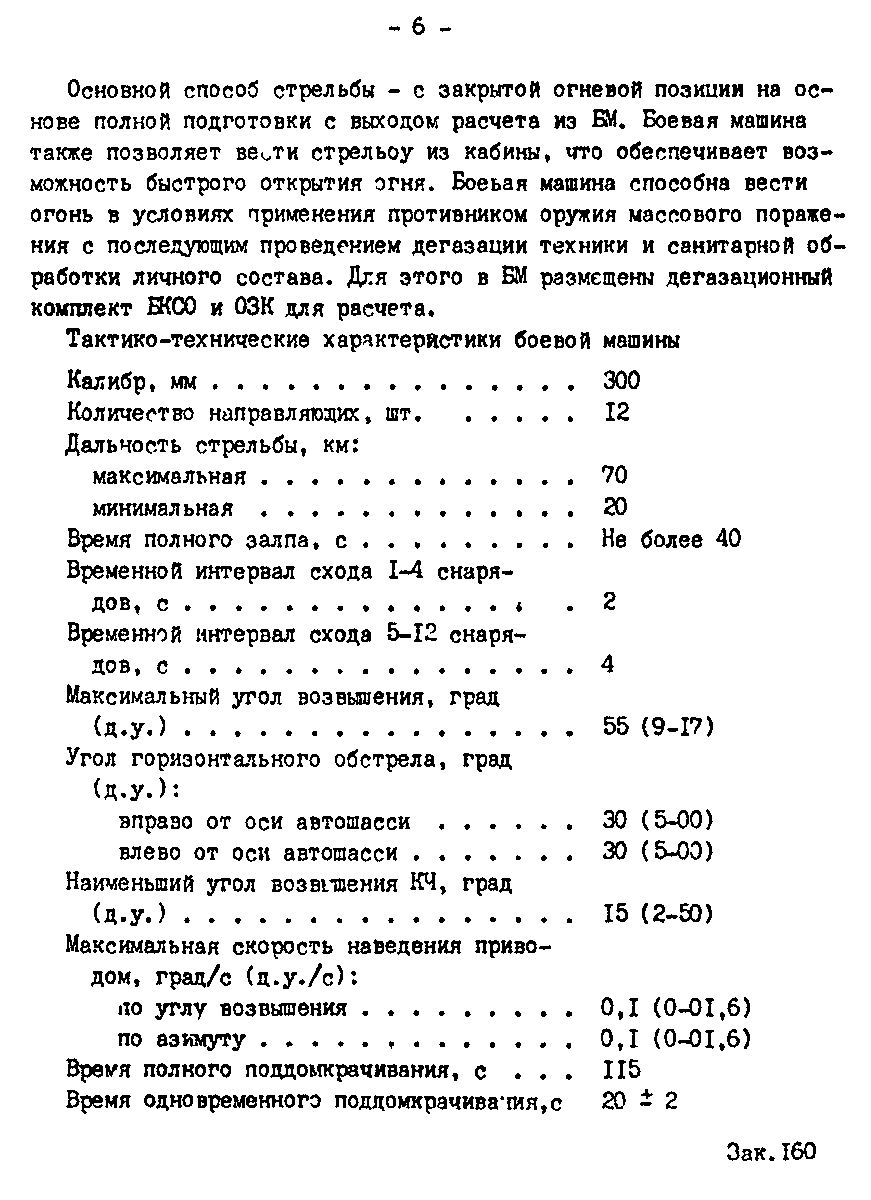
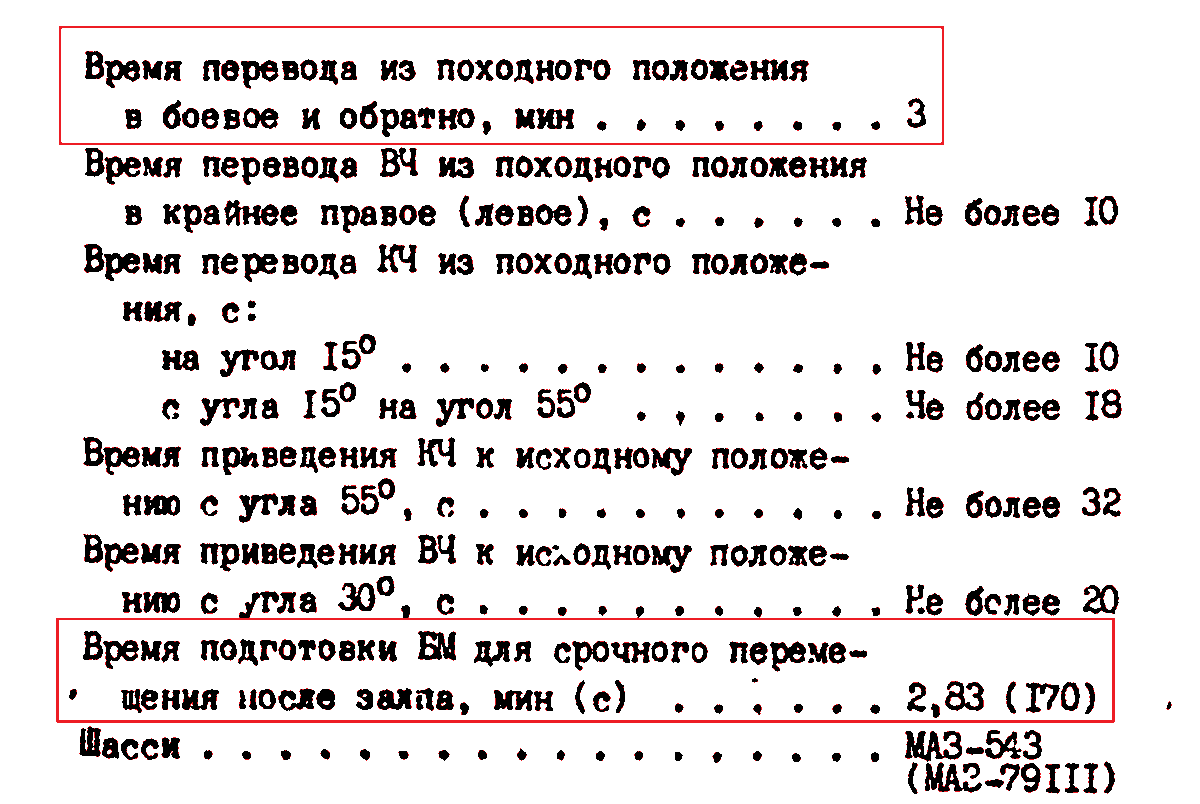
(11/24) The salvo interval is 2 s for the first 4 rounds and 4 seconds for the remainder. You can see in this video that the interval is much shorter for the first 4 rounds in the full salvo.
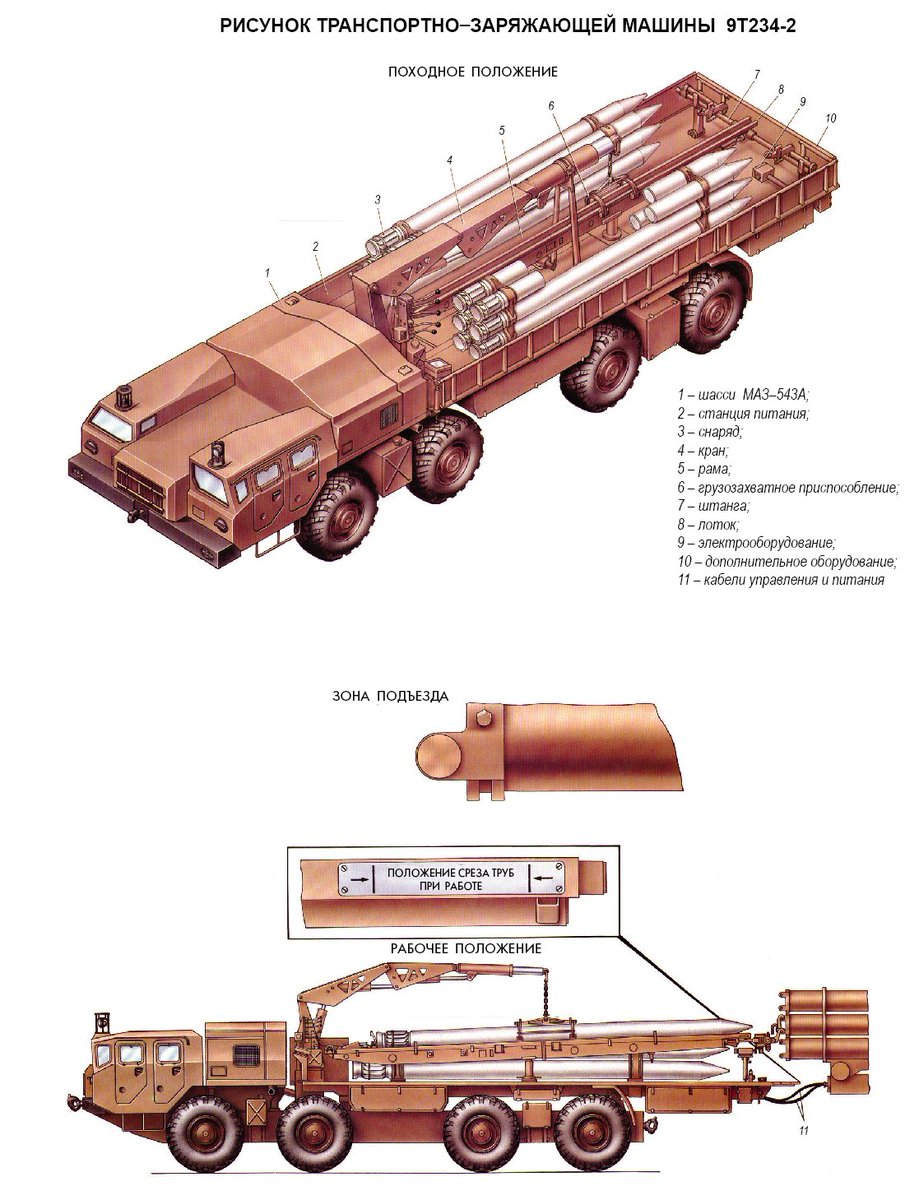
(12/24) For safety due to the considerable backblast, launchers are usually spaced 50-60 m apart. Reloading is done with the 9T234-2 transloader, which takes 36 minutes. It carries 12 spare rockets.
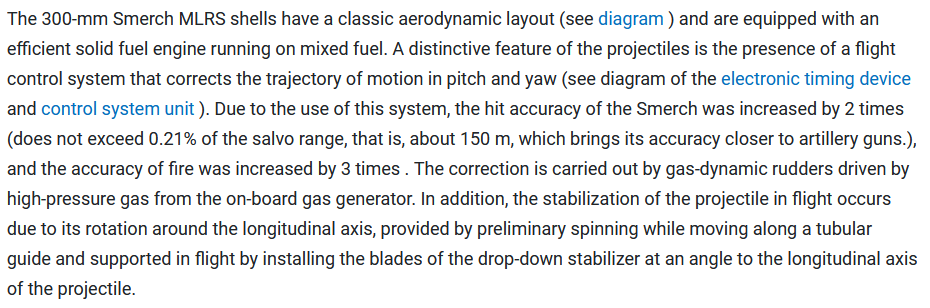
(13/24) The first generation 9M55 rocket family has a maximum range of 70 km. They are spin-stabilised and utilise gas-dynamic rudders for steering. Dispersion is claimed to be <0.21% of flight range (~156 m at 70 km).
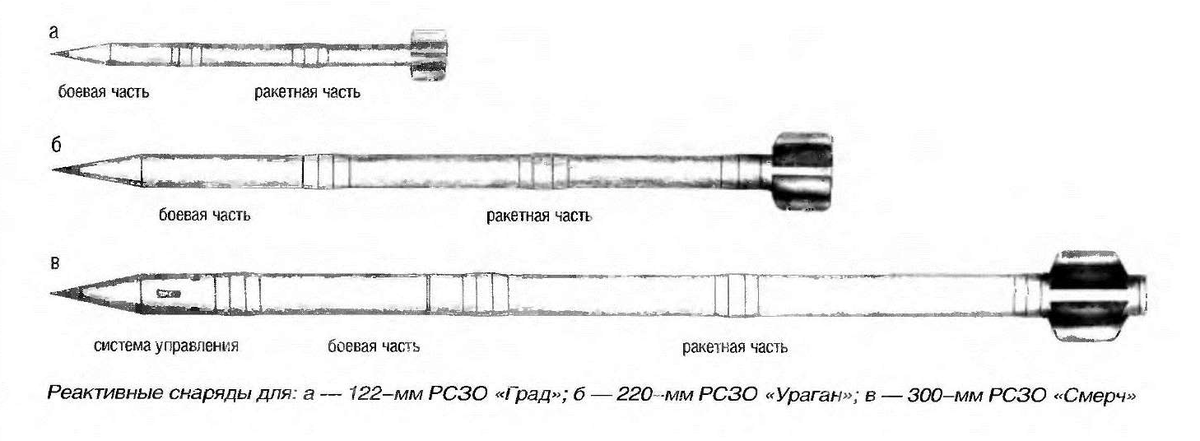
(14/24) The primary Smerch rocket is the 9M55K with cluster warhead. It carries 72 1.75 kg fragmentation bomblets, each with 0.32 kg of explosive. This is the only type known to be used by Ukrainian Smerch MRLs.
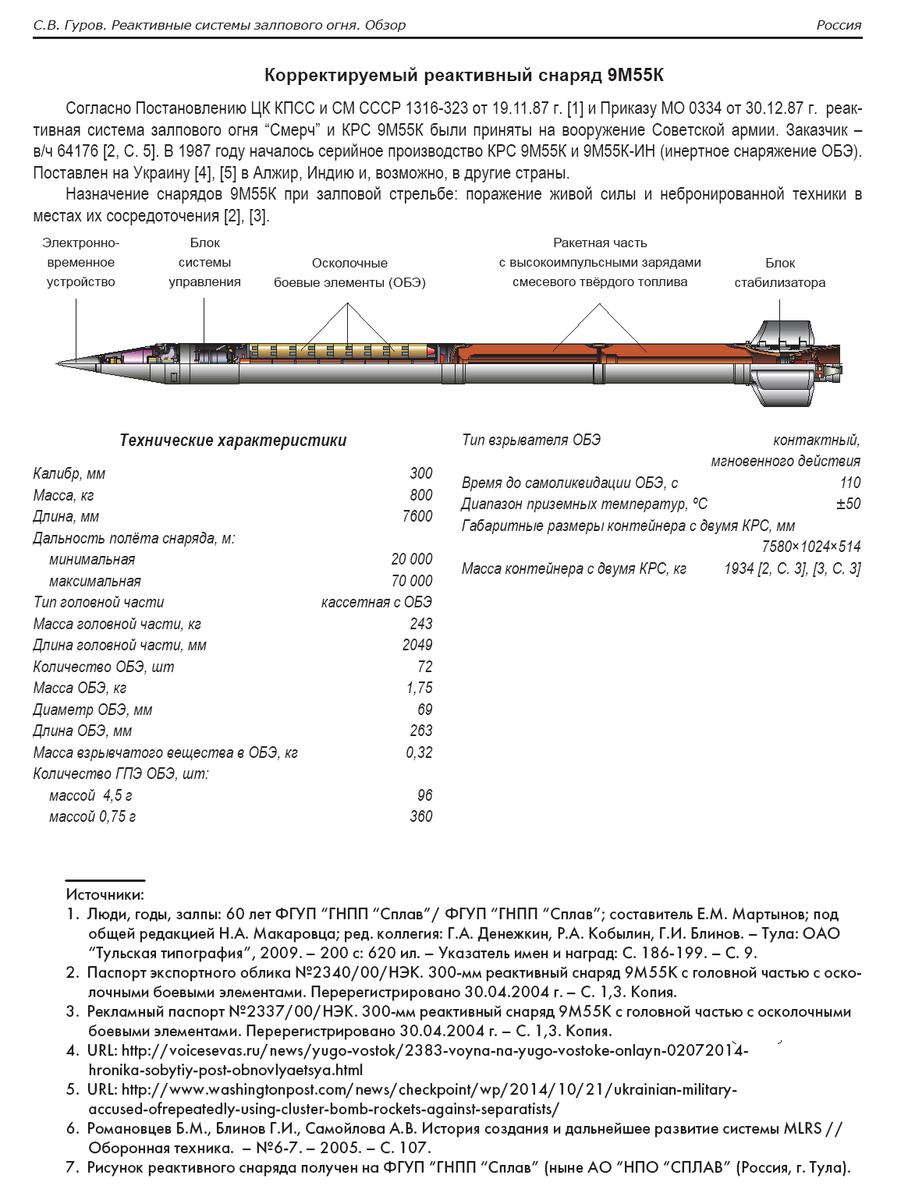
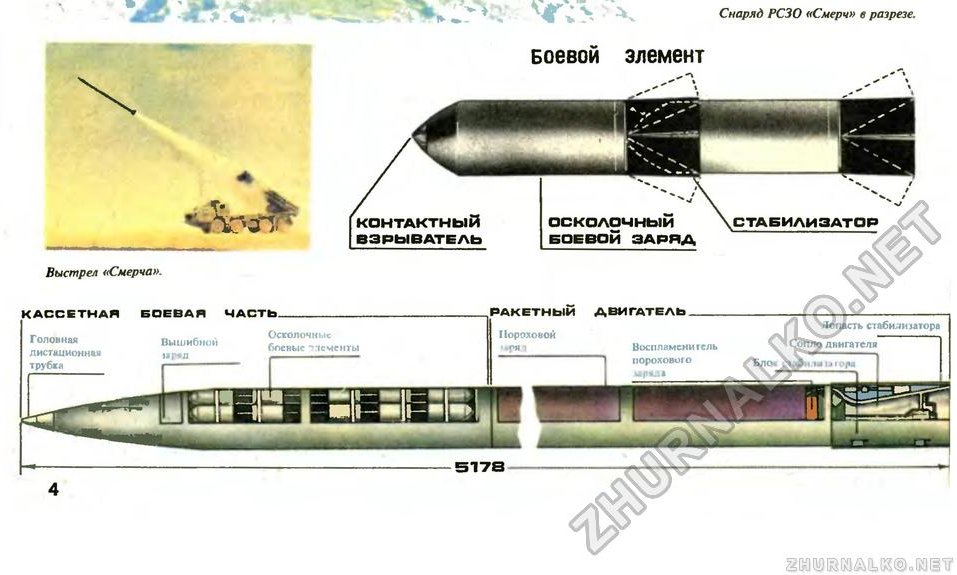
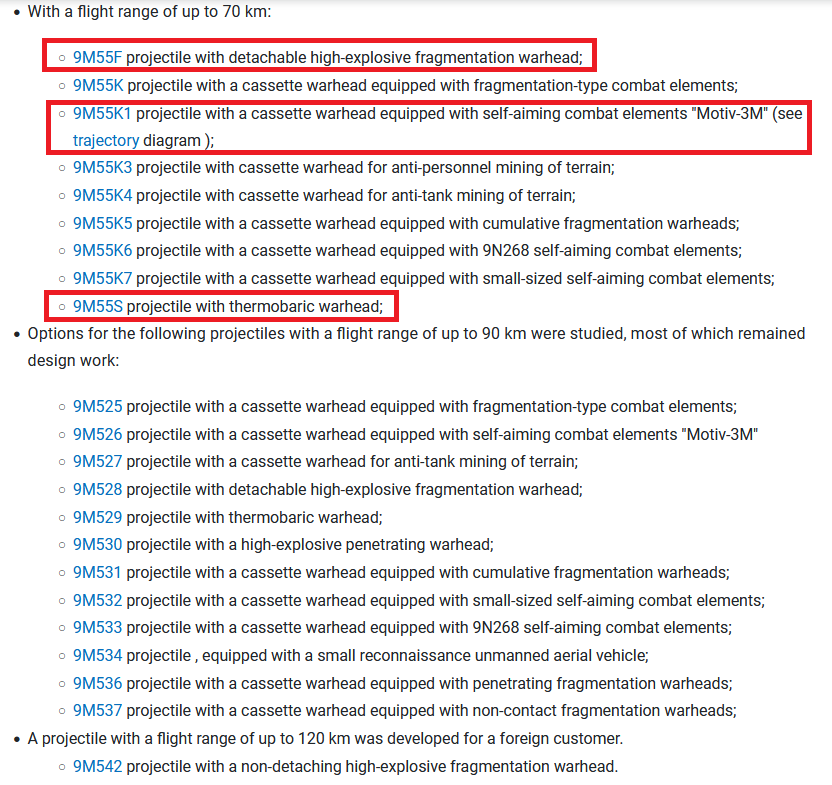
(15/24) After 1991, Splav has developed a wide range of rockets, mostly for the export market, though some are in use with Russian Smerch MRLs. Of the ones listed here, the ones known to be in use with the Russian military according to Gurov are marked in red.
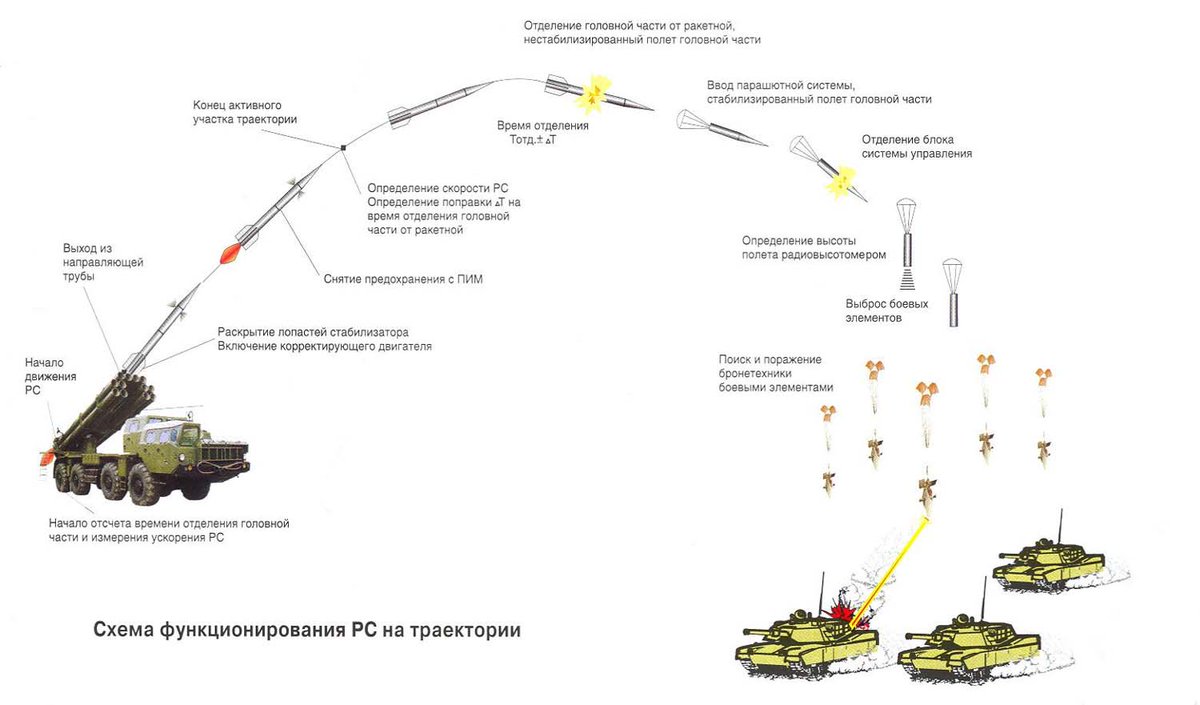
(16/24) In 2016, the 9K515 Tornado-S MRL complex was put into Russian service. 9А54 Tornado-S launchers can be recognised by the SMART antenna on top of the control cabin, indicating their GLONASS integration. They are largely a reaction to the US introduction of GMLRS in 2005.
(17/24) Tornado-S launchers fire GLONASS/GPS-guided munitions of the 9M54X series, similar to GMLRS, in addition to regular Smerch ammunition. Cluster variants (9M544) are known to have been used against Ukraine.
armamentresearch.com/russian-9m54-s…
armamentresearch.com/russian-9m54-s…
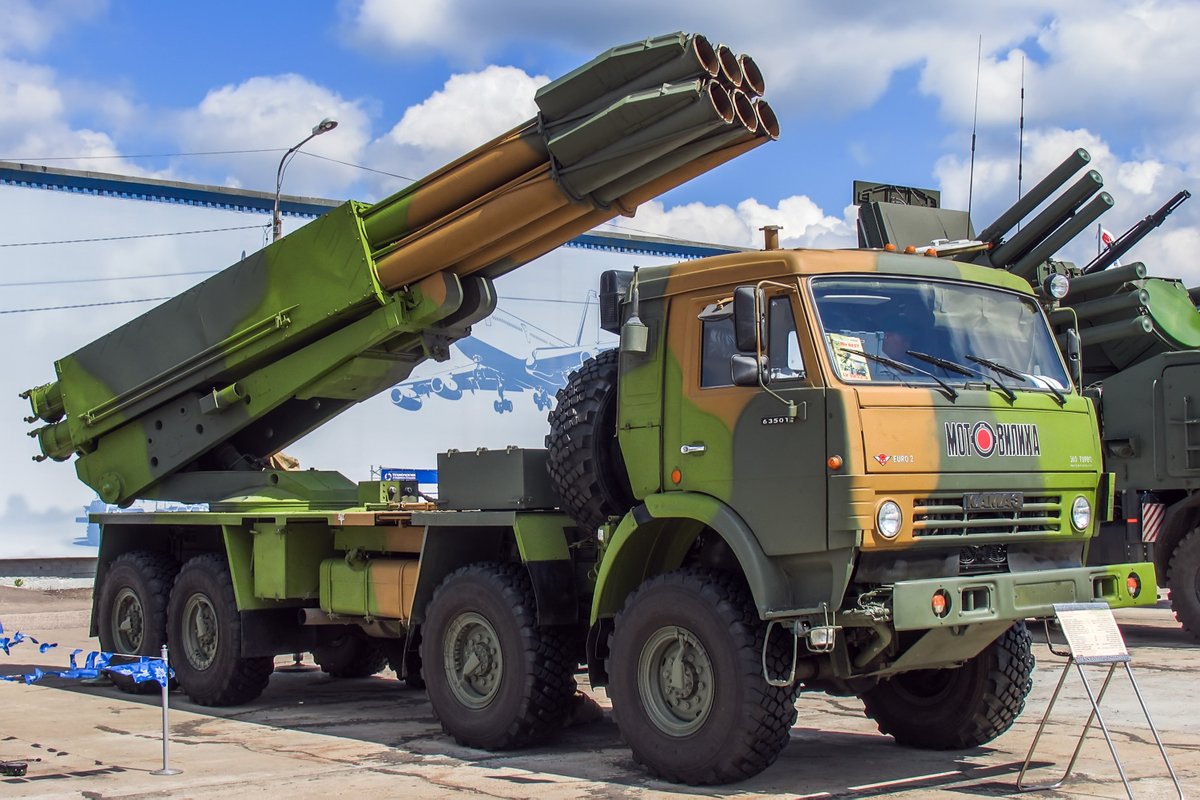
(18/24) The Russians have also developed the 9A52-4 lightweight Smerch launcher, analogous to the M142 HIMARS' relationship to the M270 MLRS, as well as the 9A52-2T based on a Tatra chassis, but these are not in service, to my knowledge, just prototypes.
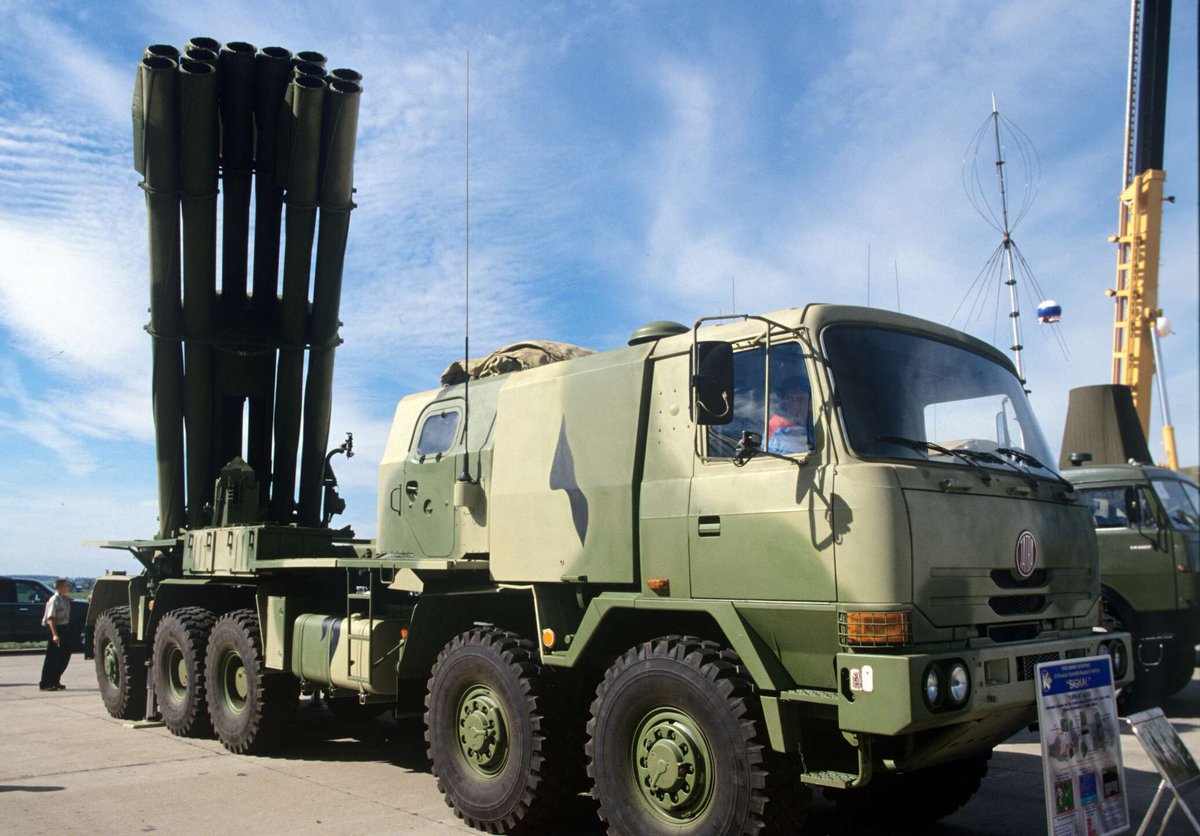
(19/24) Ukraine is known to have had 94 Smerch systems in service in 2005, dropping down to 72 by 2013 in 2 rocket artillery regiments (36 per regiment): 15 OReAP in Drohobych and 107 OReAP in Kremenchug. These units became brigades after 2014 and remain the only Smerch units.
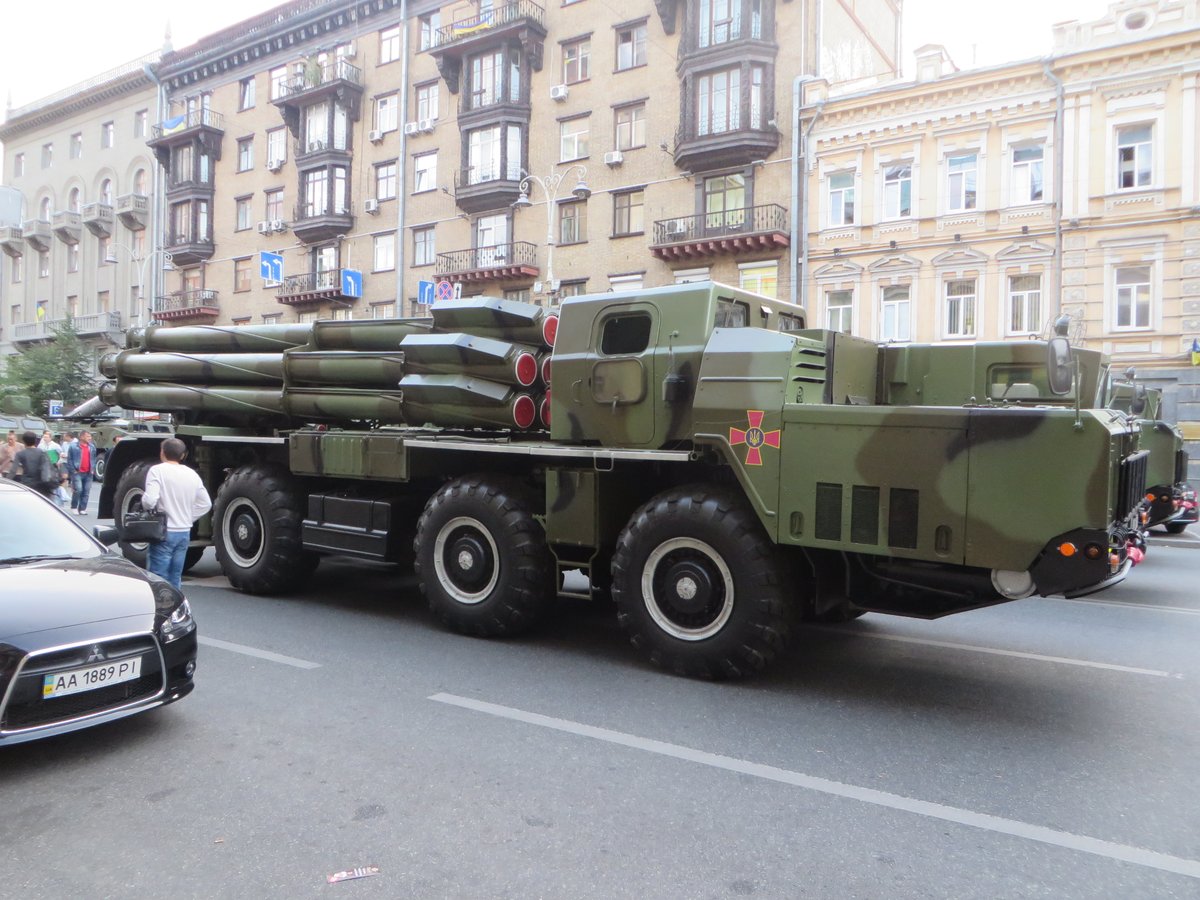
(20/24) They are known to have been used during the Donbas War. Inevitably this has led to pro-Russian accusations of Ukraine using cluster munitions against civilians, since Ukrainian Smerch rockets only have cluster warheads.
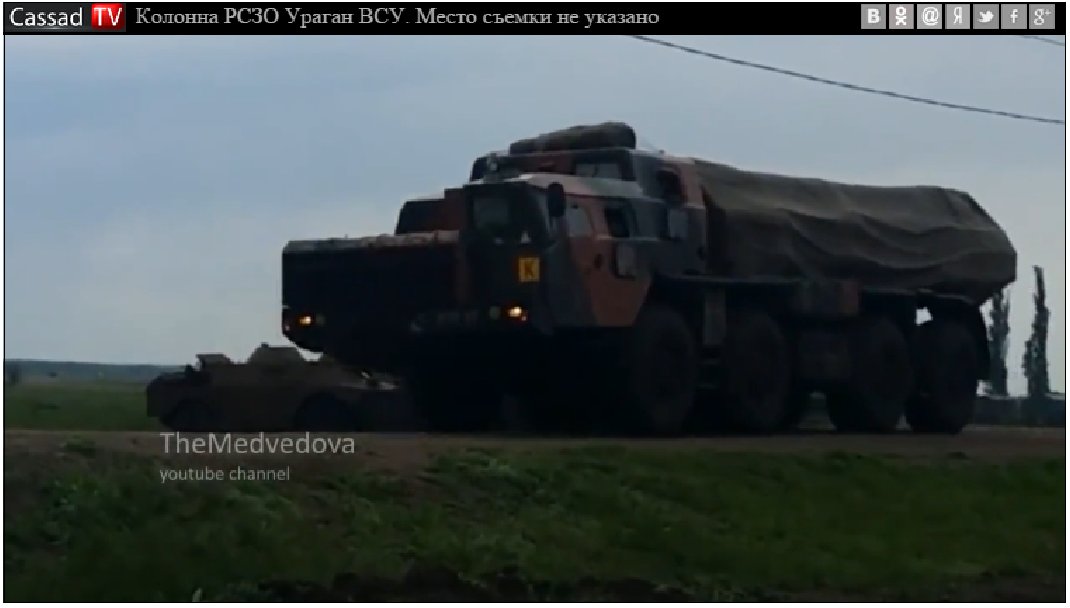
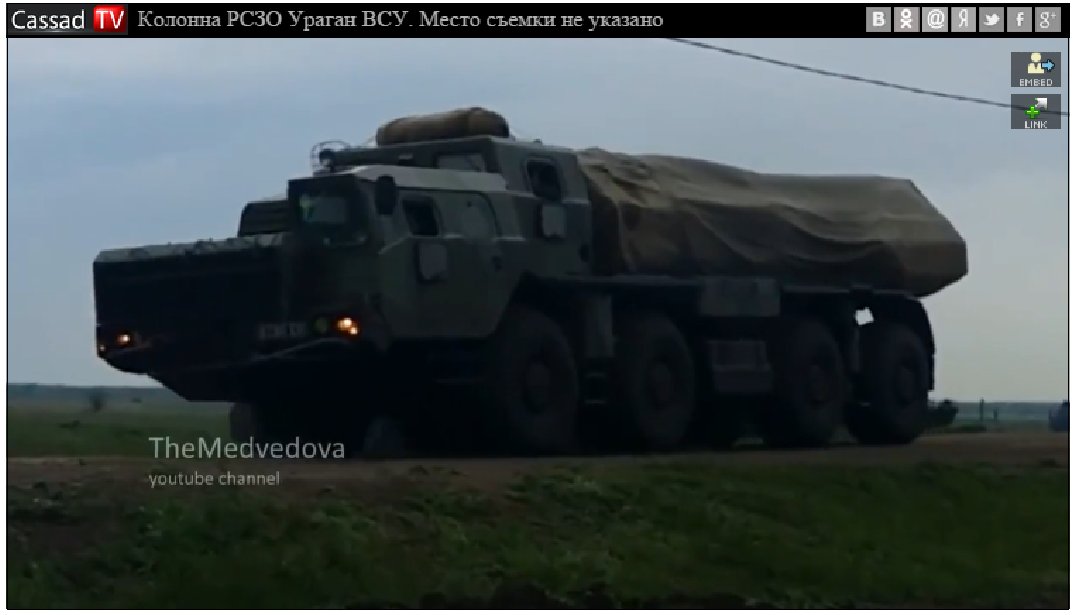
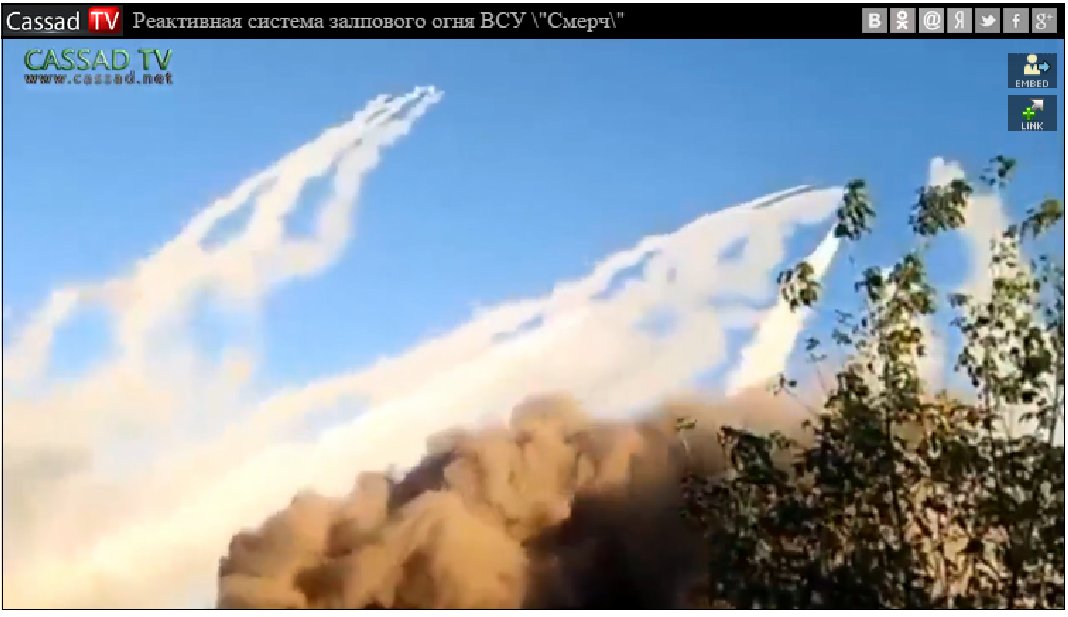
(21/24) In 2019, Ukraine began production of its own GPS-aided Smerch, Vilkha ('Alder'). It uses new rockets with 90 small gas-dynamic rudders in the nose for steering in the terminal phase for increased accuracy.
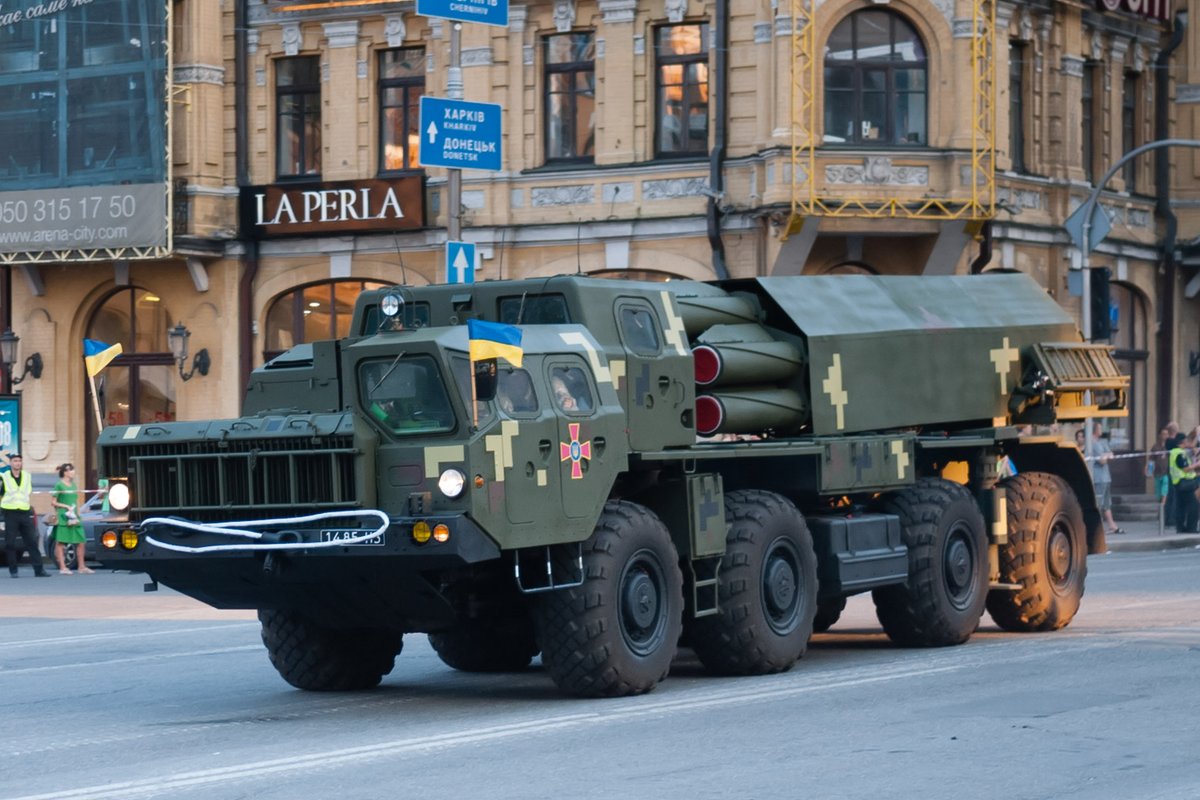
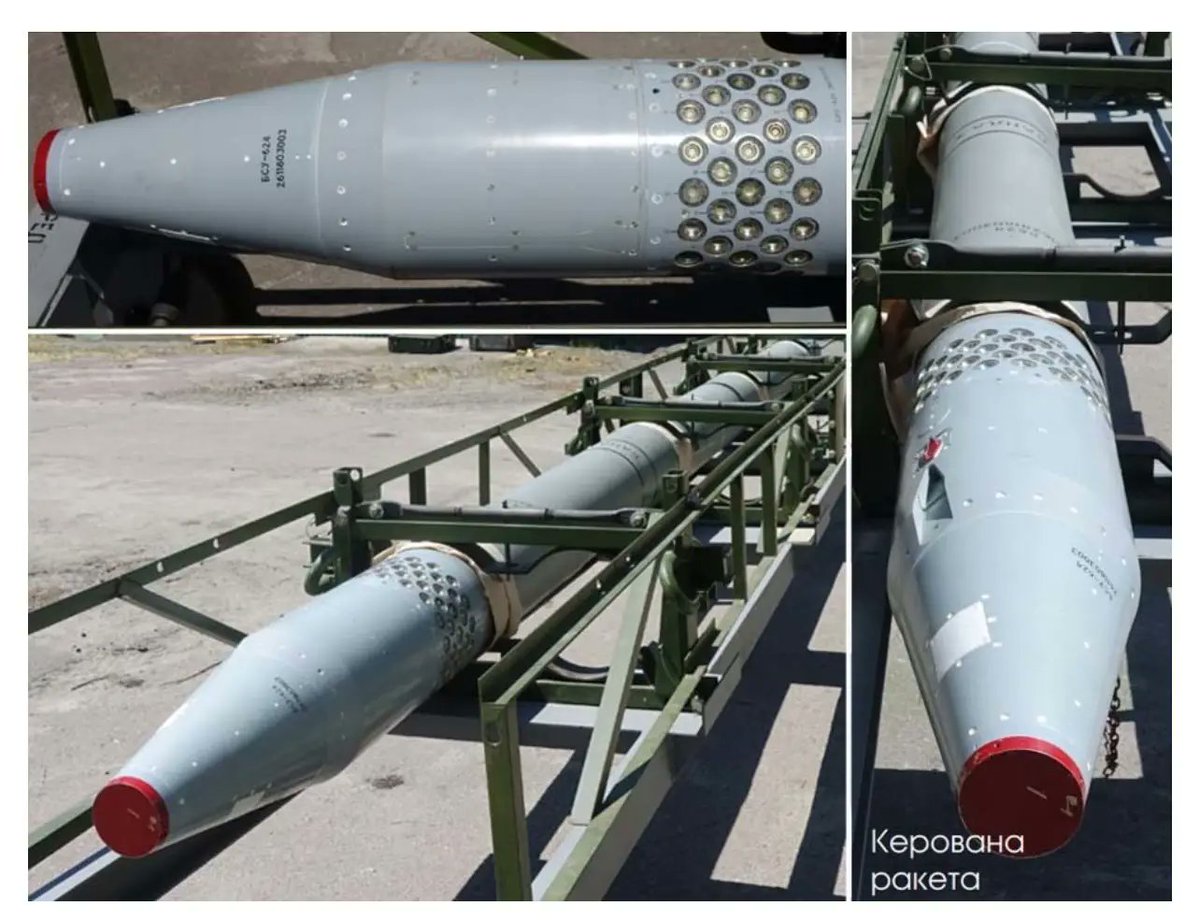
(22/24) Vilkha is claimed to have a range of 70 km with the standard 250 kg rocket head or 120 km with the lighter 170 kg head.
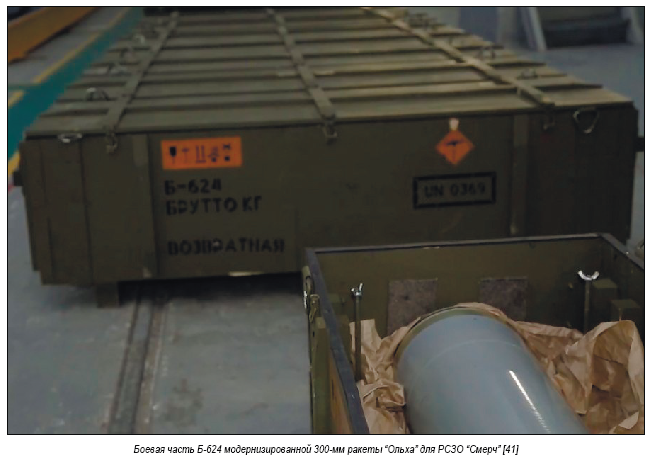
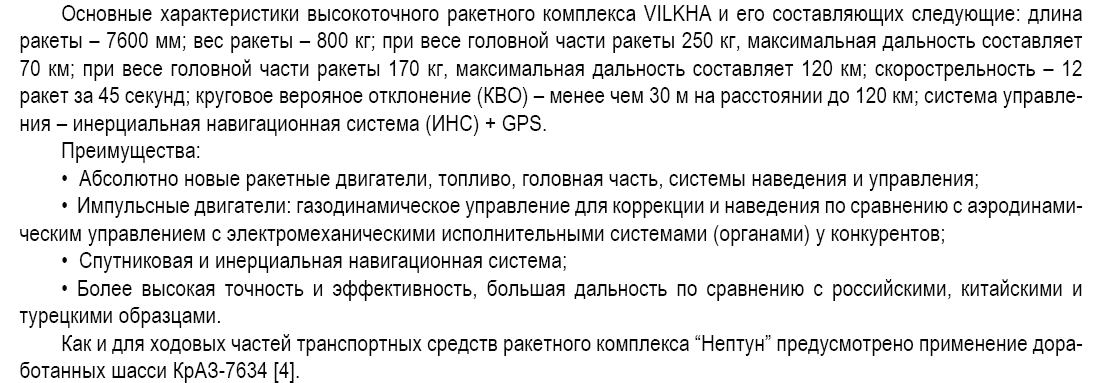
(23/24) It is not known how many Vilkhas have been delivered, but they are known to have been used in combat since May 2022.
thedrive.com/the-war-zone/u…
thedrive.com/the-war-zone/u…
(24/24) Smerch remains a powerful asset today, and both Russia and Ukraine recognise its modernisation potential, as evidenced by the programmes they have undertaken. No doubt it will continue to make its presence felt in the war for a long time to come.
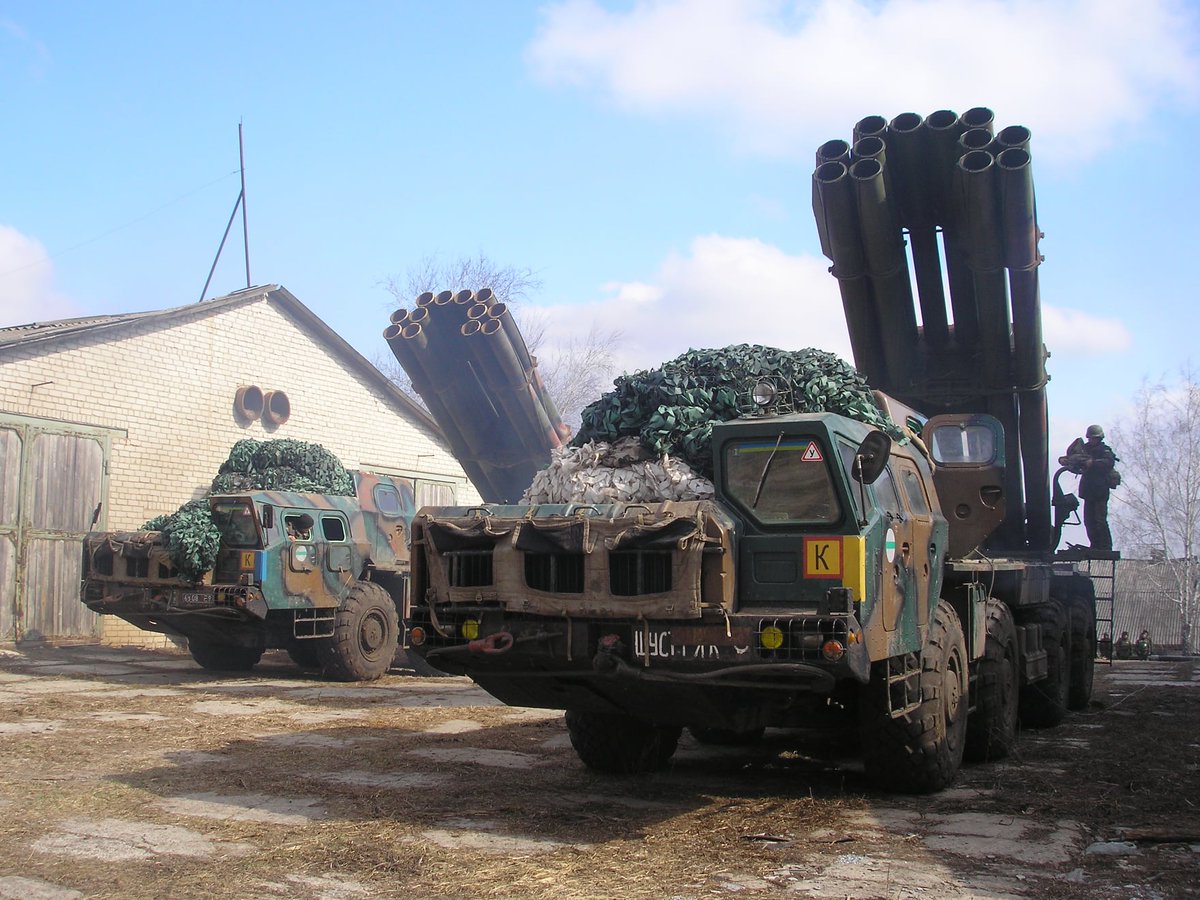
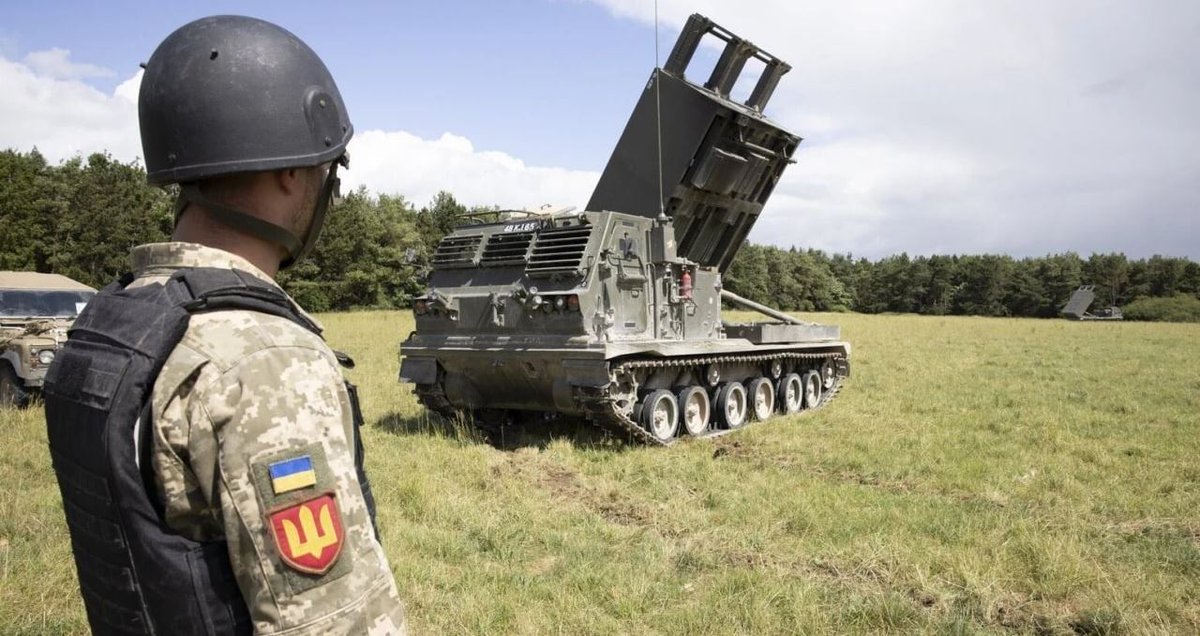
As a final note, one of the Ukrainian Smerch units (the Kremenchuk 107 OReABr) has also become an MLRS user since last year, where it serves alongside the Smerch.
militaryland.net/ukraine/armed-…
militaryland.net/ukraine/armed-…
• • •
Missing some Tweet in this thread? You can try to
force a refresh