Read on Twitter
1/ The Minoan palatial society was the distillation of intense political and social rivalries within a heterogeneous population, which had its origins in significant migratory flows from Anatolia and was receptive to continuous influences from the advanced Near Eastern societies. 
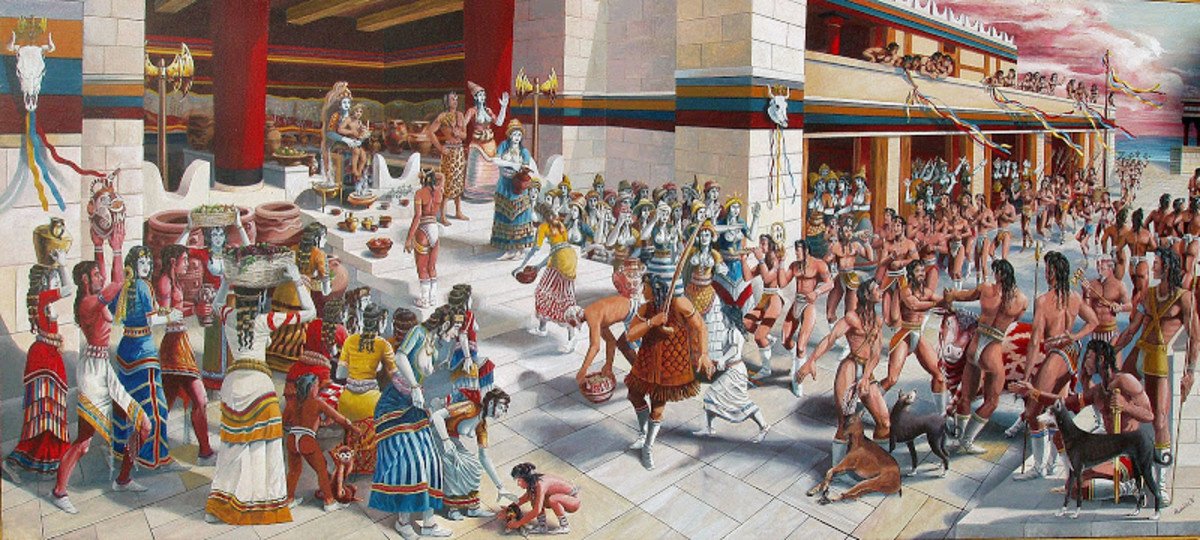
2/ So the status of women in Minoan Crete must be seen through the prism of the existence of a centralized - theocratic regime with strict social hierarchy and influences from the symbolic Neolithic world - prepalatial tradition, as well as the modern Near East, especially Egypt.
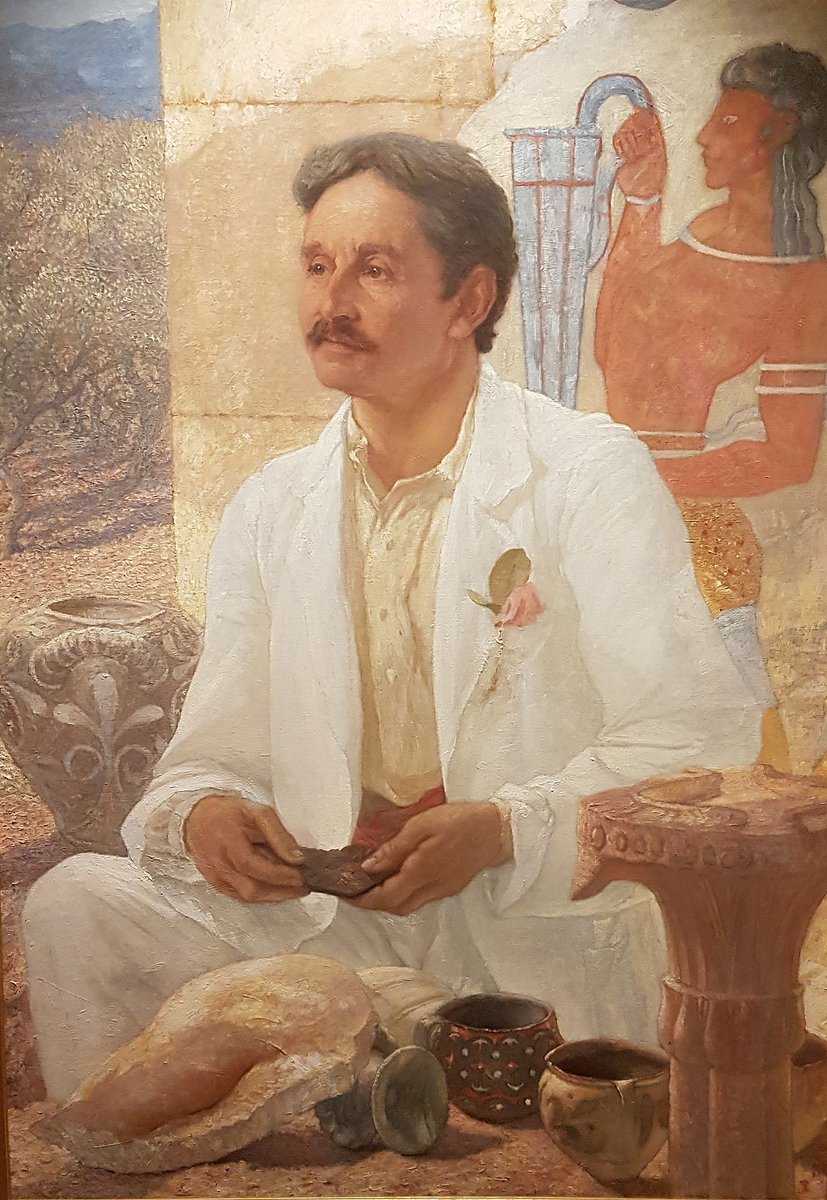
3/ Arthur Evans, the excavator of Knossos, envisioning an idealized Minoan world, considered that the women of the Minoan elite were particularly liberated, to such an extent that they could be compared to the elegant ladies of the European courts of his time.
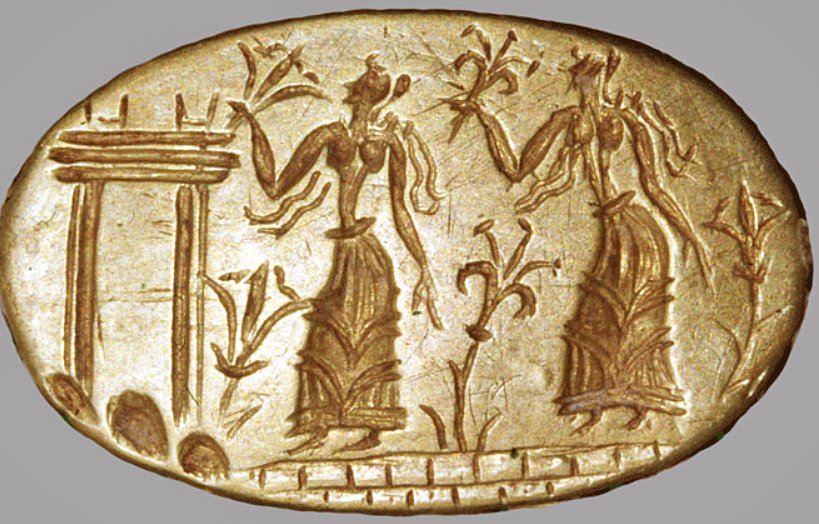
4/ However, the correct interpretation of the archaeological evidence presents a completely different picture of both the nature of Minoan society and the role of women within it. Female figures are depicted on figurines, statuettes, seals, finger rings, ceramics and frescoes.
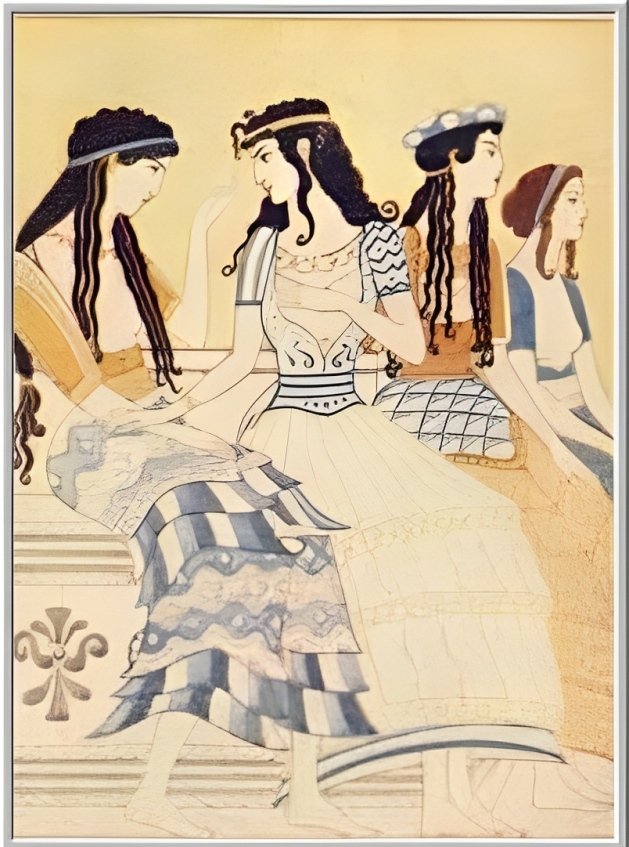
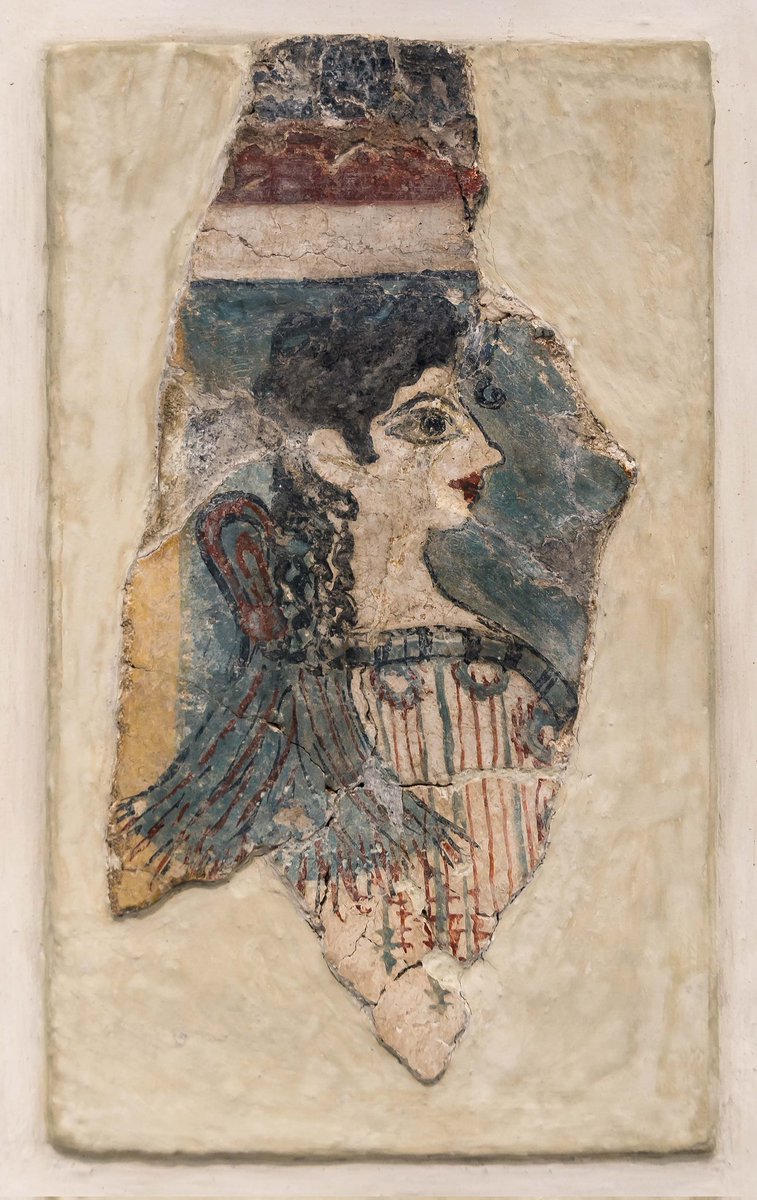
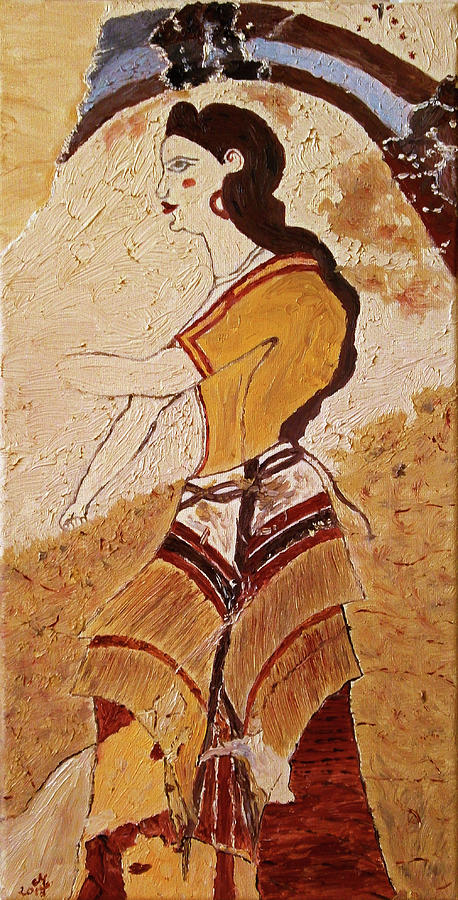
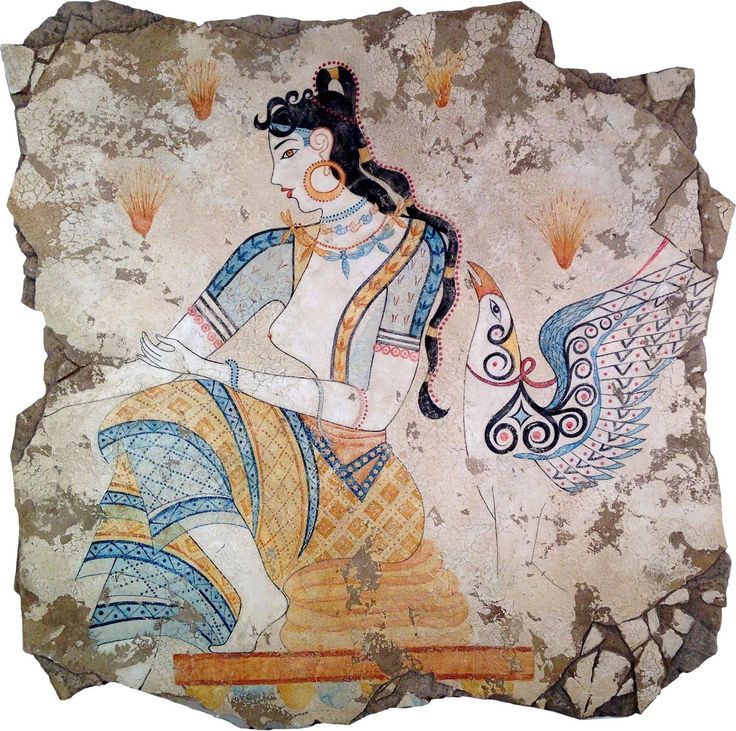
5/ The female figures are distinguished by the elaborate costumes, made of high quality woolen fabrics and the elegant hairstyles, as well as the white color of the skin in the frescoes in contrast to the male figures depicted in reddish brown color (Egyptian style).
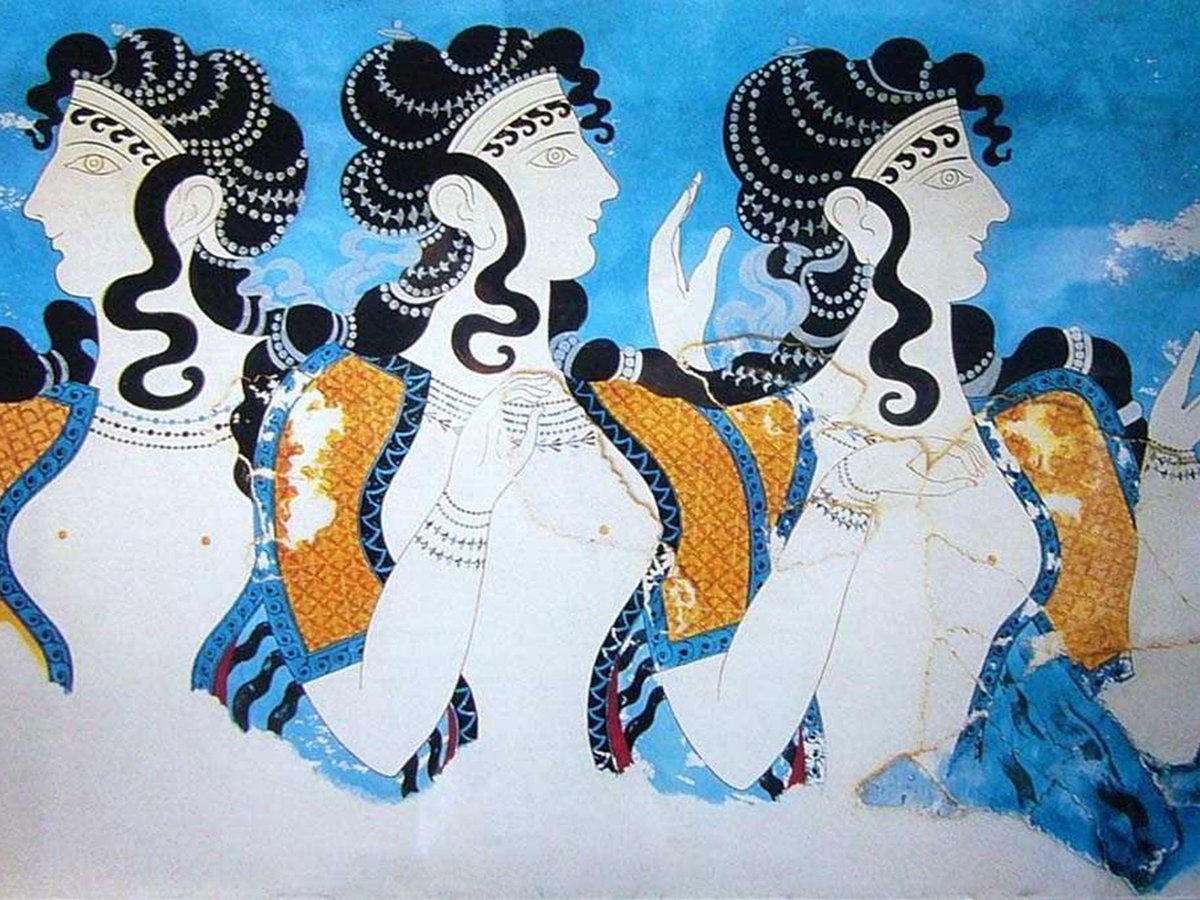
6/ The hairstyles and physical development offer us the possibility of determining the age of each female figure. For example, the replacement of the front forelock by long tresses indicates the transition from the period of puberty to that of sexual maturity.
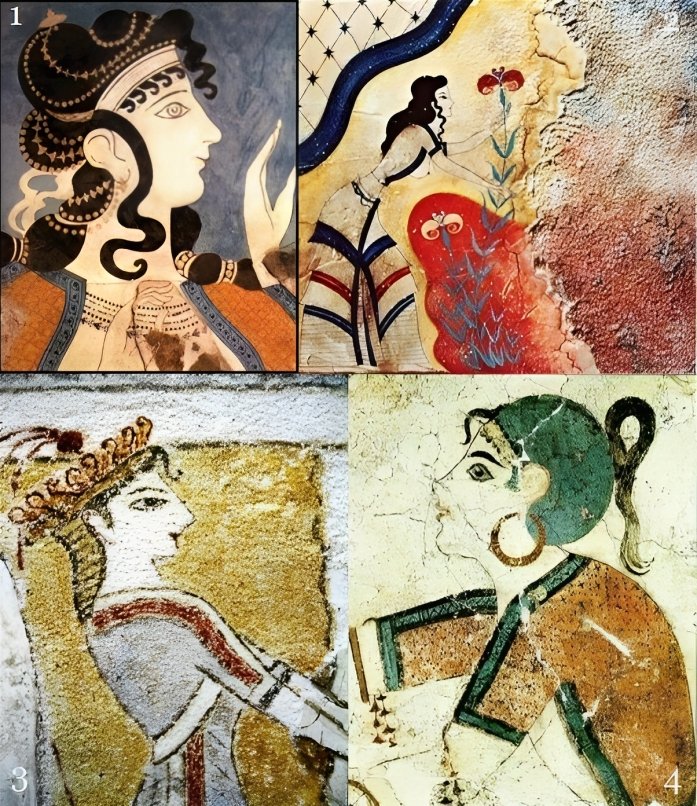
7/ This is how we see in a mural at Xeste 3 in Akrotiri, Thira, young barefoot girls with forelocks and shaved heads collecting autumn saffron in some mountainous part of the island during an institutionalized (sacred) activity and probably in the presence of adult women.
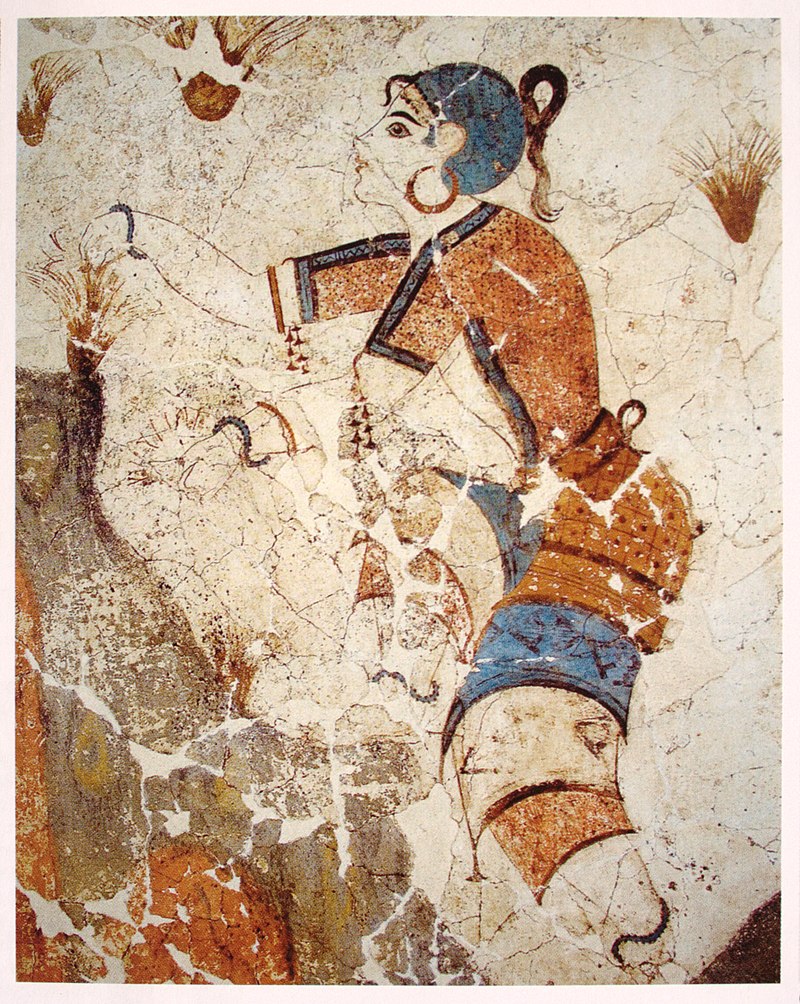
8/ The coming of age of young girls seems to had been passed through several stages with the most critical point being the transition from adolescence to the young woman who becomes a wife and mother. 👉
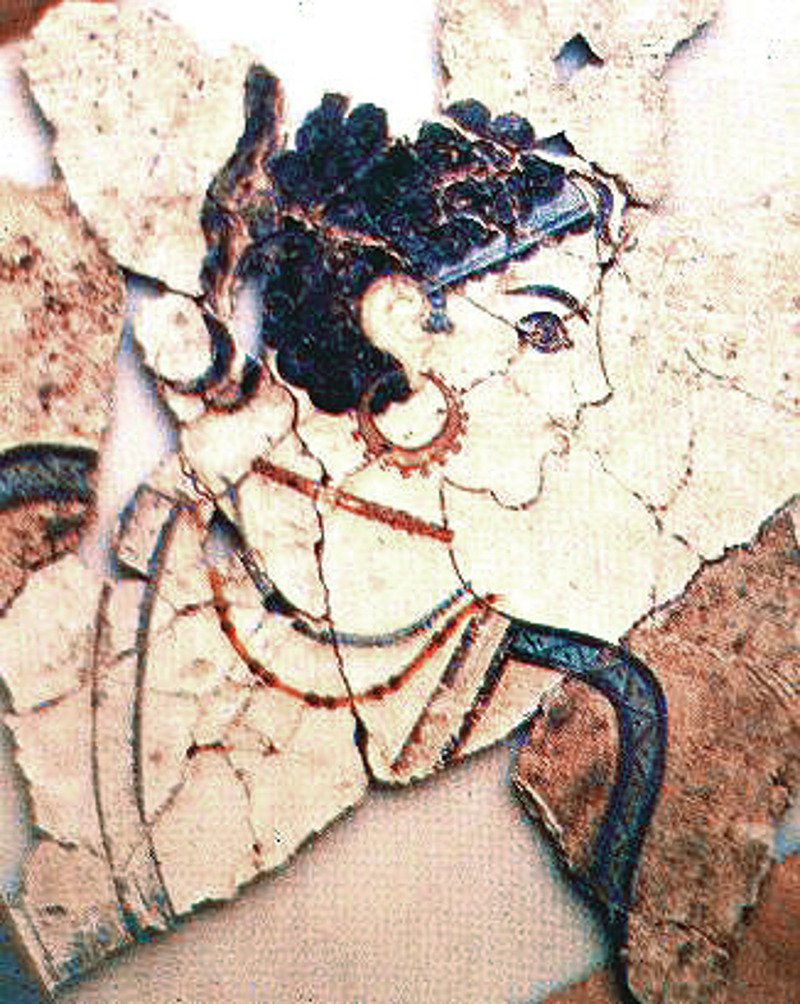
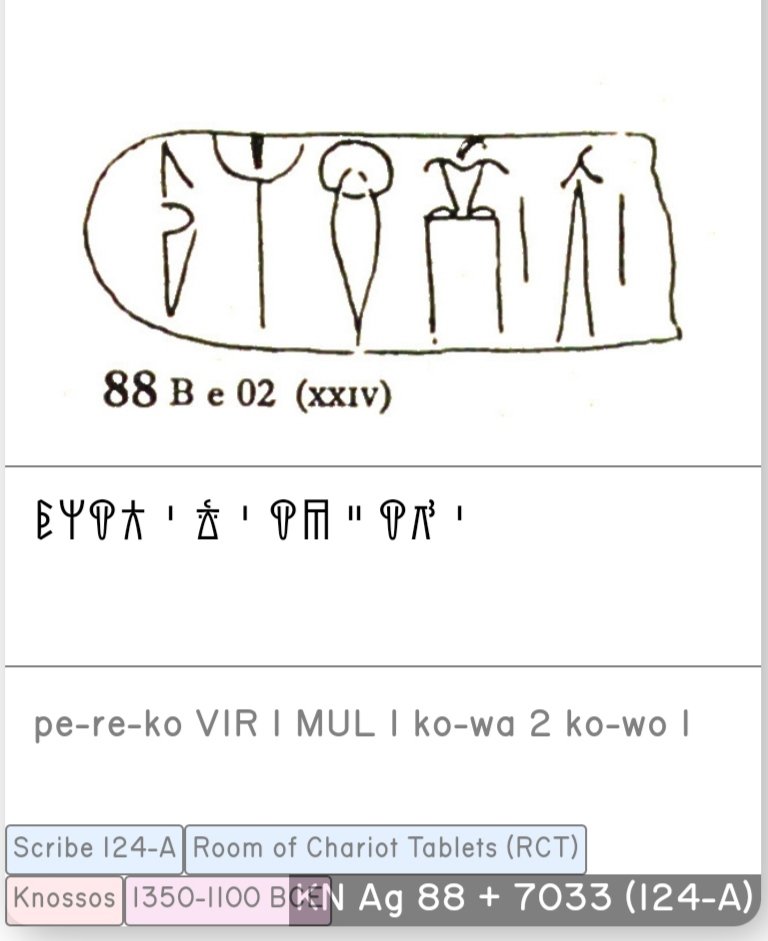
👉 After all, the marriage seems to have been a state-recognized partnership for the purpose of obtaining "legitimate" children (KN Ag 88). The having healthy and large families was a top priority of ancient farming communities.
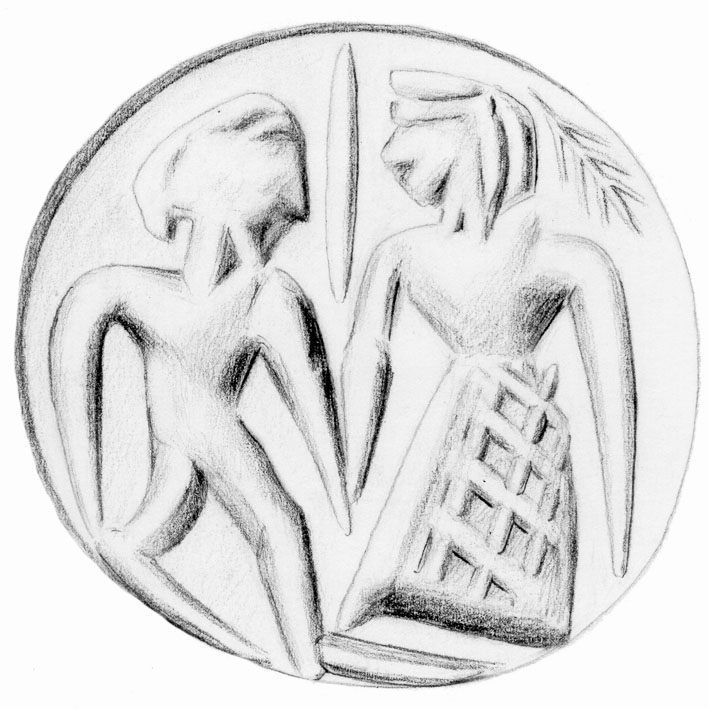
9/ There are various artistic representations of the marriage union in gold finger rings and on a seal from Phaistos, where in all depictions the man and woman are shown standing side by side and in some cases the man is seen holding the woman's hand, probably from the carpus.
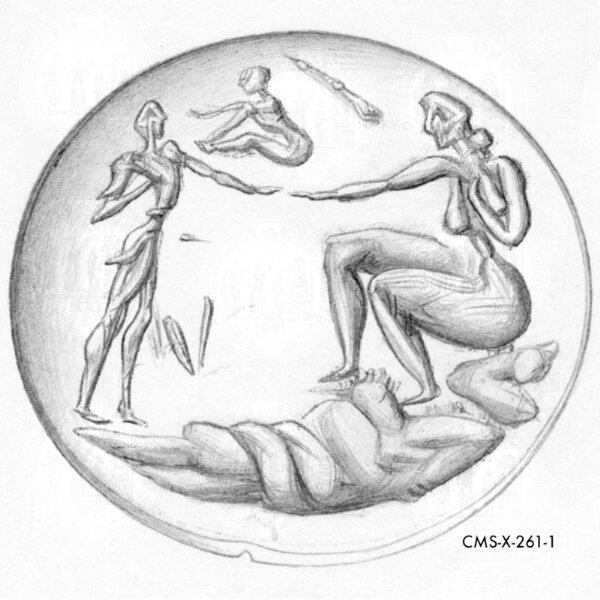
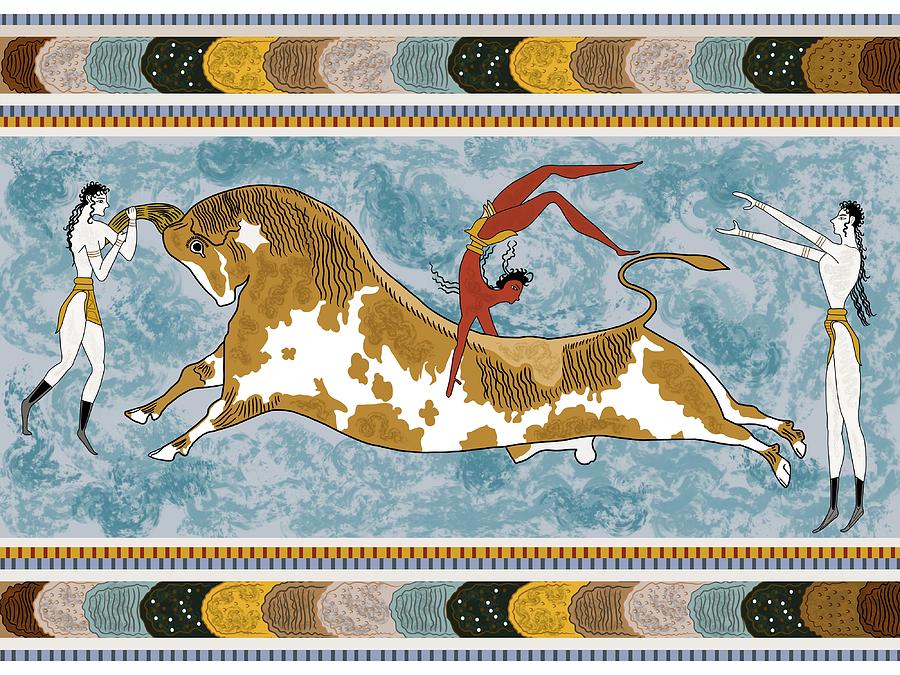
10/ Also an important ritual event of transition from puberty (also of choosing a suitor) was the bull-leaping, in which young girls seem to have participated, who, although wearing exactly the same sports clothing as the young boys, are distinguished by the white color depicted.
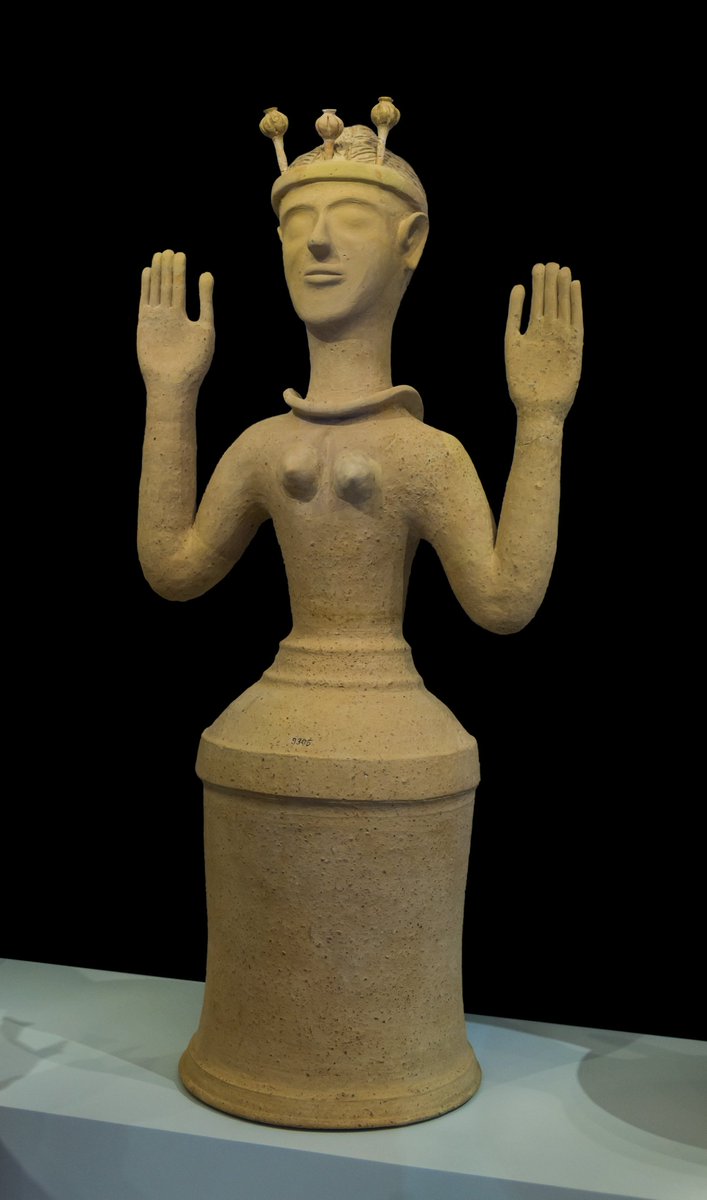
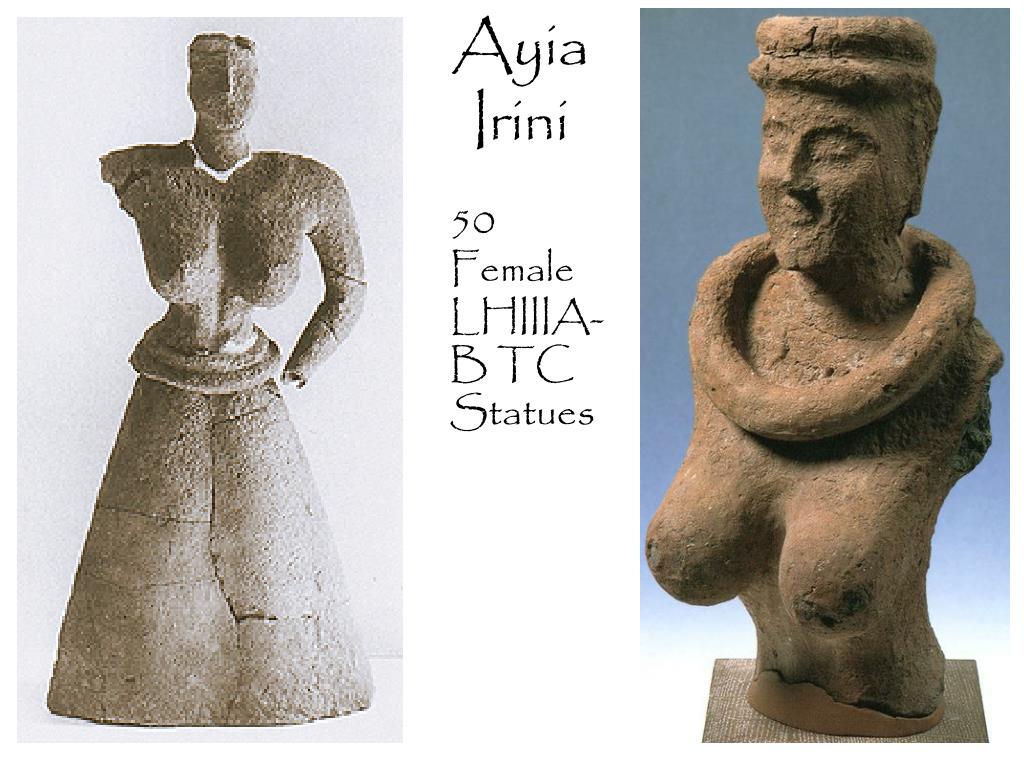
11/ The participation of adolescent girls in religious events and especially in ritual dances must have been another event to attract would-be suitors, such as the bare-chested young female figures from Agia Irini Keos who appear to be participating in a ritual dance.
12/The lack or at best a fairly limited presence of representations related to pregnancy,child birth and breastfeeding is impressive. In general, in Minoan art Minoan women are treated in a more social context, rather than a domestic one (Mother Goddess appears thin and elegant).

13/ The adult women of Minoan Crete wearing the typical female Minoan costume seem to have been distinguished into four social classes according to the female representations in Minoan art. 👉
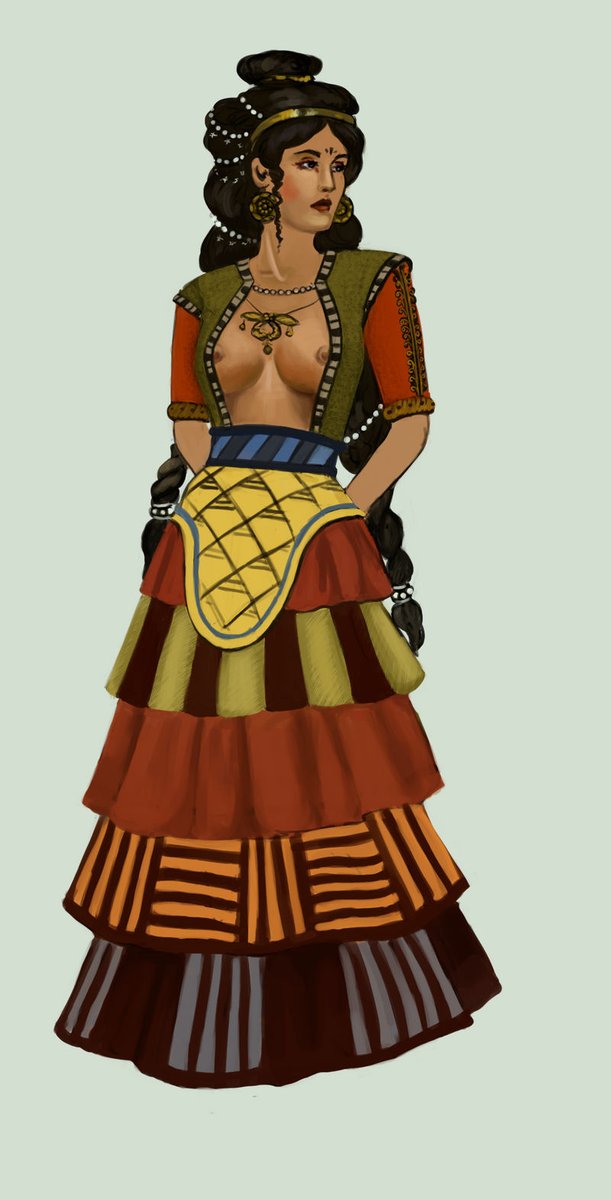
👉 Thus we distinguish the female members of the Minoan elite, those who accompany them (in Mycenaean Greek αμφίπολος = the follower), the great majority of women masses (e.g. workers) and the female members of the priesthood.
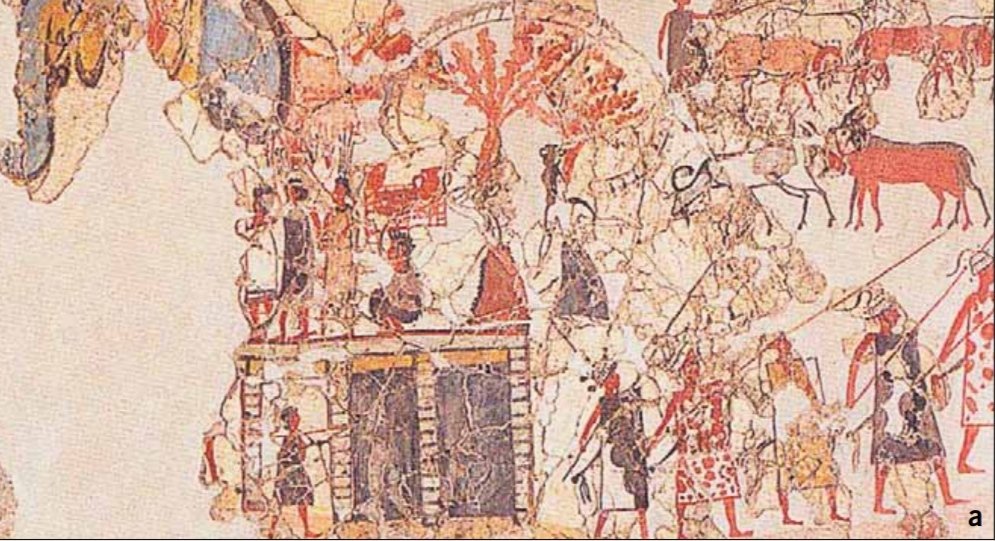
14/ The Minoan women are rarely depicted as working, but we must assume that they had full domestic duties, such as the child rearing, food preparation, weaving and various other manual labours. 👉
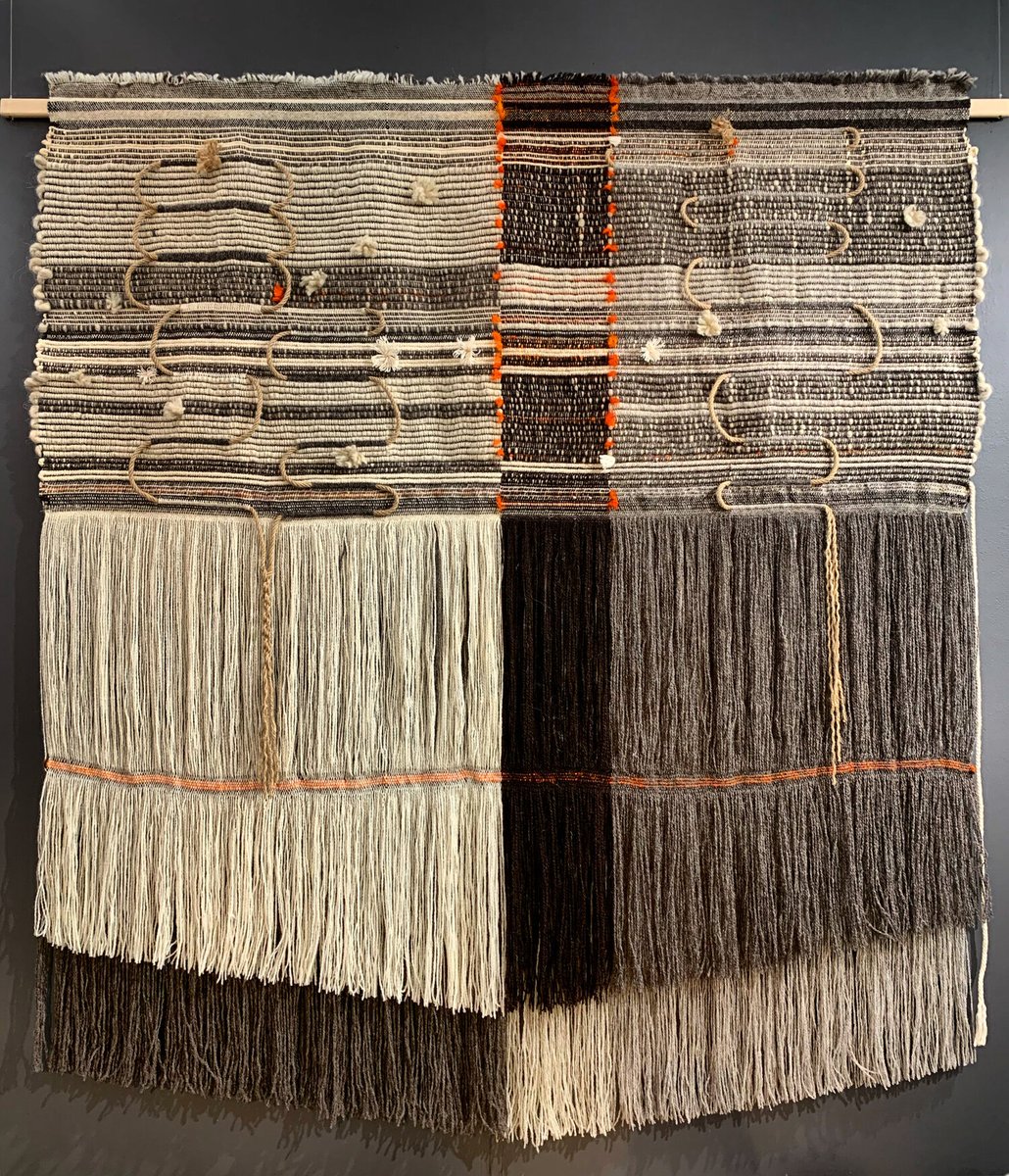
👉 In a deeper role, however, women must have been carriers of inherited female knowledge, such as the birth and upbringing of children (teaching - counseling), food, therapeutics, handicrafts (pottery - weaving).
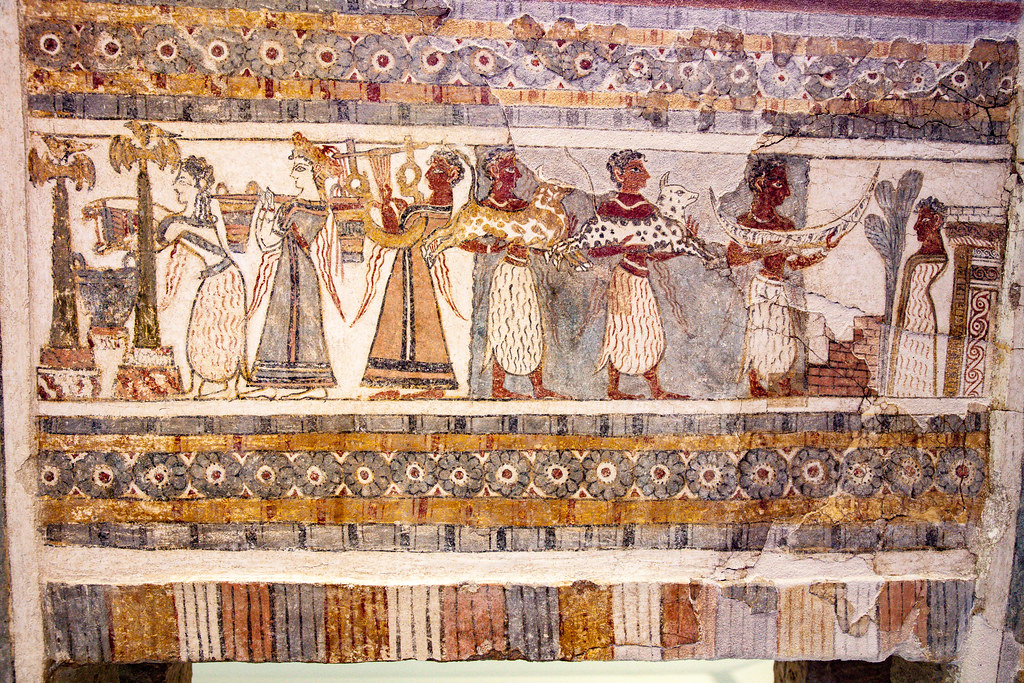
15/ The presence of women in Minoan cult activity is evident in Minoan art, linked to symbolic ceremonies of initiation, maturity and offerings either to the dead or to local deities. The Sarcophagus of the Aghia Triada is a typical example, 👉
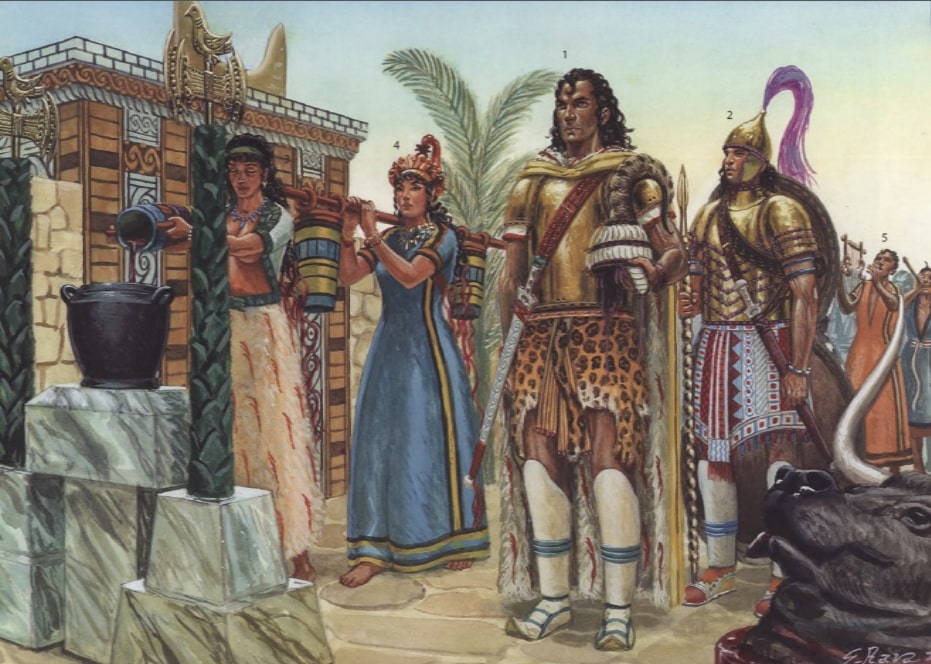
👉 where in a ritual procession we can see elite and low-class women together with male figures who all have a distinct role in the whole cult activity, while above the altar stands a woman, who performs a sacrifice and looks to have an important priestly and administrative role.
16/ On the other hand, anthropological studies have shown that a typical Minoan woman had a height of around 1.55 m., an average life expectancy of about 28 years with a high mortality between 20-25 years and suffered from various diseases due to poor nutrition.
17/ As in all prehistoric societies there must have been high female mortality during childbirth, but also during breastfeeding due to a weakened immune system. Evidence shows that the daily diet for a typical Minoan woman was marginal for her survival.
18/ In conclusion, the archaeological evidence gives us an image of elite women, who are shown in various depictions, live in their own rooms with bathtubs in Knossos and have elaborate burials, while, on the contrary, low-class Minoan women remain almost in obscurity.

19/ Within this context, elite women seem to have had an advanced role in Minoan society, actively participating in various aspects of social and religious life, with the majority of Minoan women having a hard daily life, revolving around the house and the its adjunct activities.
20/ So, I doubt the various opinions about a matriarchal society, but instead I believe that we are dealing with a patriarchal system based on a matriarchal religion (an aftereffect of Aegean Neolithic beliefs), where both female deities and mortal women played an important role.
• • •
Missing some Tweet in this thread? You can try to
force a refresh