Read on Twitter
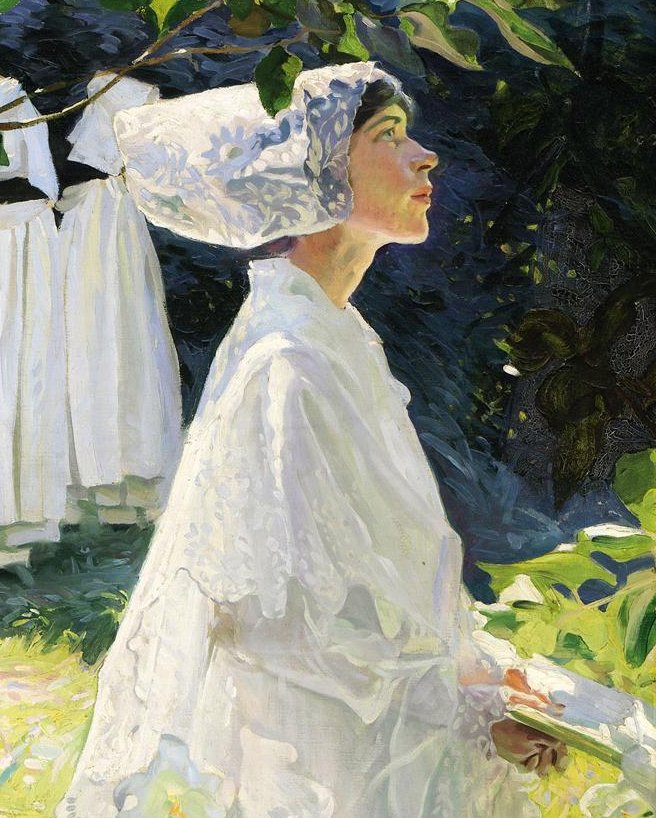
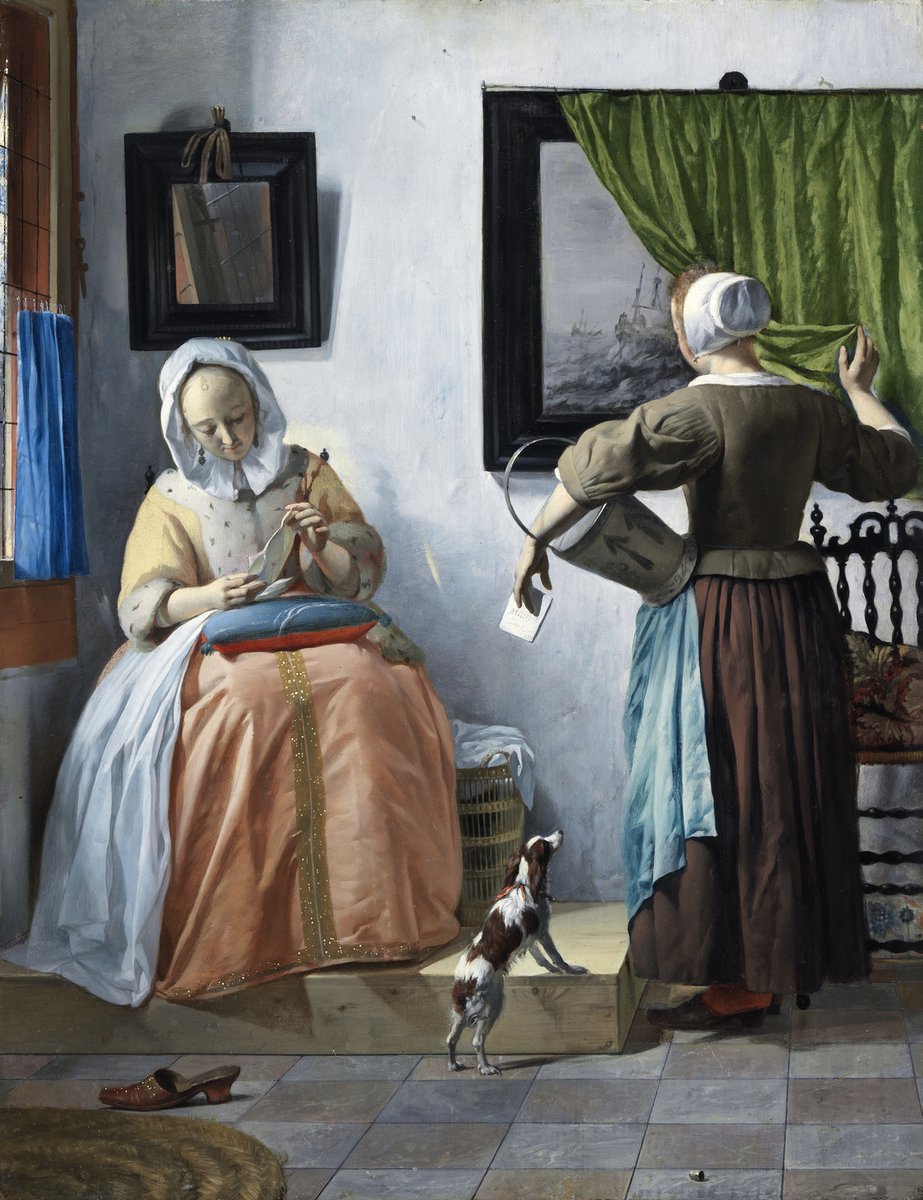
Yesterday was the anniversary of the death of Irish writer George Bernard Shaw and there’s an interesting link between one of his most famous plays, Pygmalion (later adapted into My Fair Lady) and this painting by Sir John Lavery, currently in our exhibition Lavery. On Location.


In 1889 in London, Lavery met, fell in love with, and married a flower seller who went by the name of Kathleen McDermott and claimed to be Irish.
This is one of only three portraits of Kathleen that exists - she died in 1891, six months after their daughter Eileen was born.
This is one of only three portraits of Kathleen that exists - she died in 1891, six months after their daughter Eileen was born.
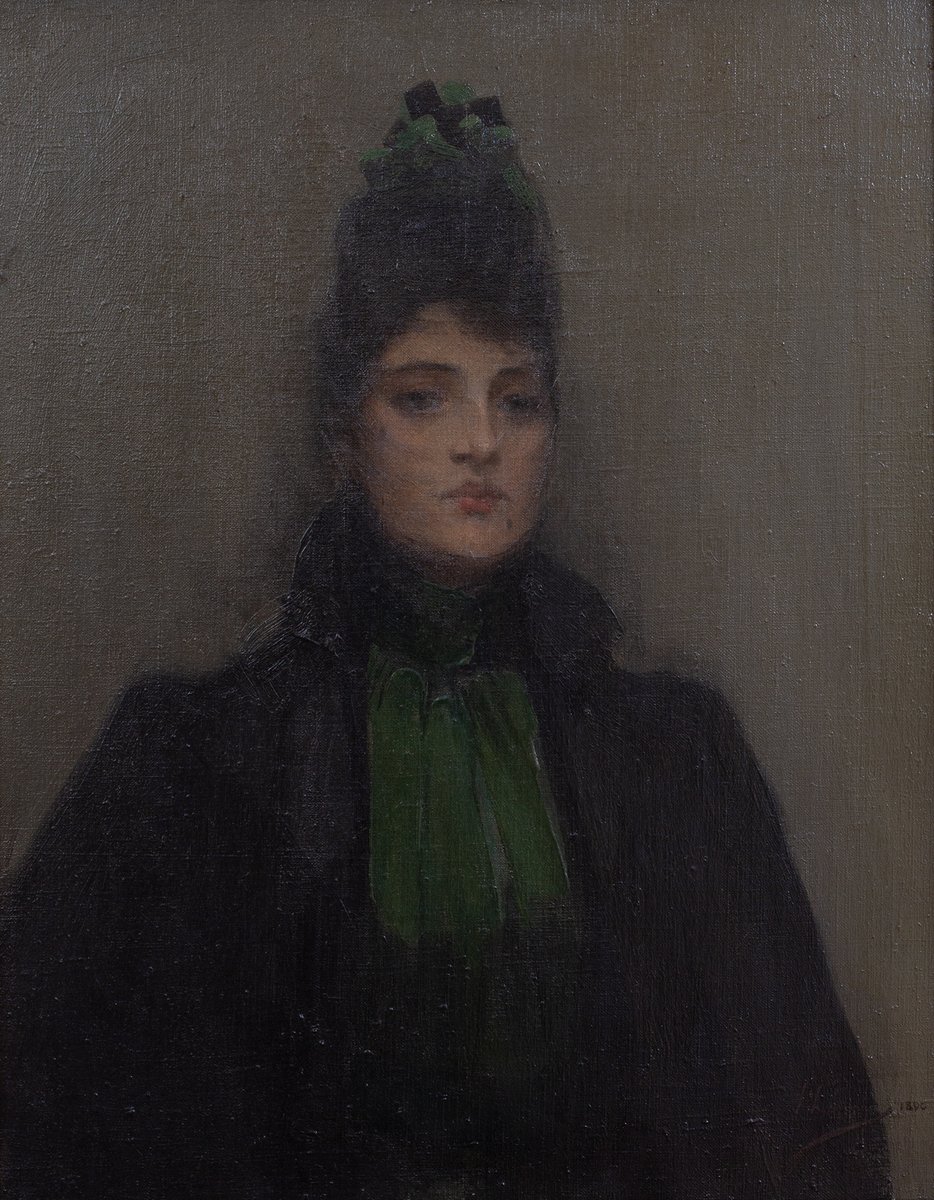
Lavery family legend has it that Shaw appropriated the story of the painter’s attempts to improve Kathleen's lot in life for the character of Eliza Doolittle in Pygmalion.

The story gets more intriguing still - following Kathleen’s death, it emerged that her name was actually Annie Evans, and that she was in fact Welsh rather than Irish!
🎟️Lavery. On Location continues here until 14 January. Booking is highly recommended, Friends of the Gallery and under 18s go free.
This exhibition is proudly supported by @arthurcoxlaw, Exhibition Partnernationalgallery.ie/art-and-artist…
This exhibition is proudly supported by @arthurcoxlaw, Exhibition Partnernationalgallery.ie/art-and-artist…
Images:
1. John Lavery, The Irish Girl, 1890. Private Collection. Photo © Reserved National Gallery of Ireland. Photographer: Karolina Heller.
2. Prince Paul Troubetzkoy (1866-1938), George Bernard Shaw (1856-1950), Author, Playwright and Critic, 1927.
3. My Fair Lady
1. John Lavery, The Irish Girl, 1890. Private Collection. Photo © Reserved National Gallery of Ireland. Photographer: Karolina Heller.
2. Prince Paul Troubetzkoy (1866-1938), George Bernard Shaw (1856-1950), Author, Playwright and Critic, 1927.
3. My Fair Lady
• • •
Missing some Tweet in this thread? You can try to
force a refresh