The best bridges are not just feats of engineering but works of art.
The most beautiful bridges in the world - a thread 🧵
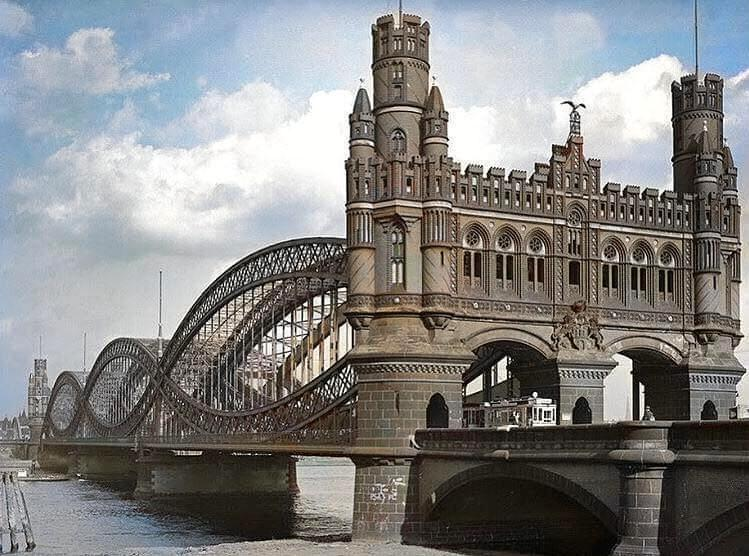
1. The original Neue Elbbrücke Bridge, Hamburg, Germany (1887) - its neo-Gothic gateways were tragically removed in 1959 to widen the bridge.
The most beautiful bridges in the world - a thread 🧵
1. The original Neue Elbbrücke Bridge, Hamburg, Germany (1887) - its neo-Gothic gateways were tragically removed in 1959 to widen the bridge.
2. Liberty Bridge, Budapest, Hungary (1896, rebuilt 1945)
A marvel of Art Nouveau design which connects Buda and Pest across the River Danube. It sustained heavy damage during WW2 but was rapidly rebuilt.
A marvel of Art Nouveau design which connects Buda and Pest across the River Danube. It sustained heavy damage during WW2 but was rapidly rebuilt.

3. Charles Bridge, Prague, Czech Republic (1402)
Perhaps the most beautiful medieval bridge still standing, decorated with 30 Baroque-style statues of saints. It stretches across the Vltava River, connecting Prague's Old Town and Lesser Town.
Perhaps the most beautiful medieval bridge still standing, decorated with 30 Baroque-style statues of saints. It stretches across the Vltava River, connecting Prague's Old Town and Lesser Town.

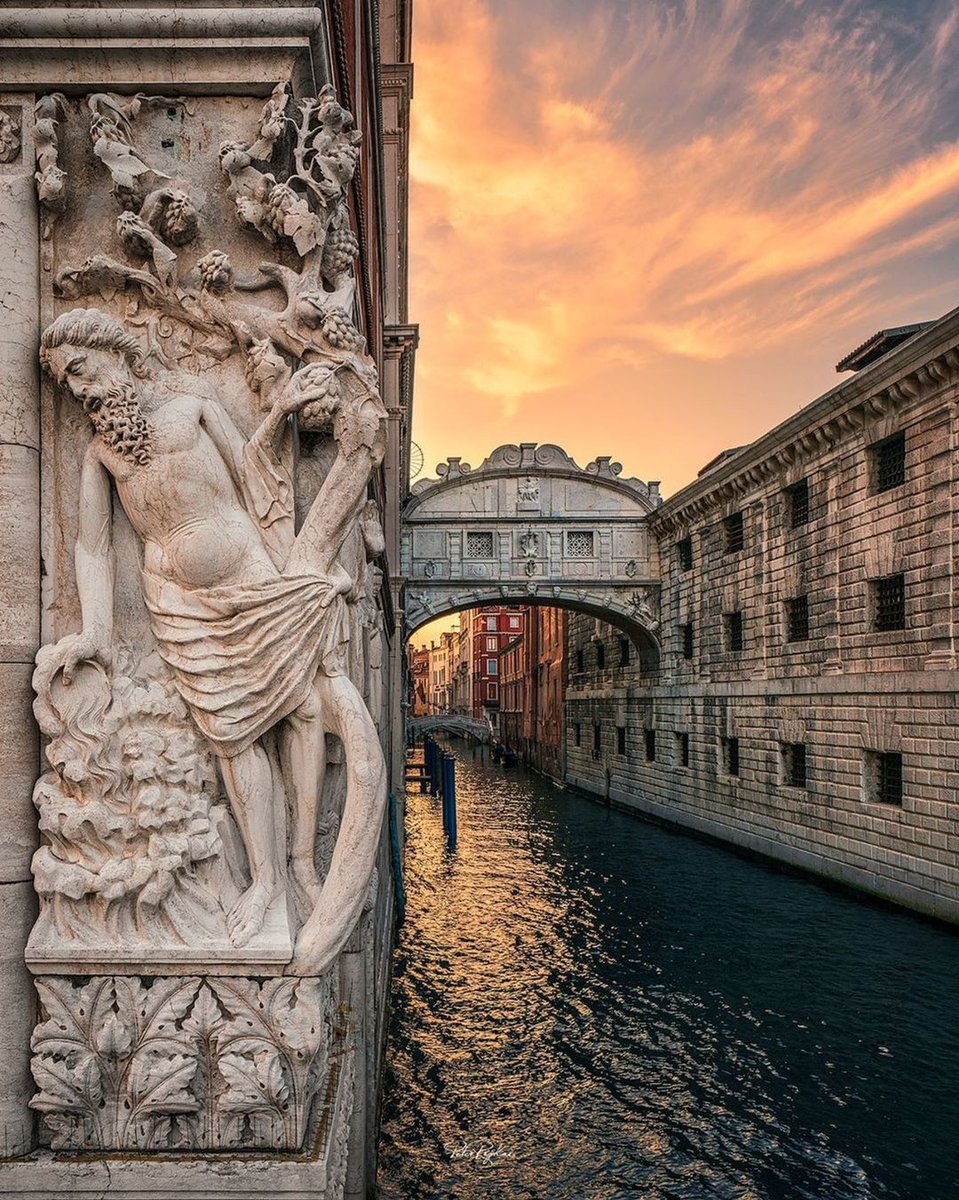
4. The Bridge of Sighs, Venice, Italy (1603)
The enclosed white limestone bridge connects the New Prison to the interrogation rooms of Doge’s Palace. It was named after the despairing sighs of prisoners, gazing at Venice's beauty from its windows.
The enclosed white limestone bridge connects the New Prison to the interrogation rooms of Doge’s Palace. It was named after the despairing sighs of prisoners, gazing at Venice's beauty from its windows.
5. Stari Most, Mostar, Bosnia and Herzegovina (1566, rebuilt 2004)
An example of Balkan Islamic architecture, it's named after the bridge keepers (the mostari) who guarded it during the Ottoman era. It was destroyed during the Croat-Bosniak war in 1993 and completely rebuilt.
An example of Balkan Islamic architecture, it's named after the bridge keepers (the mostari) who guarded it during the Ottoman era. It was destroyed during the Croat-Bosniak war in 1993 and completely rebuilt.
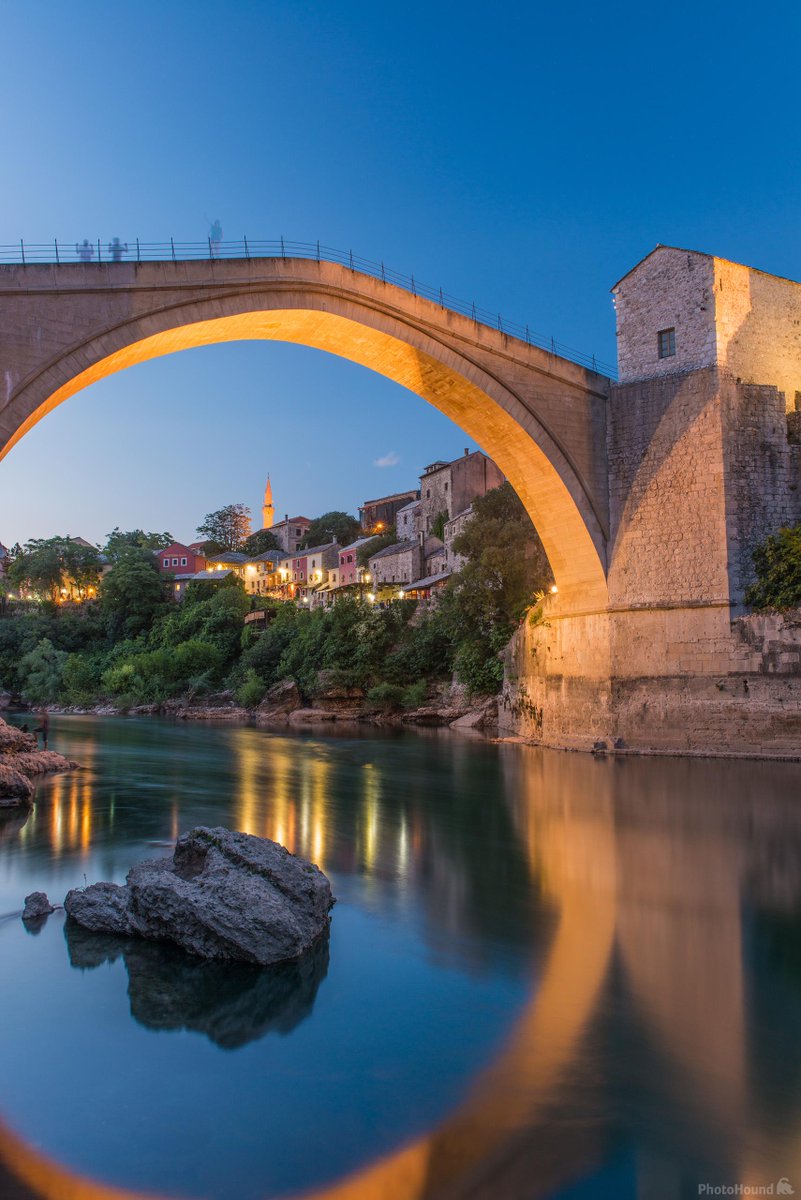
6. Pont Alexandre III, Paris, France (1900)
A deck arch bridge across the Seine, built in the Beaux-Arts style. Decorated with Art Nouveau lamps and crowned with four winged horses atop its 17 metre-high pylons - representing the Arts, Sciences, Commerce and Industry.
A deck arch bridge across the Seine, built in the Beaux-Arts style. Decorated with Art Nouveau lamps and crowned with four winged horses atop its 17 metre-high pylons - representing the Arts, Sciences, Commerce and Industry.

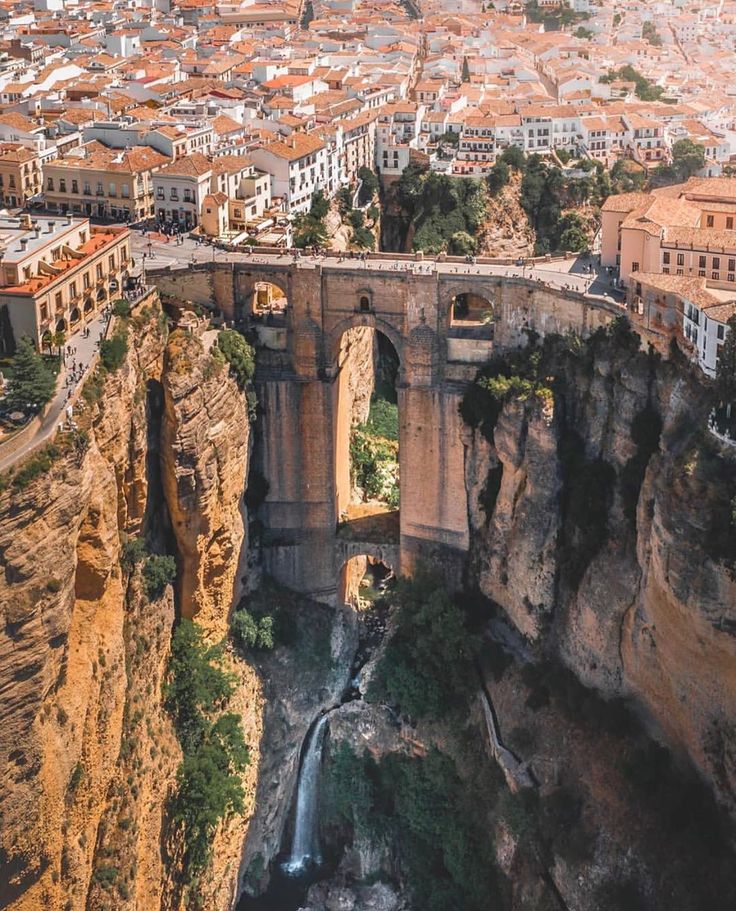
7. The Puente Nuevo, Ronda, Spain (1793)
A spectacular bridge crossing a 390 ft chasm of the Guadalevín River in southern Spain, connecting the town of Ronda. The chamber above the central arch was once used as a prison and torture chamber.
A spectacular bridge crossing a 390 ft chasm of the Guadalevín River in southern Spain, connecting the town of Ronda. The chamber above the central arch was once used as a prison and torture chamber.
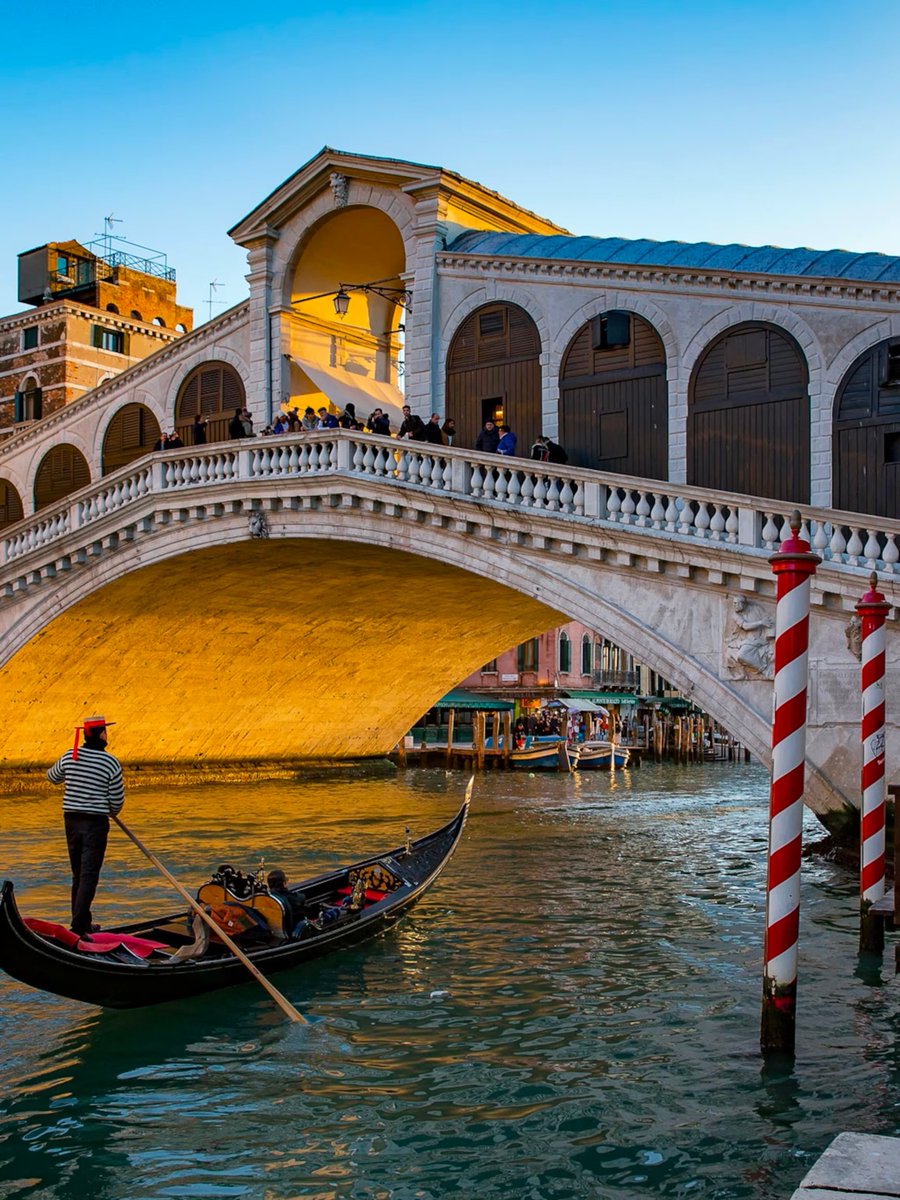
8. The Rialto Bridge, Venice, Italy (1591)
A masterpiece of Renaissance architecture, spanning the famous Grand Canal in Venice. Venetian architect Antonio da Ponte designed it, after beating some of the finest designers of the day to the contract, including Michelangelo.
A masterpiece of Renaissance architecture, spanning the famous Grand Canal in Venice. Venetian architect Antonio da Ponte designed it, after beating some of the finest designers of the day to the contract, including Michelangelo.
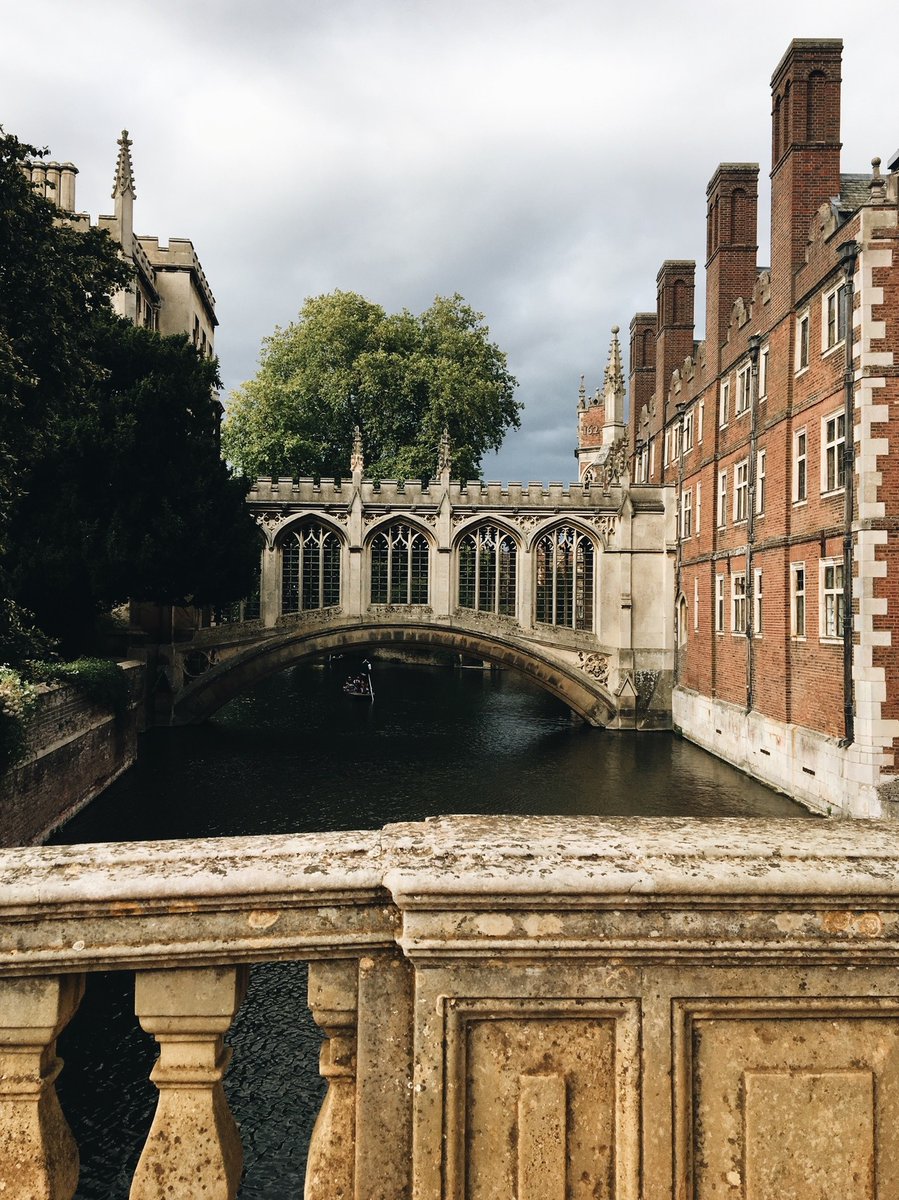
9. The Bridge of Sighs, Cambridge, England (1831)
A covered bridge crossing the River Cam at St John's College, named after the iconic bridge in Venice. It is said to have been Queen Victoria's favourite spot in all of Cambridge.
A covered bridge crossing the River Cam at St John's College, named after the iconic bridge in Venice. It is said to have been Queen Victoria's favourite spot in all of Cambridge.
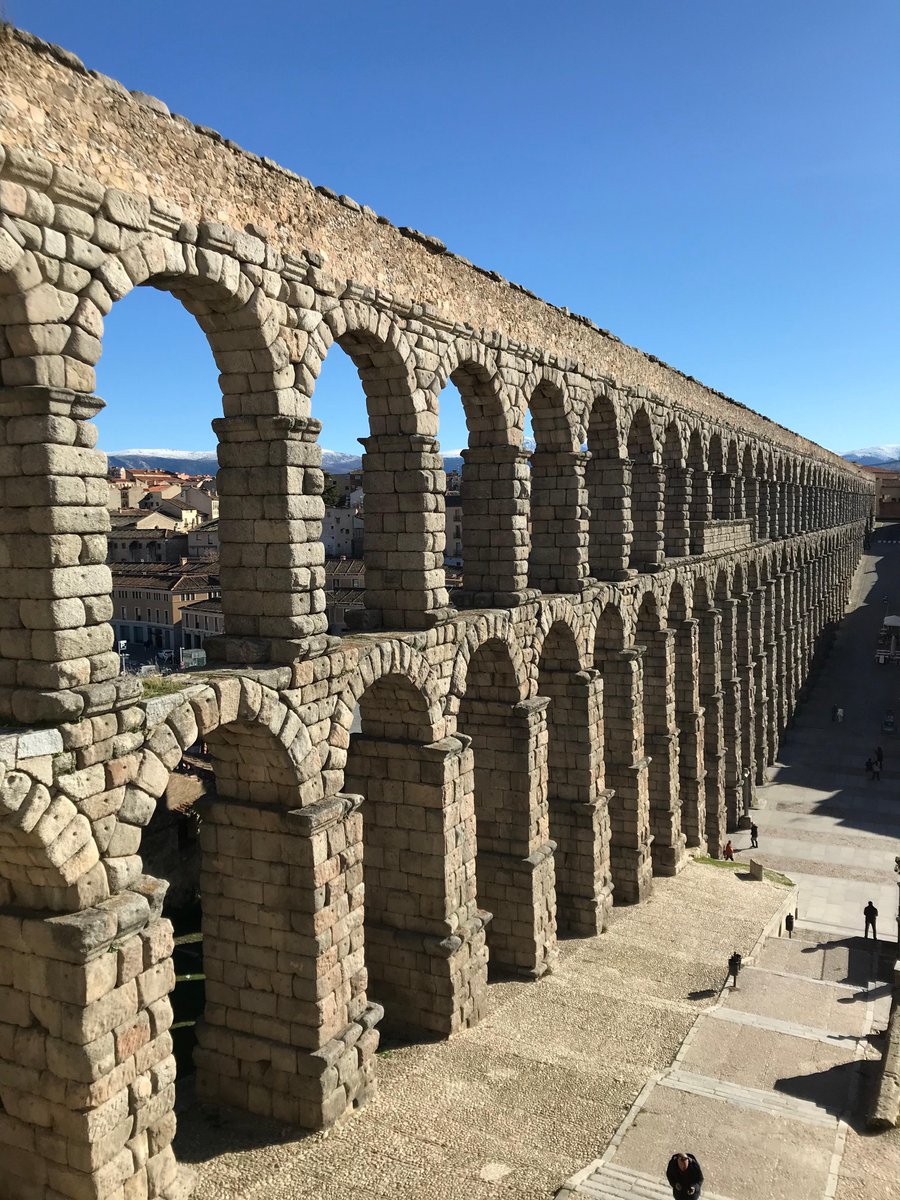
10. The Aqueduct of Segovia, Spain (c.50 AD)
A Roman engineering marvel, held together in perfect balance by gravity (no cement or mortar holding the stones together) for two millennia - each stone is perfectly shaped to fit tightly with the next.
A Roman engineering marvel, held together in perfect balance by gravity (no cement or mortar holding the stones together) for two millennia - each stone is perfectly shaped to fit tightly with the next.
• • •
Missing some Tweet in this thread? You can try to
force a refresh