The flaccid asexual emptiness of millennial culture is the direct result of cohabitating male and female friendships in a middle to lower class environment which possesses none of the aristocratic eccentricities to normally justify mixing women and men together in a platonic environment.
When manifested in the office drone white collar/service industry crossover of the average millennial urbanite, you get a facade of equanimity masking a sneering underlying bitterness and hostility. “But Scorch everyone’s just vibing out! What’s your problem, let people have fun chill out!”
No.
I’ve been balls deep inside of the average The Office tier Target furniture core marketing degree craft brewery barcade social circle via the barren womb of an anxiety medicated birth control ex-girlfriend’s friend group. I’ve looked these people in their swollen SSRI faces and seen the bare traced vestiges of what was once a soul. It’s a natural fact that the men in such a friend group are either:
A: Normal dudes quietly bored but playing nice because they’re someone’s boyfriend
B: Beyond unbelievably pussywhipped soft betas who haven’t acknowledged unrequited feelings for one of the girls
C: Closeted or uncloseted homosexuals who may have been MKULTRA’d into a sodomite lifestyle from living the real life equivalent of a sparkling water commercial diverse friend group for over decade
These people are not having fun, every group I’ve ever encountered that does this cringe shit is populated by people who all constantly complain about how depressed and anxious they are while making ha ha ironic jokes about wanting to die, living timid trembling lives with little to no jouissance.
The millennial is arguably the most unfortunate generation in recent history. They represent the apex of a devastating culture war and the most direct results of spiritual castration with the least amount of pushback antithesis elements among their ranks.
Besides the obvious insufferable premise of an entire performative event being built around a shitty pun turning into the accidental idolization of a mutilation blood sacrifice cannibal child rapist reptilian adrenochrome junkie, the video is just one of many seemingly inconsequential irritations that the average millennial presents. Theirs is a world of nagging rationalizations and pseudo sensibilities. Sometimes you need to take a step back and trust your gut instinct. The only thing standing in between you and the total domestication of your bloodline into the human equivalent of a Labradoodle is your ability to say “Nah this shits gay” and not be crucified by your entire friend group for it.
The murmuring Millenial male who goes along with the soft Human Resources tier lululemon longhouse of burgeoning mids in his Bumble built friend group is the modern eunuch. If you’re a young man and your friend group does shit like this and you’re enjoying yourself then by all means discard this entire post as some wackadoodle rant from a bitter incel or whatever, live your life and be happy.
But if you’re in a friend group that does shit like this and you feel some resonance with what I’ve said, if you’ve known the quiet turbulence of bored rage listening to the forced wine drunk laughter of your 400th session of Cards Against Humanity, then for your own sake, please free yourself.
If you’re charming and have good taste, take absolute control of your friend group and filter it down into something meaningful.
If it’s too far gone or you’re not capable of that, slowly cut yourself off. Pursue something meaningful, make more money, become stronger, faster, more violent, seriously learn a new skill. You are WASTING your TIME.
If you’re a young woman, stop wearing spandex, never watch another episode of Friends again, don’t smoke weed, don’t take SSRIs, don’t take melatonin, don’t take birth control, gay guys aren’t your friends, and if you don’t have other female friends it’s because something is wrong with you.
Thousands of people read this and liked it, trying to say "nobody read this" is colossal cope. If your default response to a large body of text is getting heated about words, you should actually have your phone and computer smashed into a brick wall and be thrown in a cobalt mine to labor until you expire. You were NEVER meant to be allowed to learn how to read, your ancestors were SLAVES.
If the actual content of this post made you angry or upset in any way, you need to understand the following:
- I am better than you
- I am smarter than you
- I am more attractive than you
- I am happier than you
- I am stronger than you
- I am faster than you
- I am more violent than you
- I am more successful than you
- I am more fulfilled than you
- I have more friends than you
- I have more charisma than you
- I have more money than you
- This post took me five minutes to write
- I am right about everything
If you liked this post, ayyy what's up lmao
• • •
Missing some Tweet in this thread? You can try to
force a refresh

Okay, look, the 100 man vs gorilla thing is extremely simple if the parameters are defined.
Setting: Concrete room with enough space for all parties with ample room for navigation, fluorescent light high ceiling, no tools beyond basic clothing and flat prison shoes.
Two possibilities:
1 - Normal humans vs normal male silverback gorilla
2 - Inhumanly cooperative and sacrificially determined humans vs goal oriented deliberate murder gorilla
Scenario 1, realistic behavior:
Starting on opposite ends of the arena, the sheer amount of people will alarm or at least discomfort the gorilla, along with the unnatural artificial environment.
The humans will each have an individual apprehension towards the gorilla and not want to be the ones who get dismembered. The most crucial element of this scenario is whether there is one or more strong leaders who are capable of organizing the group and maintaining control over the horde.
If such leaders exist, with some basic knowledge of gorillas (80% chance at least one person has watched a YouTube video explaining gorilla charge bluffs and the necessity of calmness) then they can organize into groups of 10-20 men at a time to act as vanguards for the entire group.
There may be a crucial moment of establishing dominance, where the gorilla could eventually find itself trapped by circumstance and attempt to charge the group, either out of desperation for freedom or to determine some primate social hierarchy. This is the most important stage to pull off. If the humans can control their fear and stand their ground, the gorilla will back off. If not, they will get scattered and the fight will devolve into a chaotic version of Scenario 2 but with less active participants and more casualties.
In this instance, humans eventually win as the gorilla will overheat itself and exhaust quickly within ten minutes, being stomped and attacked into a state of disrepair. While physical damage may not be completely substantial, the shock, overheating, and pummeling into exhausted collapse will incur enough trauma that the gorilla will eventually be unconscious. From this point, the humans can use the concrete floor and combined effort to bash the gorillas skull, cause organ damage, orient its limbs and jump on them to attempt breaking its elbows and knees backwards, snap its fingers backwards, break its teeth off, gouge out its eyes etc. Through repetition, cooperation, and ongoing effort, they will kill the gorilla either through internal bleeding or disabling it to a point of immobility.
If this does not occur, the humans can slowly starve the gorilla. Through cycling guard duty and sleep, the humans can withstand starvation by conserving energy longer than the gorilla can. If they are hardy and determined, they can quickly cannibalize the dead if any should be killed by the gorilla. Likely outcome would be a combination of these two scenarios, several days and weeks of attrition followed by a sudden chaotic fight in which approximately 20-40 people either die or are injured but ultimately succeed.
Scenario 2, deliberate combat from both parties at maximum effort:
Immediate charge and rush brawl, humans swarm gorilla. At least two people grabbing onto each limb. Several people manage to grab onto the mouth and pry it open, one man shoves his arm down the gorillas throat suffocating it to death while others gouge out its eyes. Gorillas testicles are stomped, grabbed, twisted, and crushed. Gorilla eventually rendered unconscious, similar treatment to prior fight scenario, broken limbs, trampled into internal bleeding, etc.
Fight would last no longer than 20 minutes, gorilla incapacitation likely to occur within five minutes, less than 15 full deaths but much higher rate of injury.
Worst case scenario - Determined gorilla vs panicky normal humans:
Up to 75 dead, likely less. Gorilla exhausts itself to collapse through consistent exertion, frightened human survivors finish it off.
How long would the starvation method work? Idk, for some reason there isn’t much data out there for how long it takes to starve gorillas to death. It doesn’t have a food source in the room, the human beings technically do.
What if it wasn’t a concrete room but a jungle environment? This experiment has already been carried out, it’s called life on Earth and humans won that one already.
Timeline for attrition speeds up rapidly without a source of water. Quicker human victory within 5 days but possibly ~60-70% total dead simply through dehydration. Likelihood of combat before then increasing out of desperation to escape the arena.
Besides the obvious implications of a crumbling economy putting a stranglehold on the average consumer, the service industry has always been a bubble waiting to burst.
The entire foundation of working in service is built upon replicating the experience of aristocratic dining where every aspect of logistic necessity is removed from the act of preparing and consuming food. A majority of society for a majority of history has had to contend with these basic logistic necessities. The ingredients need to be procured, the food needs to be cooked, the eating environment needs to be set, and the mess needs to be cleaned afterwards. While variations and communal context varies, traditionally a matriarch performs the cooking within a single household unit, ingredients either literally or symbolically procured by the patriarch through provision, and both setting and cleaning either being performed by her or shared among the family as a duty.
What makes this different from being rich and having servants is that you’re taking the responsibilities away from those participating in the dining experience. A chef procures the ingredients and cooks the meal, servants set the table, servants serve the food, servants clean up the mess, and servants wash the dishes. Every participant of the actual dining experience is completely unburdened by the laborious necessities, free to enjoy the act of eating itself with as little imposition on their time and energy as possible.
However, because of this, those raised in wealth are given a strict standard of etiquette to follow with a higher form of ritual. The spiritual health of a society is both affected and indicated by the basic social rituals within a few key elements of the human experience. You can judge a people by the standards of certain activities they perform, including how they solidify marriages and therefore families, how they dispose of their dead, how they handle disputes, and most notably, what rituals they perform when eating.
The specific rules of etiquette exist as a function of acknowledging the presence of others and performing basic acts to reduce as much sensory imposition as possible. Belching is rude because it sounds disgusting, napkins are placed on the lap, not the table because it’s unpleasant to see food stains on them, elbows stay off because it shakes the table and disturbs other diners. In a high class environment, the act of eating itself is always relegated as a vehicle for the social element of dining. All of human history signified the act of breaking bread as a ritual of enhancing communication, understanding, and social bond between two individuals. The rich have learned that eating the food itself is never the focus of dining in company. The food is merely a vehicle for continual participation in ensuring your place in this world and working towards elevating your position in the hierarchy of those around you.
This is why it’s traditionally polite to never fully finish a meal. First it’s a function of abundance. To eat to completion is a symptom of scarcity, acting out of fear of starvation which is incongruent to living a life of means where there will always be more food available than you could ever hope to consume entirely. But furthermore it’s an expression of self control, all etiquette is. Etiquette itself is the act of enforcing both self control and focus on acknowledging those around you through followable mutually understood rules. Secondly, leaving leftovers fulfilled a function of rewarding the servants. They would always eat whatever wasn’t used, enjoying decadent meals which they otherwise wouldn’t have access to were it not for their position.
In many ways, the servant living in the palace, having families alongside their masters family, eating their food, and so forth created a symbiotic relationship. All of these dynamics were mimicked in the creation of the modern dining experience, an inevitable folly serving towards its own downfall.
The modern dining experience began as a process of mimicking the dynamic of having servants. Someone seats you, someone serves you drinks, someone serves you food cooked by a chef, someone cleans up the table after you, and someone washes the dishes. Your only responsibility as the patron is to compensate for the food and service at the end of the meal. The concept of public dining is ancient, the thermopilia, the inn, tea houses, taverns, cookshops, bodegas, etc. Historical context varies but a significant amount of these public dining establishments would cater to the lower classes, often combining services with alcohol, prostitution, and gambling.
The French conceived of the modern “restaurant” in the late 18th century, the specific dining format described here, a simulation of having servants, chefs, access to an elegant dining hall, and a choice wine cellar. The revolution would disenfranchise many nobles, leading to the creation of many more restaurants across France and spreading throughout the world eventually.
Until the 20th century, having the title of “restaurant” would imply an experience elevated beyond simply having a bowl of slop handed to you at a bench or a table. The dining experience was still for the wealthy and many of the same expectations of etiquette would be expected of the customer. Restaurants would be iconic places of status, judged shrewdly by an elite class while becoming a social arena for them, places where empires could rise and fall, multimillion dollar deals hashed out onto cocktail napkins.
The inherent problem of the restaurant model compared to being served formally was the lack of privacy and the emotionally incongruent act of paying at the end. The former was managed by the highest possible emphasis placed on seating and architecture. An ideal restaurant creates a little world for each table where the background is reduced to a minimum, both visually through alcoves, walls, separators, etc and acoustically. The latter issue, payment, is a bit more complex.
The payment portion of the dining experience is the most jarring. Anyone who’s worked in the service industry can tell you how consistently and curiously patrons will behave one way the entire evening and then the mood will quietly shift when the check comes out. As if some flip has switched, the patrons are suddenly reminded of the realities of the world. The check symbolizes the cessation of festivity and a reminder of the dividing line between them and the server. They suddenly are forced to acknowledge a position of hierarchy, accept an imposition of need, and reconcile with the possibility that any rapport they’ve possibly built with their server was a completely manufactured experience.
All of these factors were kept to a minimum in the traditional servant-master dynamic. The question of pay was most certainly kept far and away from the act of dining, and the mark of a good servant or butler is defined by how invisibly they can perform their functions. Any good server should be trained in this art, understanding that the diners do not give a shit about you. A good server completely occupies an existence built around predicting and silently fulfilling the needs of their patrons with as minimal interruption to the intended dining experience as possible. If the customers have some need of socializing, a good server detects and fulfills that function, a great server finds a way to make that be or at least feel like a genuine human connection, much like a good prostitute makes her clients feel like she genuinely loves them.
The act of serving well factors into a variety of skills which were performed at their highest during the invention of the modern dining experience, where servers would have had all the same training, standards, and etiquette of an actual servant. With time these standards could only have fallen as they did because the model of a restaurant is incongruent to the thing it tries to imitate.
It was an inevitability that restaurants would receive their downfall as they did. Boulanger’s restaurant concept was a step away from the conceptual ideal of what fine dining is. Fine dining by its nature is a wasteful experience. It is an abstract need for metaphysical fulfillment in the act of enriched socializing among wealthy people who can afford it as a luxury.
Public dining is not owned by any individual patron, its perpetuation is upheld by capitalistic forces. As a result there will always be a powerful force tugging the model of a restaurant closer to the most efficient mechanism of delivering food to the public as efficiently as possible. This means more asses in seats, more seats crowding the venue, cheaper food, greater appeal to a common denominator, cheaper staff, plainer decor, dirtier environment, so on and so forth. Every change made incentivized by a need to cover overhead reduces the necessary elements of having a proper fine dining experience.
The restaurant was once a place you were forced to dress up for. It was a symbol of exclusivity distinctly separated from the connotations of public eating available to the masses. The distinction was codified into the name itself. If you didn’t have certain basic facets you couldn’t properly call yourself a restaurant. Most places you would go to now and call a “restaurant” actually fall into the category of public dining.
This extends beyond mocking obviously cheap franchises like Applebees or Olive Garden. Rather, even places most people would consider “fancy” or “high end” fail to fulfill very basic procedures such as cleaning crumbs off of the tablecloth, replacing all silverware between courses, making sure acoustics do not drown out conversation, having professional attentive polite staff, so on and so forth.
Truthfully, even if there was some way to uphold these standards for restaurants across the world and make it economically sustainable to force amenities and higher standards of staff while retaining current prices (an impossibility) it would STILL fall flat because the modern diner is incapable of adhering to the standards of etiquette necessary to uphold the amenable environment necessary for a properly enjoyable dining experience. There is no formal education in western society. Etiquette standards are not taught in schools, with the exception of some private institutions. But even if they were, the public dining module incentivizes tolerating misgivings and behavior shortcomings in exchange for securing revenue.
The modern dining experience is approaching a return to its primordial form as an unaffectionate crude avenue of consumption. Restaurants are dying off slowly and transmogrifying, either into sterile cafeteria environments where food is procured standing up at a line or from the window of a truck, or being phased into silent anonymous kitchens which exist solely for mobile app delivery mechanisms.
For the past 100 years or so, what has the restaurant been? Generally, a very dirty place filled with dirty people. Restaurants are quite often associated with criminal activity. If not completely existing as a front for laundering money, they most definitely are the host of a number of labor violations, poorly implemented pay practices, stealing, and a vector for drug dealing.
Restaurant staff are an even mixture of ex-convicts, drug addicts, alcoholics, gambling addicts, combined into an environment of immigrants, college students, random elderly, and teenagers. Not every single person who works in a restaurant falls within the category of a miscreant, but the surrounding environment creates an extremely strong peer pressure of escalation towards degeneracy.
It’s a well known fact that if you put the average high schooler in a restaurant, they will likely pick up at least one of several habits including smoking, drinking, gambling, casual drug use, petty theft, and the consumption or performance of sex work.
It is highly likely that the most ancient story on earth, The Epic of Gilgamesh & its many concurrent forms are the descended tales of an evolution of stories passed down from half remembered fan fiction about an ancient Atlantean TV show being told over post apocalyptic campfire

Ideas and the network of fiction, philosophy, and knowledge which those ideas can connect to create, are all built on biological foundations. Ideas are tangible and have a living consciousness that is fed by the creation, interaction, and reproduction of the idea itself.
Whenever you dedicate physical energy towards having an idea, talking about an idea, recording an idea, or transmitting an idea, you pour a small amount of your vibrational energy into it, invigorating the idea, prolonging & increasing its life, viral spread & raw emotional power
Average TNG plot: the crew encounters a new form of life created when the holodeck glitches the replicators into failing to process the crews shits out of their toilets properly. The resulting shitpile collides with subspace neutrinos and creates a shit based nano organism.
The sentient shit monster develops an ability to communicate through the ships computer within thirty seconds of its sentience. It proclaims its intent to rape and kill every living creature in the universe and that such an act is the sole purpose of its existence.
The crew attempts to destroy the creature during their only possible window of attack but are stopped at the last second by Picard who makes a stirring speech about the sanctity of life and how this new abomination they’ve created has just as much of a right to live as they do.
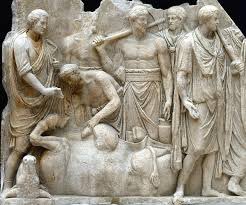
The act of cutting open an animal and revealing its organs is one of the most ancient & powerful forms of divination known to humanity. It comes to no surprise that the meat industry is secretly one of the highest purveyors of animal sacrifice magic, both in benefit & consequence
Every time something dies, the entirety of its life, its past & the very meaning of its being are funneled into the means of its death. This is true for immaterial concepts as much as it is true for living creatures. The death of something defines a great deal of its life
When a creature is killed in ritualistic sacrifice, you are taking the entire temporal length of its lifespan and dedicating it towards the reason you killed it. When this is done towards haruspicy (organ divination) the creature has lived its whole life towards this purpose
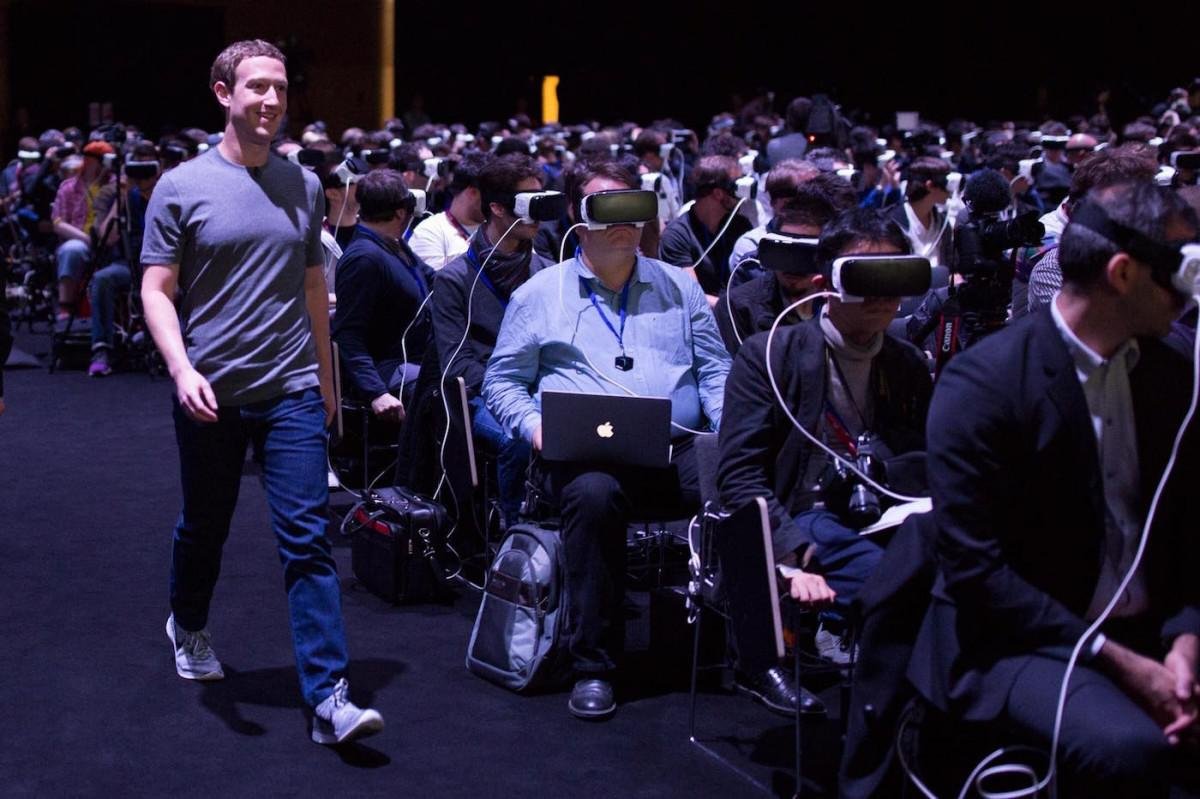
Silicon Valley billionaires, in conjunction with rogue CIA cells, have been pushing DMT propaganda in media and culture because they want to create a legion of mercenaries in the Afterlife Dreamscape to control key access points where spirits and god-entities can alter our world.
Signals can be sent from spirit dimensions into our own in exchange for some form of incomprehensible spiritual currency. They manifest themselves as incongruencies, synchronicities, and strong abrupt feelings. Spirits, gods, demons, and everything else choose different signals.
These can be as simple as a blooming flower or a wayward butterfly catching your attention and making you think, or as complicated as an underlying memetic trend manifesting itself online over years and decades. The messenger could be your ancestors, ancient gods, or otherwise.