
The war in Myanmar is increasingly worrisome for China.
🔸What's the root cause of the fractious nature of Myanmar?
🔸Why it's almost unsolvable.
🔸What are the worst cause scenarios and how can China respond?
🧵Thread on this complicated situation.
1/12
🔸What's the root cause of the fractious nature of Myanmar?
🔸Why it's almost unsolvable.
🔸What are the worst cause scenarios and how can China respond?
🧵Thread on this complicated situation.
1/12
Separatism in Myanmar are caused by Burmese nationalism. This goes beyond "Democracy vs Junta".
Even Aung San Suu Kyi can be considered a Burmese nationalist.
Due to ethnic and geographic divisions, ethnic minorities in Myanmar were granted with high degrees of autonomy
Even Aung San Suu Kyi can be considered a Burmese nationalist.
Due to ethnic and geographic divisions, ethnic minorities in Myanmar were granted with high degrees of autonomy
This autonomy were granted due to necessity rather than generosity or principle.
The central authority led by Burmese nationalism always wanted to fully control the ethnic regions.
This forces all the ethnic minorities to maintain their own armed forces to prevent that.
The central authority led by Burmese nationalism always wanted to fully control the ethnic regions.
This forces all the ethnic minorities to maintain their own armed forces to prevent that.
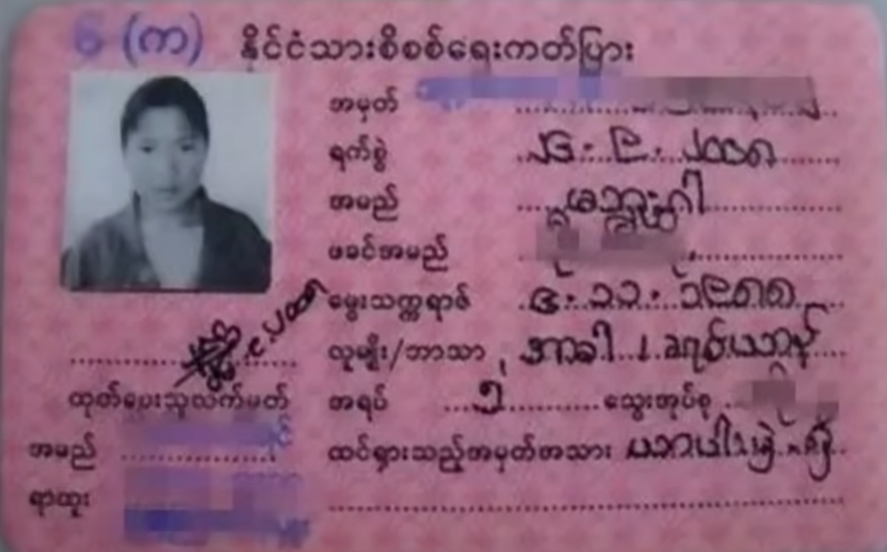
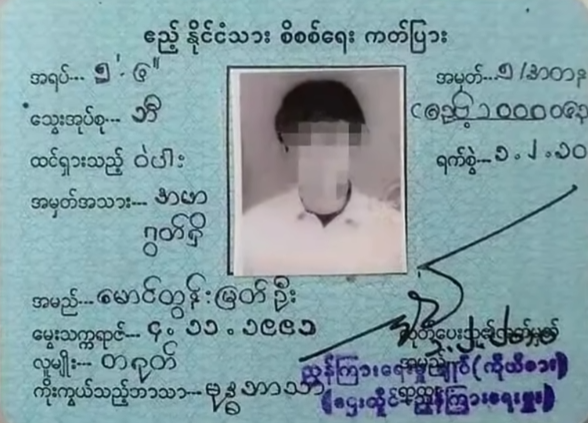
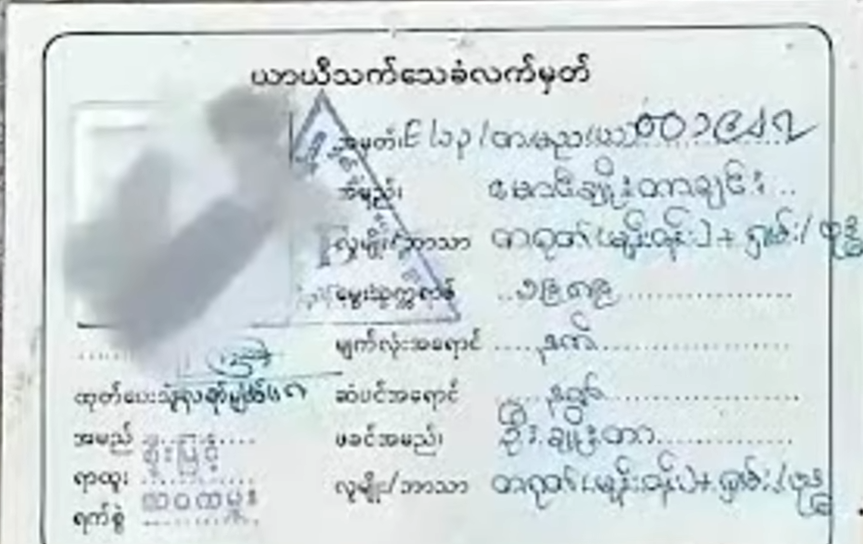
Myanmar have different classes of citizens
1️⃣Citizens
2️⃣Associate citizens
3️⃣Naturalized citizens
Each have their own ID cards and legal rights.
Long story short, they are not treated equally.

1️⃣Citizens
2️⃣Associate citizens
3️⃣Naturalized citizens
Each have their own ID cards and legal rights.
Long story short, they are not treated equally.
Of all the ethnic minorities, 3 in particular is of interest to China.
Shan, Wa and Kokang Chinese.
The former 2 are all ethnic minorities in China, Kokang Chinese are just Han Chinese who lived on the south side of the border when the British colonized Myanmar.
Shan, Wa and Kokang Chinese.
The former 2 are all ethnic minorities in China, Kokang Chinese are just Han Chinese who lived on the south side of the border when the British colonized Myanmar.
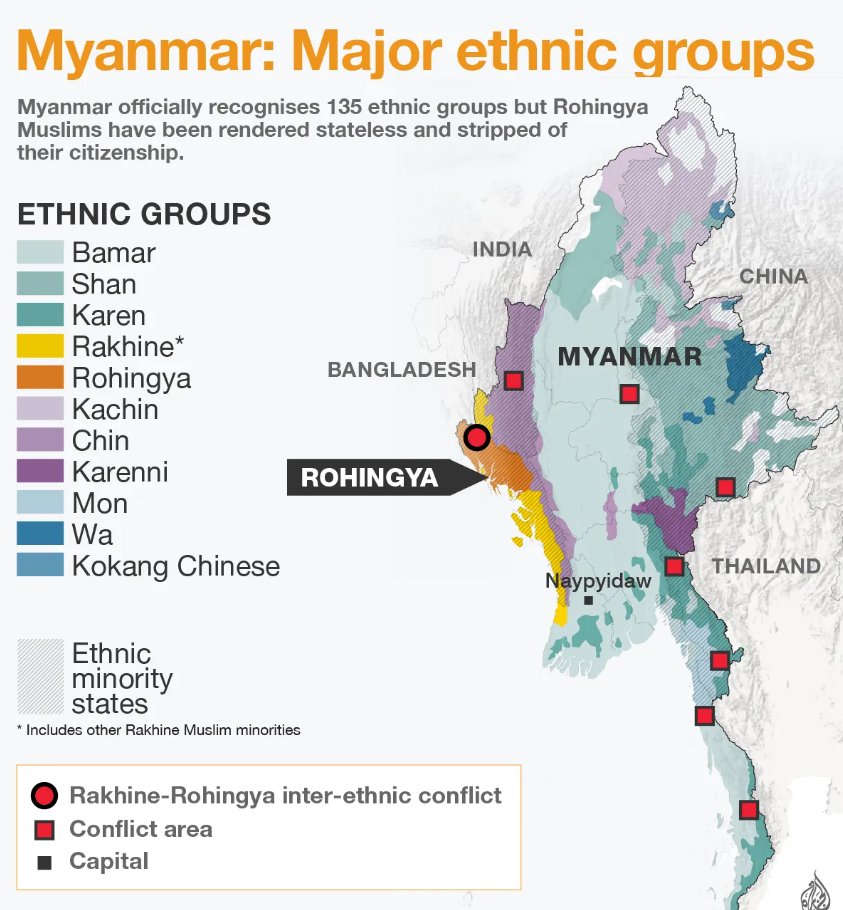
The current Junta leader Min Aung Hlaing got into power by displacing the ethnic Han forces of MNDAA from Kokang in 2009.
Effectively ending Kokang's autonomy, they did that because Kokang Chinese has the closest relations to China (Shan, Wa speak mandarin are basically Chinese)
Effectively ending Kokang's autonomy, they did that because Kokang Chinese has the closest relations to China (Shan, Wa speak mandarin are basically Chinese)
Now, with MNDAA making a come back in Kokang, the situation becomes complicated.
MNDAA is about to take the capital of Kokang, Laukkaing city.
There may be a tough urban fight, between MNDAA and the splinter Kokang forces that betrayed them in 2009
MNDAA is about to take the capital of Kokang, Laukkaing city.
There may be a tough urban fight, between MNDAA and the splinter Kokang forces that betrayed them in 2009
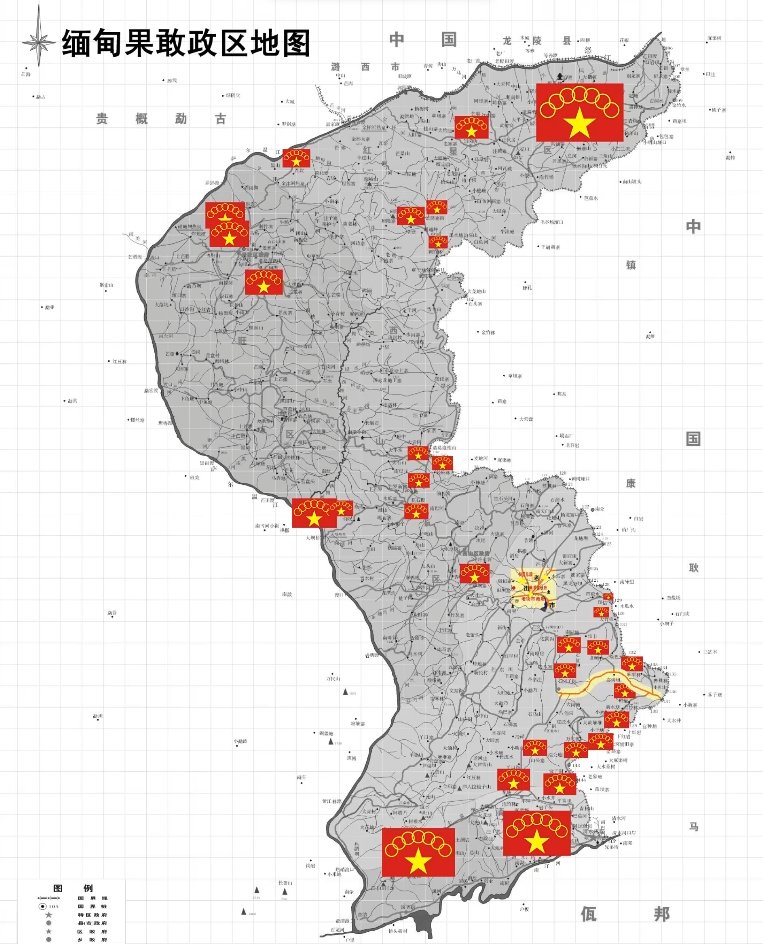
From 2009 to 2023, the splinter Kokang forces are the only thing preventing the Myanmar authorities from replacing the Han culture.
In 2017, the local Kokang news were forced to change from Mandarin to a local mandarin dialect.
Without Han groups in power, they may for further
In 2017, the local Kokang news were forced to change from Mandarin to a local mandarin dialect.
Without Han groups in power, they may for further
The best case scenario for China, is for MNDAA to retake control of Kokang without much casualty, then they can negotiate with the Myanmar government from a position of strength.
And be granted with the same rights as neighboring Wa State and Mongla
And be granted with the same rights as neighboring Wa State and Mongla
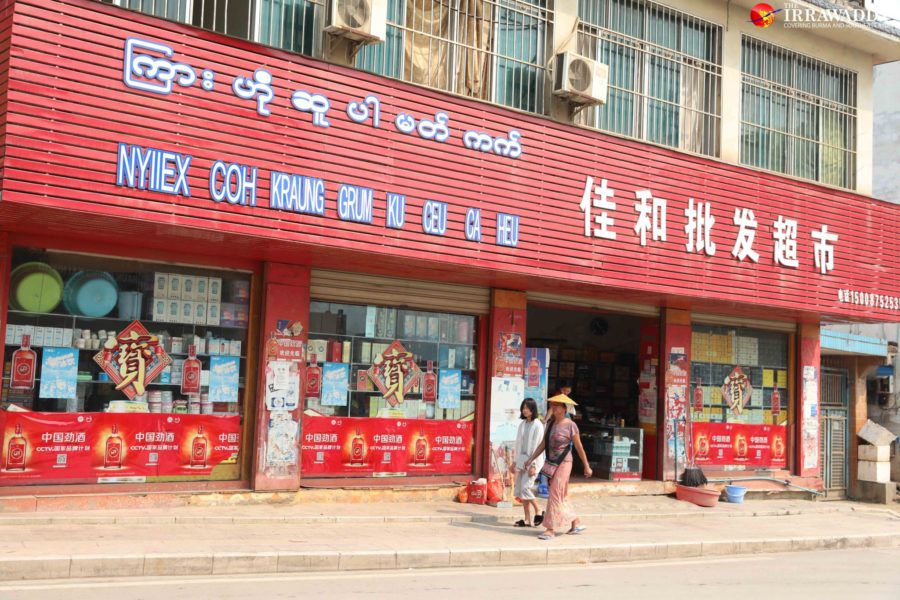
The worst-case scenario is if MNDAA is weakened, and the Myanmar military comes in to fully control Kokang.
If that were the case, then China should allow Kokang Chinese to resettle in China.
Schools in Kokang are all in taught in Chinese, they have zero problem integrating.
If that were the case, then China should allow Kokang Chinese to resettle in China.
Schools in Kokang are all in taught in Chinese, they have zero problem integrating.
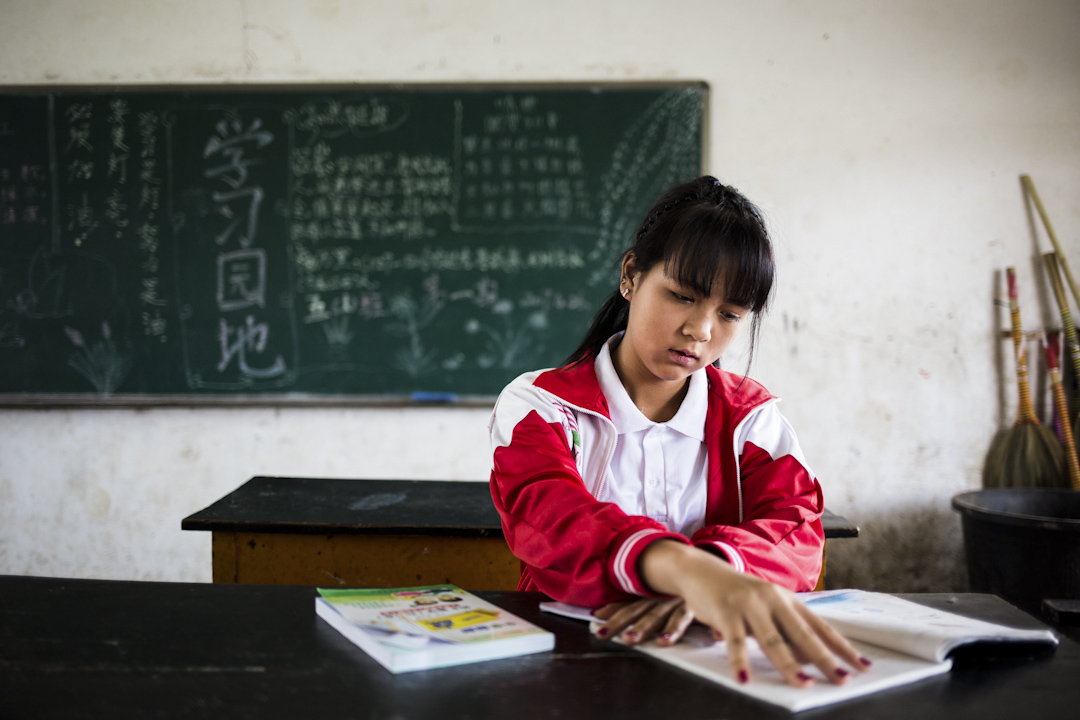
Another worst-case scenario is if Myanmar central government collapses, the country split into regional warlords.
Chaos breeds ultranationalism, and the minorities will suffer.
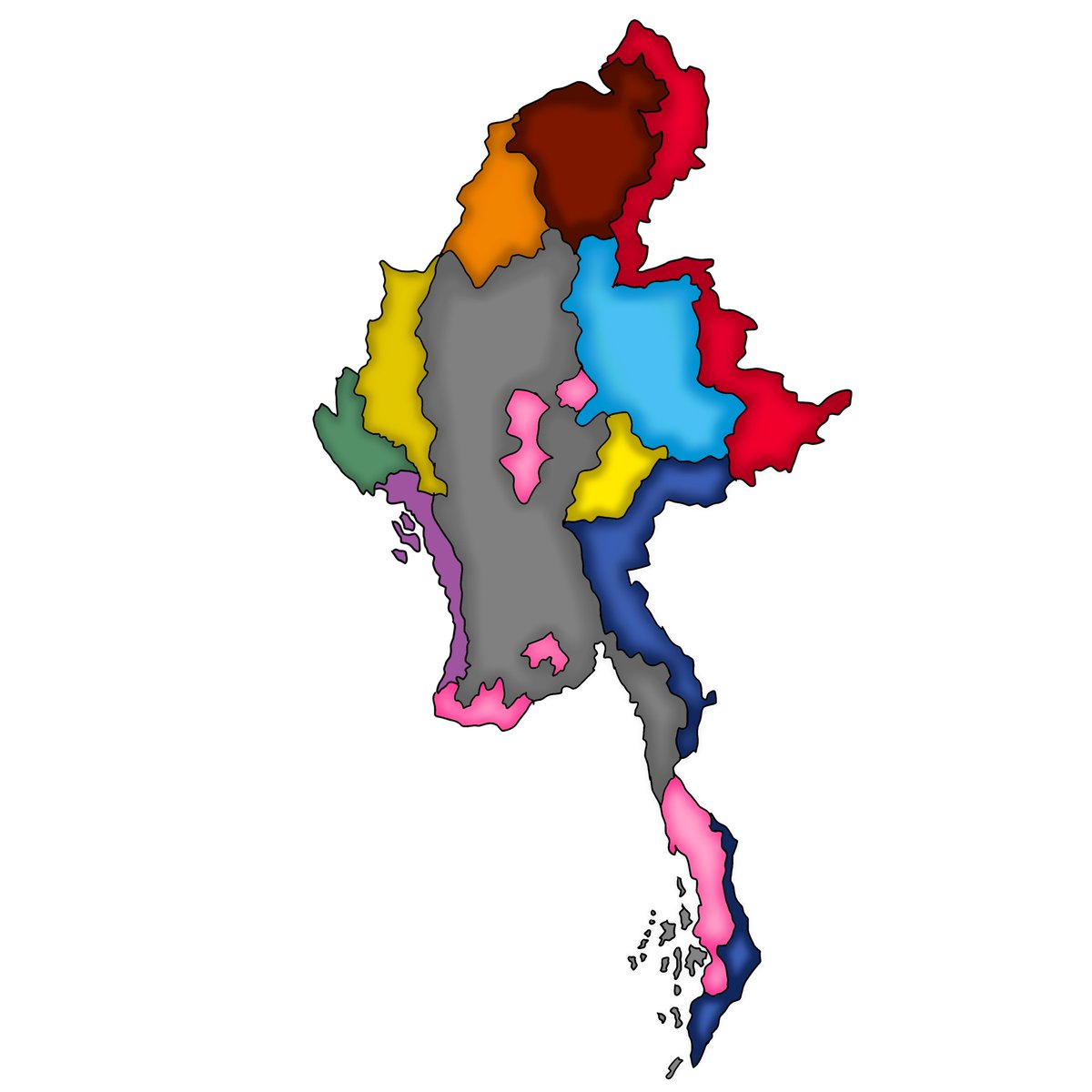
Then China must ensure the safety of the Wa State, Mongla and Kokang (green, orange and blue areas).
Chaos breeds ultranationalism, and the minorities will suffer.
Then China must ensure the safety of the Wa State, Mongla and Kokang (green, orange and blue areas).
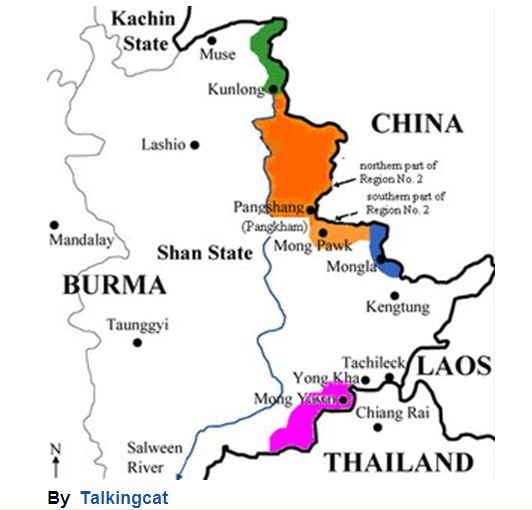
This can be done by providing arms and financial support for the region.
If situation is dire and ethnic cleansing is imminent, then PLA boots on the ground.
We don't want to see our neighbor descending into chaos, but we must prepare.
If situation is dire and ethnic cleansing is imminent, then PLA boots on the ground.
We don't want to see our neighbor descending into chaos, but we must prepare.
• • •
Missing some Tweet in this thread? You can try to
force a refresh






