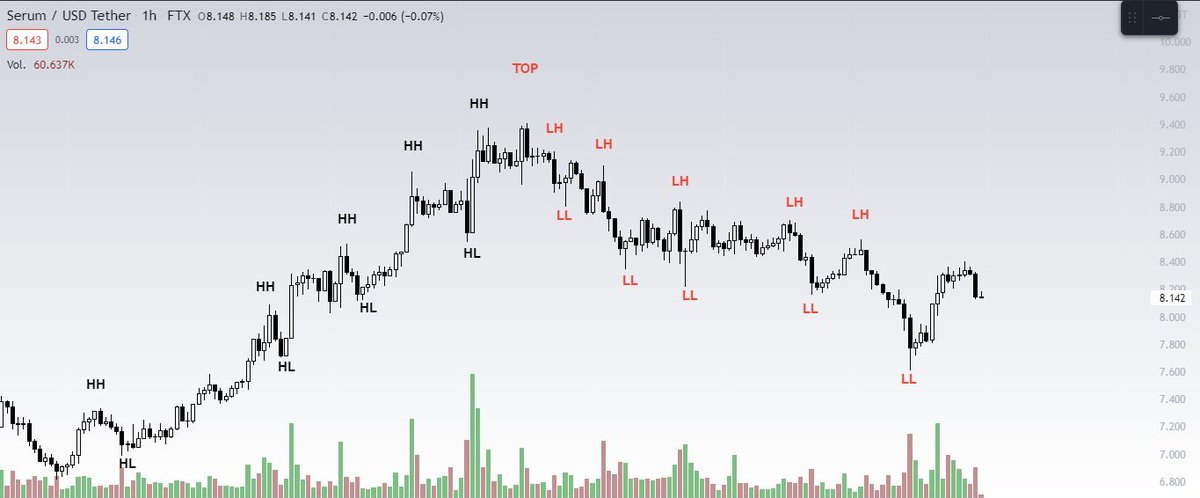
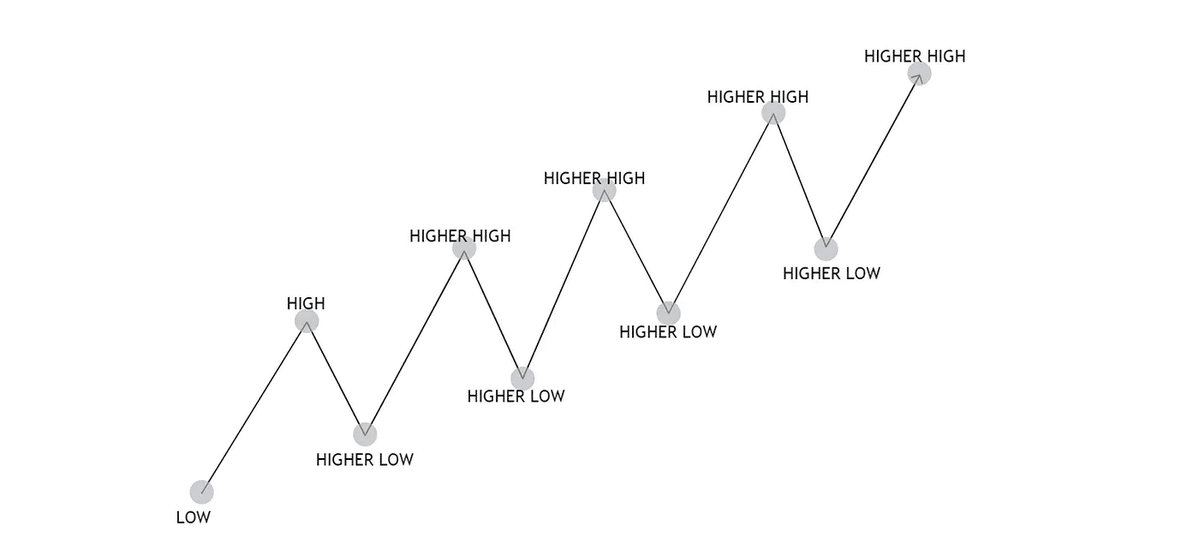
CryptoSoulz Profile picture
Nov 29, 2023 7 tweets 3 min read Read on X
In this THREAD I will explain LIQUIDITY:

1. What is Liquidity?
2. How to measure Liquidity?
3. Sell-side Liquidity
4. Buy-side Liquidity
5. Stop hunts

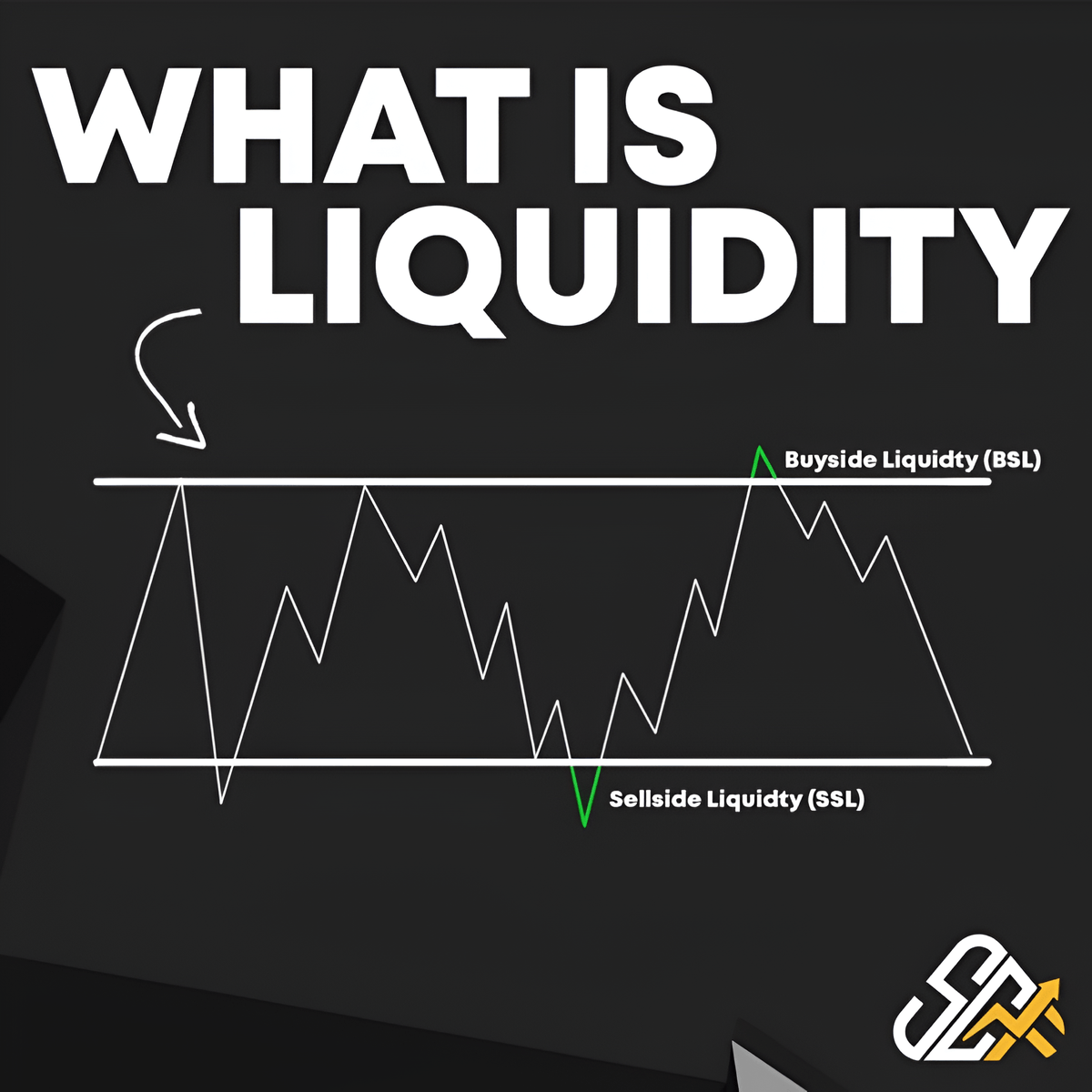
🧵(1/7) Image

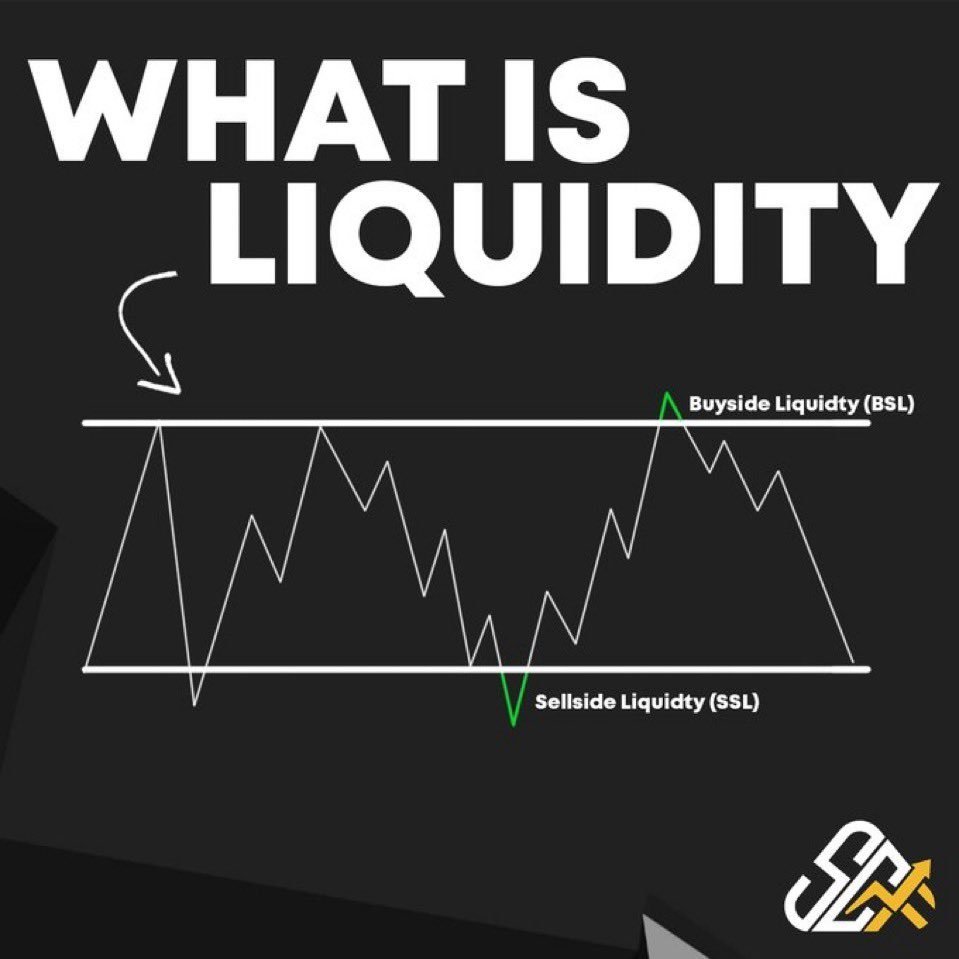
1. What is LIQUIDITY?

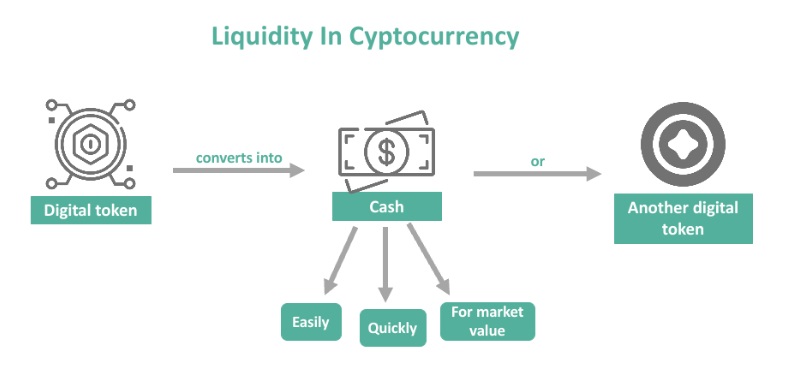
"Liquidity" is the ease with which an asset can be bought or sold in the market without causing a significant impact on the price.

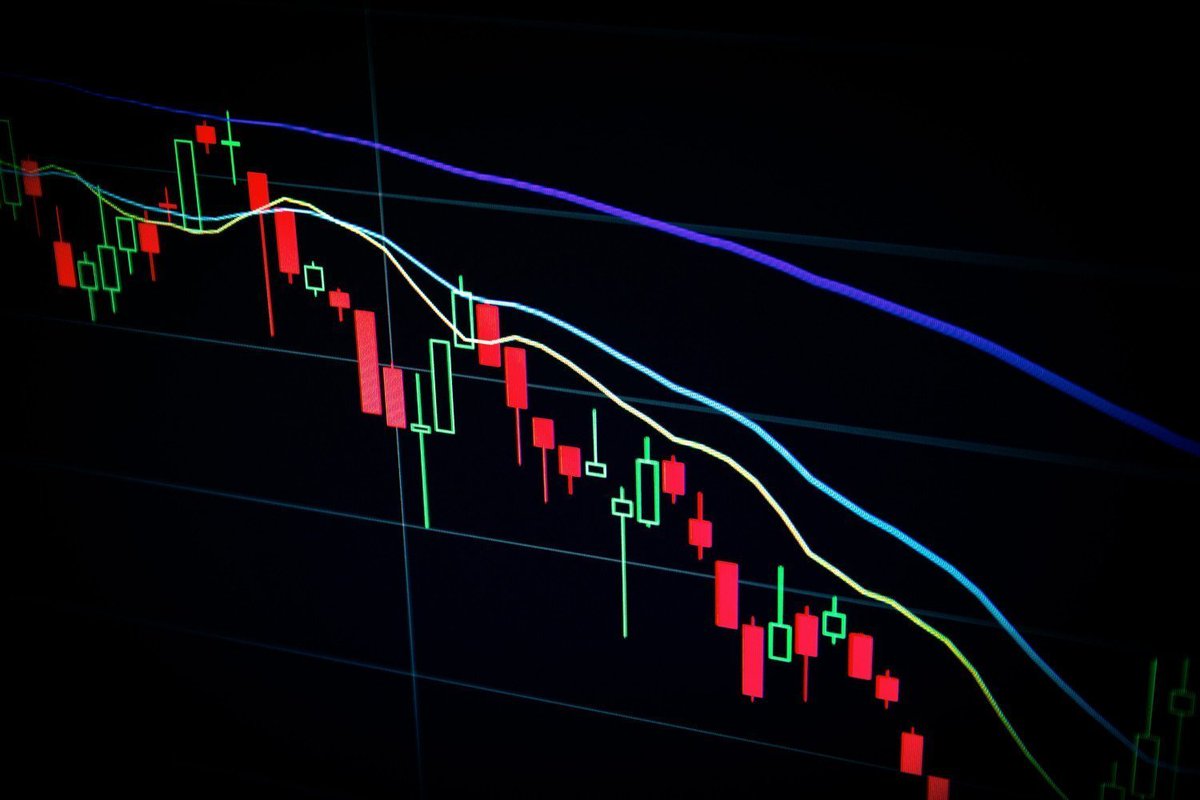
Liquidity is influenced by factors such as trading volume, order book size, and the number of market participants. Image
2. How to measure Liquidity?

1. Computing the number of tokens bought/sold in a particular market during a certain TF.

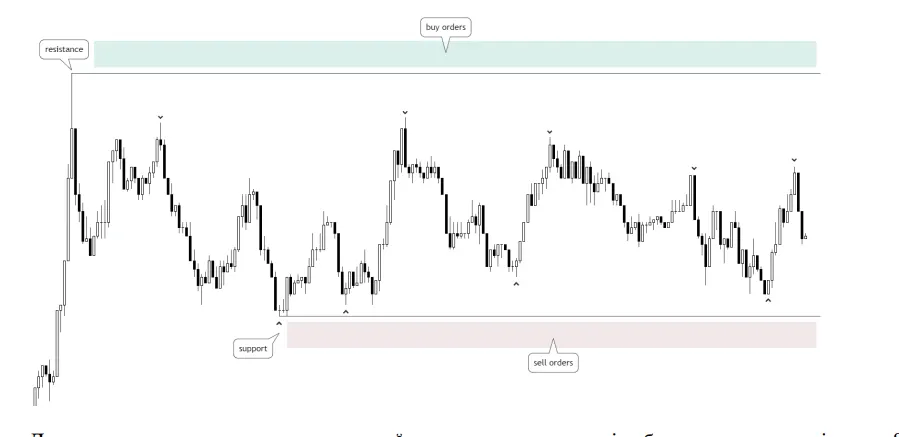
2. Ask spread. Bid-ask spread is obtained by computing the difference between the buyers highest bid price and the sellers lowest ask. Image
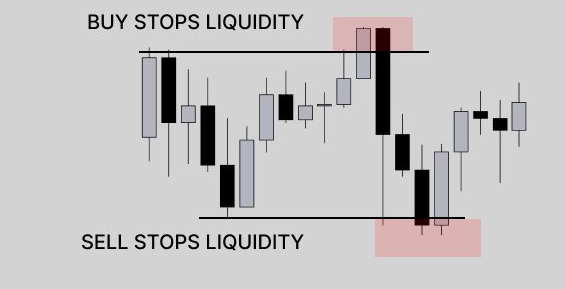
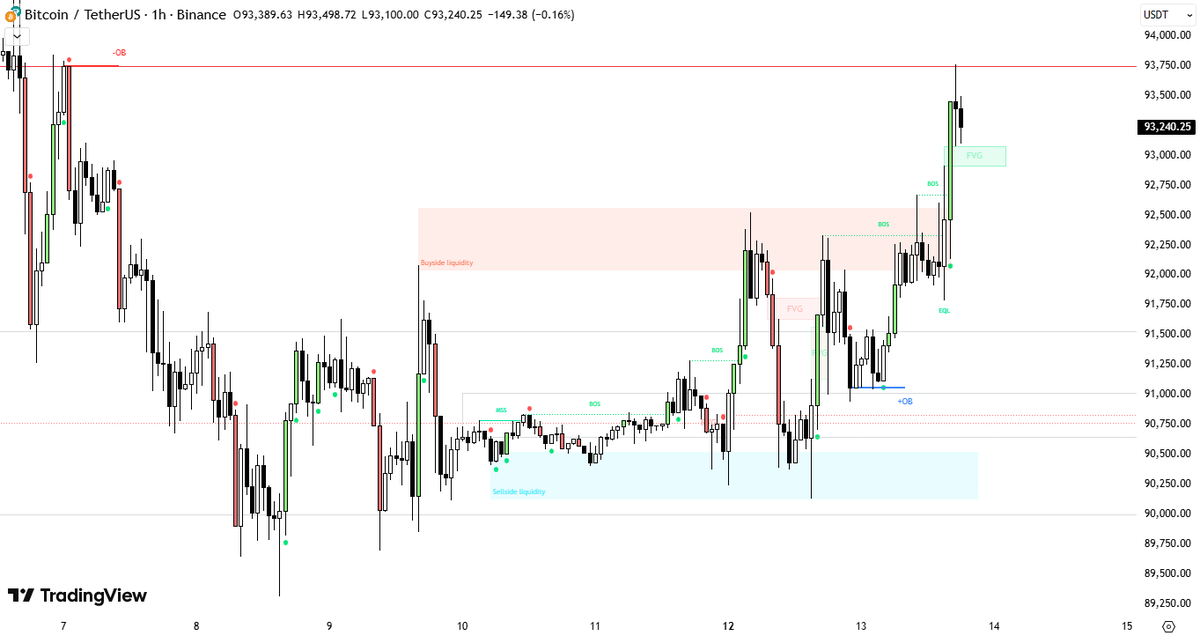
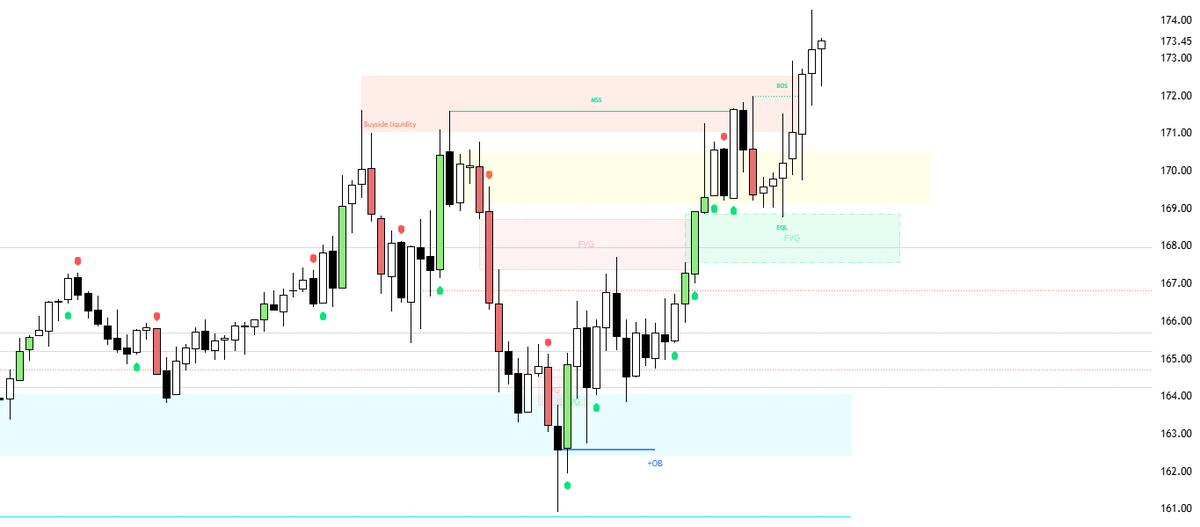
3. Sell-side Liquidity:

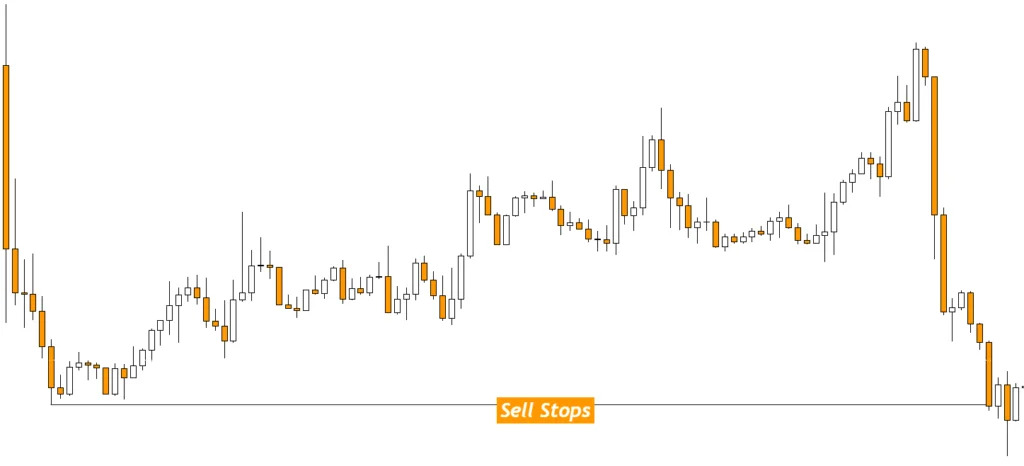
Takes place where buyers place their stop losses and expect the price will not retrace to that certain points

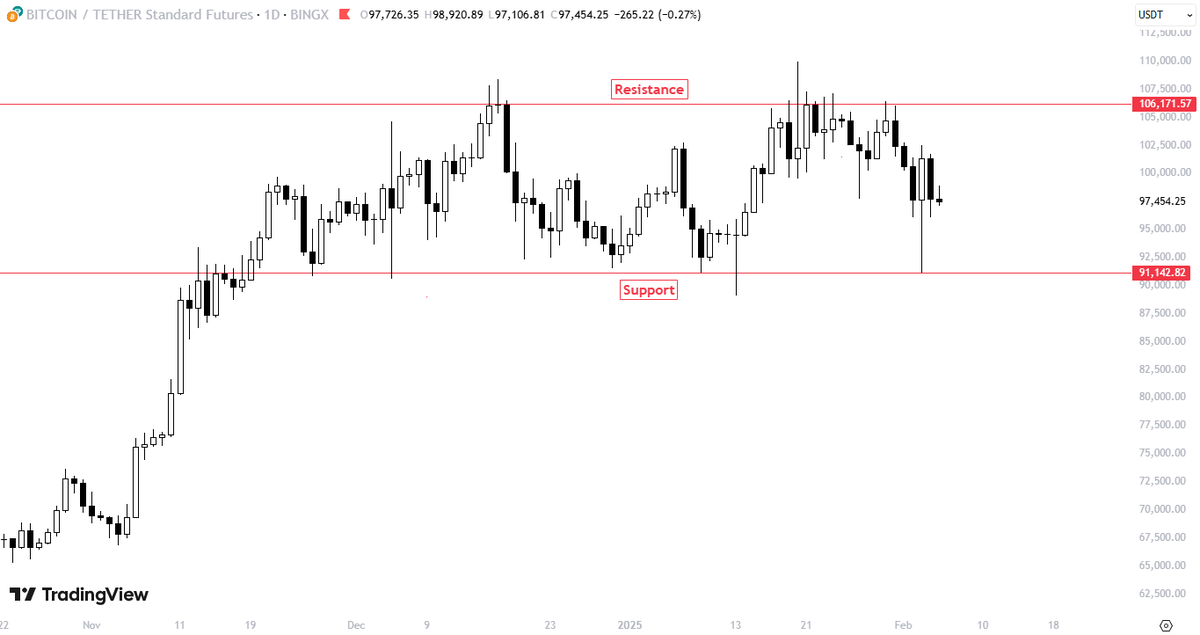
This chart shows sell-stop areas. Traders buy and place their sell stops below these points Hunt liquidity can happen before the price moves up
Image
Image
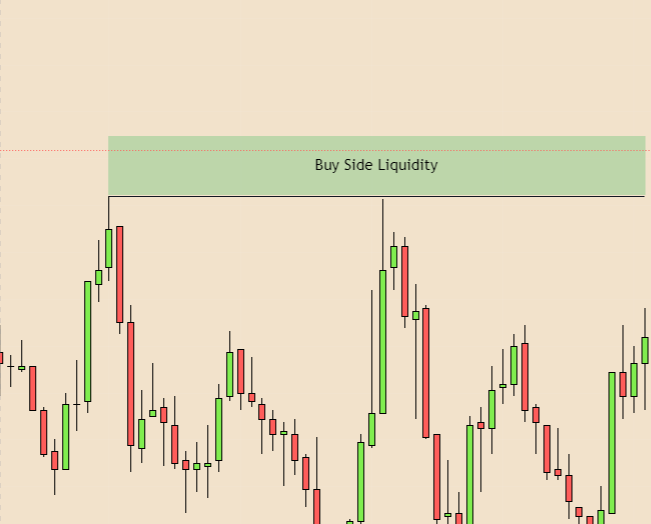
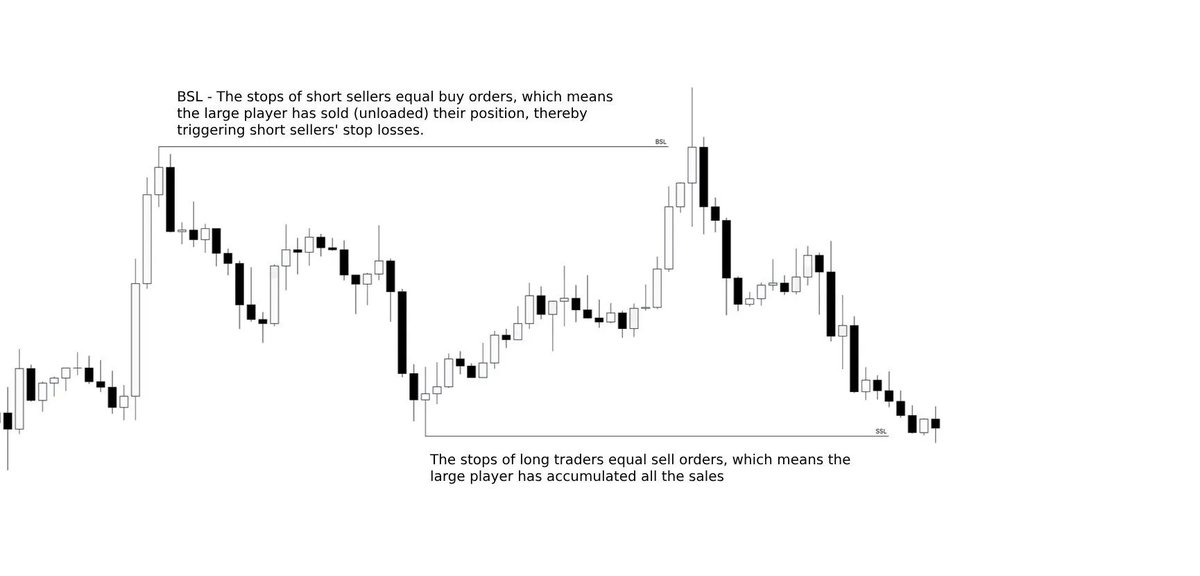
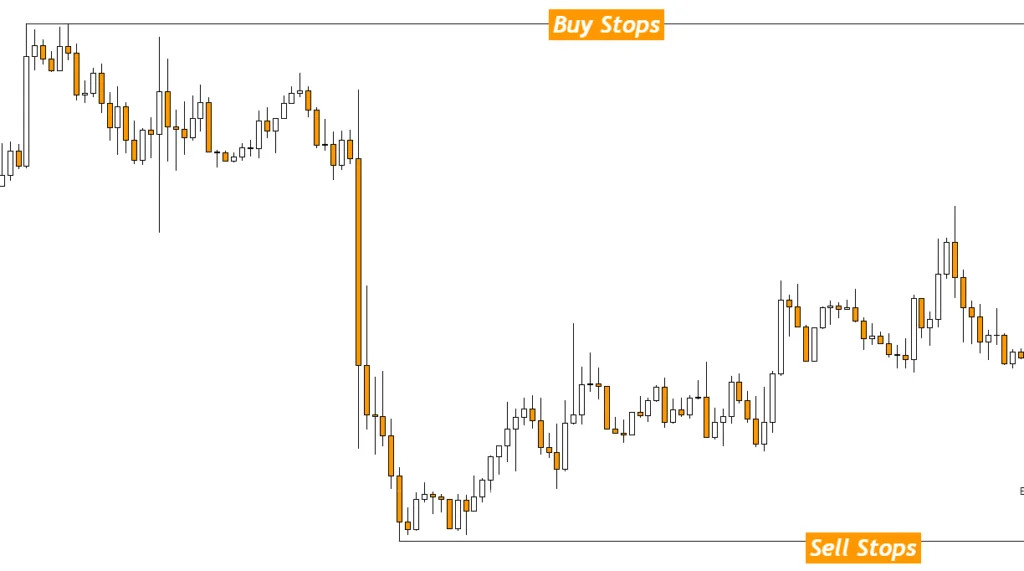
4. Buy-side Liquidity:

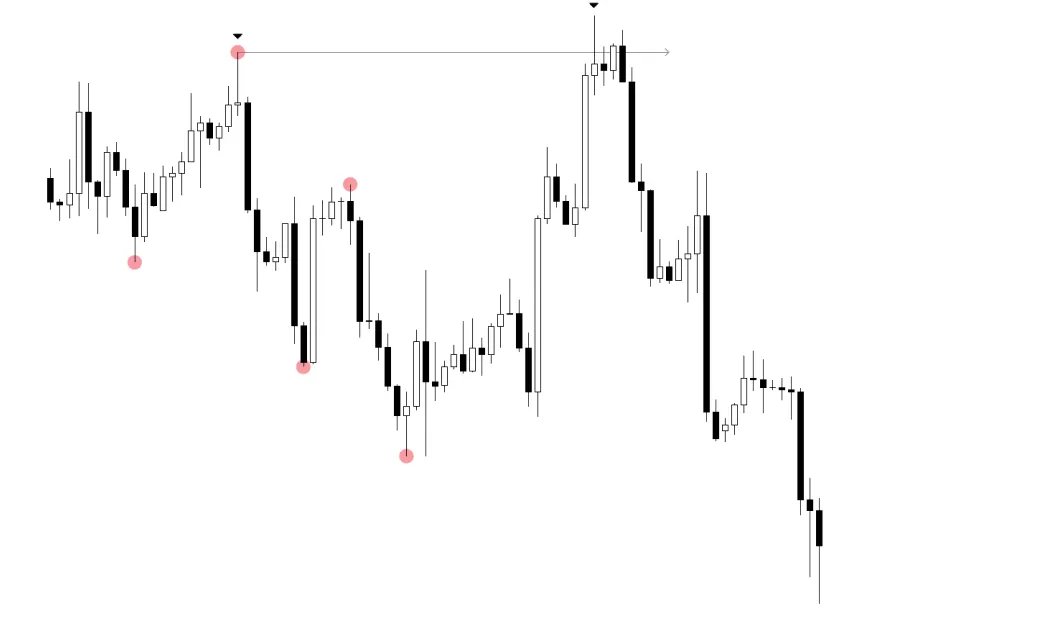
Buy-stop orders are usually placed just above or at the same levels as previous highs, where SELLERS have placed their SL.

These highs are considered as resistance levels, holding a significant amount of selling pressure.
Image
Image
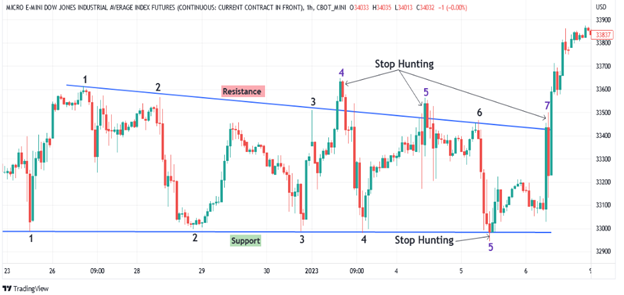
5. Stop hunts:

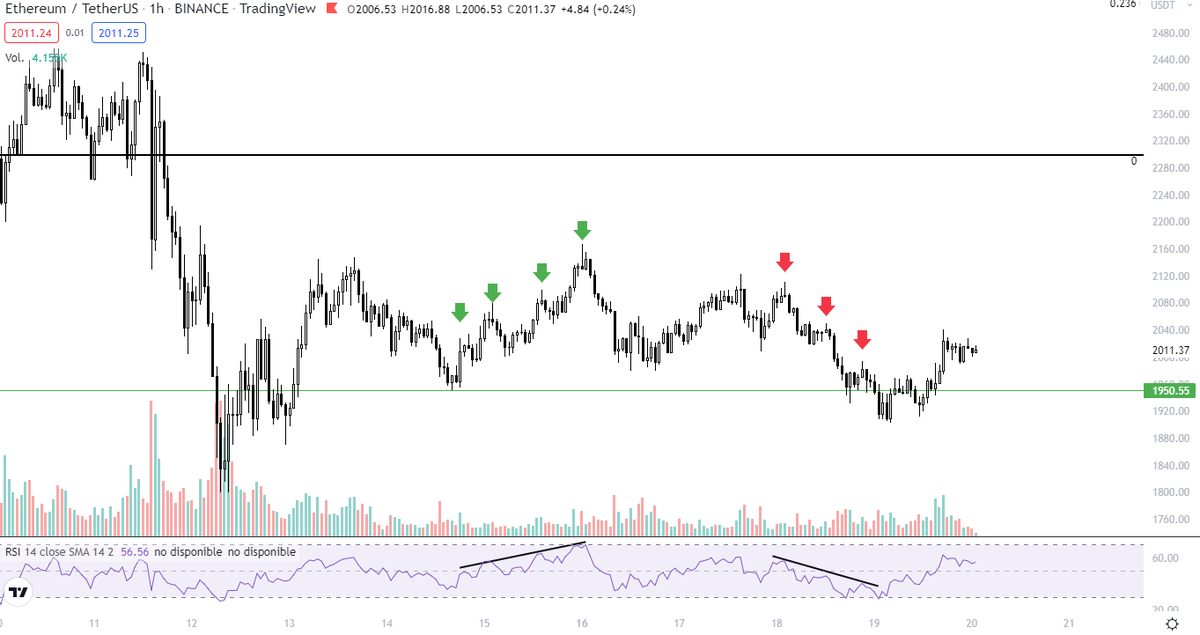
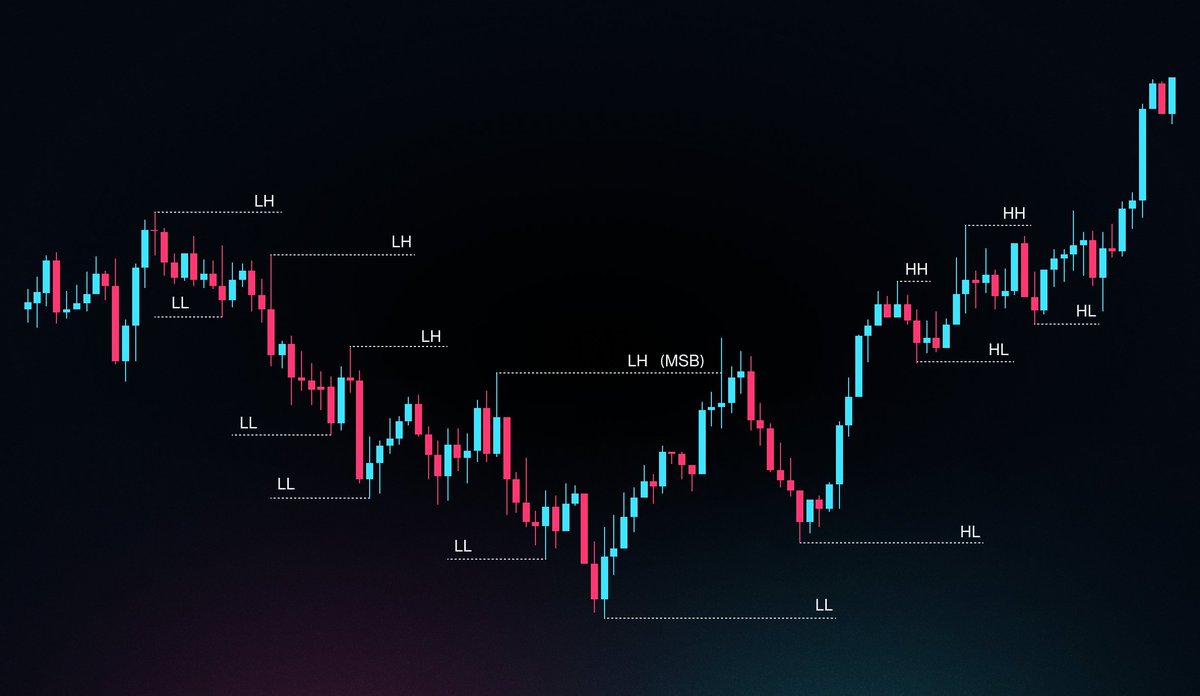
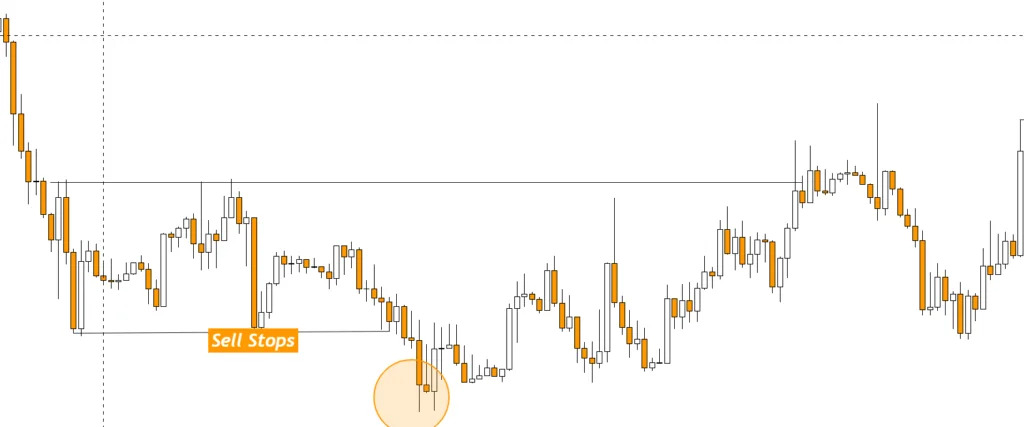
"Stop hunt" is a strategy that attempts to force some traders out of their positions, by driving the price to a level where many traders have chosen to set their SL.

This practice is called “stop-loss hunt", and generates additional liquidity in the process.
Image
Image
I hope this THREAD has helped you to understand the extense concept of LIQUIDITY.

It's a needed knowledge you must have. It's not an easy concept to explain, in this THREAD I only explained the basics from it.

RT and FAV to spread this THREAD is appreciated.

• • •

Missing some Tweet in this thread? You can try to force a refresh

 

Keep Current with CryptoSoulz

CryptoSoulz Profile picture

Stay in touch and get notified when new unrolls are available from this author!

Read all threads

This Thread may be Removed Anytime!

PDF

Twitter may remove this content at anytime! Save it as PDF for later use!

Try unrolling a thread yourself!

how to unroll video
  1. Follow @ThreadReaderApp to mention us!

  2. From a Twitter thread mention us with a keyword "unroll"
@threadreaderapp unroll

Practice here first or read more on our help page!

More from @SoulzBTC

Dec 2
In this THREAD I will explain “Liquidity”

1. Where is the Liquidity?
2. FVG and IFVG
3. Volume Imbalance
4. BSL and SSL

🧵(1/12) Image
1. Where is the Liquidity?

Liquidity on a chart can be found in: FVG and IFVG

FVG: Imbalance on a price chart where a three-candle pattern leaves a price range untraded

IFVG: Any FVG, after the price breaks through it (invalidates), becomes inverted and can act as support Image
1.1 Where is the Liquidity?

Liquidity can also be found in BPR

A BPR is the area on a price chart where two opposing FVGs intersect, creating an area of balance

BPRs are key zones to watch for reversals or continuations, as they can act as strong support or resistance Image
Read 12 tweets
Oct 29
In this THREAD I will explain “Liquidity”

1. Where is the Liquidity?
2. Types of Liquidity
3. Fibonacci Levels

🧵(1/12) Image
1. Where is the Liquidity?

There are two types of Liquidity:

Buyside Liquidity (BSL) and Sellside Liquidity (SSL) Image
1.1 Where is the Liquidity?

BSL represents stop-loss orders for short sellers, typically located above previous highs.

SSL represents stop-loss orders for long positions, found below previous lows. Image
Read 12 tweets
Oct 22
In this THREAD I will explain "FVG"

1. What is a “FVG”
2. Types of FVG
3. How to identify FVG

🧵(1/15) Image
1. What is a “FVG”

A FVG represents a price gap between the closing price of one period and the opening price of the next.

Indicating a temporary market inefficiency. Image
1.1 What is a “FVG”

Enter when price pulls back into the gap, at the end, midpoint, or after the gap fills.

Place stop loss above the gap or recent high.

End is conservative, mid gives better risk to reward, fill is aggressive. Image
Read 15 tweets
Oct 15
In this THREAD I will explain "Market Structure"

1. What is Market Structure?
2. Trends
3. Timeframes

🧵(1/11) Image
1. What is Market Structure?

Market structure = The ordered sequence of Swing Highs and Swing Lows.

This sequence defines trend direction and its shifts.

Uptrend: Higher Highs (HH) + Higher Lows (HL)

Downtrend: Lower Highs (LH) + Lower Lows (LL) Image
1.2 What is Market Structure?

Strong highs and lows are price levels that caused a change in market structure (Break of Structure)

Strong highs and lows are considered significant Support and Resistance levels Image
Read 11 tweets
Oct 4
In this THREAD I will explain “Basic Trading Indicators”

1. Volume
2. Market Profile
3. Heatmaps
4. VWAP

🧵(1/15) Image
1. Volume

Trading volume represents the total number of shares, tokens or contracts exchanged in a market within a specific period

High volume during suggests strong interest and validates the trend

Low volume indicates uncertainty or a potentially false signal Image
1.1 Volume

Delta Highlight mode shows data the traditional volume indicator doesn’t

Each node has two bars:

A darker bar behind = total market volume (buys + sells)

A brighter bar in front = net delta (buys − sells)

Shows who dominated and how strong the imbalance was Image
Read 15 tweets
Oct 1
In this THREAD I will explain “Order book”

1. Order book Heatmap
2. What is an Order book?

🧵(1/12) Image
1. Order book Heatmap

When is it bearish?

• Large sell clusters = limit asks

• Stacked sell walls overhead persist, repeatedly reject price

• Sell walls step down toward market (sellers chase lower prices)

• Bid-side below thin (“air pockets”) so dips accelerate Image
1.1 Order book Heatmap

When is it bullish?

• Large buy clusters = limit bids

• Stacked buy walls below absorb sells and hold levels

• Buy walls step up toward price (buyers chase higher → higher lows)

• Ask-side above is thin, so small buy flow lifts price quickly Image
Read 12 tweets

Did Thread Reader help you today?

Support us! We are indie developers!


This site is made by just two indie developers on a laptop doing marketing, support and development! Read more about the story.

Become a Premium Member ($3/month or $30/year) and get exclusive features!

Become Premium

Don't want to be a Premium member but still want to support us?

Make a small donation by buying us coffee ($5) or help with server cost ($10)

Donate via Paypal

Or Donate anonymously using crypto!

Ethereum

0xfe58350B80634f60Fa6Dc149a72b4DFbc17D341E copy

Bitcoin

3ATGMxNzCUFzxpMCHL5sWSt4DVtS8UqXpi copy

Thank you for your support!

Follow Us!

:(