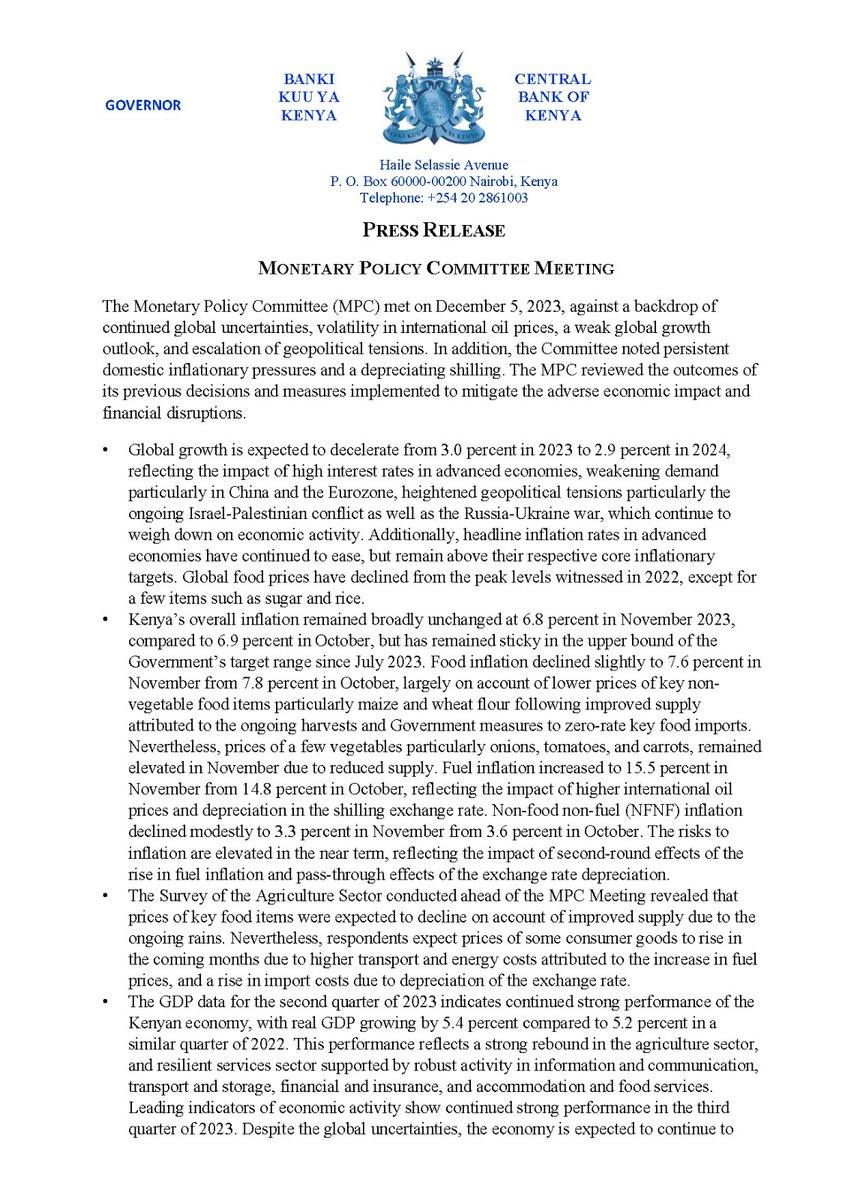
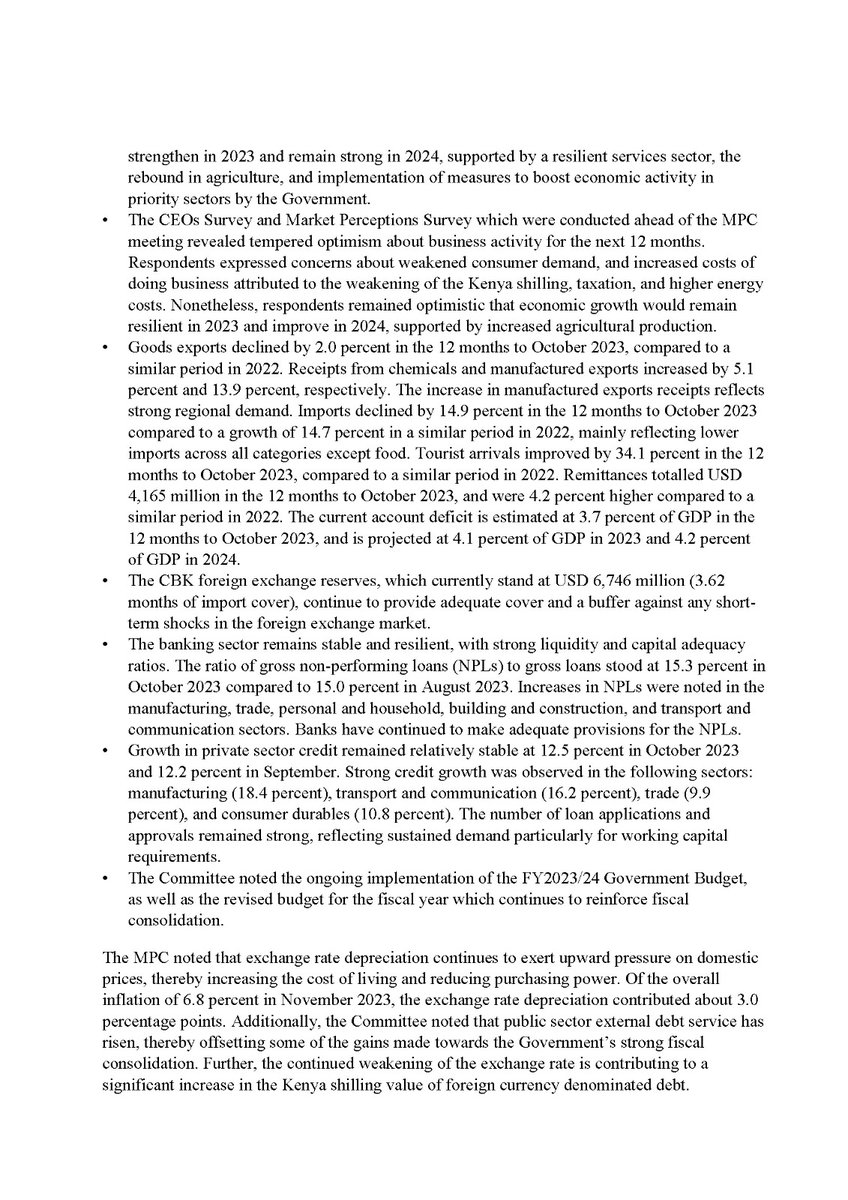
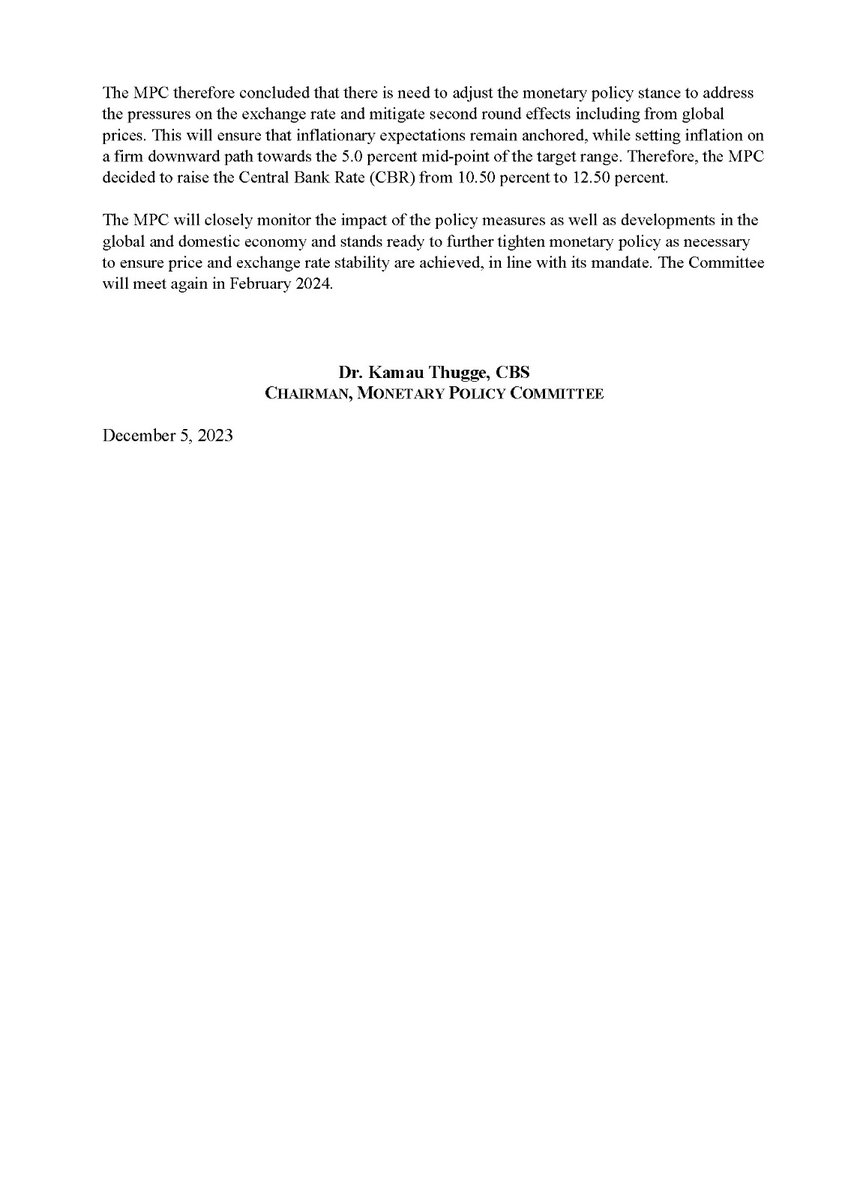
CBK hiked its policy rate by 2.0 percentage points to 12.5%:
· The rate is at its highest point since September 2012
· It’s the highest hike since the Nov 2011 5.5 percentage points raise
· The decision was predicated mainly on the US$/Kes
Why go hard on US$/Kes pressures? A 🧵
Between 2020 & May 2023, CBK haemorrhaged US$2.8 billion in propping the Kes to artificial strength. Of this amount, US$1.3 billion was in 2020, another US$650.0M in 2021 & US$850.0M in the period to May 2023. By the time global shocks were rising, there was no fire power left
Dr Thugge says the US$/Kes exchange rate has now depreciated more than was necessary to re-establish a stable but competitive exchange rate. In short, the Kes is currently at a rate weaker than its fair value per the CBK's analysis.
FX pass through in inflation has been significant. The Governor says 3.0 percentage points out the 6.8% inflation reported in Nov 2023 was a factor of the exchange rate depreciation & this meant the Shilling's slide was further complicating CBK's price stability mandate
Beyond inflation, the runaway depreciation of the Kes was also adversely impacting the fiscal agenda. 2023/24 began with the fiscal deficit projected at 4.4%, by the tabling of Supplementary Budget I, this had been revised to 5.5%. Thugge says Supp Budget II will target 4.7%
CBK says the 200.0 bps hike pushing the policy rate to 12.5% is aimed at dealing "decisively" with the depreciation & all its pass through effects. Treasury says depreciation of the Kes in the year ended June '23 occasioned a Kes 883.5 billion increase in the stock of debt.
Dr Thugge says CBK isn't too worried about what the 200.0bps hike would mean for the banking sector from loan book quality perspective, says stress tests show resilience. He isn't too worried either about the impact the rate hike will have on growth momentum.
Benefits>Costs
In responding to my question 2 things emerge:
· Dr Thugge believe CBK is still behind the curve in its tightening cycle (hinting at more hikes down the road)
· Despite slowdown in inflation, the headline figure remains stubbornly close to the upper range
Kenya is set to receive US$300.0M within the 2nd week of December as an instalment for a US$500.0M facility expected from the Trade & Development Bank.
It's this US$300.0M that is earmarked for the early redemption for the US$2.0 billion set for December.
Ends!
• • •
Missing some Tweet in this thread? You can try to
force a refresh

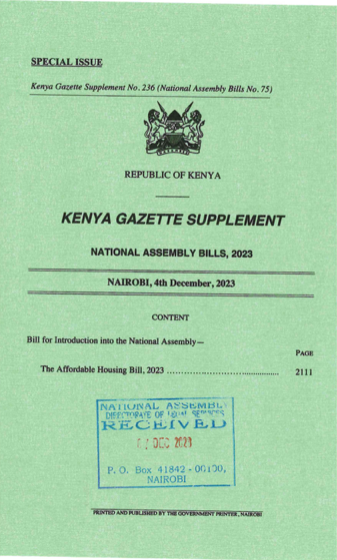
There's an Affordable Housing Bill 2023 that has been tabled.
It is clearly designed to address the issues raised by the 3 judge bench in its Nov 28th ruling which deemed the levy unconstitutional.
What are the key issues?
Here's what I think you need to know.
A 🧵
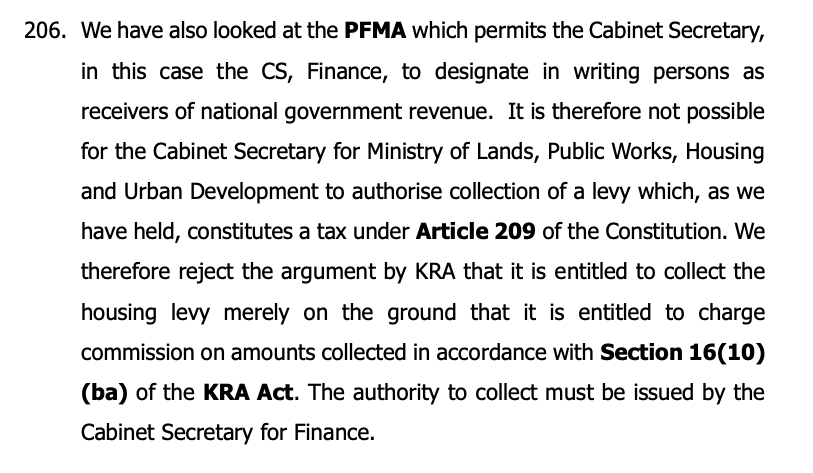
One of the reasons why the Housing Levy was thrown out by the 3 judge bench was on the matter of who collects the levy.
This is a very big issues because of the pieces of legislation as well as the number of offices that intertwine in arriving at the unconstitutionality
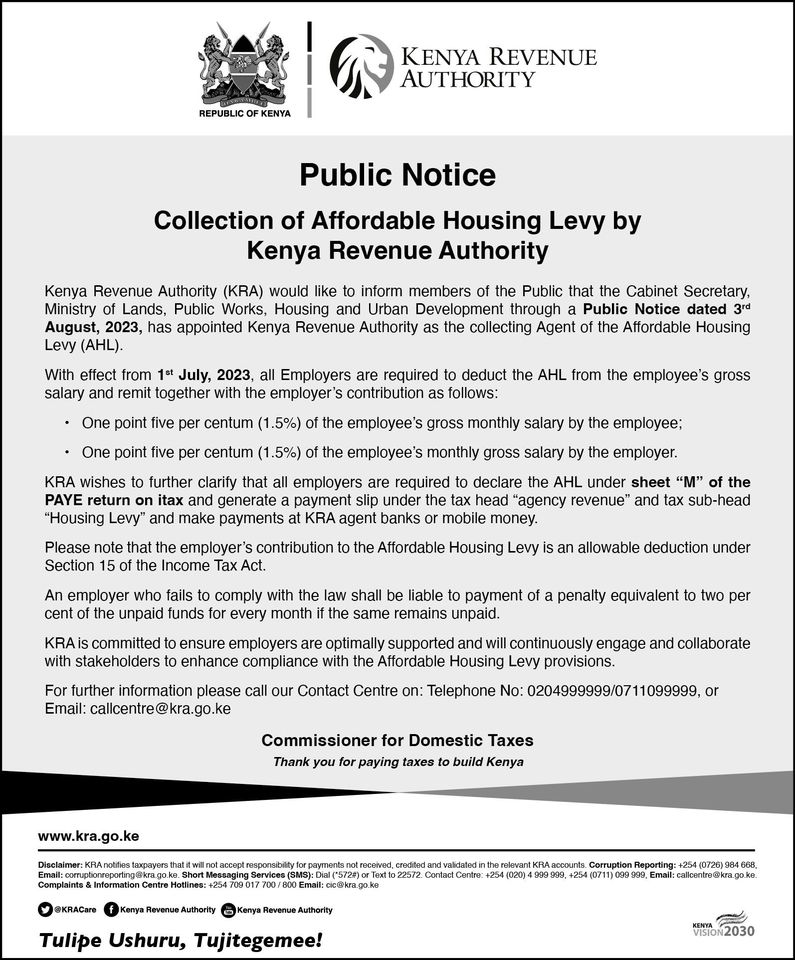
The basis of KRA collecting the levy is premised on appointment by the CS, Lands, Public Works, Housing & Urban Development as per this noticed published by the Commissioner for Domestic Taxes. KRA's appointment by the CS was via a notice dated Aug 3rd, 2023
A presentation has been made by, along other entities, the Africa Economic Research Consortium (AERC) regarding possible reforms to Kenya's excise duty regime, notably with regard to alcoholic beverage & cigarettes.
Quick summary, a 🧵
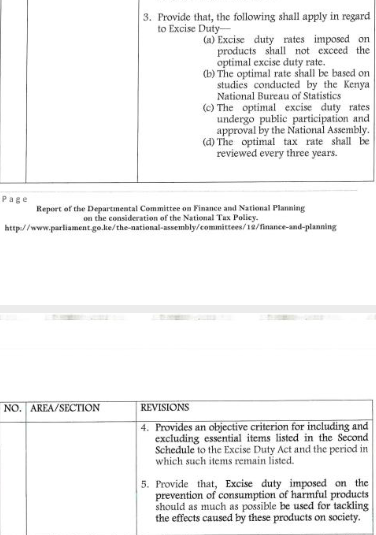
Last week, National Assembly's finance committee proposed 3 things:
· A prescribed optimal excise duty rate revised once in 3 years
· This optimal excise duty rate will be based on periodic surveys by KNBS
· The optimal excise duty rate will be subject to public participation
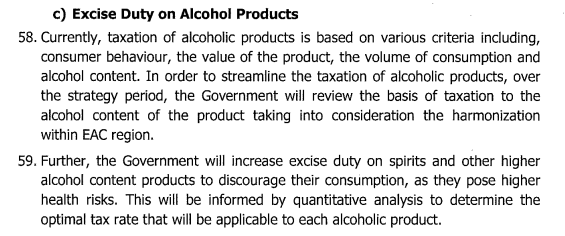
Also worth bearing in mind is that the Medium-term Revenue Strategy 2024/25 - 2026/27 published by the National Treasury in September proposes that Kenya's excise duty on alcoholic beverage be revised to be based on alcohol content in the product.
I think Finance Bill/Act 2024 will be quite interesting.
A presentation was made yesterday, to among others the Treasury CS, which should prick our interest as Kenyans.
The presentation was on Value Added Tax (VAT) & whether Kenya is optimising collections.
A 🧵
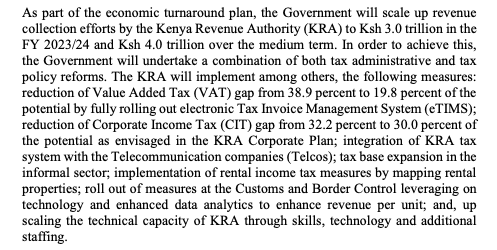
A good starting point here will be the Budget Policy Statement 2023 (published February this year) where the Treasury indicated that the medium-term agenda is to slash the VAT gap (VAT which is foregone through avenues such as exemptions) from 38.9% to 19.8%
What does this mean?
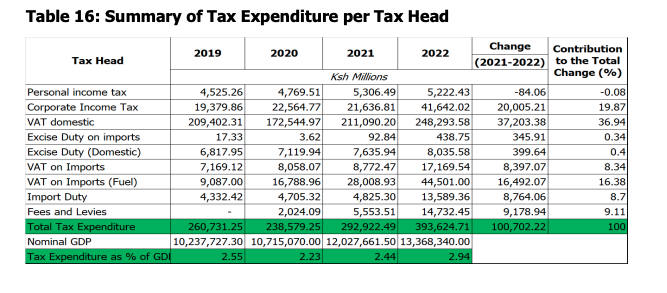
If we use 2022 data as an example, total domestic VAT foregone was Kes 248.29 billion. Reducing this VAT gap to 19.8% means GOK targets slashing all domestic VAT foregone from Kes 248.29 billion to about Kes 126.38 billion, that's a 49.0% slash.
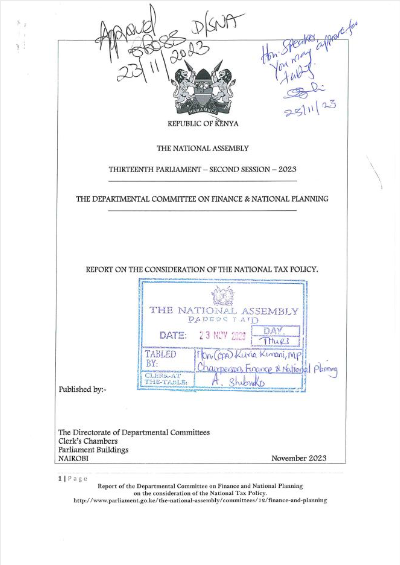
Folks, the National Assembly Finance & Planning Committee has tabled its report on the Draft National Tax policy.
Here's a thread 🧵 on what I think you need to know as far as the proposals are concerned.
Caveat, we all need to read this new report alongside the draft MTRS
First, the Draft National Tax Policy was first made public in July 2022 & the National Assembly Majority Leader then tabled an updated version in April 2023.
I did a thread on what stood out as changes between the initial & update.
See referenced tweet
So what's new in the latest report?
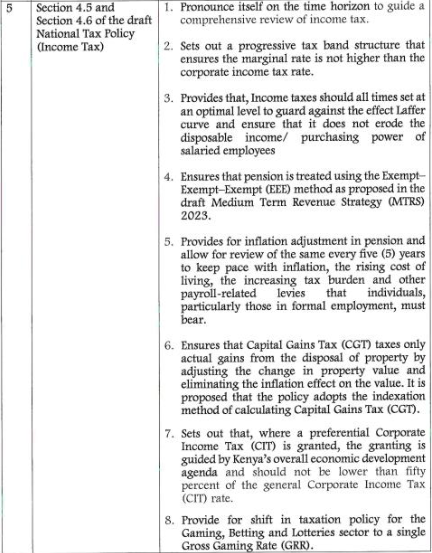
There's a proposal for a flat tax rate in the betting & gaming sector.
This means the current excise, withholding tax, corporation tax & VAT application in betting & gaming will all be consolidated into one. I welcome this
See No.8
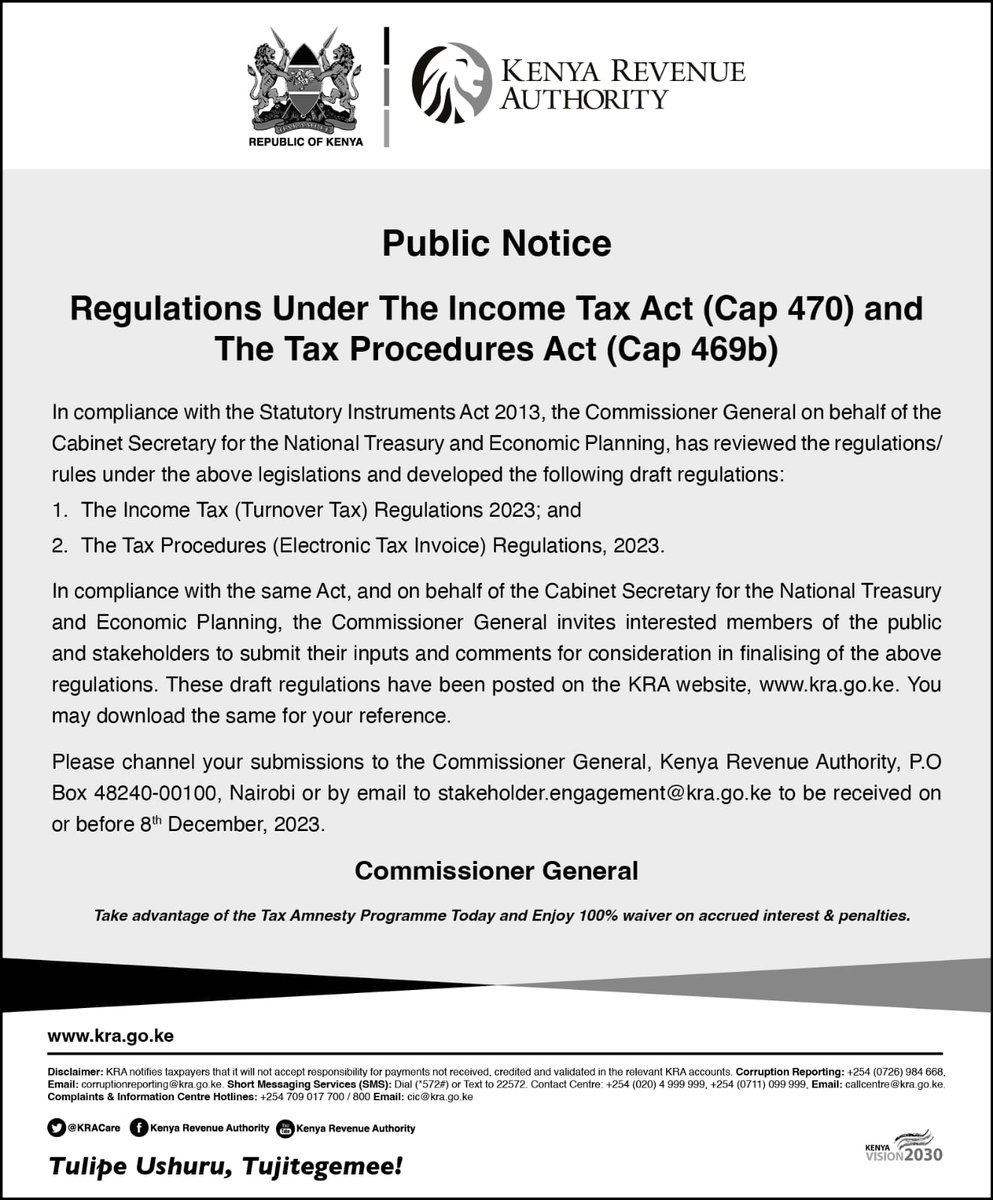
Fellow Kenyans, we have until Dec 28th to submit comments on two draft Regulations: 1. Income Tax (Turnover Tax) Regulations 2023 2. Tax Procedures (Electronic Tax Invoice) Regulations 2023.
The two are very critical.
Here are some highlights I think you need to have in mind
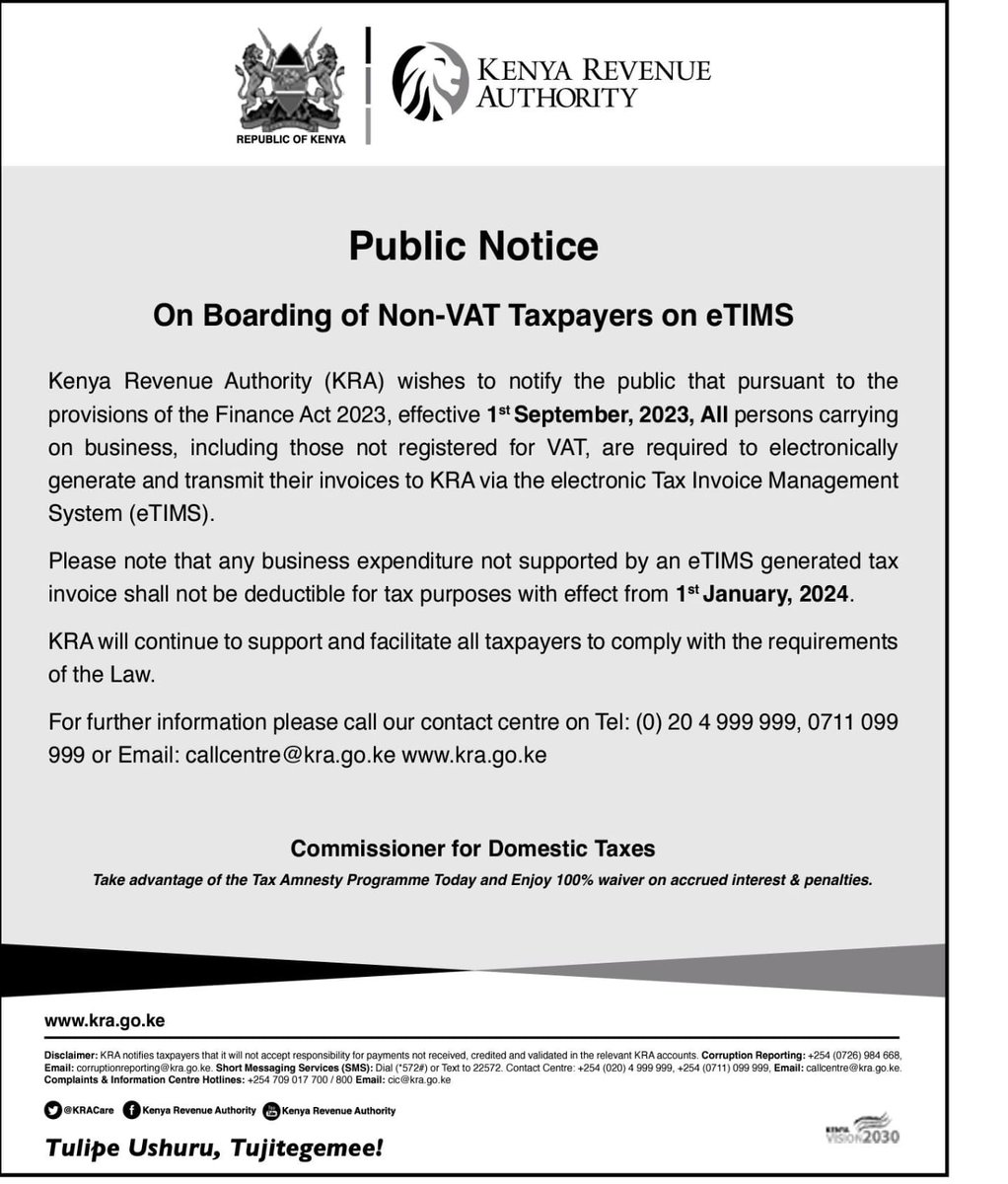
Starting with No.2, remember Finance Act 2023 amended the Tax Procedures Act introducing Sec23A which widens the purview of electronic tax invoices to also include non-VAT tax payers. Effective Jan 1st, 2024, only expenses backed by eTIMS will be tax deductible
So what do the draft Regulations provide?
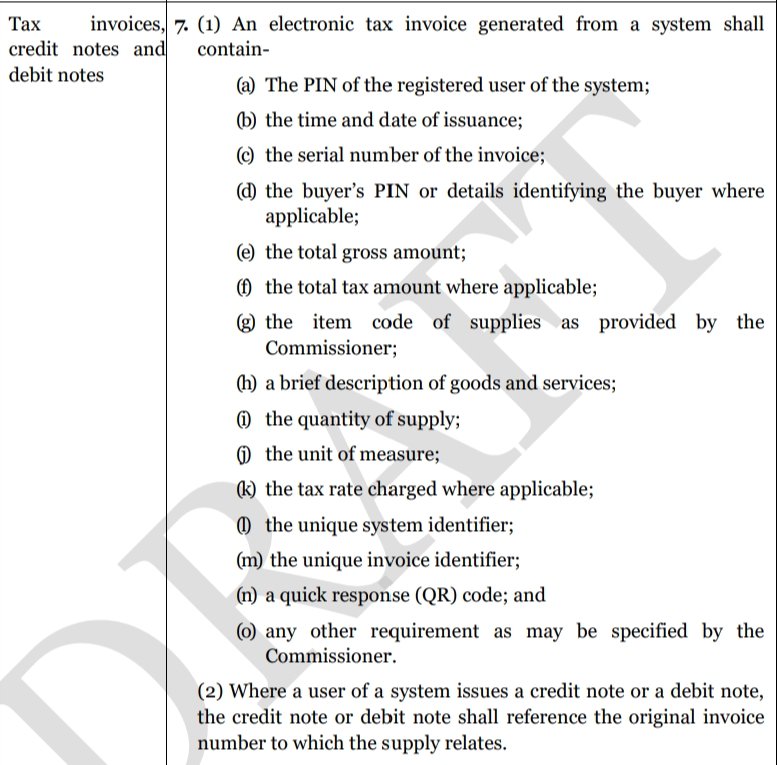
1st, is what the eTIMS invoice must contain including the QR code, the unique invoice identifier, invoice serial number, quantity supplied, the buyer's pin, description of goods/services, total tax amount & the tax rate
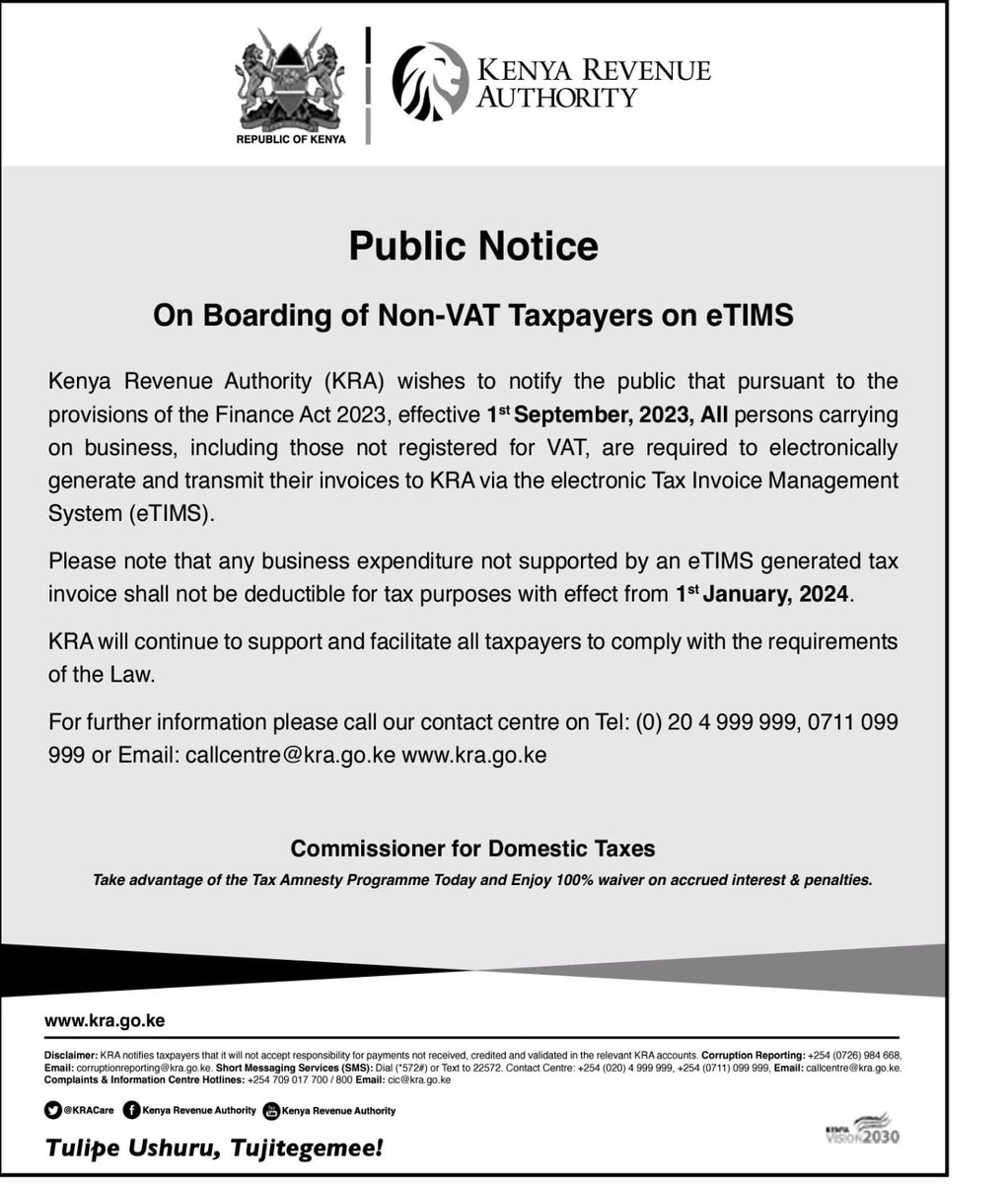
This public notice from the Kenya Revenue Authority has been making rounds with lost of questions around what the implications are.
Here's a quick run through on some background & what this guidance by the authority means for tax payers.
A 🧵
To make sense of this, we need to address the issue of input vs output tax. Input tax is that which is paid by a registered person on purchase of goods/services for the purpose of their business. Output tax is to that which is charged on the sales of taxable goods/services
Why is this important?
Because tax payable is then the difference between Output & input tax & this matter has been such a headache in Kenya's tax administration as it is for other jurisdictions.
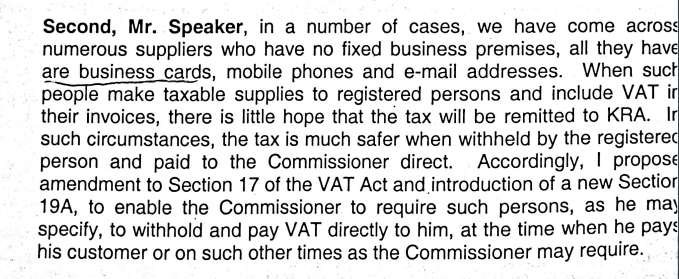
In the 04/05 budget speech, then Treasury CS, David Mwiraria, flagged this issue