A few thoughts:
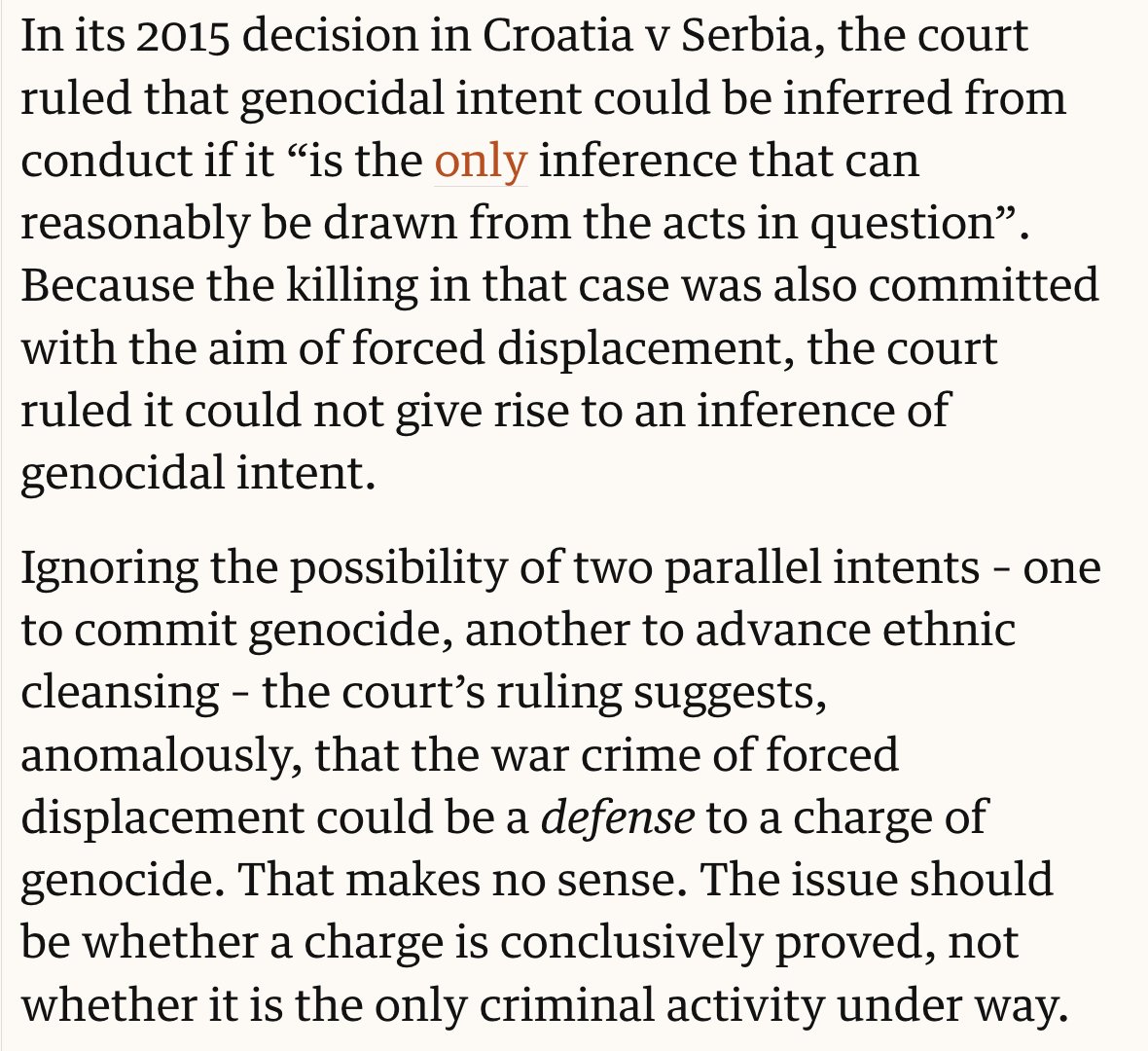
1. All States have a legal obligation to cooperate to bring to an end through lawful means any serious breach by a State of an obligation arising under a peremptory norm of general international law (jus cogens).

1. All States have a legal obligation to cooperate to bring to an end through lawful means any serious breach by a State of an obligation arising under a peremptory norm of general international law (jus cogens).
https://twitter.com/opiniojuris/status/1732686635865698702

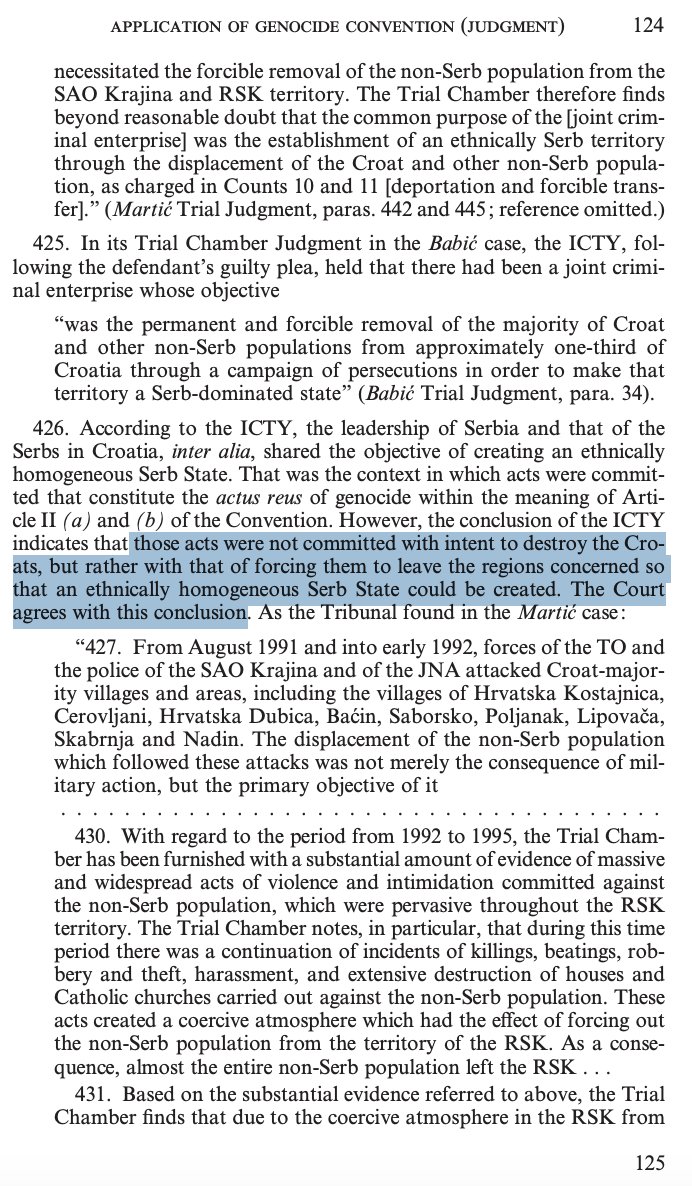
2. The basic rules of international humanitarian law are peremptory norms.
For example, the prohibition of starvation is undoubtably a basic rule.
So is wilfully impeding relief supplies short of starvation, I would argue.
For example, the prohibition of starvation is undoubtably a basic rule.
So is wilfully impeding relief supplies short of starvation, I would argue.
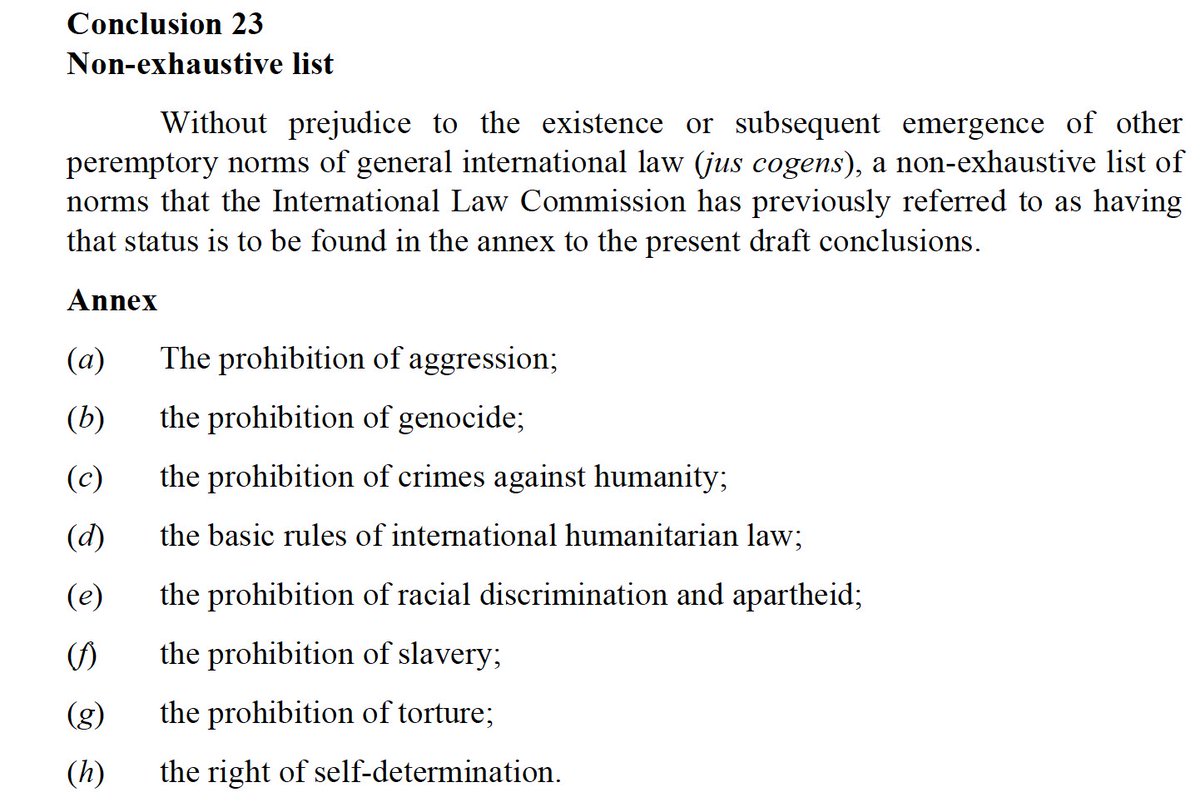
3. Israel's violation of these basic rules is gross and systematic, and therefore serious.
So all States have a legal obligation to bring Israel's violations to an end.
So all States have a legal obligation to bring Israel's violations to an end.
4. The ILC's conclusion is limited to (a) serious breaches (b) by a State.
I reject both limitations.
Peremptory norms are universally applicable to all subjects of international law.
All breaches are sufficiently serious to trigger obligations to use due diligence to end them
I reject both limitations.
Peremptory norms are universally applicable to all subjects of international law.
All breaches are sufficiently serious to trigger obligations to use due diligence to end them
5. The prohibitions of taking hostages, as well as inhuman treatment, are basic rules of international humanitarian law.
Hamas is violating these basic rules.
Therefore, all States have a legal obligation to cooperate to bring Hamas's violations to an end through lawful means.
Hamas is violating these basic rules.
Therefore, all States have a legal obligation to cooperate to bring Hamas's violations to an end through lawful means.
6. Notably, Israel rejects any such legal obligation.
(So do the United States and the United Kingdom)
This is not surprising, since much of the State practice that clearly establishes this legal obligation was directed at Israel's serious violations of peremptory norms.
(So do the United States and the United Kingdom)
This is not surprising, since much of the State practice that clearly establishes this legal obligation was directed at Israel's serious violations of peremptory norms.
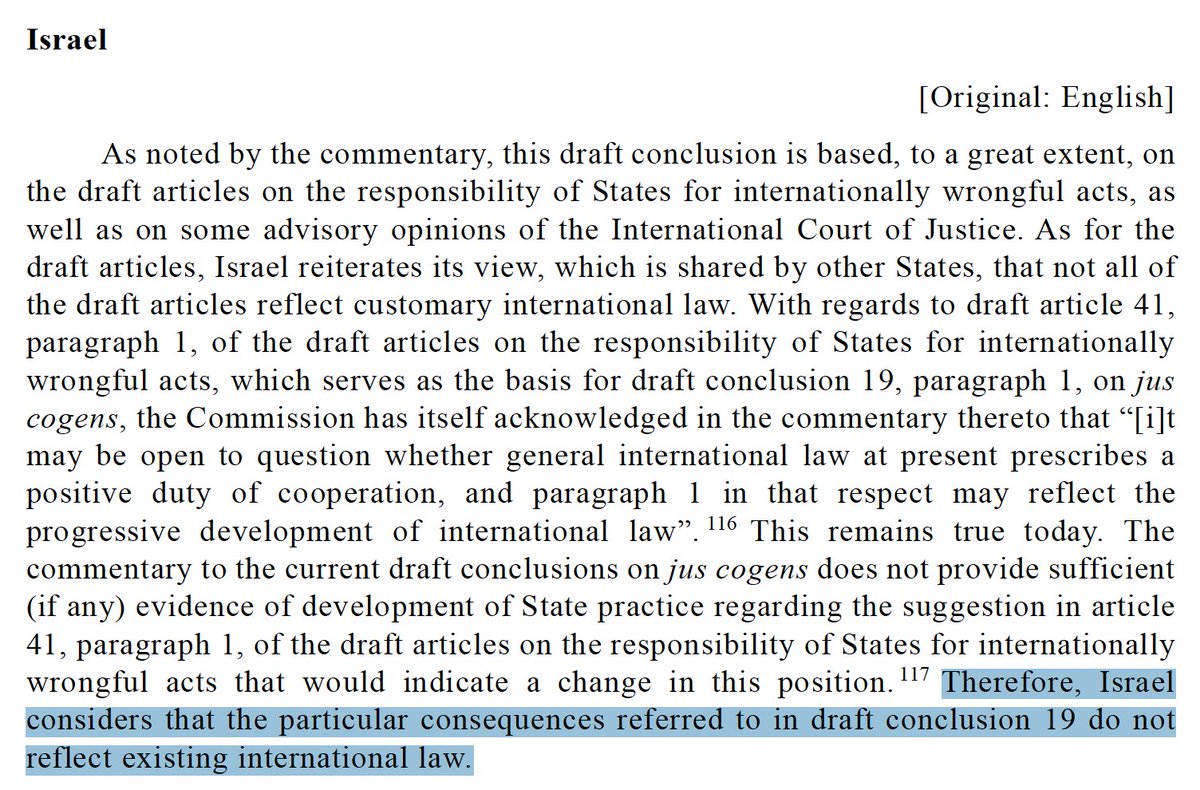

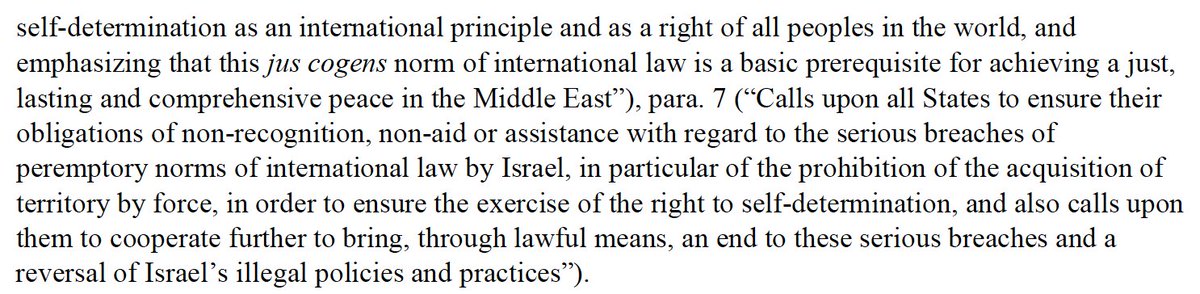
7. As is often the case, Israel's legal position is incorrect.
But there is no reason to deny Israeli civilians the protection afforded them under legal rules that Israel itself rejects.
But there is no reason to deny Israeli civilians the protection afforded them under legal rules that Israel itself rejects.

8. Many States cannot do much to stop Hamas or Israel from violating basic rules of international humanitarian law.
The authors suggest condemnation, outcasting, and accountability with respect to Hamas's violations.
I would suggest the same with respect to Israel's violations.
The authors suggest condemnation, outcasting, and accountability with respect to Hamas's violations.
I would suggest the same with respect to Israel's violations.

• • •
Missing some Tweet in this thread? You can try to
force a refresh