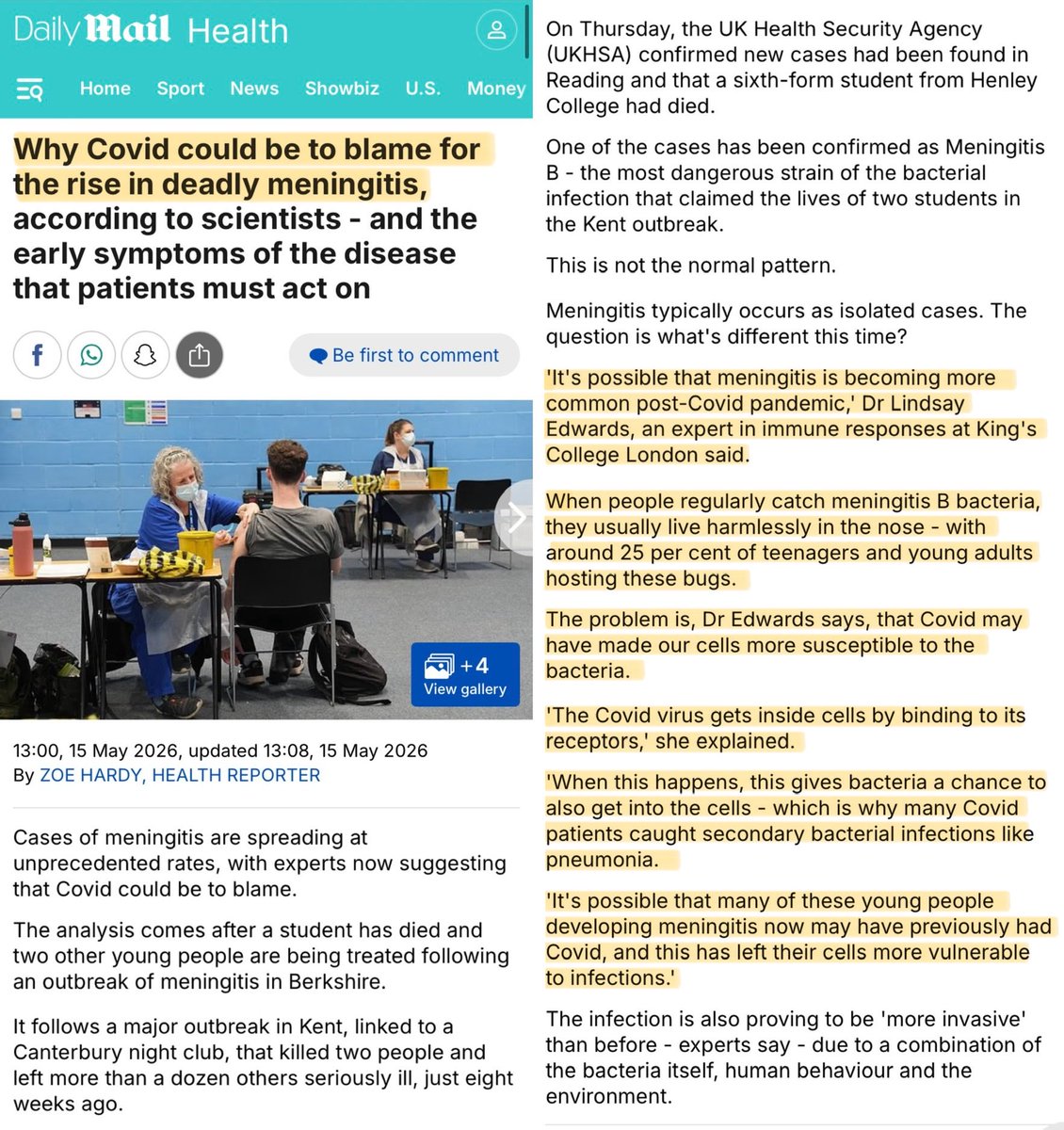
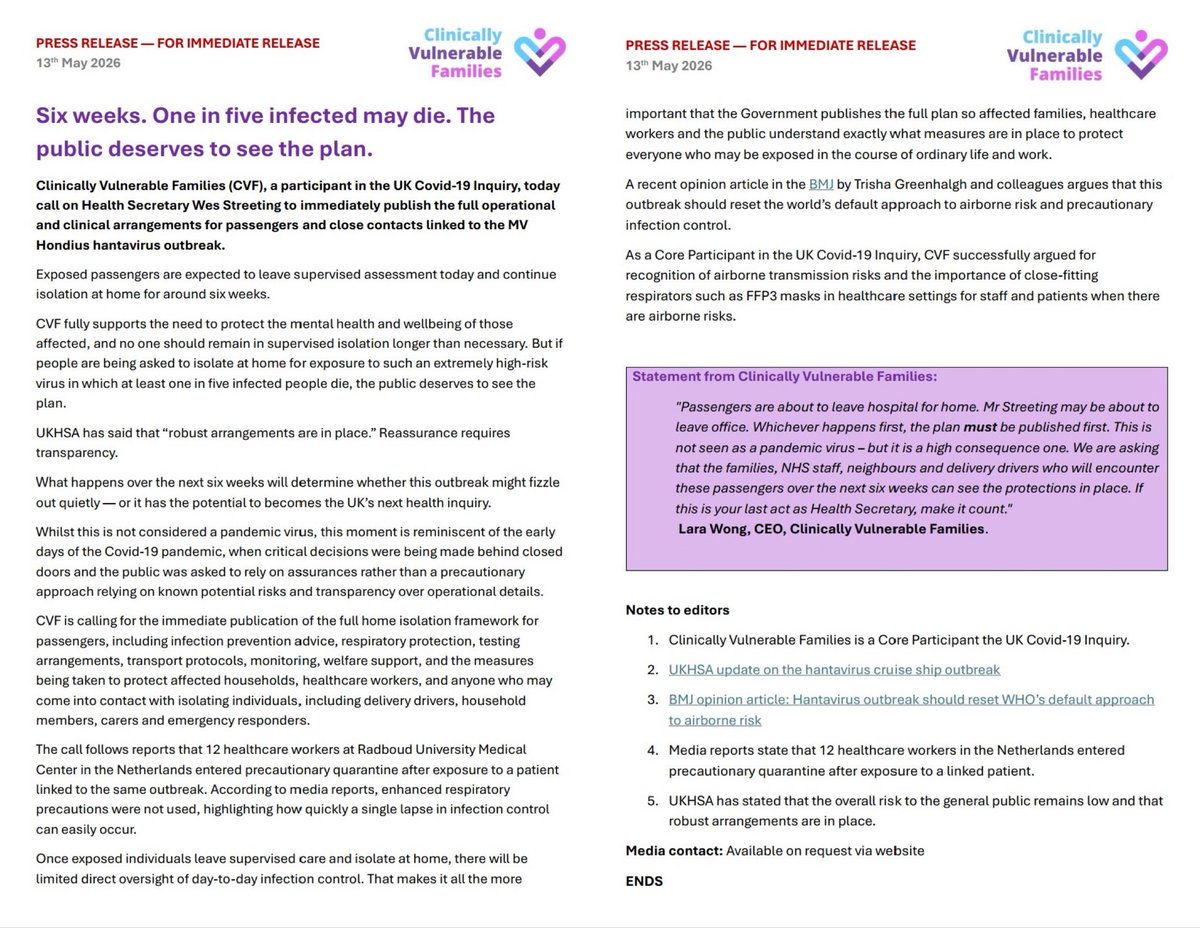
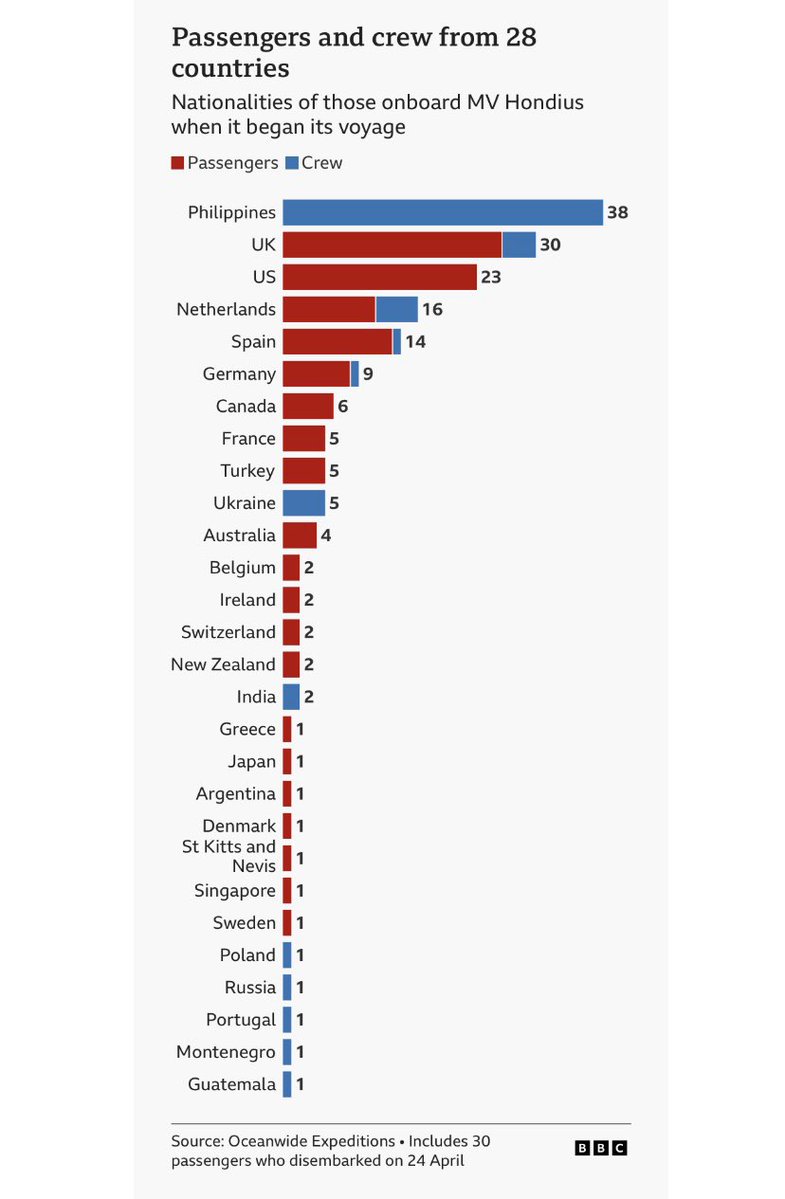
Amazing to see decent public health advice for once.
All masks are not equal, so it’s great to see Frosty the Snowman here wearing a high quality, well-fitted N95 mask.
#BeLikeFrosty ⛄️
Read on in this thread 🧵 to find out more about the wonders of N95 masks…
All masks are not equal, so it’s great to see Frosty the Snowman here wearing a high quality, well-fitted N95 mask.
#BeLikeFrosty ⛄️
Read on in this thread 🧵 to find out more about the wonders of N95 masks…
https://twitter.com/nychealthy/status/1736827473323602163
The study below compared the fitted filtration efficiency of surgical masks vs N95 masks:
📍Surgical mask: 38.1%
📍N95 respirator: 98.5%
As you can see, surgical masks have vastly inferior fitted filtration efficiencies compared to high quality N95s.
jamanetwork.com/journals/jamai…

📍Surgical mask: 38.1%
📍N95 respirator: 98.5%
As you can see, surgical masks have vastly inferior fitted filtration efficiencies compared to high quality N95s.
jamanetwork.com/journals/jamai…

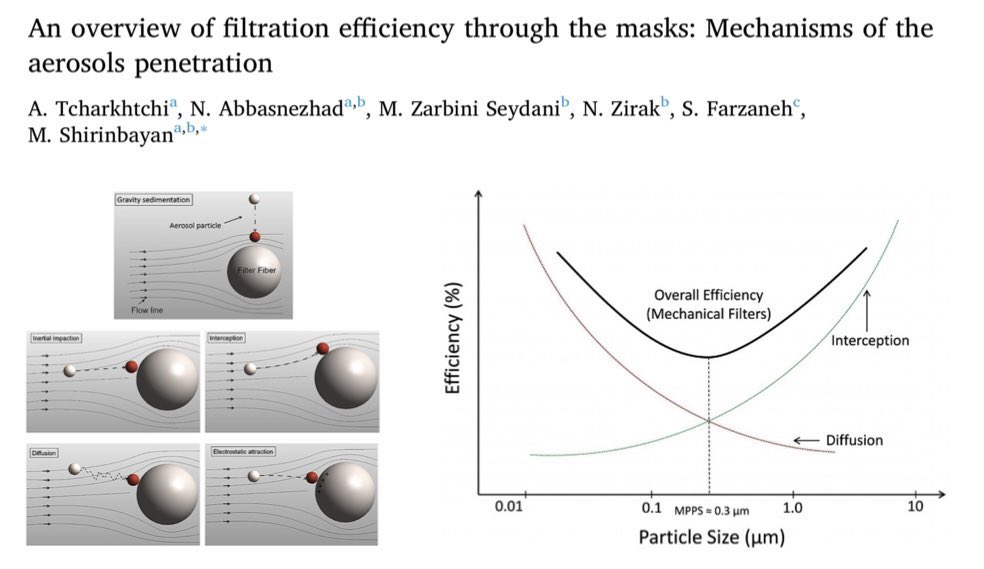
The physics of masks is very interesting.
N95’s filter out:
📍~100% of tiny particles (<0.1μm) through Brownian diffusion
📍~100% of the larger particles (>1.0μm) through interception
📍medium particles (~0.3μm) are trickier but an N95 mask will still filter out 95% of these.
N95’s filter out:
📍~100% of tiny particles (<0.1μm) through Brownian diffusion
📍~100% of the larger particles (>1.0μm) through interception
📍medium particles (~0.3μm) are trickier but an N95 mask will still filter out 95% of these.

To understand this in more detail, this brilliant video from @minutephysics explains the genius physics behind N95 masks and how they work to protect you against even the tiniest fine particles.
TLDR: They work more like magnets than like sieves.
TLDR: They work more like magnets than like sieves.

There are a number of mechanisms in action within N95 masks which contribute to their filtration efficiency, including:
📍gravity sedimentation
📍inertial impaction
📍interception
📍diffusion
📍electrostatic attraction
You can read more about this here:
sciencedirect.com/science/articl…
📍gravity sedimentation
📍inertial impaction
📍interception
📍diffusion
📍electrostatic attraction
You can read more about this here:
sciencedirect.com/science/articl…
Oh, and just in case you’re getting confused about all the mask terminology (N95, N99, FFP2, FFP3 etc), this is a really useful explainer from the good folks @SmartAirFilters:
Broadly speaking, an N95 is similar to the European FFP2 standard.
smartairfilters.com/en/blog/compar…
Broadly speaking, an N95 is similar to the European FFP2 standard.
smartairfilters.com/en/blog/compar…

• • •
Missing some Tweet in this thread? You can try to
force a refresh