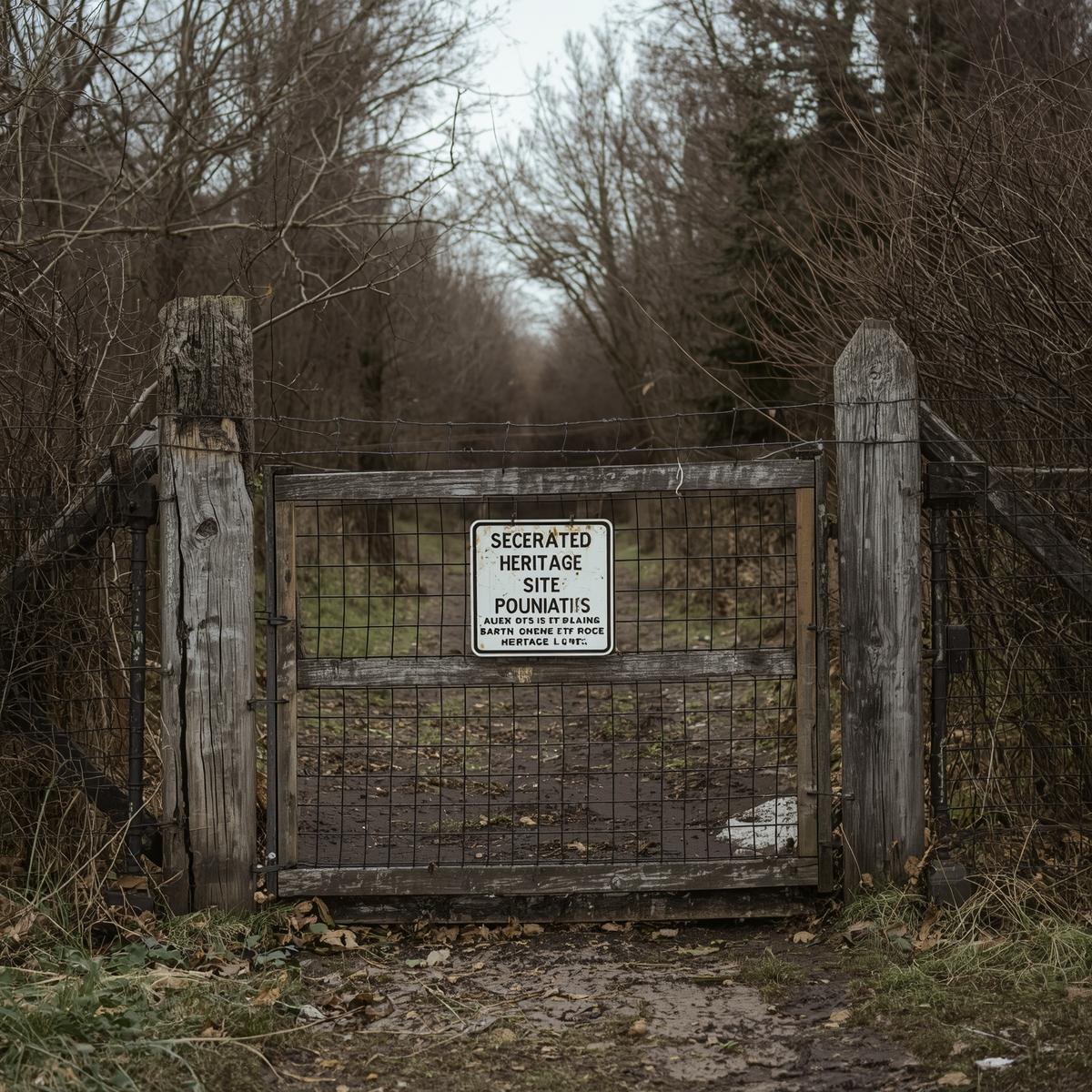
#Thread Oldest man marks in #Bharat
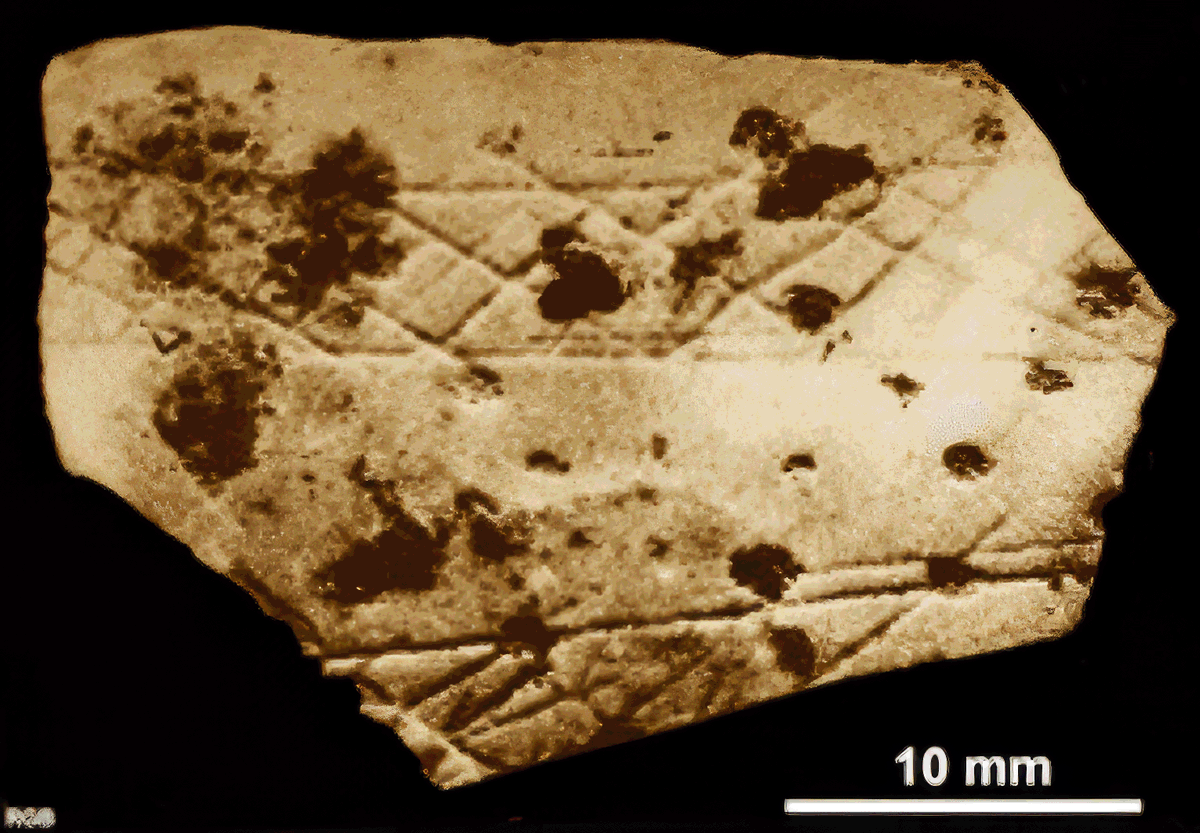
1. Ostritch Eggshell found in Patne, Maharashtra
- Engraved #Ostrich eggshell pieces revealing an artist's struggle with controlled strokes, resulting in captivating cross-hatchings.
- Dated back to 25,000±200 BP
#Archaeology
1/
1/15
1. Ostritch Eggshell found in Patne, Maharashtra
- Engraved #Ostrich eggshell pieces revealing an artist's struggle with controlled strokes, resulting in captivating cross-hatchings.
- Dated back to 25,000±200 BP
#Archaeology
1/
1/15
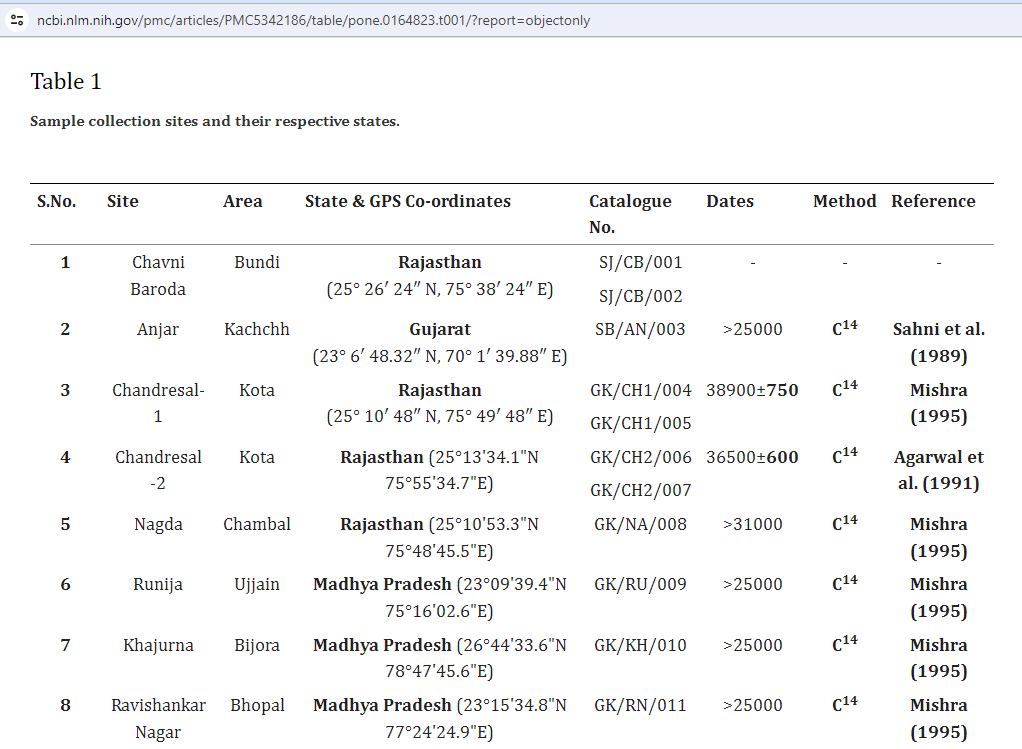
Another Engraved Ostrich Eggshell Discovery in Ravishankar Nagar, Bhopal - An intricately engraved piece of ostrich eggshell with 7 distinct scars artistically arranged to form a captivating pseudo-oval shape.
Ostritches migrated to Africa from India
2/15
Ostritches migrated to Africa from India
2/15
https://twitter.com/64098246/status/1723713310397268037
Fluted chert cores, one stands out with an engraved spiral rhomboid design. It has two parallel lines that move clockwise from the center, forming intertwining spiraling arms. The engraved design has suffered partial damage,
3/15
3/15

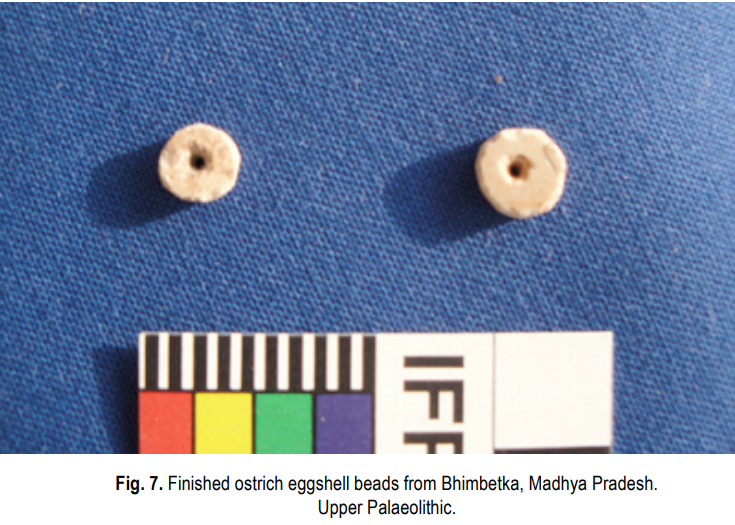
Finished ostrich eggshell beads from Bhimbetka, Madhya Pradesh. Upper Palaeolithic 18700 ybp. The neat holes means the people had capability of drillng
4/15
4/15
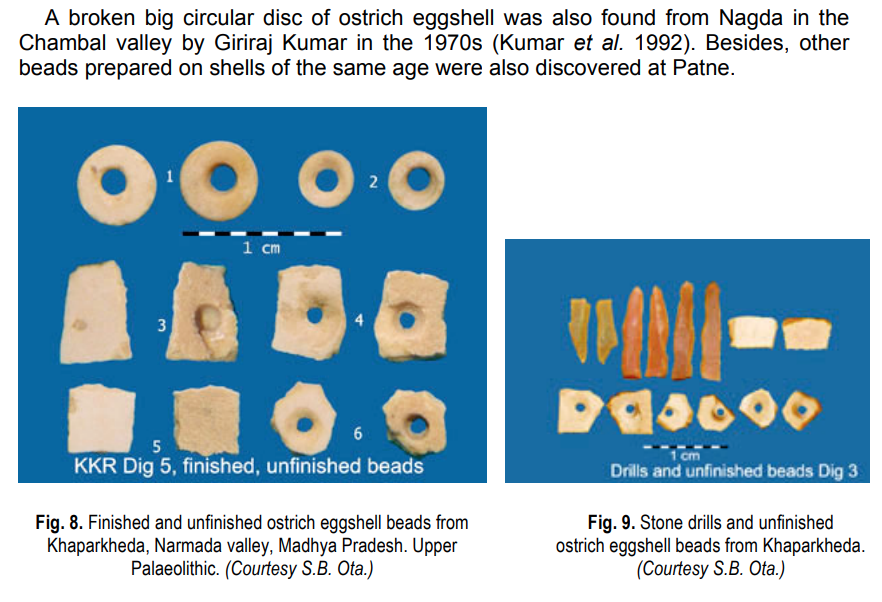
Archaeologists found circular ostrich eggshell discs in Khaparkheda, India in the 1970s. Artisans shaped them into circular forms with primitive tools, creating intricate patterns. Unfinished specimens reflect our ancestors' artistic aspirations.
5/15
5/15
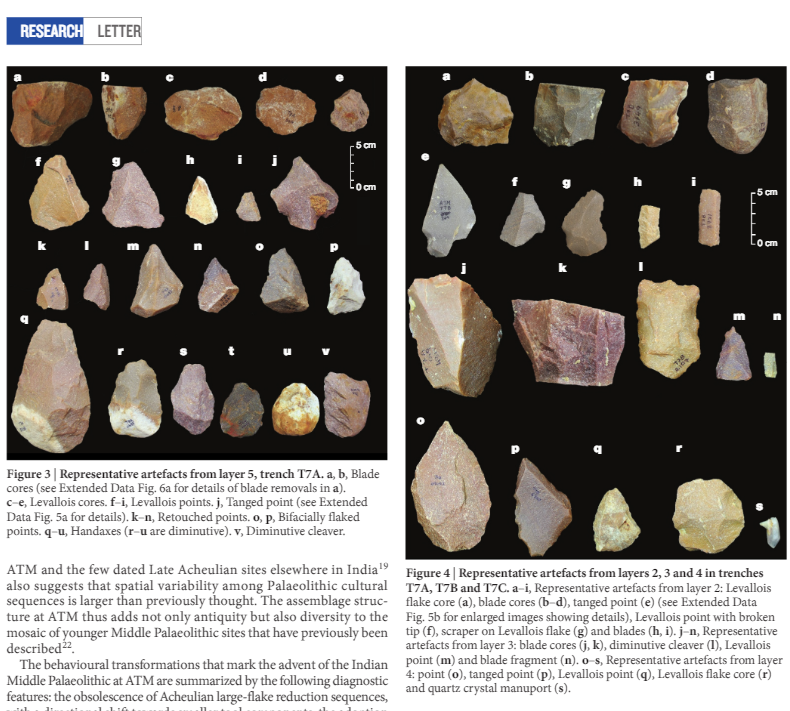
The oldest stone tools discovered in India date back 1.5 million years. These tools were unearthed at the archaeological site of Attirampakkam, Tamilnadu, India, and were crafted in the Acheulian style, associated with the Early Stone Age.
6/15
6/15
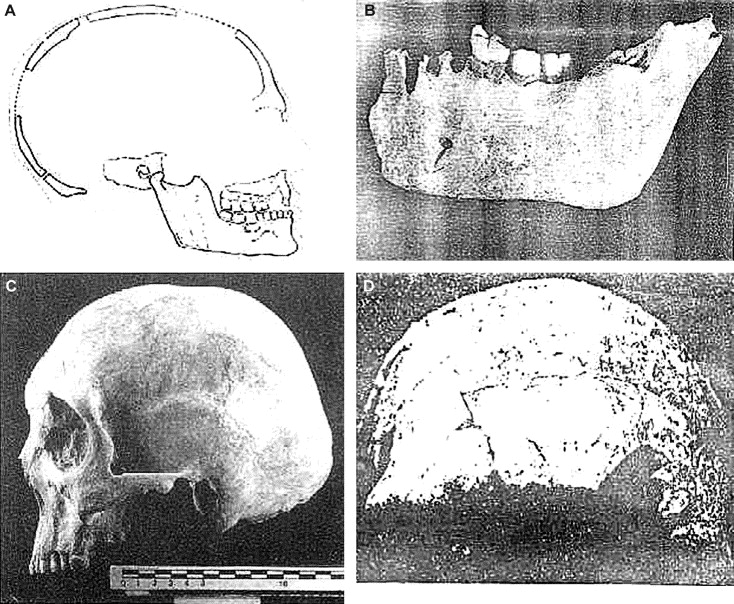
The Narmada Man Skull, dating back around 500,000 years ago, is the oldest human fossil in India. It exhibits Homo erectus features with unique characteristics.
This discovery highlights India's role in early human dispersal and the presence of Homo erectus.
7/15
This discovery highlights India's role in early human dispersal and the presence of Homo erectus.
7/15
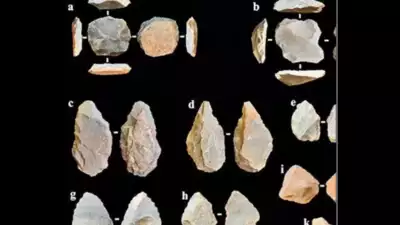
Artefacts found in Hanumanthunipadu, Andhra Pradesh, reveal ancient human history. Recent findings estimate them to be 2.47 lakh years old. (Times of India)
8/15
8/15
Landmark discovery of 11 million-year-old human ancestors in Kutch, Gujarat
9/15
9/15
https://twitter.com/64098246/status/1643652234838941696
9 Million Years Old Ape Fossils found In Haritalyangar, Shiwalik hills region Himachal Pradesh, India
The Ape was similar to ancestors 'liopithecoid,' found in Eurasia during the Miocene period (18 MYA to 7 MYA
10/15
The Ape was similar to ancestors 'liopithecoid,' found in Eurasia during the Miocene period (18 MYA to 7 MYA
10/15
https://twitter.com/64098246/status/1622845135469027329
The earliest ancestors to modern ape and orangutans were found in India.
11/15
11/15
https://twitter.com/64098246/status/1729129119215133180
Bori Khurd is a town located in Pune district, Maharashtra, India. It is known for the discovery of some ancient human artefacts belonging to lower paleolithic period.
Reported artefacts from Bori suggest the appearance of human beings in India around 1.4 million years ago
12/15
Reported artefacts from Bori suggest the appearance of human beings in India around 1.4 million years ago
12/15
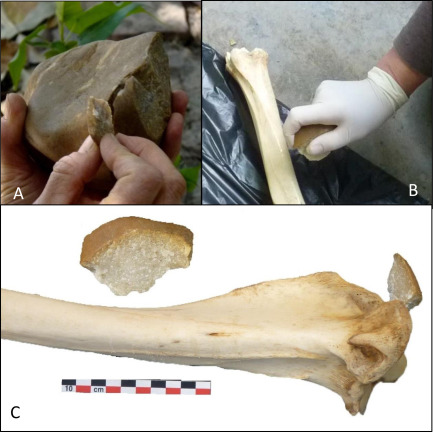
A joint Indian-French team found the artefacts on the Siwalik hills about where tectonic activity has exposed an outcrop of bedrock dating back at least 2.6 million years. “Hominins lived in sub-Himalayan floodplains 2.6 million years ago.
13/15
13/15

I hope you are enjoying my contents. Please subscribe my YouTube channel and and support us.
Please RT and like first tweet of this thread if you can.
15/15 youtube.com/@gemsofindology
t.me/gemsofindology
Please RT and like first tweet of this thread if you can.
15/15 youtube.com/@gemsofindology
t.me/gemsofindology
https://twitter.com/64098246/status/1737300215470968996
@threadreaderapp unroll
• • •
Missing some Tweet in this thread? You can try to
force a refresh