GemsOfINDOLOGY Profile picture
Dec 20 16 tweets 6 min read Read on X
#Thread Oldest man marks in #Bharat

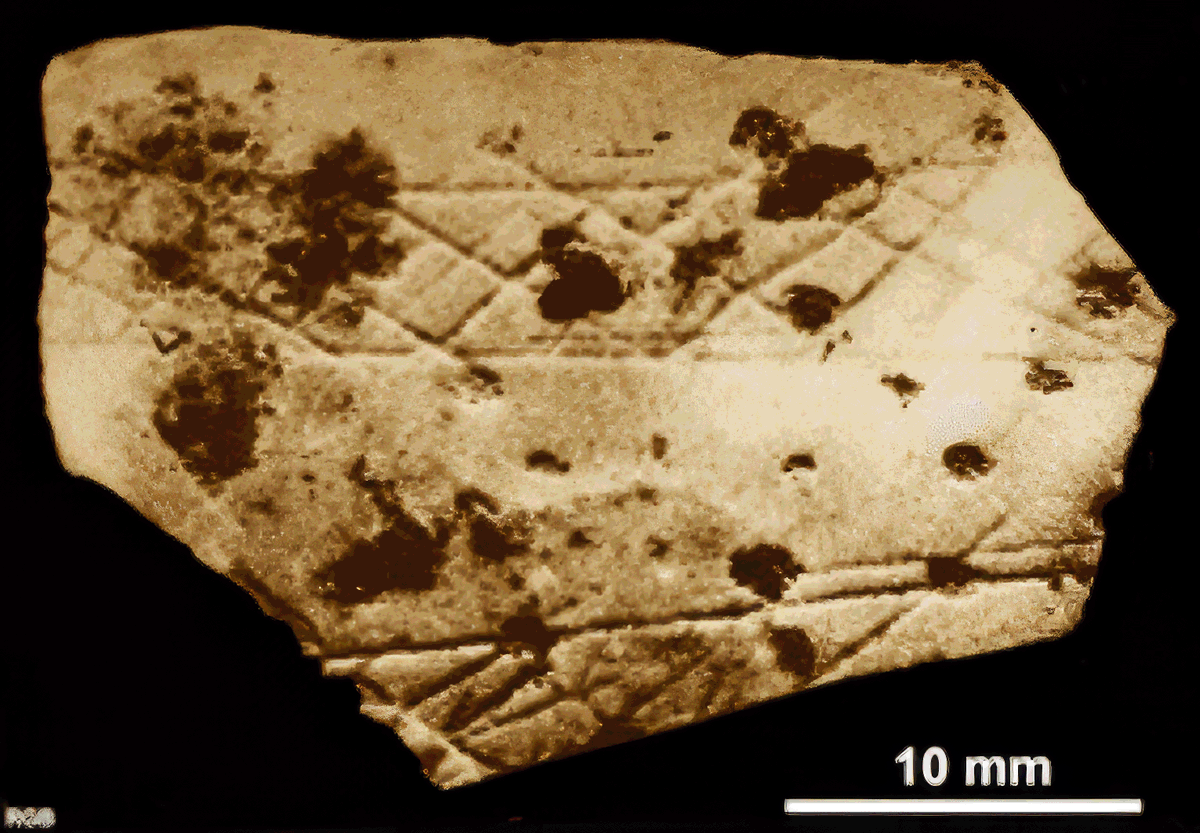
1. Ostritch Eggshell found in Patne, Maharashtra
- Engraved #Ostrich eggshell pieces revealing an artist's struggle with controlled strokes, resulting in captivating cross-hatchings.

- Dated back to 25,000±200 BP

#Archaeology

1/

1/15 Image
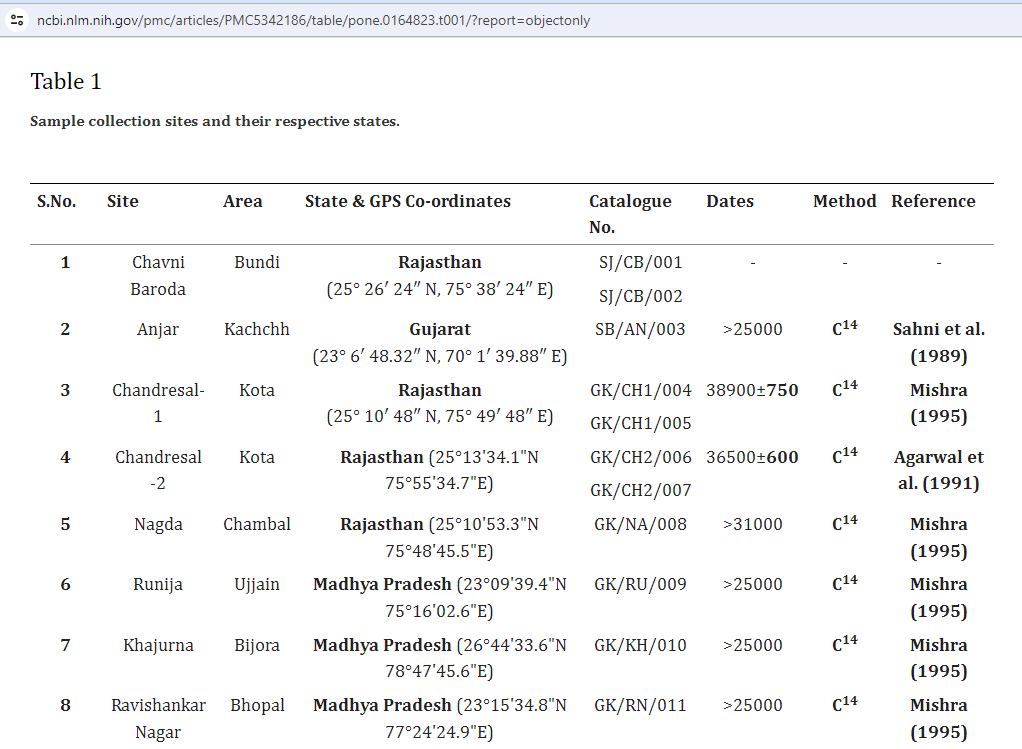
Another Engraved Ostrich Eggshell Discovery in Ravishankar Nagar, Bhopal - An intricately engraved piece of ostrich eggshell with 7 distinct scars artistically arranged to form a captivating pseudo-oval shape.
Ostritches migrated to Africa from India

2/15
Image
Fluted chert cores, one stands out with an engraved spiral rhomboid design. It has two parallel lines that move clockwise from the center, forming intertwining spiraling arms. The engraved design has suffered partial damage,

3/15 https://ignca.gov.in/PDF_data/Webinar_4th_VS_Wakankar_Memorial_Lecture_booklet.pdf
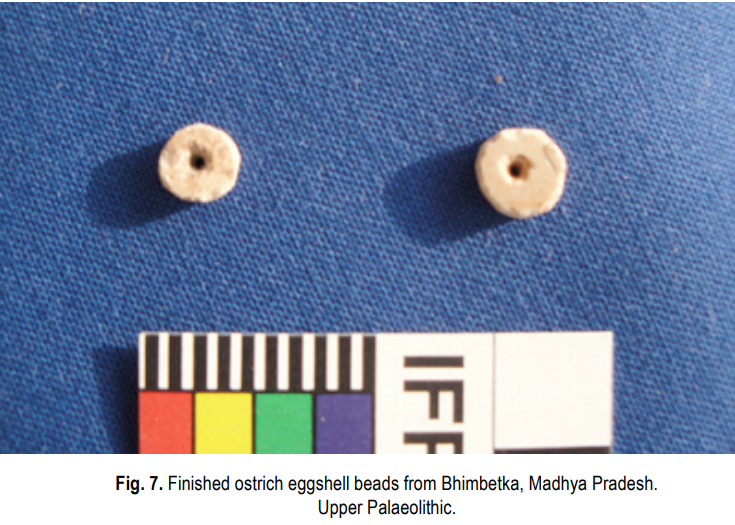
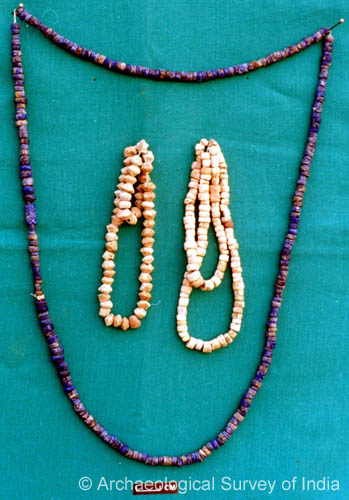
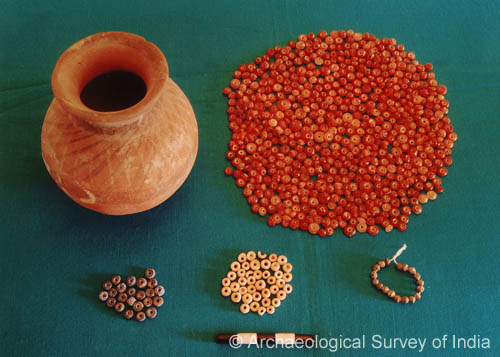
Finished ostrich eggshell beads from Bhimbetka, Madhya Pradesh. Upper Palaeolithic 18700 ybp. The neat holes means the people had capability of drillng

4/15 Image
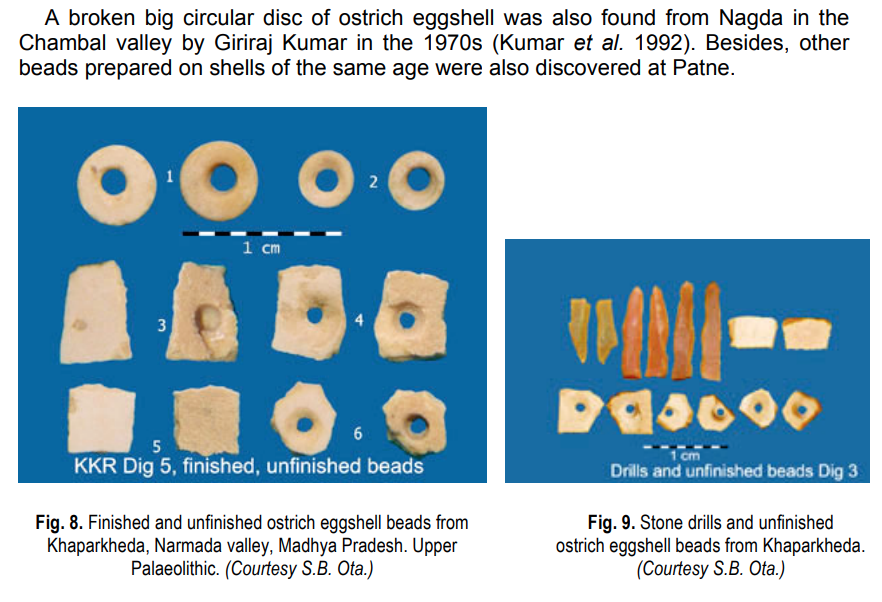
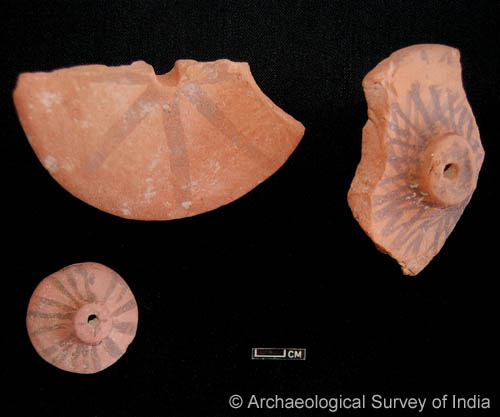
Archaeologists found circular ostrich eggshell discs in Khaparkheda, India in the 1970s. Artisans shaped them into circular forms with primitive tools, creating intricate patterns. Unfinished specimens reflect our ancestors' artistic aspirations.

5/15 Image
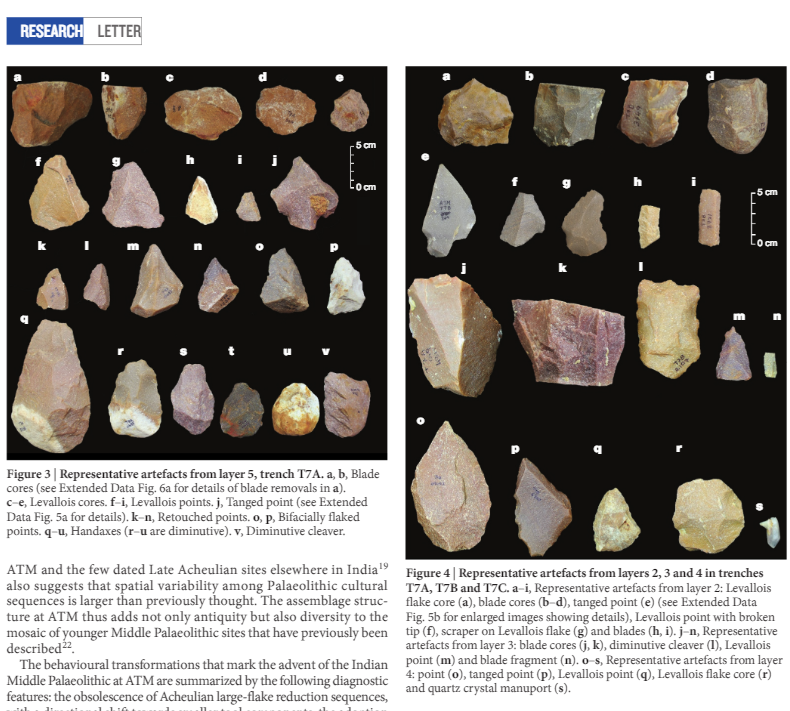
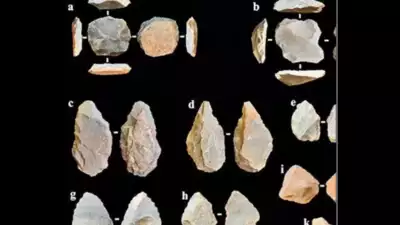
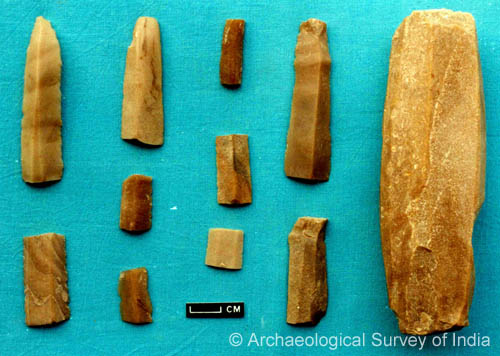
The oldest stone tools discovered in India date back 1.5 million years. These tools were unearthed at the archaeological site of Attirampakkam, Tamilnadu, India, and were crafted in the Acheulian style, associated with the Early Stone Age.

6/15 https://www.nature.com/articles/nature25444.epdf  Around 385,000 years ago, the Levallois technology used at Attirampakkam emerged. Interestingly, this was around the same time when Levallois tools began appearing in Africa and Europe. (NPR rejects theory that the Levallois technique spread to diverse geographic regions around 125,000 years ago, when humans began dispersing from Africa.   Humans have been creating stone tools for about 2.6 million years. Approximately 400,000 years ago, our ancestors experienced a significant improvement in their technique.   Moving from cumbersome implemen...
The Narmada Man Skull, dating back around 500,000 years ago, is the oldest human fossil in India. It exhibits Homo erectus features with unique characteristics.
This discovery highlights India's role in early human dispersal and the presence of Homo erectus.

7/15 https://www.sciencedirect.com/science/article/pii/S1631068305001272  The skull cap is well-preserved, with a complete right half and part of the left parietal bone. It is relatively small, with a cranial capacity of around 1,200 cubic centimeters. This is slightly smaller than the average cranial capacity of modern humans, but within the range of Homo erectus.  The skull cap has a number of features that are typical of Homo erectus, including a thick brow ridge, a sloping forehead. Some scientists believe that the Narmada Man Skull represents a new species of Homo erectus, while others beli...
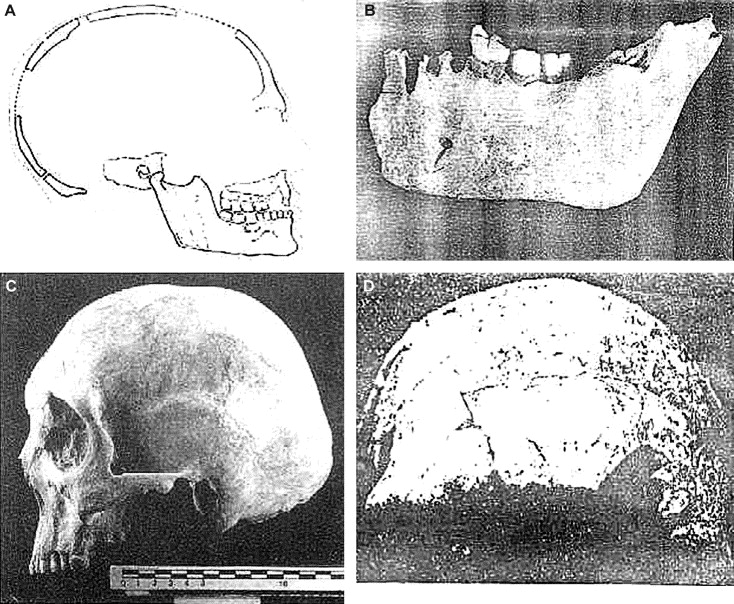
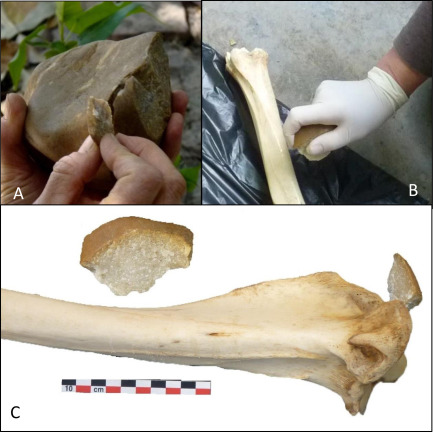
Artefacts found in Hanumanthunipadu, Andhra Pradesh, reveal ancient human history. Recent findings estimate them to be 2.47 lakh years old. (Times of India)

8/15 Image
Landmark discovery of 11 million-year-old human ancestors in Kutch, Gujarat

9/15
9 Million Years Old Ape Fossils found In Haritalyangar, Shiwalik hills region Himachal Pradesh, India
The Ape was similar to ancestors 'liopithecoid,' found in Eurasia during the Miocene period (18 MYA to 7 MYA

10/15
The earliest ancestors to modern ape and orangutans were found in India.

11/15
Bori Khurd is a town located in Pune district, Maharashtra, India. It is known for the discovery of some ancient human artefacts belonging to lower paleolithic period.
Reported artefacts from Bori suggest the appearance of human beings in India around 1.4 million years ago

12/15
A joint Indian-French team found the artefacts on the Siwalik hills about where tectonic activity has exposed an outcrop of bedrock dating back at least 2.6 million years. “Hominins lived in sub-Himalayan floodplains 2.6 million years ago.

13/15
https://www.newscientist.com/article/2076072-asian-stone-tools-hint-humans-left-africa-earlier-than-thought/#:~:text=A%20joint%20Indian%2DFrench%20team,which%20made%20their%20dating%20tricky. https://www.sciencedirect.com/science/article/pii/S1631068315002304
Image
Src in respective tweets and below one


14/15blogs.univ-tlse2.fr/palethnologie/…
I hope you are enjoying my contents. Please subscribe my YouTube channel and and support us.
Please RT and like first tweet of this thread if you can.

15/15 youtube.com/@gemsofindology
t.me/gemsofindology
@threadreaderapp unroll

• • •

Missing some Tweet in this thread? You can try to force a refresh

 

Keep Current with GemsOfINDOLOGY

GemsOfINDOLOGY Profile picture

Stay in touch and get notified when new unrolls are available from this author!

Read all threads

This Thread may be Removed Anytime!

PDF

Twitter may remove this content at anytime! Save it as PDF for later use!

Try unrolling a thread yourself!

how to unroll video
  1. Follow @ThreadReaderApp to mention us!

  2. From a Twitter thread mention us with a keyword "unroll"
@threadreaderapp unroll

Practice here first or read more on our help page!

More from @GemsOfINDOLOGY

Dec 21
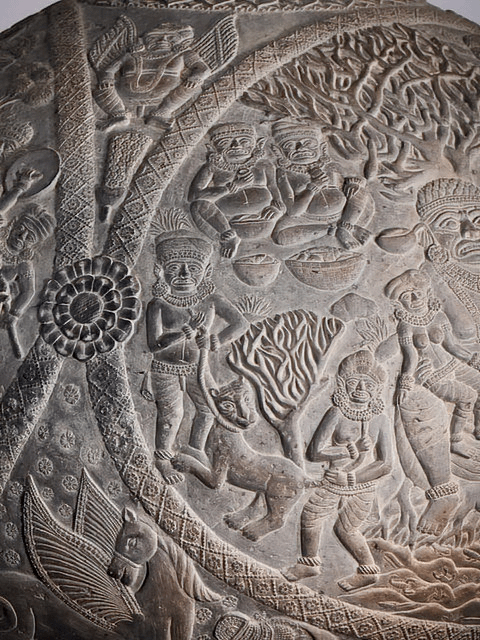
The emergence of the Rakshas (demon) and abduction scenes in Indian storytelling during the 2nd century CE indeed signaled a significant shift in the social fabric of Bharat, as India was known at that time?
#Bharat

1/13 Image
These narrative elements reflected deeper changes occurring within society. Incorporation of these themes into tales served as an artistic expression capturing evolving cultural norms and belief.
Could this be an advise for woman to stay alert ? Or seek support from male

2/13 Image
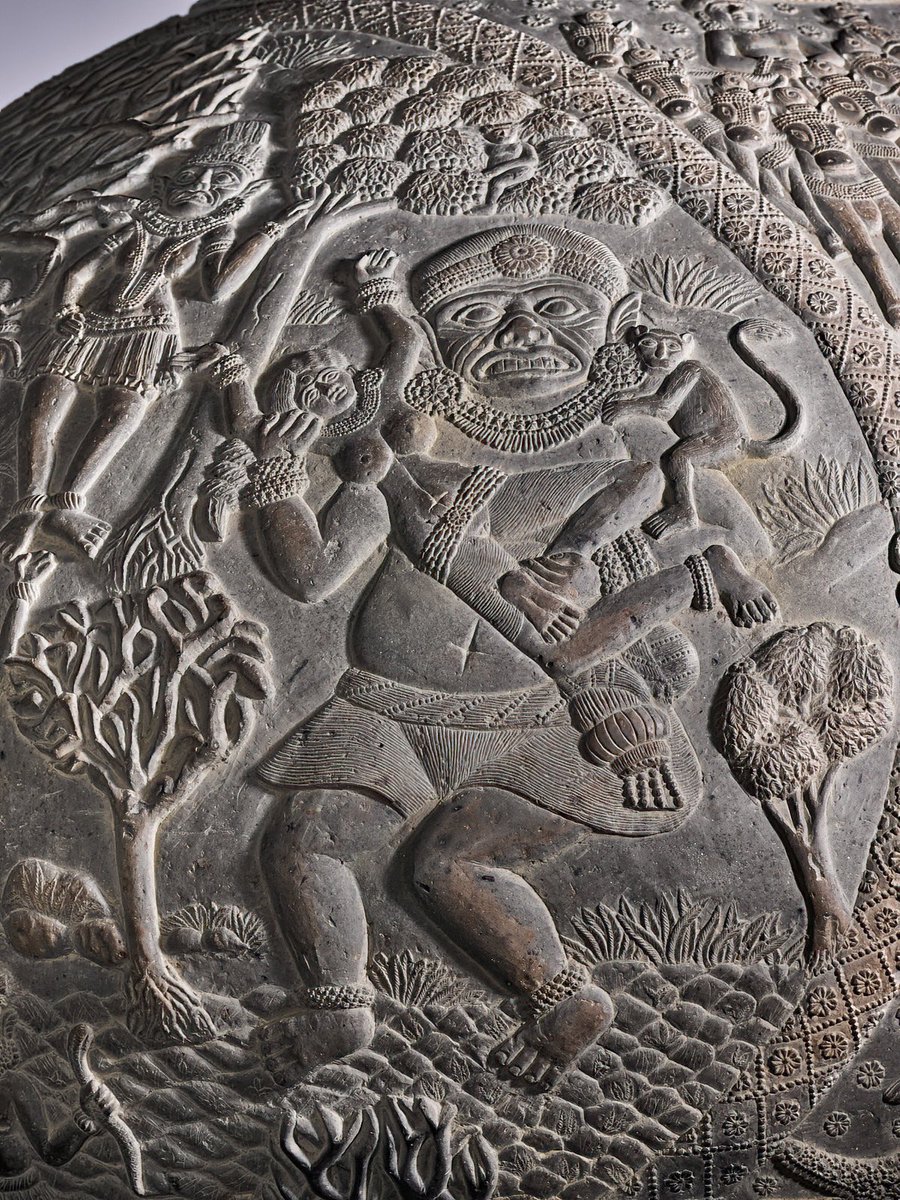
The portrayal of Rakshas characters showcased a transformation from earlier Vedic texts where demons represented chaotic forces threatening divine order.
MS recommendations to woman to stay with man could also help in understanding this power shift.

3/13 Image
Read 13 tweets
Dec 17
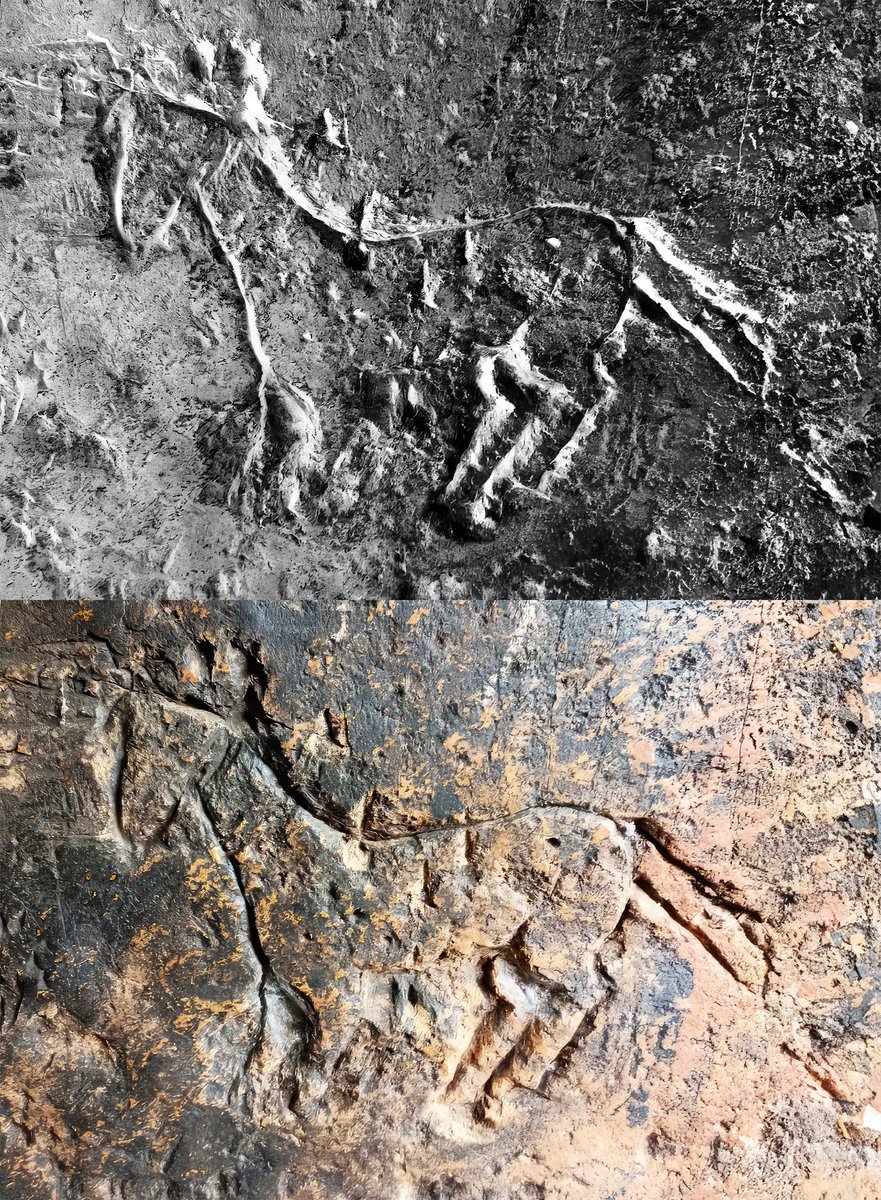
Horse Rockart in Pandavahara Gumpha, Khurda, Odisha is a powerful testament against the fake Aryan Invasion Theory. Its survival now hinges on combating rampant mining activities.
#Archaeology

1/4 https://www.bradshawfoundation.com/news/index.php?id=Preservation-of-rock-art-in-India
@ASIGoI @MinOfCultureGoI @sambitswaraj @narendramodi @PMOIndia @INTACHIndia This sign reinforces the historical significance of Horse Rockart in Pandavahara gumpha. Preserving our cultural heritage is crucial to dispel misconceptions and challenge controversial theories. Protecting this site from mining activities is essential . #PreserveOurHistory

2/4 Image
The cave is a treasure trove of ancient art and history, connecting us to our ancestors' way of life and Odisha's cultural heritage. Delve deep into its mysteries to uncover evidence that strengthens our understanding of the remarkable civilization in this region.

3/4
Image
Image
Read 4 tweets
Dec 16
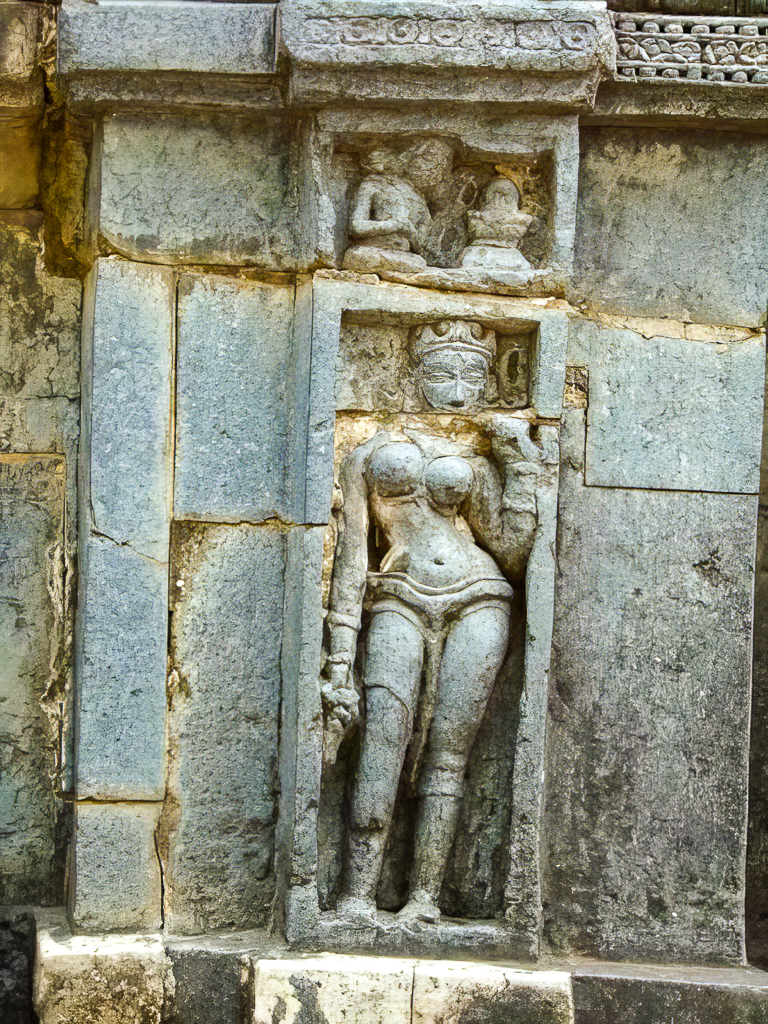
Choose a mistry over an enthusiast to repair, and this is what you get: the astounding Kichakesvari Temple, Khiching, Odisha 7th c. ce

Largest temple in town dedicated to Goddess Kichakeswari, the family goddess of the ruling chiefs of Mayurbhanj & State deity

#Archaeology

1/7 Image
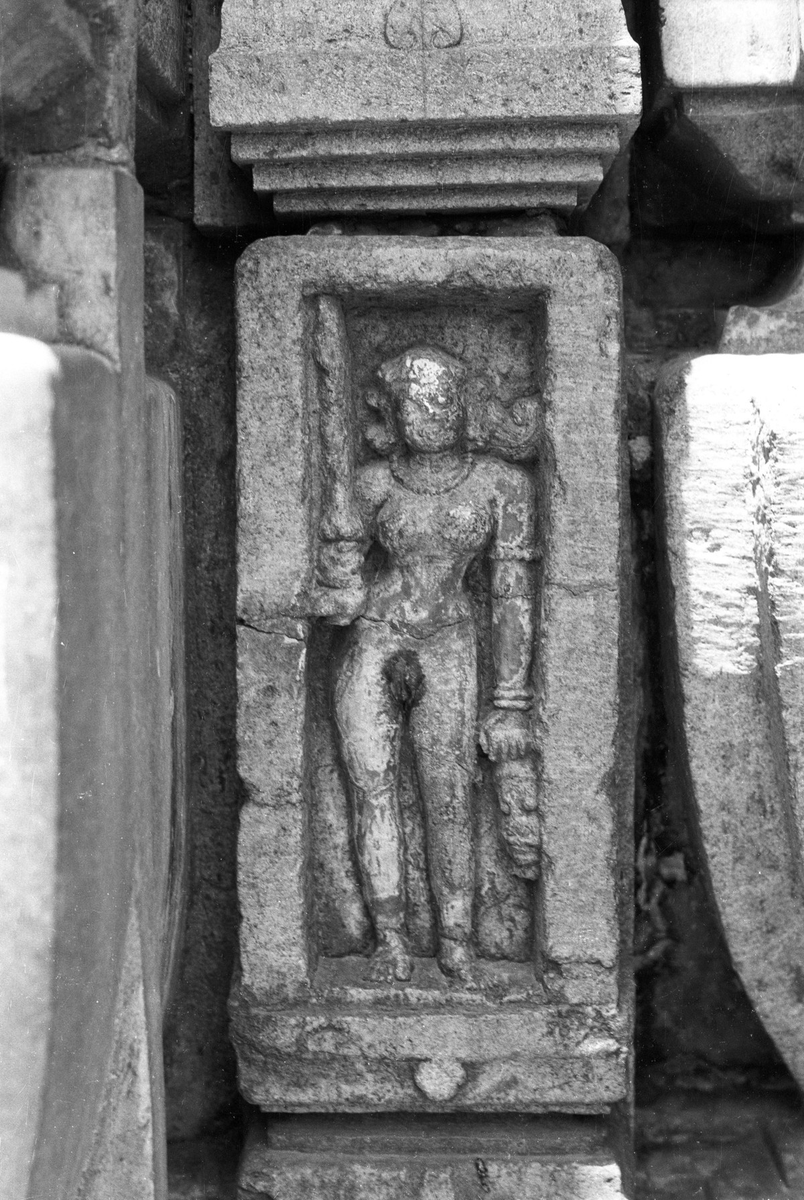
Khiching - Kichakesvari Temple - Lingapuja and Goddess with sword,

2/7
Image
Image
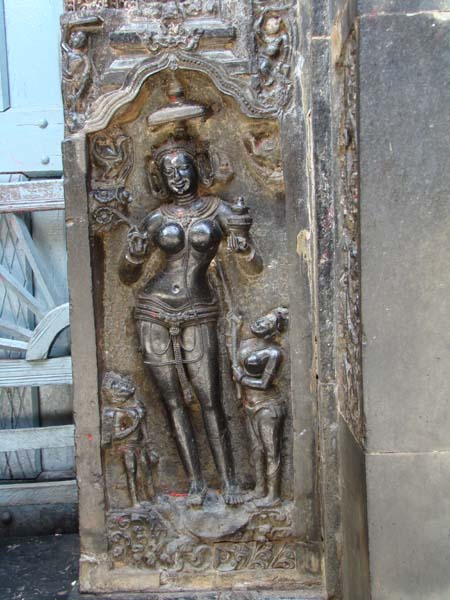
Godess Yamuna,Khiching - Kichakesvari Temple

3/7 Image
Read 7 tweets
Nov 26
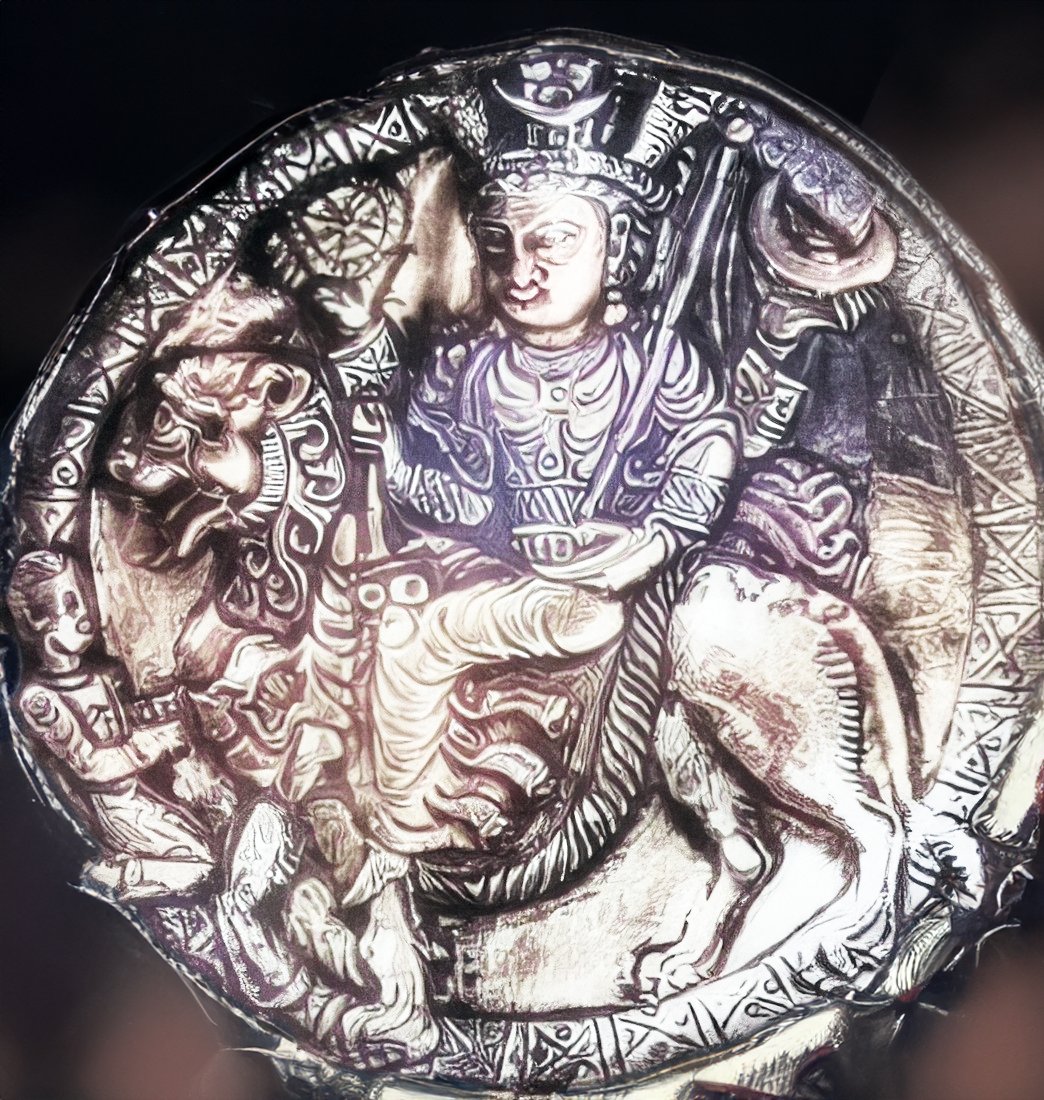
1/ Unearthed from the depths of #Uzbekistan's past, a silver bowl reveals a captivating #archaeological mystery

Emblazoned upon enigmatic "4-Arm Goddess," the forgotten realms of ancient civilizations from 6th century ce

Let's embark on a journey to unravel its secrets 🧵 Image
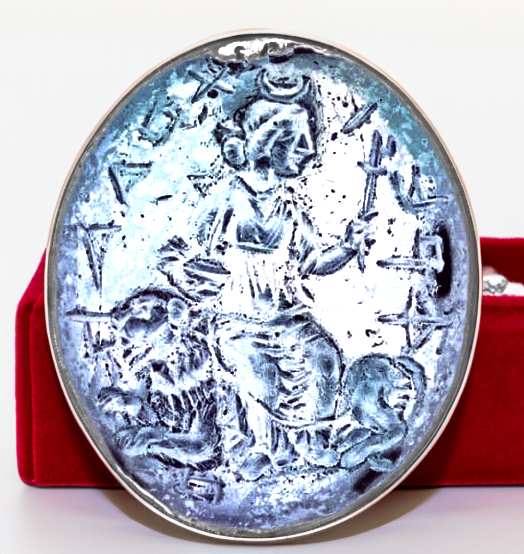
2/ Kushan seal with Nana on lion-throne (second century AD; after Callieri 1997). Image
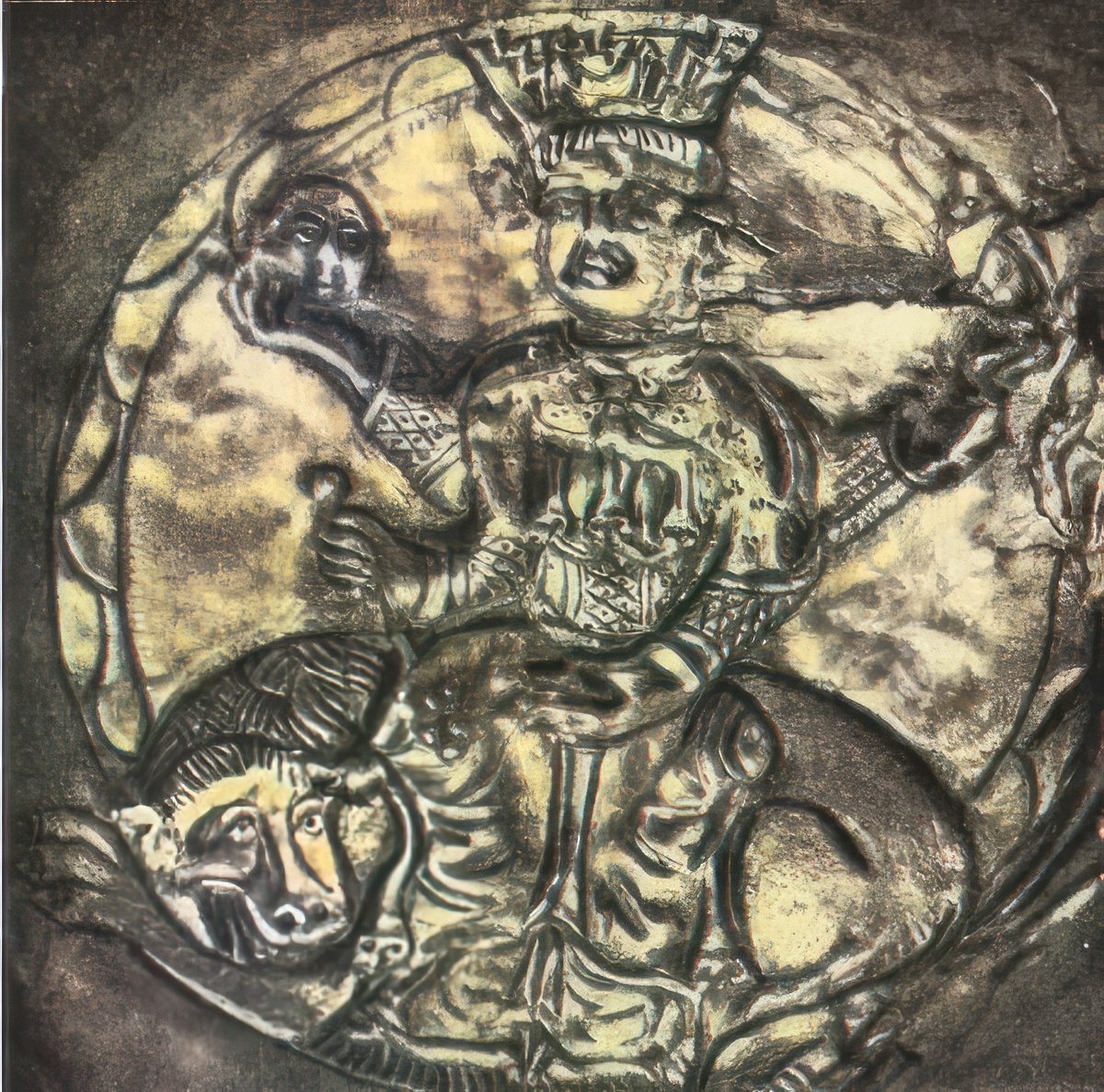
3/ 4-Armed Godess with a human head in her arm
(after Fajans 1957) 6th century ce
#Uzbekistan #Archaeology Image
Read 6 tweets
Nov 24
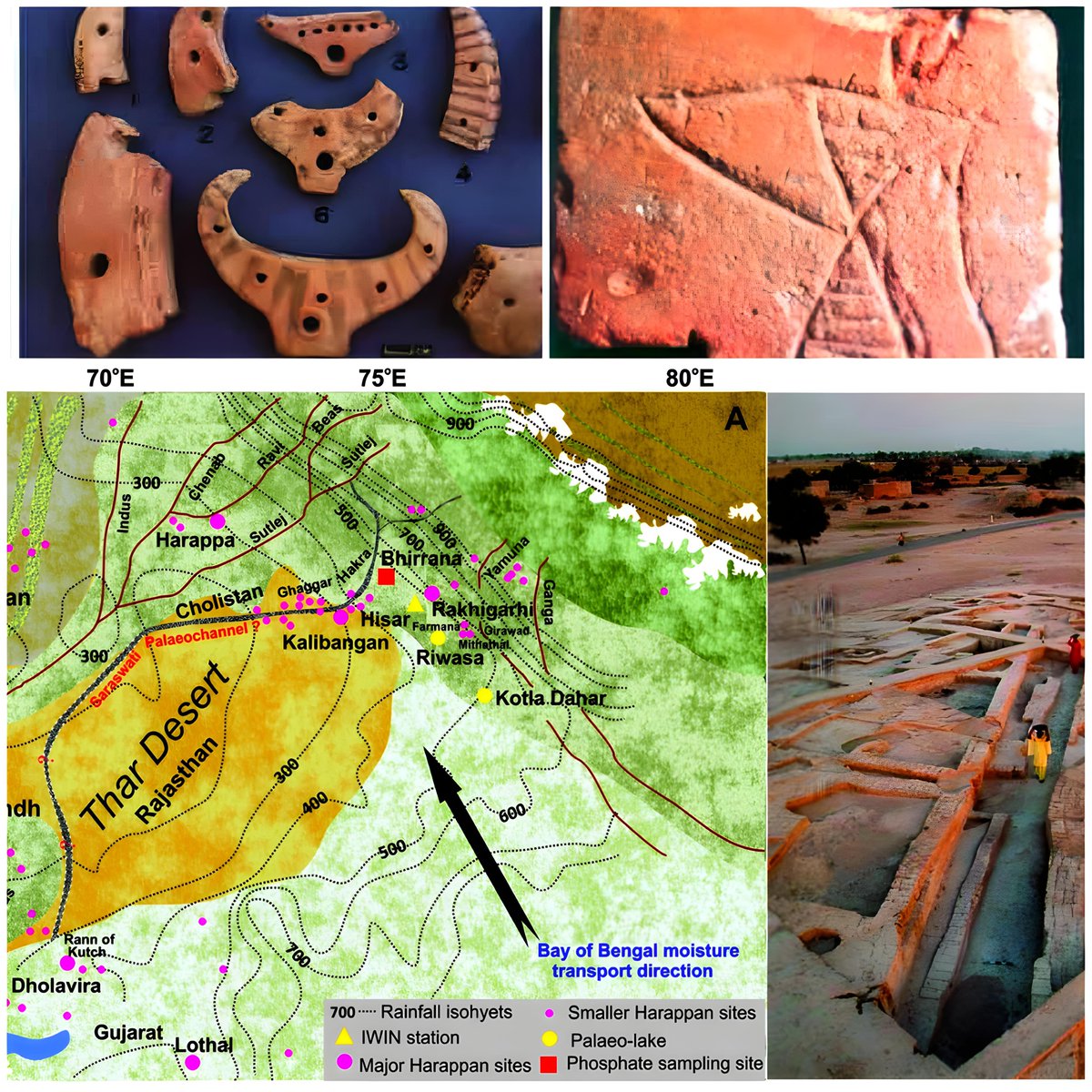
Bhirana: Asia's largest and world's oldest 9000-Year-Old Civilization!

In a study published in Nature, scientists have discovered that the ancient civilization of Bhirana predates even Sumer & Egypt's pharaonic era.

#Archaeology #Bharat https://www.nature.com/articles/srep26555
Potsherds, Bhirrana


Image
Image
Image
Image
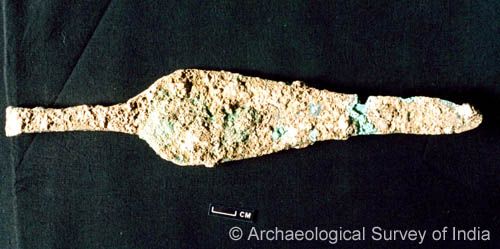
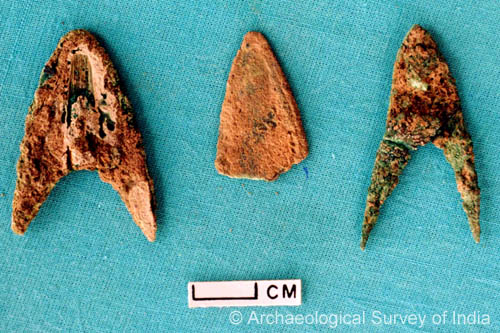
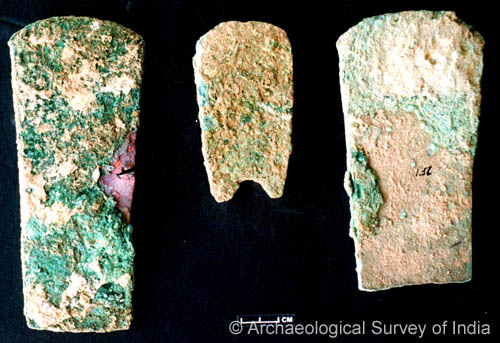
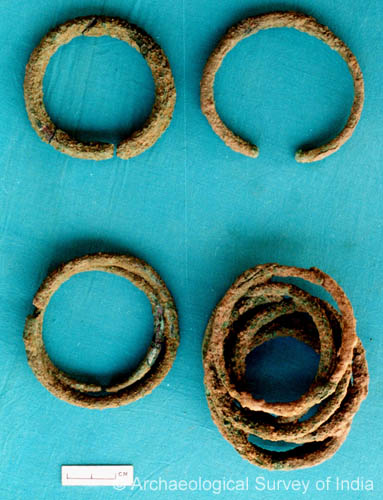
Arrow heads, axes bengals, Bhirrana


Image
Image
Image
Image
Read 6 tweets
Nov 4
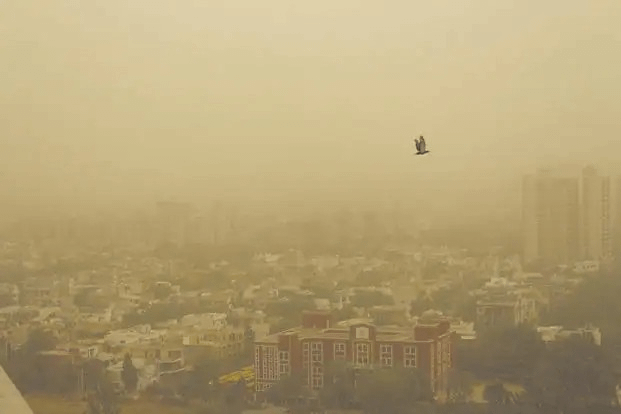
Forget Diwali crackers, ever heard of the Punjab Preservation of Subsoil Water Act 2009 and Haryana Preservation of Sub-soil Water Act, 2009? These acts are to blame for Delhi's pollution. Let's dive into this fascinating topic in a thread. #Pollution #DiwaliCrackers

1/n Image
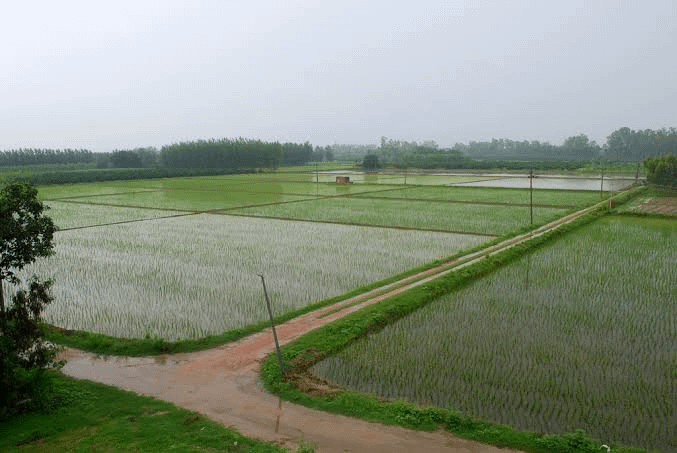
In the 1970s and 1980s, Punjab and Haryana experienced a remarkable transformation known as the Green Revolution. To ensure food security for the country, they transitioned from traditional crops like maize, pearl millet, pulses, and oilseeds to a wheat-paddy cultivation cycle. Unfortunately, the impact on water tables was not adequately considered.
2/n
Image
Modern irrigation techniques like tube wells have unintentionally led to excessive pumping of groundwater, depleting underground aquifers.

This decline raises concerns for:
1. Agriculture
2. Freshwater availability

Efforts by stakeholders include:
1. Promoting efficient irrigation methods
2. Raising awareness for sustainable use

Collective action is needed to mitigate further damage and ensure future water supply.

3/
Image
Read 9 tweets

Did Thread Reader help you today?

Support us! We are indie developers!


This site is made by just two indie developers on a laptop doing marketing, support and development! Read more about the story.

Become a Premium Member ($3/month or $30/year) and get exclusive features!

Become Premium

Don't want to be a Premium member but still want to support us?

Make a small donation by buying us coffee ($5) or help with server cost ($10)

Donate via Paypal

Or Donate anonymously using crypto!

Ethereum

0xfe58350B80634f60Fa6Dc149a72b4DFbc17D341E copy

Bitcoin

3ATGMxNzCUFzxpMCHL5sWSt4DVtS8UqXpi copy

Thank you for your support!

Follow Us!

:(