
(1/23) Let's look at the BTR-4E Butsefal. 

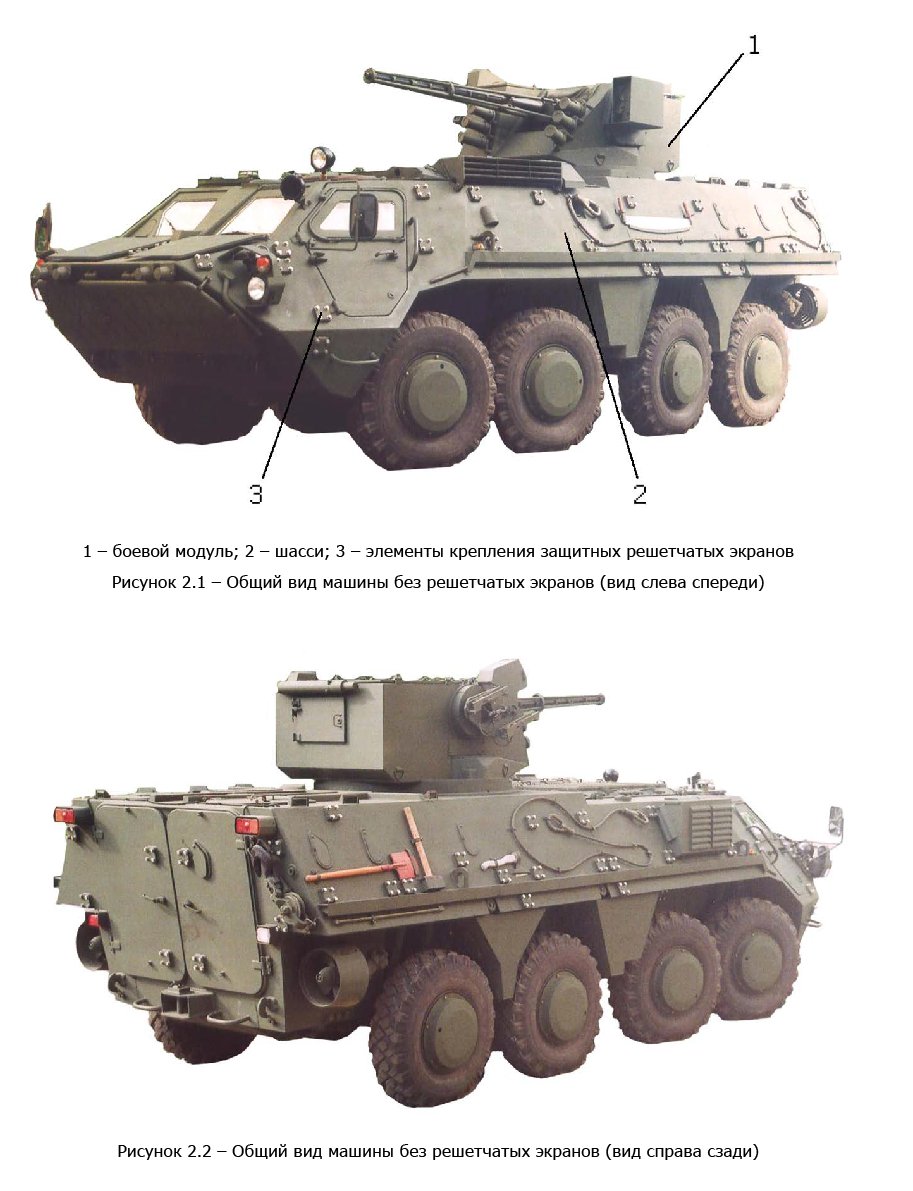
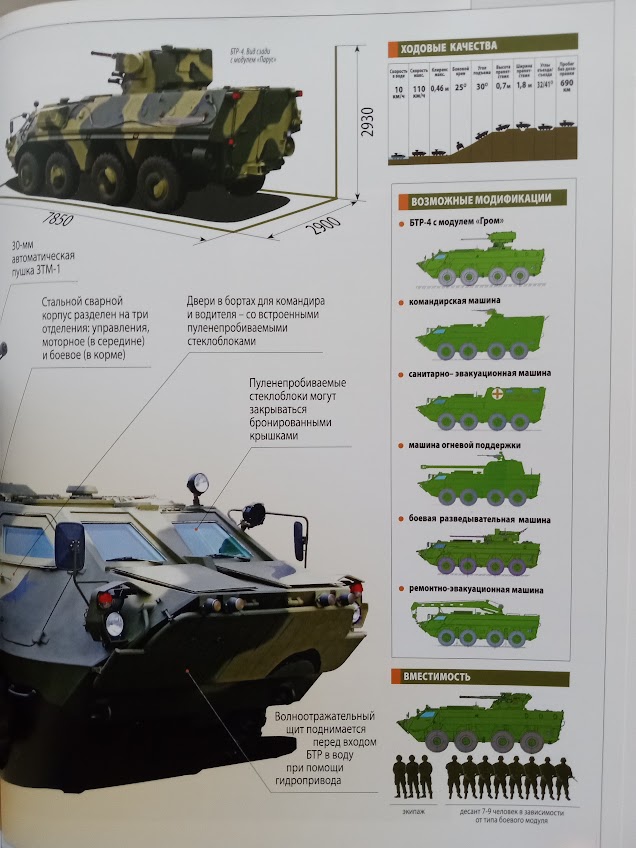
(2/23) Named after Bucephalus, Alexander the Great's horse, the BTR-4 represents a break from the Soviet BTR-60/70/80 wheeled APC family. It is instead patterned on modern Western wheeled APCs such as the German TPz Fuchs.

(3/23) This is most apparently seen in the vehicle layout. Instead of the Soviet BTR series' rear engine layout, the BTR-4 has its engine compartment in the middle, between the driver/commander and the passenger compartment.
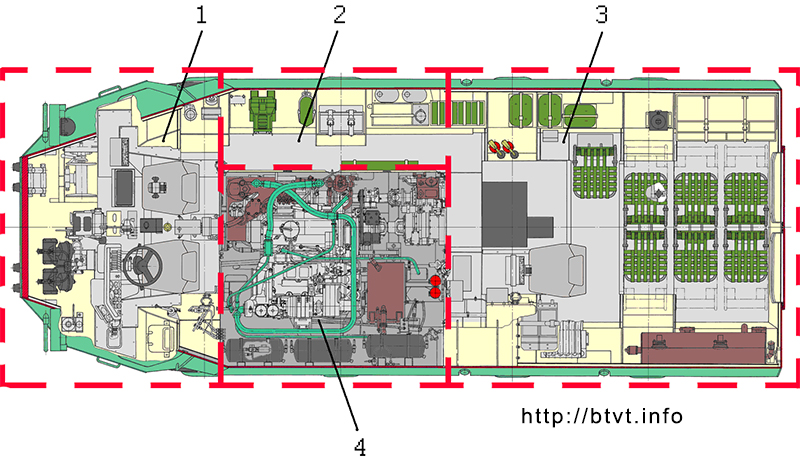

(4/23) This allows it to use rear doors for embarking/disembarking personnel, something no Soviet/Russian BTR in service has, but is common in Western wheeled APCs.
(3/23) BTR-3s are usually powered by KhZTM's 3TD-3A engine, a downsized version of the 5TDF and 6TD 2-stroke opposed-piston engines that power the T-64 and BM Oplot MBTs. It develops about 500 hp. Deutz and Iveco engines are offered, but I don't know if the ZSU uses them.


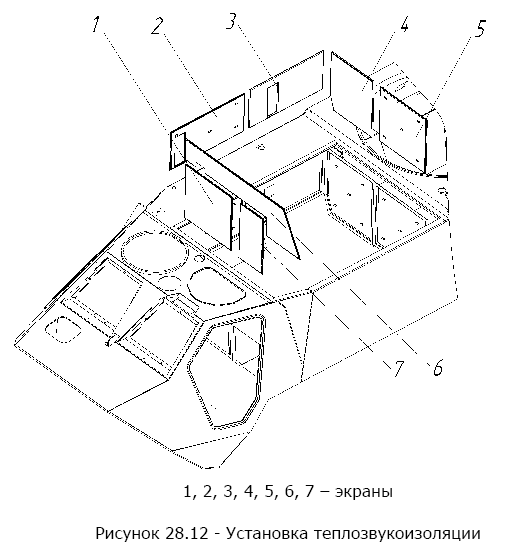
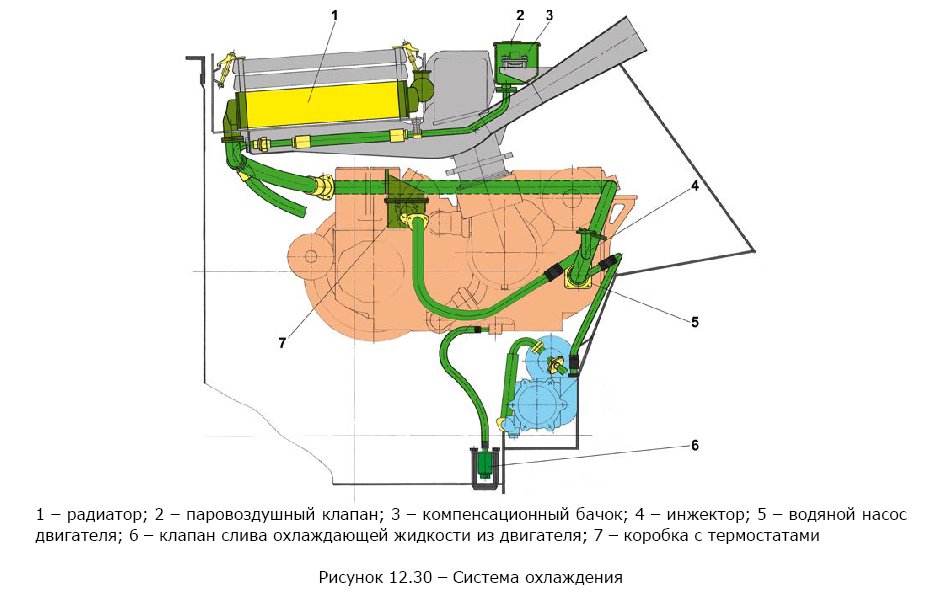
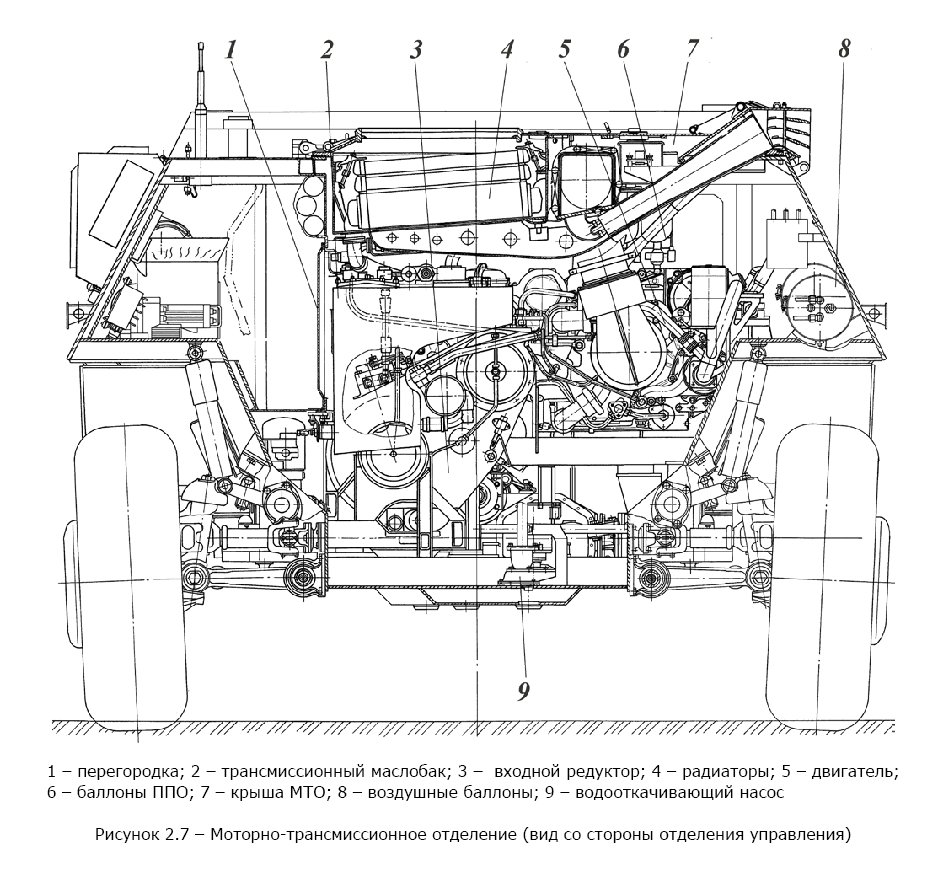
(4/23) For comfort, the engine compartment is sound and heat-insulated. An ejection cooling system is used. The transmission is fairly conventional for an 8x8 wheeled vehicle, with two steerable front wheels
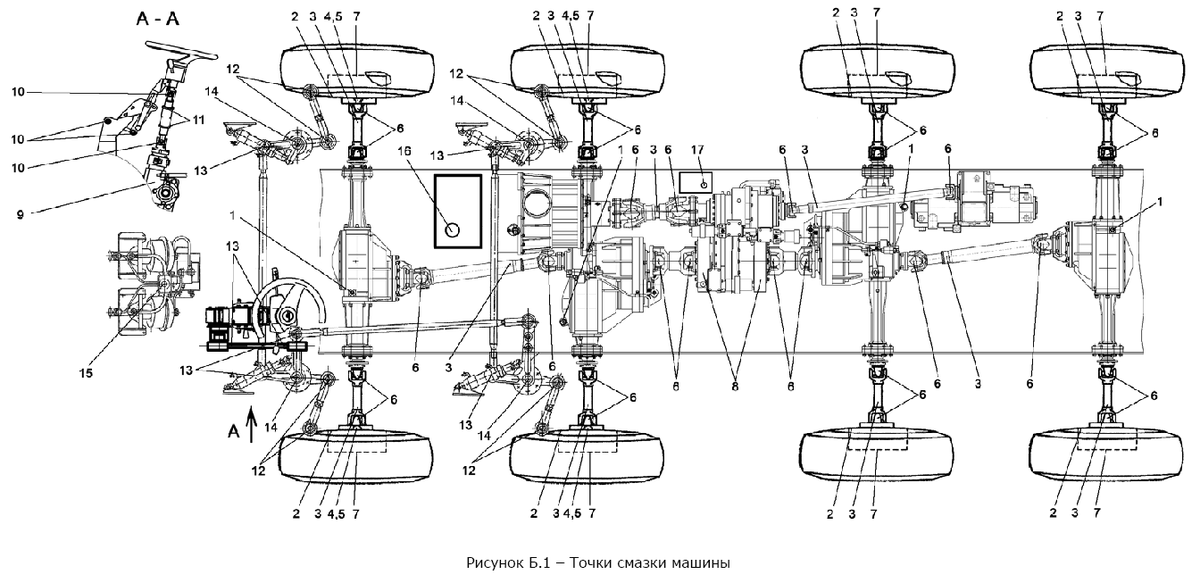
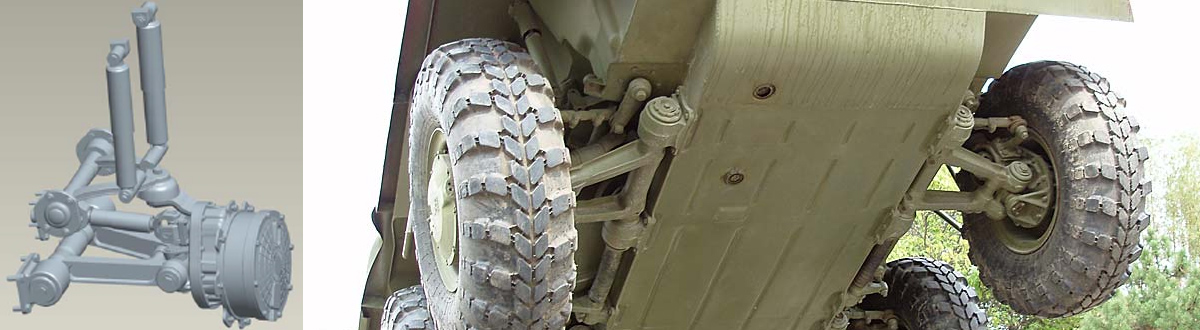
(5/23) The suspension elements are one of the few things kept virtually unchanged from Soviet BTRs. They are of the torsion bar type, with two transverse arms and telescopic hydraulic shock absorbers.
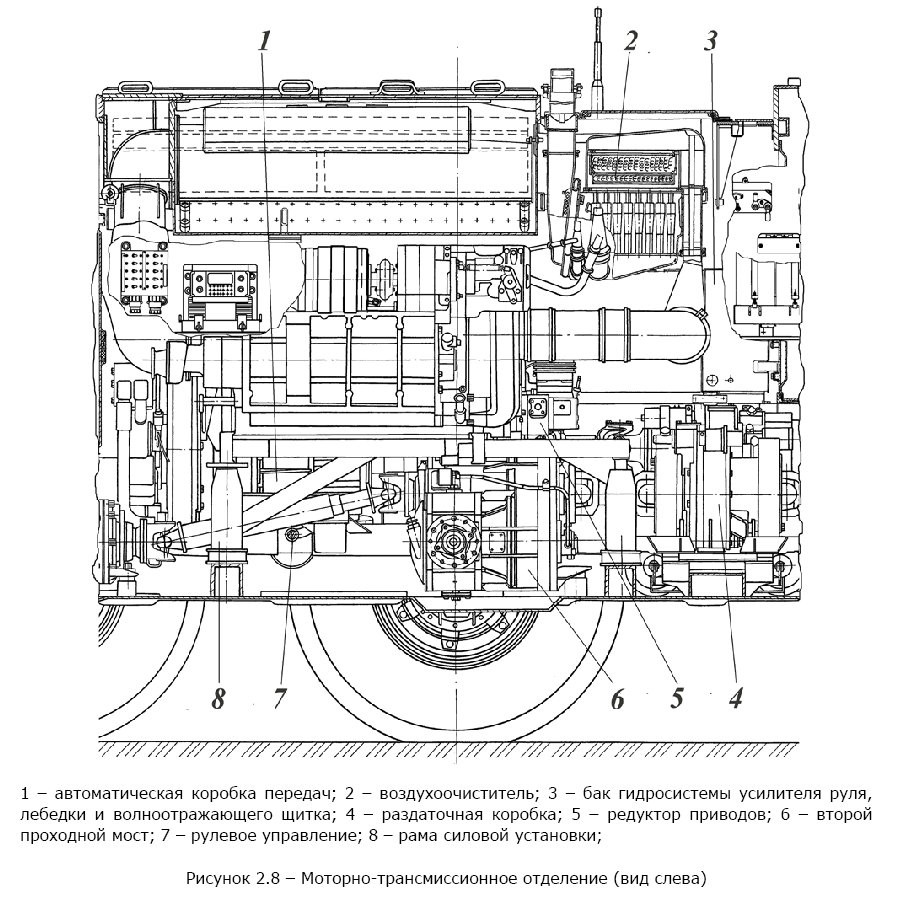
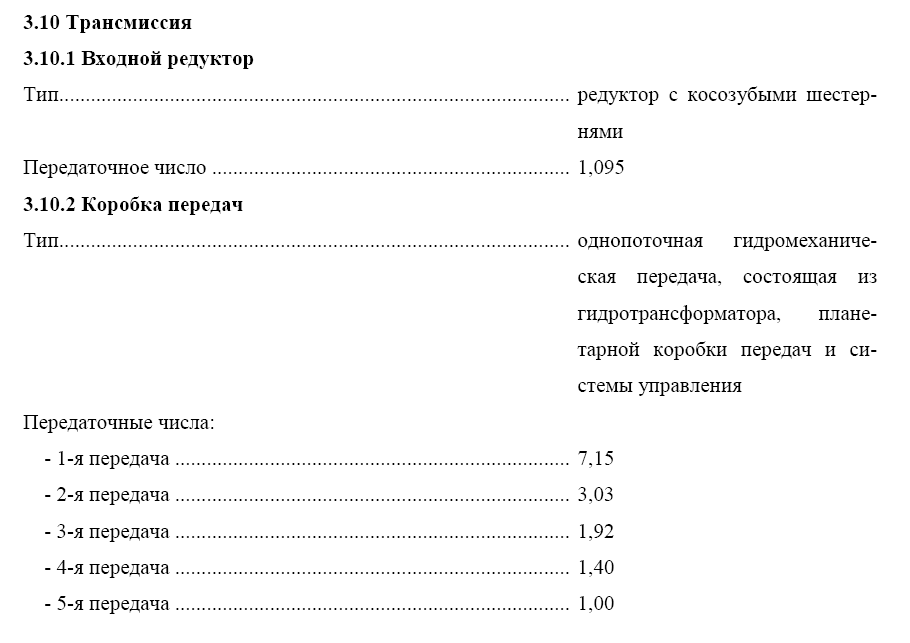
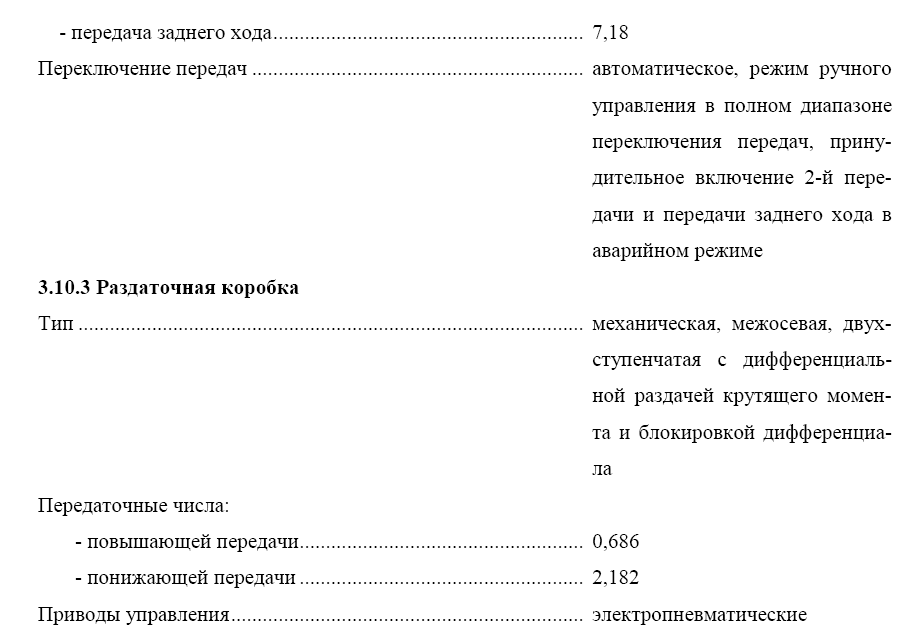
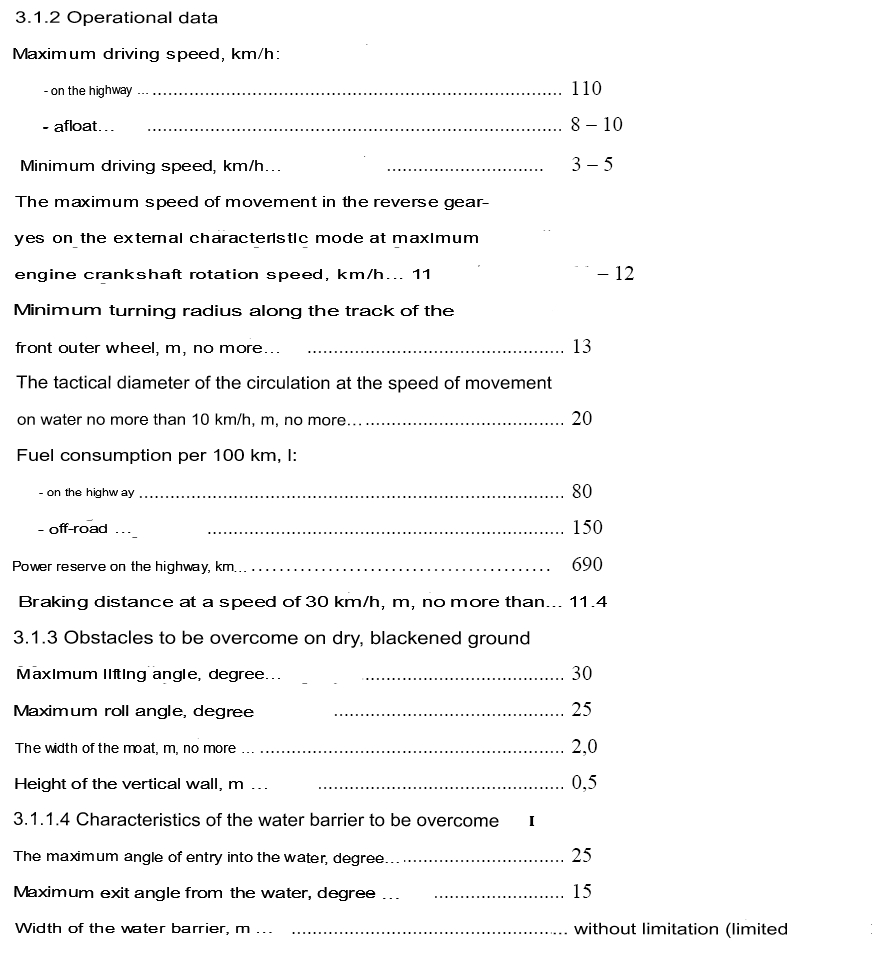
(6/23) The automatic transmission's gearbox has a total of 5 forward + 1 reverse gears. The gear ratios are as follows, if you want to try and calculate the speeds:
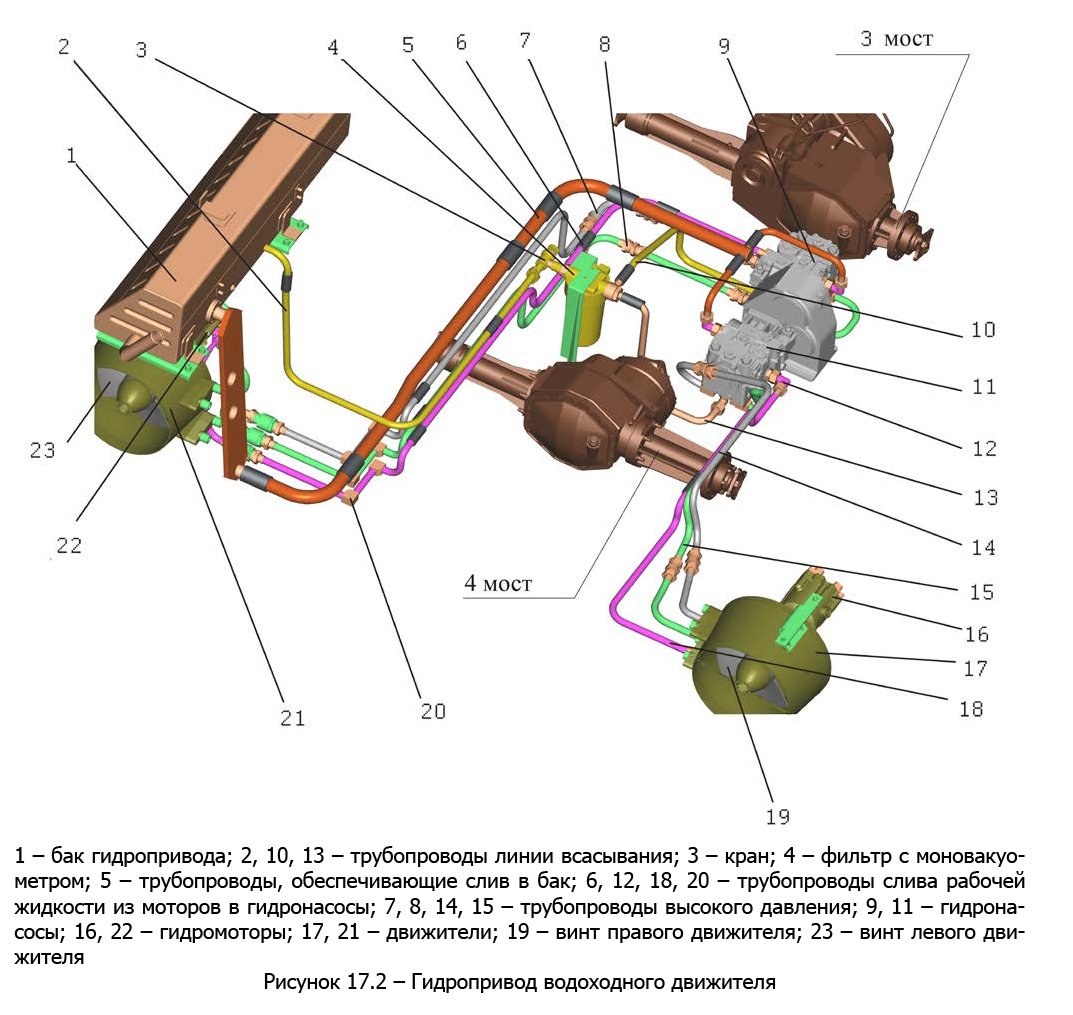
(7/23) The BTR-4 is also fully amphibious with minimal preparation, propulsion and steering are done using two water jets.
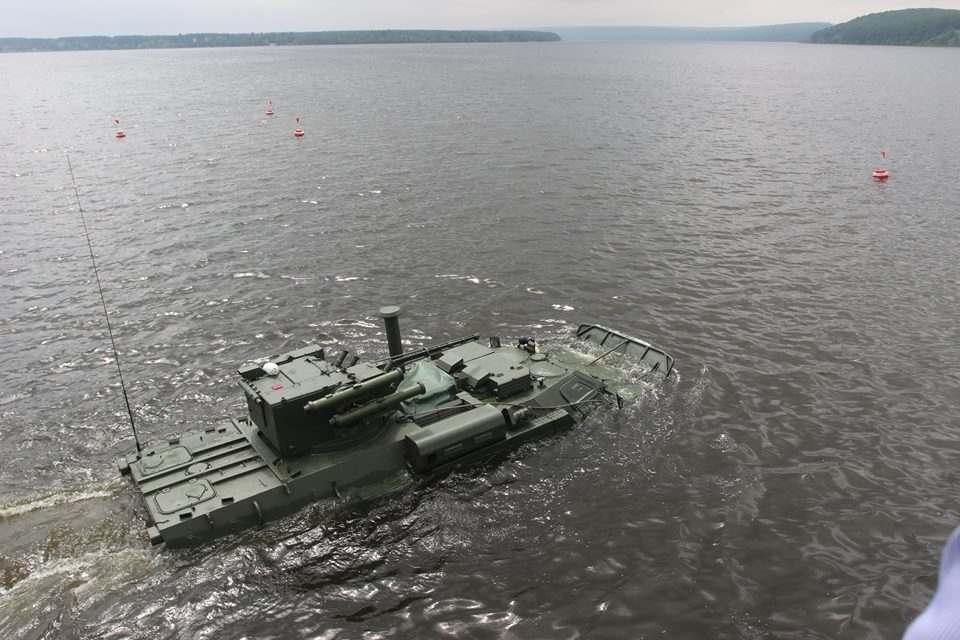
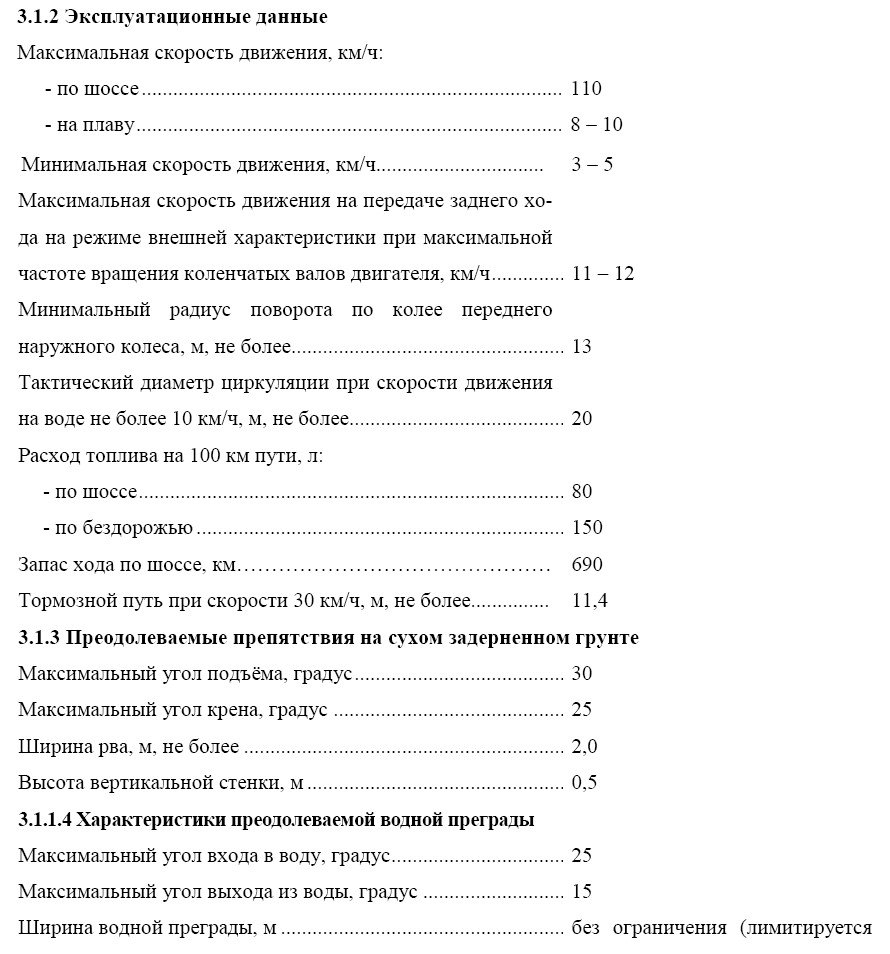
(8/23) Overall, these provide a reasonable level of mobility for an 8x8 vehicle.
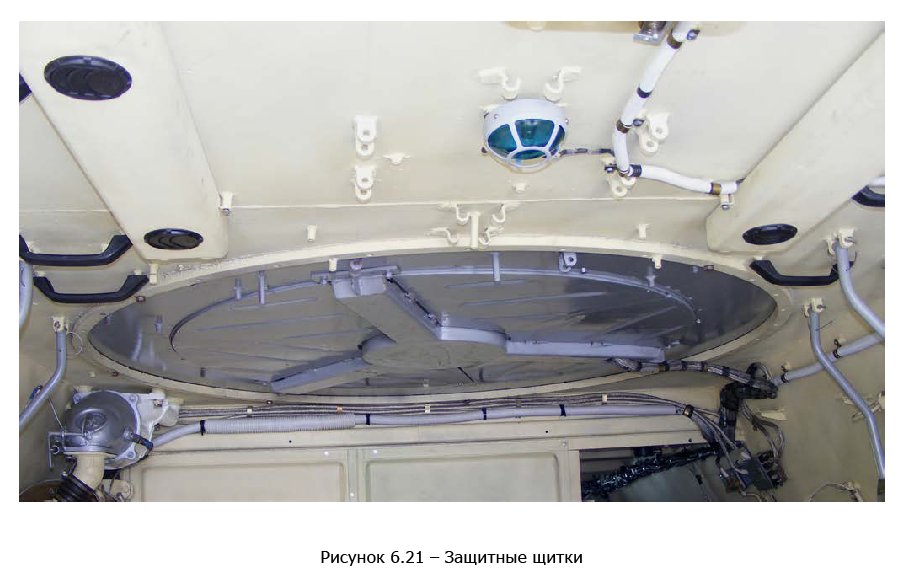
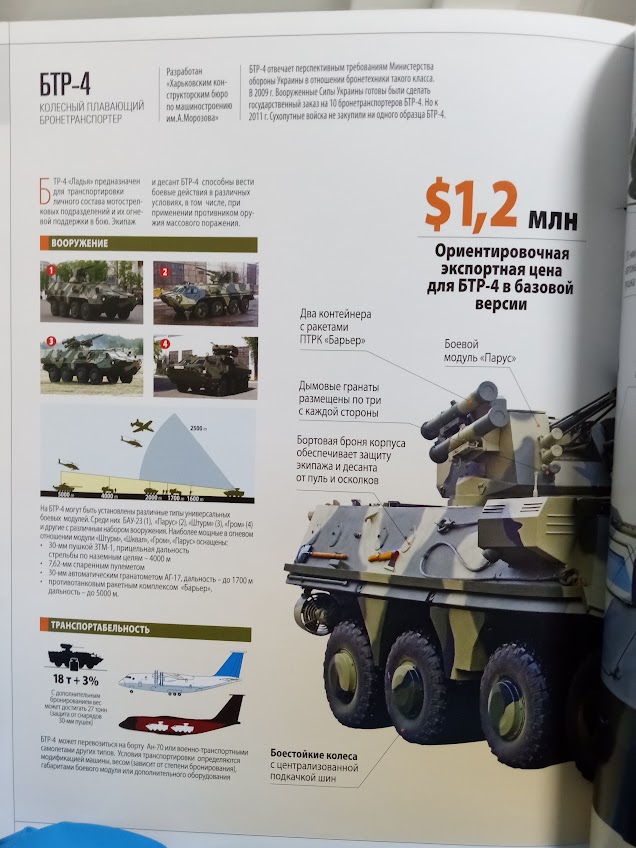
(9/23) The BTR-4 is capable of taking a variety of armament suites. However, the one most commonly seen in Ukraine is the Parus ('Sail', BM-7) modular turret. It is designed to be self-contained and does not intrude into the combat compartment
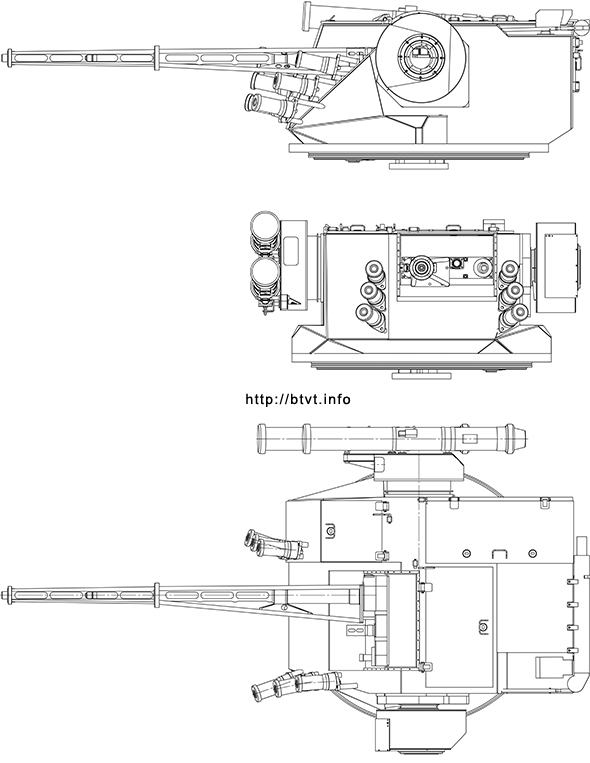

(10/23) Parus has the same armament as the BTR-3E1's Shturm turret: 1 x 30-mm ZTM-1 autocannon, 1 x 7.62-mm KT-7,62, 1 x 30-mm KBA-117 automatic grenade launcher, and 2 x RK-2S ATGMs of the Bar'yer system.
https://twitter.com/ChungTzuW/status/1730627590182810025
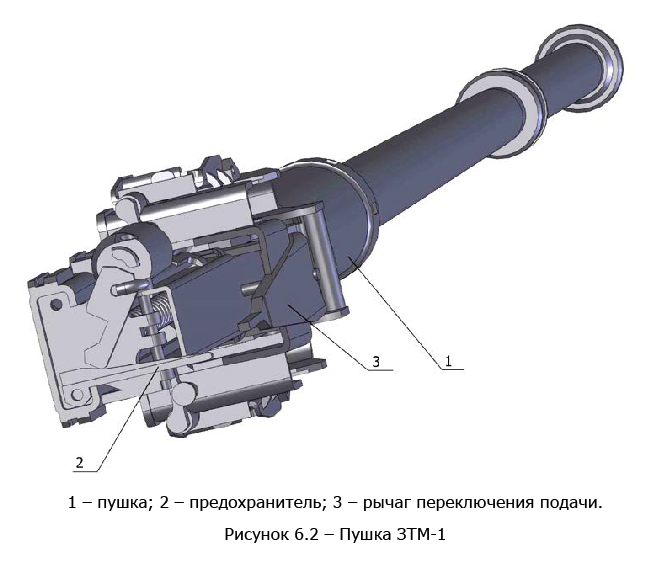
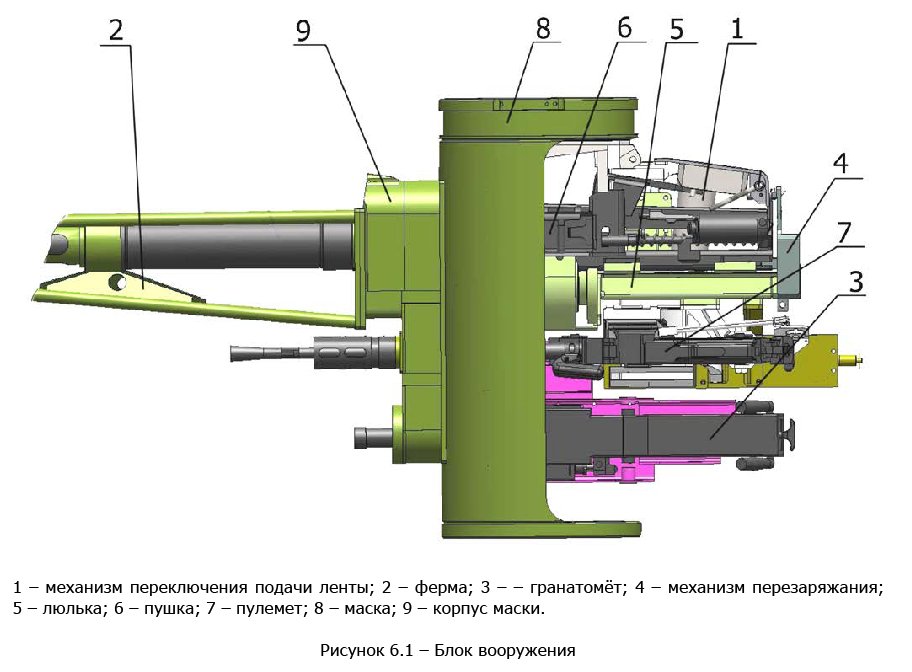
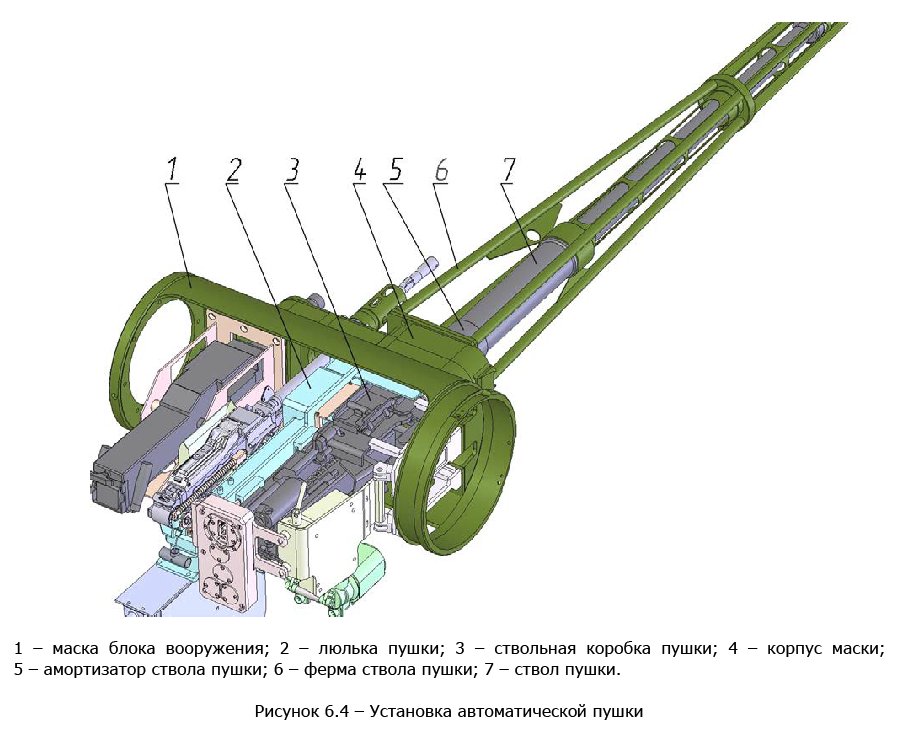
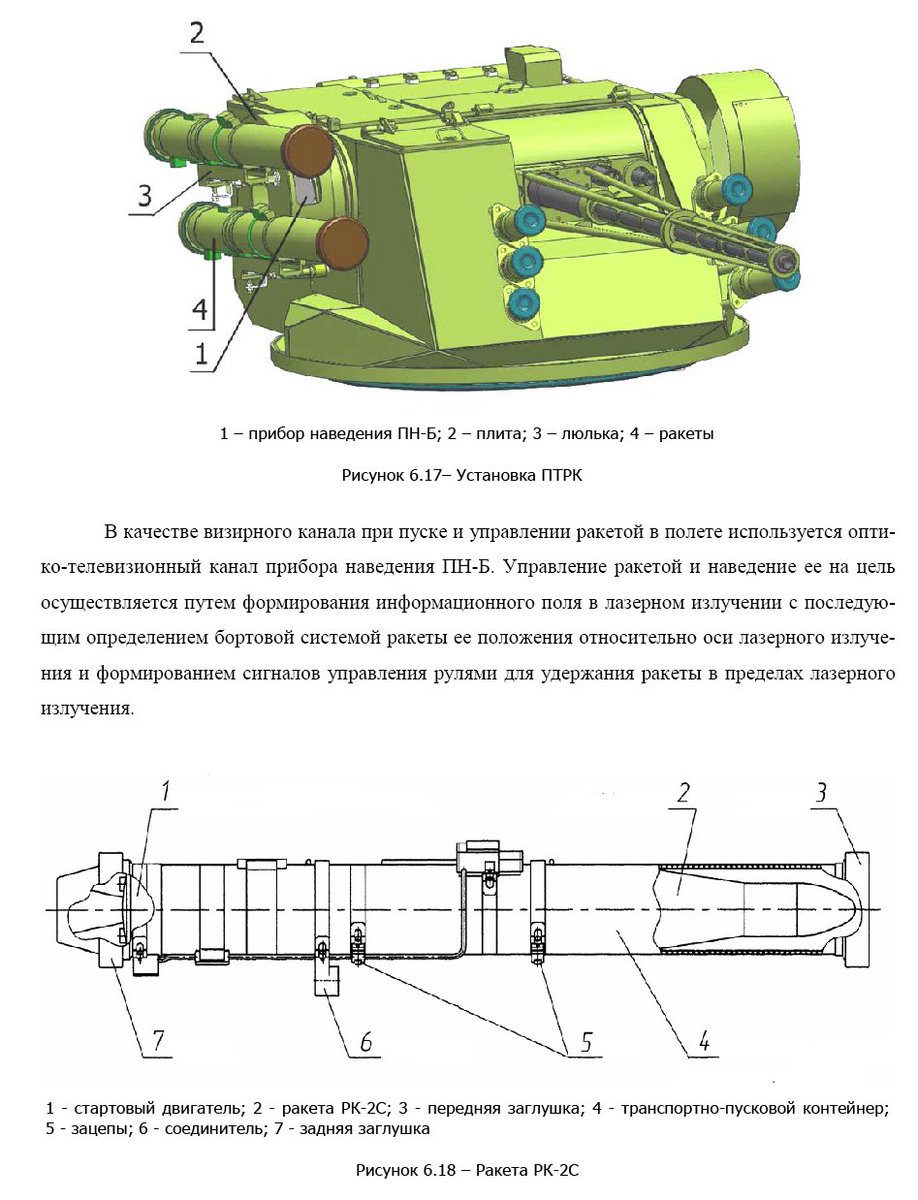
(11/23) Parus has 2-axis stabilisation and can fire on the move. The SBU-500-4Ts electromechanical stabiliser allows elevation limits of +45°/-8°.
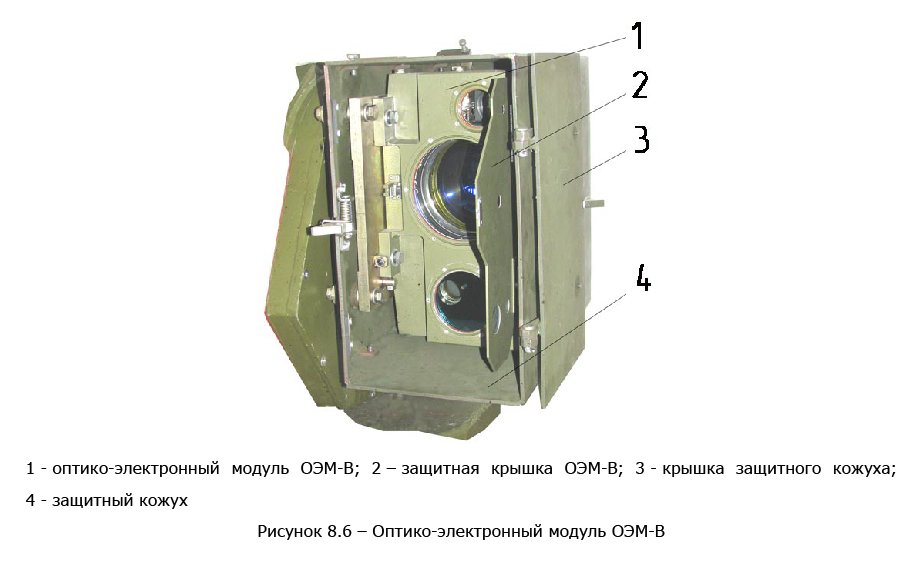
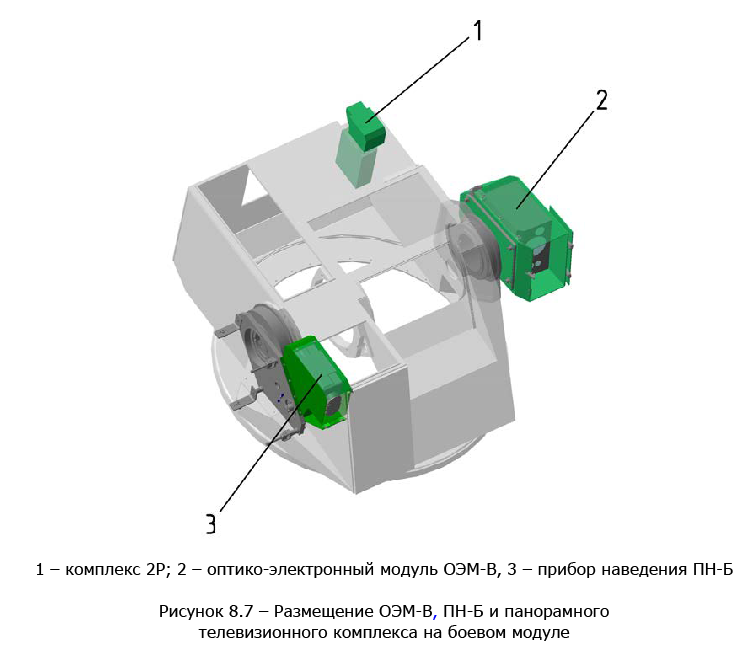
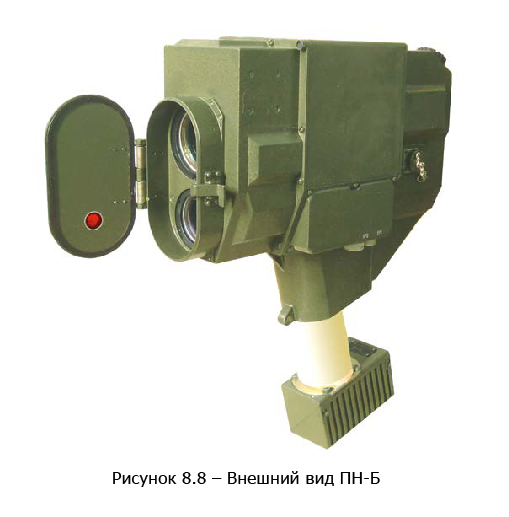
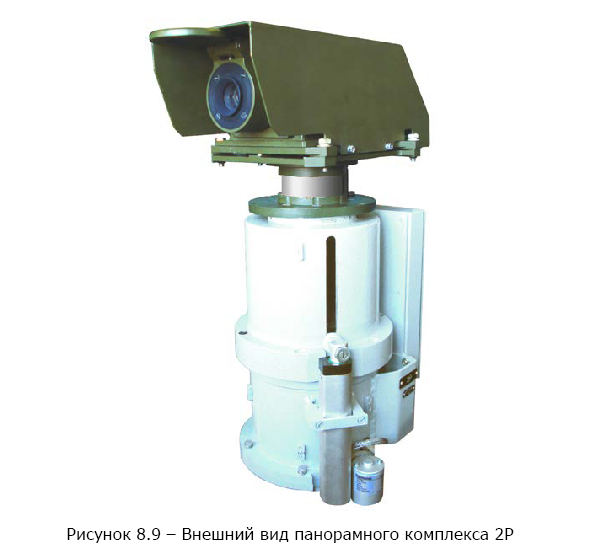
(12/23) Parus' guns are aimed remotely using the OEM-V electro-optical sight module. Bar'yer ATGMs are guided using the PN-B module. The 2R panoramic television complex is provided for all-round vision without traversing the turret.
(13/23) The primary operator is the gunner, who sits in the combat compartment together with the passengers.
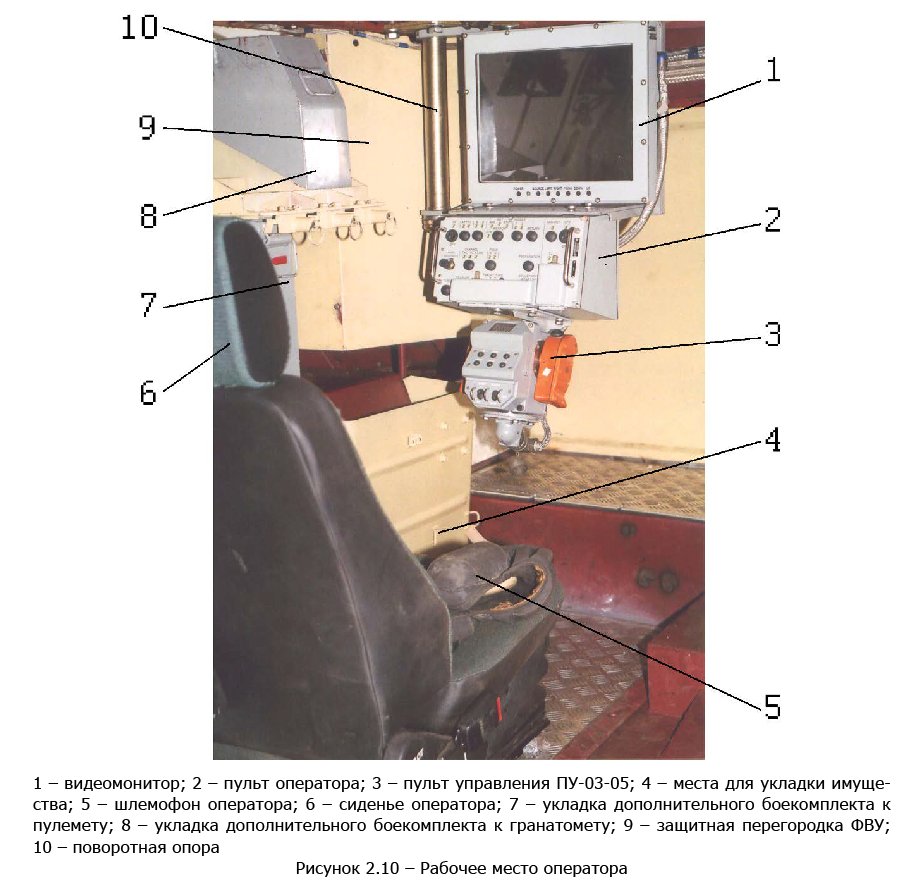
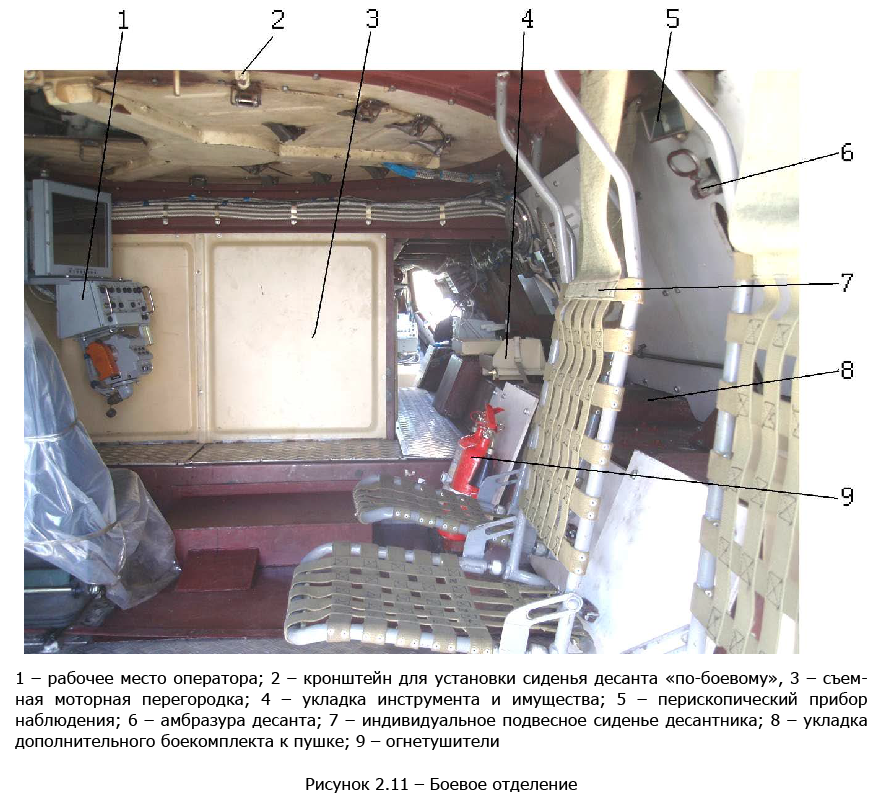
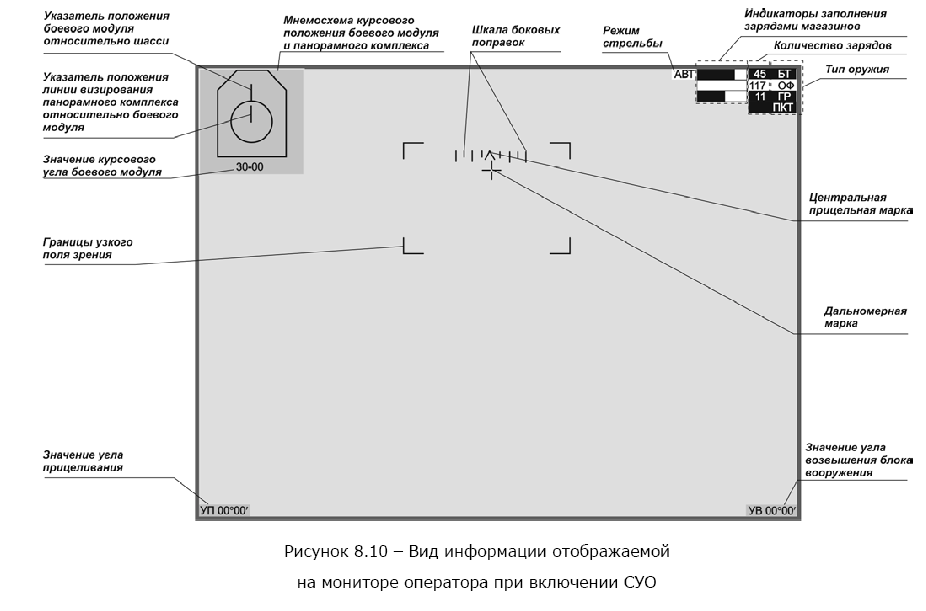
(14/23) The feed is duplicated for the commander, who sits next to the driver. The commander can take over the turret controls if necessary.
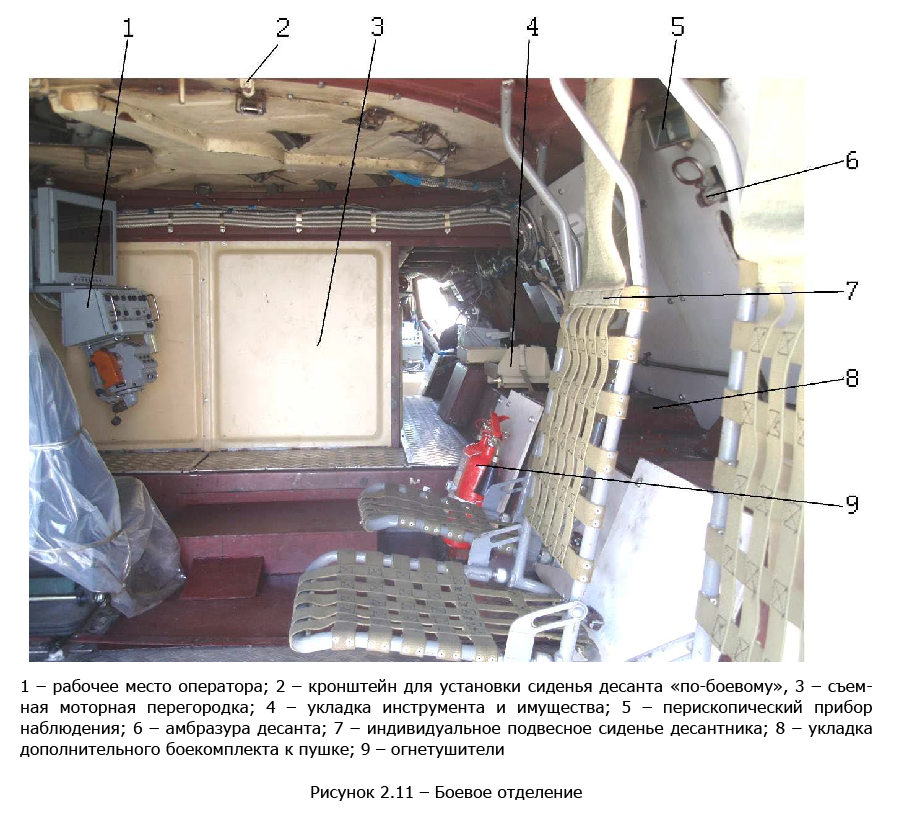
(15/23) The BTR-4 also has fire ports for the 7 passengers to fire their rifles through (6), although the utility of this feature today is debatable.
(16/23) If there is one area where the BTR-4 has some problems with, it is protection. Ostensibly, the base vehicle is armoured to the STANAG 4569 Level 2.
(17/23) However, throughout the years there have been problems with the quality control and cracking of domestically produced armour plate for the BTR-4, which is monopolised by one firm in Ukraine. Serhiy Zhurets goes into more detail here:
defence--ua-com.translate.goog/weapon_and_tec…
defence--ua-com.translate.goog/weapon_and_tec…
(18/23) For some time, the Ukrainian MoD refused to certify Zhytomyr BTR-4 hulls made with imported Finnish armour plate because they do not 'comply' with Soviet era GOST standards. However, in 2021, they seem to have gotten over it.
web-archive-org.translate.goog/web/2021110509…
web-archive-org.translate.goog/web/2021110509…
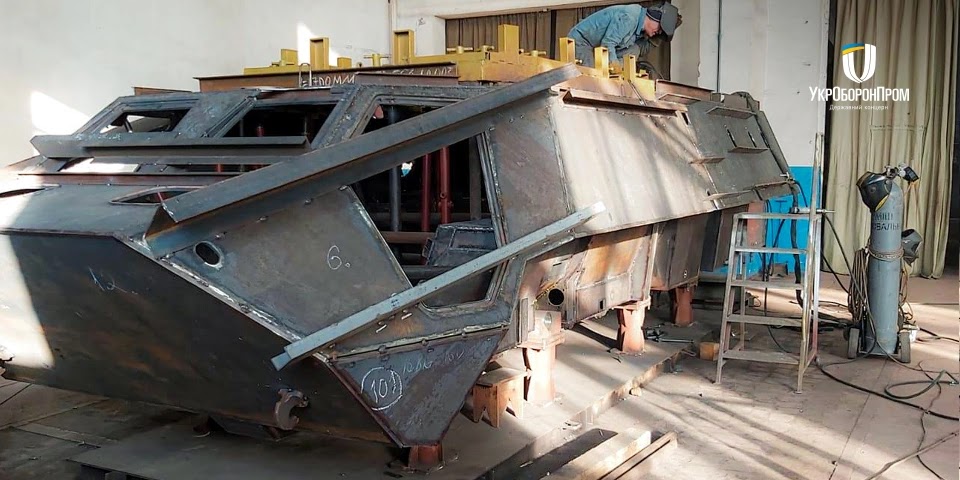
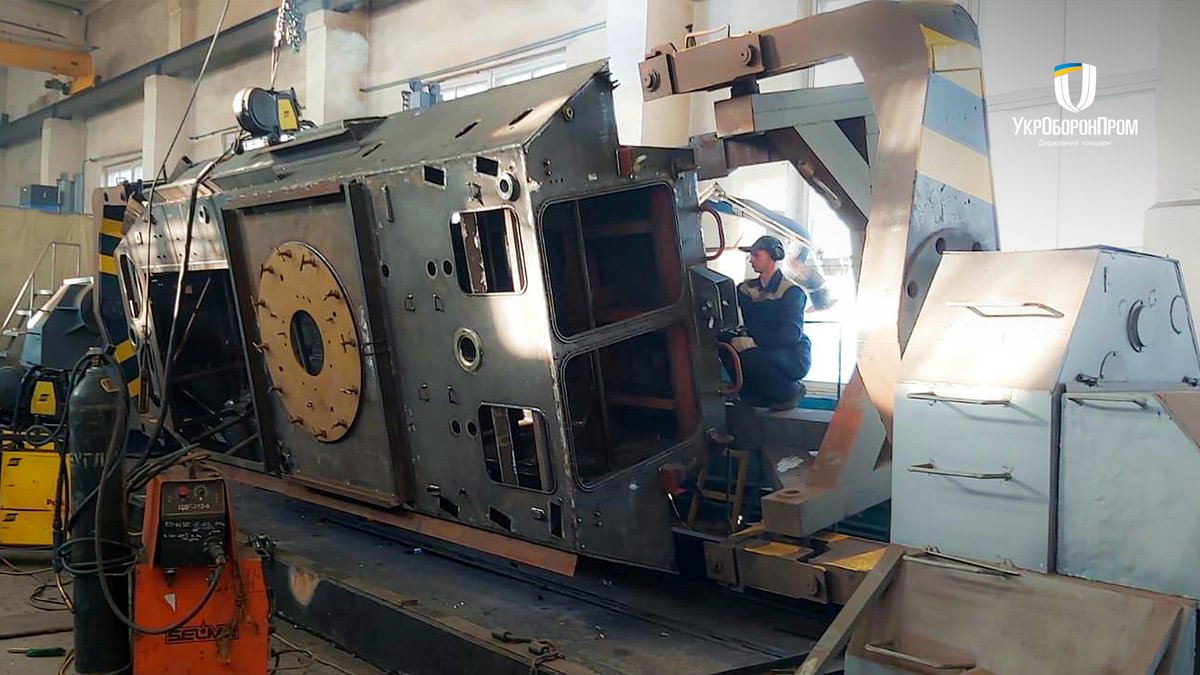
(19/23) Armour plate supply and lack of skilled welders is probably the biggest bottleneck in the production of BTR-4s. It took KhZTM 4 years to fulfil a 2016 contract for 45 BTR-4s supplied to the Ukrainian military in 2020.
www-dsnews-ua.translate.goog/politics/korpu…
www-dsnews-ua.translate.goog/politics/korpu…
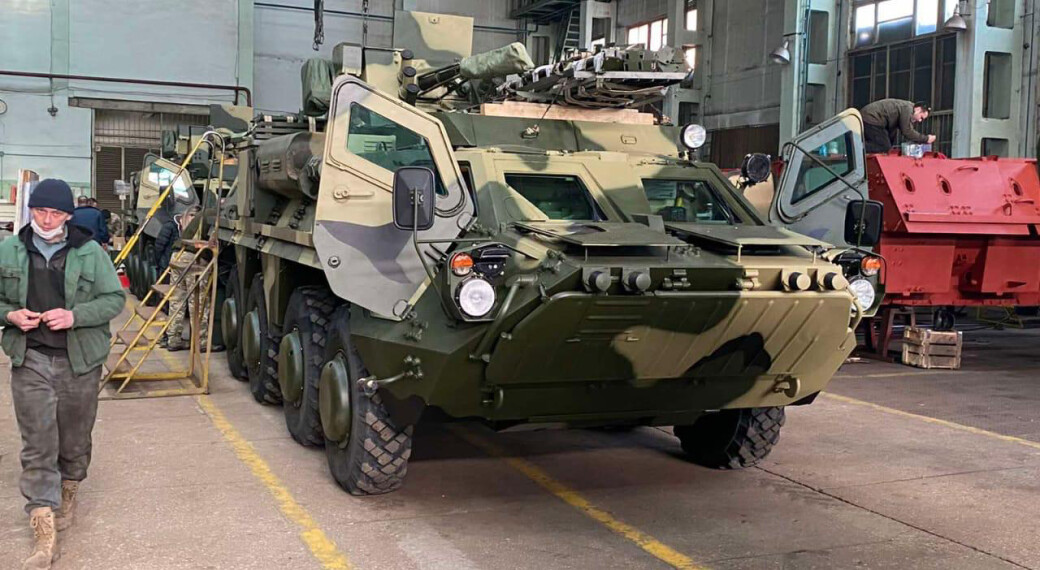
(20/23) The BTR-4 also is considered to have quite poor protection against mines, since it still uses a flat hull bottom. There is not much to be done about that besides a complete redesign.
(21/23) The prototype BTR-4MV1 improves the protection to STANAG Level 3, but it remains a unicorn. It has been seen in service, however.
https://twitter.com/Arslon_Xudosi/status/1534264732533891072
(22/23) Slat armour can also be attached to improve protection against shaped charge weapons, a standard feature for a lot of vehicles today.

(23/23) BTR-4s have seen much combat throughout the ongoing war. They remain among the most advanced APCs available to the Ukrainians. It remains to be seen whether the Ukrainians can overcome the production bottlenecks that limit the BTR-4's potential.
https://twitter.com/Militarylandnet/status/1505465977580015619

(25/23)
• • •
Missing some Tweet in this thread? You can try to
force a refresh






