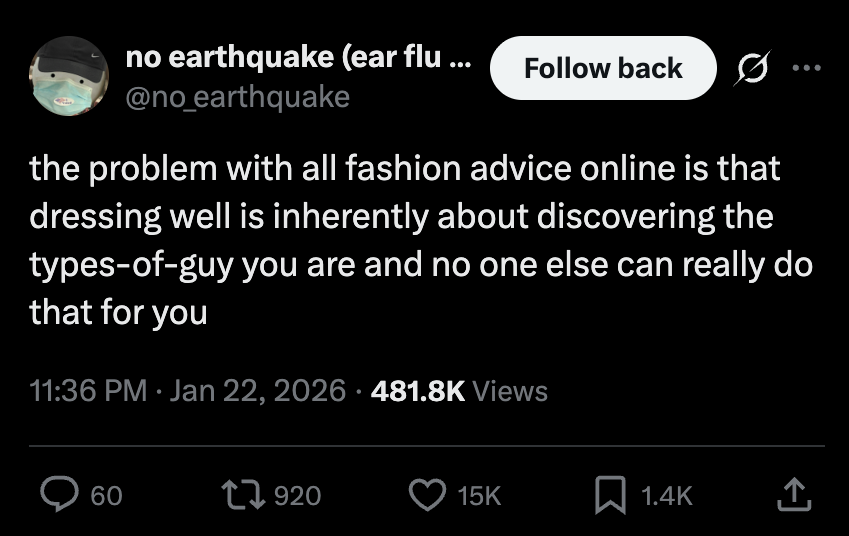
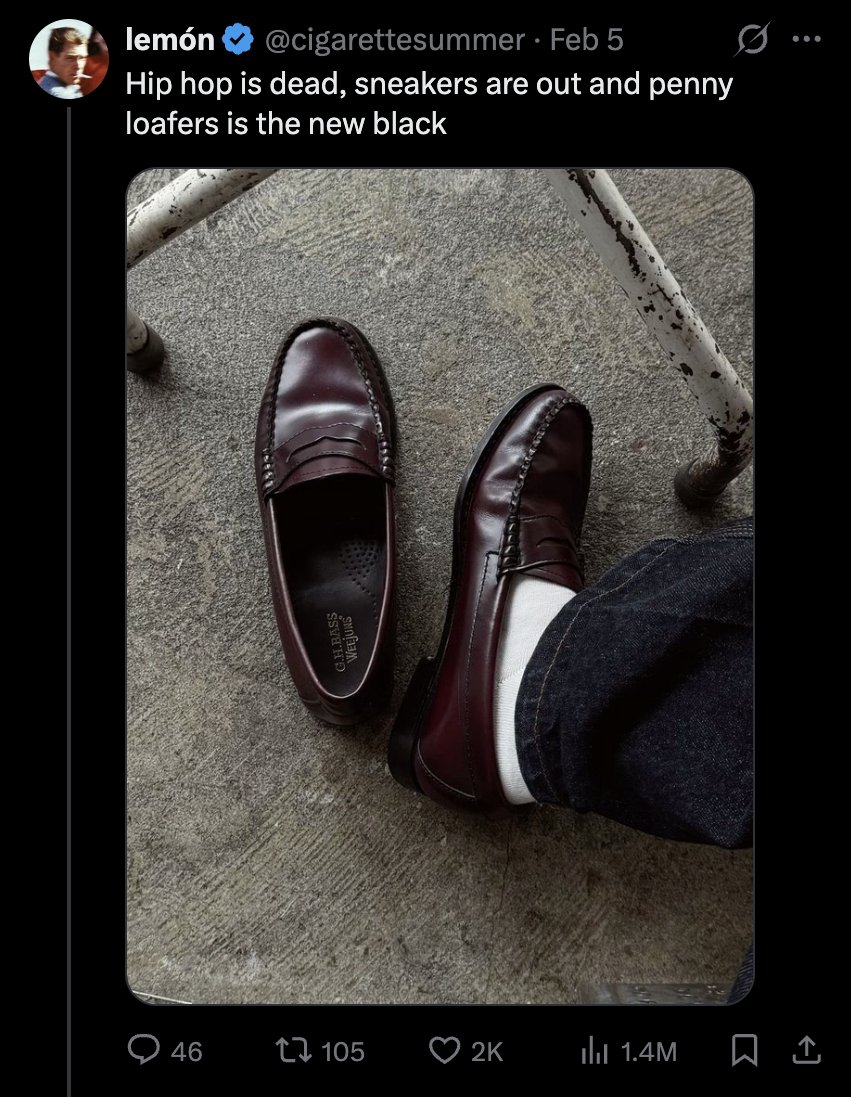
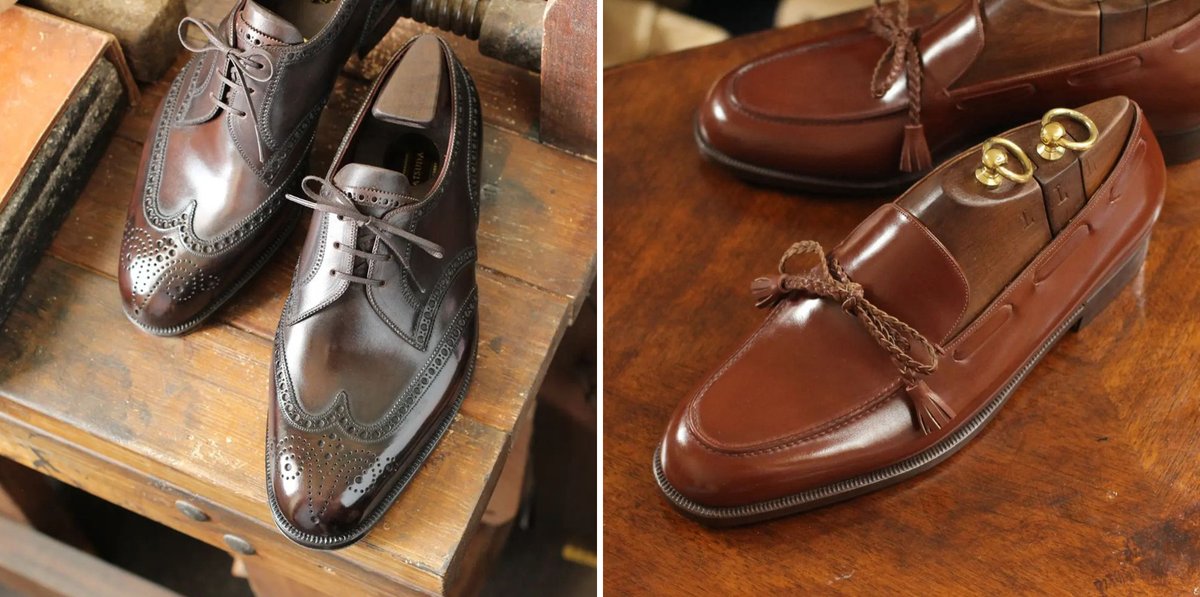
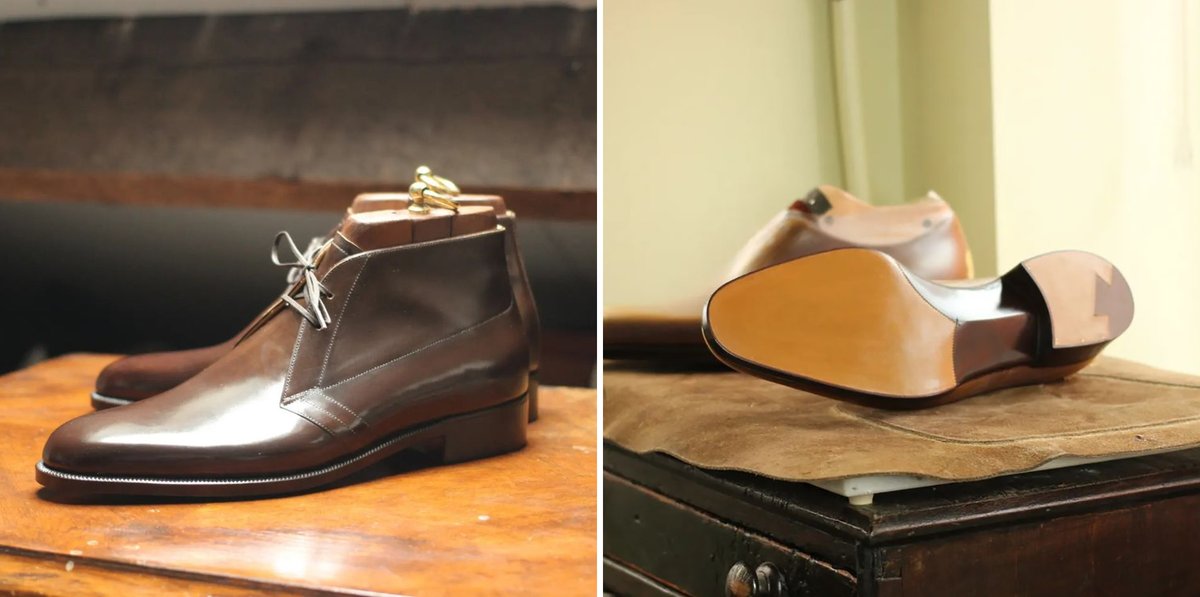
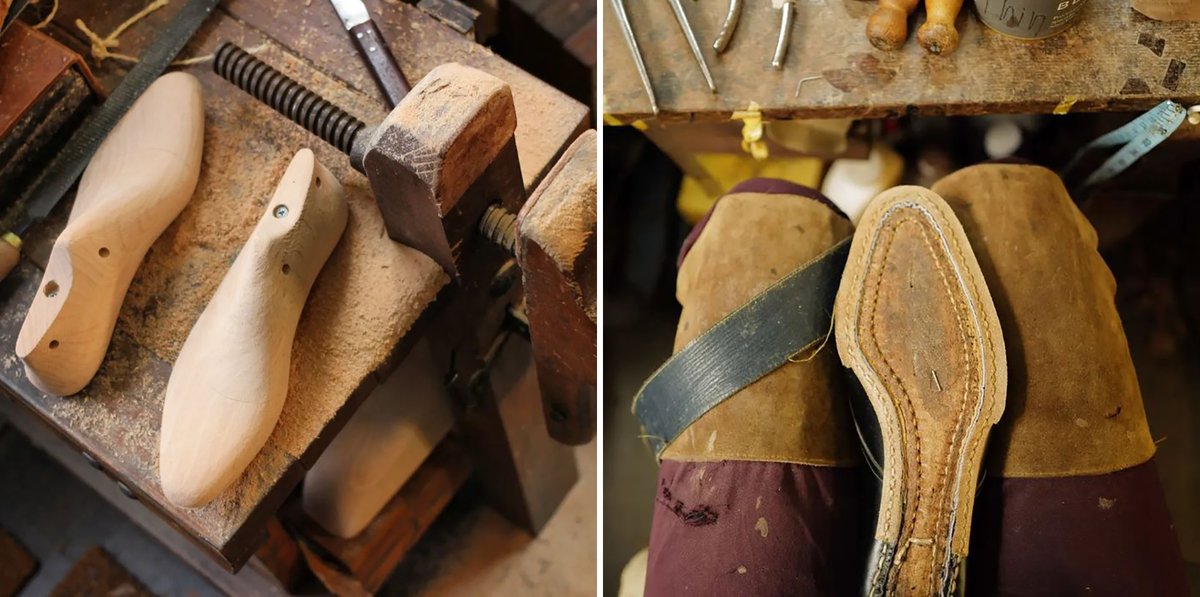
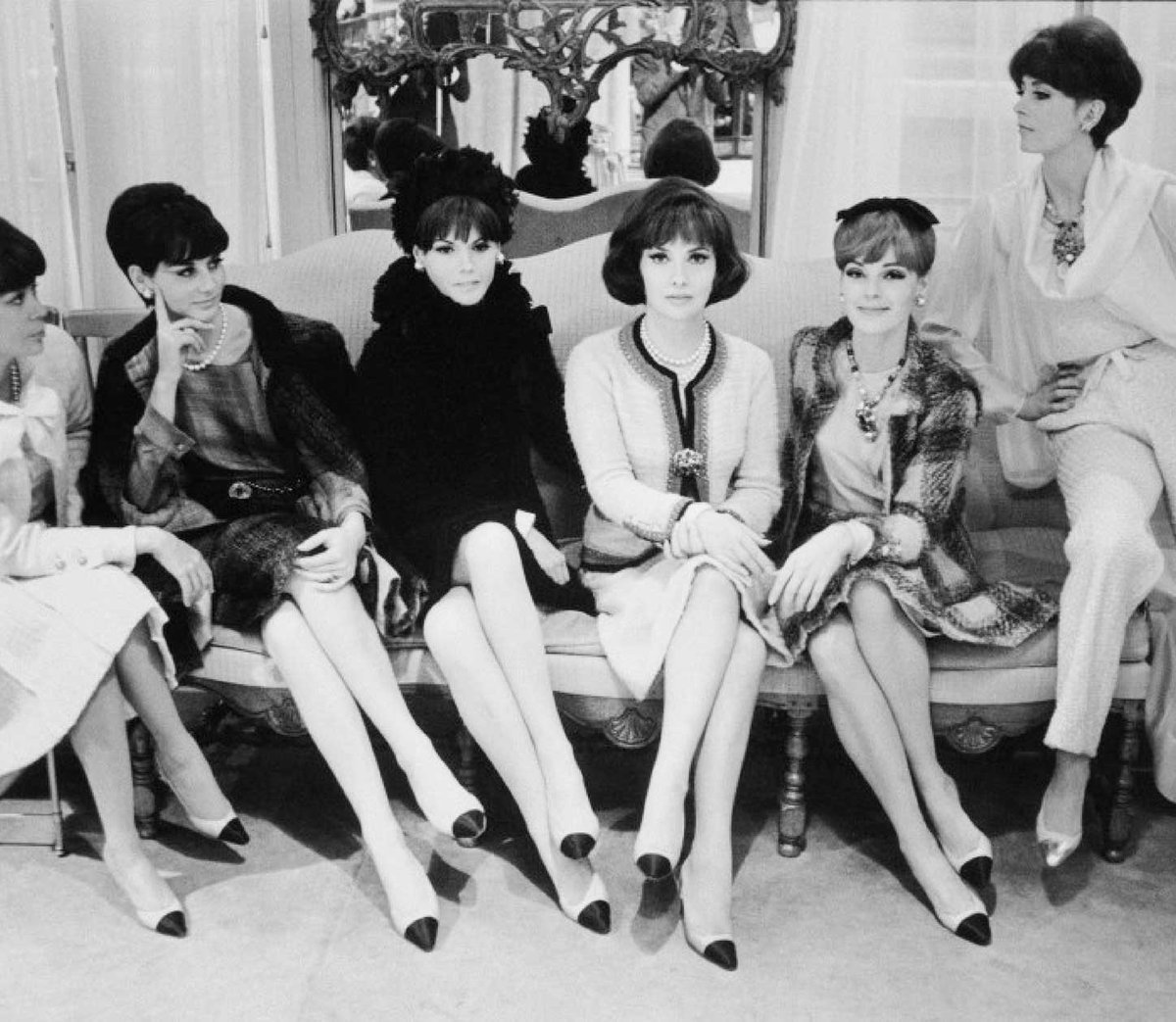
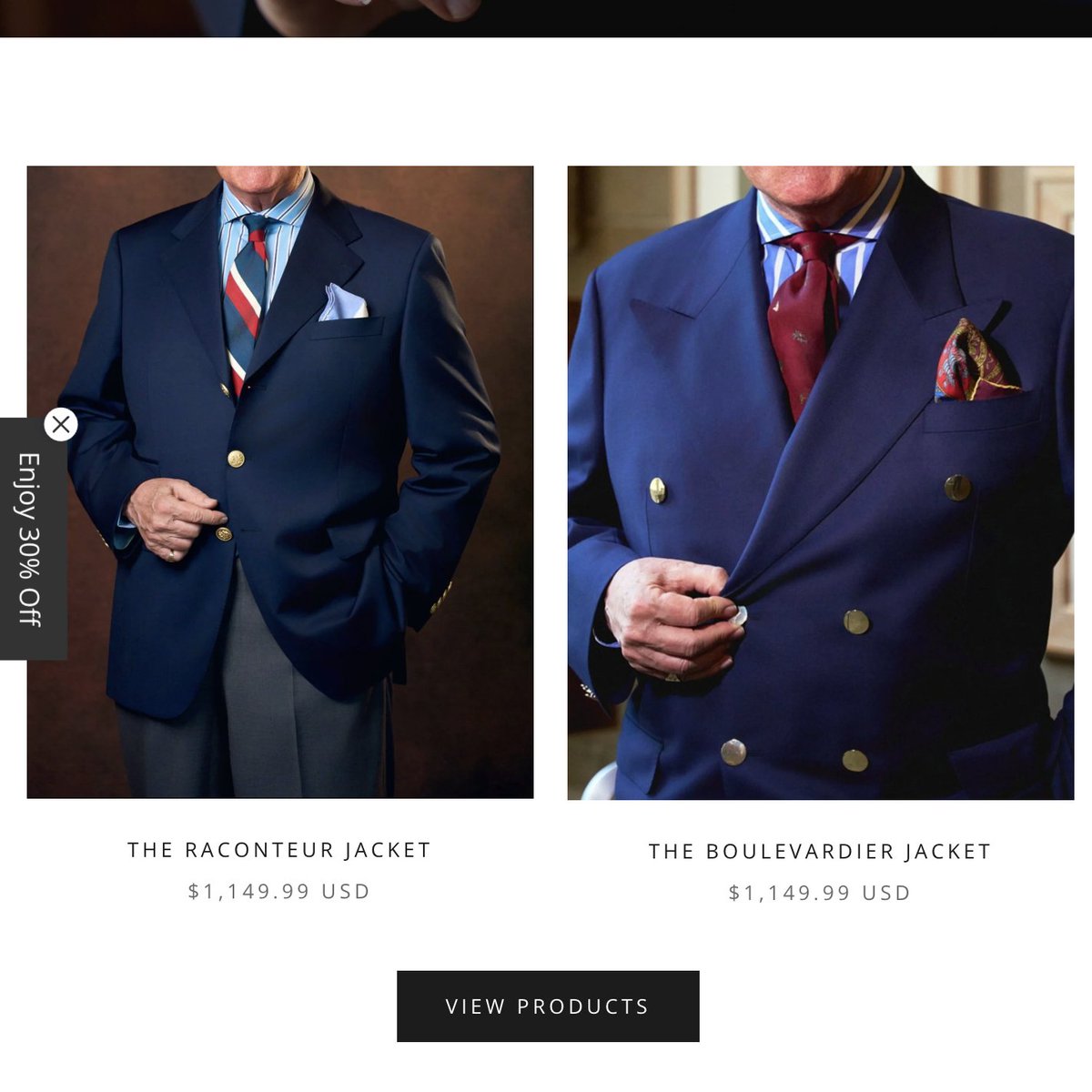
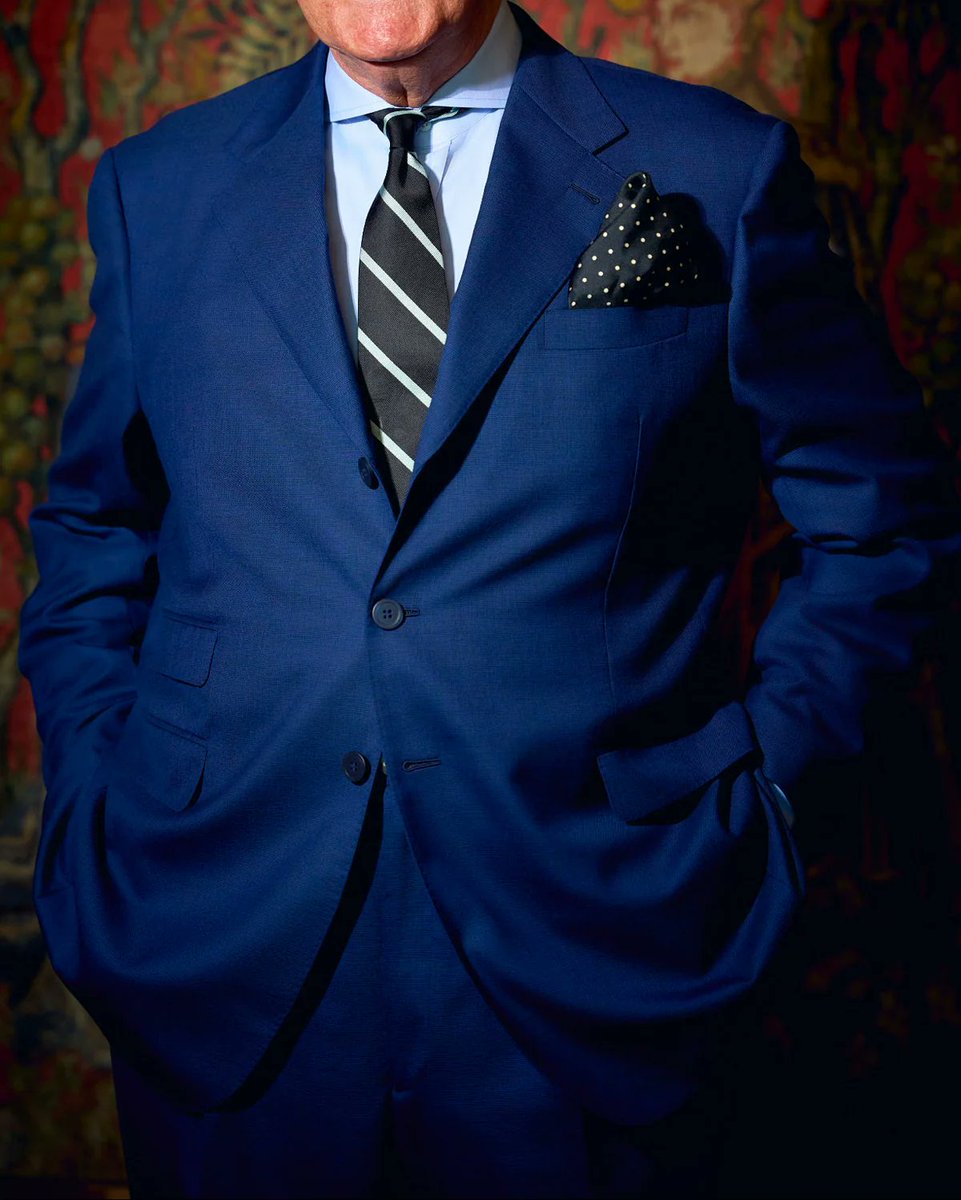
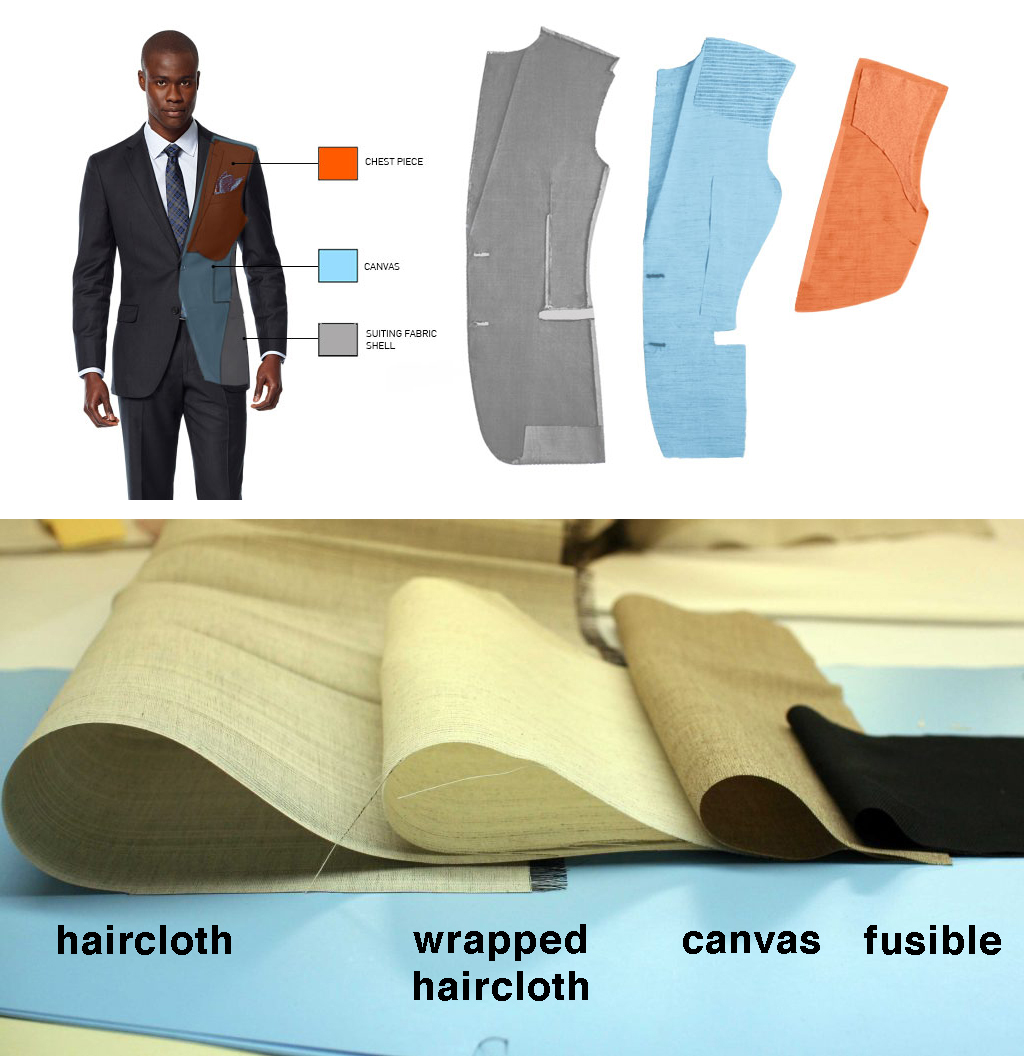
Something I dislike about all these "how to improve your wardrobe" articles is that they give you a generic cookie-cutter shopping list. This is a terrible way to build a wardrobe because it just swaps out one generic thing for another. It's much better to: 🧵
sfstandard.com/2023/12/20/san…
sfstandard.com/2023/12/20/san…
1. Develop an eye for what fits
A lot of people confuse "fit" with "silhouette." Just because something is baggy doesn't mean it doesn't fit. "Fit" is much more useful when it's narrowly defined, such as collar gaps, pulling at the waist, hip pockets that flare, etc.

A lot of people confuse "fit" with "silhouette." Just because something is baggy doesn't mean it doesn't fit. "Fit" is much more useful when it's narrowly defined, such as collar gaps, pulling at the waist, hip pockets that flare, etc.


2. Think About Silhouettes
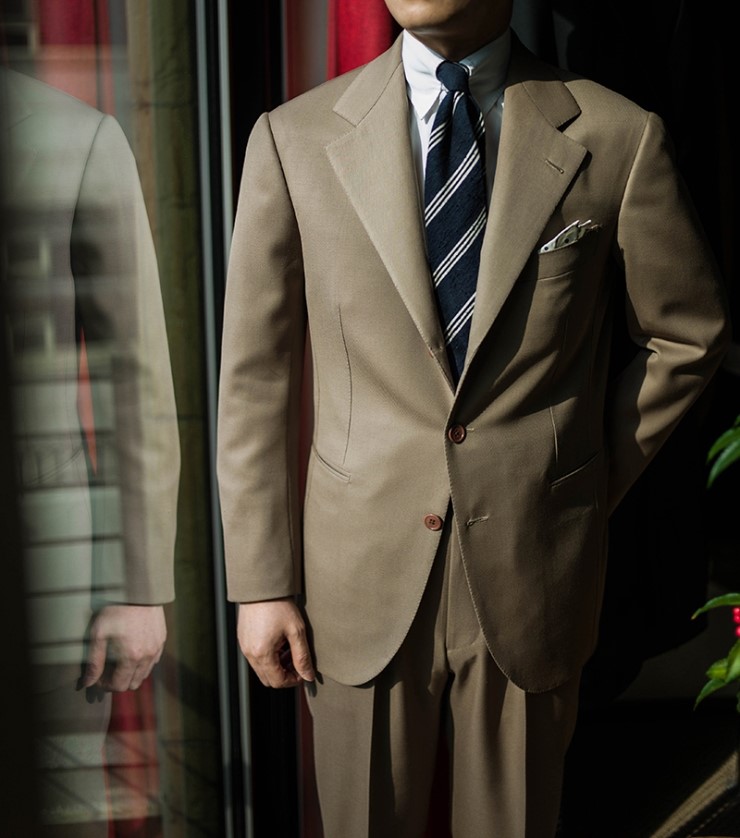
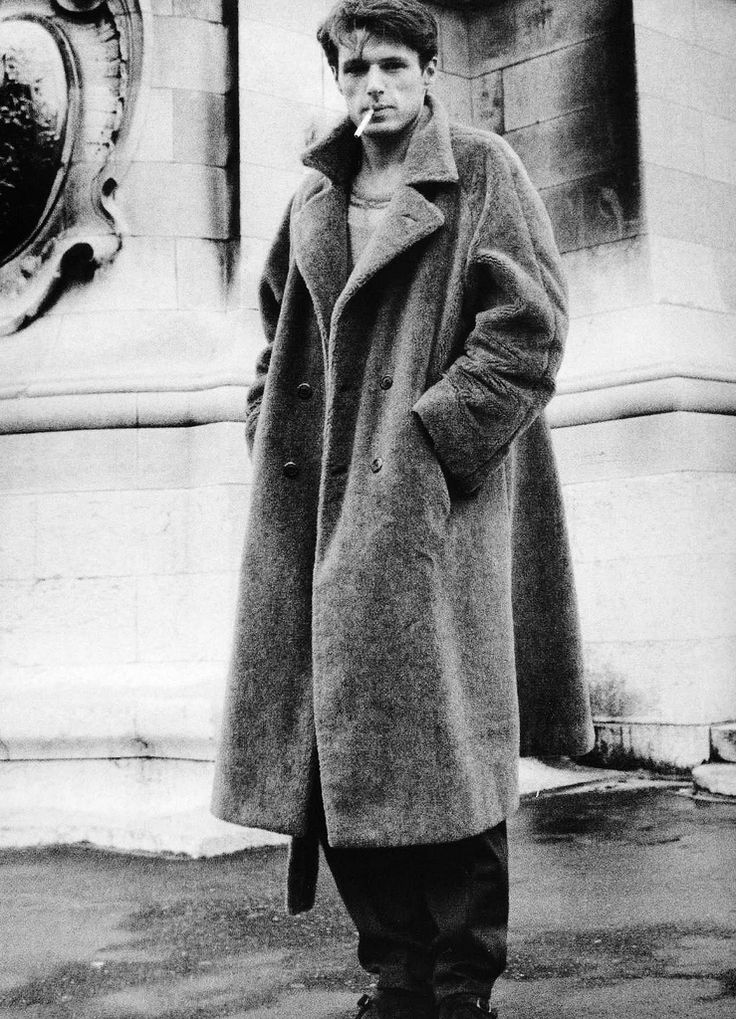
Think of clothing as shapes, and figure out what kind of shapes you want to wear on your body. There are lots of possible shapes: carrot-cut trousers, straight trousers, rounded tops, elongating coats, wide shoulders, etc.
🔗: tinyurl.com/35yx8dmn
Think of clothing as shapes, and figure out what kind of shapes you want to wear on your body. There are lots of possible shapes: carrot-cut trousers, straight trousers, rounded tops, elongating coats, wide shoulders, etc.
🔗: tinyurl.com/35yx8dmn

3. Think of Clothing as a Cultural Language
Don't just combine random things. Think of what your outfit conveys in terms of cultural language. Do you like traditional tailoring, workwear, minimalism, maximalism, or avant-garde? What cultural histories do these draw from?
Don't just combine random things. Think of what your outfit conveys in terms of cultural language. Do you like traditional tailoring, workwear, minimalism, maximalism, or avant-garde? What cultural histories do these draw from?


When you think of clothing as a cultural language, it's much easier to figure out what to wear. For example, my friend @Barima_ON wears wild colors. But it's not just a mish-mash of random stuff. It draws from eras like the London peacock revolution. Outfit has cultural meaning


In the original article, they have you swap one generic outfit for another generic outfit. In five years, they'll tell you to switch it again. You may not end up liking the clothes because: 1) they may not fit or flatter; 2) they may not feel like "you."


Guys never look stylish when they do this because it just looks like they bought their wardrobe through a clothing subscription service. Here's Colbert in a sleek bomber, luxurious joggers, and minimalist sneakers. The outfit doesn't fit his "vibe."

Finding your aesthetic requires some experimentation, but it's not just buying into a cookie-cutter shopping list. Here are four great outfits with very different vibes/ aesthetics, but they all look great because they fit the person.

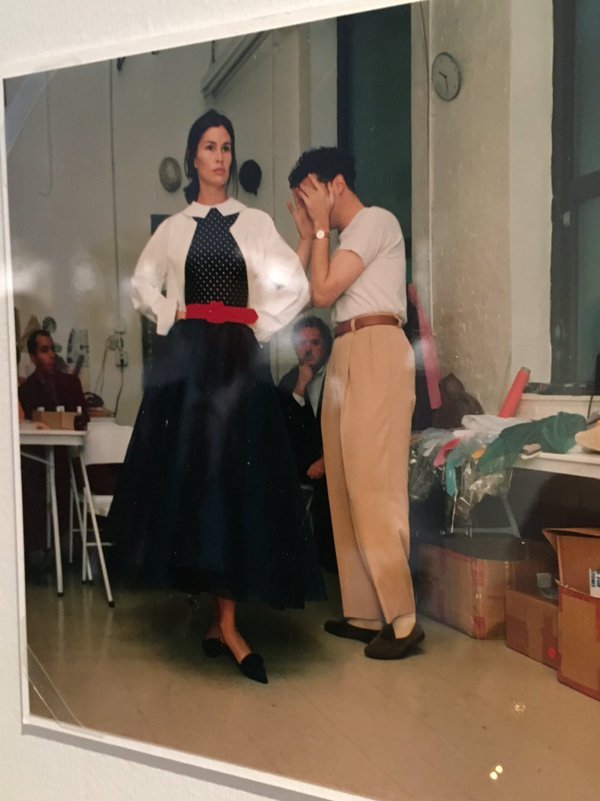
Years ago, I interviewed Keri Langerman, a costume designer who worked on Moonrise Kingdom. IMO, it helps to think like a costume designer, as they understand the communicative power of clothing. She gave some tips on how to do this here:
🔗: tinyurl.com/mrxjnub2
🔗: tinyurl.com/mrxjnub2

This can all sound very daunting, as it's like learning a new language. But it's better than going on this endless cycle of updating your wardrobe with clothes you don't love. Some other useful articles:
🔗 Some things that can help you get started: tinyurl.com/3pt3s83t
🔗 Some things that can help you get started: tinyurl.com/3pt3s83t

🔗 How to develop good taste:
🔗 How to judge quality in clothing:
🔗 How to think about color:
🔗 A guide on how to get started:
🔗 Other useful posts: tinyurl.com/mt6jhs6c
tinyurl.com/yc424cbx
tinyurl.com/46pvm37f
tinyurl.com/4b59x9tm
tinyurl.com/57etzujv
🔗 How to judge quality in clothing:
🔗 How to think about color:
🔗 A guide on how to get started:
🔗 Other useful posts: tinyurl.com/mt6jhs6c
tinyurl.com/yc424cbx
tinyurl.com/46pvm37f
tinyurl.com/4b59x9tm
tinyurl.com/57etzujv

• • •
Missing some Tweet in this thread? You can try to
force a refresh