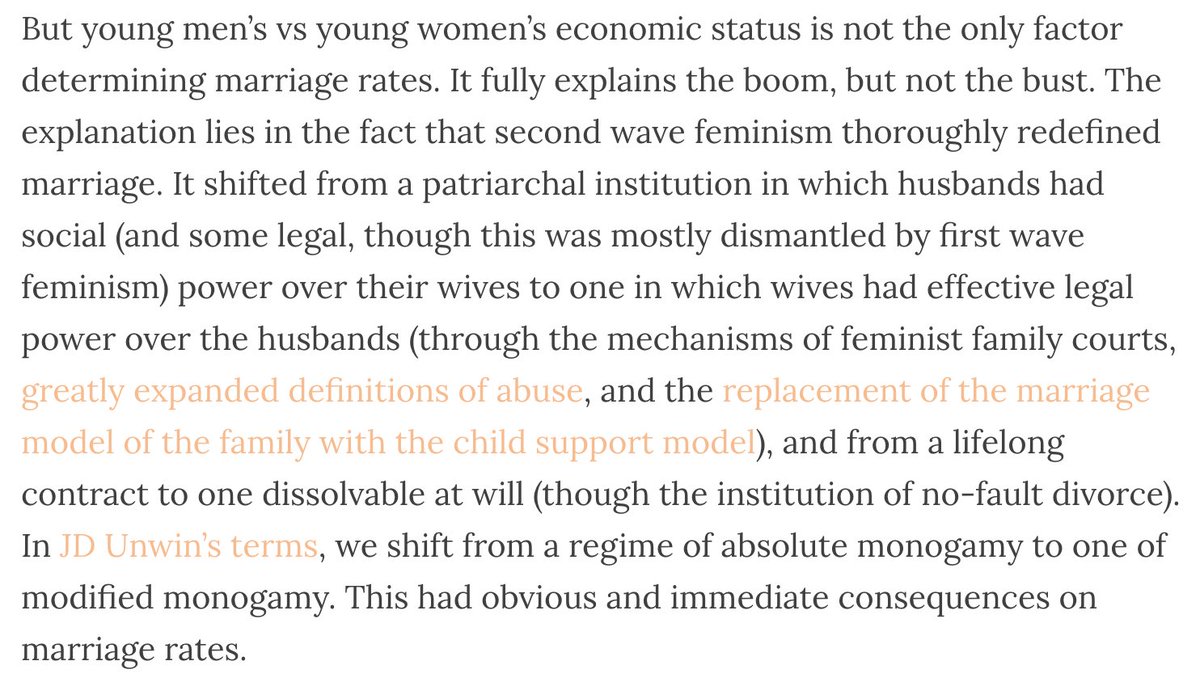
He suggests that baby boom was ended because of a concerted effort to artificially raise women's status, because women generally want a higher status man than themselves:
A good example of this is how the stimulus money was given out under Obama. Men are more likely to work in cyclical industries, while women more in recession proof ones so men lost more jobs. When Obama proposed a plan for them to rebuild infrastructure, feminists complained:
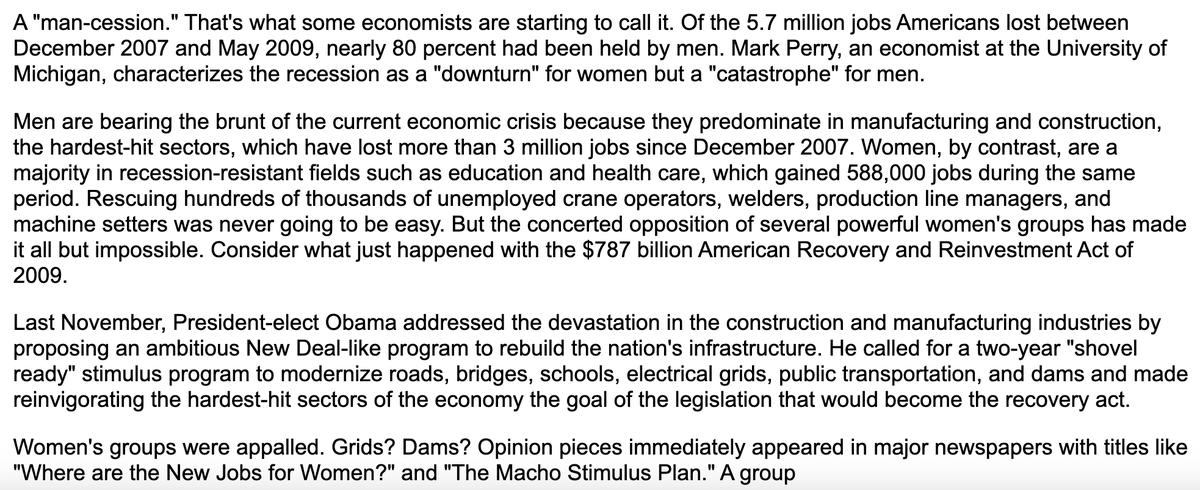
A group of "feminist economists" put together a petition to make it more favorable to women:
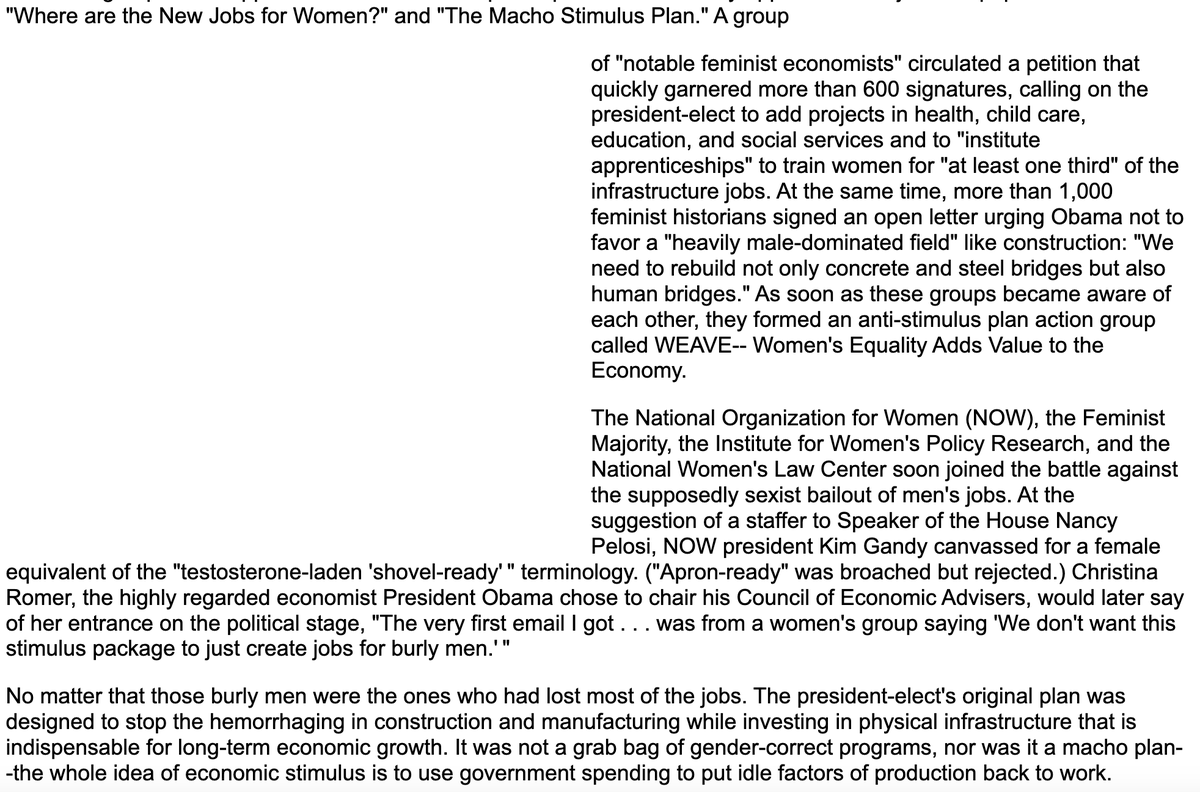
It was estimated that 42% of the jobs were likely to go to women, when they only lost 20% of the jobs to begin with:
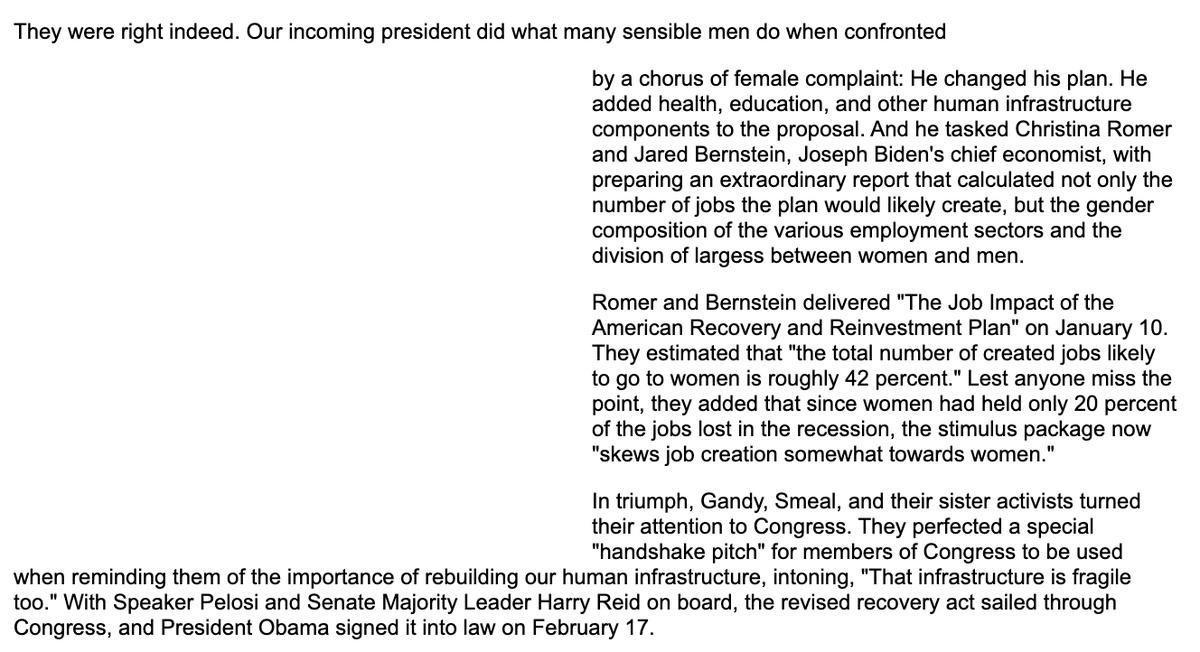
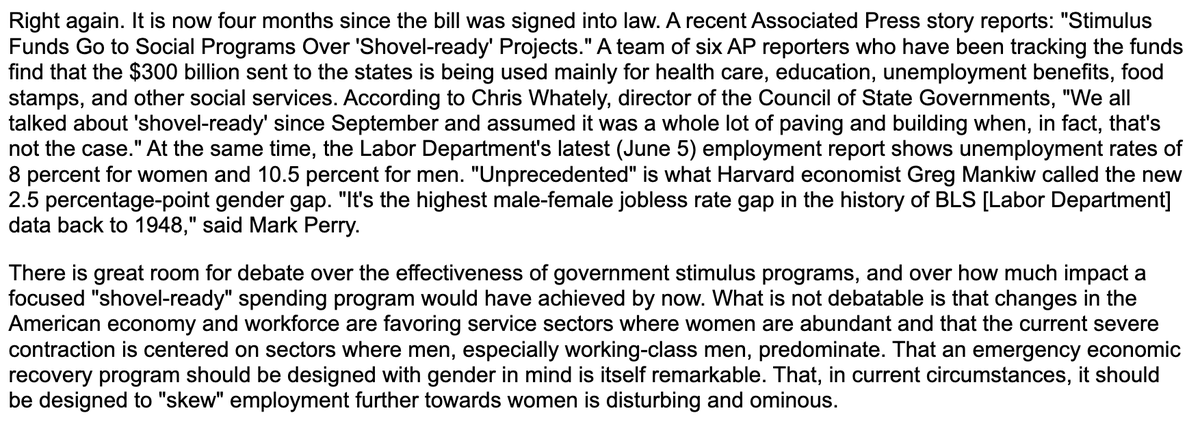
In the end less money went to building things, and more to social services, and there was an unprecedented employment gap between men and women:
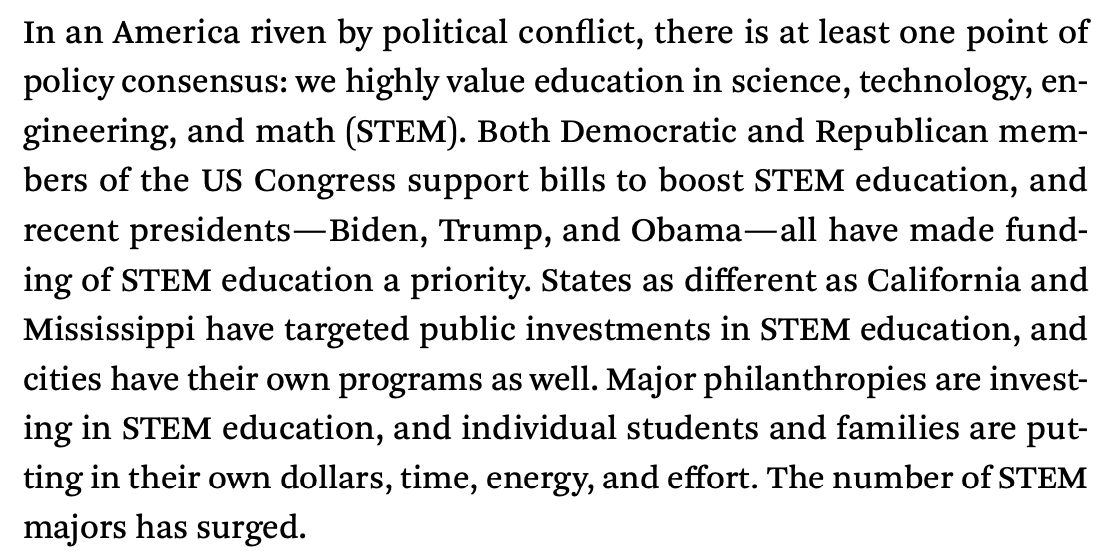
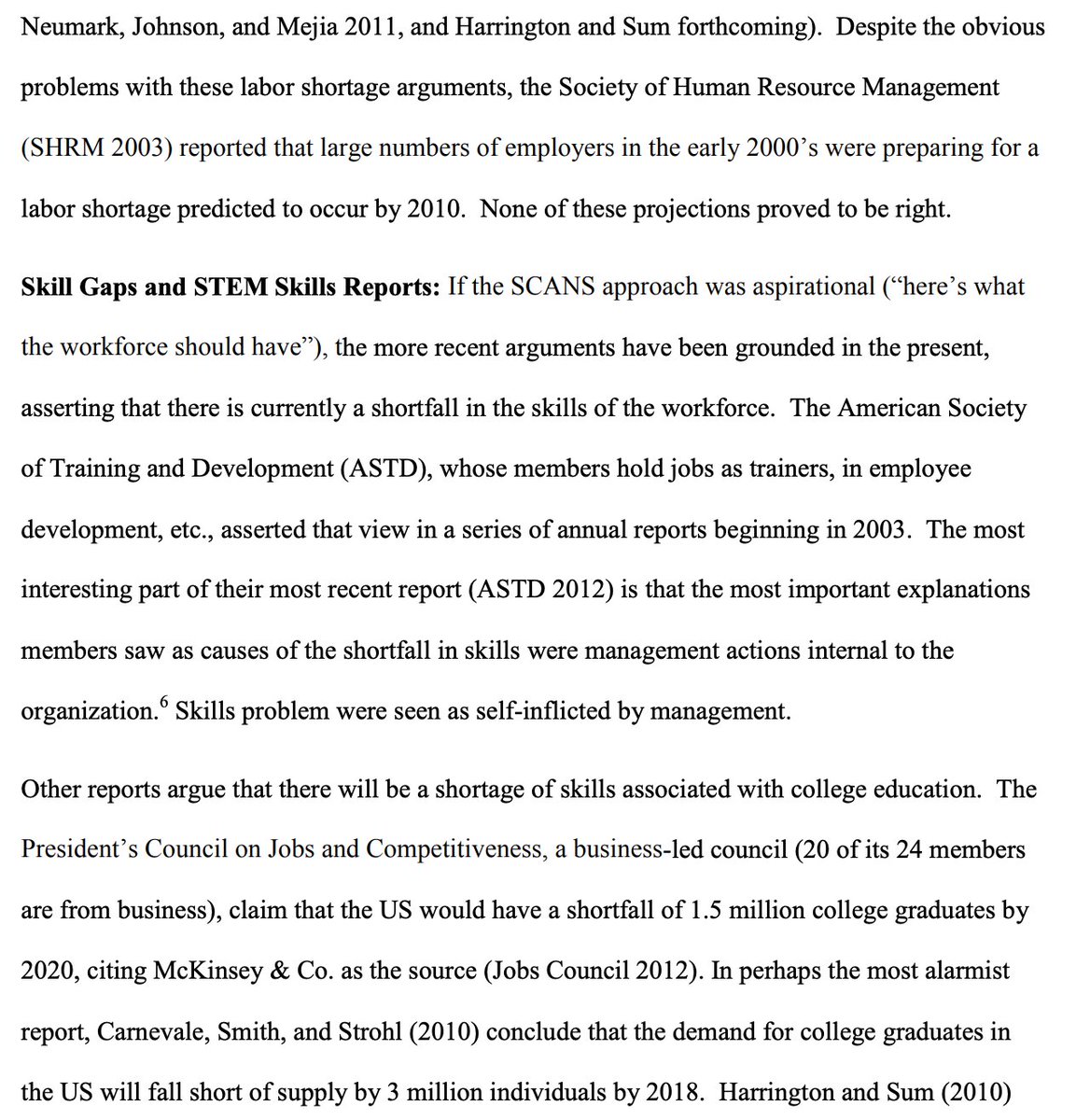
1/ Thread looking at paper from 2014 from dissecting claims of a labor shortage. This data is all old at this point but we see similar narratives today. On one side people claiming a labor shortage and on the other side, college graduates claiming they can't get jobs.
2/ The idea that America is falling behind in skills goes back a long time.
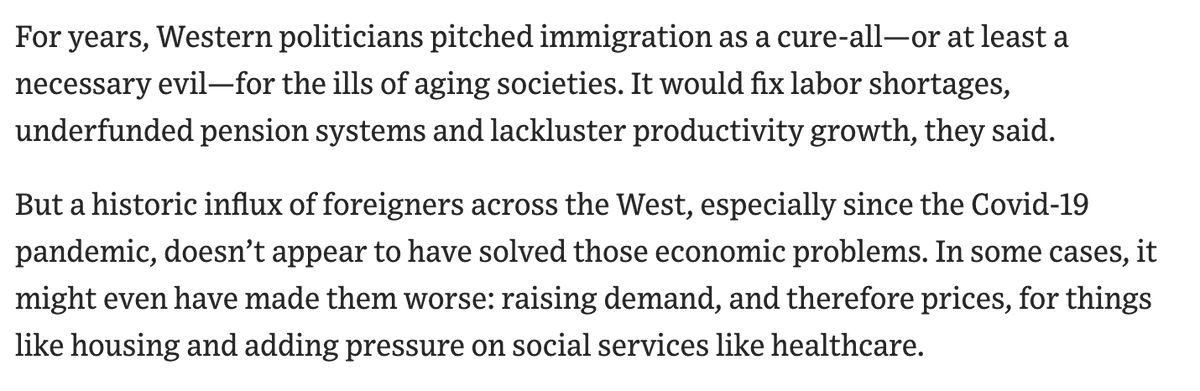
Some excerpts from WSJ article about the 10 million population cap referendum in Switzerland. The journal admits the historic wave of immigration to the West hasn't solved economic problems:
Economics professor from Canada admits that immigration hasn't solved Canada's problems.
Economic output per worker has stagnated across some of the countries that have accepted the most immigrants.
1/Short thread on race and Greek life. This legal scholar recently filed some FOIA requests for public universities to get some data on mainstream frats and sororities (IFC/Panhellenic) and this is what the data looks like overall:
2/ The IFC fraternities they looked at were slightly less white at around 72%. Everywhere greeks life was at least 15% whiter than the university population as a whole.
3/ Comparison between % of undergrads who are black vs panhellenic sororities. At the schools that turned over chapter level data almost half of chapters had no black members.
1/ Short thread. The WSJ asked business historians to rank the greatest entrepreneurs and business leaders in American history. Here are the racial demographics: