Here's a small thread on a curious sermon by St. Bonaventure, describing 12 MIRACLES that took place on 25 December 0.
Jesus's birthday.
There will be much caterwauling denial anger ridicule scoffing tears weeping and gnashing of teeth when we reach #7.
Jesus's birthday.
There will be much caterwauling denial anger ridicule scoffing tears weeping and gnashing of teeth when we reach #7.

#1 'a fulgent star appeared in the sky in parts of the East'
The Star of Bethlehem.
The Star of Bethlehem.

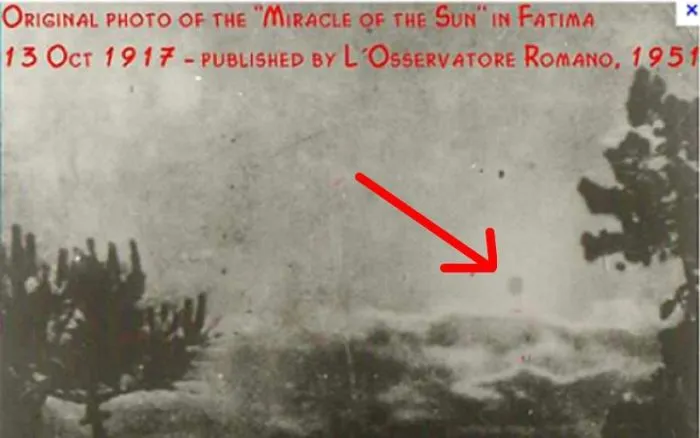
#2 'a golden circle that appeared near the sun'

#3 'the temple of peace in Rome fell to the ground'.

#4 'in Rome a large gush of oil sprung up from the ground and flowed into the Tiber'

#5 'the vinae Engaddi, from which perfume is made, sprouted, flourished, extended its branches and produced its scented liquid'

#6 '30,000 criminals were killed by the Emperor'

#7. Sit down first.
'all the sodomites in the whole world died, both male and female, according to Jerome (3) commenting on the Psalm: The light was born for the just, which shows that He who was born came to reform nature and to promote chastity.'
'all the sodomites in the whole world died, both male and female, according to Jerome (3) commenting on the Psalm: The light was born for the just, which shows that He who was born came to reform nature and to promote chastity.'

#8 'brute animals spoke in Judea, among them, two oxen'

#9 'all the idols of Egypt were destroyed when the Virgin gave birth'

#10 'when the Infant was laying in the Manger, the ox and donkey knelt before Him, as if they had reason, and adored Him'

#11 'the whole world was in peace'

#12 'in the East three suns appeared in the sky'

People do not like #7, and even dispute it. But it's genuine. Here's the whole thing in Latin.

And in translation.

Given that the words are, to put it lightly, deeply unpalatable to Prideful ears, there has even been scholarly dispute over whether the original Latin was genuine.
But scholars have concluded the text is authentic.
But scholars have concluded the text is authentic.

Part of the confusion may be due to a continuing typo, with some ascribing the quotation to Sermon XXI (21) and not XXII (22).
Anyway, St. Bonaventure does not tell us how Jerome came to believe that all who enjoyed sodomy died on Christmas Day.
Anyway, St. Bonaventure does not tell us how Jerome came to believe that all who enjoyed sodomy died on Christmas Day.
Jerome is supposed to comment on Isiah 19, which foretells Christ's birth, and to Psalm 96, which Jerome calls "an enthronement hymn" in 'The New Jerome Biblical Commentary'. But I see no other allusions.
Not enough of a Jerome scholar to dig deeper on that.
Not enough of a Jerome scholar to dig deeper on that.
Here's the entire sermon:
Here's the paper saying it's genuine: traditioninaction.org/Questions/E050…
jstor.org/stable/41974902
Here's the paper saying it's genuine: traditioninaction.org/Questions/E050…
jstor.org/stable/41974902
Got the idea for the thread from Barnhardt chicky, who has a small post on the sermon.
barnhardt.biz/2023/12/27/chr…
barnhardt.biz/2023/12/27/chr…
• • •
Missing some Tweet in this thread? You can try to
force a refresh