DRESSING SHORTER MALE FIGURES
Some people have asked me to do a thread on how to dress shorter male figures. So here's the thread. 🧵
Some people have asked me to do a thread on how to dress shorter male figures. So here's the thread. 🧵
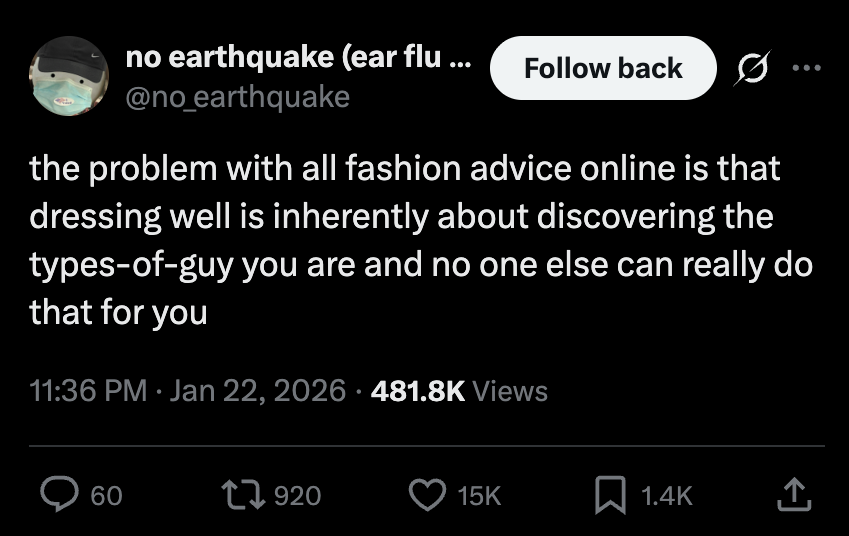
There are a lot of guides online that treat the process of building a wardrobe like some kind of engineering problem. Everything is deduced from supposed scientific principles, like how certain colors go together or how certain lines lengthen or widen the figure.


I think the process of building a wardrobe is more like learning how to speak a language, and less like solving a math problem. The other approaches feel very pseudo-scientific to me, and they often feel like they start from a position of fear or shame.
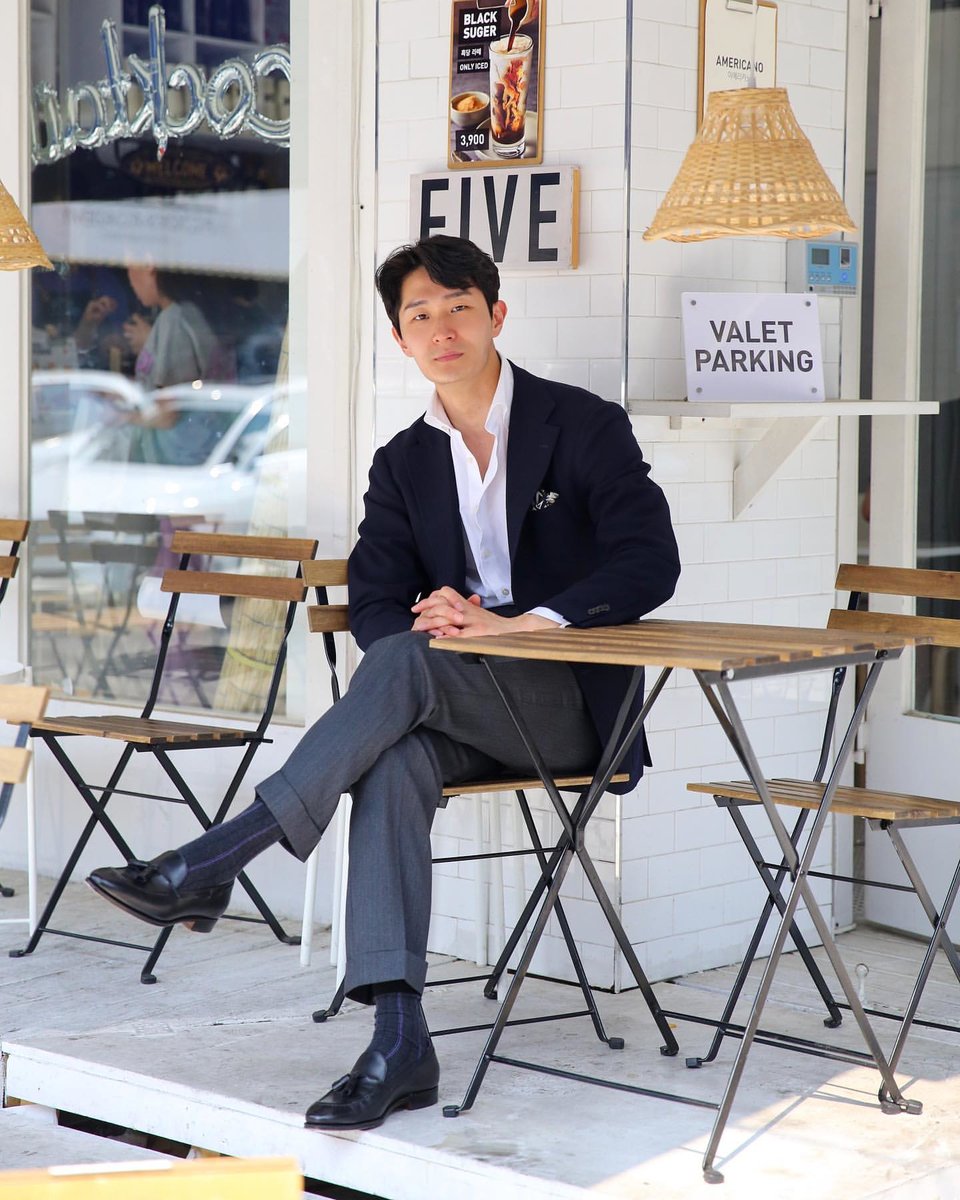
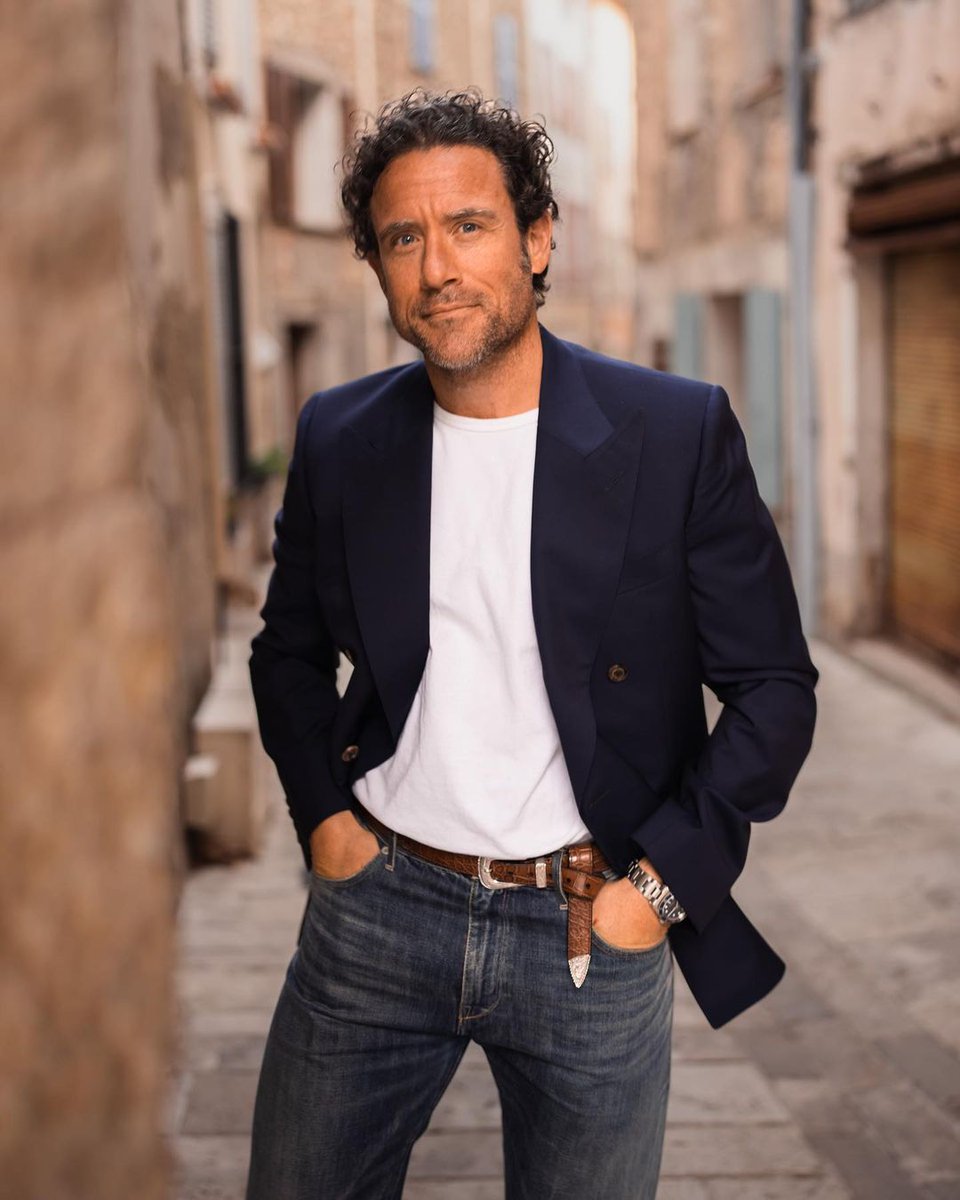
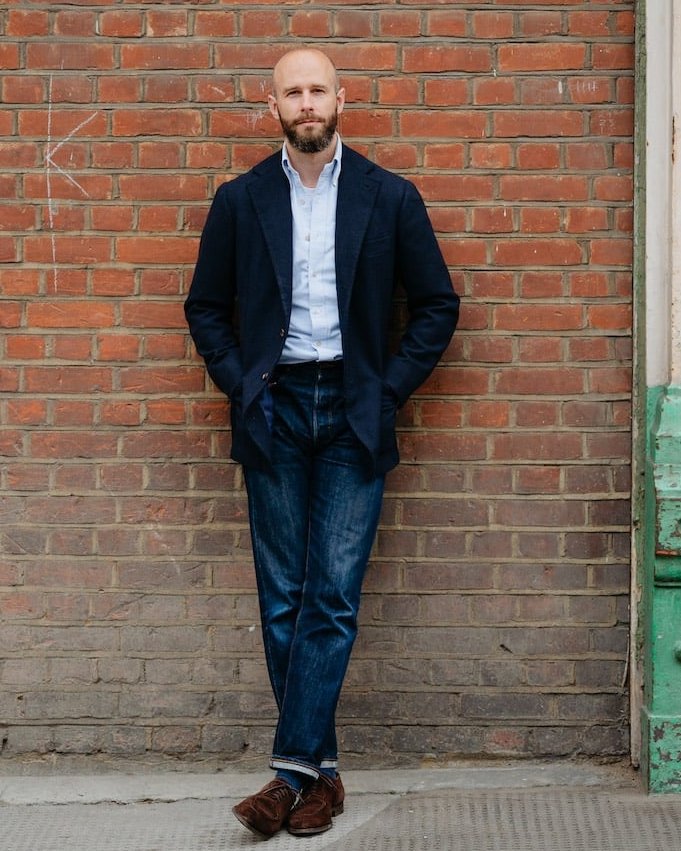
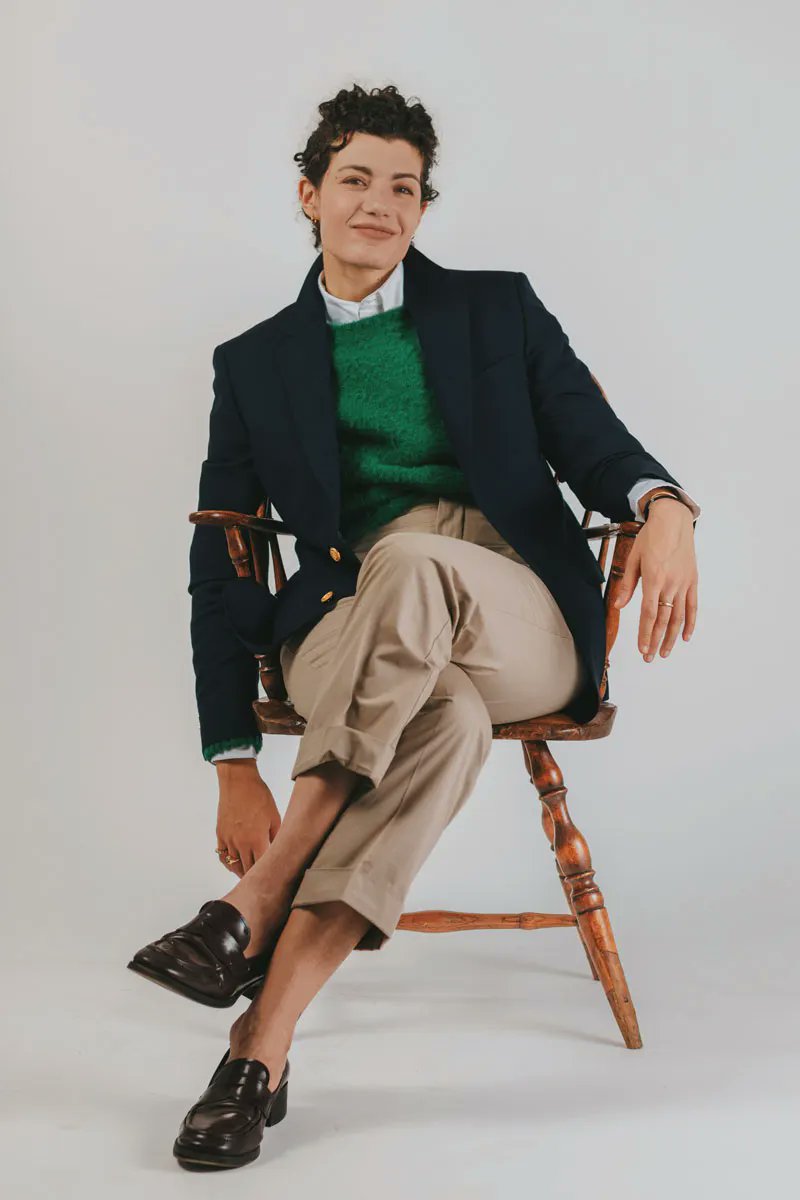
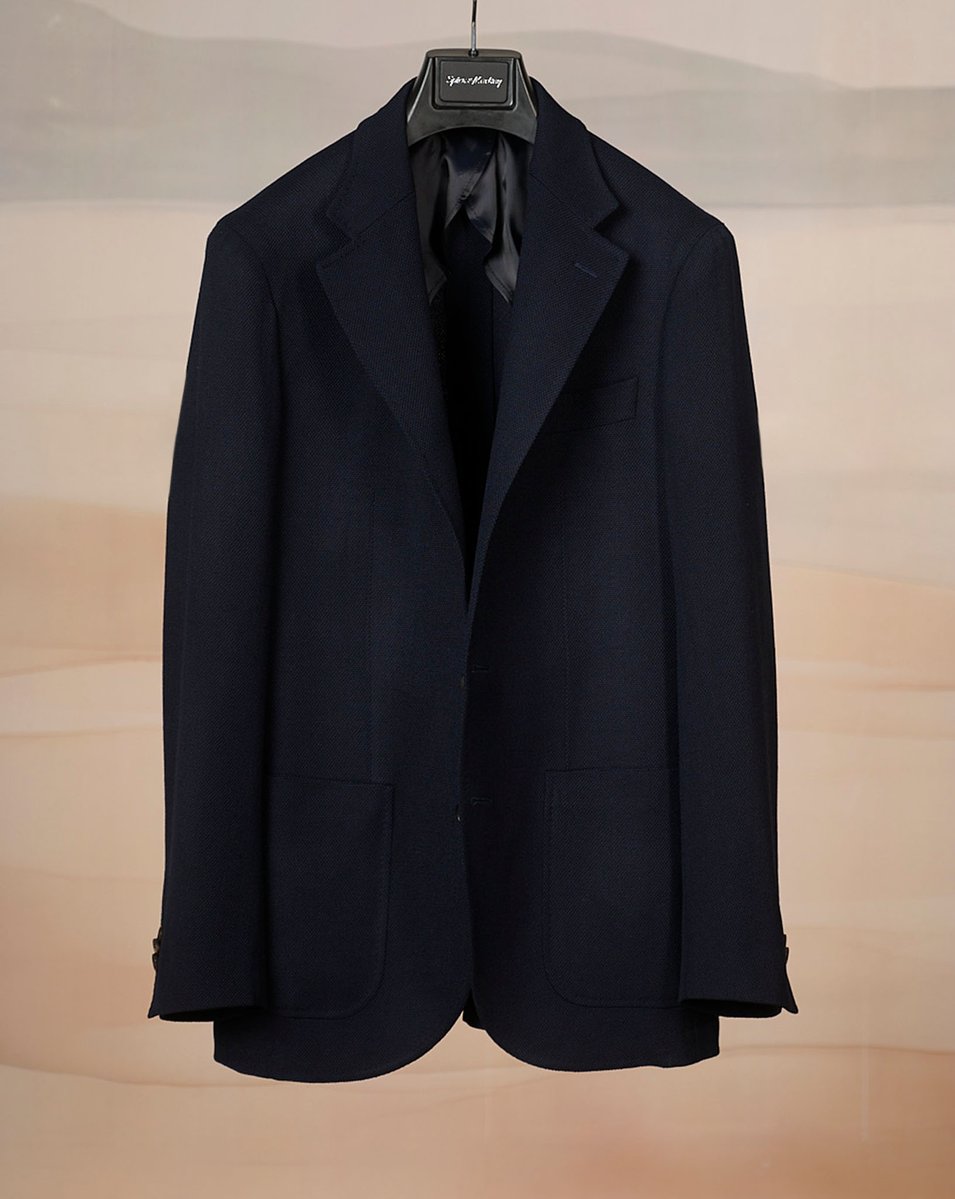
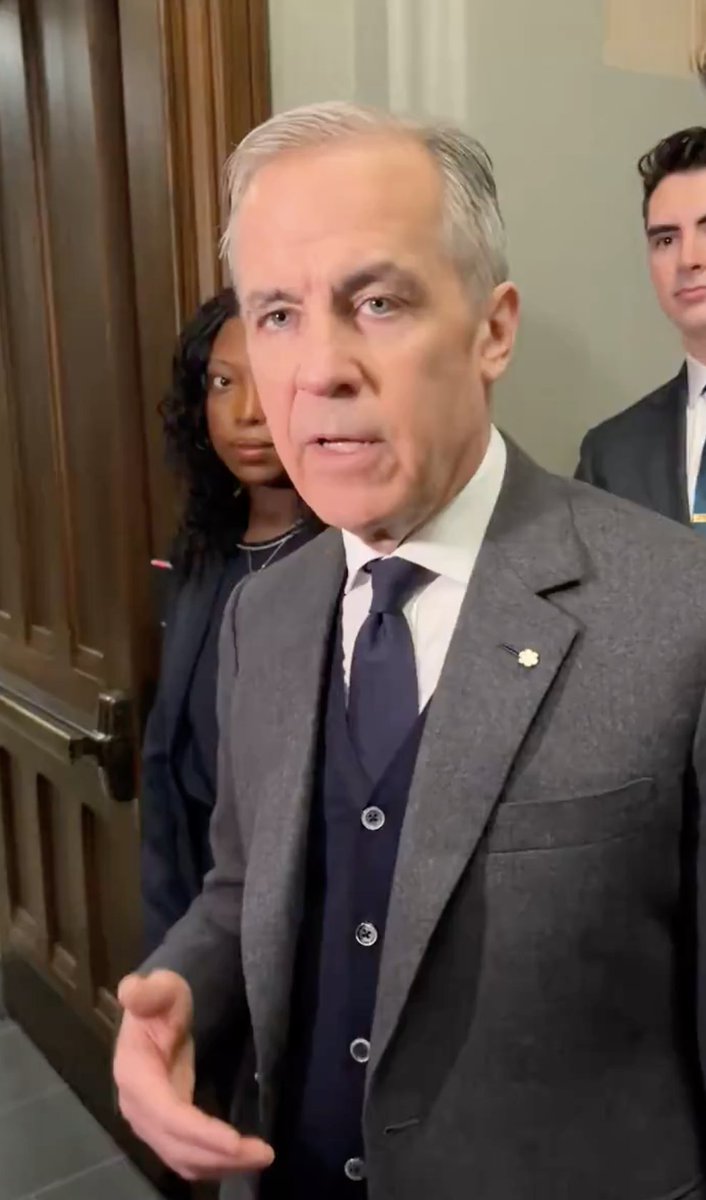
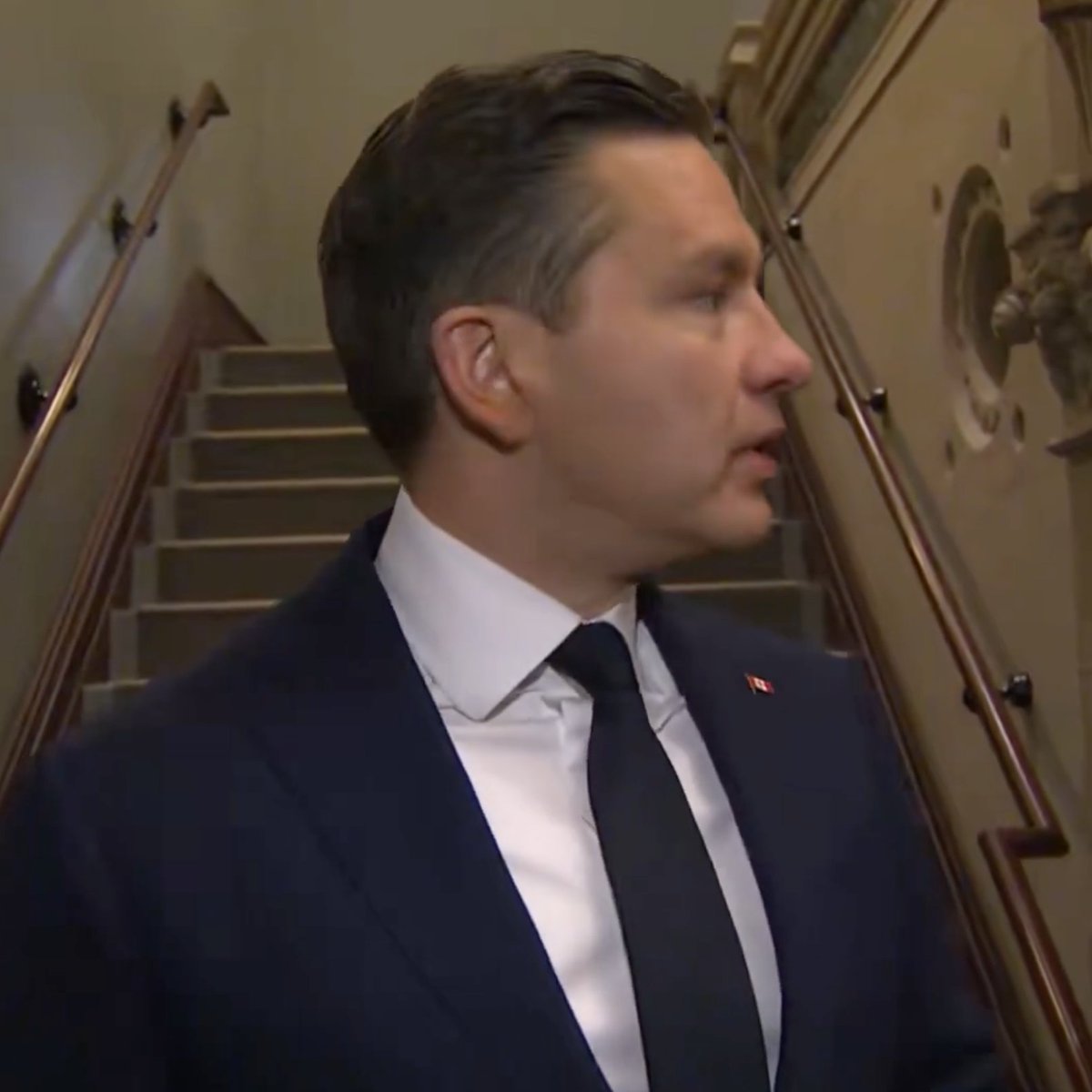
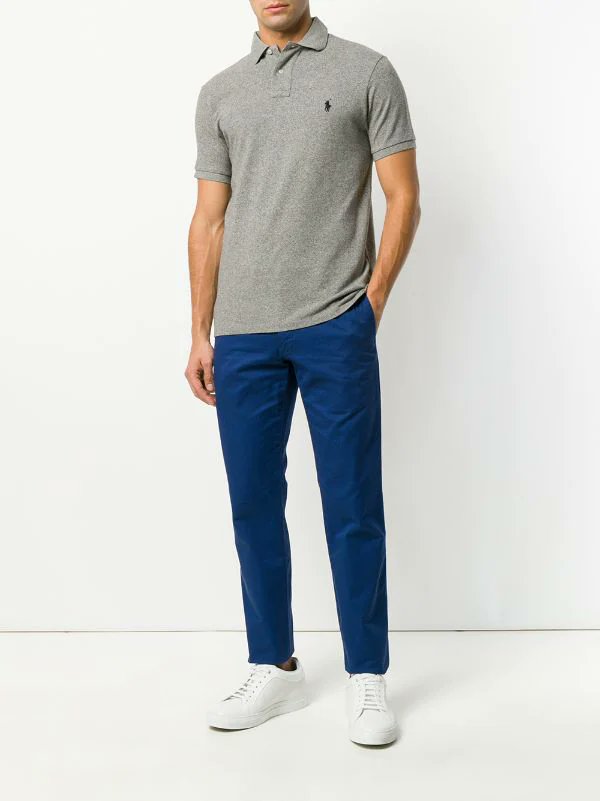
For instance, the idea behind the outfits below is to look good but not TOO good. Otherwise, you will stand out. Perhaps that's necessary in some offices, but it should be noted that there are many other possibilities and lifestyles, and not everyone wishes to blend in.

Similarly, a lot of the style advice I read for men with shorter, taller, or larger figures feels like it's about "fixing" or "hiding" the body. I've read that large guys shouldn't wear horizontal stripes. Or short guys shouldn't wear cuffs because they shorten the vertical line
Except for Bretons, most horizontal striped tops are bad, not because they make you look wide, but simply because the eye is not accustomed to seeing horizontal stripes on tops. They look weird on any body type. But large men are told to "minimize themselves."


A few months ago, I interviewed three stylish large men about how to dress larger figures, and I tried REALLY hard to get them to give me tips that are specific to larger men.
🔗: tinyurl.com/ycxz7uct
🔗: tinyurl.com/ycxz7uct
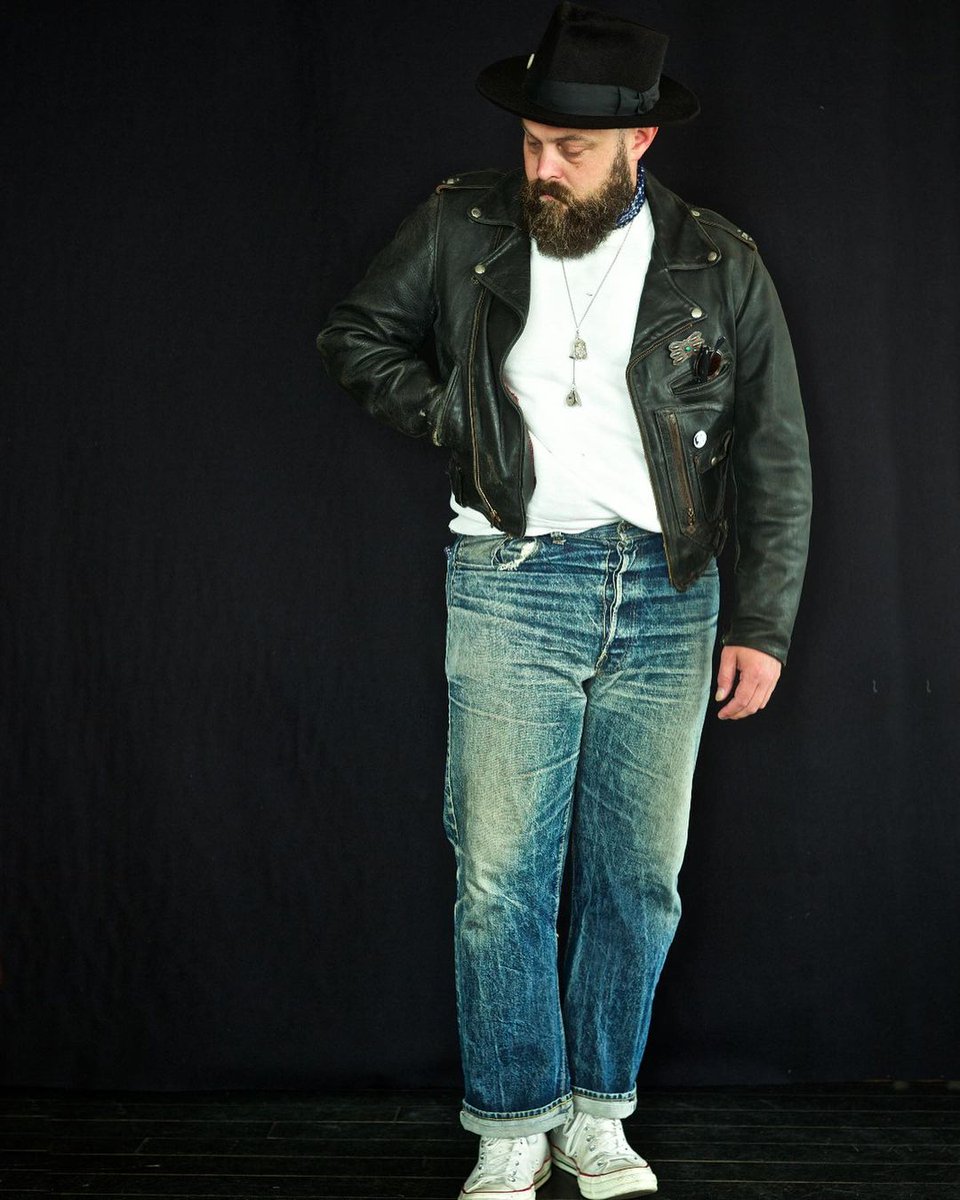


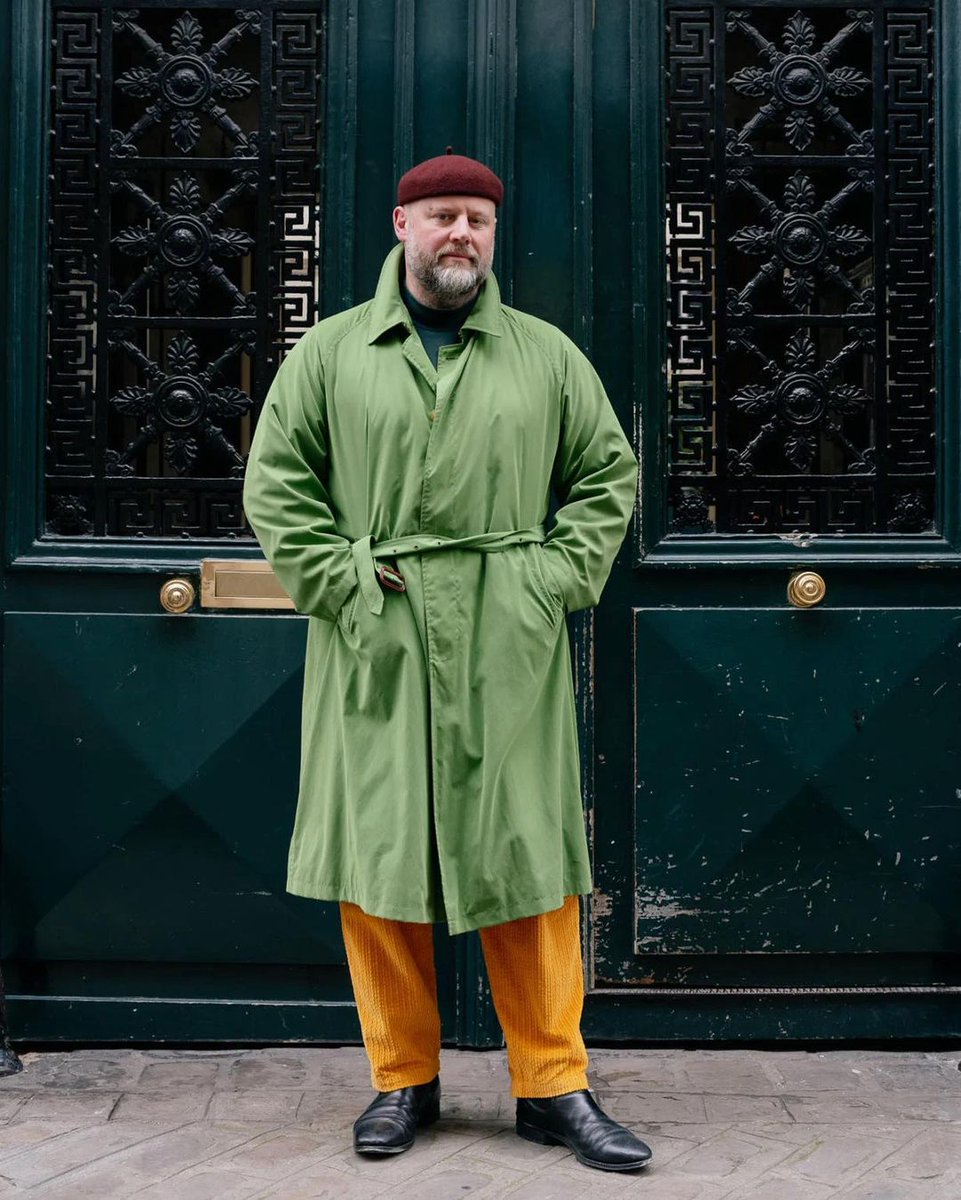
However, except for challenges in finding ready-made clothes that fit, the principles were the same. "Pay attention to fit." "Don't buy stuff that's straining." "Think about proportions." This is true for any body type.


I feel the same is true for shorter figures. I dislike advice online that's about trying to make you look taller, or helping you hide yourself so that you don't attract attention. I think guys of any build can dress just as well as anyone else, and learn to express themselves.
One of the reasons why I don't think height is any impediment to dressing well is because some of the most stylish men I know are Neapolitan tailors, many of whom are older guys who are under 5'8" (including one of my tailors). Their style has verve.


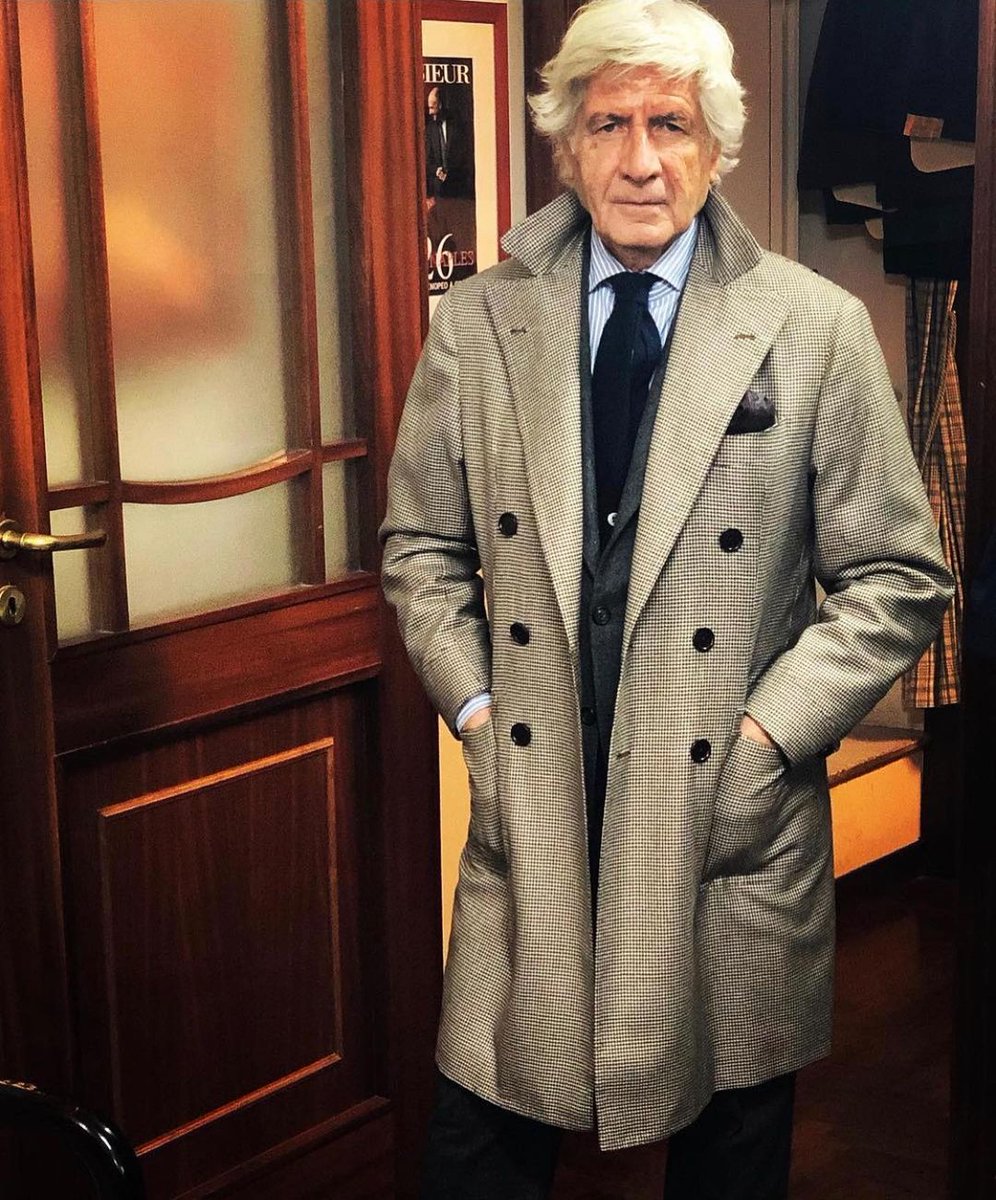

In fact, many of the most stylish men in the last 100 years were 5'8" or shorter. Italian actor Toto was 5'4"; Rudolph Valentino was 5'8". Both were tremendous dresses.
Let's run through some other examples and talk about what makes these outfits good.
Let's run through some other examples and talk about what makes these outfits good.


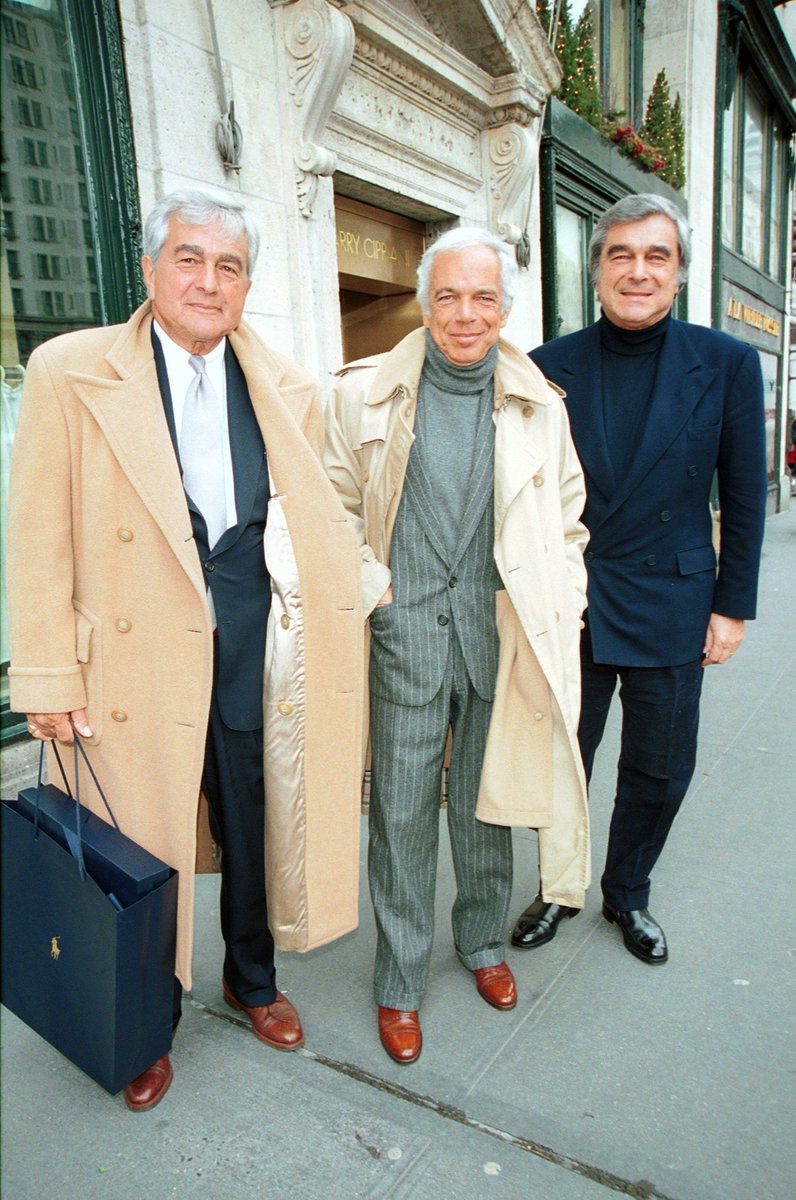
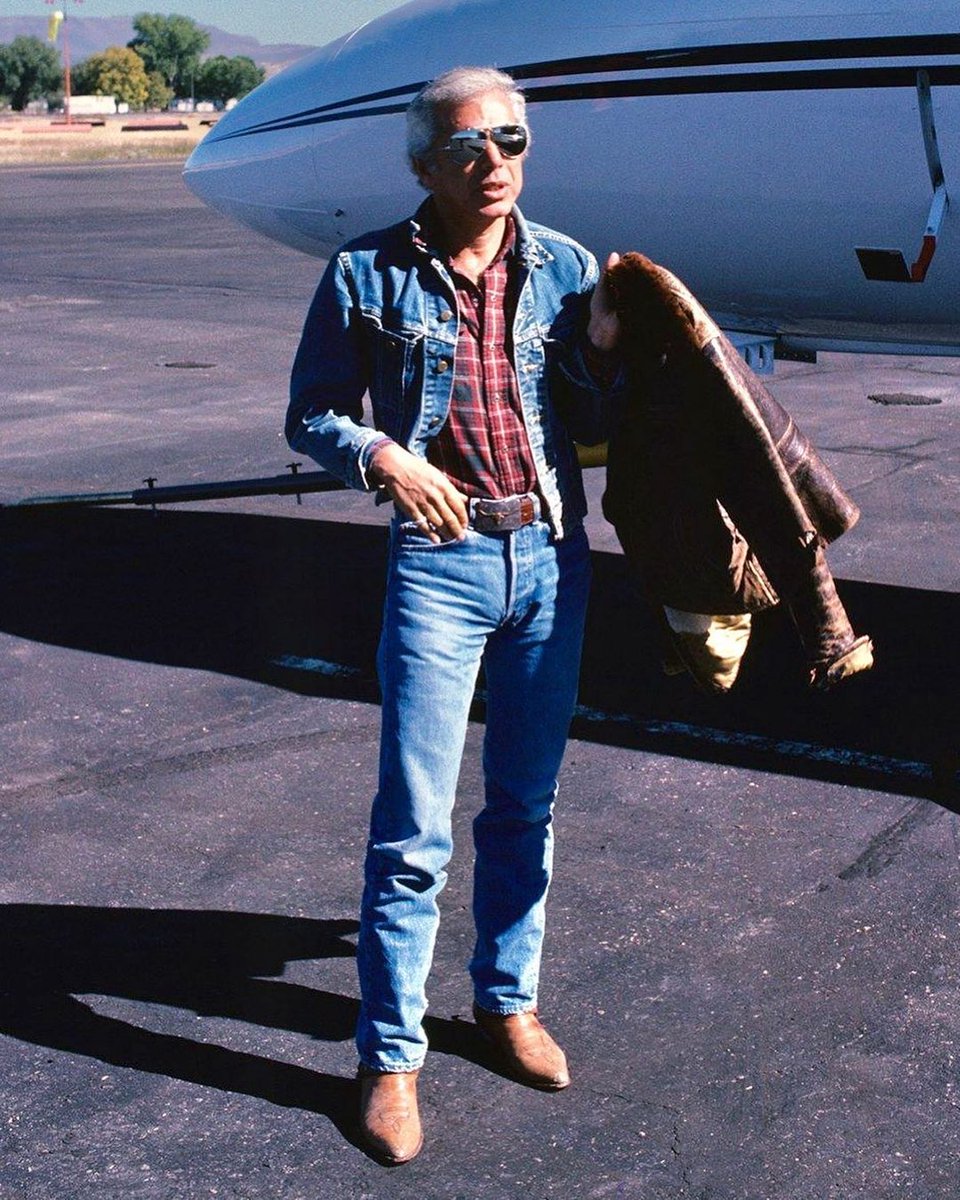
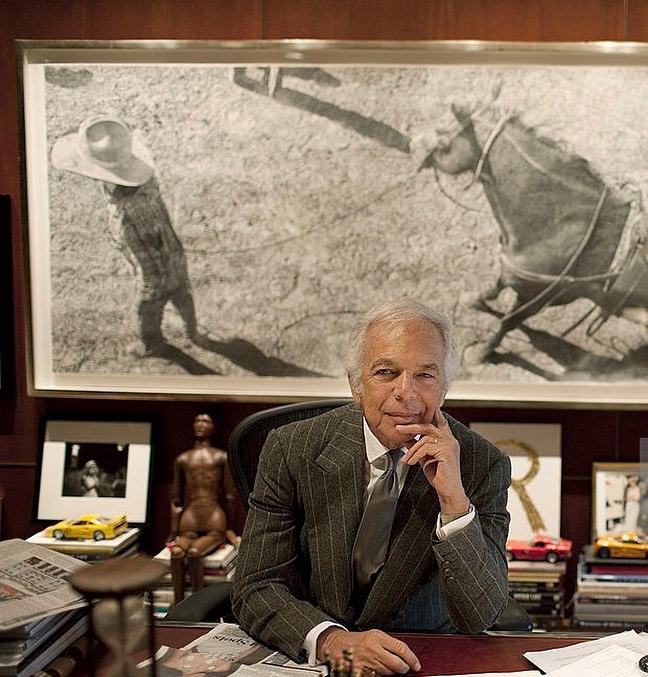
Ralph Lauren (5'6")
A master at using clothes to tell a story. He once said he designs collections by thinking about how he'd dress characters in a movie. He understands the meaning of clothes and how to use them to say something about a person.
A master at using clothes to tell a story. He once said he designs collections by thinking about how he'd dress characters in a movie. He understands the meaning of clothes and how to use them to say something about a person.

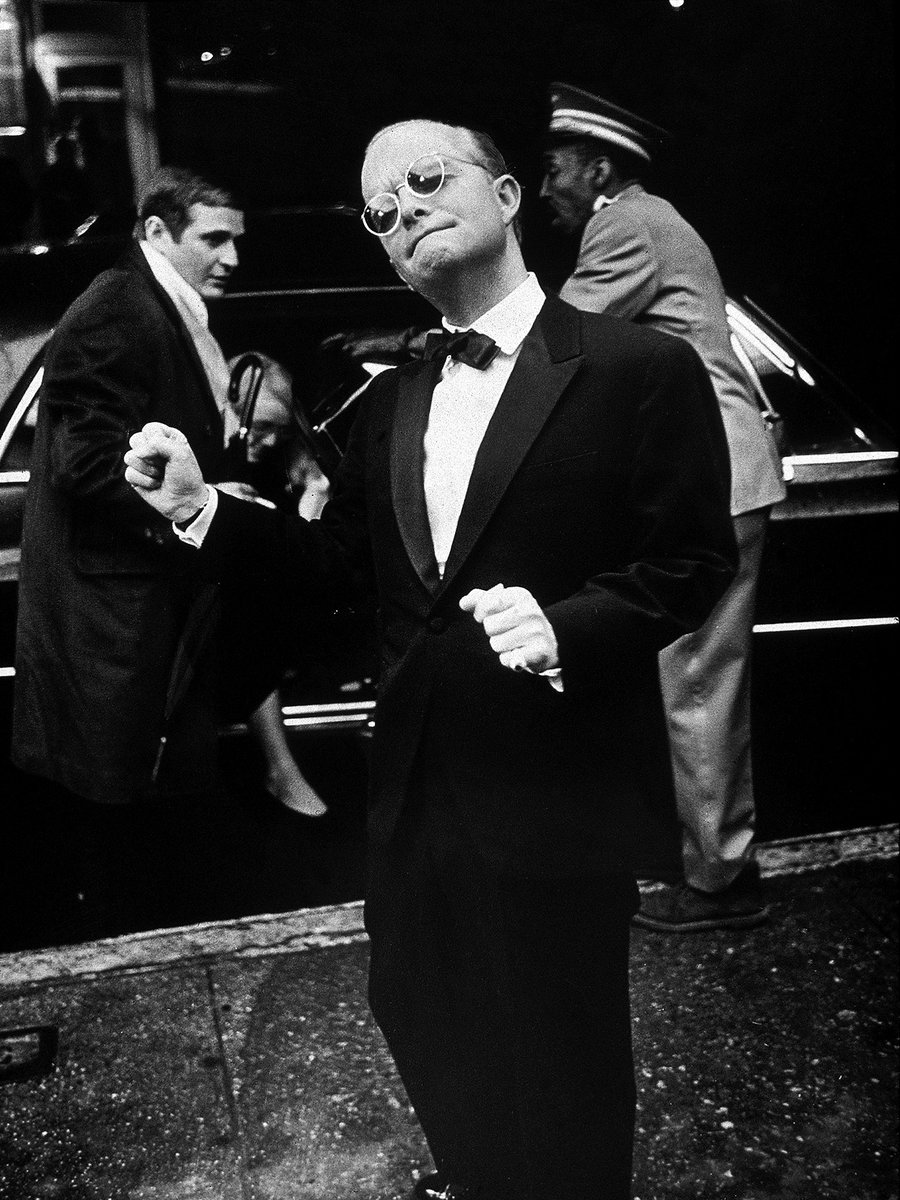
Truman Capote (5'3")
Tremendously elegant. Wore tailoring in classic proportions, embraced big overcoats, and knew how to improve simple outfits with a textured sweater. Again, these ideas apply to anyone.
Tremendously elegant. Wore tailoring in classic proportions, embraced big overcoats, and knew how to improve simple outfits with a textured sweater. Again, these ideas apply to anyone.


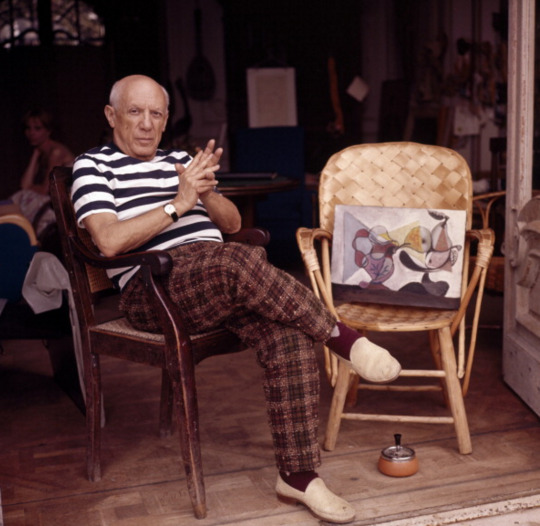
Pablo Piccaso (5'4")
Another man who embraced texture: spongey lambswool knits, big Donegal tweed overcoats, red terrycloth polos, and crazy textured and patterned pants. Textures can really add something to an outfit (compare these fits to a smooth merino v-neck with chinos)
Another man who embraced texture: spongey lambswool knits, big Donegal tweed overcoats, red terrycloth polos, and crazy textured and patterned pants. Textures can really add something to an outfit (compare these fits to a smooth merino v-neck with chinos)


Al Pacino (5'6")
I often hear that short guys shouldn't wear big outerwear because it'll look like they're wearing their dad's clothes (again, starting from fear that you'll be perceived as a child). But Pacino looked great in a big topcoat and M-65 field jacket!
I often hear that short guys shouldn't wear big outerwear because it'll look like they're wearing their dad's clothes (again, starting from fear that you'll be perceived as a child). But Pacino looked great in a big topcoat and M-65 field jacket!


Layering is also a useful way to create visual interest, but you don't have to do it with a big coat. Pacino shows how you can do it in the warmer months with a sleeveless undershirt and, yes, jewelry.


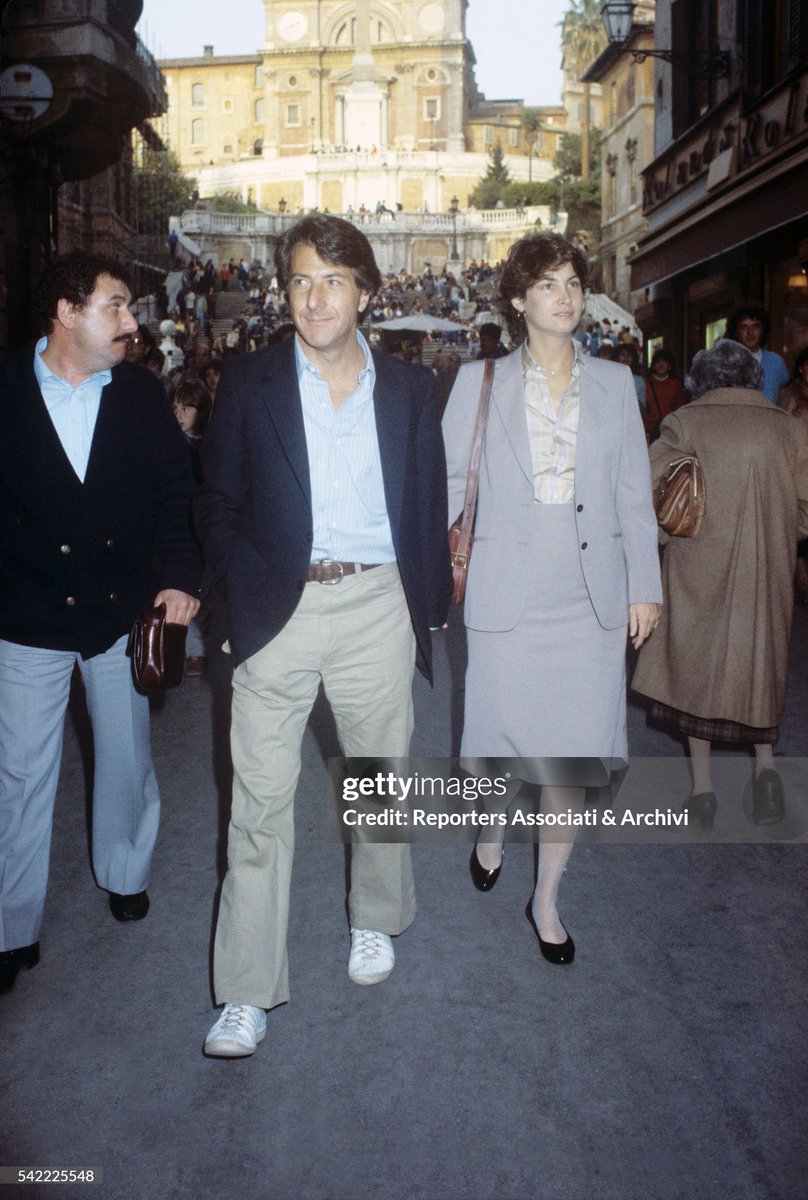
Dustin Hoffman (5'5")
Notice that Hoffman's tailoring in the last photo follows the same ideas about classic proportions: jacket ends halfway from the collar to the floor, lapel is halfway from the collar to the shoulder seam, and coat can be comfortably fastened.
Notice that Hoffman's tailoring in the last photo follows the same ideas about classic proportions: jacket ends halfway from the collar to the floor, lapel is halfway from the collar to the shoulder seam, and coat can be comfortably fastened.


Edward VIII (5'7")
The single most influential menswear figure in the 20th century was a short king (technically, the Prince of Wales). Edward VIII wore knee-length overcoats, drape-cut suits, and loud, giant-scaled patterns. Dude was an idiot, but stylish.
The single most influential menswear figure in the 20th century was a short king (technically, the Prince of Wales). Edward VIII wore knee-length overcoats, drape-cut suits, and loud, giant-scaled patterns. Dude was an idiot, but stylish.


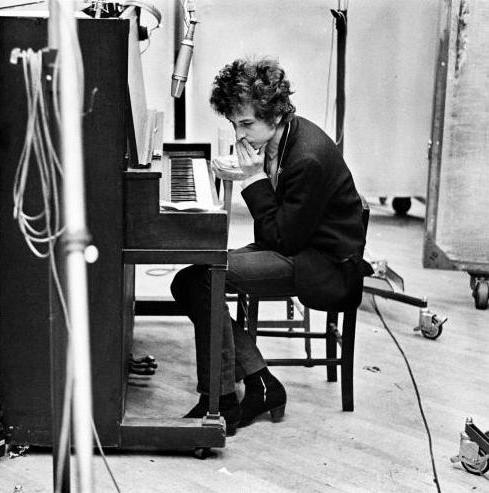
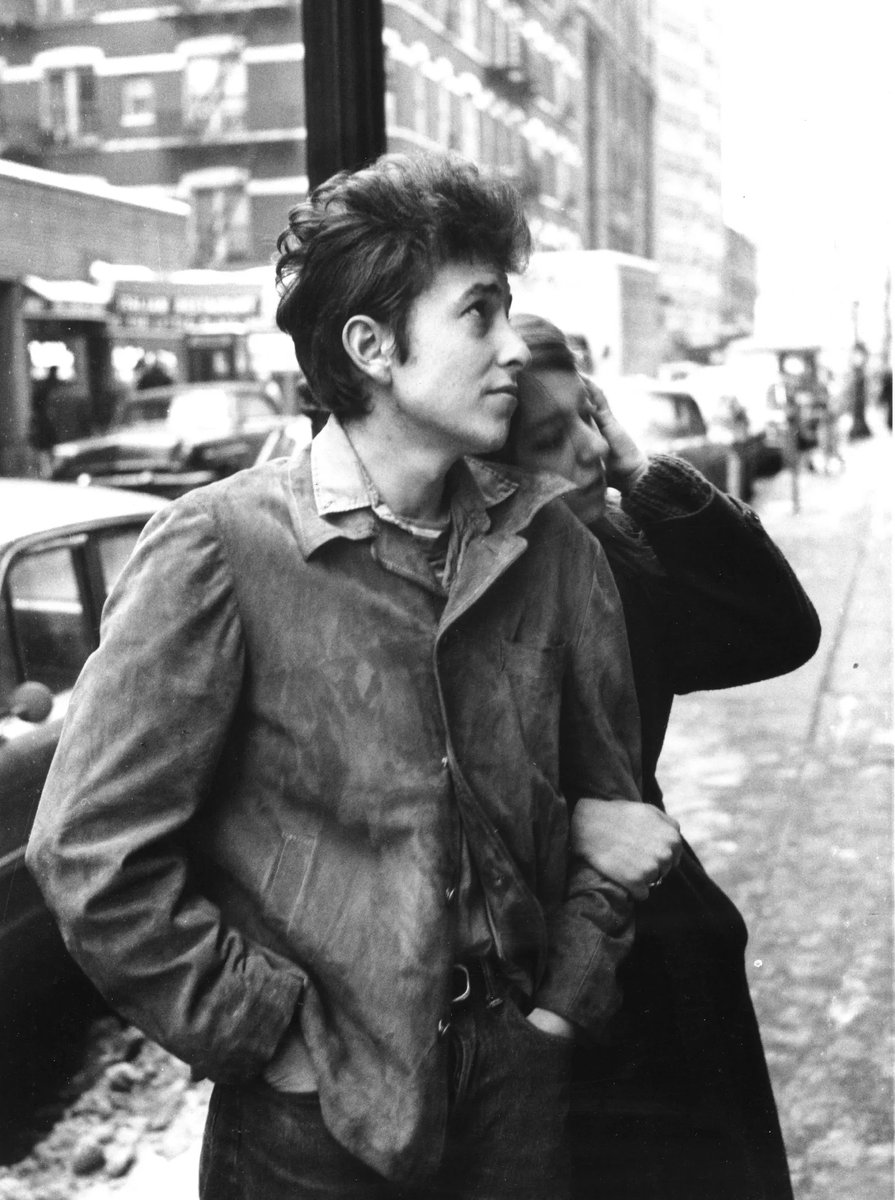
Bob Dylan (5'7")
A lover of side-zip boots, leather jackets, and, as you probably have never seen him before, seersucker. Again, this guy was not trying to blend into the background.
A lover of side-zip boots, leather jackets, and, as you probably have never seen him before, seersucker. Again, this guy was not trying to blend into the background.


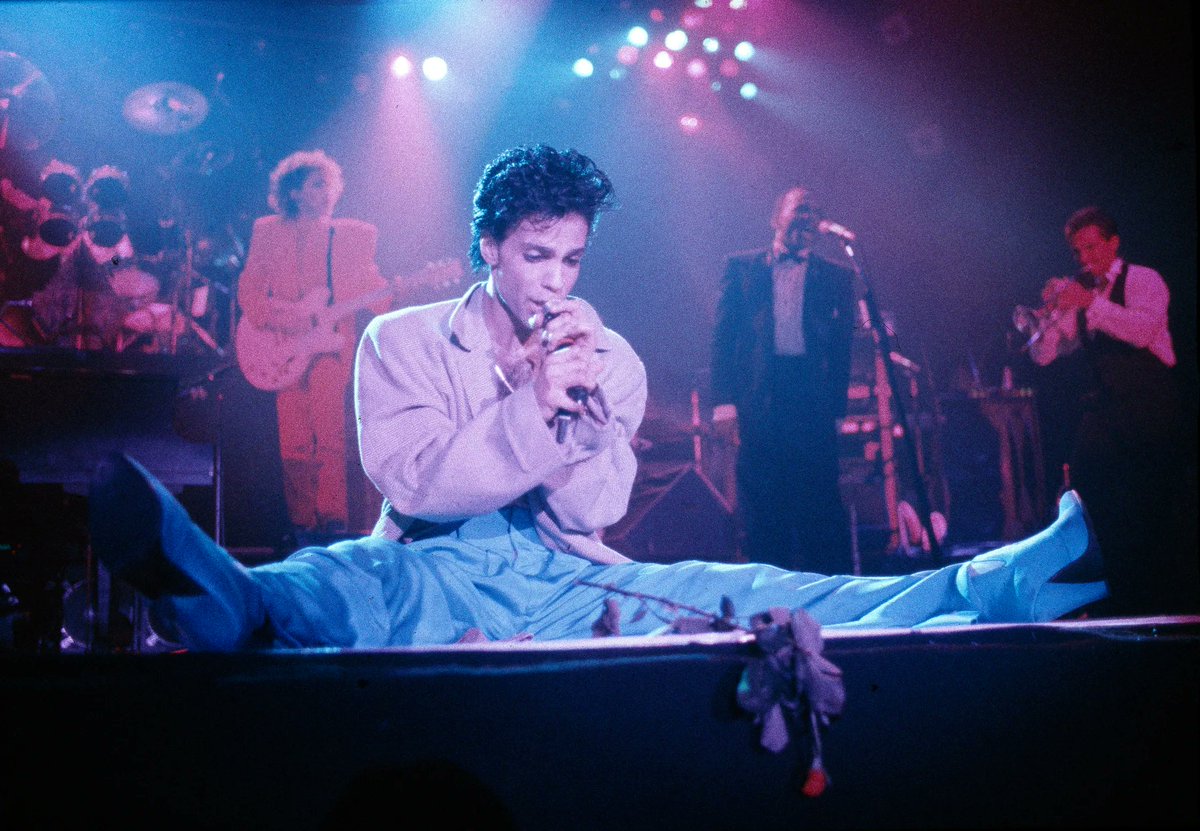
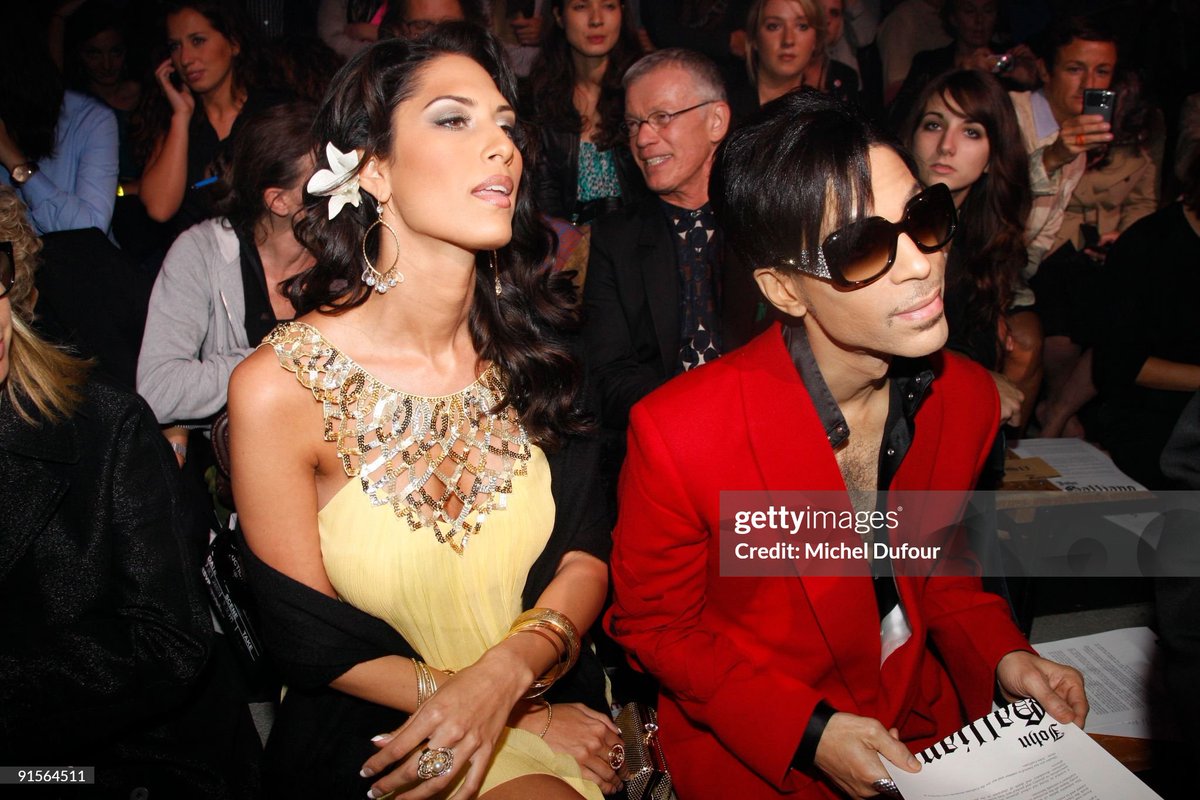
Prince (5'2")
Speaking of a man who wasn't trying to blend into the background, Prince had over 3000 pairs of bespoke shoes made for him, many made with high heels. Were those shoes height boosters? Possibly, but they were worn for style, not out of shame for his height.
Speaking of a man who wasn't trying to blend into the background, Prince had over 3000 pairs of bespoke shoes made for him, many made with high heels. Were those shoes height boosters? Possibly, but they were worn for style, not out of shame for his height.


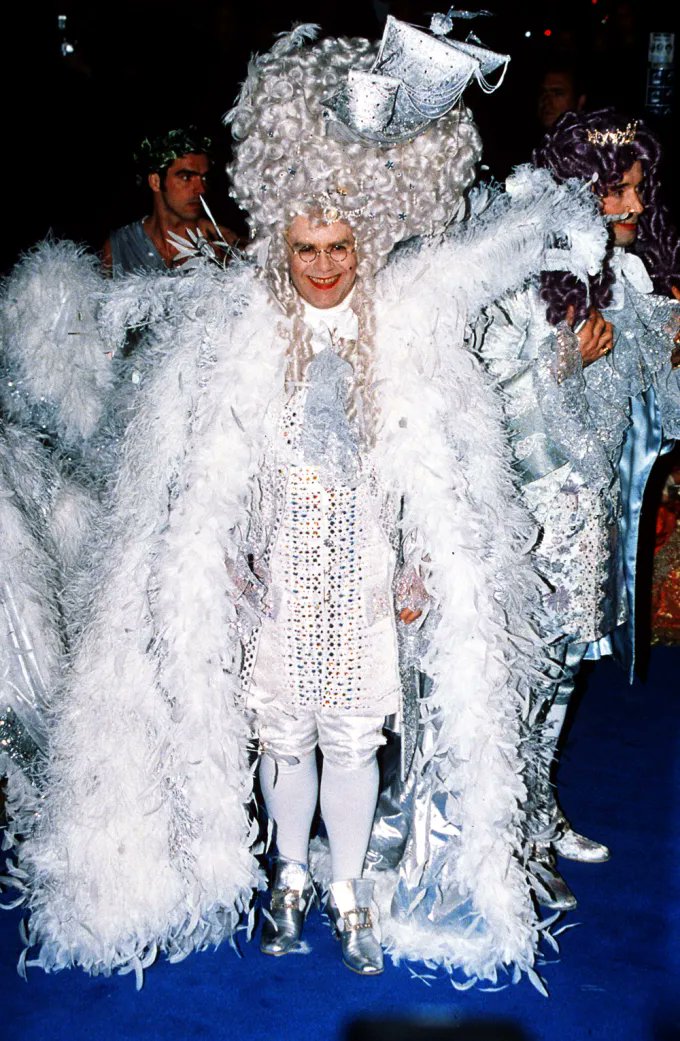
Elton John (5'8")
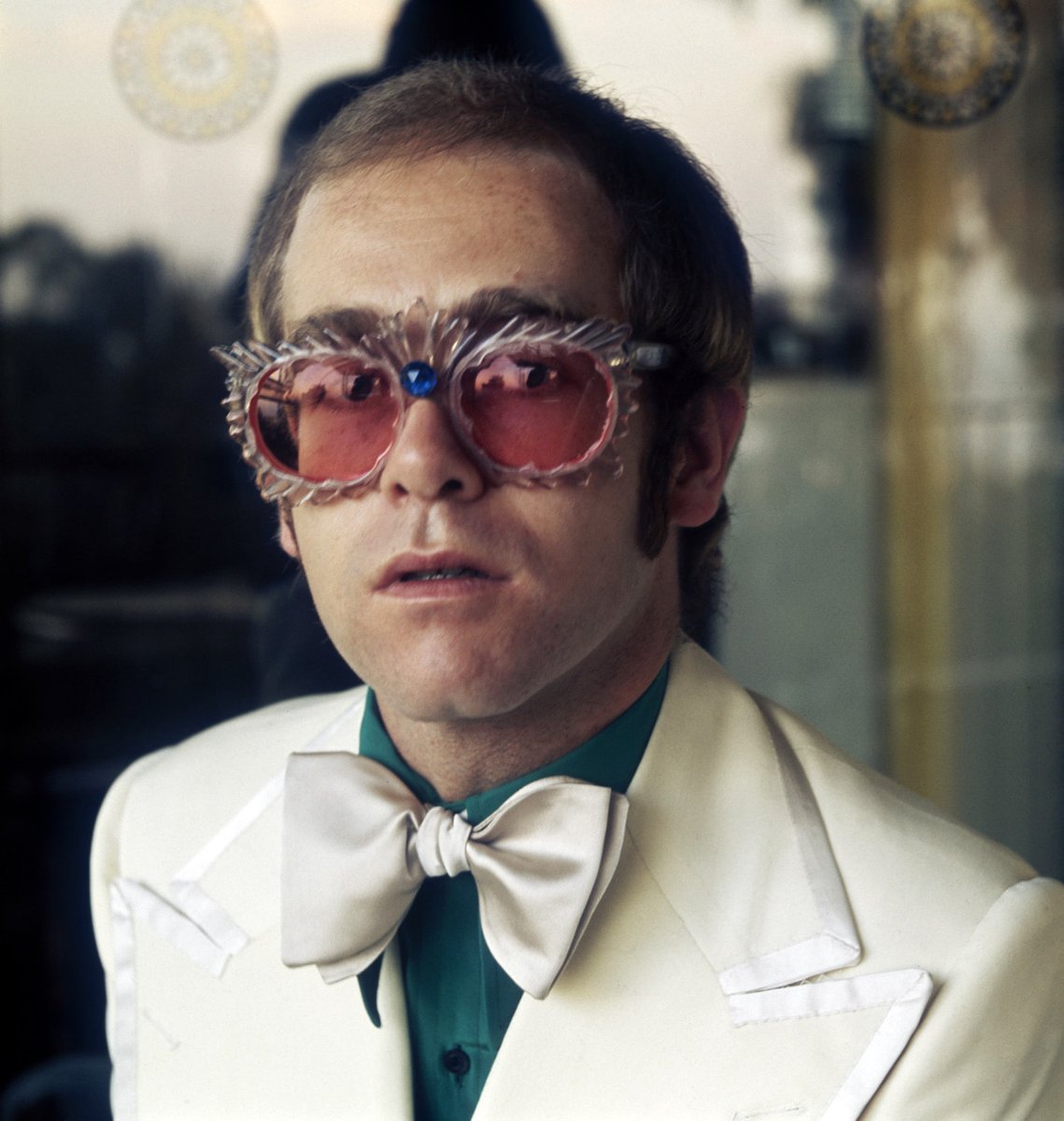
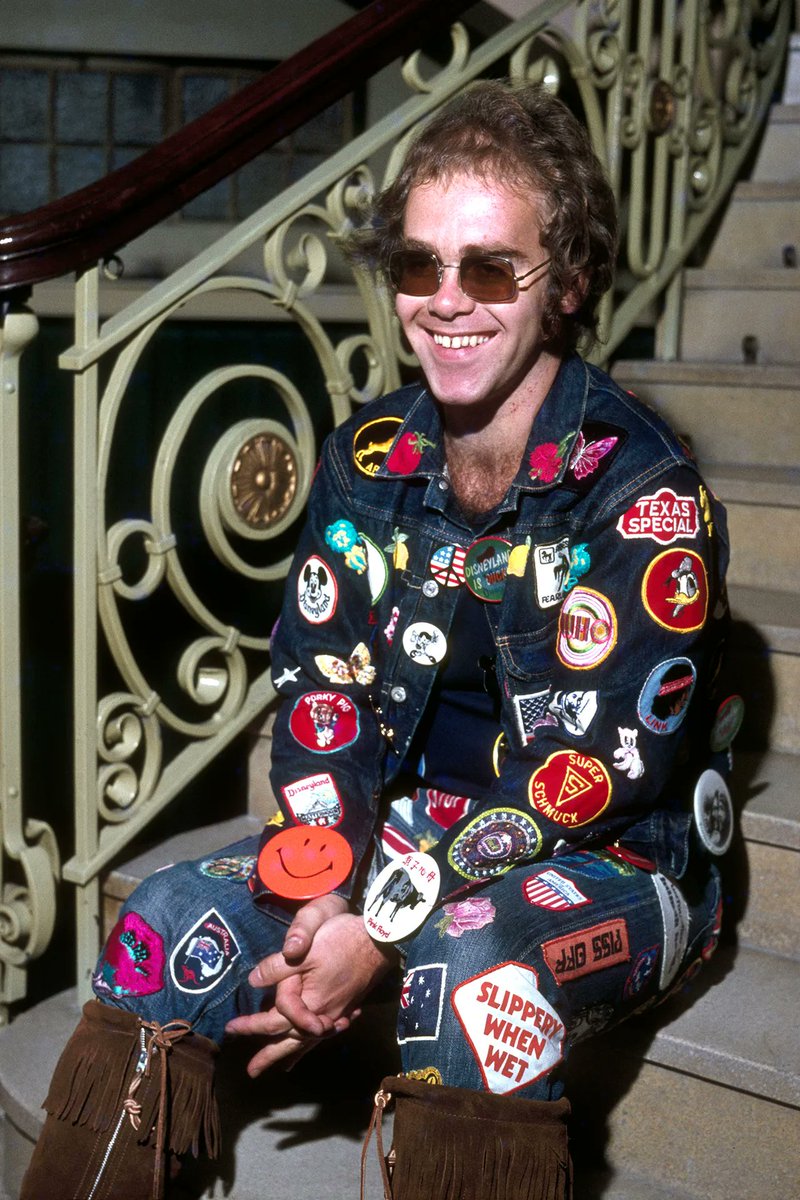
One of the most unique and expressive dressers in the last hundred years. John wore wild Tommy Nutter suits, giant sunglasses, and King Louis XIV get-up for his 50th birthday (the headpiece was so heavy, he said it almost broke his neck)
One of the most unique and expressive dressers in the last hundred years. John wore wild Tommy Nutter suits, giant sunglasses, and King Louis XIV get-up for his 50th birthday (the headpiece was so heavy, he said it almost broke his neck)

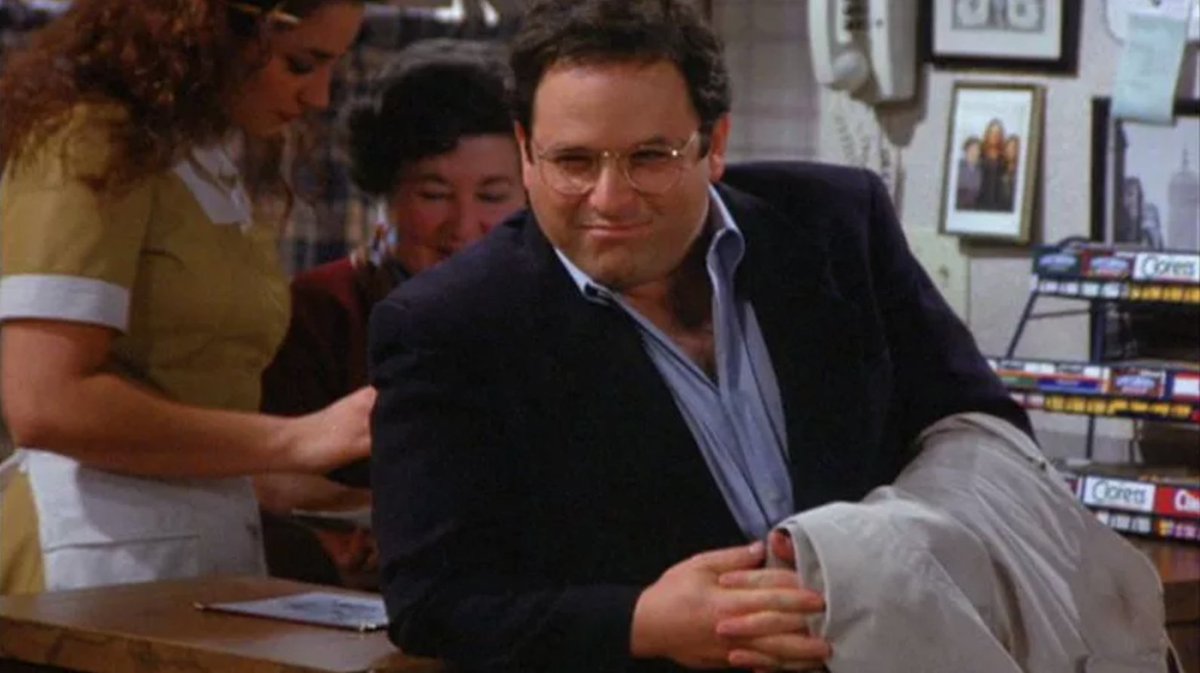
George Costanza (5'5")
Honestly, an underrated style icon. The first pic is very Aime Leon Dore. Second pic features a classic parka. Third and fourth pic show tailoring in classic proportions (also tweed + ancient madder tie is 👍). These fits look great on anyone.
Honestly, an underrated style icon. The first pic is very Aime Leon Dore. Second pic features a classic parka. Third and fourth pic show tailoring in classic proportions (also tweed + ancient madder tie is 👍). These fits look great on anyone.



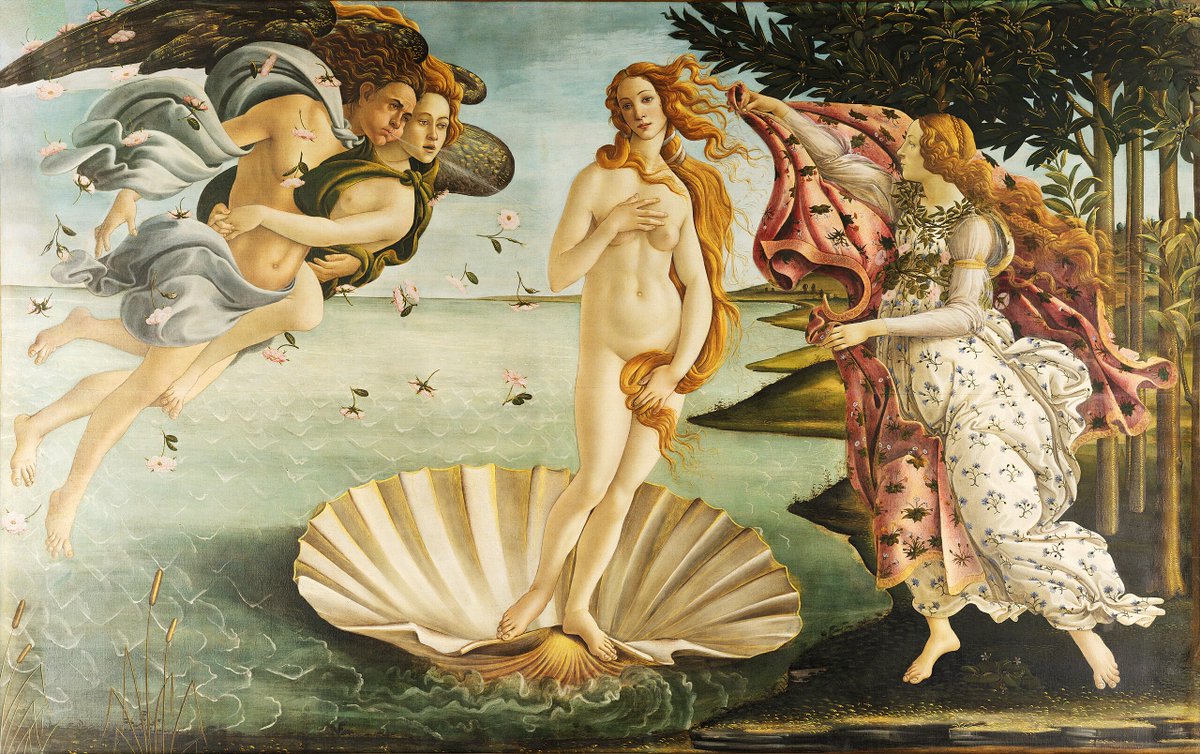
There's something to be said about how clothes can be used to build a certain figure. In classic Western aesthetics, the Platonic male figure has shoulders broader than the waist, whereas the female figure has a waist wider than the shoulders.

If you want to express that classic masculine figure, it's useful to think about how clothes can create those proportions. This is why the outfit on the left looks more classically flattering than the one on the right.

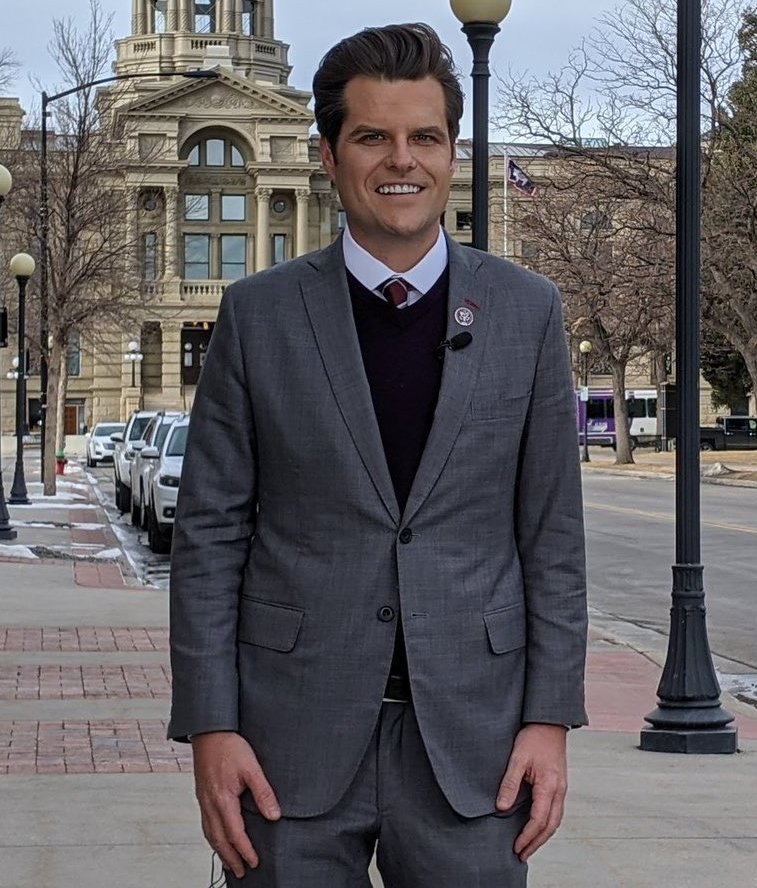
But a silhouette doesn't have to conform to those traditional notions. Clothes can be concealing or even disfiguring. Learning how to dress well is more like learning a language than solving a science problem.


My main point is that, aside from the problem of finding ready-made clothes that fit, I don't know if there are specific ideas that apply to larger or shorter figures. Here are two men with different builds but clothes in the same proportions.

IMO, you shouldn't think that your body type means that you can't wear something. Certainly, things should fit. But I don't think larger or shorter guys should think they necessarily have to hide themselves in anonymous clothes.
To end, here's a cool clip of Ralph in Friends
To end, here's a cool clip of Ralph in Friends
A typo in this tweet. This should say "hips," not "waist." But hopefully, the idea came across.
https://twitter.com/dieworkwear/status/1742775602955087889
• • •
Missing some Tweet in this thread? You can try to
force a refresh