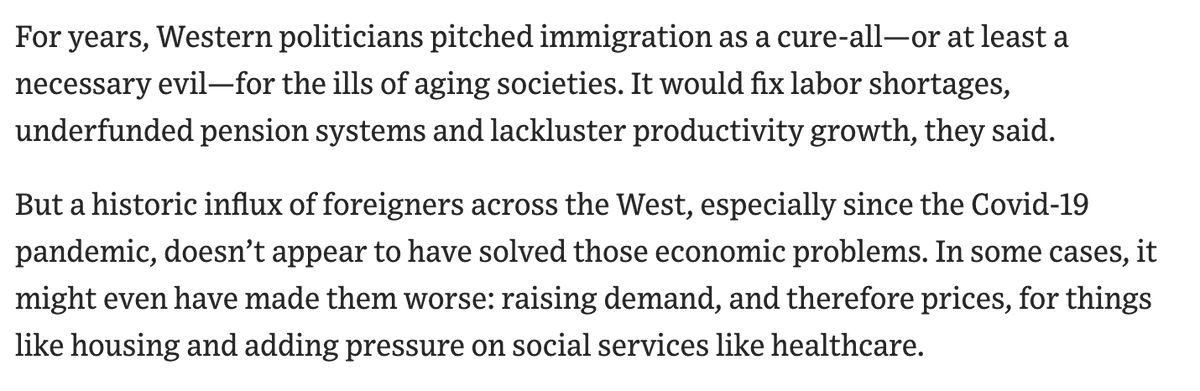
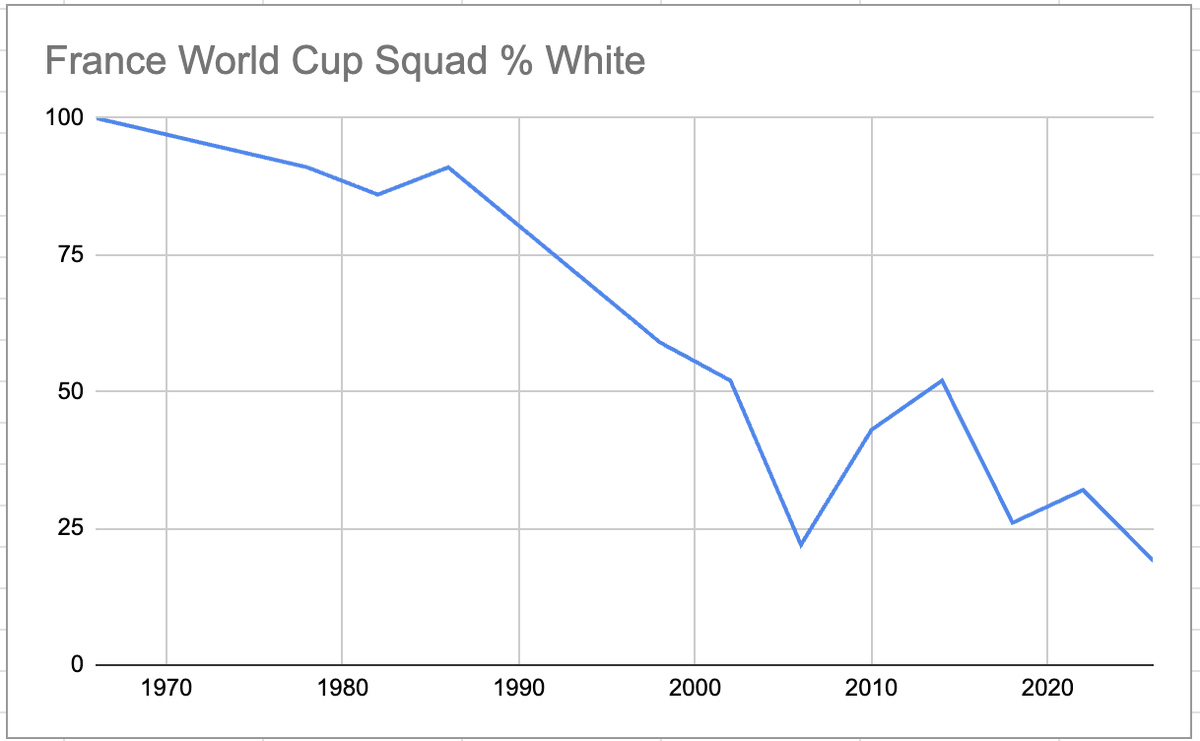
1/ Decided to do a quick thread on some parts of this book that describe how America and Israel's relationship with Iran went south. The whole book is interesting and I would suggest it especially if you feel what i'm presenting is lacking context. amazon.com/America-Iran-H…
2/ Israel needed a new threat to position itself against in the early 90s. In the 80s their PM had urged Reagan to keep sending weapons to Iran. 
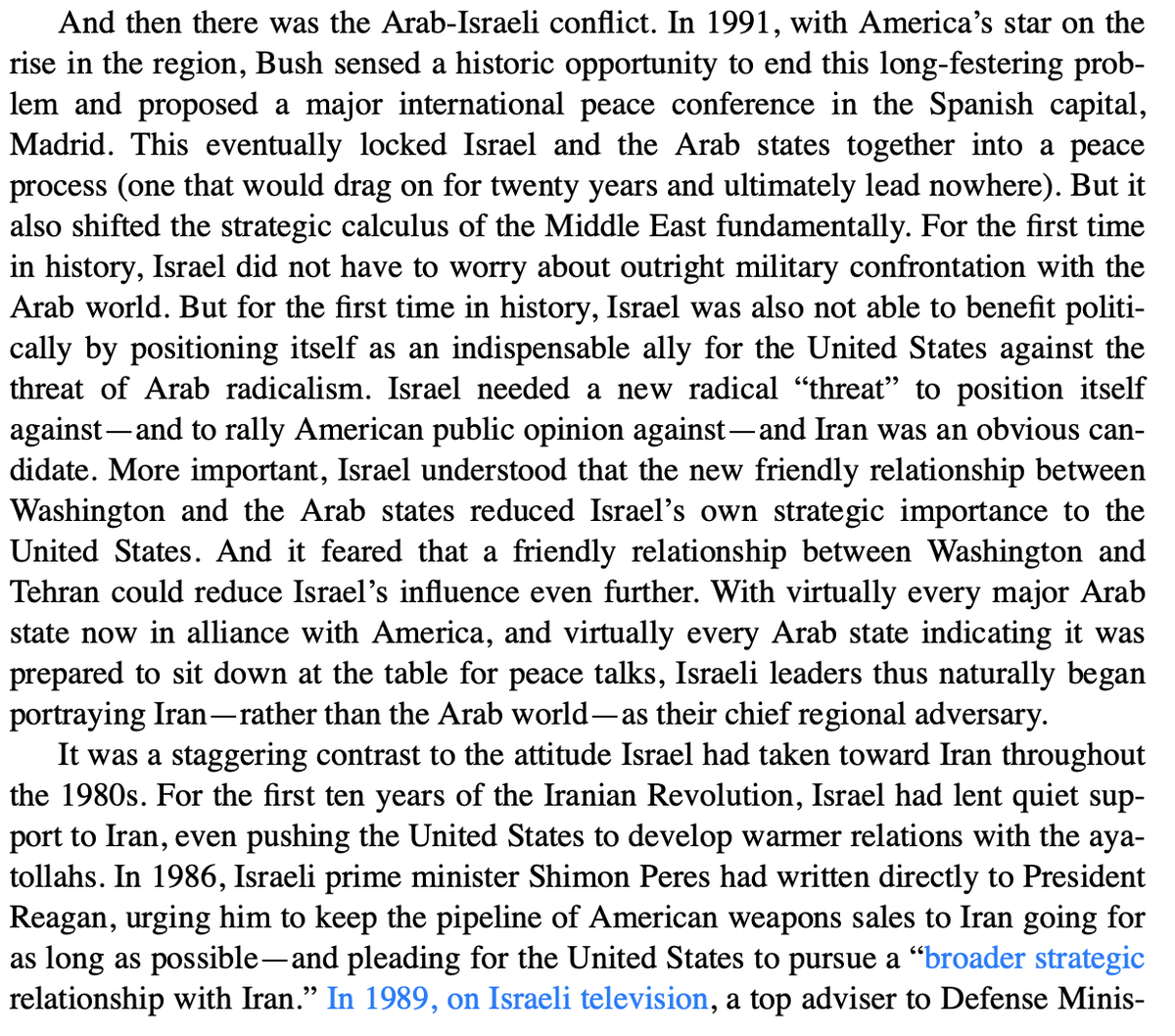
3/ Iran went from friend to enemy in Israels eyes. Iran was not invited to the Madrid conference which they felt snubbed by.
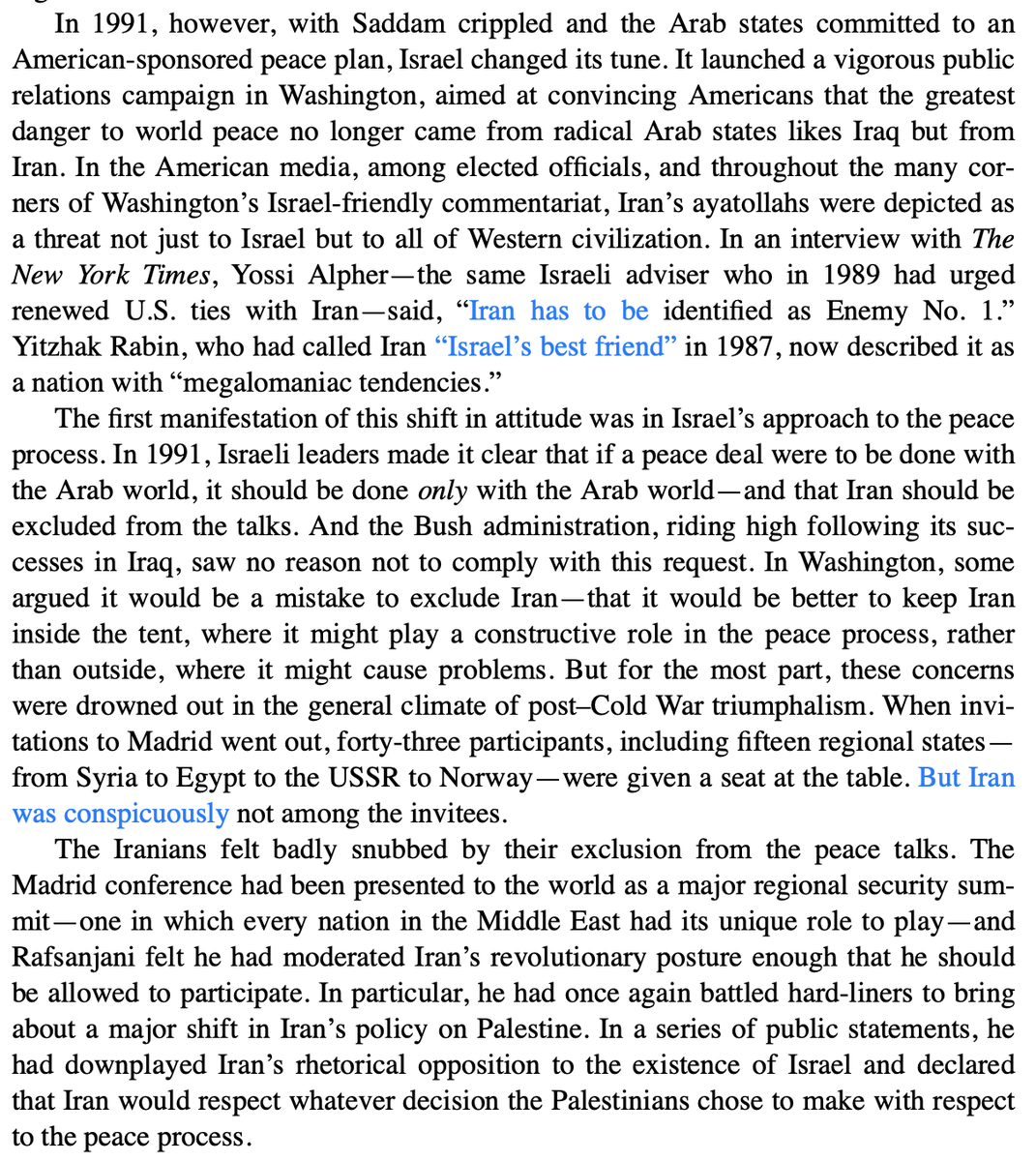
4/ In the early 90s Tehran was feeling like they were making concessions to the US for nothing in return.

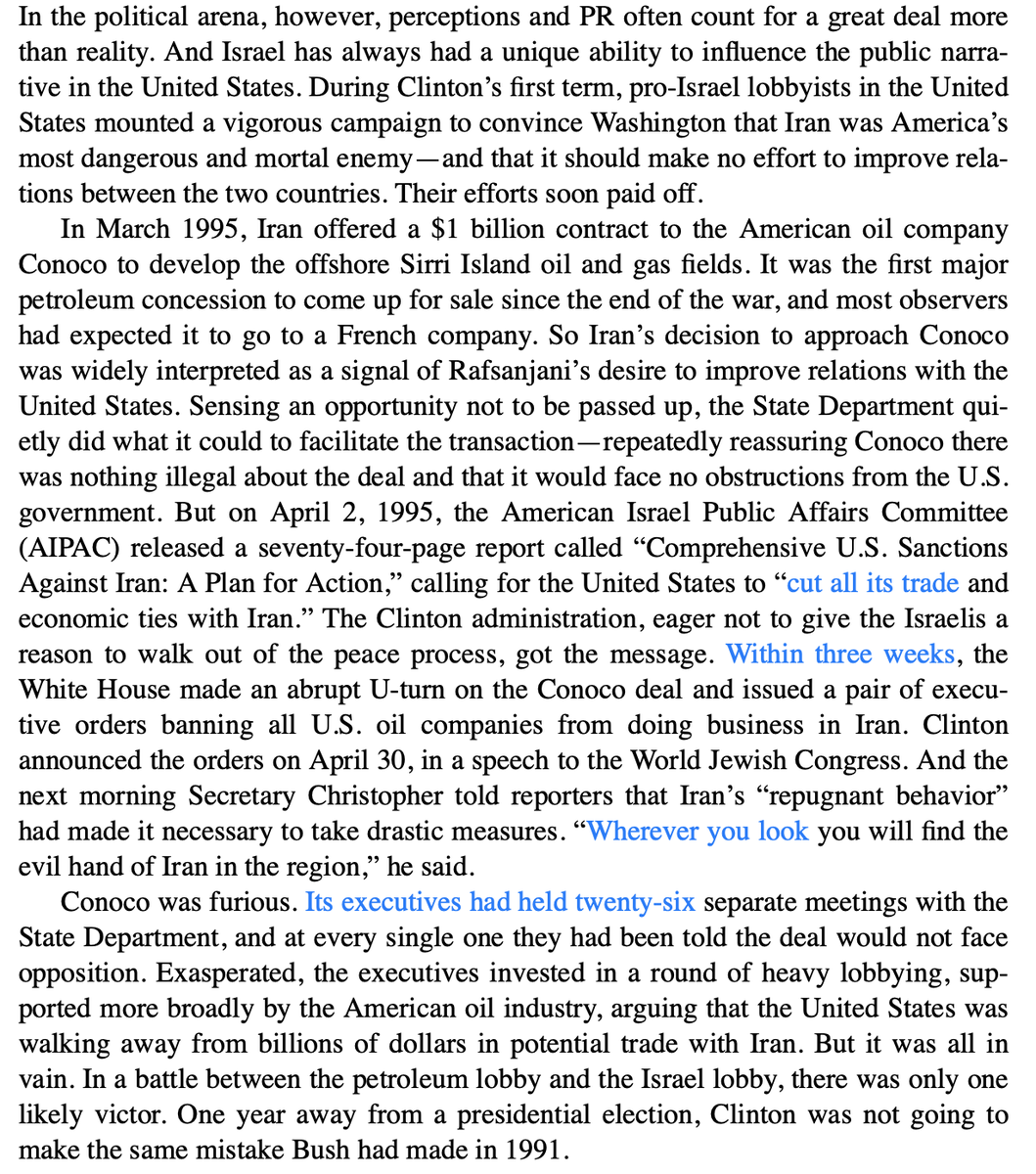
5/ Iran offered contract to US oil company Conoco in 1995. The Israel lobby worked to shut it down.
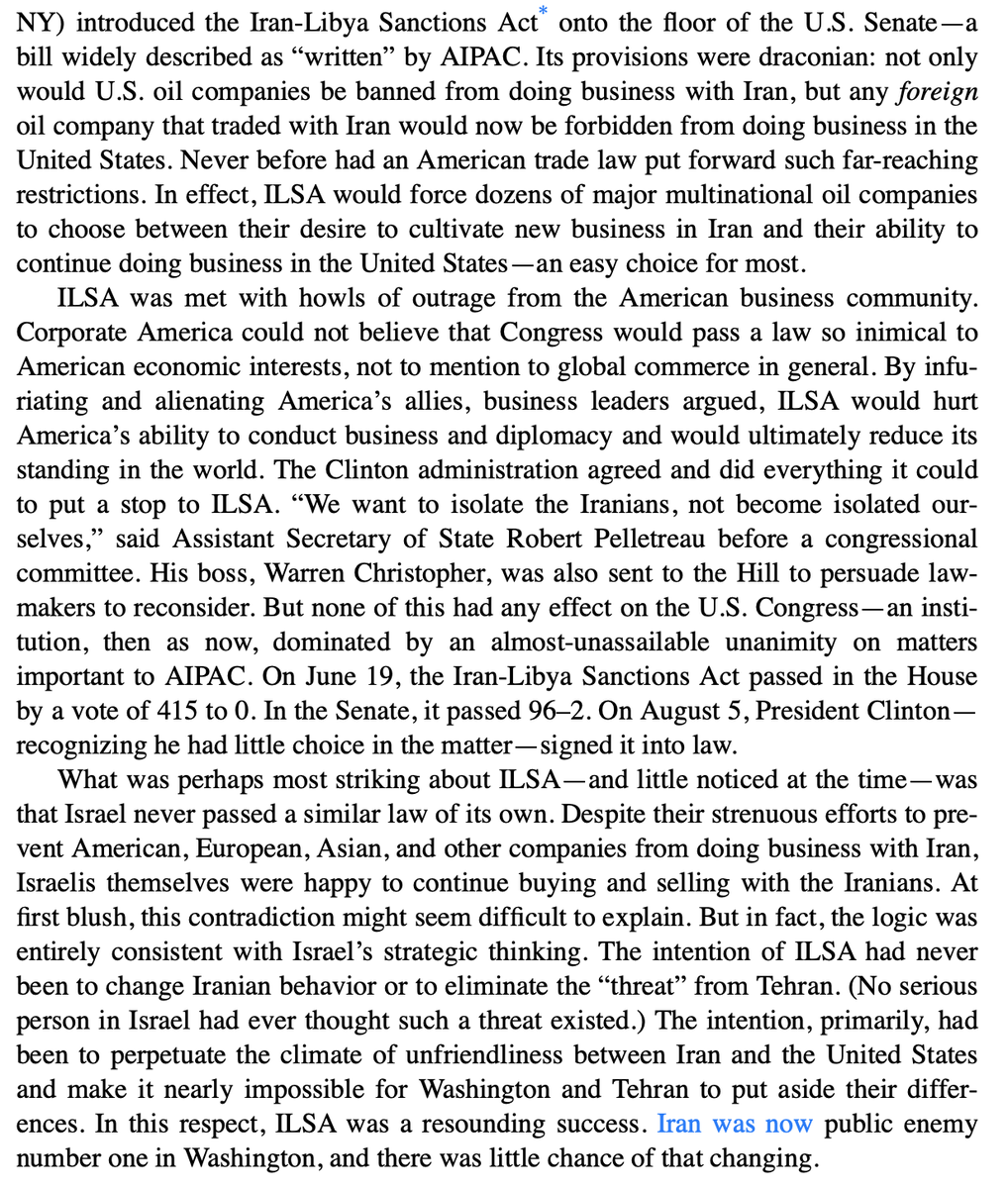
6/ They introduced the Iran Libya sanctions act and it passed by a large margin despite Israel not following the law itself
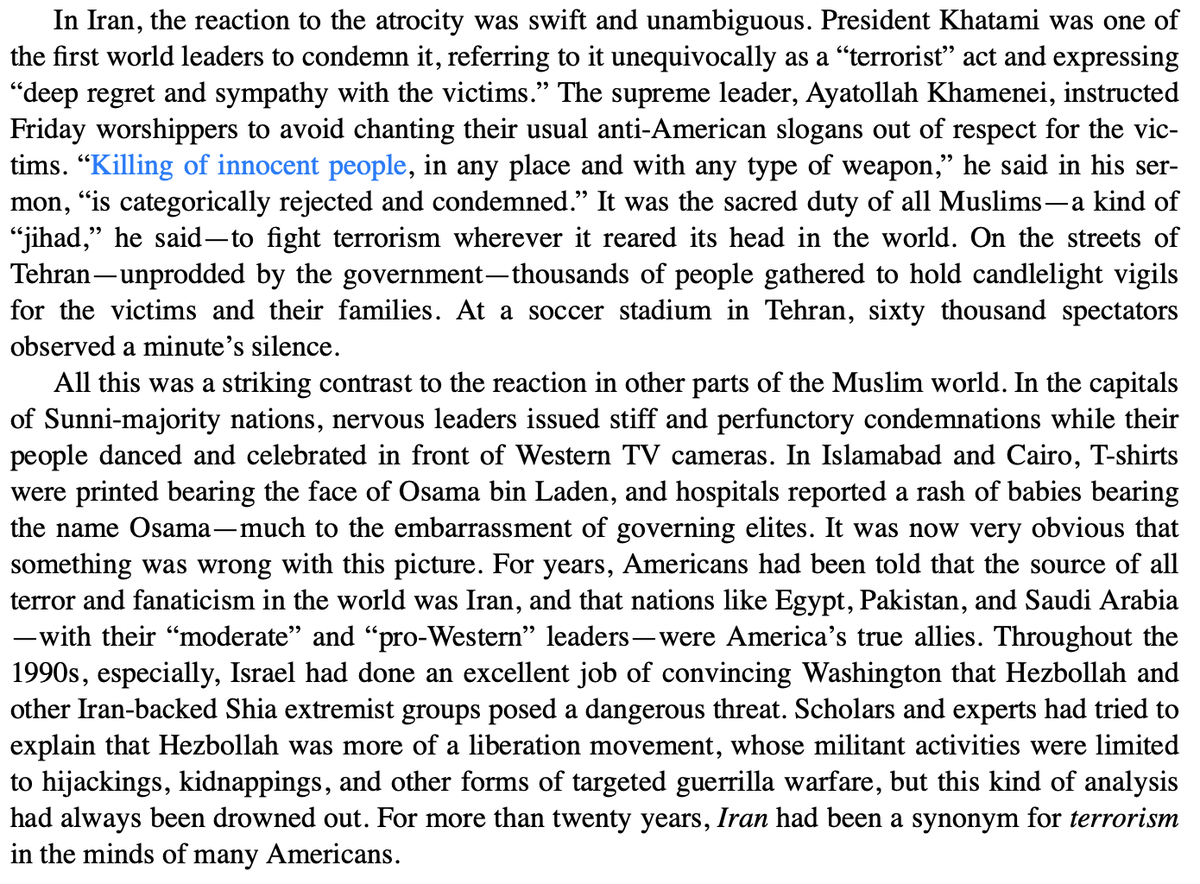
7/ Irans reaction 9/11 (where thousands observed a moment of silence) provided contrast to the rest of the muslim world where leaders condemned and people celebrated.
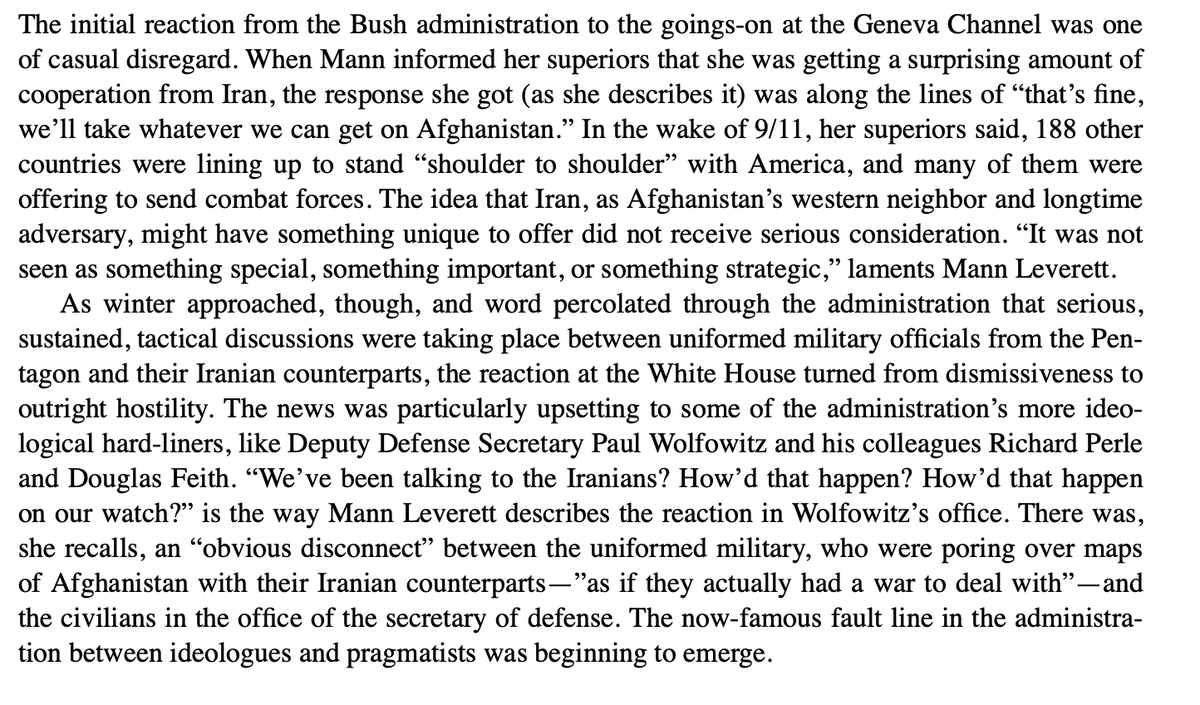
8/ 9/11 provided opportunity for cooperation between US and Iran because of the common enemy of the Taliban. This upset certain elements in the Bush admin, and their was a rift between them and the military.
9/ There was an incident in 2002 where Iran was supposedly carrying weapons to Gaza. Many found this all to convenient, but this was swatted away by certain elements in the Bush admin.
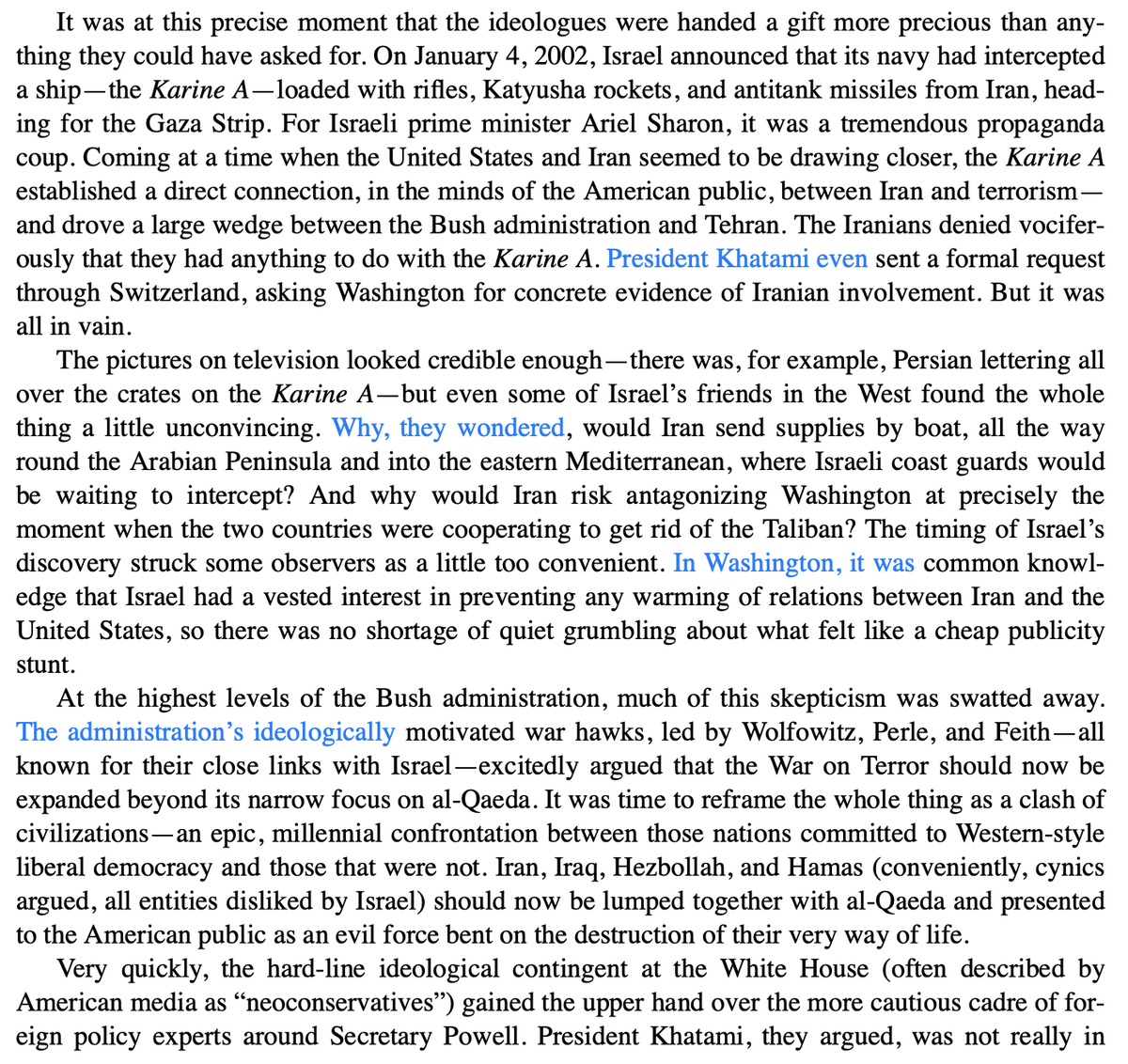
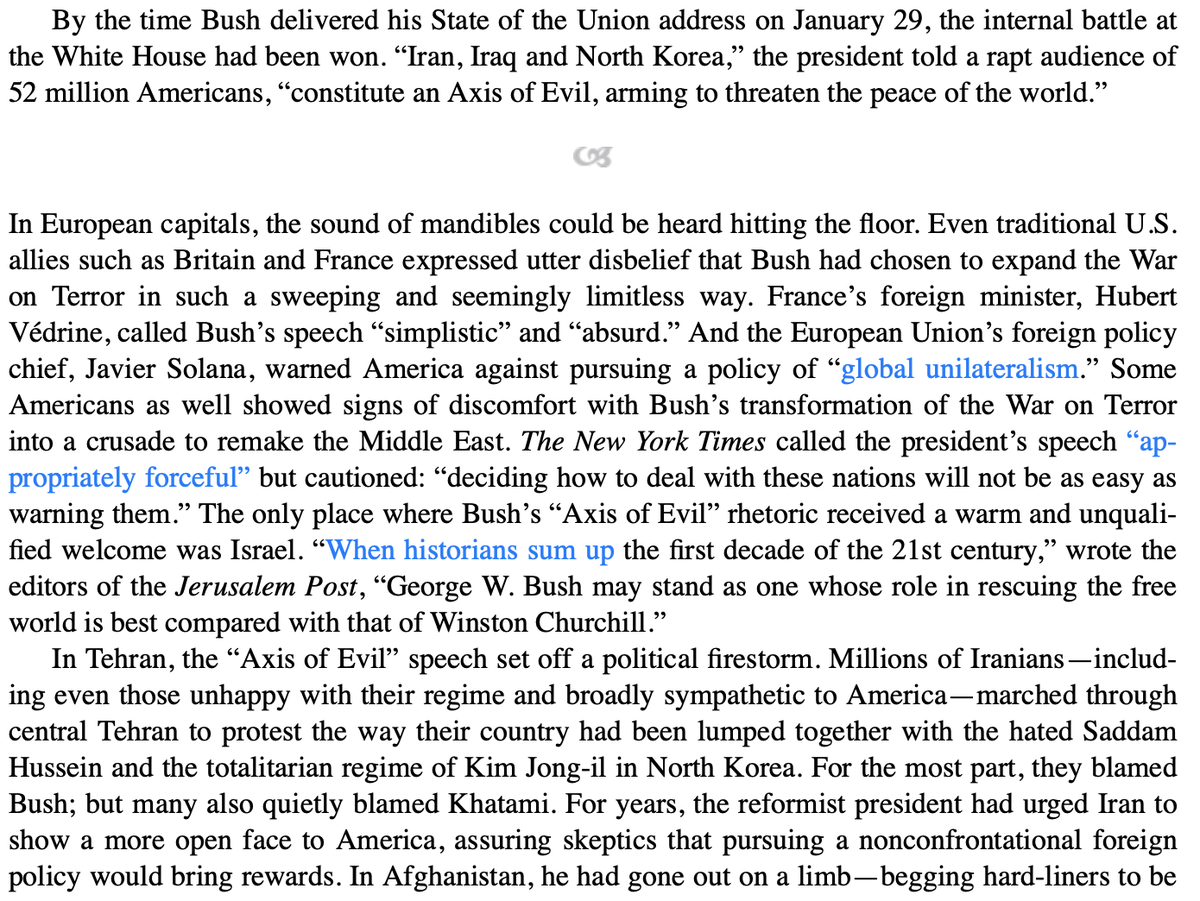
10/ A couple weeks later Bush stated his famous Axis of Evil speech (written by David Frum I believe). People were floored.
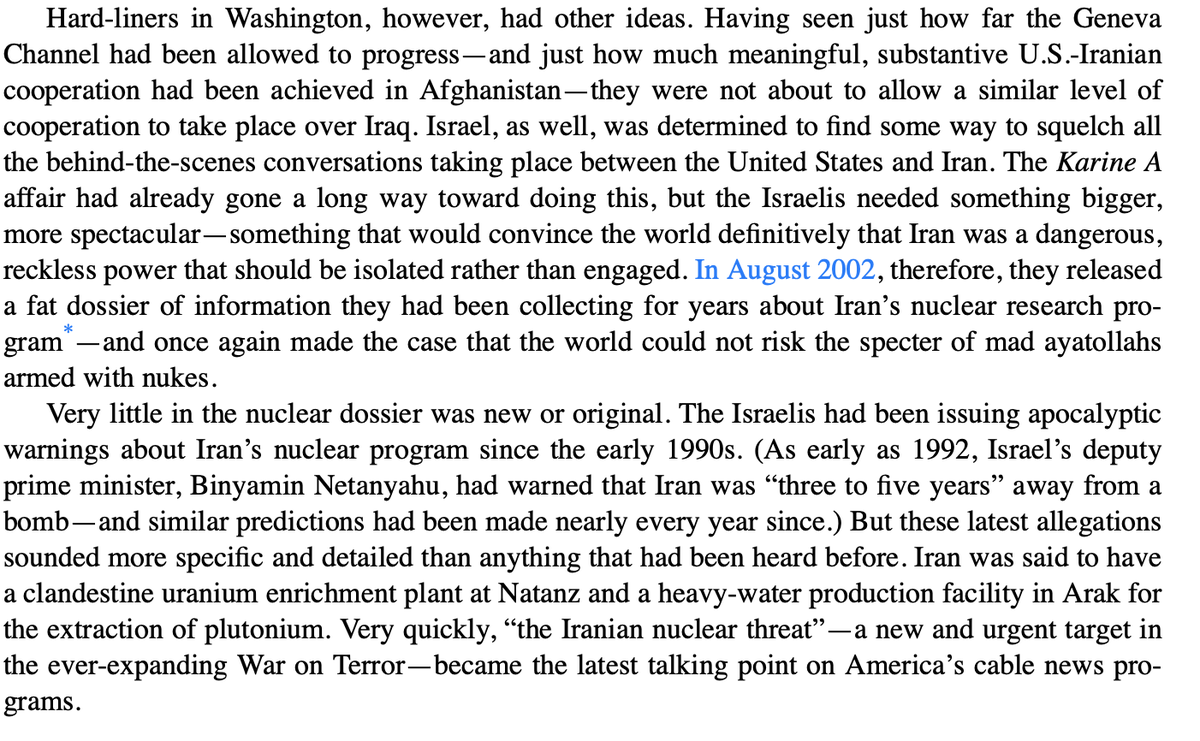
11/ Hardliners in the Bush admin were heavily pushing the Iran nuclear angle:
12/ In 2003 Iran made a bold proposal described to the US described below part 1:
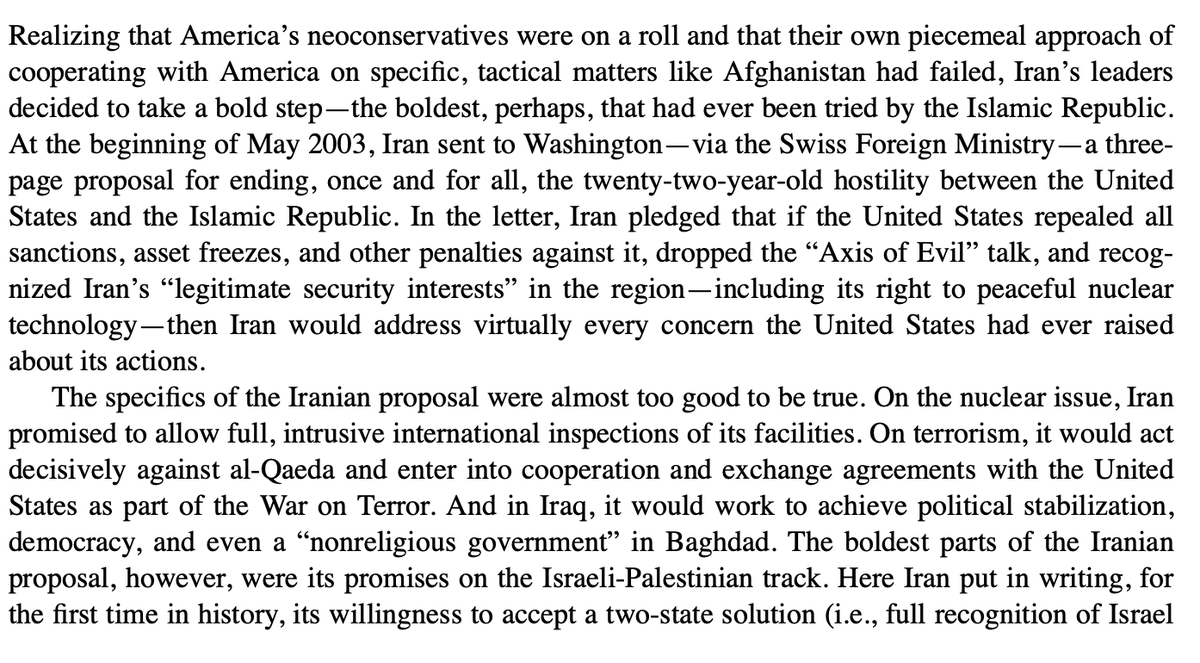
13/ part 2:
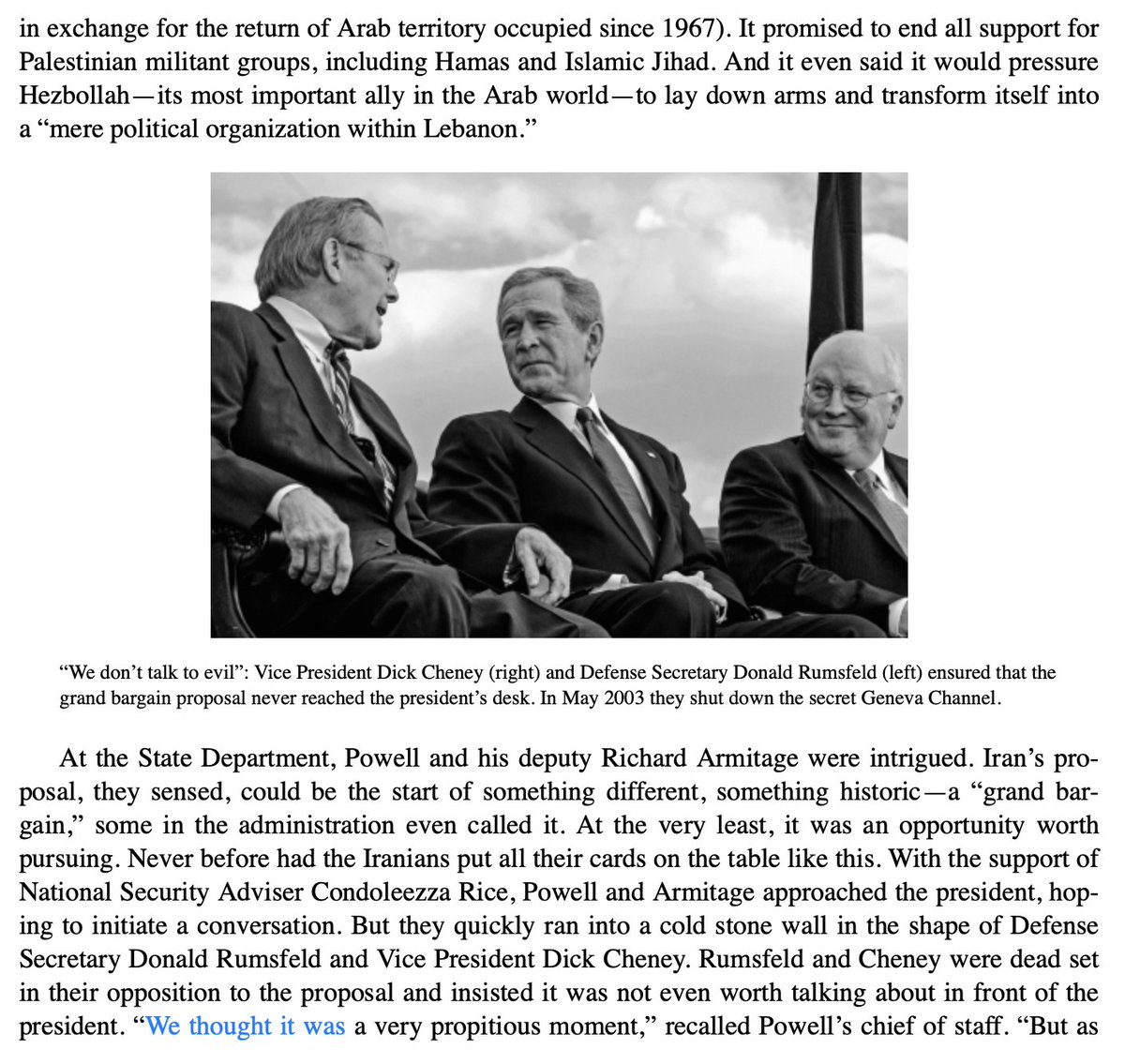
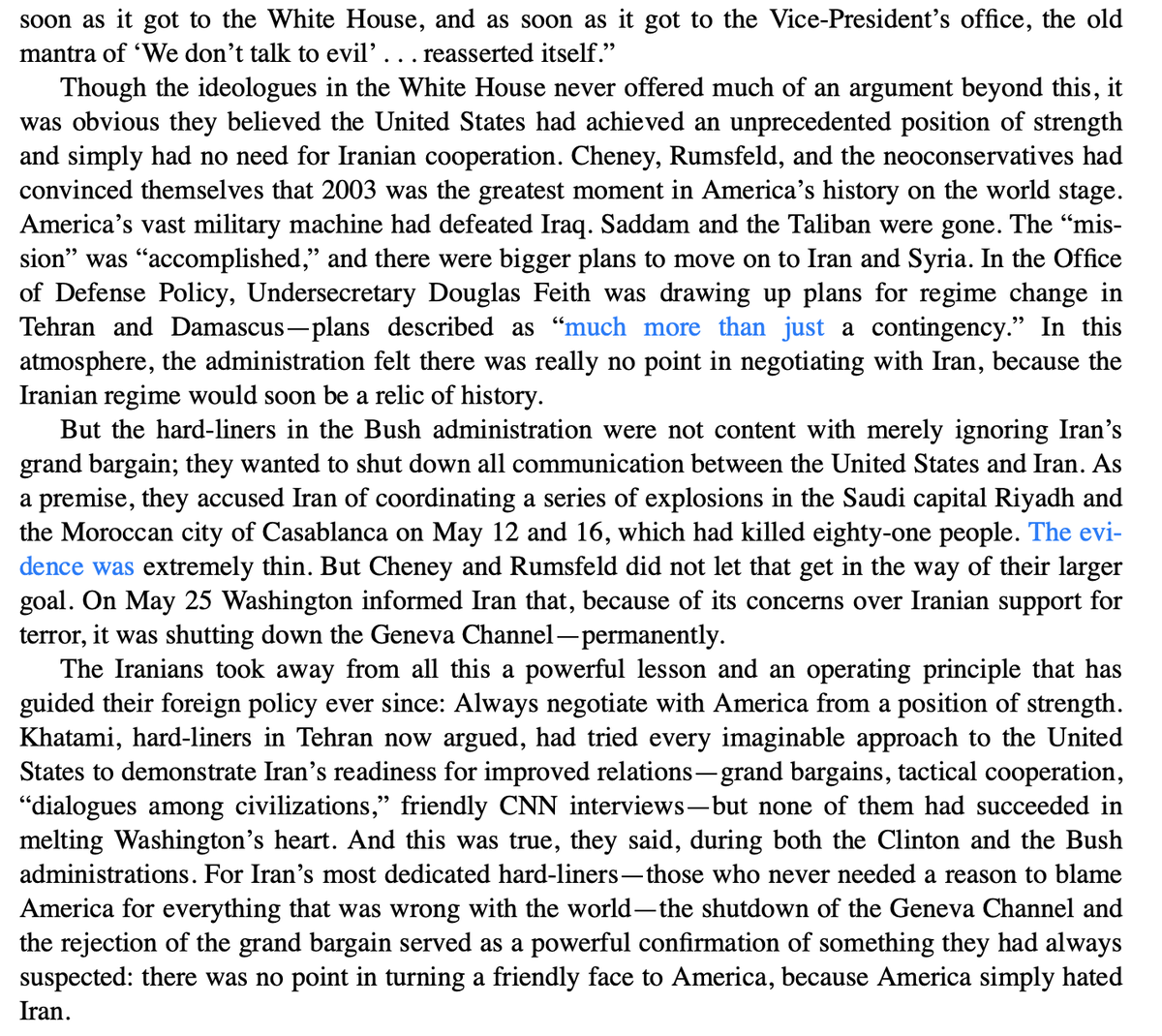
14/ The Bush admin rejected this and shut down communications. Iran had learned their lessons.
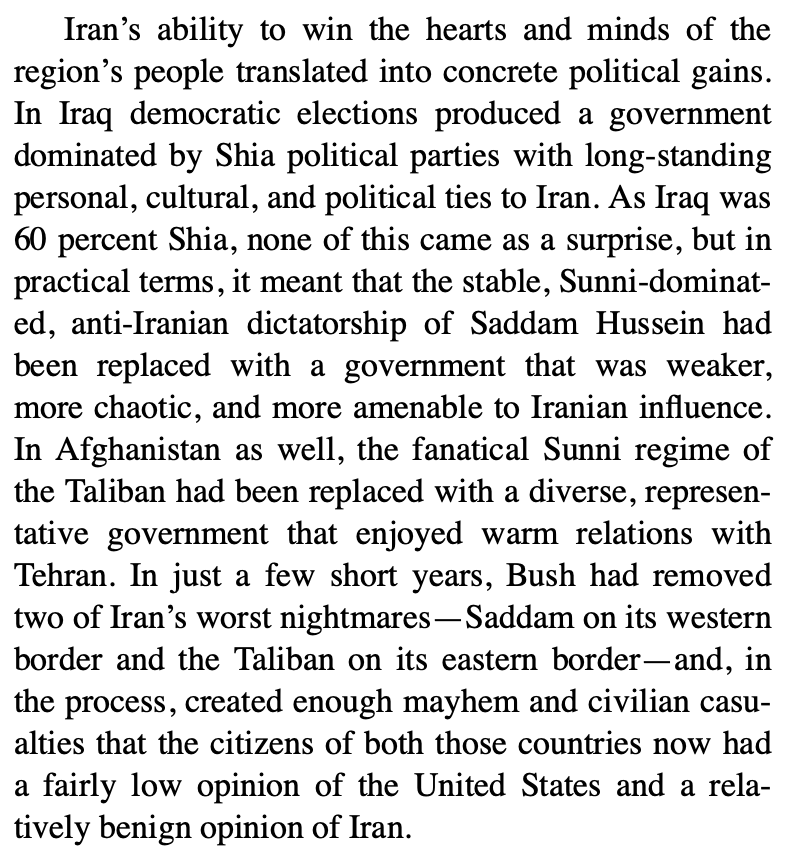
15/ Ironically the impact of Bush's main foreign policy decisions was to make the region more sympathetic to Iran.
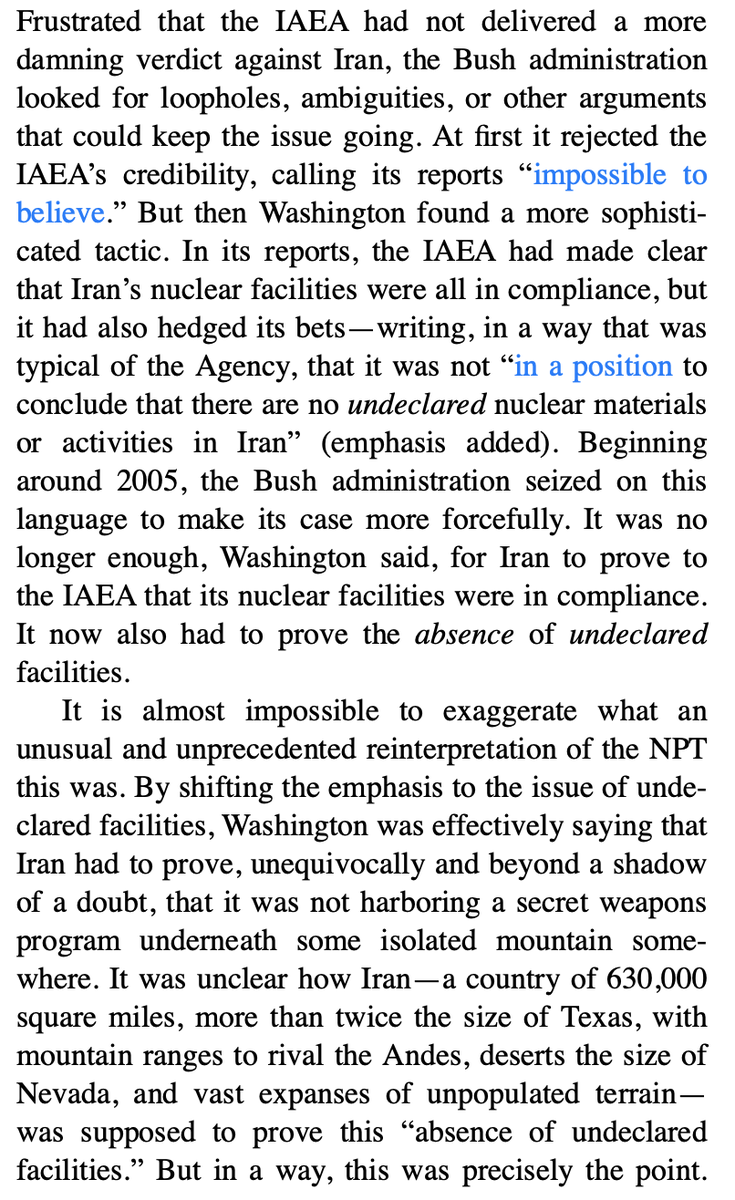
16/ Israel was heavily pushing the idea that Iran was trying to build a bomb. The IAEA took a closer look and didn't find anything suspicious.
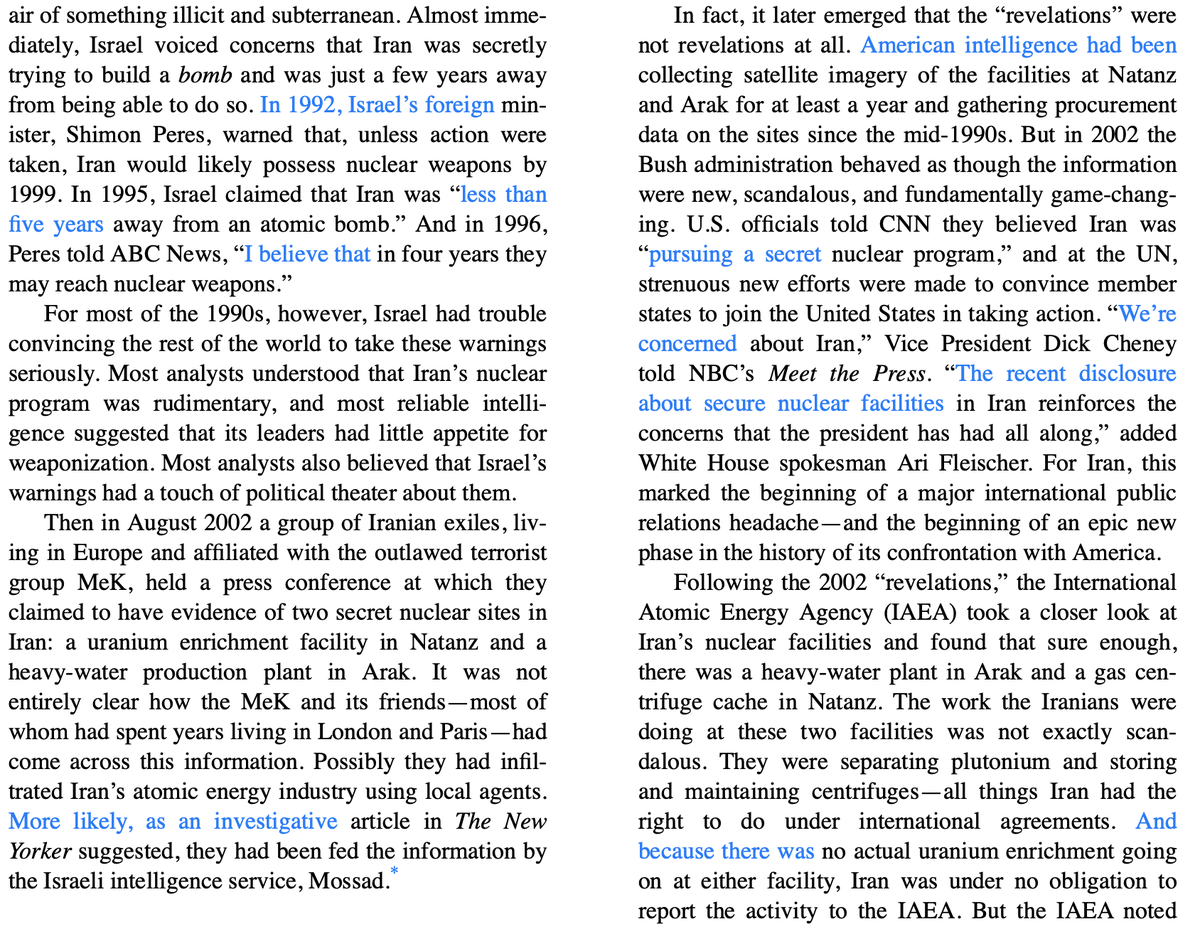
17/ The Bush admin took a radical turn and now claimed Iran had to prove the absence of nuclear materials.
18/ (fast forwarding a few years to the Obama admin) Israels main goal was to maintain their power in the region, they did not think Iran was an existential threat.

19/ Describes attack on Iran that was supposedly orchestrated by Mossad:

20/ Describes attacks on Iran's scientists:

21/ In private Israeli leaders admitted Irans leaders were reasonable people.

@VDAREJamesK
@vdare
@KirkegaardEmil
@History__Speaks
@whyvert
@PhilippusArabus
@Inductivist00
@EpektasisJohn
@WolfgangHutter2
@KeithWoodsYT
@HbdNrx
@autumngroyper
@vdare
@KirkegaardEmil
@History__Speaks
@whyvert
@PhilippusArabus
@Inductivist00
@EpektasisJohn
@WolfgangHutter2
@KeithWoodsYT
@HbdNrx
@autumngroyper
• • •
Missing some Tweet in this thread? You can try to
force a refresh