Some dog breeds are smarter than others!
This data was compiled from a battery of dog-tailored cognitive tasks such as self-control, communication, and memory.
Let’s take a look at the genetic and evolutionary basis of dog intelligence 🧵
This data was compiled from a battery of dog-tailored cognitive tasks such as self-control, communication, and memory.
Let’s take a look at the genetic and evolutionary basis of dog intelligence 🧵
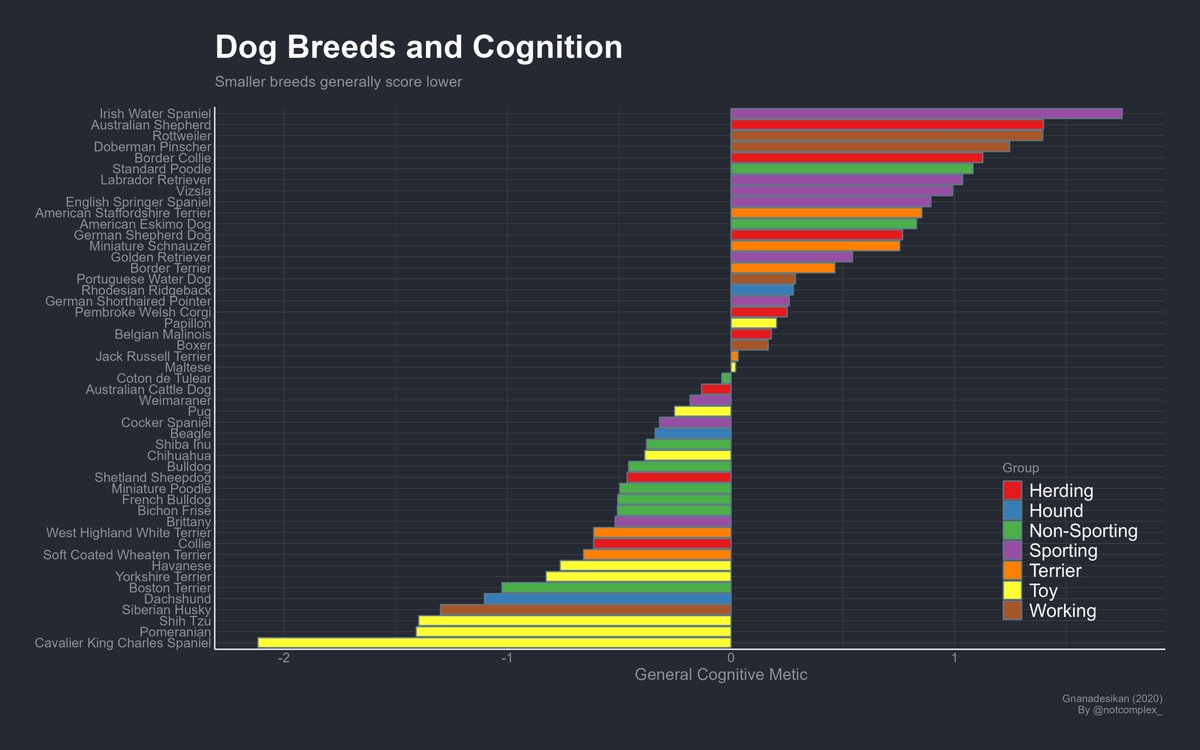
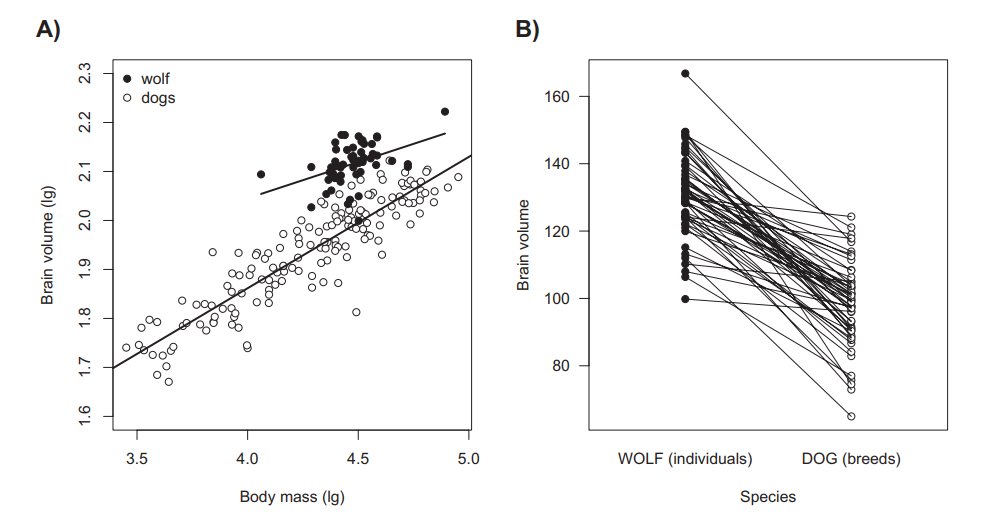
Smaller dogs have smaller brains; weight and brain size correlate very well.
Brain size and intelligence correlate at r=0.45. Correcting for measurement error and averaging among breeds we can infer a correlation of nearly 0.65.
Brain size and intelligence correlate at r=0.45. Correcting for measurement error and averaging among breeds we can infer a correlation of nearly 0.65.

This is similar for many types of animals:
https://x.com/cremieuxrecueil/status/1743703515438964747?s=20
Genes go beyond morphology; four measures of cognition were found to be highly heritable.
Inhibitory Control - 0.5-0.7
Communication - 0.39
Physical Reasoning - 0.21
Memory - 0.17
Inhibitory Control - 0.5-0.7
Communication - 0.39
Physical Reasoning - 0.21
Memory - 0.17
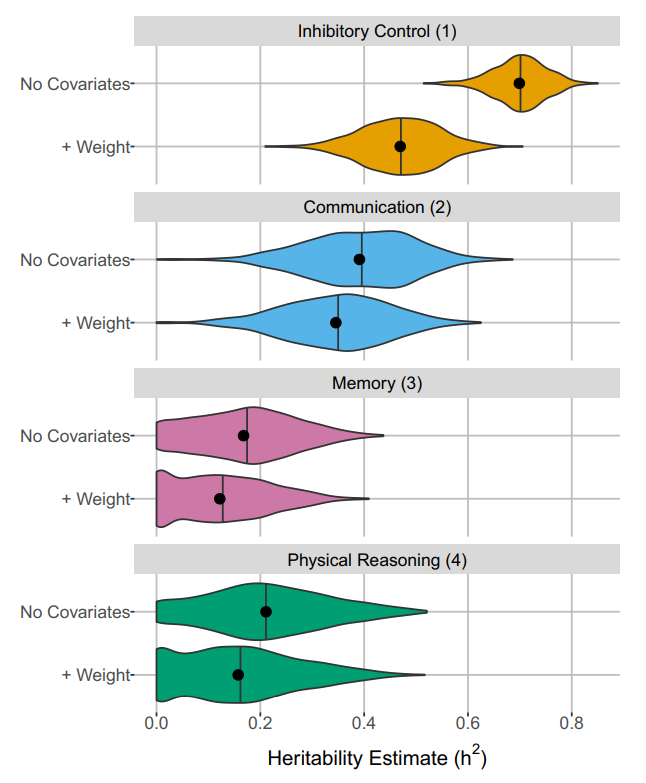
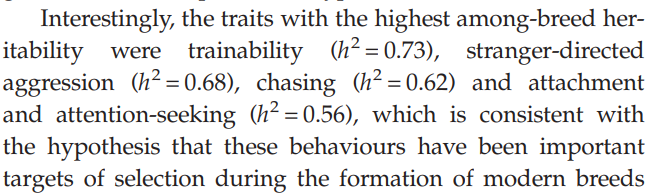
Among breed metrics also return heritability estimates from 0.56 to 0.73.
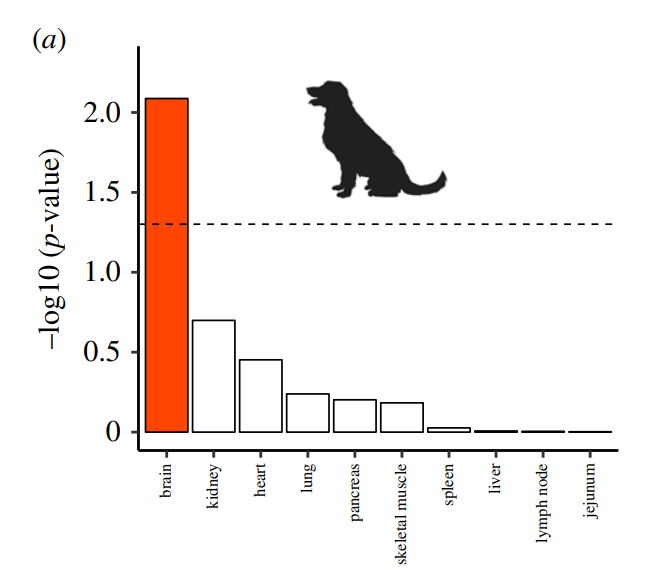
Like in humans, genes associated with intelligence are often expressed in the brain.
It may also be that dogs have lost some brain volume during the selection pressures that diverged them from wolves. Similarly-sized wolves have larger brains than matched dogs!
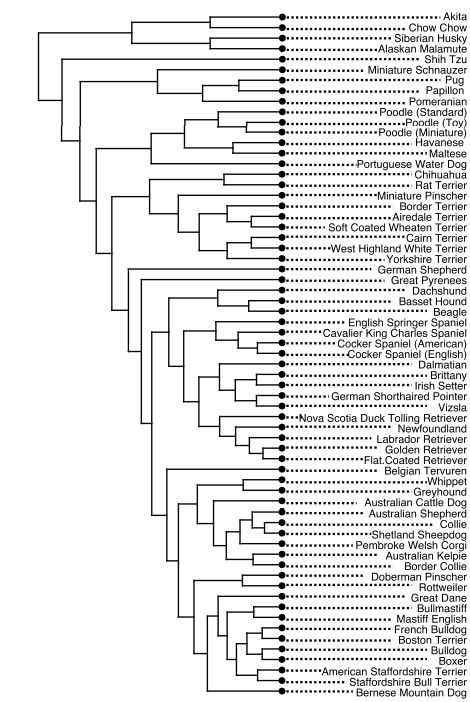
For reference here is the phylogenetic tree (There isn't an association between genetic distance from wolves and intelligence)
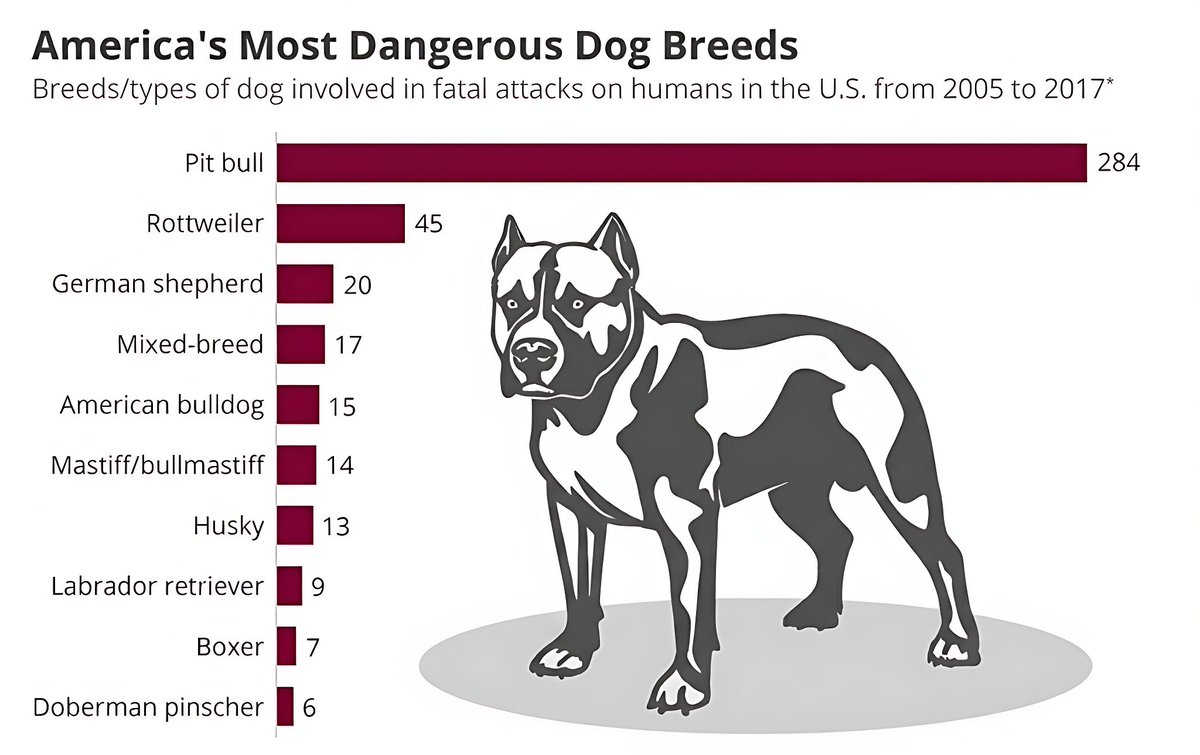
I also looked into the relationship between intelligence and violence. I found a -0.08 correlation between intelligence and dog bite counts but it was not significant.
However for some reason, If I only test for below-average breeds the correlation is -0.33. p=0.1
However for some reason, If I only test for below-average breeds the correlation is -0.33. p=0.1
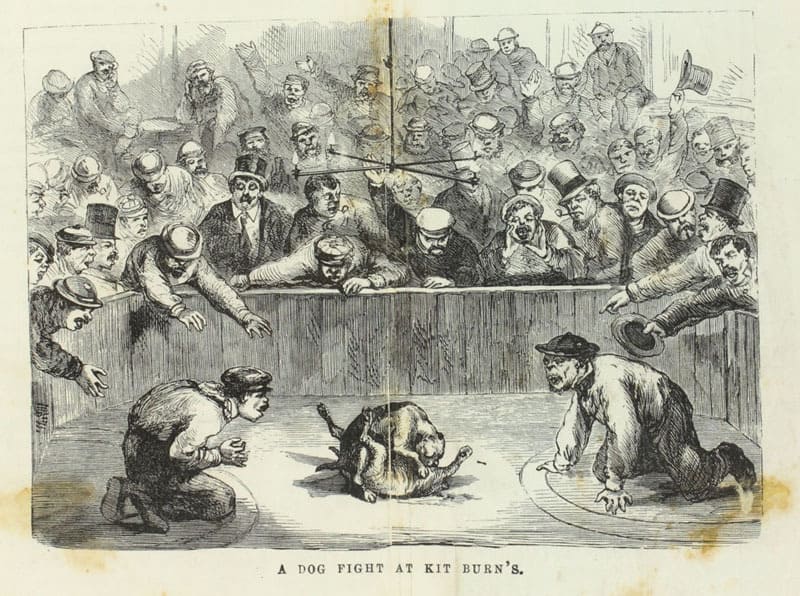
This should be expected as most dog violence is from dogs specifically bred for this behavior rather than from other associations.
https://x.com/cremieuxrecueil/status/1696249484211069280?s=20
Sources:
datadryad.org/stash/dataset/…
link.springer.com/article/10.100…
link.springer.com/article/10.100…
academic.oup.com/icb/article/60…
academic.oup.com/evolut/article…
royalsocietypublishing.org/doi/10.1098/rs…
datadryad.org/stash/dataset/…
link.springer.com/article/10.100…
link.springer.com/article/10.100…
academic.oup.com/icb/article/60…
academic.oup.com/evolut/article…
royalsocietypublishing.org/doi/10.1098/rs…
• • •
Missing some Tweet in this thread? You can try to
force a refresh