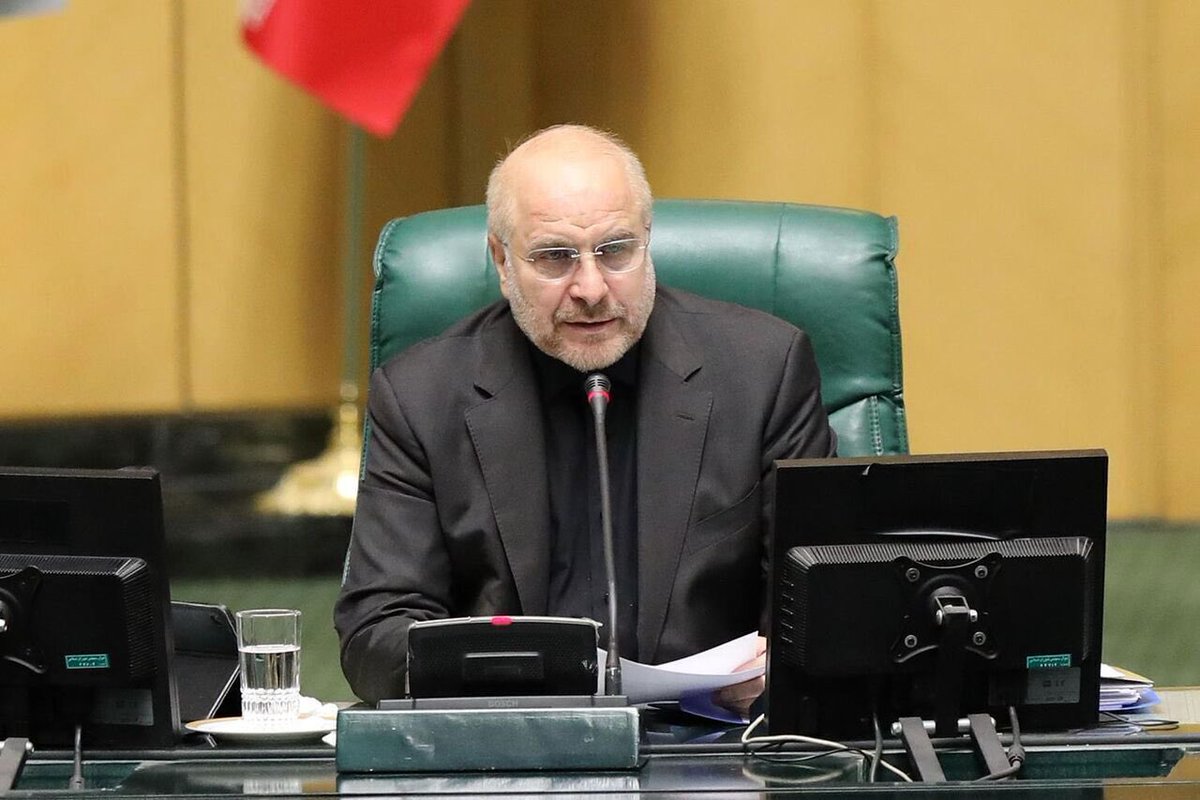
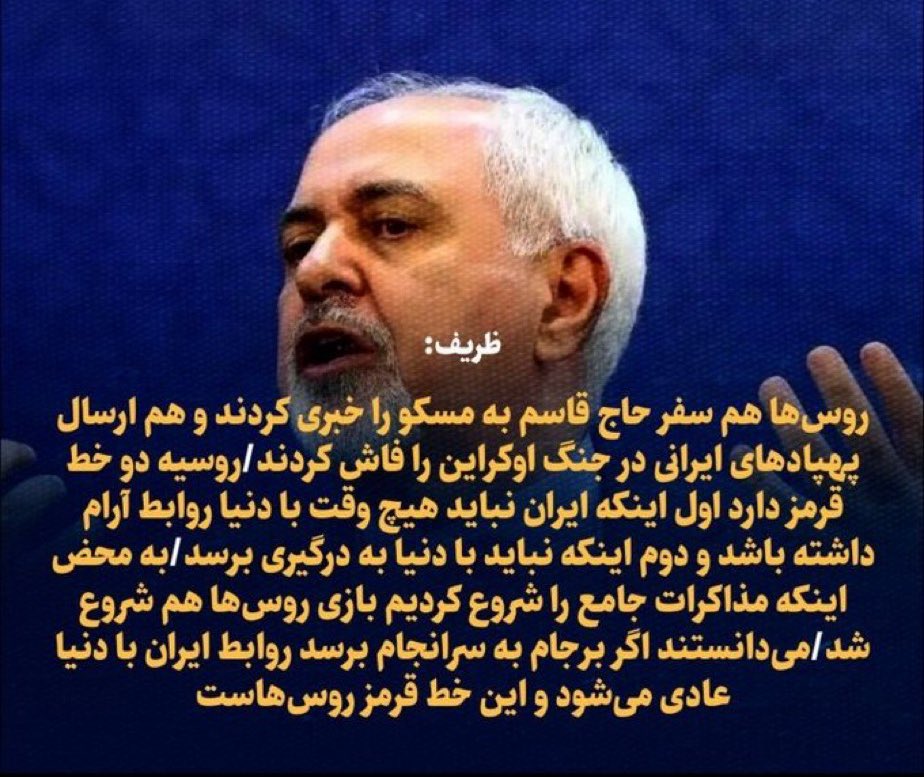
A 🧵on #IRGC missile strikes in Iraq’s Erbil, Syria’s Edlib and Pakistan.
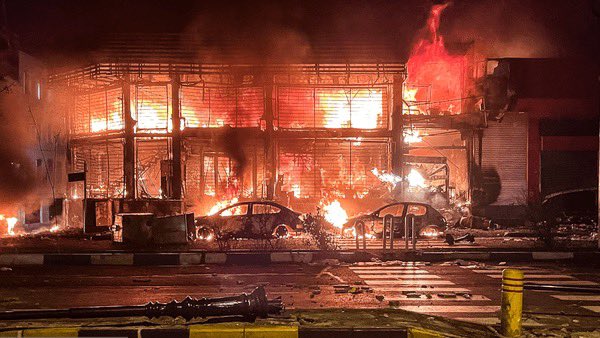
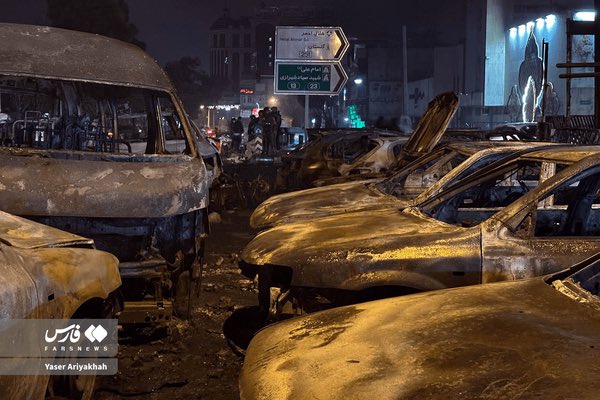
1/ The IRGC says they avenged last month’s terrorist attacks in Kerman and Sistan-Baluchistan, claimed by ISIL and Jaish Al-Adl.
As 🇮🇷 saw Israel behind the attacks, it states to have hit 🇮🇱 assets, too.
1/ The IRGC says they avenged last month’s terrorist attacks in Kerman and Sistan-Baluchistan, claimed by ISIL and Jaish Al-Adl.
As 🇮🇷 saw Israel behind the attacks, it states to have hit 🇮🇱 assets, too.
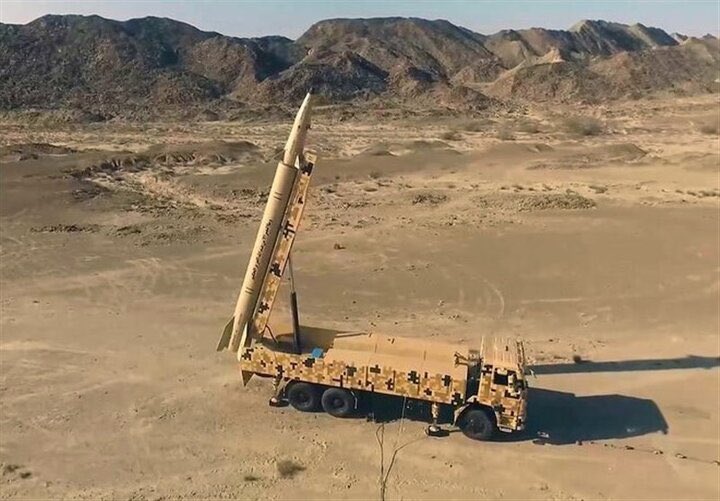
2/ The #IRGC fired 24 missiles to Kurdistan and Idlib.
Four medium-range Kheibar Sheken missiles flew 1,280km.
The missile is designed to reach distances as far as 1,450km.
The Idlib strike was a direct warning to #Israel that Iran’s precise missiles have reached its vicinity.
Four medium-range Kheibar Sheken missiles flew 1,280km.
The missile is designed to reach distances as far as 1,450km.
The Idlib strike was a direct warning to #Israel that Iran’s precise missiles have reached its vicinity.
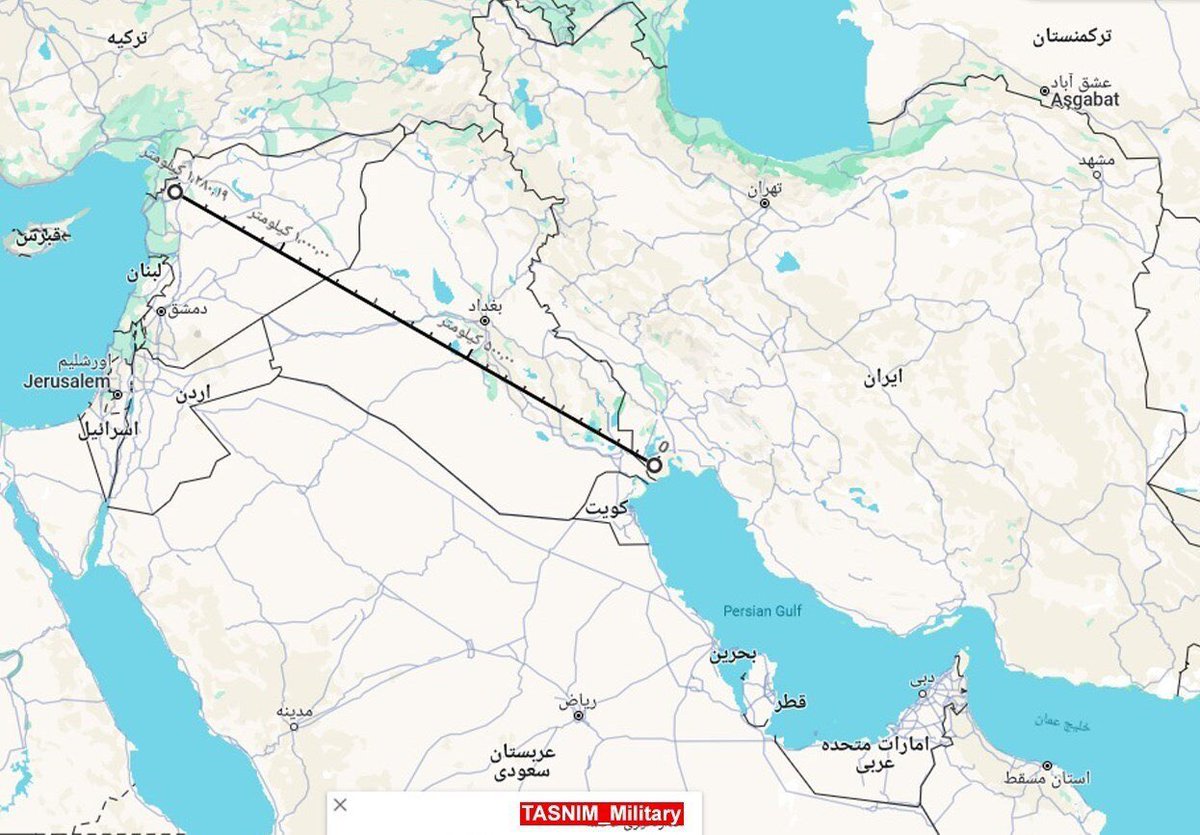
3/ Thirteen missiles fired from #Iran’s Khouzestan and Kermanshah to Jabal Al-Samak in western Idlib, Syria.
The region is said to host Tahrir Al-Sham and Turkistan Islamic Party. They allegedly train ISIL Khorasan (ISIL-K), that claimed responsibility for Kerman double blasts.
The region is said to host Tahrir Al-Sham and Turkistan Islamic Party. They allegedly train ISIL Khorasan (ISIL-K), that claimed responsibility for Kerman double blasts.
4/ Missiles that hit Kurdistan were launched from kermanshah and West Azerbaijan.
The IRGC asserts it pounded “a MOSSAD center”.
But it seems Peshraw Majid Agha Dizayee, the Kurdish businessman whose property came under fire, was killed because of his business activities.
The IRGC asserts it pounded “a MOSSAD center”.
But it seems Peshraw Majid Agha Dizayee, the Kurdish businessman whose property came under fire, was killed because of his business activities.
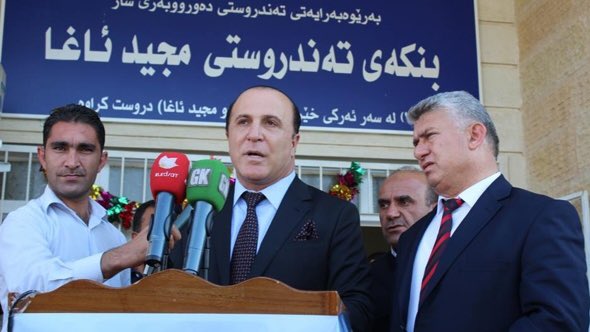

5/ Iranian media allege “Peshraw Dizayee had ties with Mossad”.
We know his main activity was Construction.
I searched a bit more and found that OIL, NATURAL GAS and SECURITY were among his activities, too.
🚩And that brings us to the main point.👇
We know his main activity was Construction.
I searched a bit more and found that OIL, NATURAL GAS and SECURITY were among his activities, too.
🚩And that brings us to the main point.👇
6/ On November 1, Iran’s leader Ali Khamenei urged regional countries to stop oil and food supplies to Israel. His call fell on deaf ears.
In late November, Raisi cancelled a trip to Turkey, bcz Tehran expected Ankara to reduce business with Israel in the shadow of war in Gaza.
In late November, Raisi cancelled a trip to Turkey, bcz Tehran expected Ankara to reduce business with Israel in the shadow of war in Gaza.
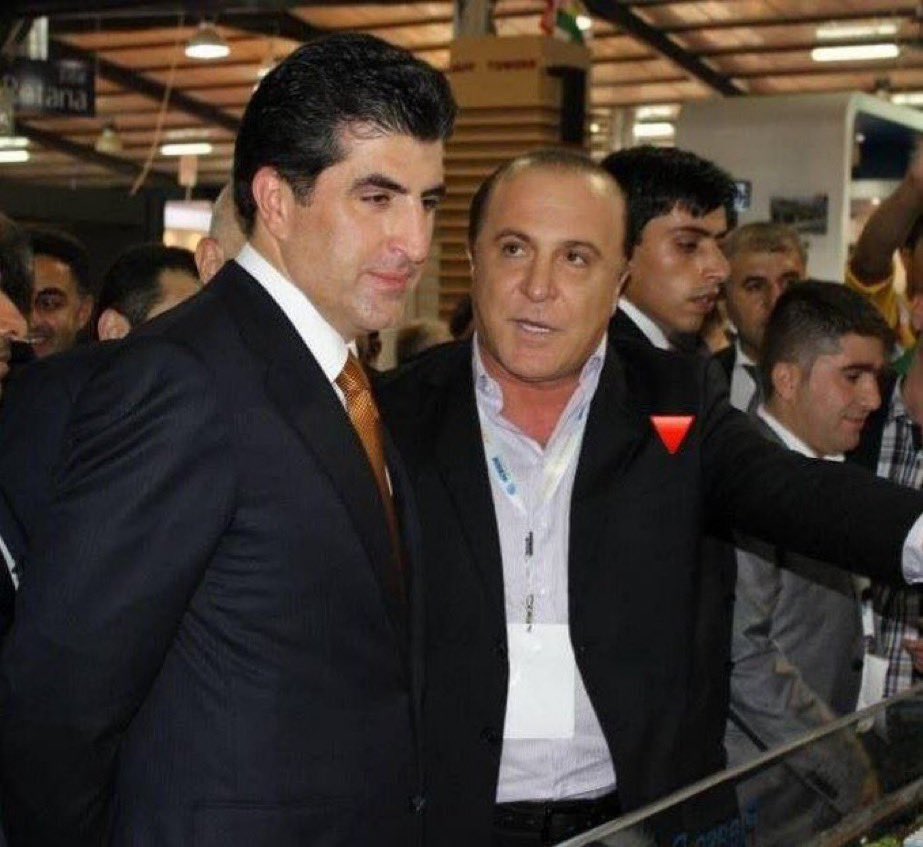
7/Iranian media claim Peshraw Dizayee and dead businessman Karam Mikhail, were killed for their ties with 🇮🇱 Mossad & Dizayee provided logistical support for Mossad agents and activities in Kurdistan.
But the real reason for killing him could be his oil & gas exports to Israel.
But the real reason for killing him could be his oil & gas exports to Israel.
7/ IF we consider Houthi attacks on vessels/tankers en route to Israel as part of the strategy to impose oil, gas and food boycott on Israel, then the #IRGC’s strike on Peshraw Dizayee would be meaningful in that context and a part of the broader boycott plan.
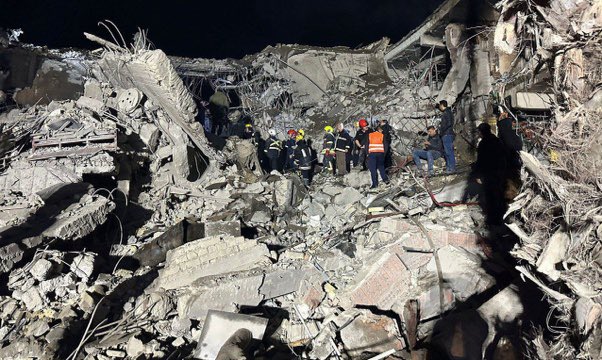

8/ Therefore, I see #IRGC’s missile strikes as an initial warning to all oil exporters, specially private companies dealing with Israel, that their assets could be the next target and anytime anywhere in this region, they might come under a sudden attack from sea, land or air.
• • •
Missing some Tweet in this thread? You can try to
force a refresh