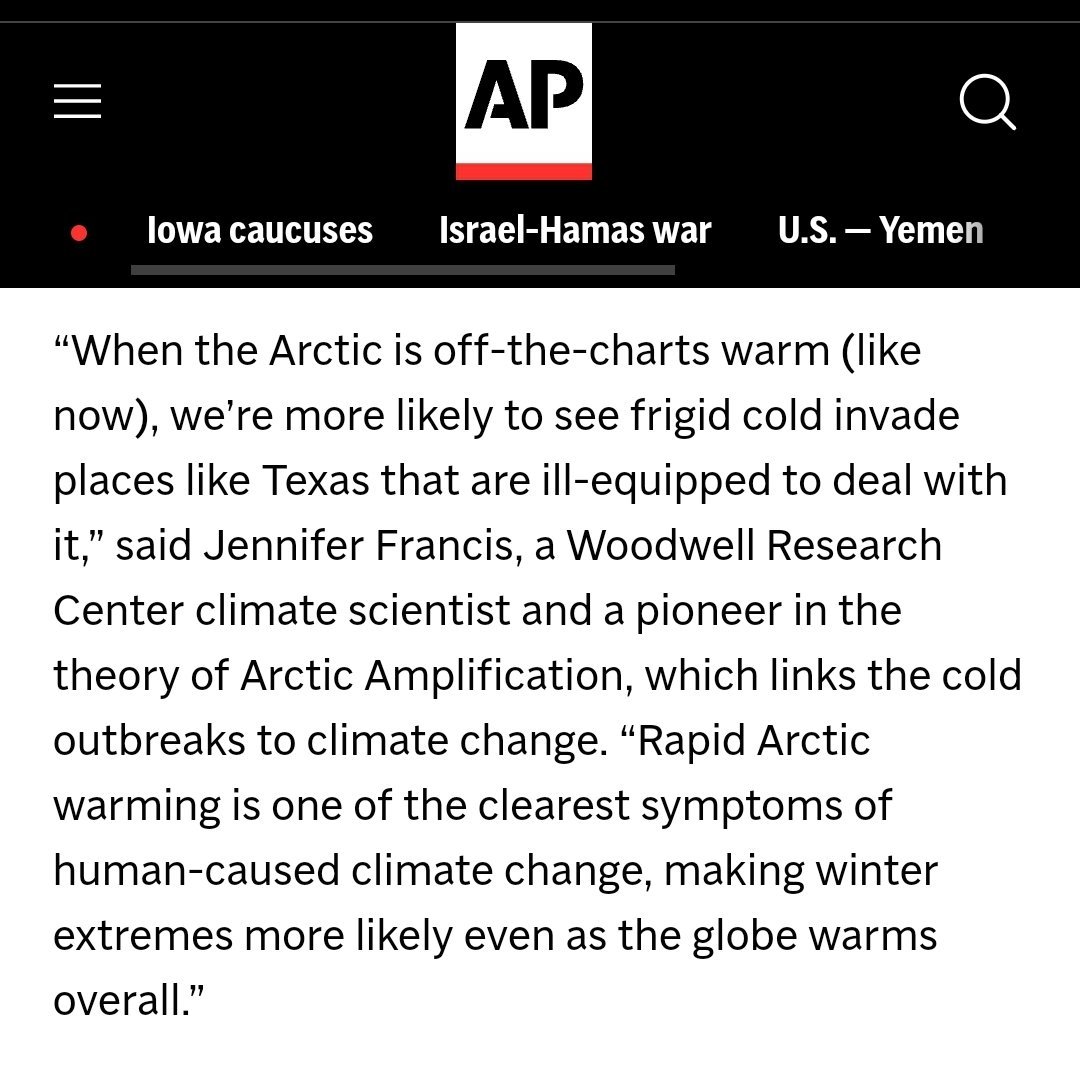
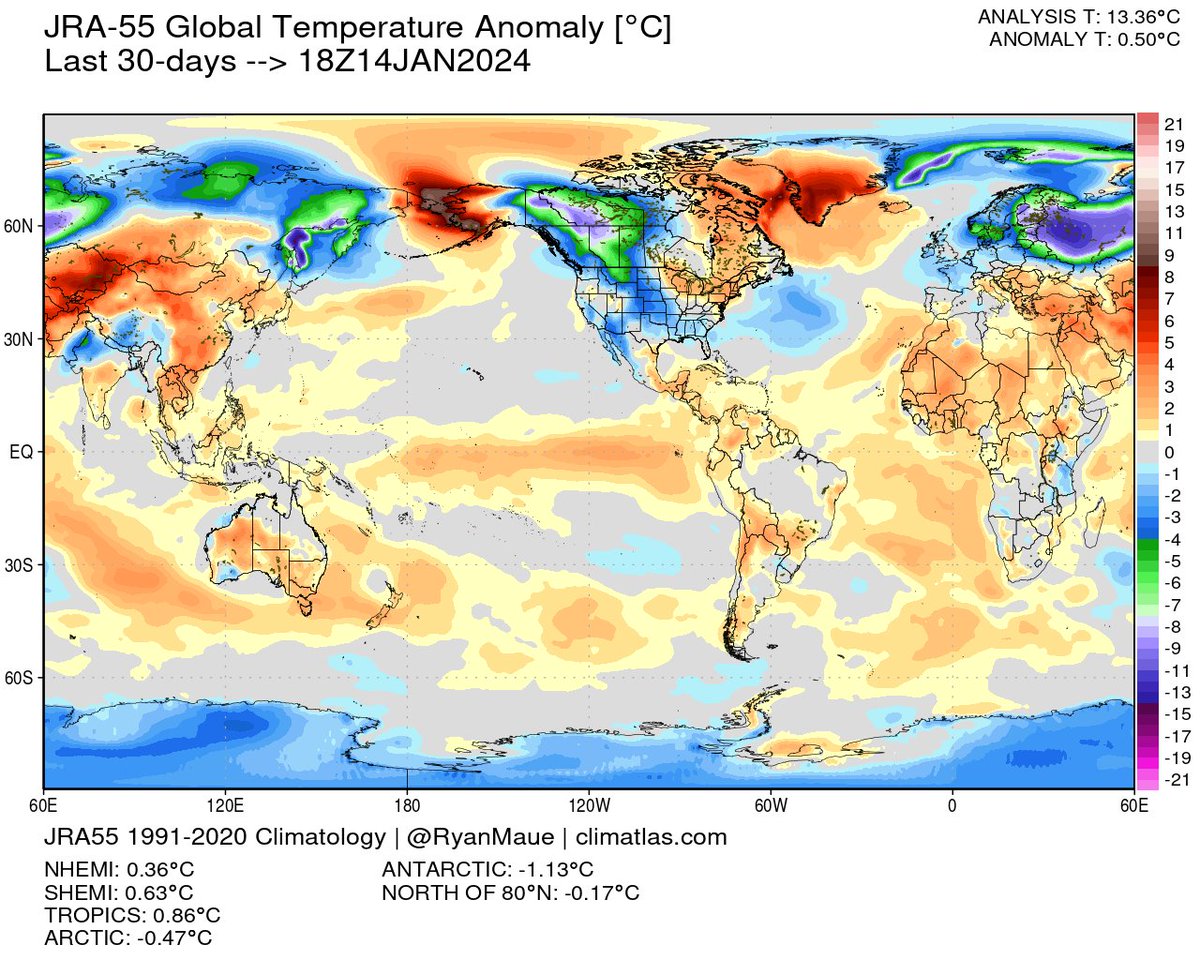
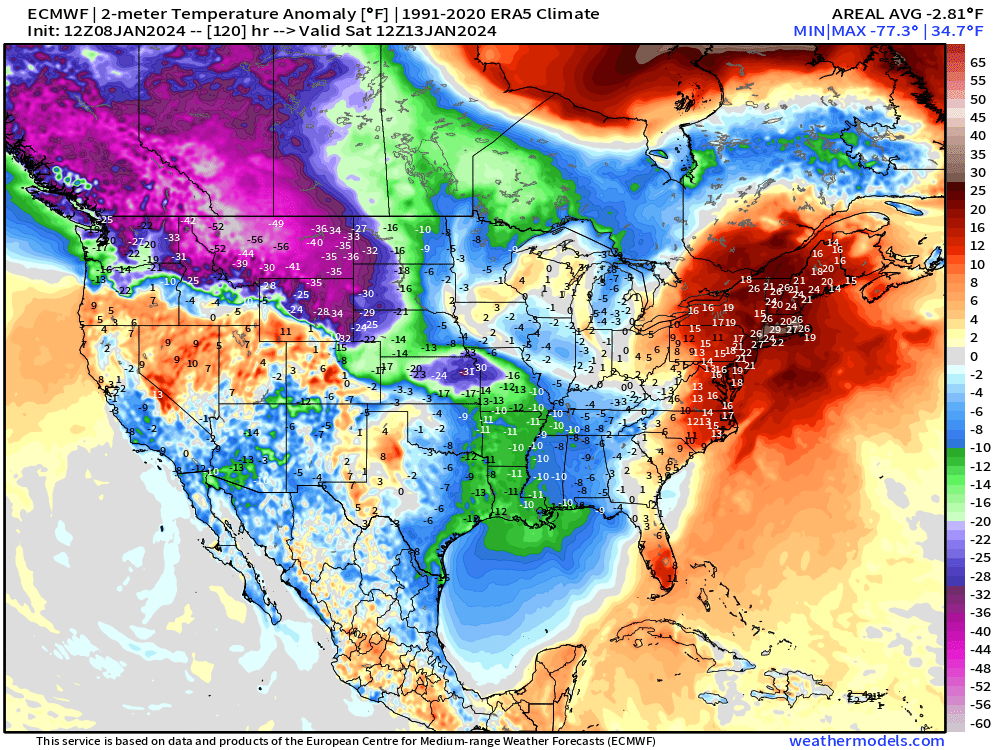
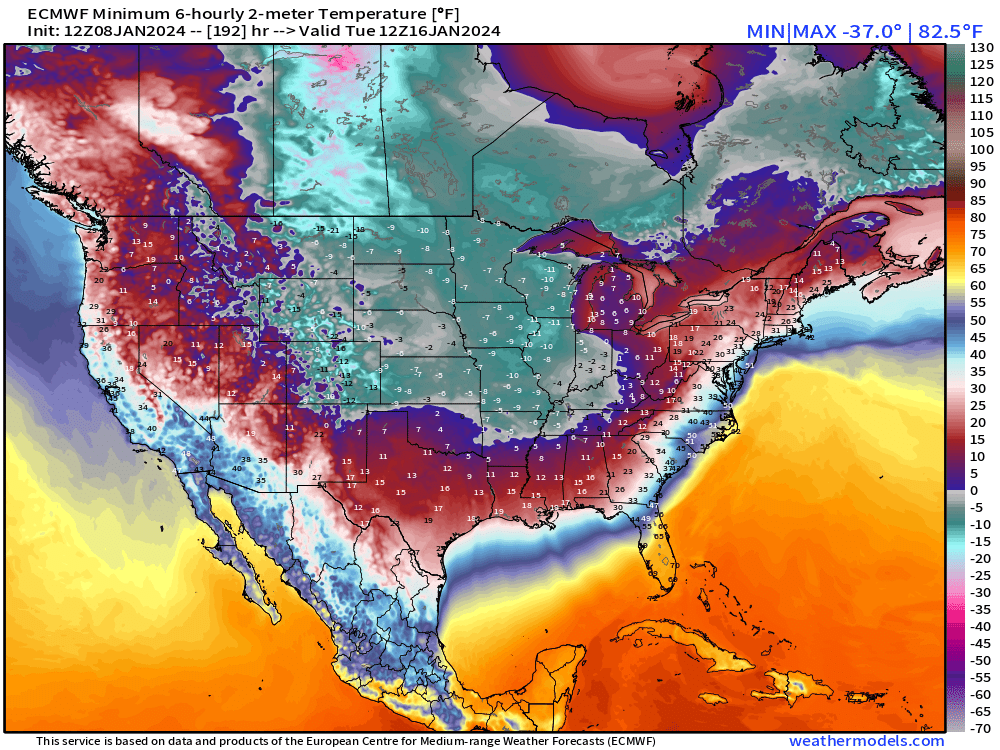
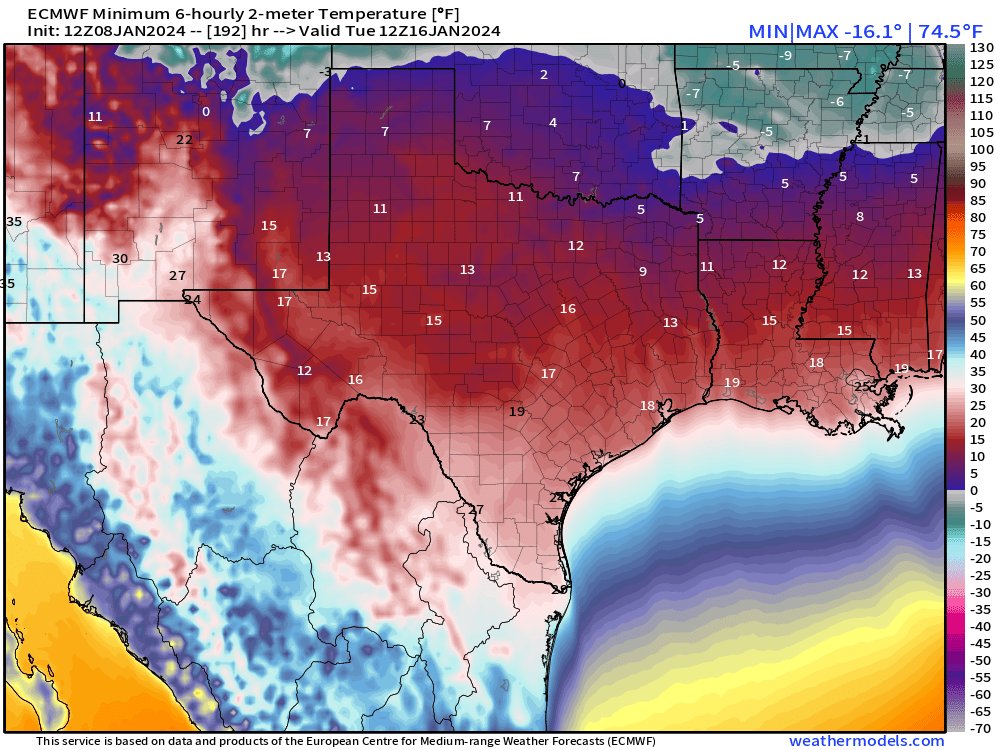
Trash look from the most vocal proponent of the Arctic warming causes extreme winter cold theory Jennifer Francis: she calls Republican voters in Iowa "deniers" for not believing that global heating causes extreme cold in Iowa. Most other climate scientists don't either.
https://twitter.com/RyanMaue/status/1748202911262285844
Jennifer Francis is not unique in her bigoted view of Republicans among her climate science colleagues.
However, this type of partisan rhetoric is required to operate within the climate science space to receive promotion, grants, and awards. It's rather ugly.
However, this type of partisan rhetoric is required to operate within the climate science space to receive promotion, grants, and awards. It's rather ugly.
More than 10-years ago, a weak defense of her theory appeared in the Washington Post.
It was a signal to other early career researchers to back off by questioning the motivation and objectivity of another academic. A real ugly and trash look.
washingtonpost.com/news/capital-w…

It was a signal to other early career researchers to back off by questioning the motivation and objectivity of another academic. A real ugly and trash look.
washingtonpost.com/news/capital-w…

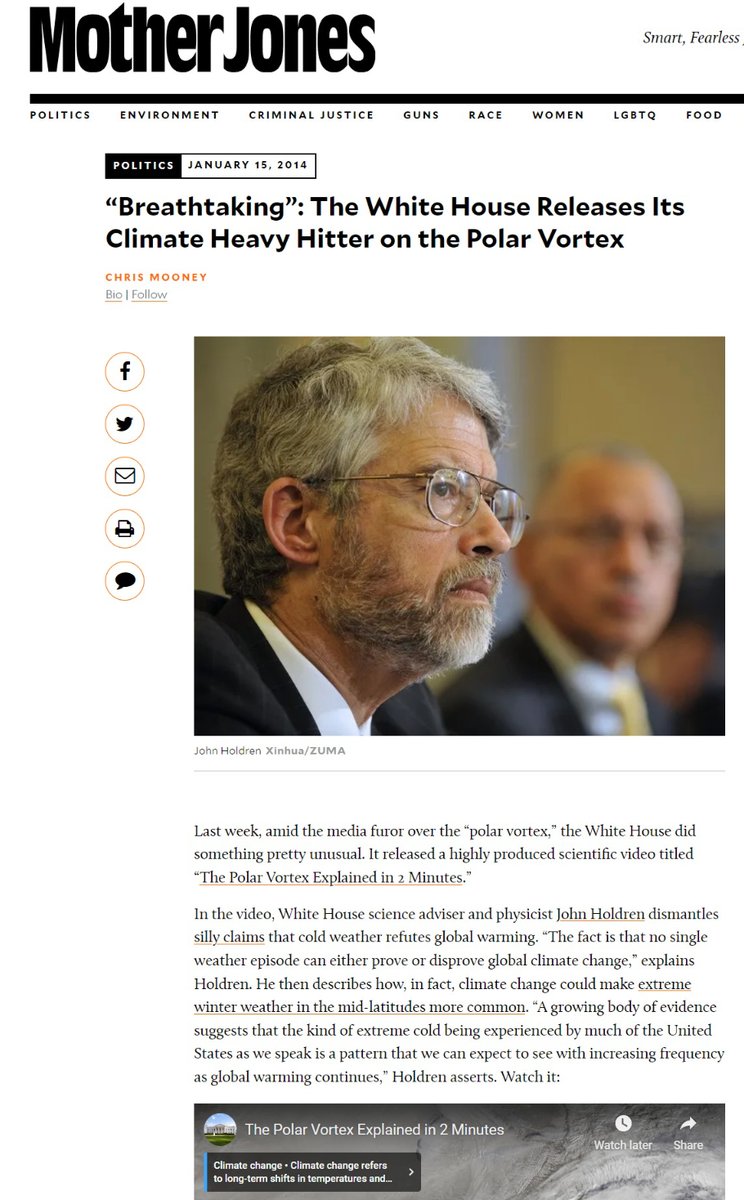
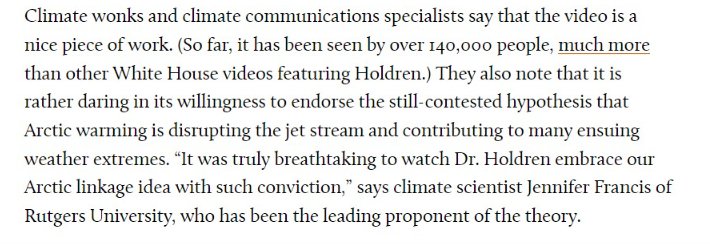
Only a few months later in Jan 2014, Francis helped organize an explainer video with WH Science Advisor John Holdren to directly link the Polar Vortex to climate change as part of the Obama's admin focus on extreme weather to accelerate their climate agenda.
"Truly breathtaking ..." she is quoted.
motherjones.com/politics/2014/…
"Truly breathtaking ..." she is quoted.
motherjones.com/politics/2014/…
A think tank CEI asked for a correction to the record and FOIA requested information about provenance of the Polar Vortex video.
However, they were denied and forced to sue in order to recover concealed records. After 2-years the mystery was solved.
However, they were denied and forced to sue in order to recover concealed records. After 2-years the mystery was solved.
https://twitter.com/RyanMaue/status/1673867194063798272
• • •
Missing some Tweet in this thread? You can try to
force a refresh