I often post wonders from the distant past. What about the churches we still build today?
These will surprise you (all built in the last 20 years)... 🧵
These will surprise you (all built in the last 20 years)... 🧵
1. Many of today's great new churches are Eastern Orthodox. Georgia's Holy Trinity Cathedral of Tbilisi became one of the world's largest churches by interior measure in 2004.

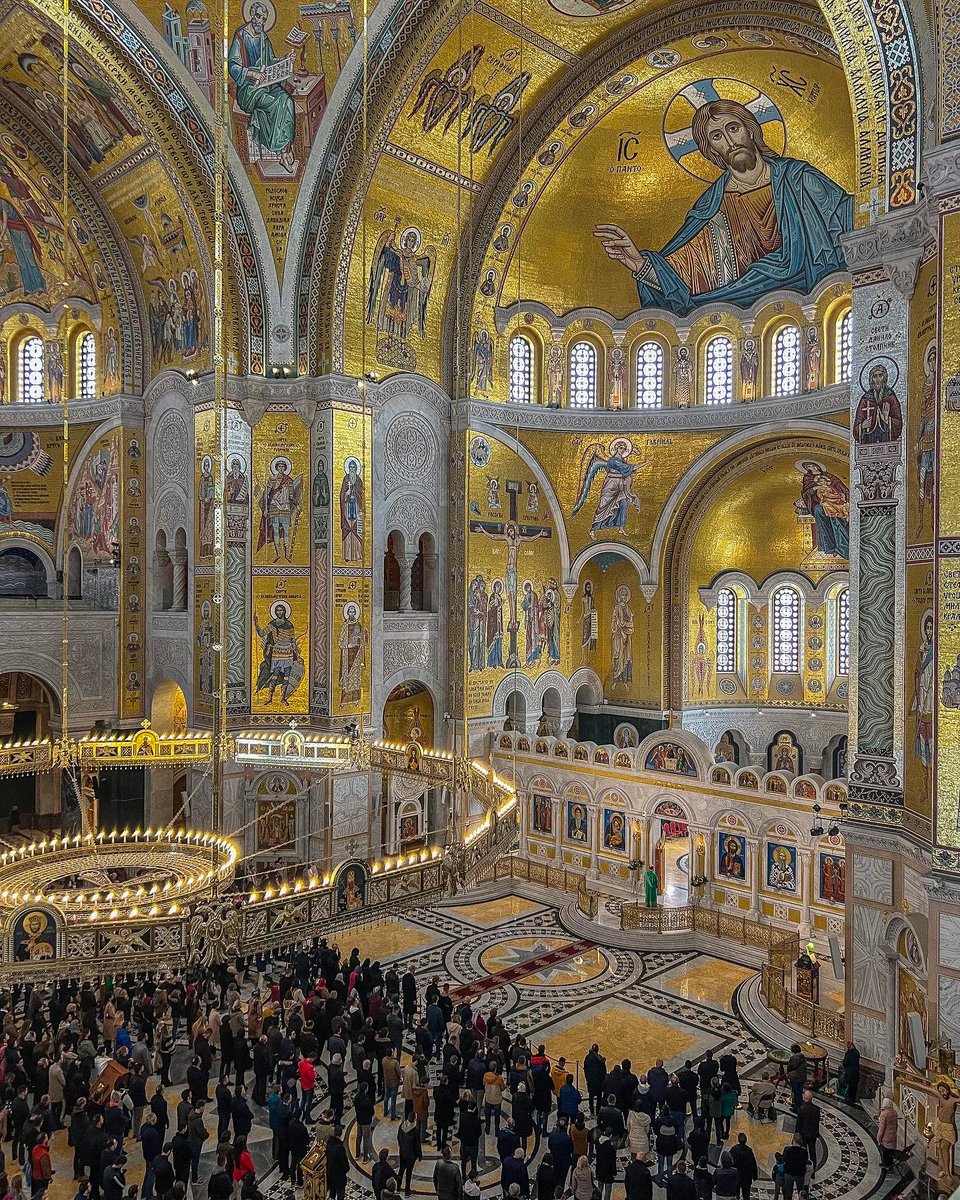
2. And the Serbs just finished this, the Church of Saint Sava in Belgrade - an Orthodox titan to rival the Hagia Sophia.

It boasts a 50-million-piece gold mosaic (final piece laid in 2020), the largest intact mosaic in the world.

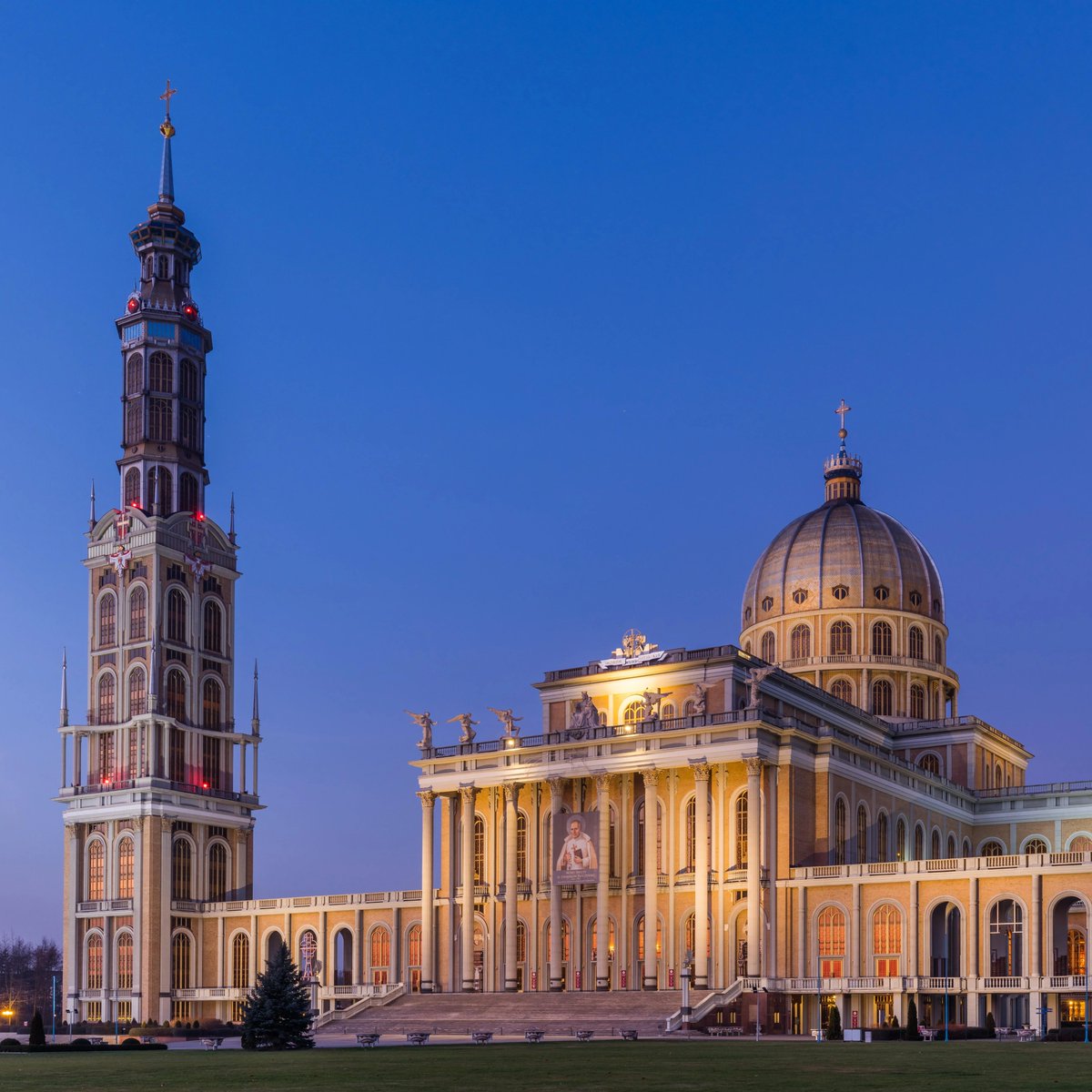
3. Poland built its largest religious building ever in 2004: the Basilica of Our Lady of Licheń. It's a gigantic Catholic church with one of the tallest domes ever seen.

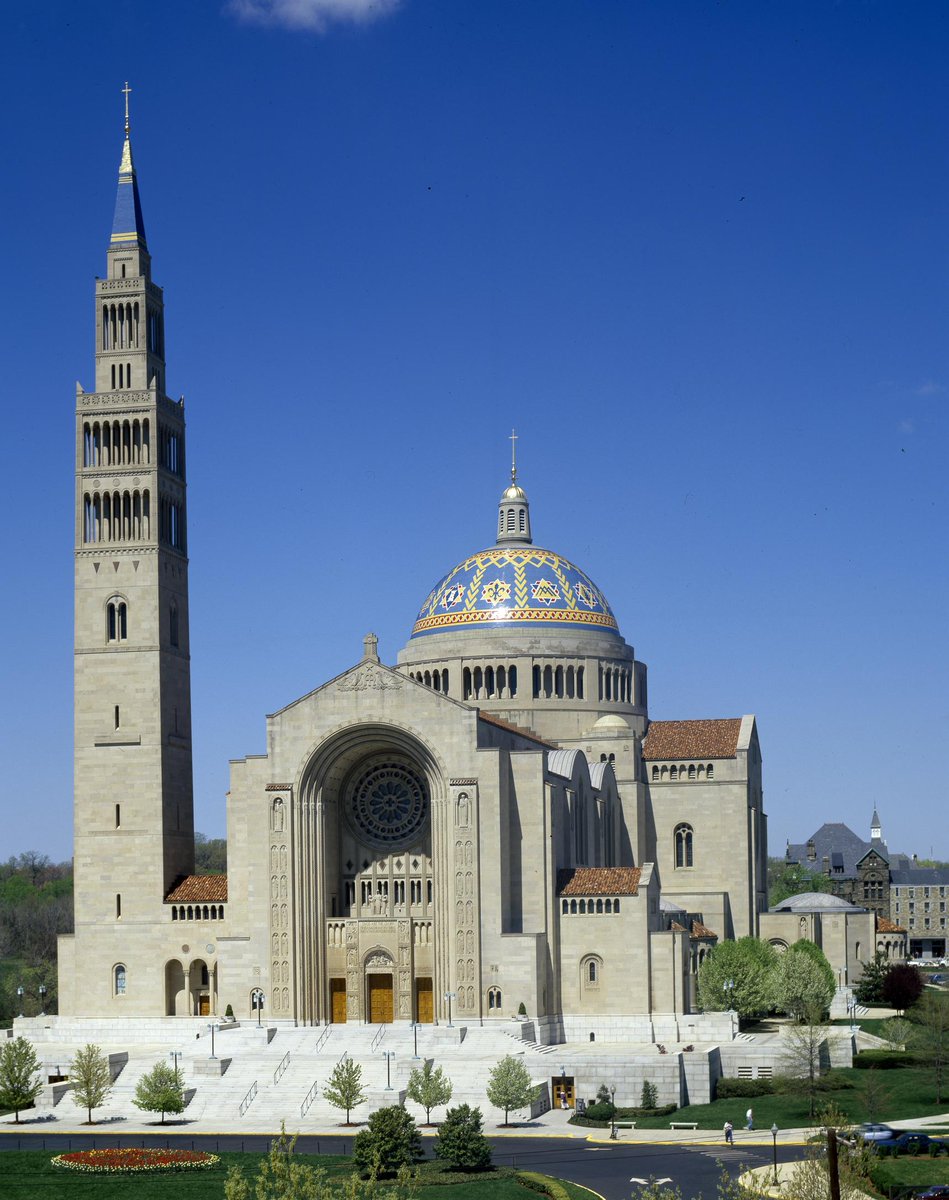
4. It's not all happening in Eastern Europe. The largest Catholic church in America was finalized in 2017 (albeit after a century of work). The Basilica of the National Shrine of the Immaculate Conception, Washington, D.C.:
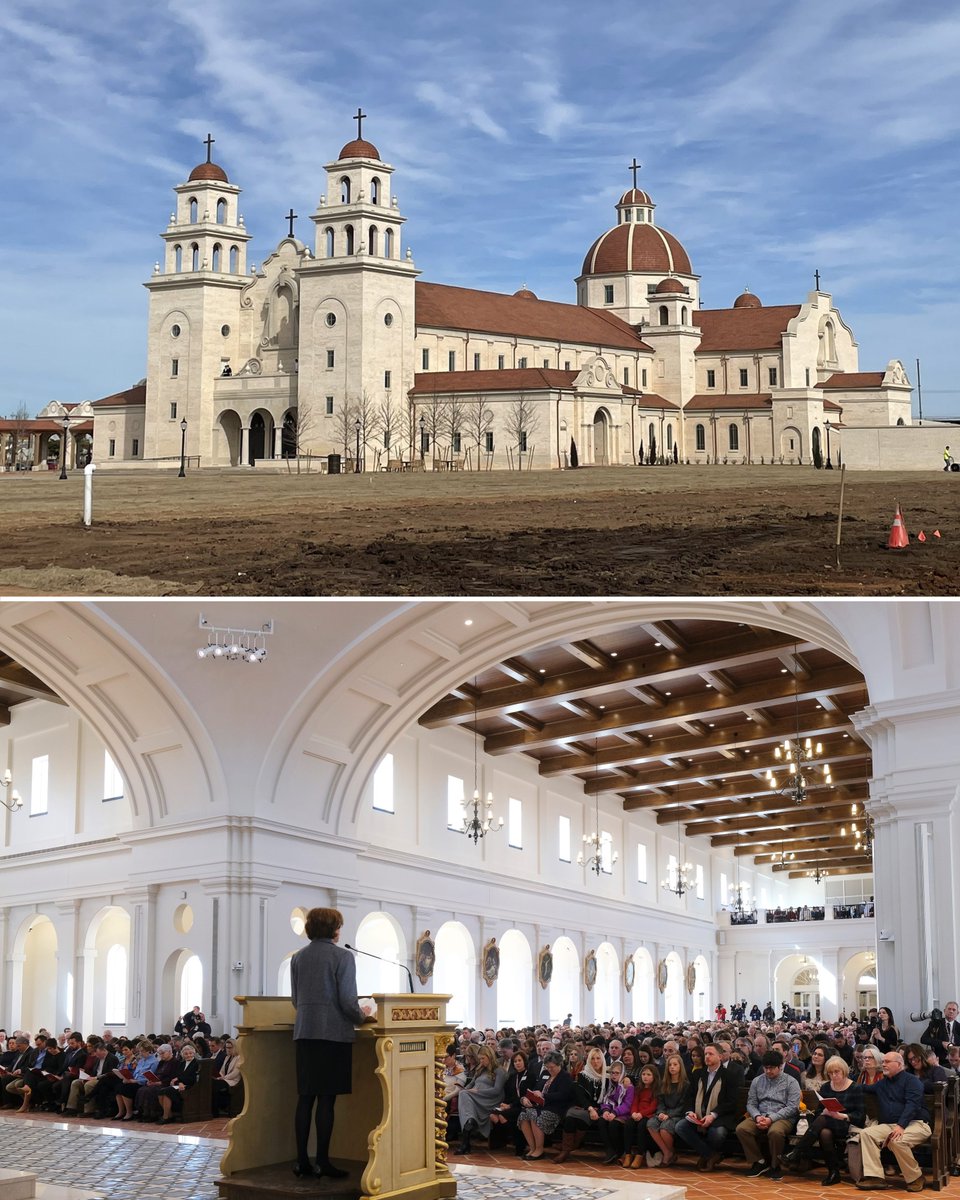
5. Another mighty Catholic church opened in Oklahoma last year - the Blessed Stanley Rother Shrine. It's a cruciform shape with capacity of 2,000, built to blend the Roman style with the Spanish colonial.
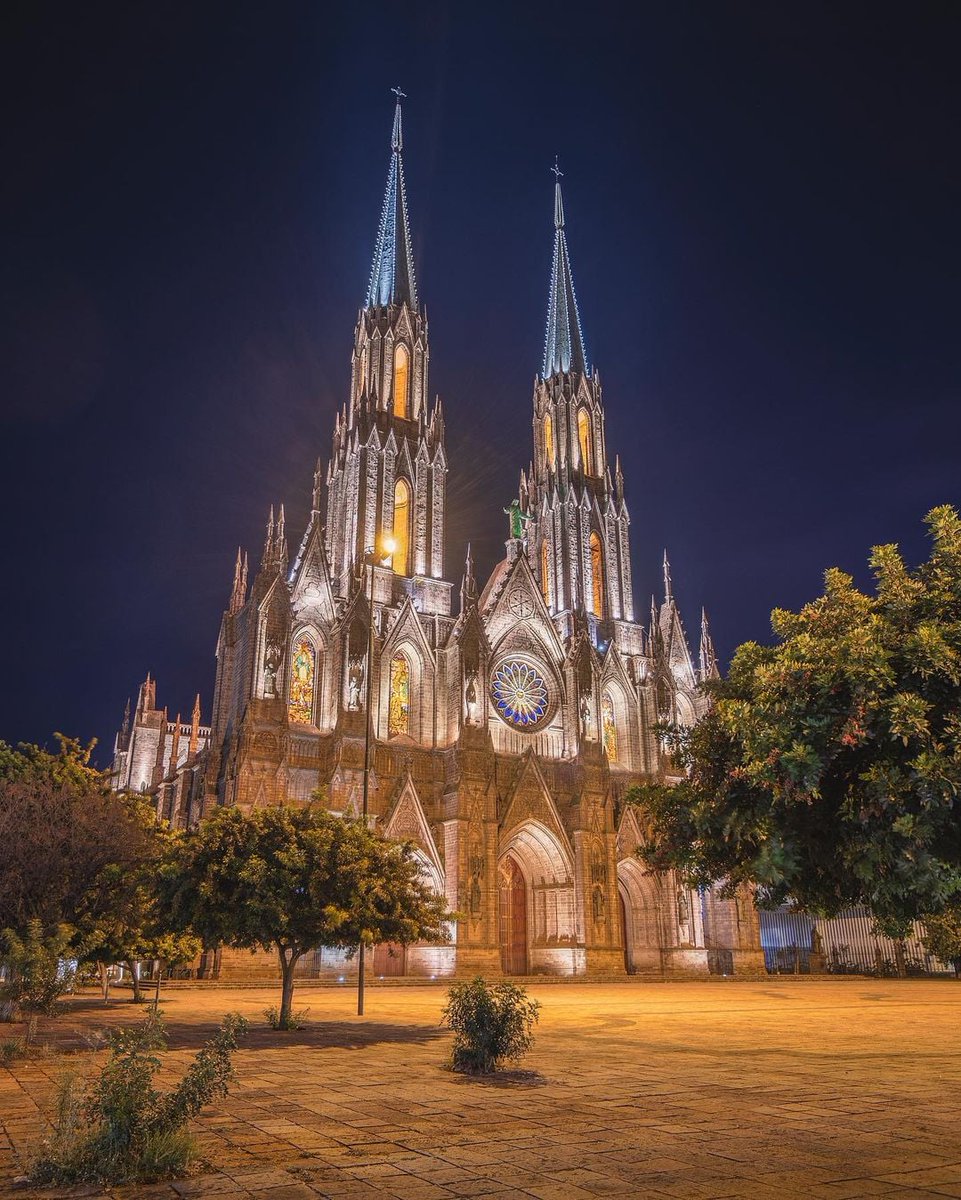
6. In 2008, the Mexican city of Zamora proved that great Gothic architecture is still relevant. The Sanctuary of Our Lady of Guadalupe became the tallest church in Mexico (a staggering 350 feet).
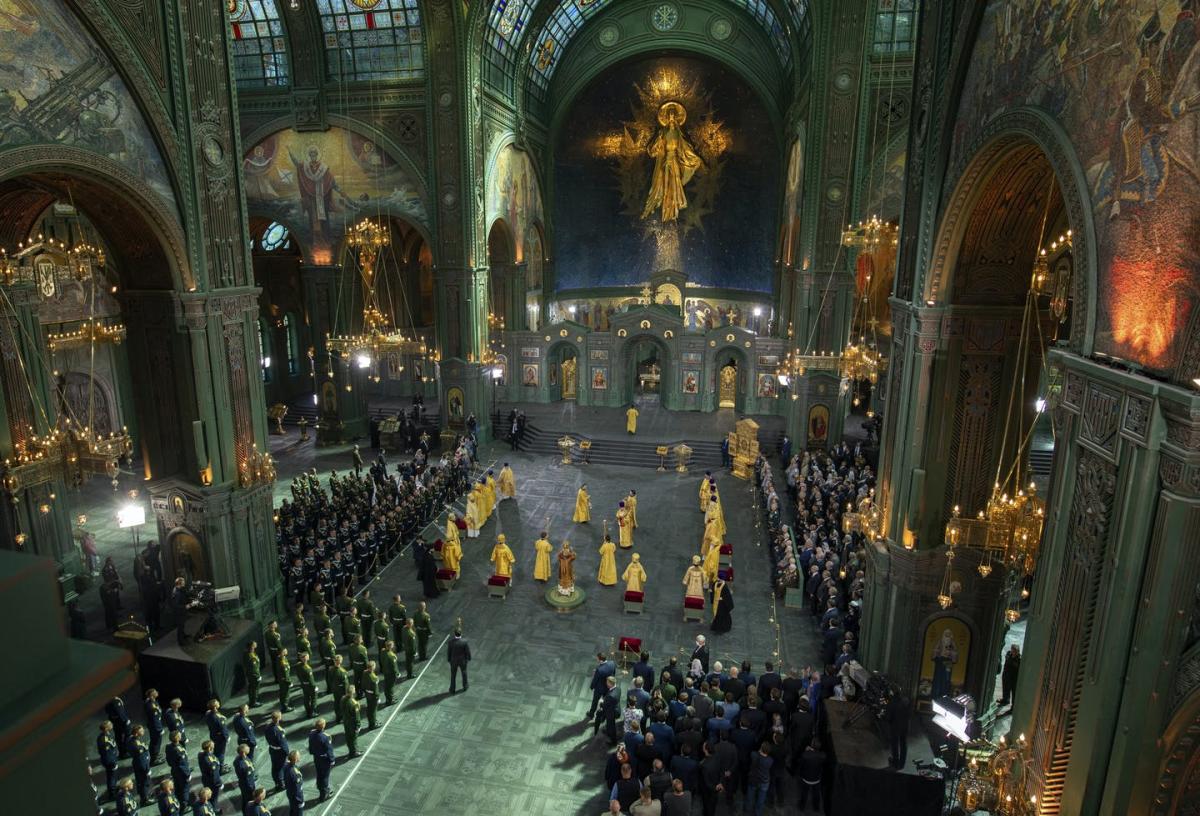
7. In 2020, Russia unveiled a massive new cathedral dedicated to the military feats of the Russian people.
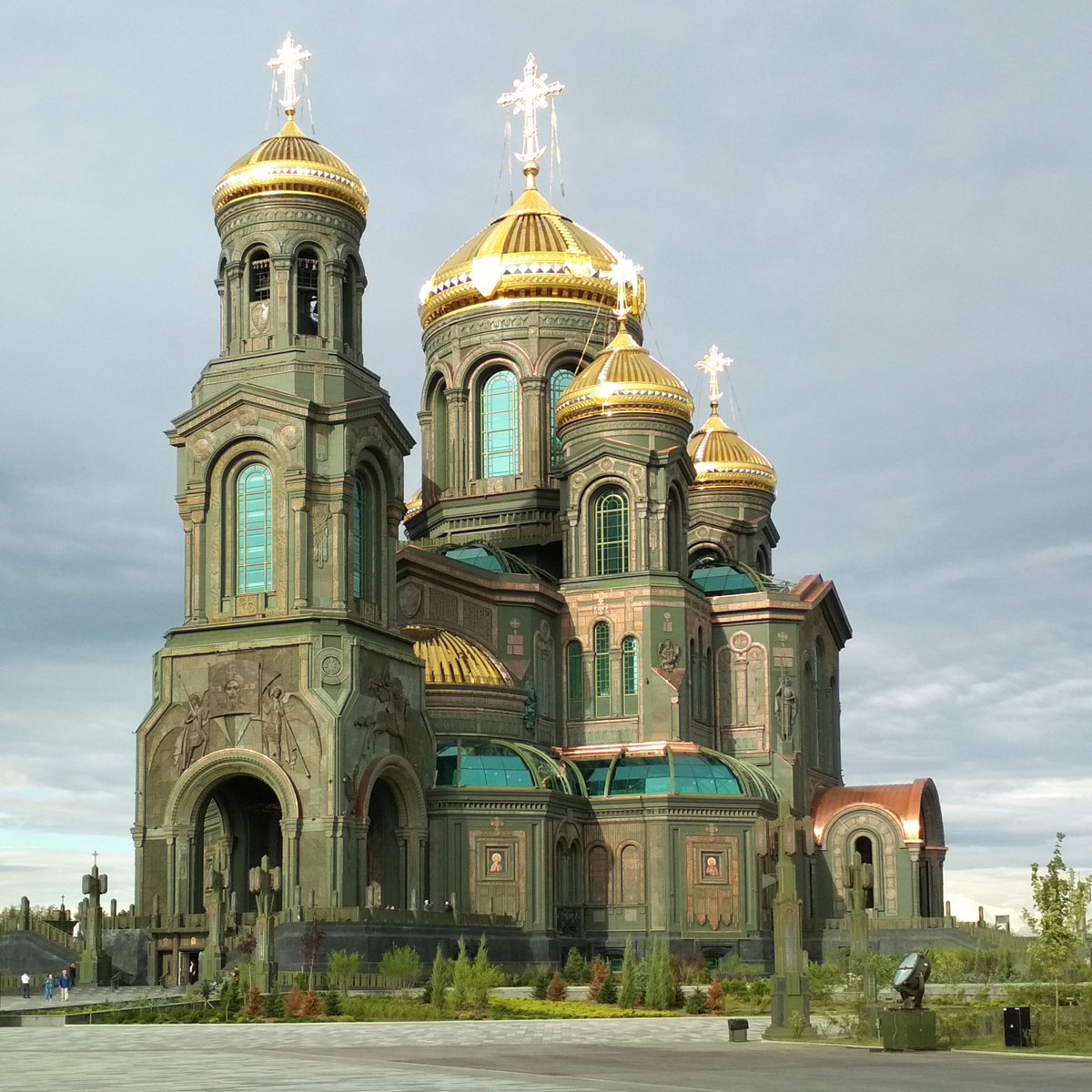
Symbols of war were encoded into its construction. The builders melted down tanks and weaponry seized from the Nazi forces to make its metal floor, and the diameter of the main dome is 19.45 meters.
8. Then there are the ongoing mega-projects, like Barcelona's Sagrada Família - proof that man is still capable of intergenerational church building.

Gaudí's unique design has been under construction for almost 142 years. When finished (projected 2026), it will be the tallest religious building in all of Europe.

9. And Eastern Orthodoxy continues to make its mark on unprecedented scale. The People's Salvation Cathedral in Bucharest will soon be the largest Orthodox church ever built.
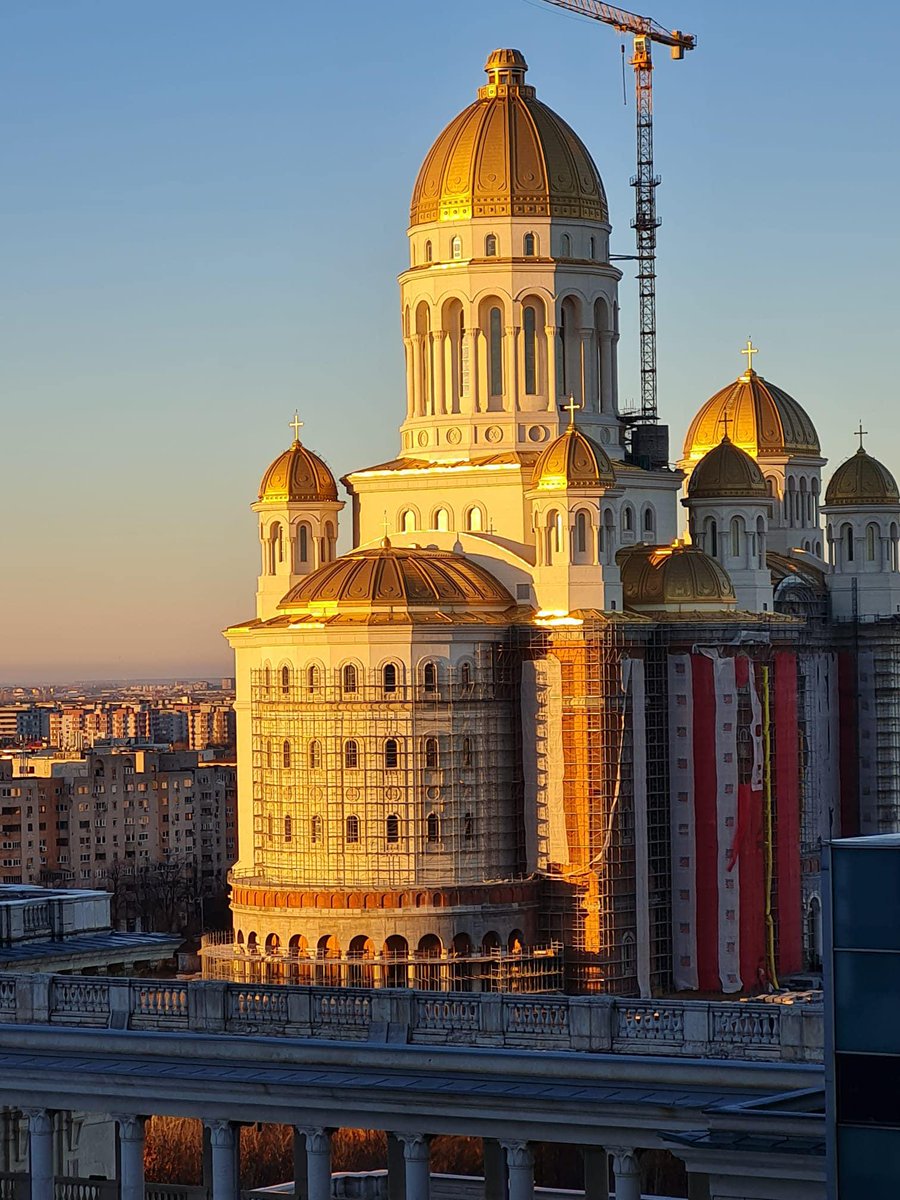
It will set a myriad of world records, including the largest collection of church mosaics and the largest free-swinging church bell (surpassing Cologne Cathedral's Petersglocke).
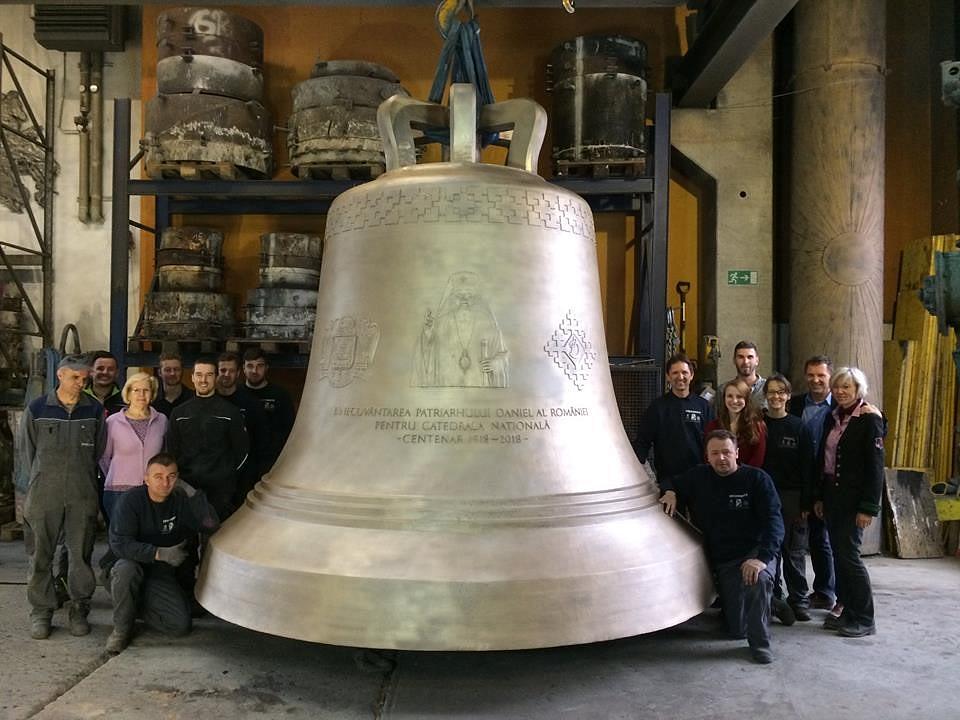
Christianity has not lost its love of the colossal.
Another look at the mind-blowing mosaics at Saint Sava:
Another look at the mind-blowing mosaics at Saint Sava:
For an inbox-cleanser like this every week, you NEED this (free) newsletter 👇
culturecritic.beehiiv.com/subscribe
culturecritic.beehiiv.com/subscribe
• • •
Missing some Tweet in this thread? You can try to
force a refresh