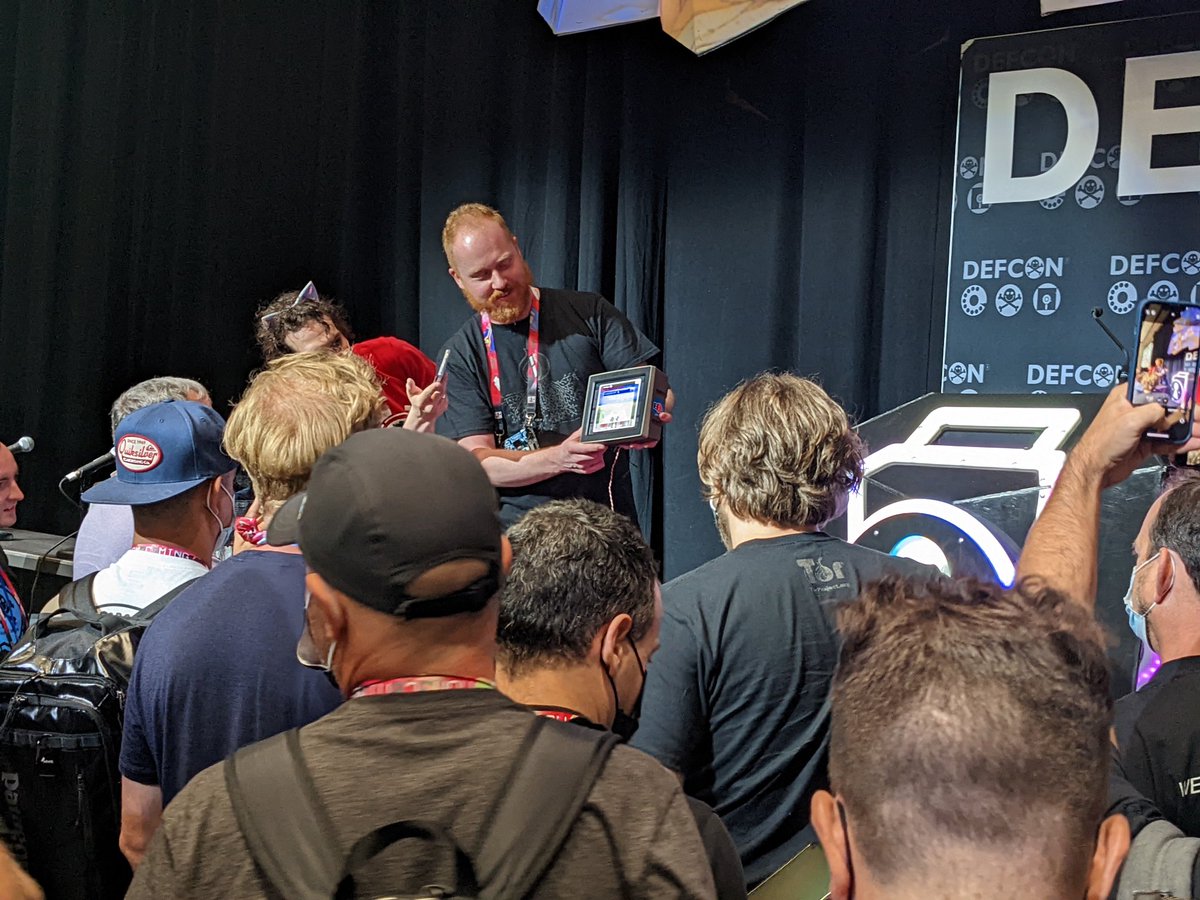
We took apart the Vision Pro, and it is a phenomenal feat of engineering! There is just so much packed in this headset. Some highlights:
The curved bubble shell is a real bear to get open. We're pretty good at this kind of thing, and still managed to (slightly) break the glass. I would love to see the manufacturing process for this complex shape!
With the glass off, we can start to see how the EyeSight system works. There's a curved OLED panel with a series of lenticular lenses.
When the EyeSight displays your eyes, it isn’t just displaying a single video feed of your eyes; it’s showing a bunch of videos of your eyes. Exploring inside the glass shell, we found three layers for the front-facing display: a widening layer, a lenticular layer, and the OLED.
Apple wanted a lifelike, 3D view of your eyes, so they set up custom prisms to create the stereoscopic effect. It's hard to photograph what's going on, so here's a diagram.
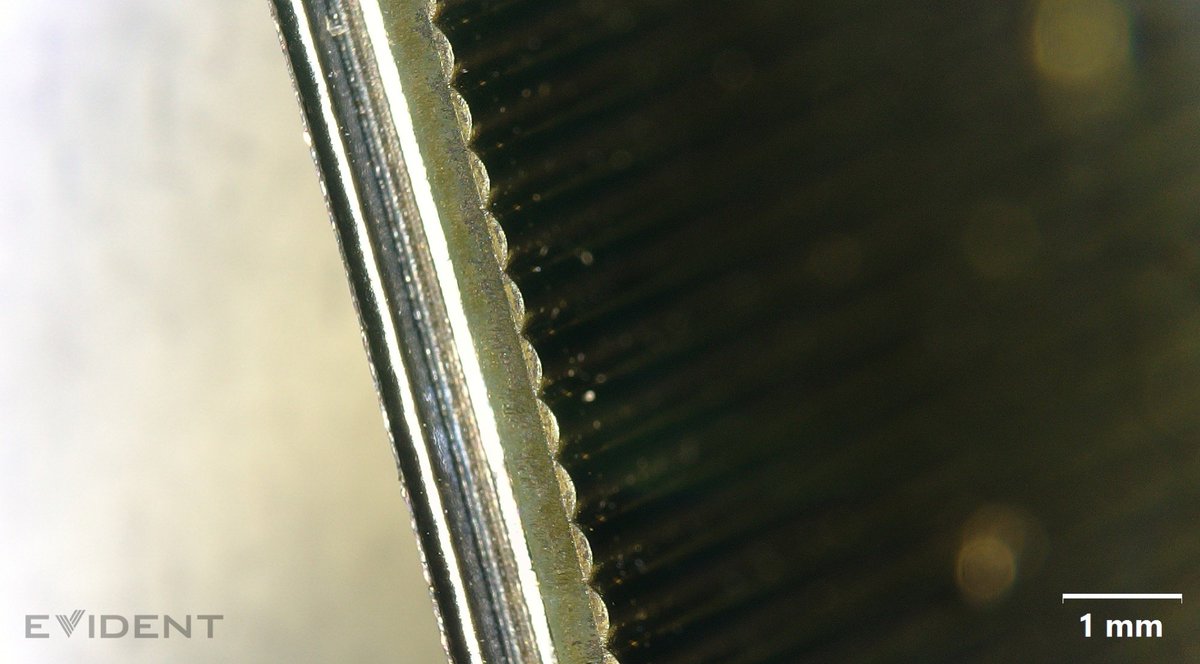
But how does the lens actually work? Why I'm glad you asked! Good thing we had a trusty @Evident_LS microscope to see the physical structure of the lenticular lens. The effect is similar to those toy cards that change the image depending on your viewing angle.
@Evident_LS Going inside even further, you can see the second set of displays underneath. There is a massive amount of complexity in here, far more ribbon cables and connected sensors than in your phone.
@Evident_LS Our full teardown has a lot more insight, along with 360-rays from @CreativeElctrn ifixit.com/News/90137/vis…
• • •
Missing some Tweet in this thread? You can try to
force a refresh

We've just posted our look inside the iPhone 14, and it turns out that Apple has totally redesigned it to make it more repairable. ifixit.com/News/64865/iph…
This might just look like iFixit opening yet another phone, but iPhones don't open that way! They open from the front!
Replacing the back glass on an iPhone is an incredibly frustrating painful process, even for seasoned repair techs. Here's our community contributed guide for doing so. You only need:
Heavy duty gloves
Tweezers
Rework station
Nippers
Laser cutter (!)
Sick Codes has jailbroken a John Deere, and this is just the beginning. Turns out our entire food system is built on outdated, unpatched Linux and Windows CE hardware with LTE modems.
John Deere has repeatedly told regulators that farmers can't be trusted to repair their own equipment. This foundational work will pave the path for farmers to retake control of the equipment that they own. #RightToRepair
And yes, that is corn-themed Doom running on a John Deere touchscreen. @sickcodes really went all out for this. You can harvest corn to raise your health or go hunt down the piggies!
Let me share my life’s story and why Apple's repair announcement is a big deal to me. Way back in 2003, I was trying to fix my clamshell iBook and googled for the service manual. All I found was sites that had been removed because of a DMCA takedown. /thread
I muddled my way through and fixed the computer, but it was harder than it should have been. I broke tabs and latches. And out of that frustration, I started iFixit to make sure no one had to suffer like I had.
Apple was the first electronics manufacturer with open source, Creative Commons licensed manuals for every product they sold—because I did it for them. Since 2003, iFixit has systematically, painstakingly disassembled every new gadget. Every iPod. Every MacBook. Every iPhone.
I have spent the last two months heads down working on a huge project with the assistance of 200 volunteer librarians. It has daunted, exhausted, intimidated, and inspired us.
I believe this is now the most comprehensive online resource for medical repair professionals. We’ve posted over 13,000 user and service manuals for thousands of medical devices, from ventilators to microscopes. /2
We built it in consultation with biomedical technicians, nurses, and doctors around the world. There isn’t a user-friendly standardized taxonomy for devices, so we had to create one, building on a variety of existing organization systems. /3
I spent the last few days getting to know the materials Apple used in their MacBook keyboard. Because Apple doesn’t design these keyboards to be repaired, our analysis was destructive. A 2019 MacBook Pro died to bring you this information. /thread
The butterfly mechanism is powered by a stainless steel spring. That spring is covered by a plastic membrane. This membrane is below the butterfly, and separate from the ingress-protection that they added in the last generation.
Apple told @joannastern that “it has made a change to a material in the keyboard mechanism.” We found two changes. The first change is the material they made this membrane out of.