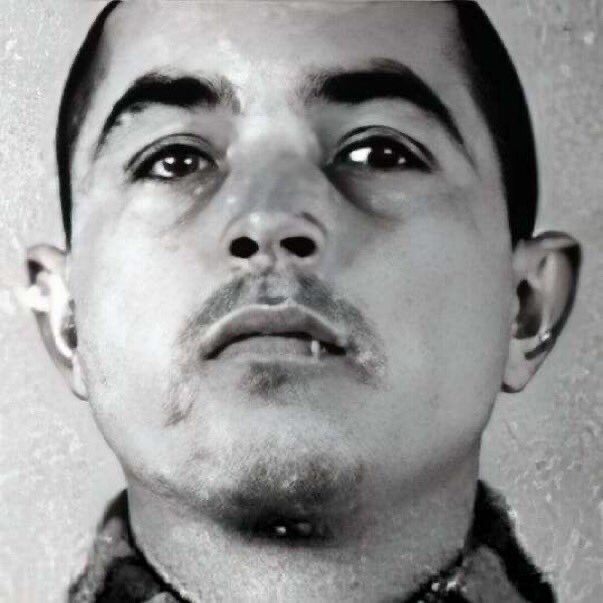
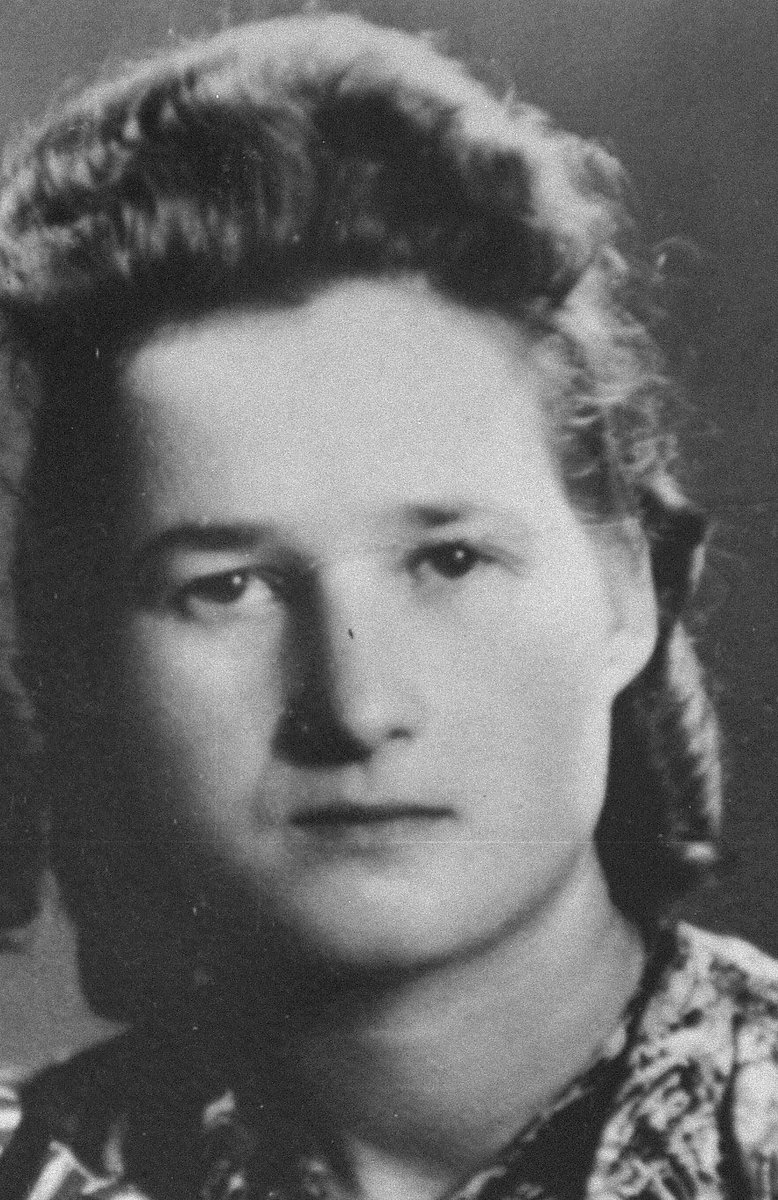
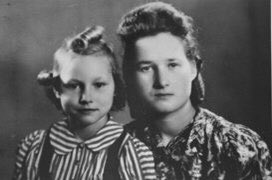
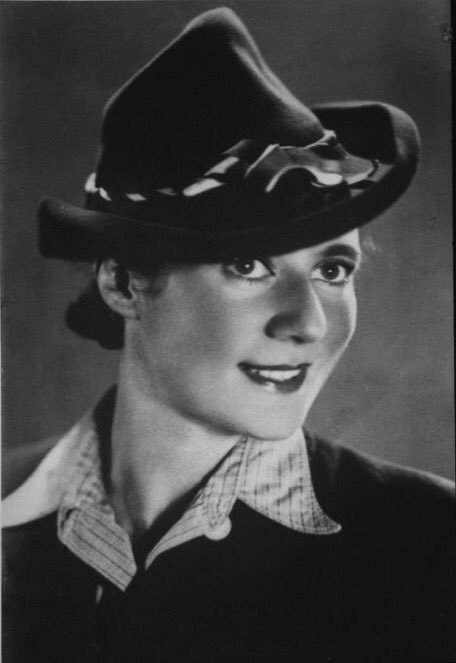
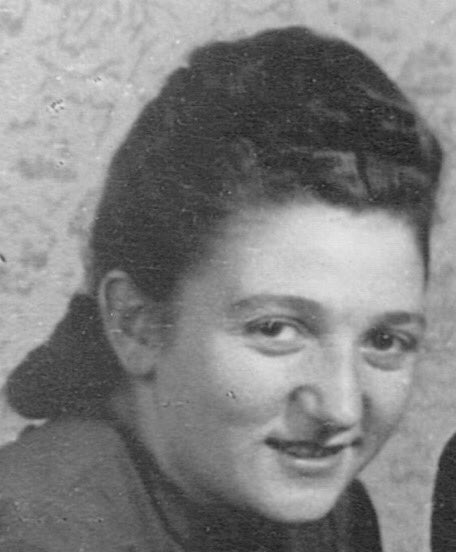
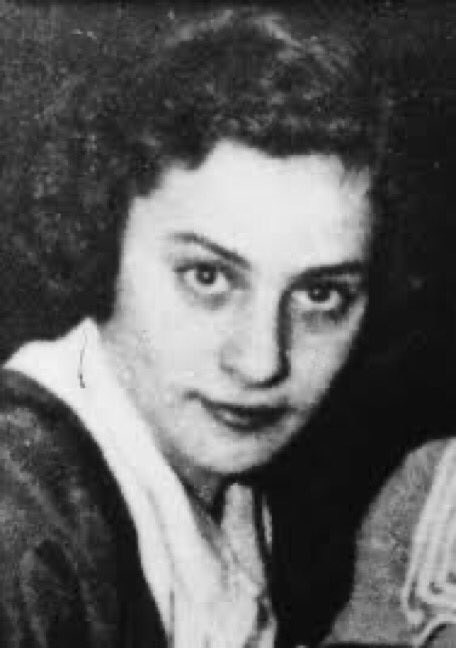
Survivor and witness of Auschwitz and Theresienstadt 1/n Ginette Kolinka was born on February 4, 1925 in Paris into a non-practicing family of Jewish origin. She lived her early childhood in the 4th arrondissement then in Aubervilliers.
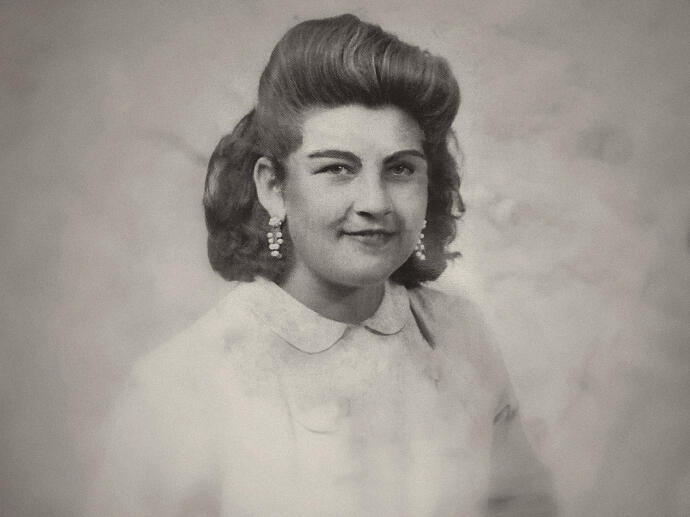
2/n She was the sixth in a family of seven children and had a very sheltered childhood. Her father, Léon, had a clothing workshop. In 1942 the whole family moved to Avignon. They all work in the markets.
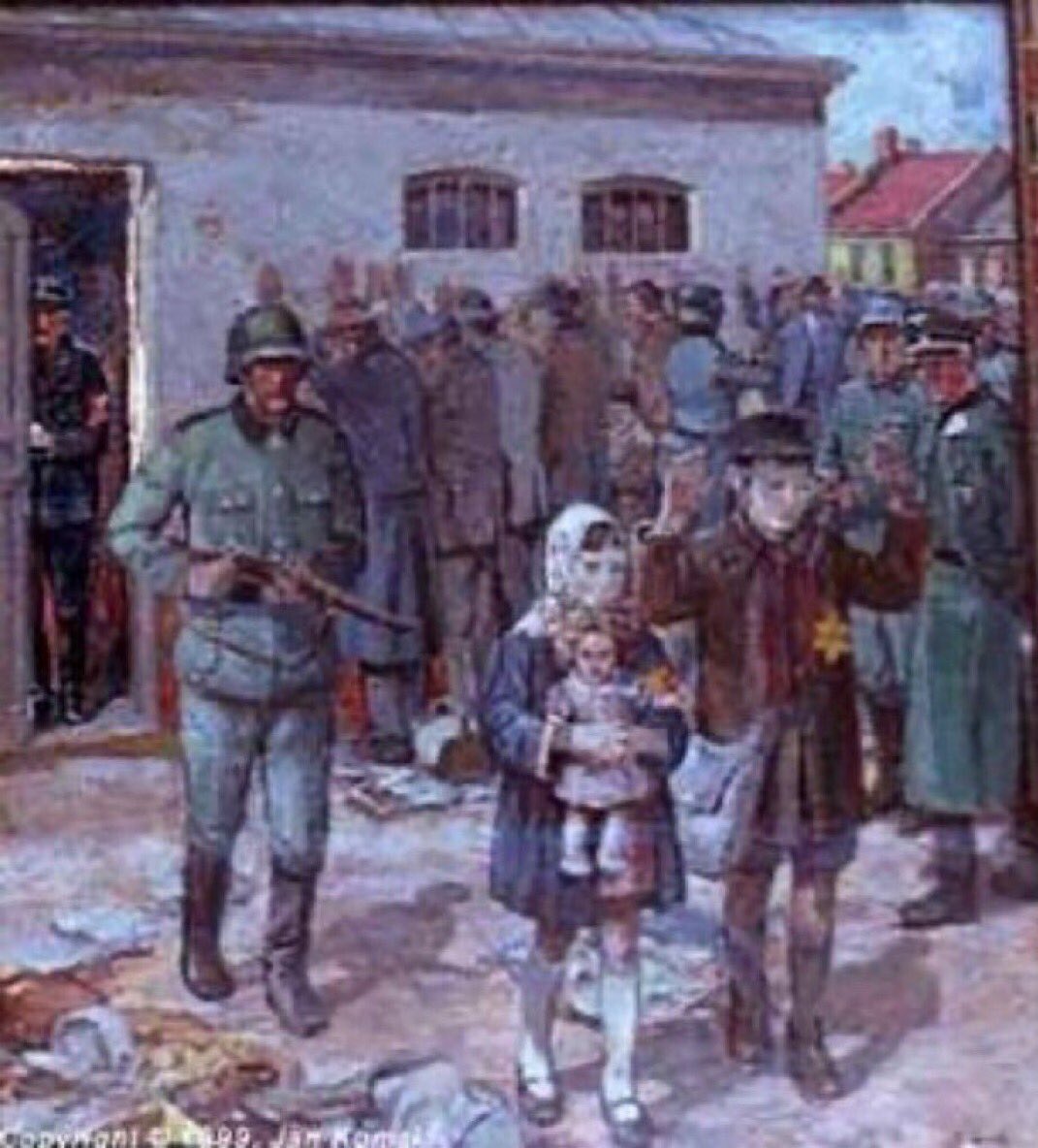
3/n On March 13, 1944, the Gestapo and the Militia came to arrest the men of the family, her father, her 12-year-old brother and her 14-year-old nephew on denunciation. Faced with Ginette's remarks, they took her on board too.
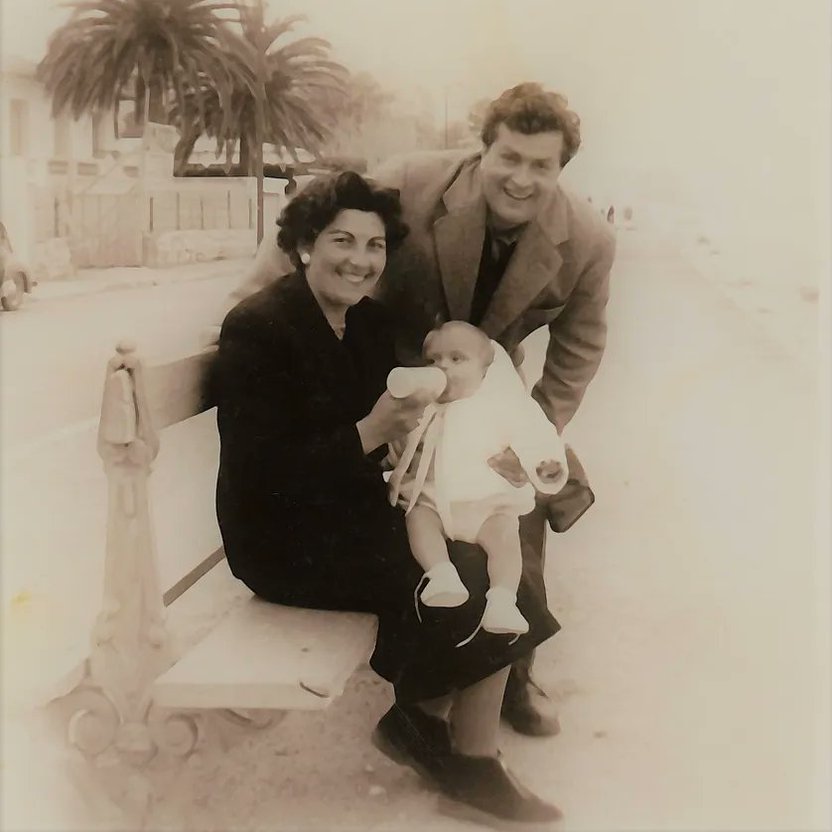
1945, Ginette with her scarf: “I have shaved hair”
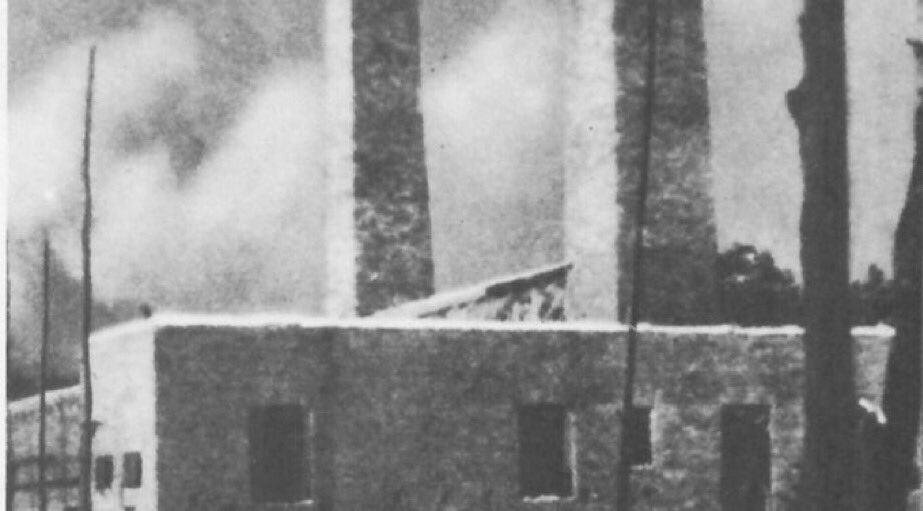
4/n They were interned in the Drancy camp. On April 13, 1944, they were deported by convoy 71 in cattle cars from Bobigny station to Auschwitz II-Birkenau.
Her father and brother joined the trucks and were gassed on arrival.
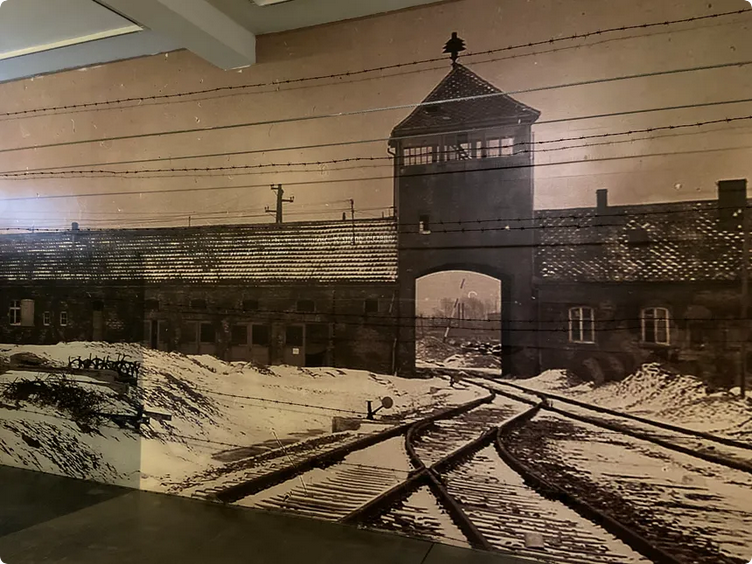
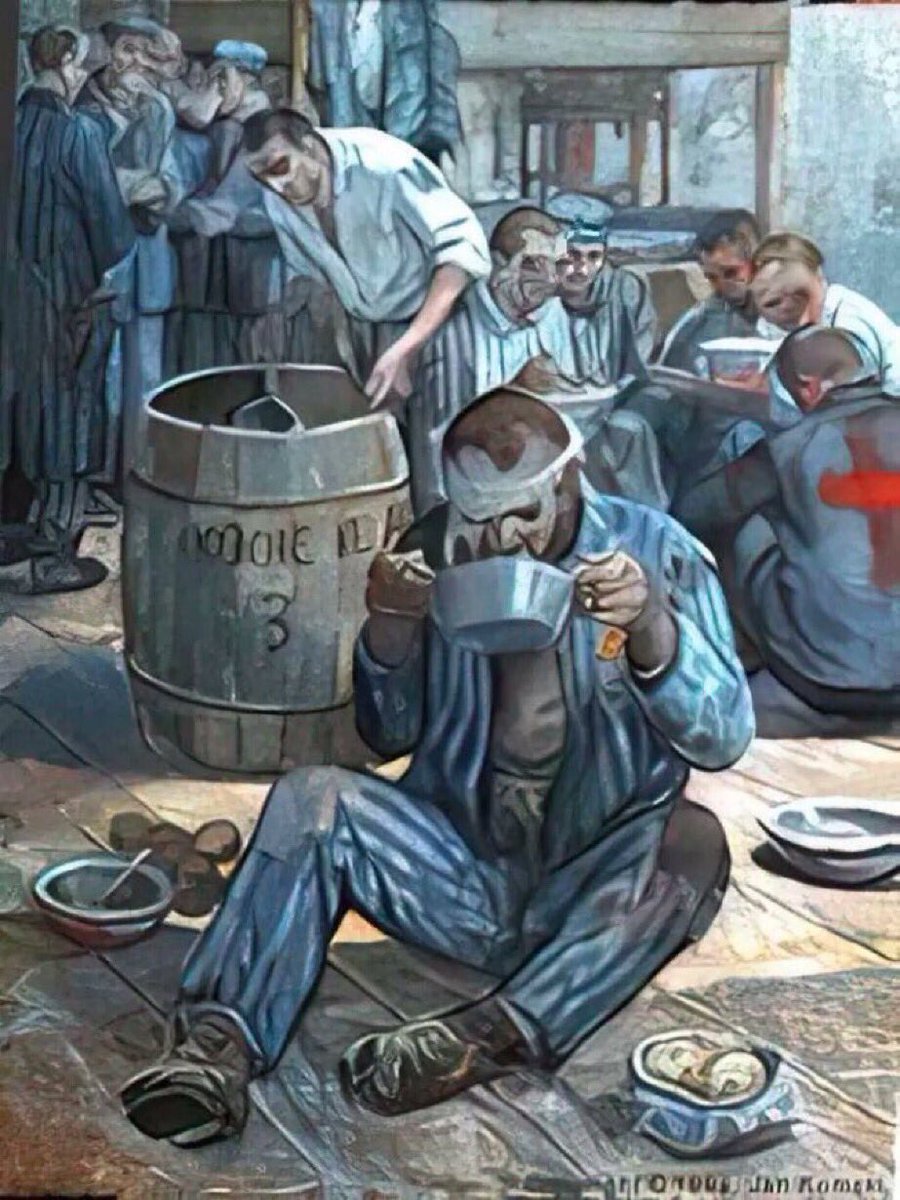
5/n Ginette entered the women's camp, was tattooed with registration number 78 599. In April 1945, faced with the approach of the Allied armies, she was transferred for 8 days, by a death train to the Theresienstadt camp. Ginette had typhus.
6/n On her return in June 1945, she found her mother and 4 sisters. Ginette tried to reume her life for two years and did not tell anyone about her deportation. Ginette married in 1951, has a son, Richard Kolinka, who became the drummer of the musical band Telephone.
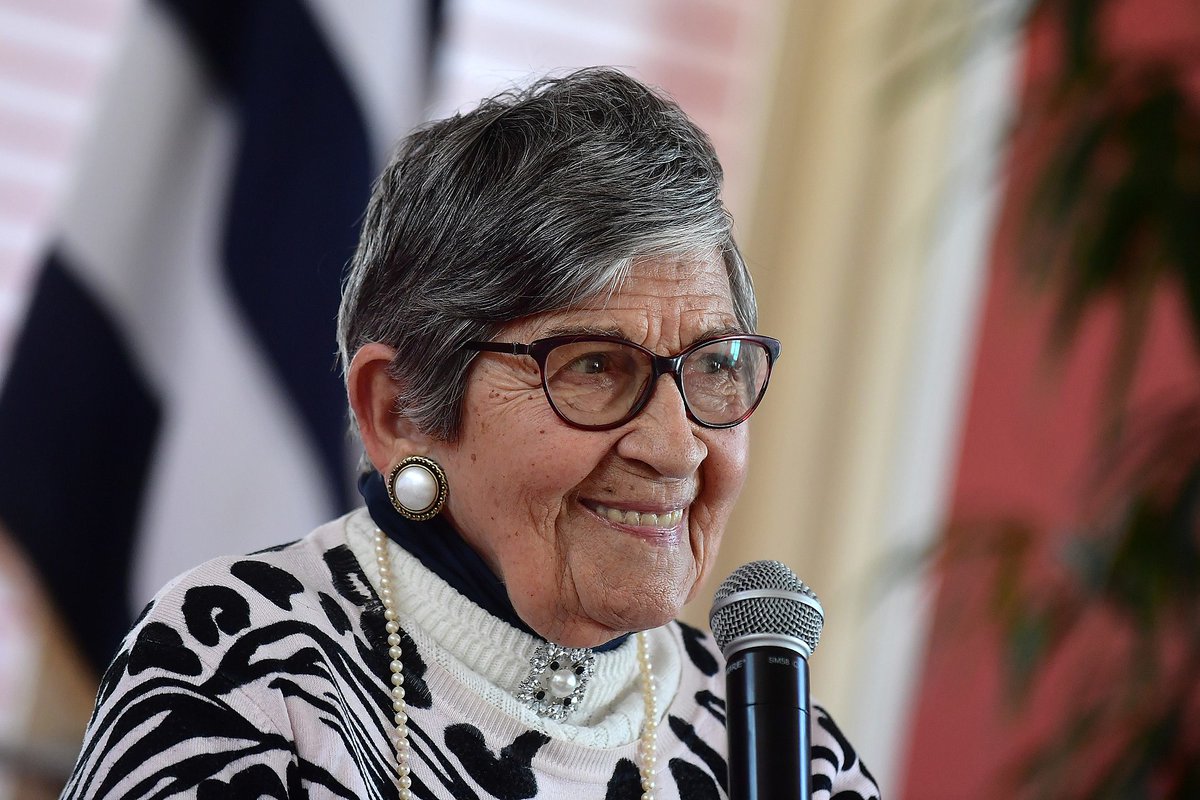
7/7 She resumed her work in the markets. Today, she frequently testifies to young people.
She accompanied many trips to Auschwitz and published 'Return to Birkenau' in 2019.
• • •
Missing some Tweet in this thread? You can try to
force a refresh

@AuschwitzMuseum 1/n The second mass deportation that left Westerbork for Auschwitz-Birkenau departed on July 16, 1942. Historian Houwink ten Cate claims that the transport was compiled in a hurry, because a transport from France had not departed as planned and Reichsführer SS Heinrich Himmler
@AuschwitzMuseum 2/n was about to visit the extermination camp on July 17 and 18.
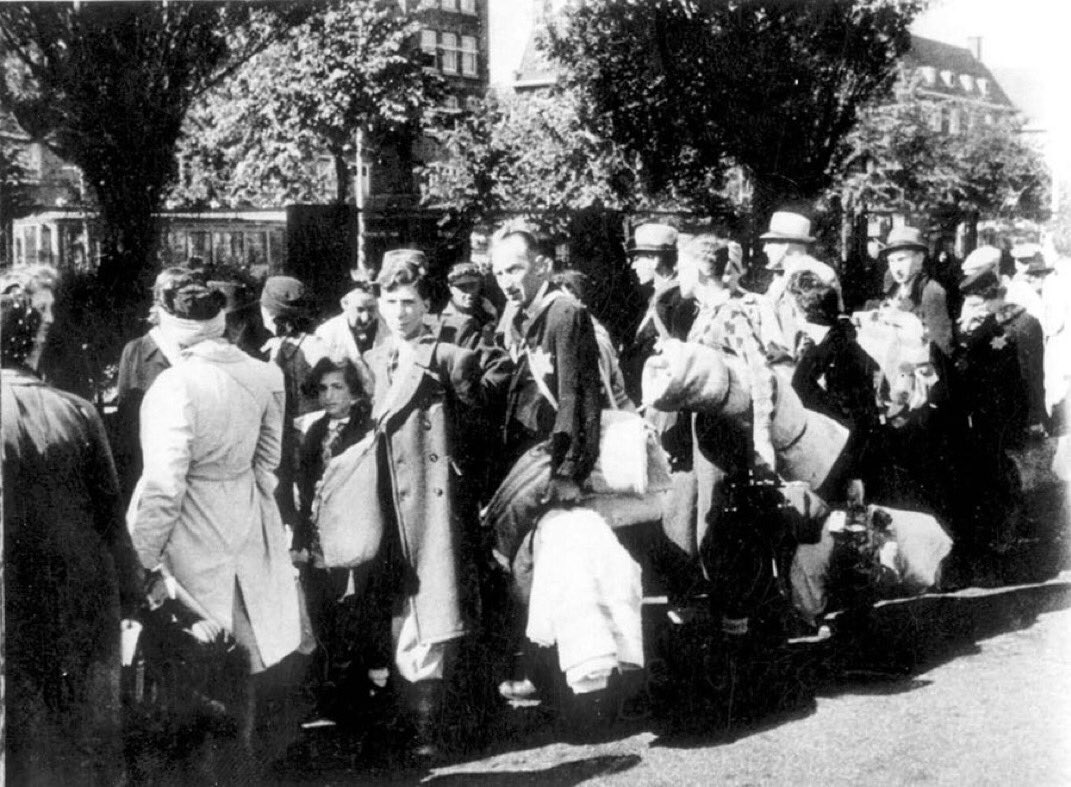
The deportation list list reveals that at least 586 men, women and children were deported from Westerbork to Auschwitz-Birkenau. Whole families were on the transport.
@AuschwitzMuseum 3/n The youngest deportee, Alida Baruch, had just turned six months when she was shipped away. The oldest deportee was born in 1879, which is distinctly above the average age of deportees. Like with the one before, also with this transport many German Jews were deported.
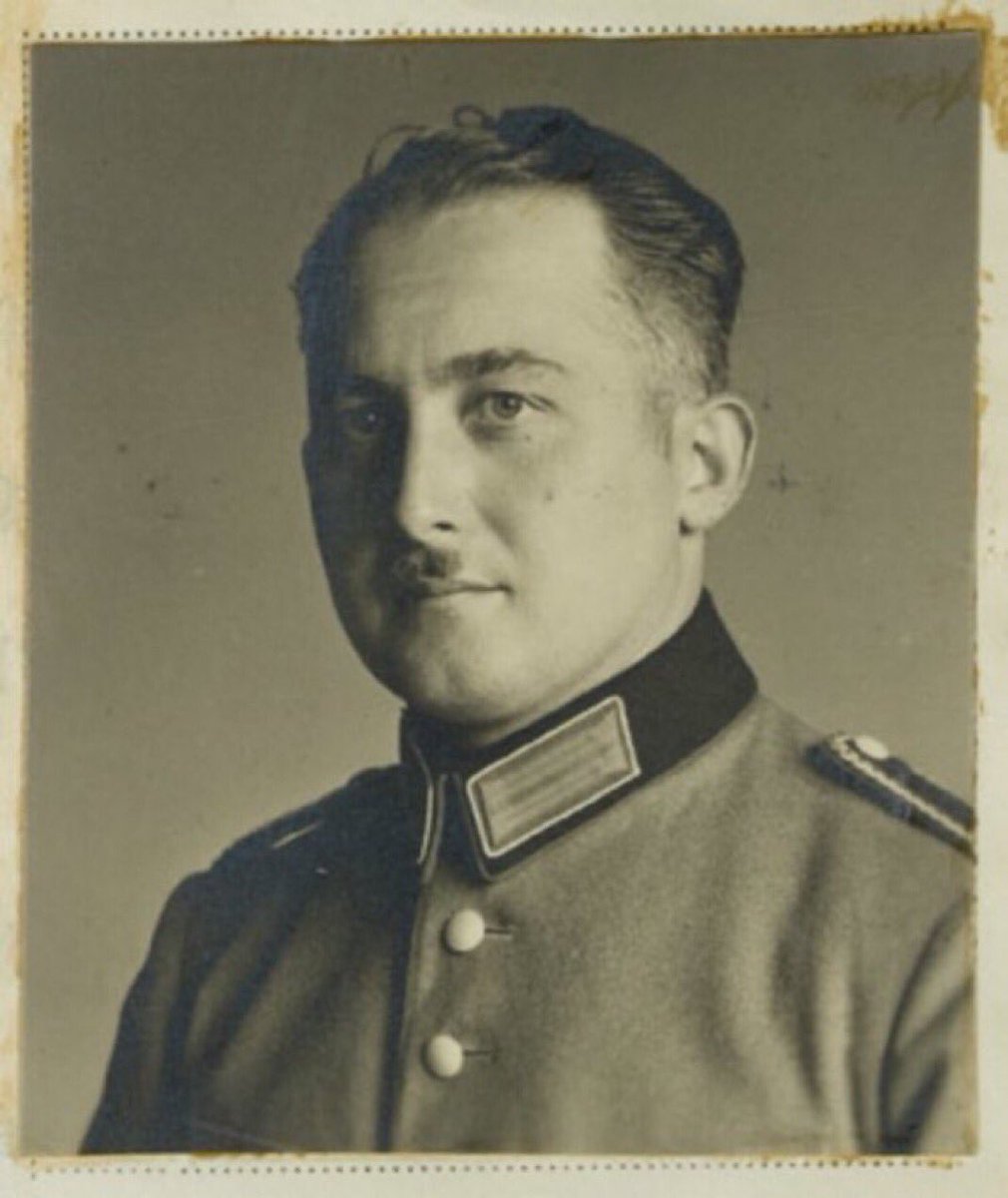
Oswald Bosko, policeman from Vienna.
When the Krakow ghetto was dissolved in 1943, he saved small Jewish children from murder. He hid them in sacks & carried them out of the ghetto. The Nazis found out in 1944 & murdered him. Bosko is named "Righteous Among the Nations" 1/n 🧵
2/n Bouska (called in some sources Bosko) was a police sergeant in a high-ranking position in the unit assigned to the Krakow ghetto. By the time of his deployment he was a fervent Nazi, but when he saw the treatment of the Jews, he was soon disenchanted and became known for his
3/n fair treatment of Jews, and for turning a blind eye when food was smuggled in from outside the ghetto. He even allowed the escape of some Jews who were to be deported. One of Bouska’s friends was Julius Madritsch (recognized as Righteous Among the Nations), manager of a
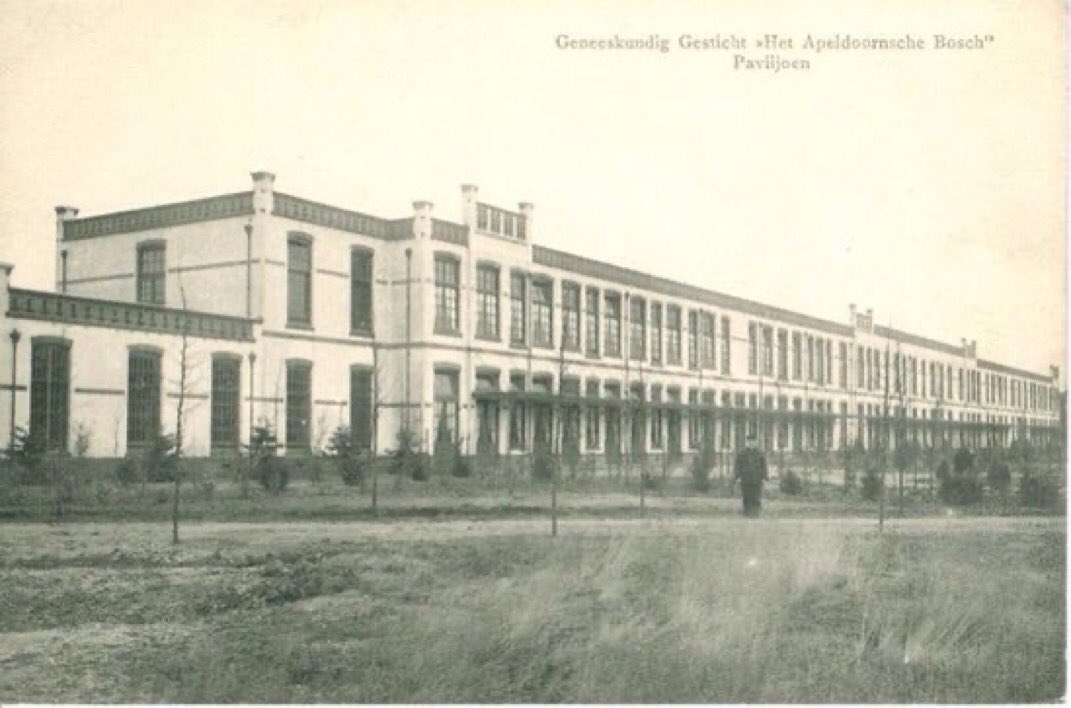
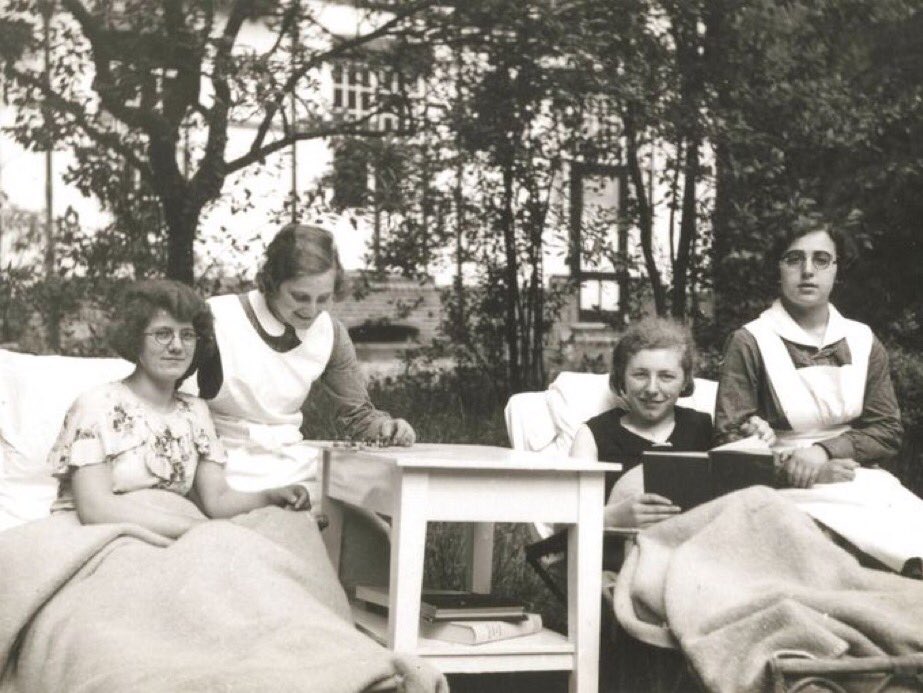
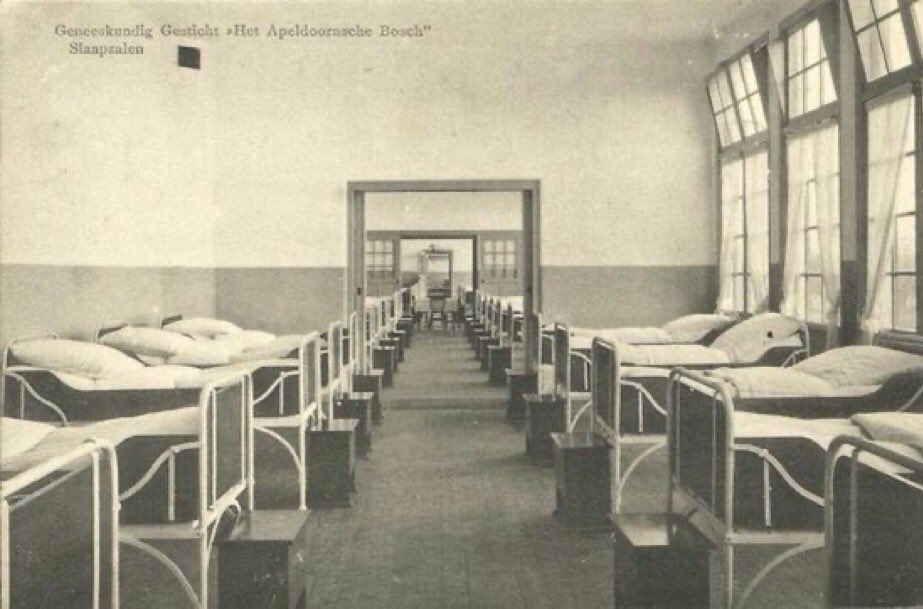
The story of the Apeldoornsche Bosch 1/n Jewish psychiatric institution 'The Apeldoornsche Bosch' has gone down in history as a location where a terrible war drama took place. On January 22, 2023 it was 80 years since the institution was evacuated by the Germans in World War II.
2/n More than 1300 Jews were taken to Auschwitz, where they were murdered. The Apeldoornsche Bosch was a Jewish psychiatric institution, located on the Zutphensestreet in Apeldoorn from 1909 to 1943. At first it seemed that the Nazis would leave Apeldoornsche Bosch alone.
3/n That is why the institution in Apeldoorn was also called 'Jews' heaven'. On Wednesday, January 20, 1943, the Ordedienst of Camp Westerbork appeared. A freight train with 40 wagons was prepared at Apeldoorn station. Half of the staff fled that night and went into hiding.
Stefania Podgórska grew up in a Catholic farming family. She began working in a store owned by the Jewish couple Lea and Izaak Diamant in Przemyśl in 1938.
2/n In 1939 the Wehrmacht occupied parts of Przemyśl, taking over the whole city in June 1941. Lea and Izaak Diamant were persecuted and had to move into the ghetto with their three sons in 1942. Stefania Podgórska defied a ban to take food
Stefania with her sister Helena, 1943
3/n to her former employers in the ghetto, until they were deported in 1943.
Stefania Podgórska found a hiding place for Maksymilian, one of the Diamants’ sons, in the attic of a vacant house. She and her seven-year-old sister Helena moved
1/n On October 7, 1944, prisoners assigned to Crematorium IV at the Auschwitz-Birkenau killing center rebel after learning that they were going to be killed.
For months, young Jewish women, like Ester Wajcblum, Ala Gärtner, & Regina Safirsztain, had been smuggling small amounts
2/n of gunpowder from the Weichsel-Union-Metallwerke, a munitions factory within the Auschwitz complex, to men and women in the camp’s resistance movement, like Róza Robota, a young Jewish woman who worked in the clothing detail at Birkenau. Under constant guard, the women in
3/n the factory took small amounts of the gunpowder, wrapped it in bits of cloth or paper, hid it on their bodies, and then passed it along the smuggling chain. Once she received the gunpowder, Róza Robota then passed it to her co-conspirators in the Sonderkommando, the special
Miep Gies (Februari 15, 1909 – Januari 11, 2010) 1/n Miep was born in 1909, in Vienna. During World War One, when she was very young, she didn’t have enough food and as a result, Miep often became ill.
In 1920 a Dutch family offered to look after her and help her get better.
2/n Miep’s parents thought that this was the best thing for her and that Holland would be a safe place for her to be.
When she was older, Miep started working for a Jewish man called Otto Frank.
Otto had moved to Holland from Germany in the 1930s with
3/n his wife Edith and daughters Margot and Anne. Germany had become dangerous for Jews and Otto thought Holland would be safer.
Jewish people across Europe were being treated unfairly and were losing many of their rights.
Otto Frank, Miep, her husband Jan and their son Paul.