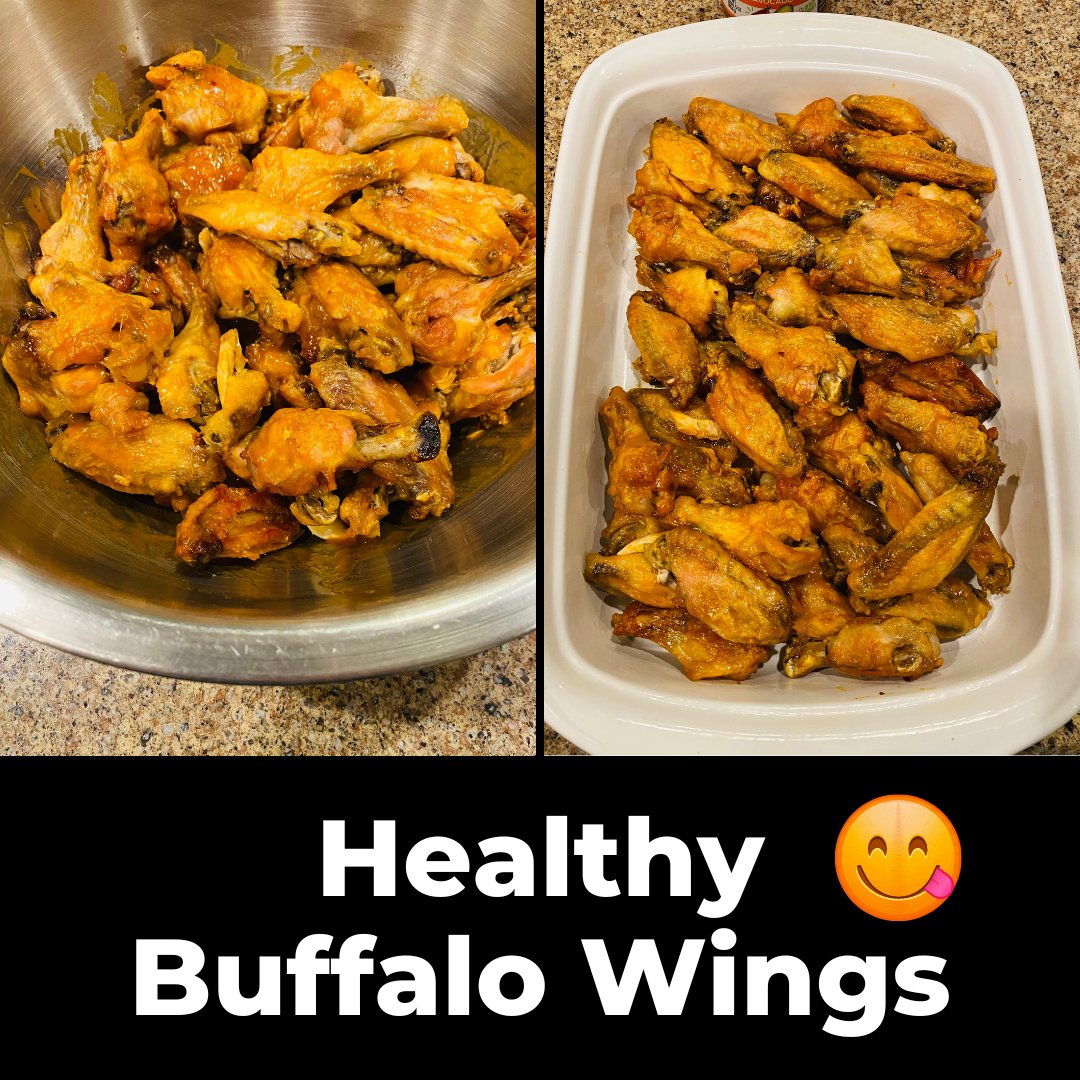
Every day you are eating oils that were only used in industrial machines just 100 years ago.
They're making you fat & destroying your health.
And you don't even realize it.
THREAD
They're making you fat & destroying your health.
And you don't even realize it.
THREAD
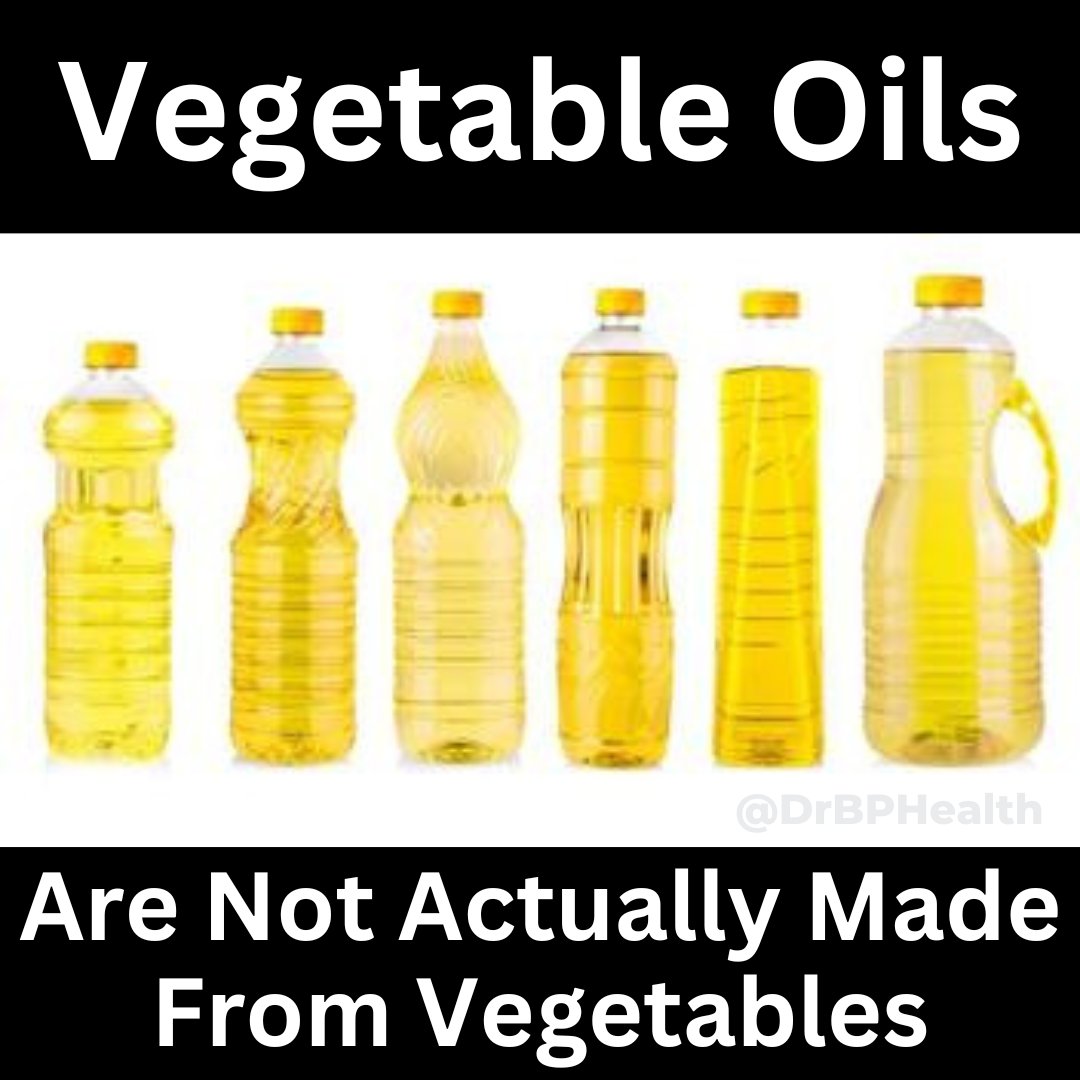
In the 1920s, the percentage of calories that were obtained from "vegetable" oils in the American diet amounted to 0%.
Today, the percentage of calories has
risen to 7-8% of the total calories consumed by the average American.
Today, the percentage of calories has
risen to 7-8% of the total calories consumed by the average American.
First, "vegetable" oils were not originally called vegetable oils.
They were called “seed oils”, and they were only used in industrial machines before the early 1900’s.
I will cover how they became labeled "vegetable oils" later.
They were called “seed oils”, and they were only used in industrial machines before the early 1900’s.
I will cover how they became labeled "vegetable oils" later.
To obtain and use vegetable oils, they all must be chemically extracted from grains, seeds, or beans.
Notice no vegetables are listed above.
Hence, why most countries outside of the U.S. call them “seed oils”.
But why does the U.S. call them "vegetable oils"?
Notice no vegetables are listed above.
Hence, why most countries outside of the U.S. call them “seed oils”.
But why does the U.S. call them "vegetable oils"?
They were given the name “vegetable oil” because the word “vegetable” appeared to be healthier when marketing the products.
“Seed oil", “grain oil”, and “bean
oil” just doesn’t sound as healthy in marketing!
But ultimately, “vegetable" oils are industrial seed oils.
“Seed oil", “grain oil”, and “bean
oil” just doesn’t sound as healthy in marketing!
But ultimately, “vegetable" oils are industrial seed oils.
So how did they become food?
This goes back to 2 soap makers in the early 1900s, in Cincinnati.
William Procter & James Gamble had historically made soap from rendered pork fat.
Procter & Gamble were innovative and decided to create a new type of soap from seed oils.
This goes back to 2 soap makers in the early 1900s, in Cincinnati.
William Procter & James Gamble had historically made soap from rendered pork fat.
Procter & Gamble were innovative and decided to create a new type of soap from seed oils.
Around the same time they started making seed oil soap, petroleum oil was discovered in Pennsylvania.
Cottonseed oil had long been used for lighting lamps.
Petroleum quickly displaced cottonseed oil as the fuel source for lighting lamps.
Cottonseed oil had long been used for lighting lamps.
Petroleum quickly displaced cottonseed oil as the fuel source for lighting lamps.
Cottonseed oil quickly became a “toxic waste” until the enterprising Procter & Gamble realized that all that unwanted cottonseed oil could be used to produce soap.
But another bonus appealed to their business innovation...
But another bonus appealed to their business innovation...
They learned the oil could be chemically altered via a process called “hydrogenation” to turn it into a solid cooking fat that resembled lard.
Proctor & Gamble filed for two patents in 1908 in America.
Proctor & Gamble filed for two patents in 1908 in America.
In 1911, they came out with the first hydrogenated oil food product.
This product would later be called
Crisco.
That’s how an oil formerly classified as “toxic waste” became an integral part of the American diet in the early 1900s.
This product would later be called
Crisco.
That’s how an oil formerly classified as “toxic waste” became an integral part of the American diet in the early 1900s.
Other vegetable oils followed soon after.
Soybeans were introduced to the United States in the 1930s, and by the 1950s, it had become the most popular vegetable oil in the country.
Canola, corn, and safflower oils followed shortly thereafter.
Soybeans were introduced to the United States in the 1930s, and by the 1950s, it had become the most popular vegetable oil in the country.
Canola, corn, and safflower oils followed shortly thereafter.
The low cost of these cooking oils, combined with strategic marketing on the part of the seed oil manufacturers, made them wildly popular in American kitchens.
Even though their use was unprecedented in human history.
Even though their use was unprecedented in human history.
So how are seed oils made?
It's anything but natural!
The extracted oils have to be refined, bleached & deodorized before they can be consumed by humans
There are essentially 5 Steps:
It's anything but natural!
The extracted oils have to be refined, bleached & deodorized before they can be consumed by humans
There are essentially 5 Steps:
FIRST
The seeds have to be gathered from plants.
These are the most common:
•Soy
•Corn
•Safflower
•Sunflower
•Cotton
•Rapeseed (becomes canola)
The seeds have to be gathered from plants.
These are the most common:
•Soy
•Corn
•Safflower
•Sunflower
•Cotton
•Rapeseed (becomes canola)
SECOND
The seeds are heated to extremely high temperatures
This causes the unsaturated fatty acids in the seeds to oxidize.
Oxidation creates byproducts that are harmful to human and animal health
The seeds are heated to extremely high temperatures
This causes the unsaturated fatty acids in the seeds to oxidize.
Oxidation creates byproducts that are harmful to human and animal health
THIRD
The seeds are then processed with a petroleum-based solvent.
Hexane is commonly used.
This maximizes the amount of oil extracted from the seeds
The seeds are then processed with a petroleum-based solvent.
Hexane is commonly used.
This maximizes the amount of oil extracted from the seeds
FOURTH
Seed oils have a very foul smell when extracted.
Industrial seed oil manufacturers use chemicals to deodorize the oils.
The deodorization process produces trans fats, which are well known to be quite harmful to human health.
Seed oils have a very foul smell when extracted.
Industrial seed oil manufacturers use chemicals to deodorize the oils.
The deodorization process produces trans fats, which are well known to be quite harmful to human health.
FIFTH
More chemicals are added to improve the color of the industrial seed oils
The final product creates an energy-dense, nutrient-poor oil that contains chemical residues, trans fats, and oxidized byproducts.
More chemicals are added to improve the color of the industrial seed oils
The final product creates an energy-dense, nutrient-poor oil that contains chemical residues, trans fats, and oxidized byproducts.
But how in the world did they become "heart healthy" if they have all of these chemicals?
I'm glad you asked ;-)
I'm glad you asked ;-)
In the late 1940s, a small group of cardiologists were members of a small, new organization called the American Heart Association,
They received a $1.5 million donation from Procter & Gamble.
They received a $1.5 million donation from Procter & Gamble.
Due to this generous gift of cash from the makers of Crisco, the AHA now had sufficient funding to grow its national profile as a physician’s organization dedicated to heart health.
Not surprisingly, the AHA was also quick to endorse industrial seed oils.
We now know in the U.S. as “vegetable oils." (as described earlier)
The AHA claimed that seed oils were a healthier alternative to traditional animal fats.
We now know in the U.S. as “vegetable oils." (as described earlier)
The AHA claimed that seed oils were a healthier alternative to traditional animal fats.
During the early 1950s, a physiologist & researcher named Ancel Keys introduced his Diet-Heart Hypothesis.
He presented data that seemed to suggest a link between saturated fat and cholesterol intake and heart disease.
He presented data that seemed to suggest a link between saturated fat and cholesterol intake and heart disease.
In Key's Seven Countries Study, the data supported his hypothesis.
What we later found out, is he left out 15 of the countries that did not correlate with his hypothesis.
I don't think that is how science is supposed to work!
What we later found out, is he left out 15 of the countries that did not correlate with his hypothesis.
I don't think that is how science is supposed to work!
Since animal fats are a rich source of dietary saturated fat and cholesterol, they quickly became the object of Key's hypothesis.
Citing animal fats as “unhealthy,” Keys instead recommended the consumption of polyunsaturated fatty acids (PUFAs)
Also Known As:
Seed oils
Citing animal fats as “unhealthy,” Keys instead recommended the consumption of polyunsaturated fatty acids (PUFAs)
Also Known As:
Seed oils
Keys’ hypothesis & suggestions aligned with the industrial seed oil industry’s motives—to get people to eat more seed oils!
Soon, there were ads for “heart-healthy” margarine (a solid form of vegetable oil) and other seed oils became commonplace
Soon, there were ads for “heart-healthy” margarine (a solid form of vegetable oil) and other seed oils became commonplace
Healthy, traditional fats were demonized.
Saturated fats were labeled as "heart clogging".
And then general public accepted this "truth" since it came from scientists and national organizations.
Saturated fats were labeled as "heart clogging".
And then general public accepted this "truth" since it came from scientists and national organizations.
During the last 100 years, heart disease and cancer rates have risen as the public has consumed less saturated fat, increased its carbohydrate intake, and greatly increased the consumption of seed oils.
Obesity rates have mirrored the same substantial climb.
Now 2 out of every 3 Americans are overweight.
Half of those are clinically obese!
Every country that follows our western food habits quickly begins to have the same increase in weight & diseases.
Now 2 out of every 3 Americans are overweight.
Half of those are clinically obese!
Every country that follows our western food habits quickly begins to have the same increase in weight & diseases.
Luckily, you can do something about it to improve and maintain your health.
The research is now overwhelming that you should not consume these types of oils.
And you should consume traditional foods with saturated fats.
The research is now overwhelming that you should not consume these types of oils.
And you should consume traditional foods with saturated fats.
Here are the healthy fats you should consume:
•Animal fats/lard/tallow
•Fish oil
•Coconut oil
•Olive oil
•Avocado oil
•Avocados
•Macadamia oil
•Tree Nuts
These have been consumed for millennia by humans.
•Animal fats/lard/tallow
•Fish oil
•Coconut oil
•Olive oil
•Avocado oil
•Avocados
•Macadamia oil
•Tree Nuts
These have been consumed for millennia by humans.
Also, they do not have to be chemically extracted to be obtained and consumed.
And these do not produce inflammation in the body as seed oils do.
In fact, the above-listed healthy fats lower and help regulate inflammation in the body.
And these do not produce inflammation in the body as seed oils do.
In fact, the above-listed healthy fats lower and help regulate inflammation in the body.
There's a transformative habit I would highly encourage you to pick up:
=> Eliminate seed oils from your diet.
It will have one of THE largest impacts on your health!
Additionally, you will notice a difference in how you feel within 2 weeks.
Guaranteed.
Just try it.
=> Eliminate seed oils from your diet.
It will have one of THE largest impacts on your health!
Additionally, you will notice a difference in how you feel within 2 weeks.
Guaranteed.
Just try it.
If you like these types of tweets, follow me.
I love sharing & helping people!
If you think this could help someone, please retweet the first tweet in the thread, provided below.
Thank you for reading!
I love sharing & helping people!
If you think this could help someone, please retweet the first tweet in the thread, provided below.
Thank you for reading!
https://twitter.com/DrBPHealth/status/1758106450361016496
• • •
Missing some Tweet in this thread? You can try to
force a refresh