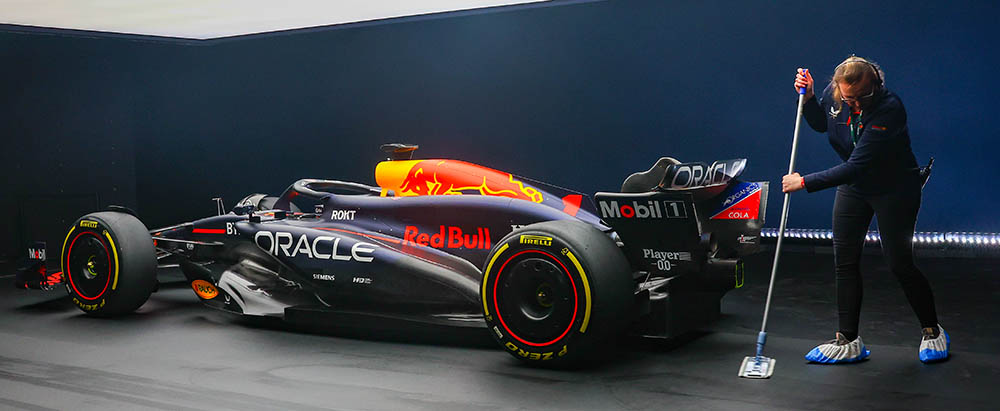
The Red Bull RB20 is something of a mystery machine, despite having been shaken down at Silverstone a while ago very few pictures of it are in circulation at the moment. Short tech observation thread.
#F1Testing #F12024 #F1 #RB20
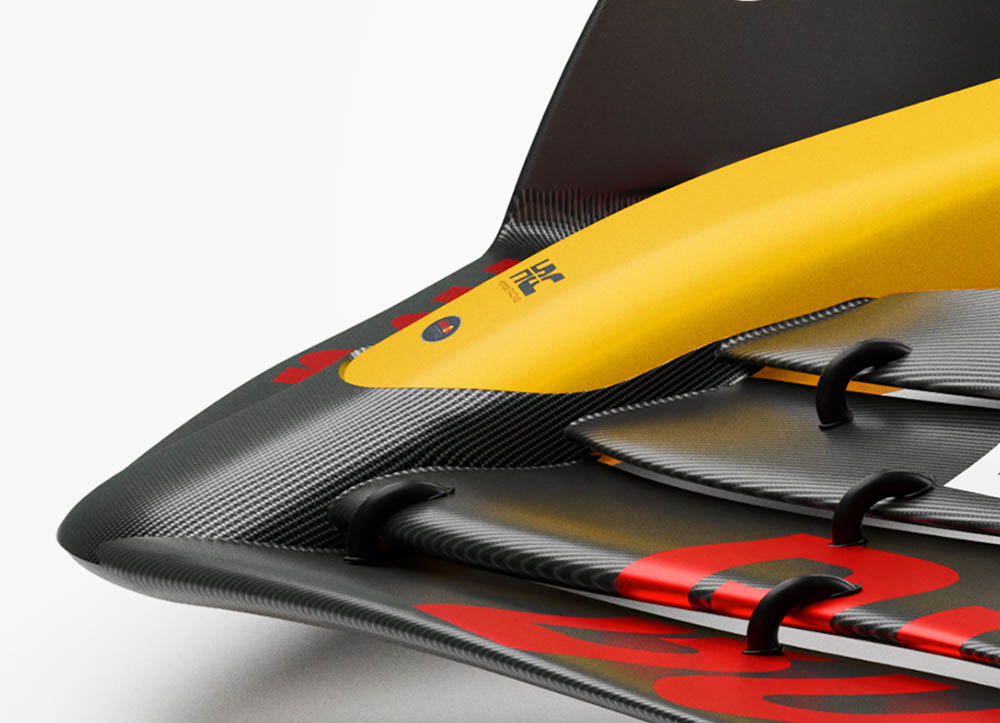
While Red Bull did issue some launch renders these are never particularly reliable sources, so I’m not going to use those much here.
Despite having already had a shakedown Red Bull did hold a proper launch for the RB20, though how much of the car that was revealed is actually the true RB20 is unclear. Despite this let’s take a closer look.
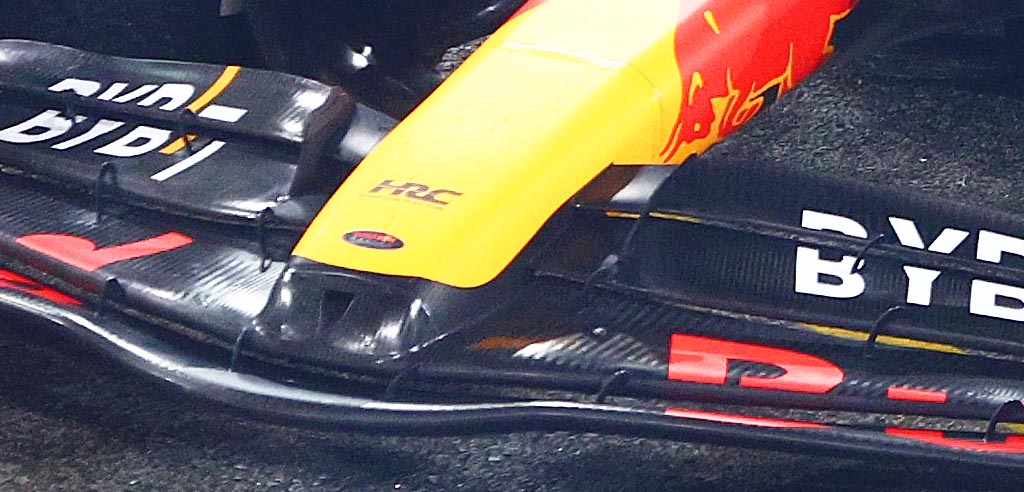
The nose of the launch spec RB20 is quite interesting, as most of the field has adopted a RB19 inspired short nose, Red Bull has switched to a longer nose picking up on the leading element of the front wing.
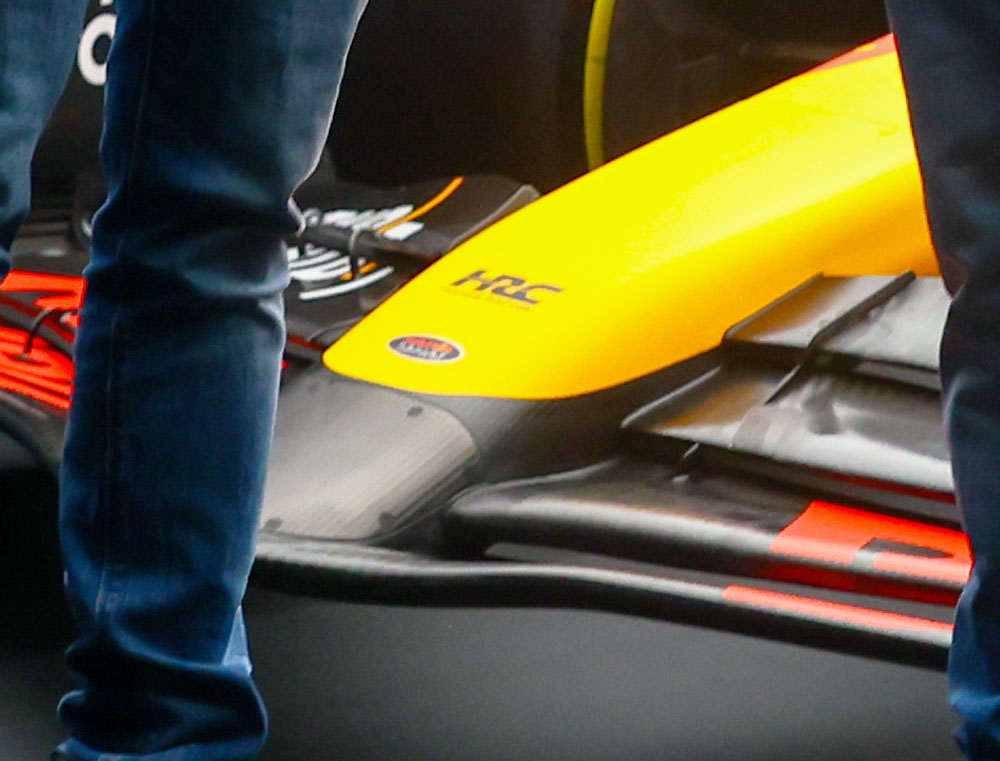
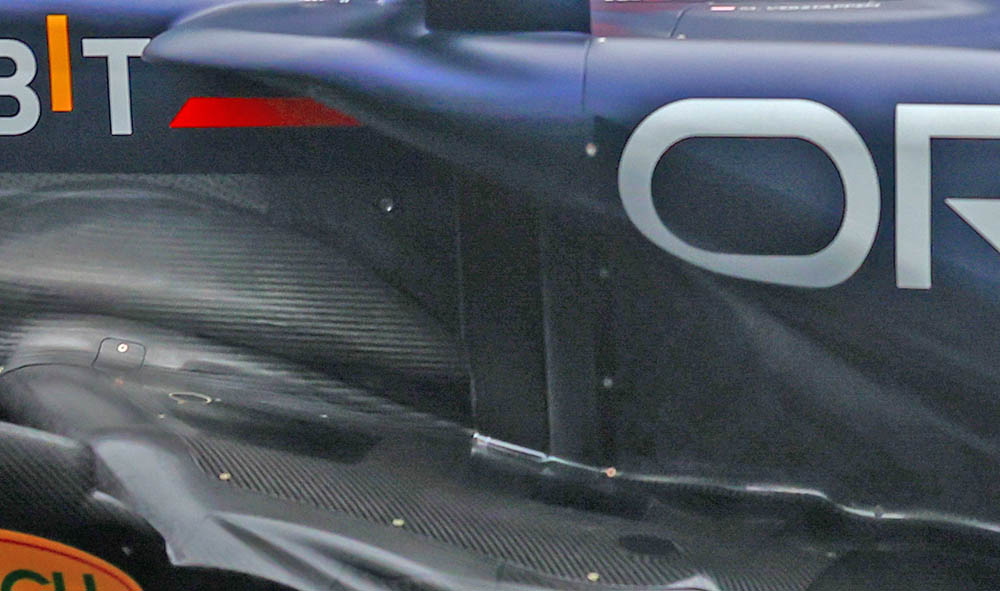
As expected by everyone Red Bull has retained its pull rod front suspension layout. Likely giving a front bulkhead layout similar to the RB19 (pictured)
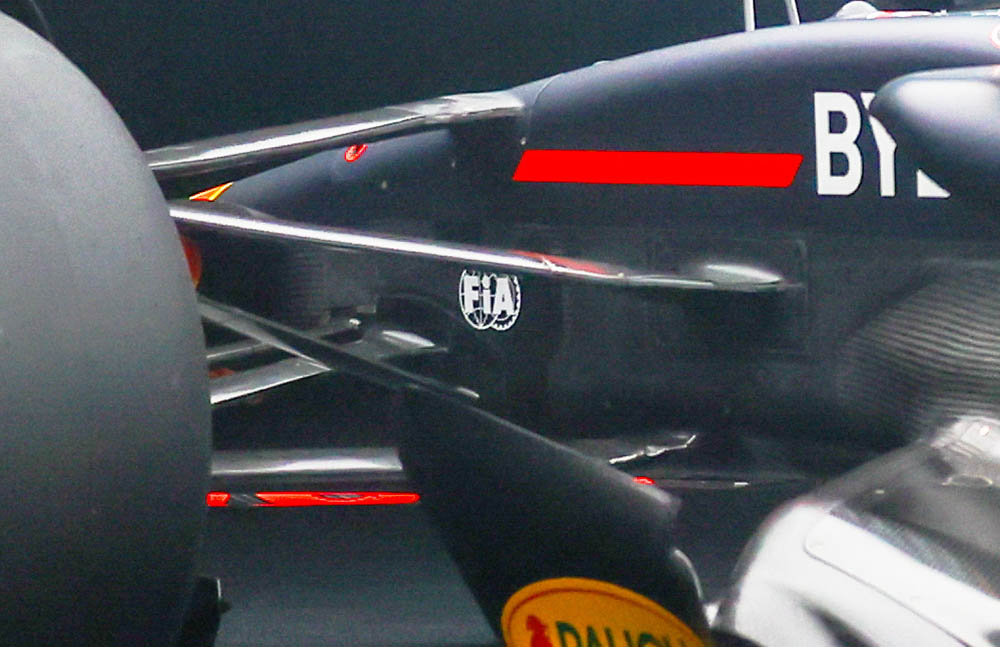
The real interest in this car starts behind this point, and the overall design is more than slightly reminiscent of the early season Mercedes W14.
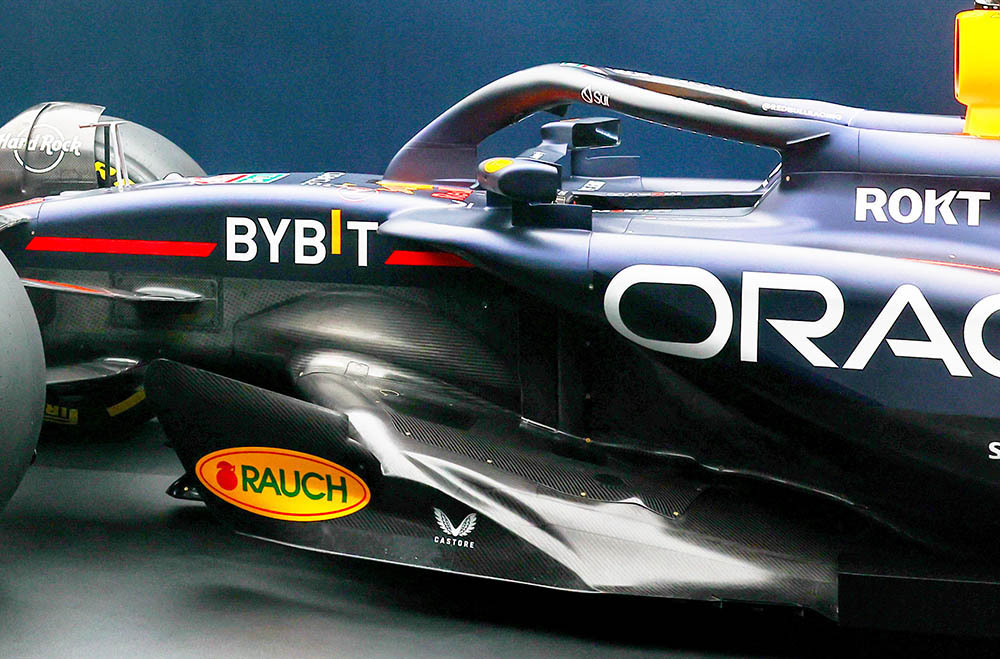
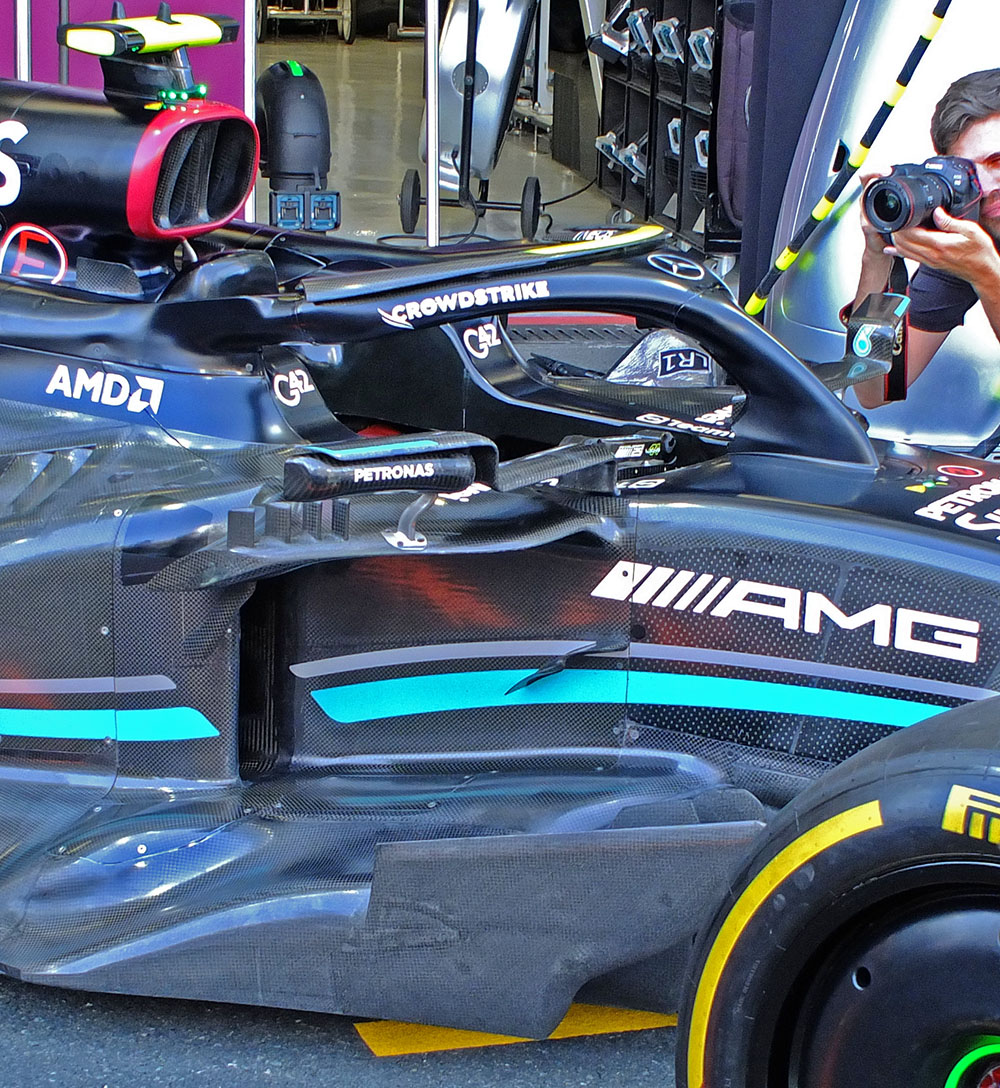
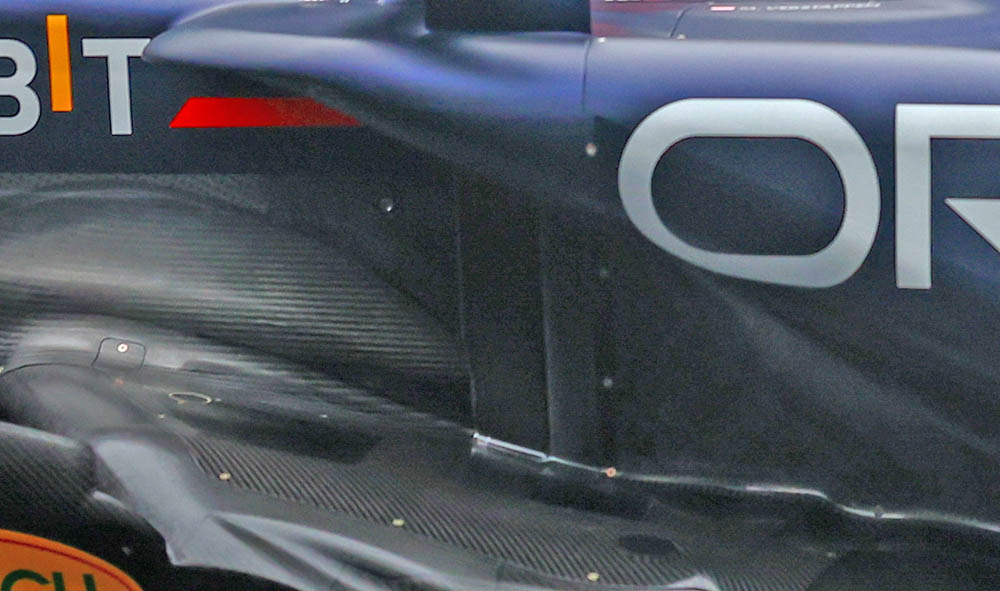
While Red Bull has gone to some lengths to prevent anyone getting a proper look at the car in some images it appears to have a vertical sidepod inlet, very similar to the ‘zero pod’ Mercedes last year.
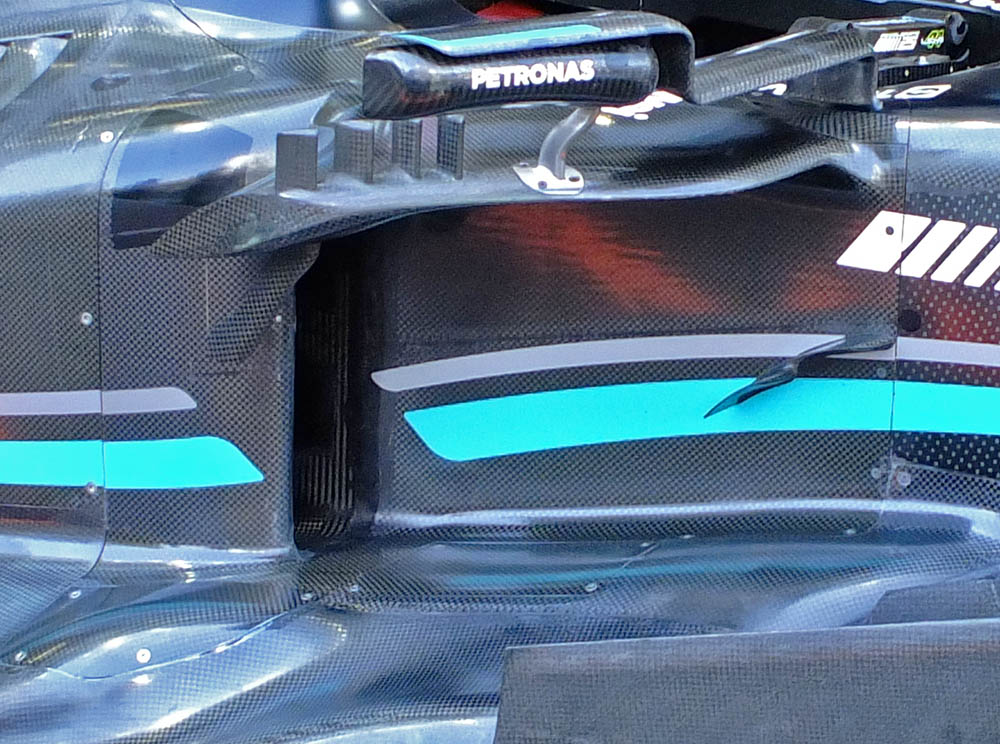
Notably the RB20 does not feature the protruding lower edge of the sidepod duct, and instead has an upper extension, rather like the W14.
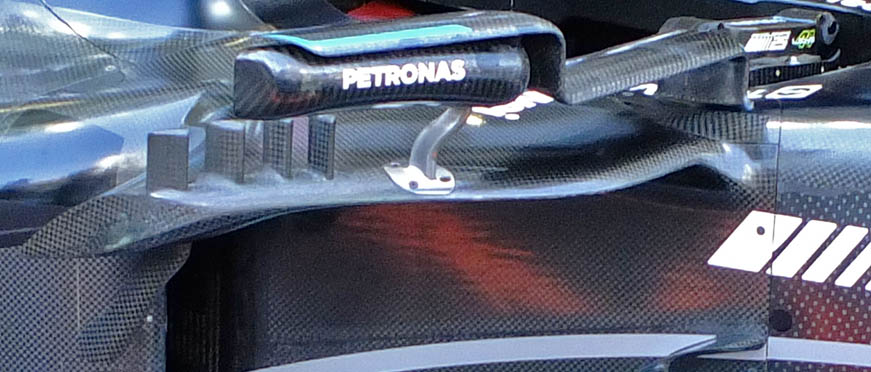
Crucially on the W14 this extension housed the upper side impact structure, on the Red Bull it does not.
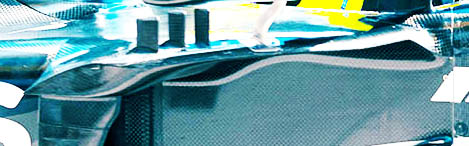
The zero pod concept was possible on the Mercedes as a result of some clever spaceship derived cooler technology as well as moving the cockpit slight further forward, something Lewis Hamilton disliked.
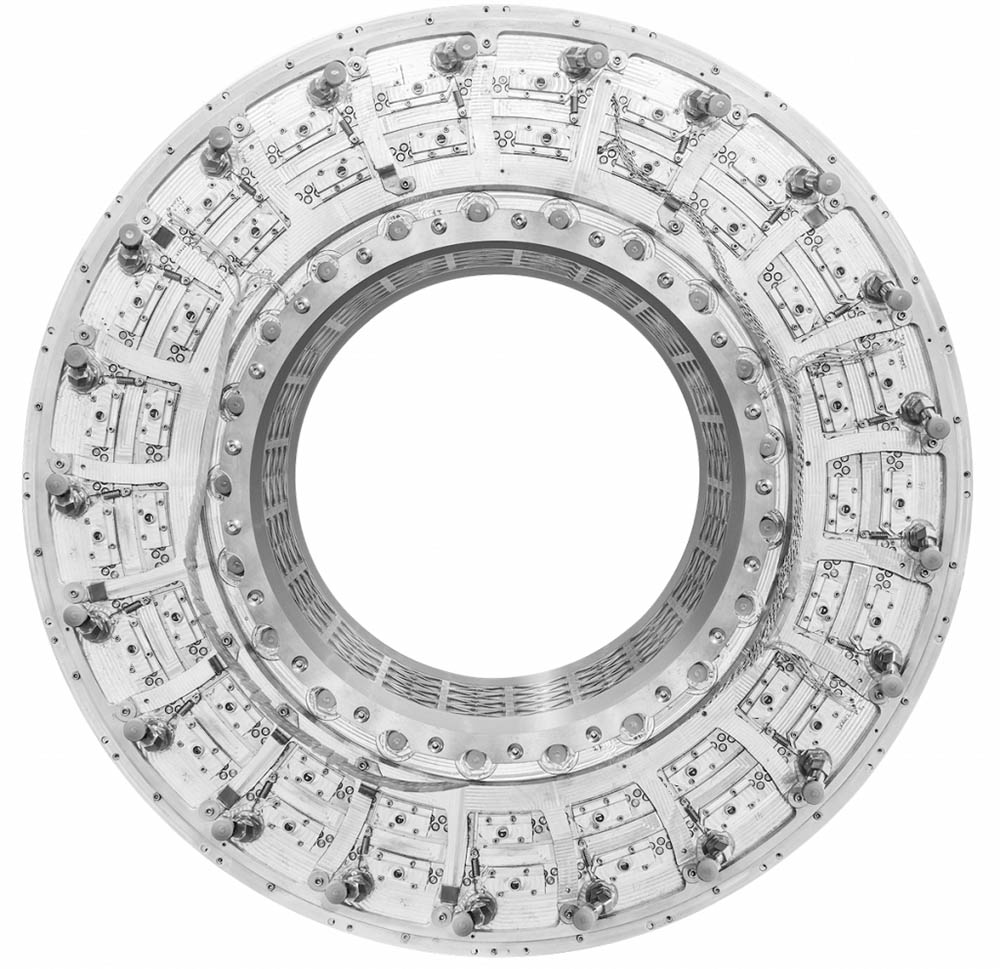
It is not clear if Red Bull and Honda now have access to the same cooling technology, or if the RB20 cockpit has shifted (first impression is that it has not - but hard to say).
Of course this assumed that Red Bull has copied the Mercedes layout and technology and that is far from certain. Rumours of a major upgrade in this area at Suzuka abound - so lets wait and see.
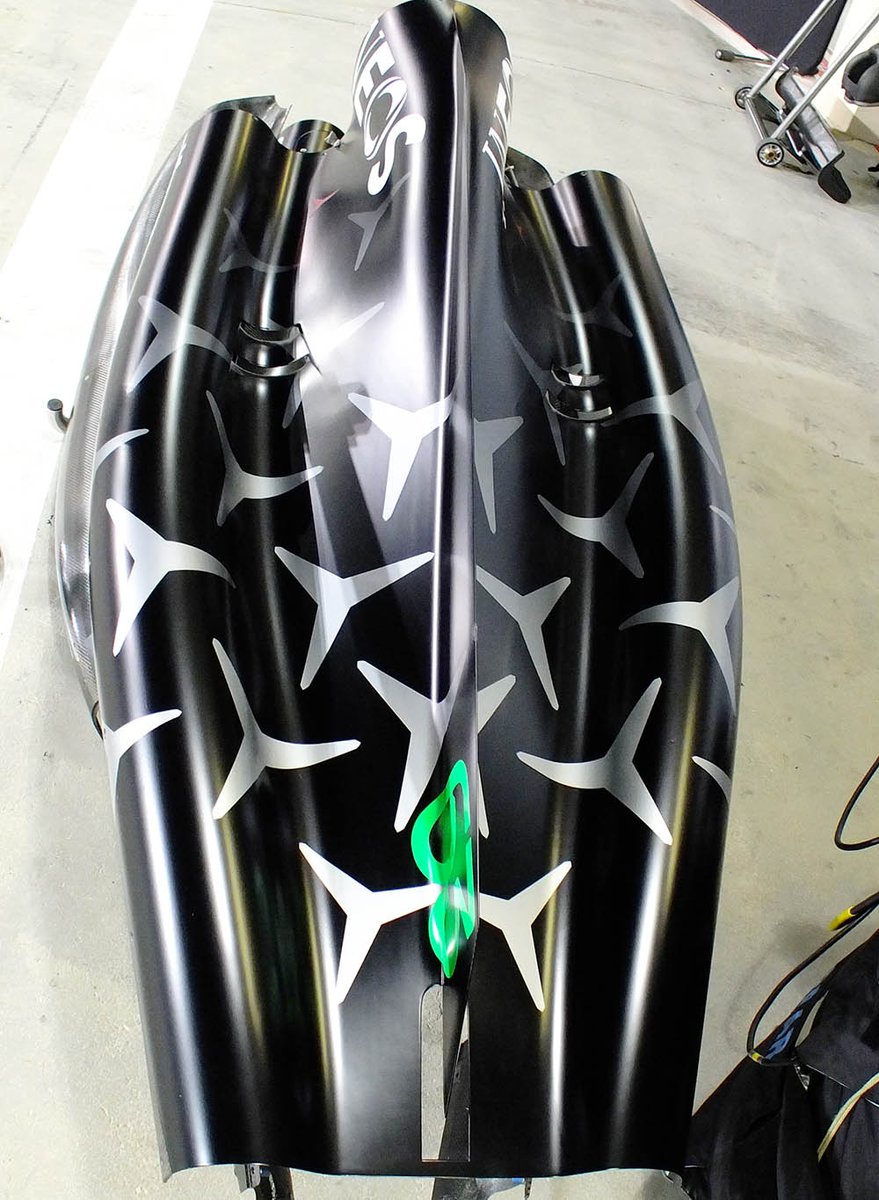
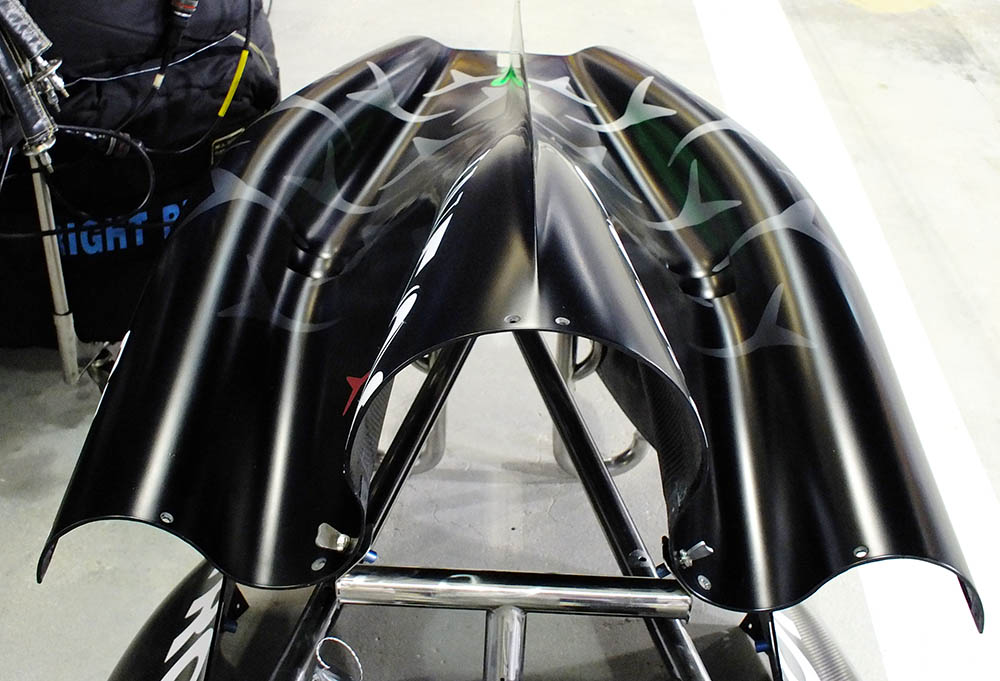
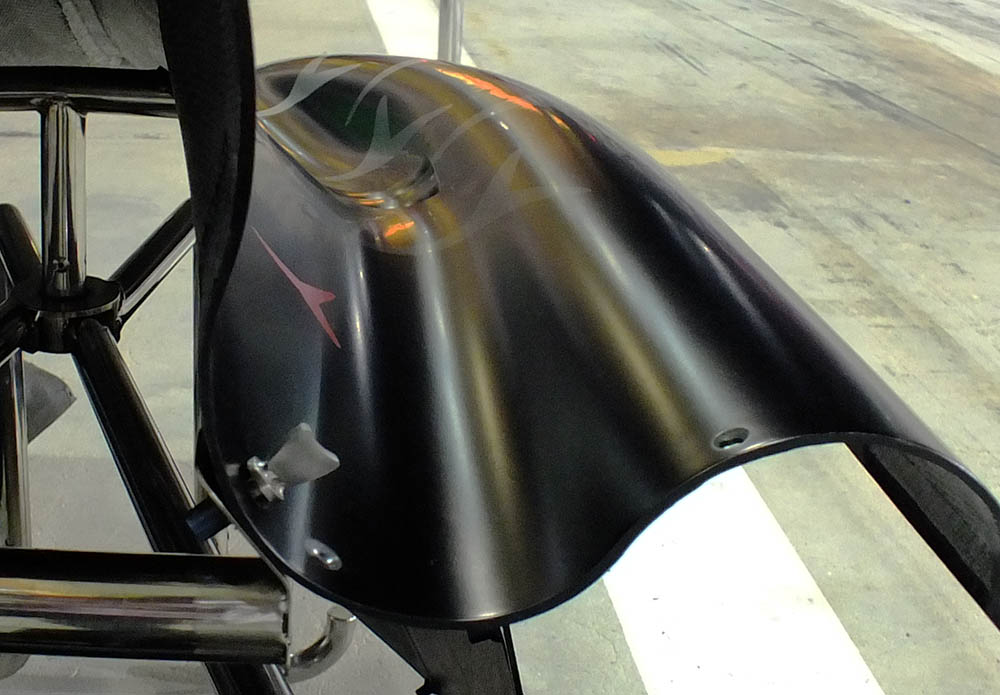
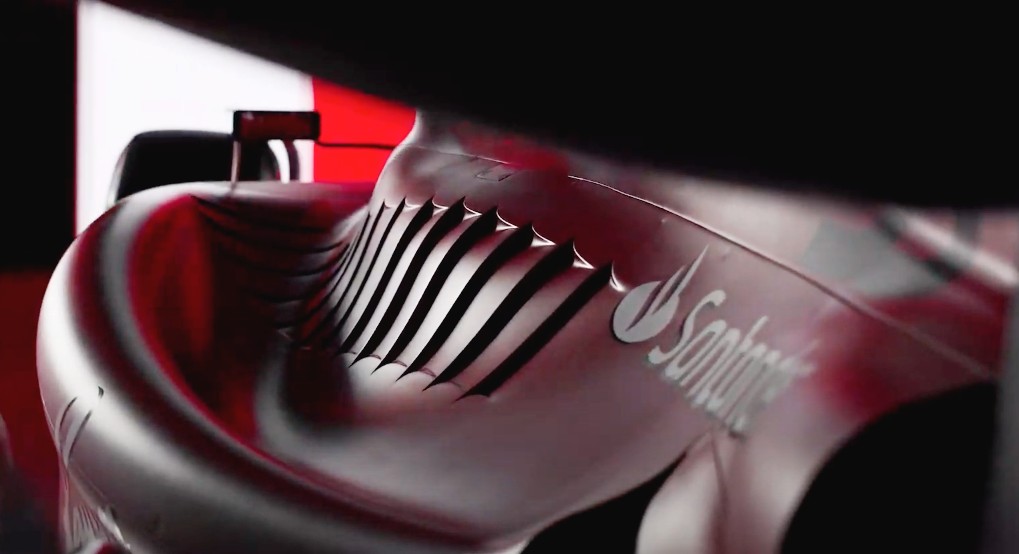
Looking at the rear engine cover this clearly is directly inspired by the W14, the drag reducing shape is clear to see. The bulges don’t really house anything, their purpose is purely aerodynamic.
This shape itself is inspired by the 2022 Ferrari F1-75 sidepods!
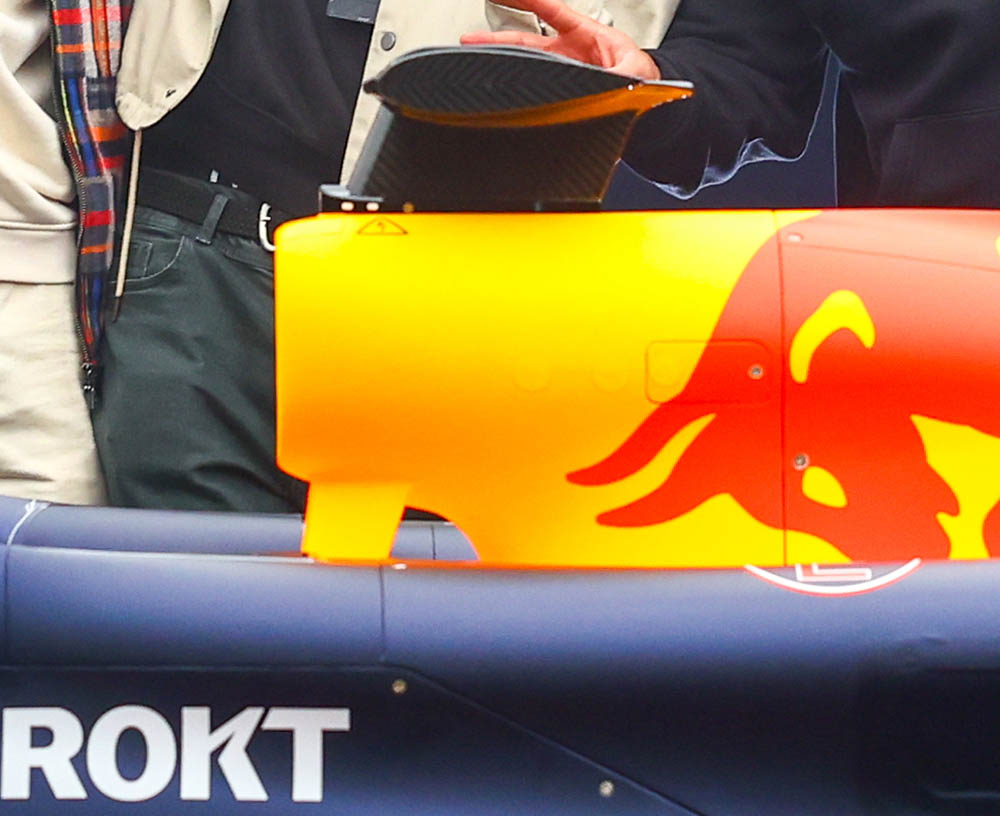
Looking at the sidepod from the rear it is clear that the launch spec RB20 is really only vaguely indicative of the real thing (note the floor edge). A small bulge to house the lower side impact structure can be seen.
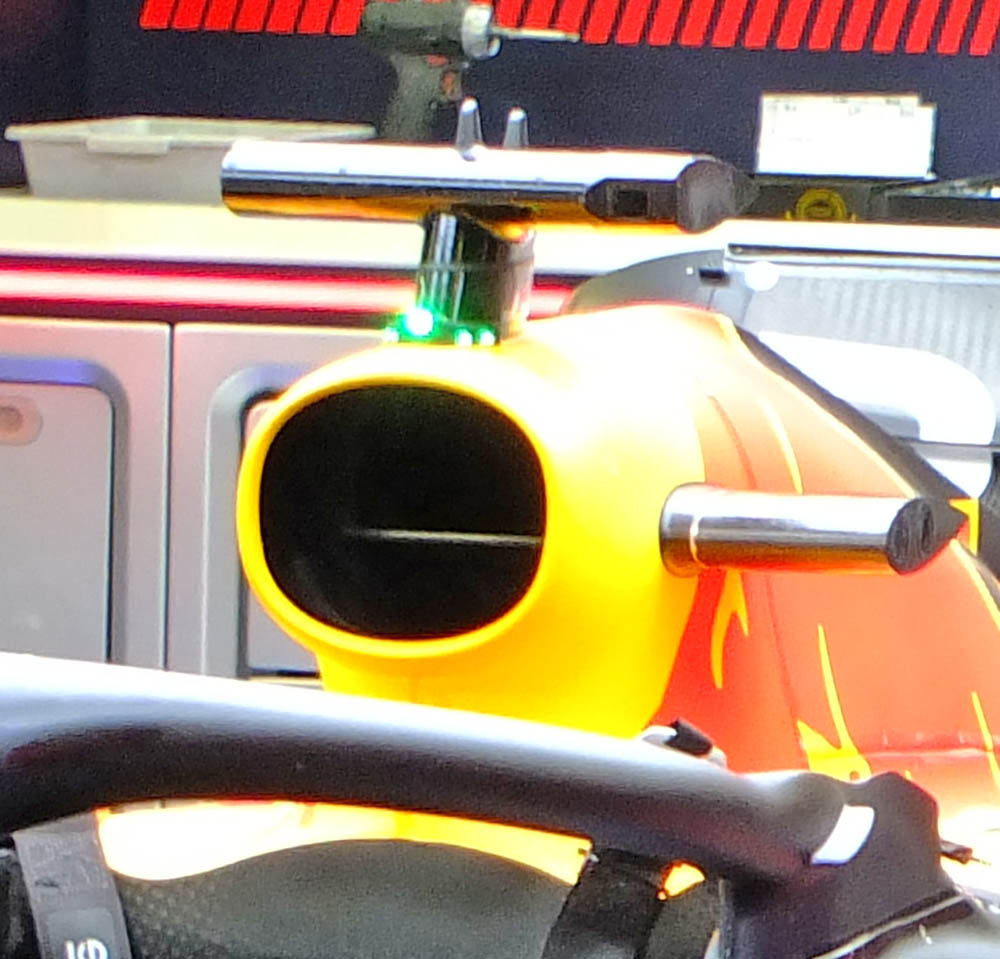
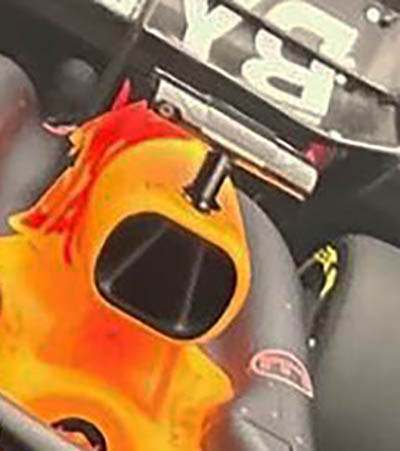
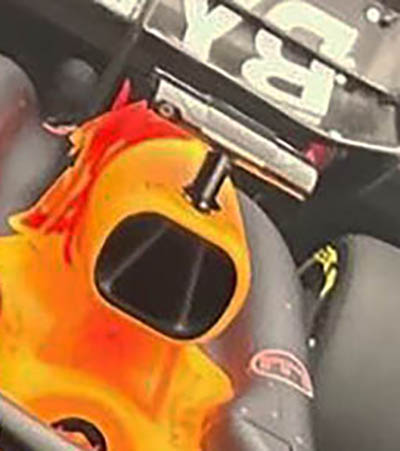
The roll hoop and airbox on the RB20 has been significantly altered, with a slightly more rectangular shape, and an A shaped roll over structure, suggesting an increase in centre line cooling.
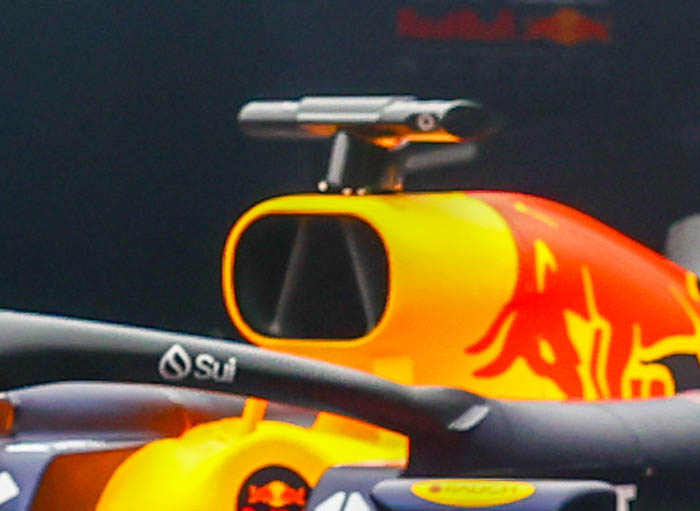
The single thin central support has been replaced with twin remote supports. Possibly as a result of rule changes in this area.
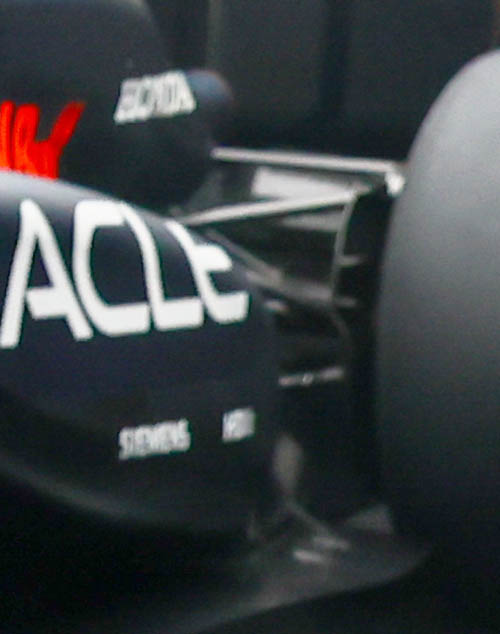
Just a quick glimpse of the rear push rod suspension.
I think that I’ll leave it there for now until we get a proper look at this car in Bahrain.
• • •
Missing some Tweet in this thread? You can try to
force a refresh

Aston Martin issued a few low quality renders of its 2024 F1 car, the #AMR24, before taking the real thing out on track at Silverstone - so here is a Technical Observations Thread. #F1 #AstonMartin #F12024
Aston Martin claim that the team hope to be fully in the development fight this season, last year the team’s development stalled out badly and the AMR23 became less competitive.
Starting at the front of the car the AMR24 features a new approach with its nose tip, which picks up on the second element of the front wing, rather than the leading element as was the case on the AMR23.
The RB team (previously known as Alpha Tauri, Toro Rosso and Minardi), launched its latest F1 car recently. So here is a Technical Observations Thread. #F1 #F12024 #VCARB01
The VCARB01 was developed in the Red Bull wind tunnel, at the old RAE Bedford facility in England, it utilised the oldest wind tunnel in the UK - more on that here -
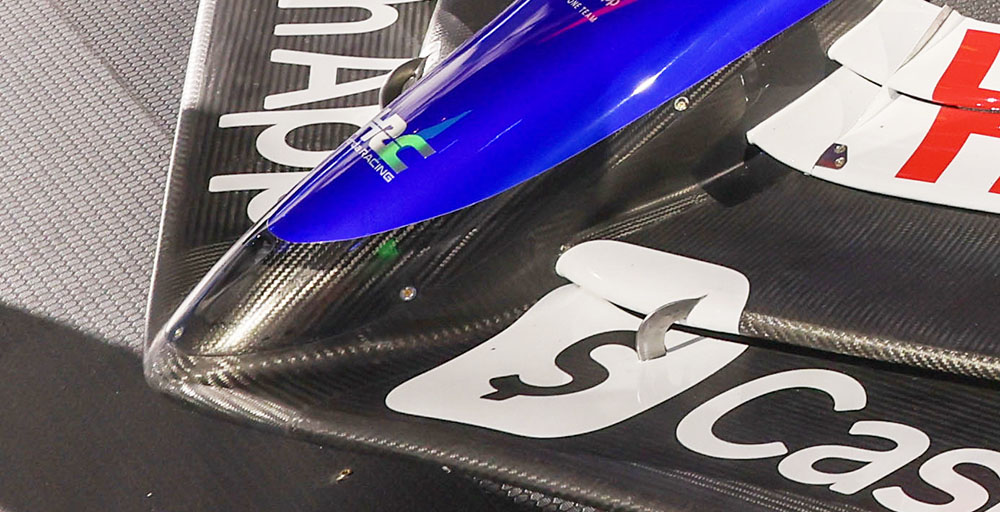
Starting at the front of the car the shape of the nose tip is notable in that it seems to have largely carried over from the AT04. Meeting the leading element of the front wing, note the NACA style driver cooling inlet.
Alpine was the first F1 team to reveal an actual 2024 car releasing some images of the car at its UK factory. The Alpine A524 - it is the fifth Alpine #F1 car design. Tech observations thread. I only do these when there is a real car to look at - so far Alpine is the only one!
At first glance the car seems to have a lot in common with the late season A523, but according to the team the new car is a “brand-new concept created for the next two seasons.” This may suggest that the chassis may carry over into next season.
The team continues to state that the A524 “is marked by innovative solutions as a result of learnings from previous iterations. The bold approach will allow the team to apply a stronger development path across the next two campaigns before the radical change in technical regs”
A question we get all the time on #F1Live is why do @WilliamsRacing not have the dash display on the steering wheel like everyone else - very short thread to answer that:
#F1 #BritishGP
I put that question to @paddylowe when he was in charge at Williams - this is what he told me: "I don’t actually remember the history of how all the other teams migrated to having the dash on the steering wheel, or indeed why they did it"....
"It was probably driven by the drivers saying they wanted that, it was a trend or a fashion that started somewhere – some of these things are just a fashion not for any technical merit. I never really got it, for me the right place for the dashboard is on the car, not the wheel"
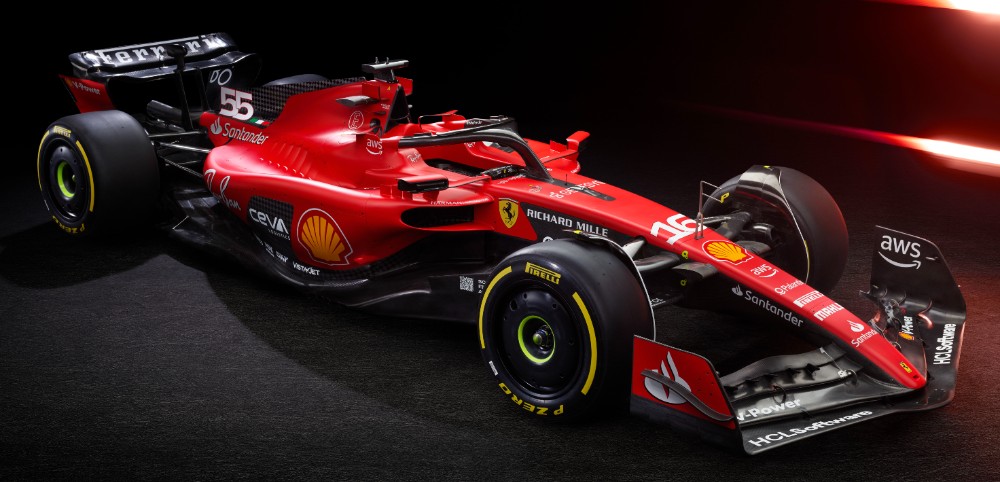
Ferrari launched its 2023 #F1 car yesterday, and ran it for the first time on the Fiorano circuit after the formal launch. Looking over the initial photos I thought I’d share some thoughts and observations in this Tech Thread. #Ferrari#F12023
Starting at the front Ferrari has changed its nose concept, with the blunter tip no longer meeting the forward most wing element as was the case with the F1-75 (shown for comparison). Instead it joins the second element, while the leading edge has a noticeable dip in the centre.
The nose tip has a rectangular driver cooling slot, note the small circular fastener below it. There is a pocket for ballast in the centre of the leading edge of the front wing element. The NACA style shape of the F1-75 has been dropped.
So - @redbullracing's wind tunnel really is a relic of the Cold War and the oldest in use in Formula 1. As promised in Feb, and in the wake of the comments made by Christian Horner yesterday I thought I would do a short thread on its history... #F1
The tunnel was first built as part of the Royal Aeronautical Establishment facility at Thurleigh Airfield near Bedford, England. Construction on the Twinwoods Farm site started in 1947, and its aim was to advance British military aviation technology.
When completed the site featured five wind tunnels able to test aircraft from speeds between 80mph and Mach 5. It was located near RAF Thurleigh (now @MSV_BA)