BaA43A3aHY Profile picture
Feb 26, 2024 27 tweets 8 min read Read on X
McDonnell F-4 Phantom II - The Flying Brick 🧵

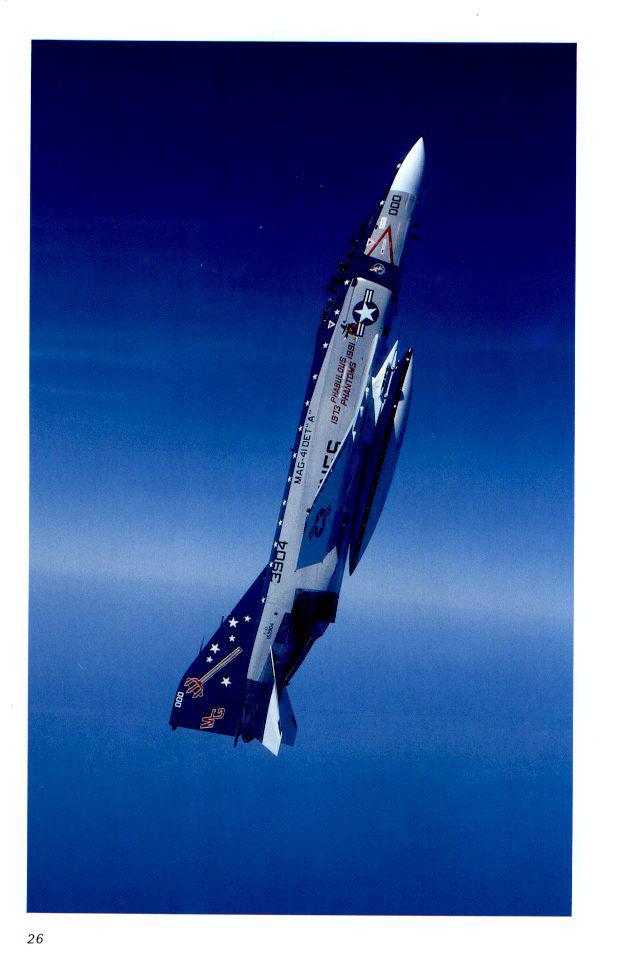
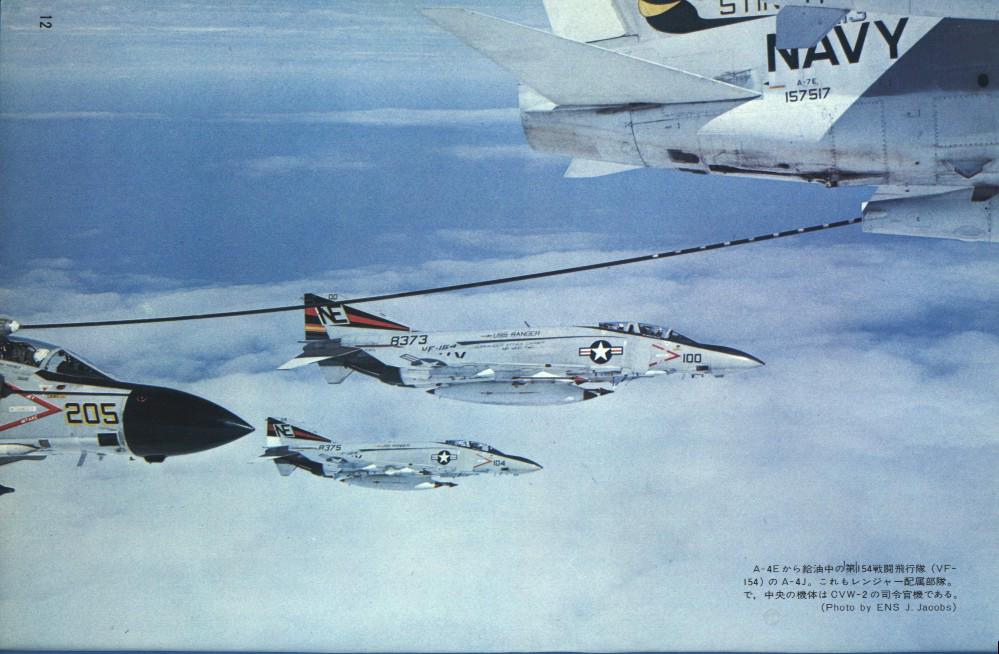
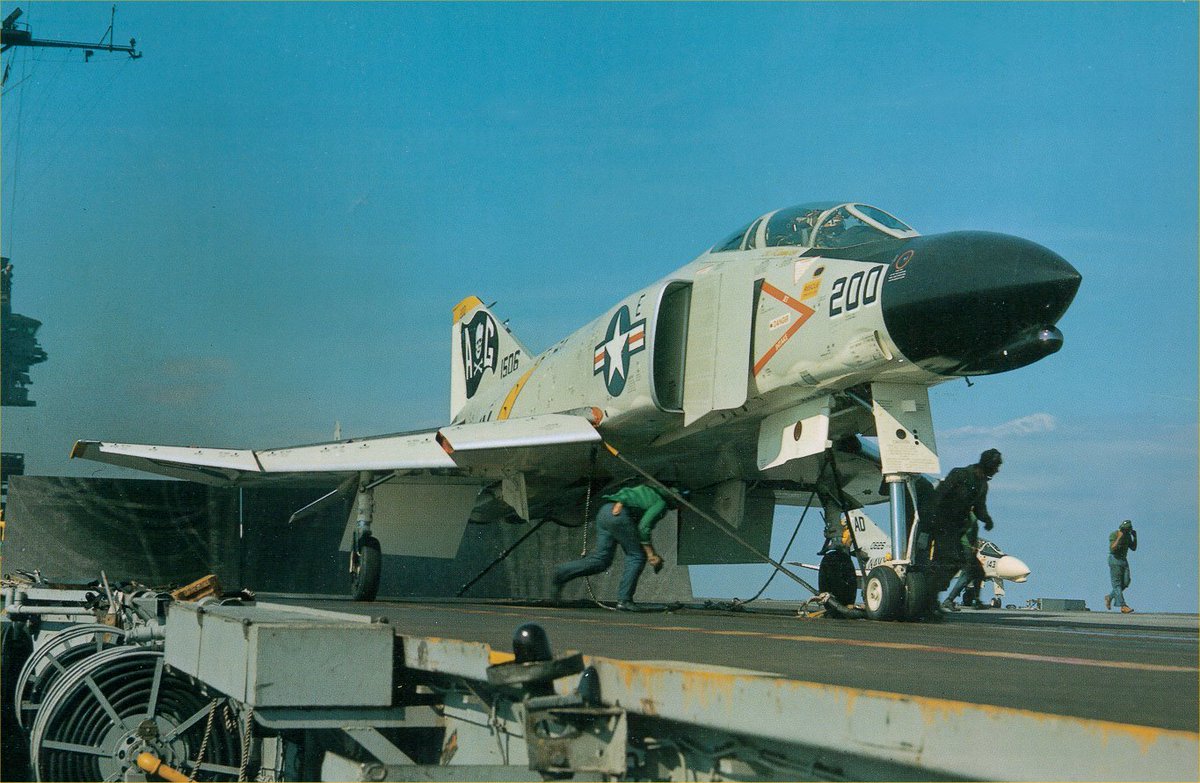
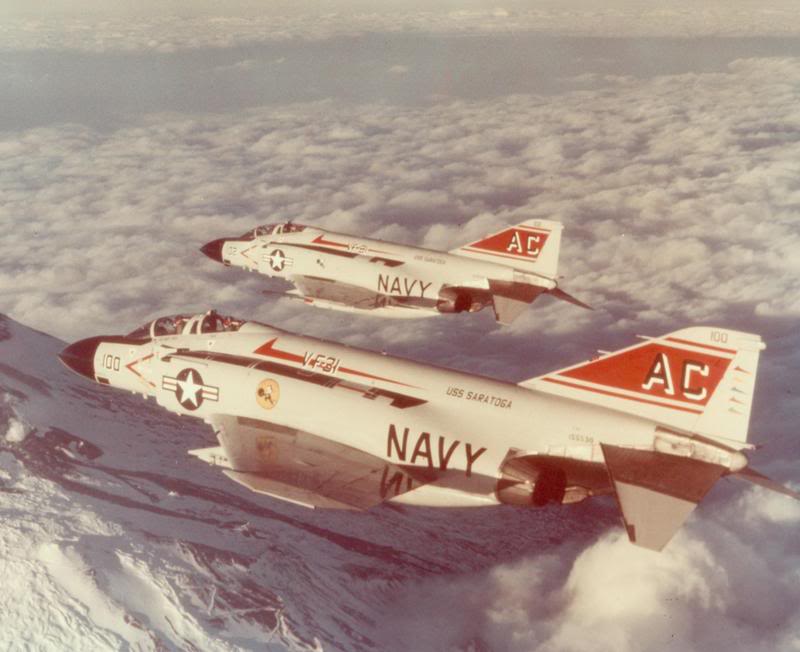
When trying to read about the F-4 Phantom II, I come across the expressions like "the triumph of thrust over aerodynamics" or "even a brick can fly if you stick a big enough engine on it". Image
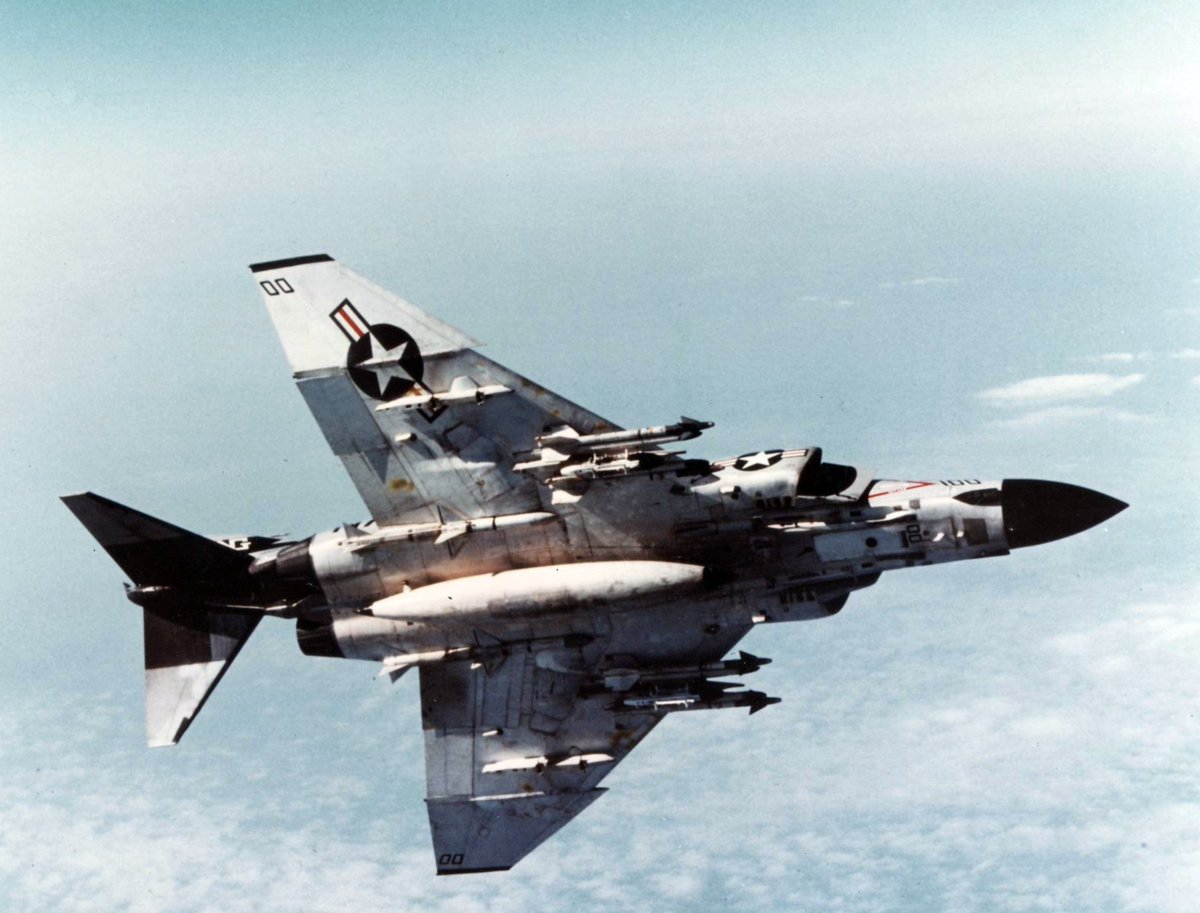
Even the president of the McDonnell Douglas aircraft company, George S. Graff mentions this at the minute mark 21:48!
So I started to wonder if the F-4 Phantom has mediocre aerodynamic properties? I decided to first search for its minimum CD₀ (zero lift drag coefficient). The first source that I checked was "Quest for Performance: the Evolution of Modern Aircraft" by L. K. Loftin Jr. (1985).
The data in his book does indeed indicate that the F-4E has a pretty high minimum CD₀ = 0.0224, compared to other fighters in the list.

Side note: I have a whole new love for the F-106A & B-58A. Convair Power!💪 Image
But I'm not sure that set of values is wind tunnel or flight tests data. If they are flight test data, and maybe that's the slatted F-4E, then what about a non-slatted? In NASA CR-2144 we have some other values:

F-4C CD₀ ≈ 0.0183 (with 4 AIM-7?)
F-104A CD₀ ≈ 0.015 (clean?)
Image
Image
A bit better. What about Soviet aircraft for comparison?
According to the manual, the MiG-21UM with two R-3S mounted, has a CD₀ ≈ 0.0168. R-3S with launcher & pylon CD₀ = 0.002.

The MiG-21F-13 seems to be even better. Image
The MiG-23ML on the other hand is worse than the F-4 in the subsonic domain. But with the wings swept back it's really low drag rise at supersonic. Witnesses the benefits of a swing-wing design! Image
What about maximum lift-to-drag ratio. Well according to all of my F-4 Phantom II flight manuals, with windmilling engines, the glide ratio is 7.29. The highest L/D that I could find for the Phantom is listed here, 8.58:

Ok, so the CD₀ & L/D aren't great, but not terrible either. But that weird tail surely must be an aerodynamic catastrophe, right? Well no, the 23° anhedral on the horizontal tail solved the problem of pitch-up, that McDonnell encountered on the F-101.

The 12° dihedral helped too, according to Loftin's book. Image
And the tail-boom configuration helped shorten the inlet ducts, reducing pressure loses due to boundary layer effects. At first it looks like a big source of base-drag, but according to SAE paper "Optimizing Exhaust. Nozzle/Airframe Thrust Minus Drag - 680294 - 1968-04-29": Image
EBR = equivalent body of revolution, simulates the area distribution of the real aircraft by replacing it with one which has circular cross sections.

So according to this wind tunnel test, the aft fuselage of the F-4 is better at high Mach numbers than an A-5 Vigilante one.
And finally, the lift curve. Judge for yourself. It's on par with many aircraft of its generation and before it. Here are some for comparison:
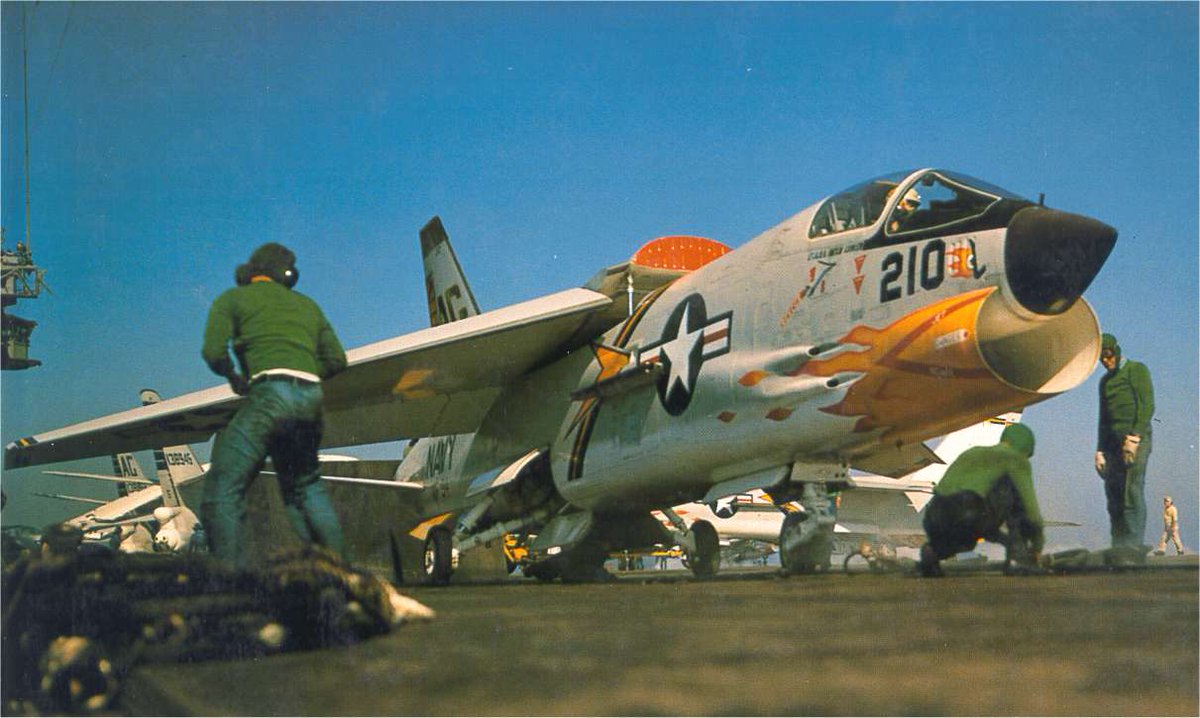
F-8, max CL = 1.0
F-8 cruise droops, max CL = 1.05
F-100D no slats, max CL = 0.94
F-100D slats, max CL = 1.07

OK Phantom fans, after reading all of this, what's your opinion on this?
Image
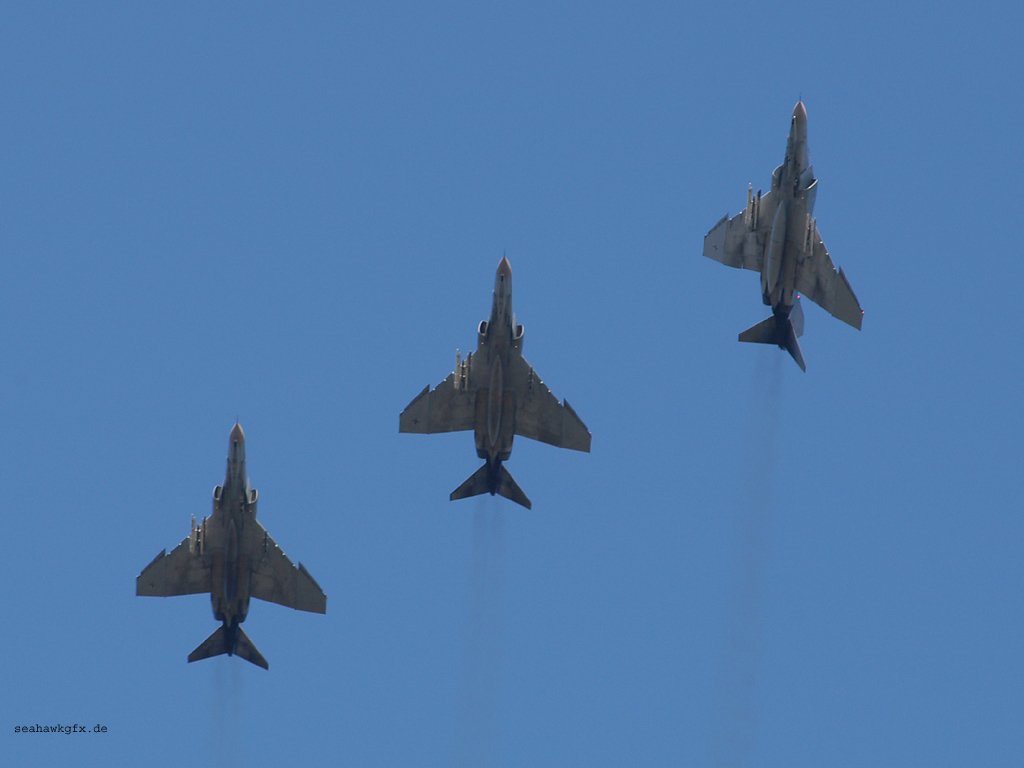
Spey💪
Image
Image
Image
Image

Image
Image
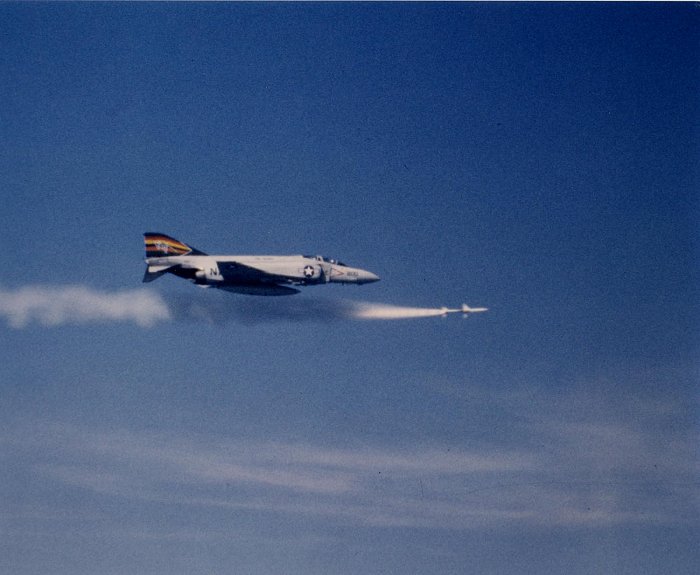
Sparrow lunch.

Image
Image
Image
Image
Sageburner, misinterpreted edition. Image
Image
Image
Image
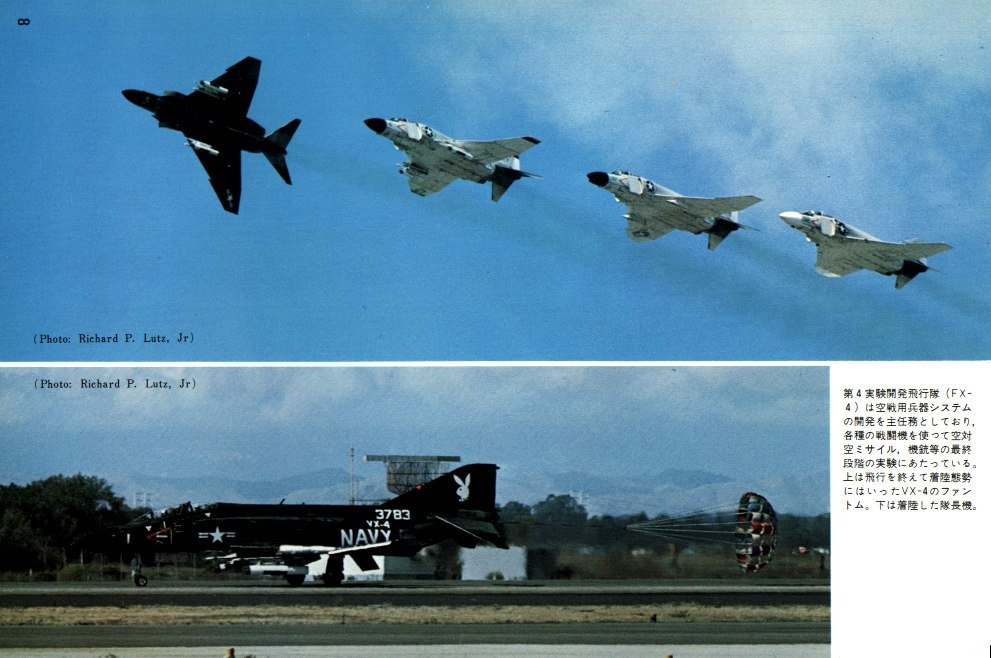
Brick and mortar
Image
Image

• • •

Missing some Tweet in this thread? You can try to force a refresh

 

Keep Current with BaA43A3aHY

BaA43A3aHY Profile picture

Stay in touch and get notified when new unrolls are available from this author!

Read all threads

This Thread may be Removed Anytime!

PDF

Twitter may remove this content at anytime! Save it as PDF for later use!

Try unrolling a thread yourself!

how to unroll video
  1. Follow @ThreadReaderApp to mention us!

  2. From a Twitter thread mention us with a keyword "unroll"
@threadreaderapp unroll

Practice here first or read more on our help page!

More from @BaA43A3aHY

Jul 12
Gonna have to update the radar weight table.

▪MiG-25P/RP-25: 18800kg/600kg
▪Su-27SK/N001E: 16870kg/550kg
MiG-31/RP-31 (N007): 21820/1495kg
Su-30MKI/Bars (N011М): 18400/650kg
MiG-25PD/Sapfir-25(N005): 18800/336kg

Really doubting those MiG-25PD numbers.

MiG-25P/RP-25: 3.19%
MiG-25PD/N005: 1.80%
Su-27SK/N001E: 3.25%
Su-30MKI/N011M: 3.53%
MiG-31/N007: 6.85%
Read 4 tweets
Jun 3
MiG-23 turn rate🧵

One important fighter aircraft performance parameter, for close range air combat, is turn rate [°/s]. I will be comparing the maximum sustained & instantaneous turning ability of the MiG-23, with that of other contemporary fighters.
1▪Timeline

To identify the fighters contemporary with the MiG-23, and understand how they rank chronologically, I've made a list of "first flight dates". Keep in mind that, "first flight" date does not equate to "service entry" date. Image
For example, the Mirage F1 first flew in December 1966, but entered service in May 1973 (first squadron delivery). For the Mirage 2000, these are March 1978 & July 1984 respectively. So quite some time can elapse between the two events. Image
Image
Read 64 tweets
Apr 1
Su-15 Flagon turn rate🧵

There isn't that much online info available on this subject. Here's what I could find...

Image
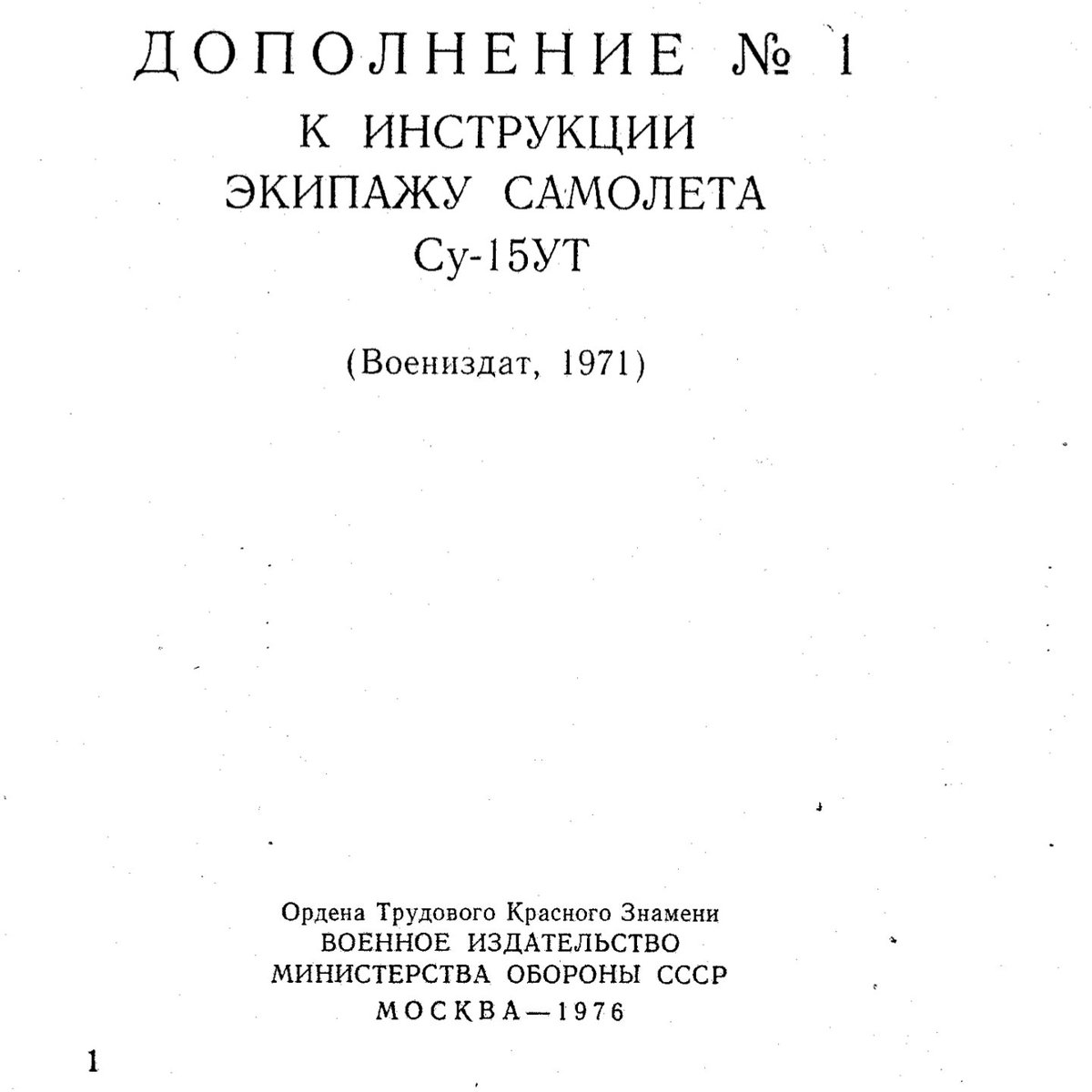
According to the Su-15UT manual (two sear trainer) with two Tumansky R11F2S-300 engines (6200 kgf each), 6030L of usable internal fuel volume (5005 kg at 0.83 kg/L, T1 grade fuel). By my estimates, total internal fuel volume is 6140L (5096 kg at 0.83 kg/L). Image
Image
Limit load factor of n=5.0, when clean with 4400 kg of fuel remaining, or with two R-98 missiles & 3800 kg of fuel remaining.

Maximum Mach number at high altitude, M=1.75. Image
Read 16 tweets
Nov 4, 2024
Convair B-58 Нustlеr🧵

The B-58 was the most technologically advanced aircraft of its time. A Mach 2, wasp-waisted war chariot, drawn by four J79s, including silver brazed stainless steel honeycomb panels in its design.

But before getting into the technical stuff, some context. YB-58 (aircraft № 1). Cover of Avation Week magazine. Issue February 25, 1957.
The XB-58/YB-58 (aircraft № 1, tail number 5660) first flew on November 11, 1956, made at the Convair plant in Fort Worth, Texas. At this stage, it was without a belly-pod, tail gun, and was equipped with the J79-1 instead of the J79-5. YB-58 (aircraft № 1). Cover of Avation Week magazine. Issue December 17, 1956.
The first 30 aircraft (YB-58) built were meant to be used for development & flight testing.
You can see here & in the previous picture, among the difference from later aircraft produced, early YB-58s had small movable surfaces inboard of the elevons, called resolution surfaces. First 3 YB-58 aircraft built, 5660, 5661 & 5662. Convair Fort Worth, Texas, October 18, 1957.
Read 34 tweets
Sep 30, 2024
Spike inlets, the TsAGI way.
Soviet vs. Western designs🧵

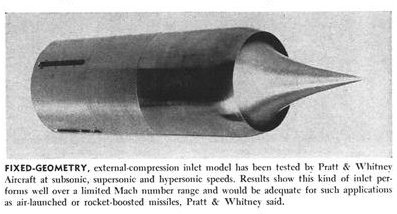
One of the most common design of air inlet used on supersonic aircraft is the axisymmetric diffuser with external compression (which is just a fancy way of describing the spike/cone inlets of the... Schlieren flow visualisation of a external compression inlet at Mach 2.
MiG-21, Su-7/9/11/17, Yak-28, Tu-128, F-104, B-58, F-111, the Mirage family, Lightning, Lavochkin La-250, Mikoyan & Gurevich SM-12/12PM/12PMU, Ye-3U, I-7, I-75, Ye-150/152, MiG-23PD, Sukhoi P1, T-37, Saunders-Roe SR.177, Bristol T.188, BAC TSR-2... I think that's all of them 😮‍💨. Image
Note: the Lockheed A-12/SR-71/YF-12 have mixed (interna+external compression).

I've discussed the basic principle of axisymmetric supersonic inlets with external compression & differences between the small/large nosed Fishbeds previously in this thread.
Read 60 tweets
Sep 6, 2024
MiG-23ML or MiG-23MLA?
A pedantic🧵

I see a lot of people use the term "MiG-23MLA" when referring to the MiG-23ML with Sapfir-23MLA/Sapfir-23MLAE radar.

To be fair, I've also noticed a lot of former Soviet pilots use this term in order to differentiate between the MiG-23ML... Bulgarian MiG-23ML 23-12A with Sapfir-23MLA
...with Sapfir-23ML & MiG-23ML with Sapfir-23MLA. But I'm a snobbish MiG-23 fаnбоу, and as such, prefer to stick to nomenclature found in official documents.

First, some context. The MiG-23ML (product 23-12, product 3) with Sapfir-23MLA (product N003 or 323MLA) radar &... Early MiG-23ML, with Sapfir-23ML
& ASP-17ML optical sight (which includes the HUD). The previous MiG-23ML model had the Sapfir-23ML (product 323ML) & ASP-23DTsM. In order to differentiate between the two 23ML versions, Soviet pilots called the one equipped with Sapfir-23MLA radar the "MiG-23MLA". ASP-17MLE optical sight on the MiG-23ML 23-12B.
Read 11 tweets

Did Thread Reader help you today?

Support us! We are indie developers!


This site is made by just two indie developers on a laptop doing marketing, support and development! Read more about the story.

Become a Premium Member ($3/month or $30/year) and get exclusive features!

Become Premium

Don't want to be a Premium member but still want to support us?

Make a small donation by buying us coffee ($5) or help with server cost ($10)

Donate via Paypal

Or Donate anonymously using crypto!

Ethereum

0xfe58350B80634f60Fa6Dc149a72b4DFbc17D341E copy

Bitcoin

3ATGMxNzCUFzxpMCHL5sWSt4DVtS8UqXpi copy

Thank you for your support!

Follow Us!

:(