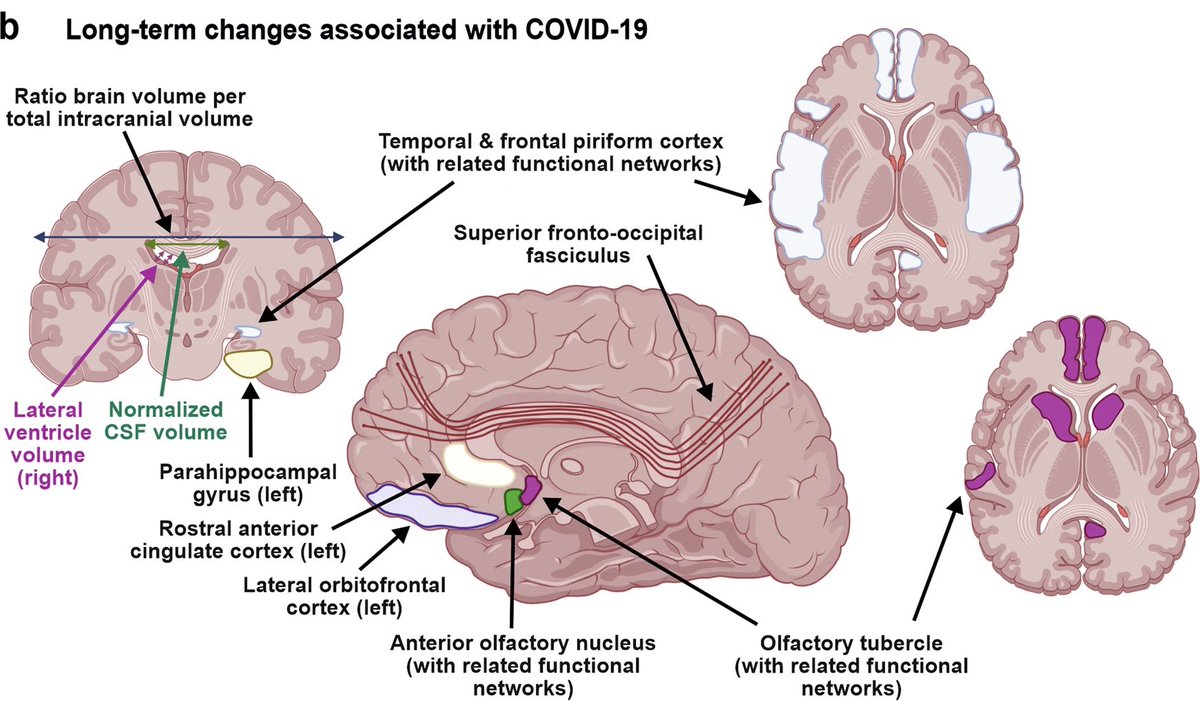
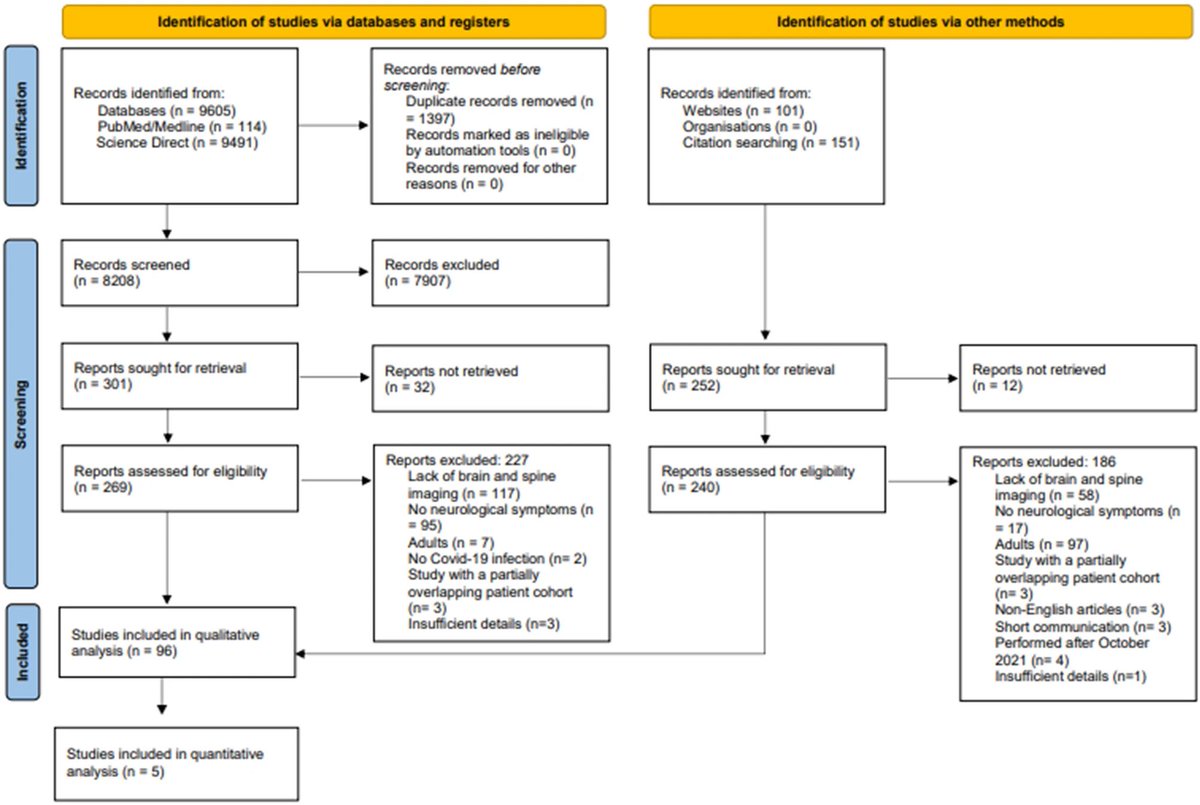
A new research underscores how much more we have to learn about what SAR-CoV-2 virus can do to our children, particularly to their brains. The study collected brain scan data from nearly 2 years’ worth of scientific literature to try to summarize what we know so far. 1/
The systematic review & meta analysis of 96 studies finds that a substantial proportion of pediatric COVID-19 patients with neurological symptoms exhibit abnormal neuroimaging findings, with 43.74% of children in the included studies demonstrating such abnormalities. 2/
The researchers identified different neurological signs in the children whose brains were scanned. They include neurovascular findings (8.22%), ADEM-like lesions (7.69%), encephalitic pattern (13.95%), myelitis (4.60%), transient splenial lesions (16.26%) & other 3/
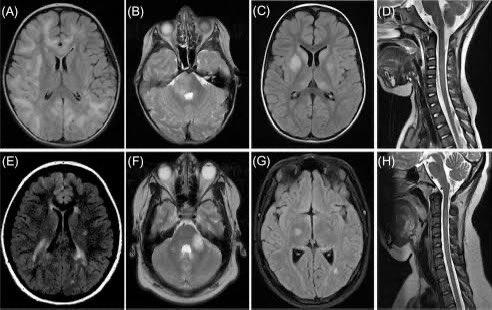
The observed incidence of neurological abnormalities in pediatric COVID-19 patients raises several important clinical and research implications.
First, it highlights the necessity for a high index of suspicion for neurological complications in children with COVID-19. 4/
Second, the findings of this study emphasize the importance of continued research into the long-term consequences of COVID-19 in children. 5/5
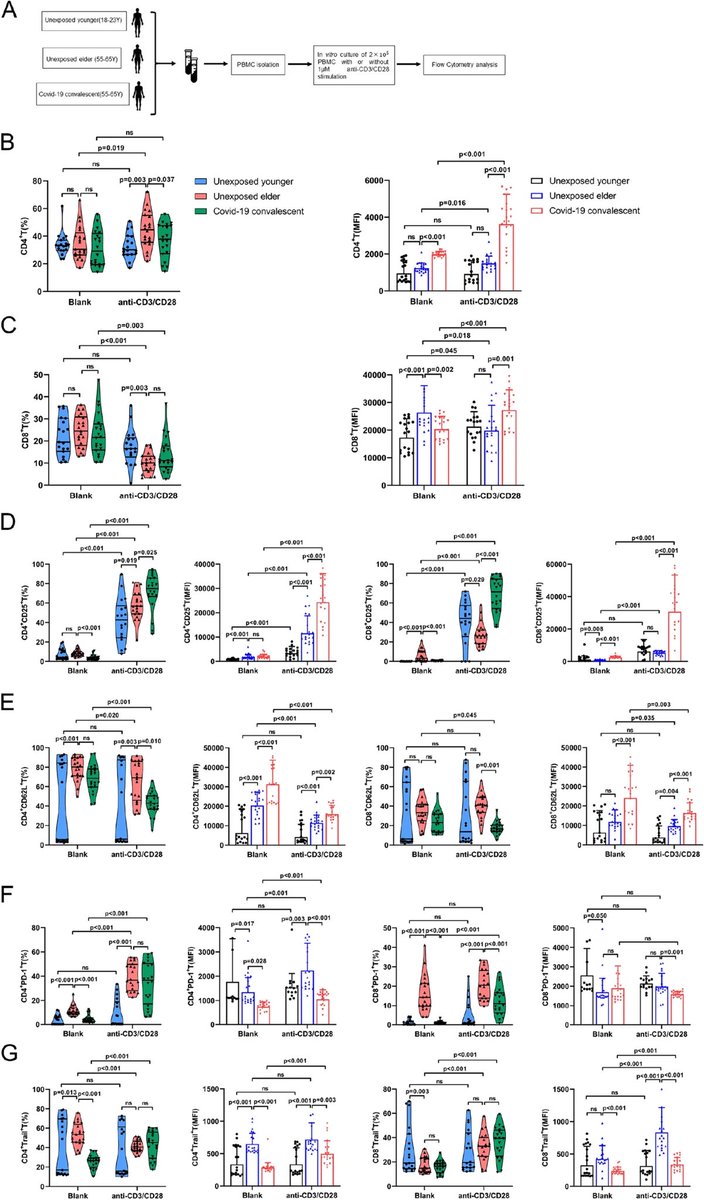
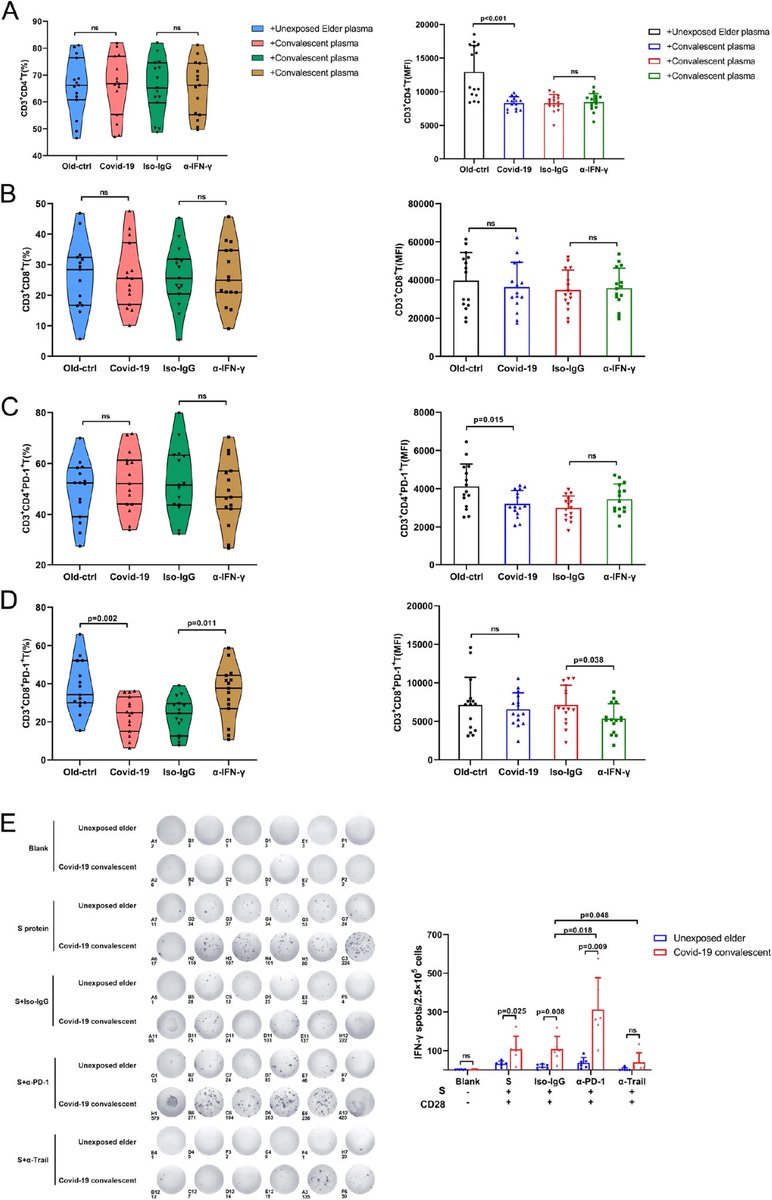
Post-COVID-19 syndrome may be associated with the abnormal immune status. Compared with the unexposed age-matched elder group, PD-1 in the CD8+ T cells from recovered COVID-19 patients was significantly lower. 1/
Programmed death receptor 1 (PD-1) is a member of the CD28 family. It is an immunosuppressive molecule expressed in activated T cells and an important target of immunotherapy. 2/
IFN-γ in the plasma of COVID-19 convalescent patients was increased, which inhibited PD-1 expression in CD8+ T cells from COVID-19 convalescent patients. 3/
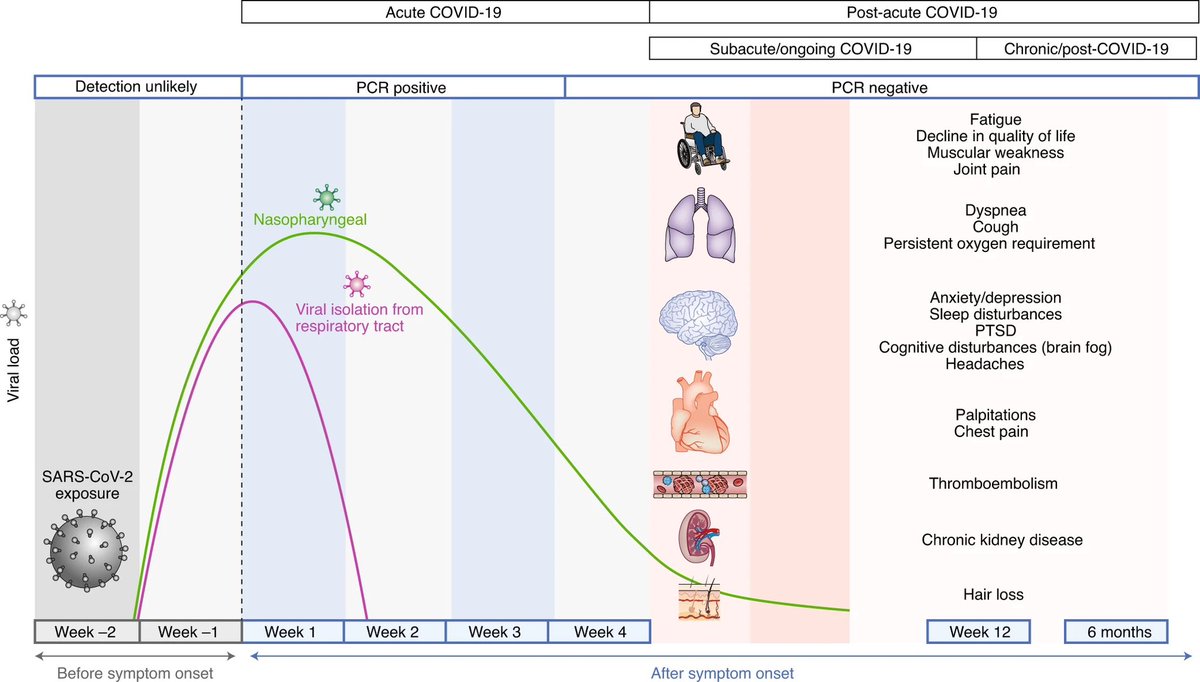
While most of the attention and therapeutic efforts have concentrated on the acute phase of Covid19, the survivors with #LongCovid seem neglected. It is estimated that 1 in 5 Covid19 survivors exhibit clinical manifestations of longCOVID. 1/
Despite this prevalence, the mechanisms and pathophysiology of long COVID remain poorly understood. Alarmingly, evidence suggests that a significant proportion of cases within this clinical condition develop debilitating or disabling symptoms. 2/
A new review provides an overview of available information on this emerging clinical condition, focusing on the affected individuals’ epidemiology, pathophysiological mechanisms, and immunological and inflammatory profiles. 3/
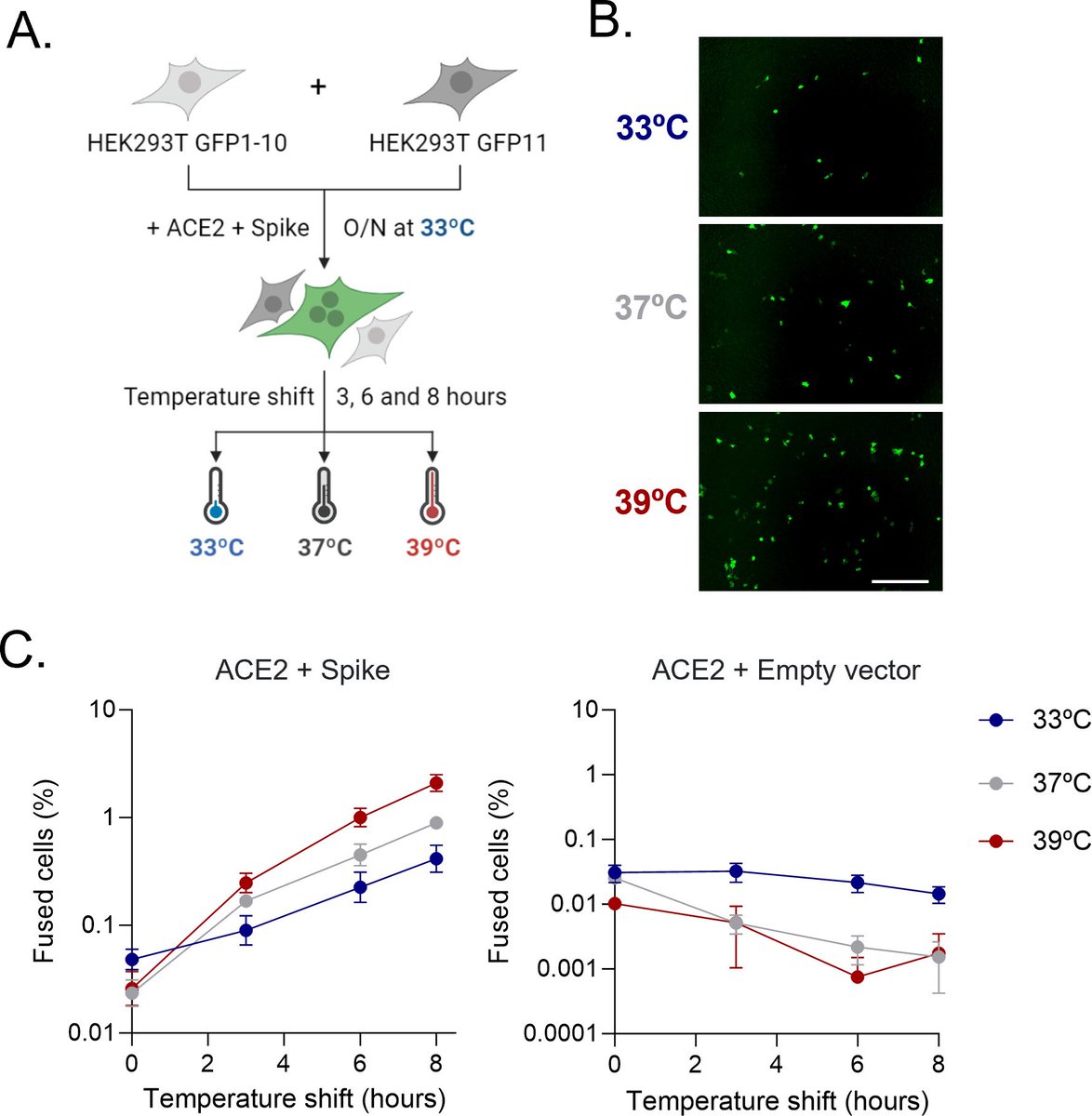
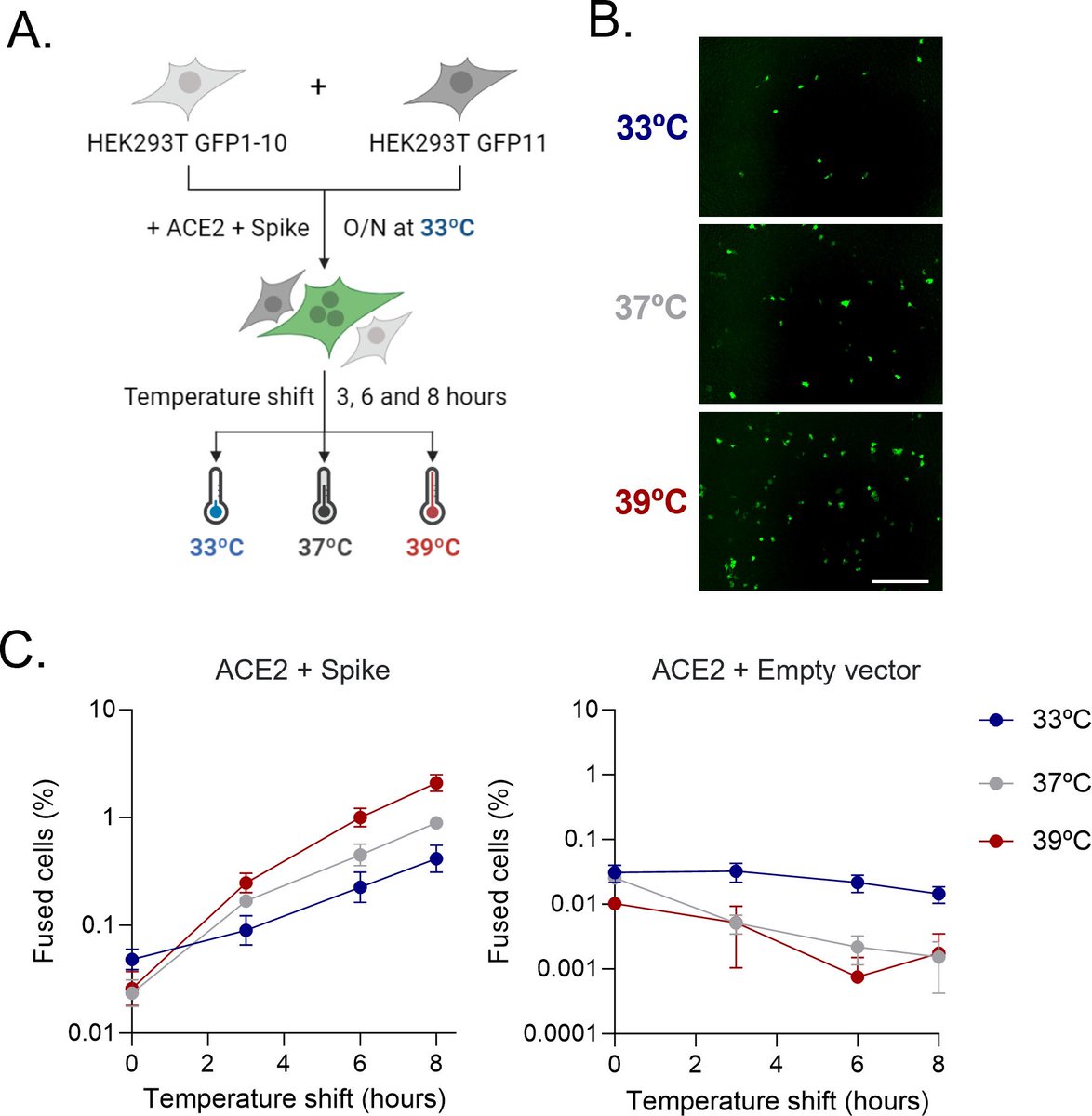
How temperature affects the SARS-CoV-2 spike function and evolution?
A new study observed that high temperature increased SARS-CoV-2 spike fusogenicity
The study finds that variations in body temperature may affect the activity & diversification of the SARS-CoV-2 spike. 1/
SARS-CoV-2 has been shown to replicate more efficiently at low temperatures, but the effect of temperature on different viral proteins remains poorly understood. 2/
Here, the researchers investigate how temperature affects the SARS-CoV-2 spike function and evolution. They first observed that increasing temperature from 33°C to 37°C or 39°C increased spike-mediated cell–cell fusion. 3/
During COVID pandemic, many were surprised by the apparent lack of illness in infants.
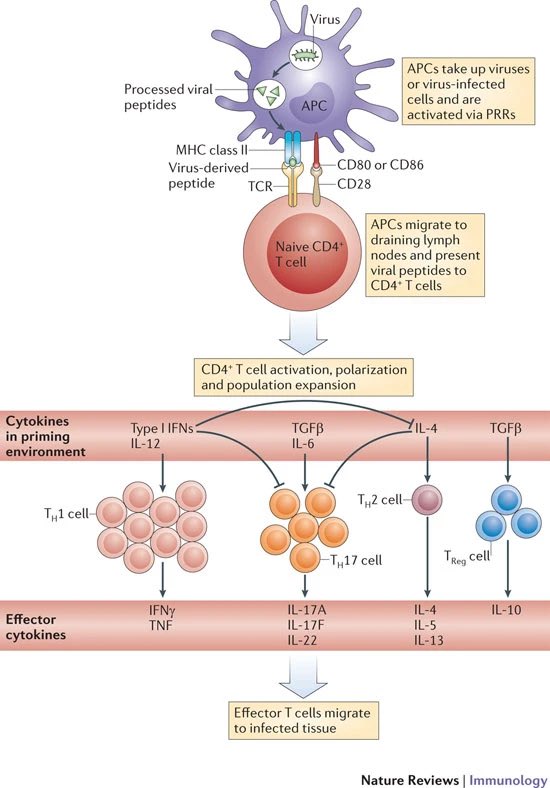
Experts believed that a newborn's immune system was an immature version of an adult's, but a new work shows that newborns' T cells outperform those of adults at fighting off infections 1/
For example, adult T cells outperform newborn T cells at tasks including recognizing antigens, forming immunological memory and responding to repeat infections, which has led to the belief that infant's T cells were just a weaker version of the adult ones. 2/
The researchers discovered that newborn T cells are not deficient: Instead, they are involved in a part of the immune system that does not require antigen recognition: the innate arm of the immune system. 3/
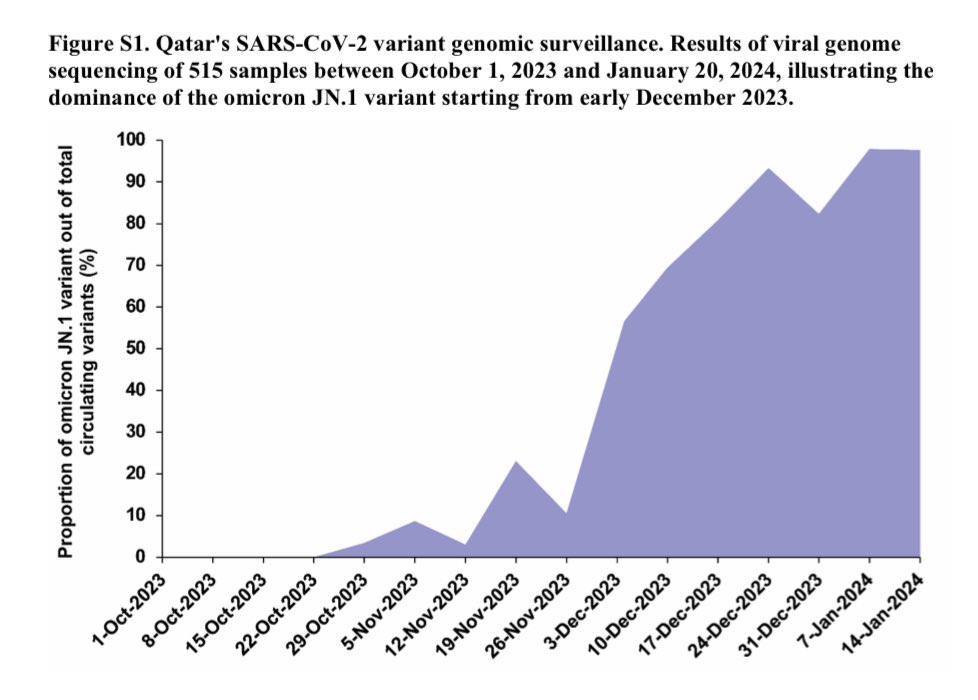
Effectiveness of natural infection in preventing reinfection with the JN.1 variant!
➡️ The overall effectiveness of previous infection in preventing reinfection with JN.1 was estimated at only 1.8% (95% CI: -9.3-12.6%)!
This effectiveness demonstrated a rapid decline over time since the previous infection, decreasing from 82.4% (95% CI: 40.9-94.7%) within 3 to less than 6 months after the previous infection to 50.9% (95% CI: -11.8-78.7%) in the subsequent 3 months. 2/
The effectiveness further dropped to 18.3% (95% CI: -34.6-56.3%) in the subsequent 3 months. Ultimately, it reached a negligible level after one year. 3/
COVID-19 is associated with arterial and venous thrombosis, thereby increasing mortality. SARS-CoV-2 Spike protein (SP) is implicated in COVID-19-associated thrombosis. 1/
However, the underlying mechanisms remain unknown. Thymidine phosphorylase (TYMP), a newly identified prothrombotic protein, is upregulated in the plasma, platelets, and lungs of patients with COVID-19 but its role in COVID-19-associated thrombosis is not defined. 2/
In a new study, researchers found that wild-type Spike protein (SP) significantly promoted arterial thrombosis in transgenic mice. SP-accelerated thrombosis was attenuated by inhibition or genetic ablation of TYMP. 3/