This book has caused a lot of controversy on Twitter but what does it actually say? I am going to read it and find out! amazon.com/White-Rural-Ra…
He starts off talking about late stage capitalism so we aren't off to a good start... 

Complaints about rural whites having too much power. He would never complain about blacks having too much power wrt primaries and mayors of big important cities. The dems explicitly made the SC primary earliest to help blacks!
https://x.com/TruueDiscipline/status/1564061538092142593

And fwiw the claims that Republicans benefit a lot from gerrymandering don't seem to stand up to scrutiny:
https://x.com/TruueDiscipline/status/1600691701462409216
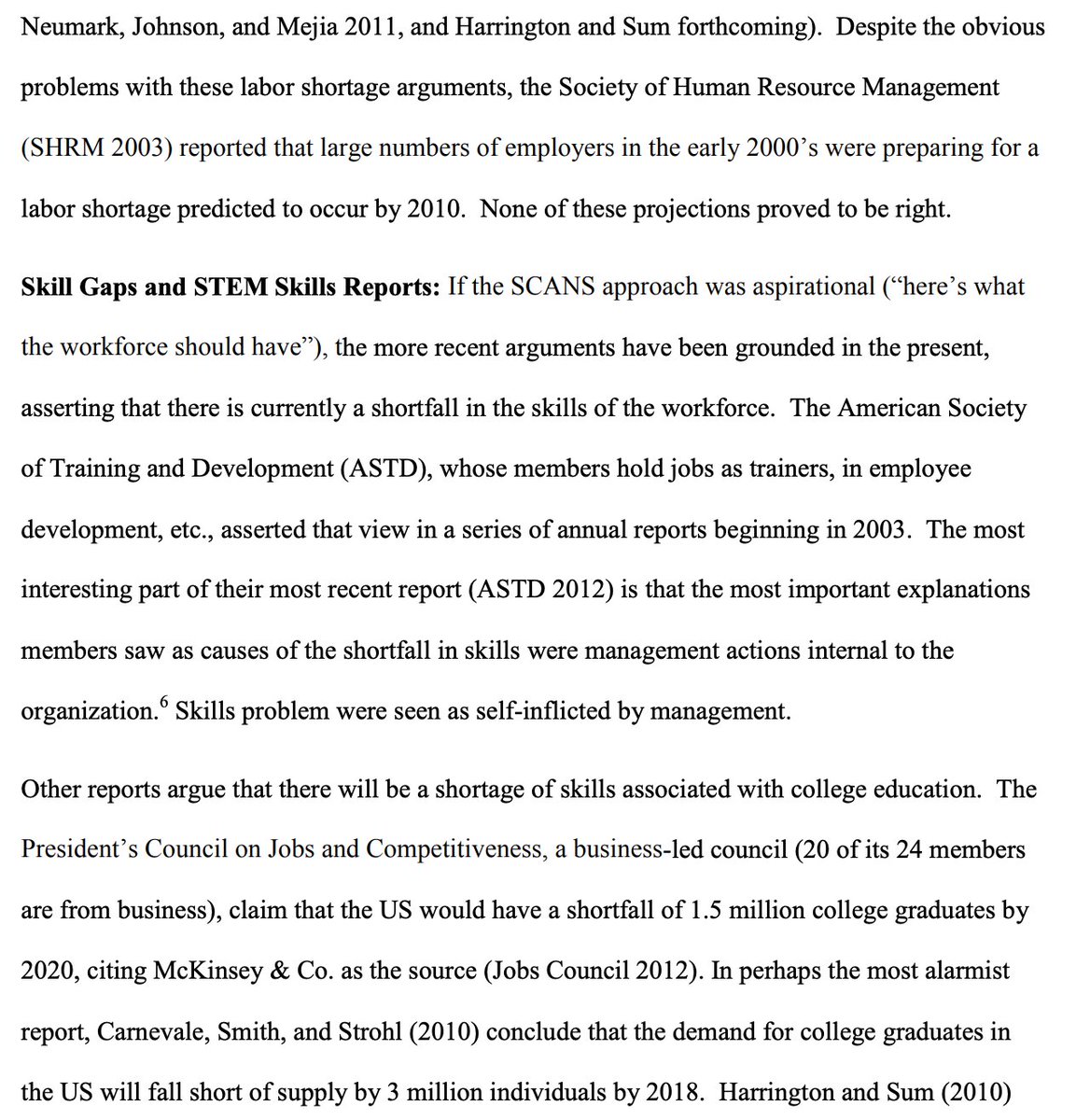
Anyways back to the book. The author laments that only 40% of rural whites value diversity:

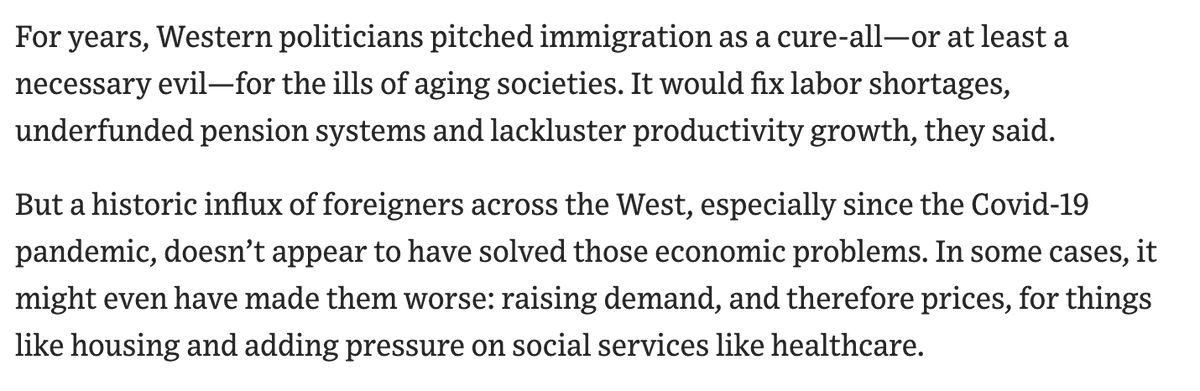
The author lays out his main thesis:

This seems false, or at best misleading. Trump gained ground with women, blacks and Hispanics: pewresearch.org/politics/2021/…

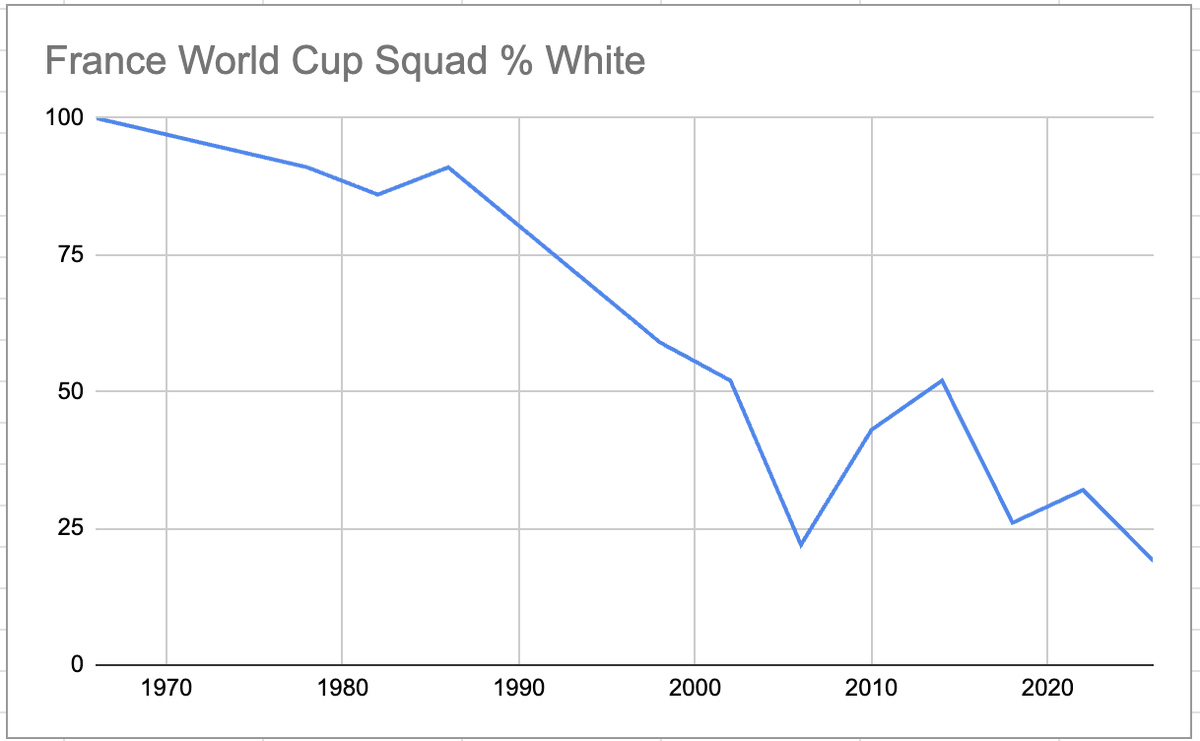
The author goes through the whole spiel about how the ec is unfair, but he never mentions immigration, and how many Republicans view that as an unfair boon to the left . By this poll, Trump would have won the popular vote if it wasn't for immigration: cnn.com/election/2016/…

He complains that conservative media is acting like cities with more black people have more crime:
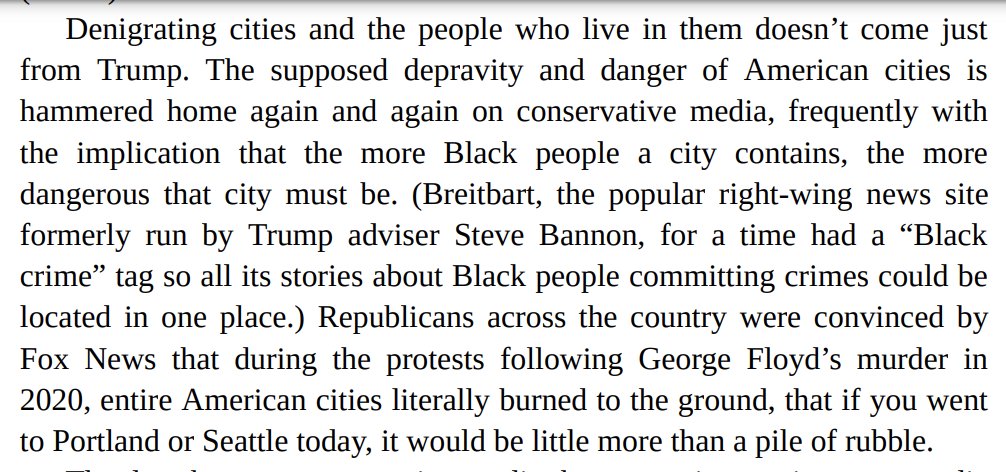
Of course, as @Steve_Sailer has charted, thats pretty much literally the case: takimag.com/article/the-ka…

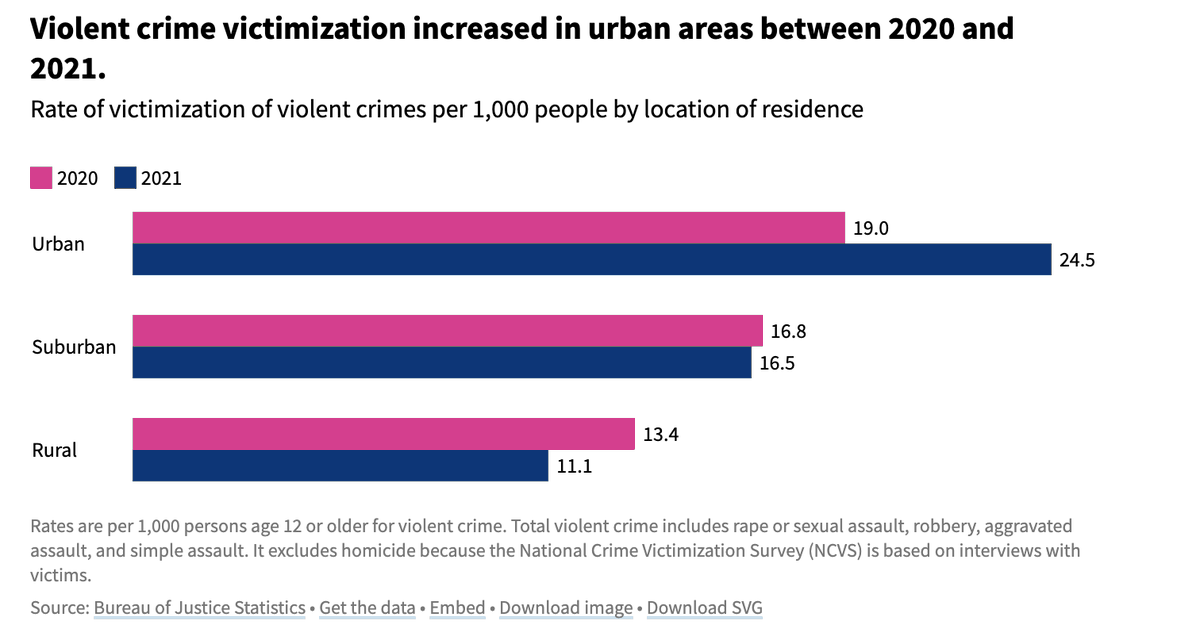
@Steve_Sailer The author complains about people exaggerating crime in certain urban cities like NY, but doesn't explicitly show charts such as these: usafacts.org/articles/where…
There is the classic complaint about terrorism, but the author never mentions that muslims have a much higher rate of terrorism per capita:
https://x.com/TruueDiscipline/status/1404955082991411202

Rural white Americans don't think that blacks are discriminated against, and don't support BLM. Heaven forbid! Of course, they have good reason for beleiving what they believe: ideasanddata.wordpress.com/2020/06/03/ame…
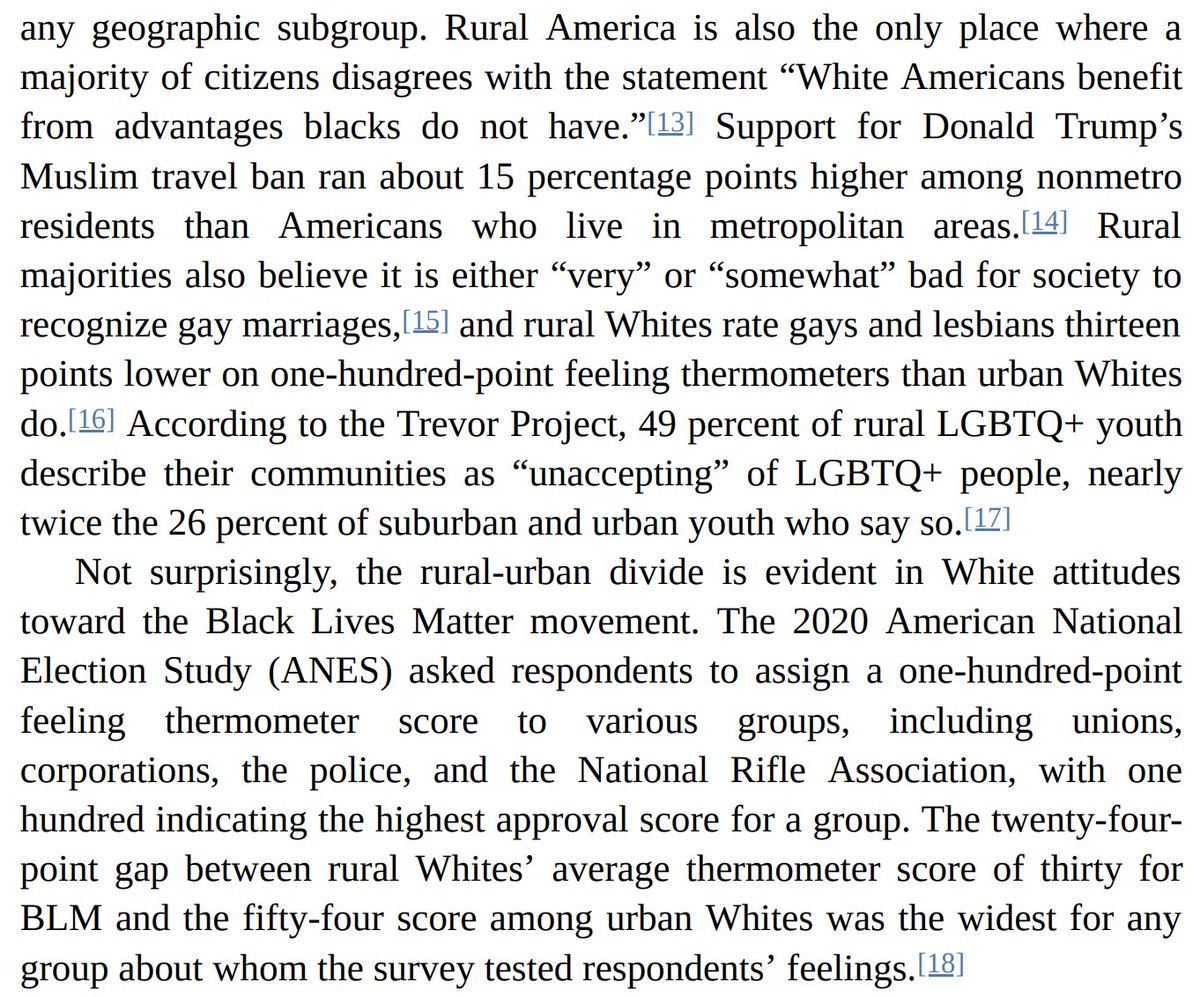
You aren't allowed to be anti-immigration because that fuels "radical ideas":

One common argument made, but not explicitly in this book is that rural Americans oppose immigration because they don't have any experience with it. That seems to be wrong: archive.ph/emgJO
See also @AnechoicMedia_ analysis of places in Kansas that voted for anti immigration candidate Kris Kobach. The more demographic change the more support he had: anechoicmedia.org/blog/kansas_pr…
He goes through evidence of conspiracy theory support among rural whites. But he would likely never condemn blacks in the same way for believing stuff like this: unz.com/anepigone/wisc…

Pretty minor differences in urban vs rural support for using violence:

Rural America isn't as white as it once was at about 76% White:

The author says that that rural America needs a new Republican party that actually fights for their interests. To him I would say be careful what you wish for

The author concedes that diversity can often cause conflict:

Overall not a fan of this book. If the authors wrote about dysfunctional urban blacks in the same way they write about whites, this book would be considered an extreme work of hate speech.
They don’t make any serious attempt as to why people would feel differently from themselves about controversial issues. @VDAREJamesK @vdare @ScottMGreer @paulwaldman1 @schaller67
• • •
Missing some Tweet in this thread? You can try to
force a refresh