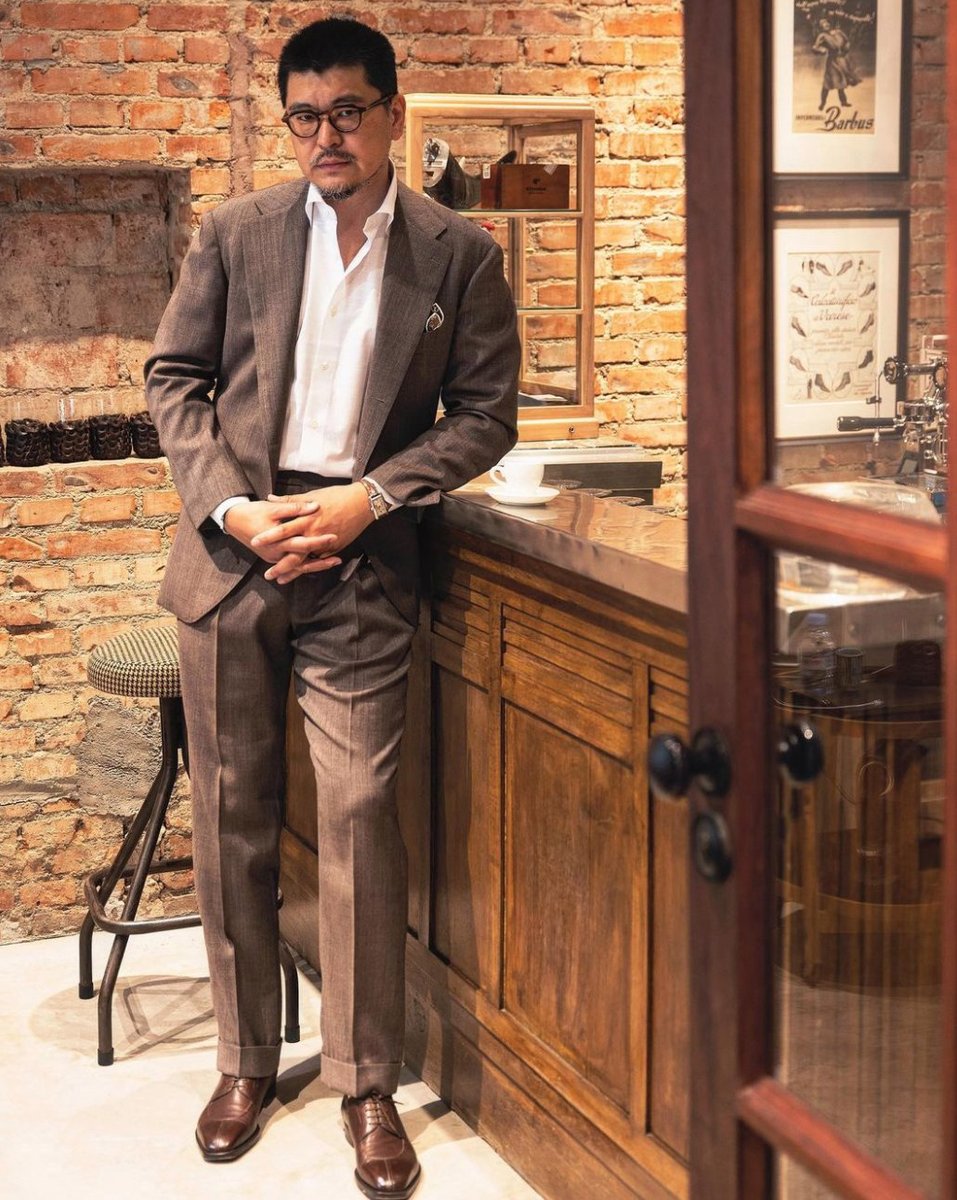
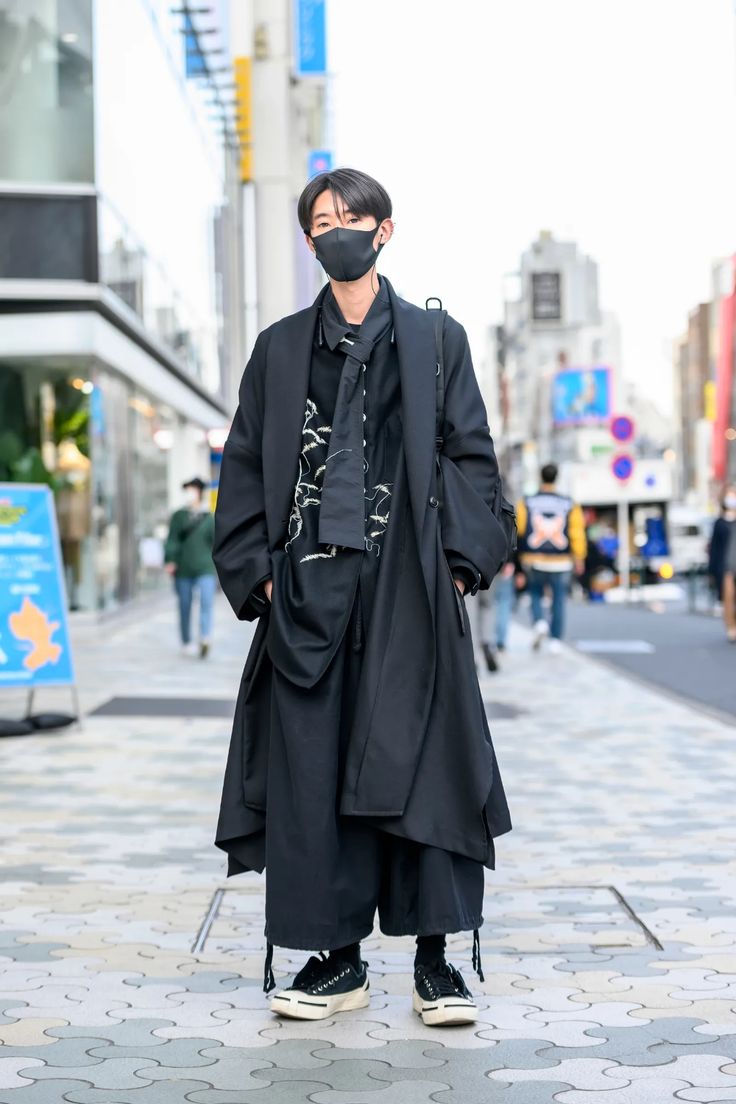
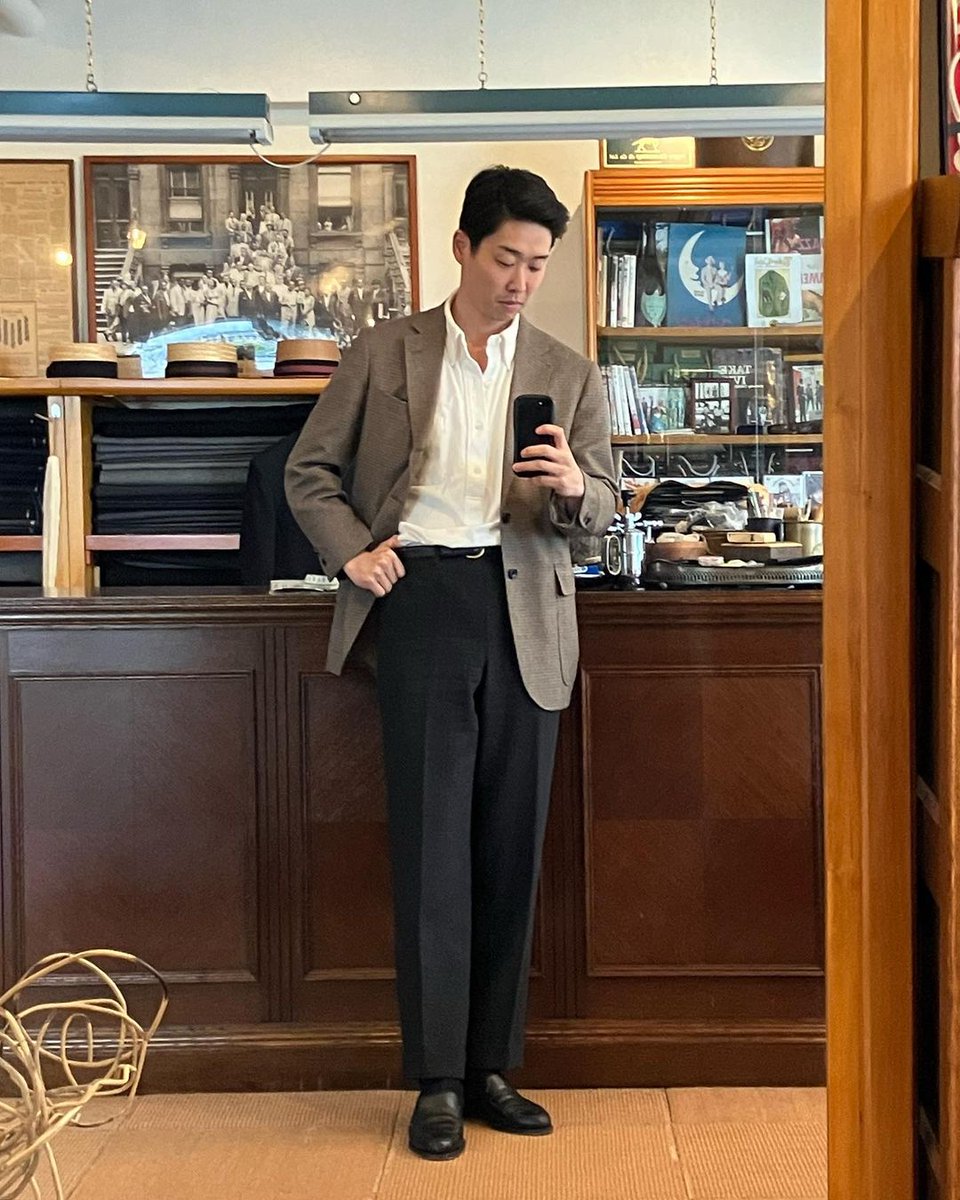
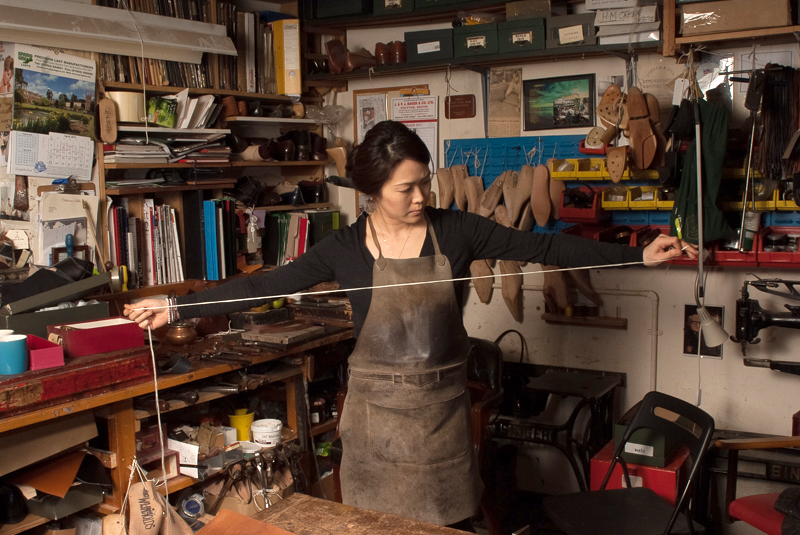
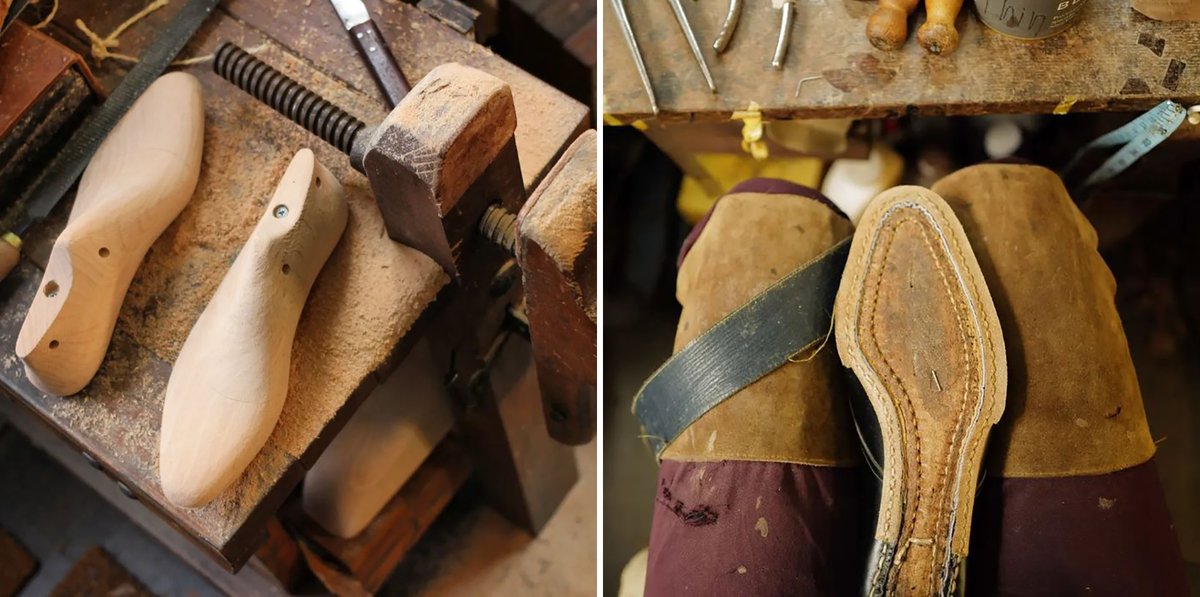
For reasons I don't fully understand, the tailoring scene—and really the fashion scene in general—is better in East Asia (and mostly South Korea and Japan) than in the US as a whole. There are more interesting shops, tailors, and shoemakers. Also, there are more hobbyists.
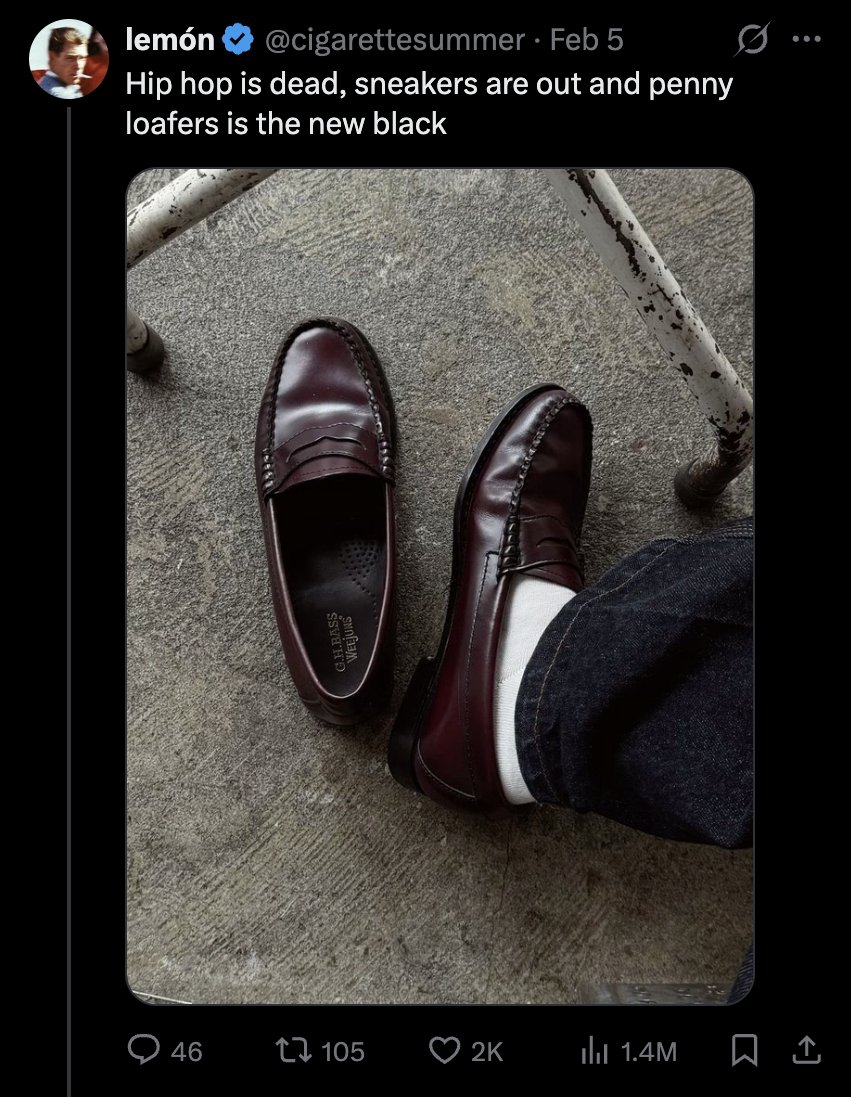
There's also better fashion media. There are tons and tons of really great Japanese fashion magazines that get super nerdy with details. There's literally a magazine purely dedicated to classic leather shoes (called Last). In the US, fashion media is more about celebs.
On tailoring, the suit is also still relevant in places like Tokyo. A guy might be wearing his salaryman suit for a while and then figure "hm, maybe I can get something better" and then visit any number of really great tailoring shops and clothiers who can help him.
For example, if you want a true classic American suit, you should not go to an American shop. You should go to Tokyo and visit Tailor CAID, who knows that style better than any American. Their customers also know how to put that look together better than most Americans.
Outside of NYC, there aren't that many good shops. I also think that dressing well is purely hobbyism, like being into penmanship and fountain pens. This is why I don't think ppl should attach morality to it. For whatever reason, there are a lot of hobbyists in East Asia.
me: i wonder why men in Asia dress better
Americans in my replies every day: clothes are GAY. you are a HOMO. fashion is for MORONS. I'm smarter and more masculine because i dress like CRAP. [a dog in the background slam dunks a basketball while USA fireworks go off]
• • •
Missing some Tweet in this thread? You can try to
force a refresh

After this post went viral, I called Caroline Groves, a world-class bespoke shoemaker, to discuss how women's shoes are made. I normally don't talk about womenswear, but I found the information interesting, so I thought I would share what I learned here. 🧵
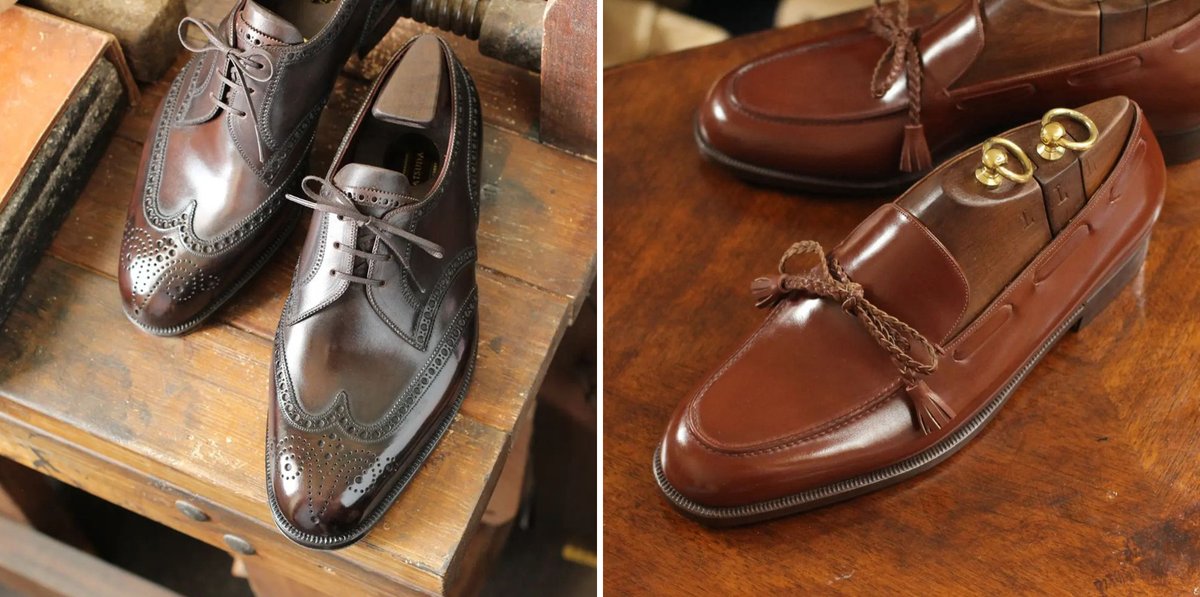
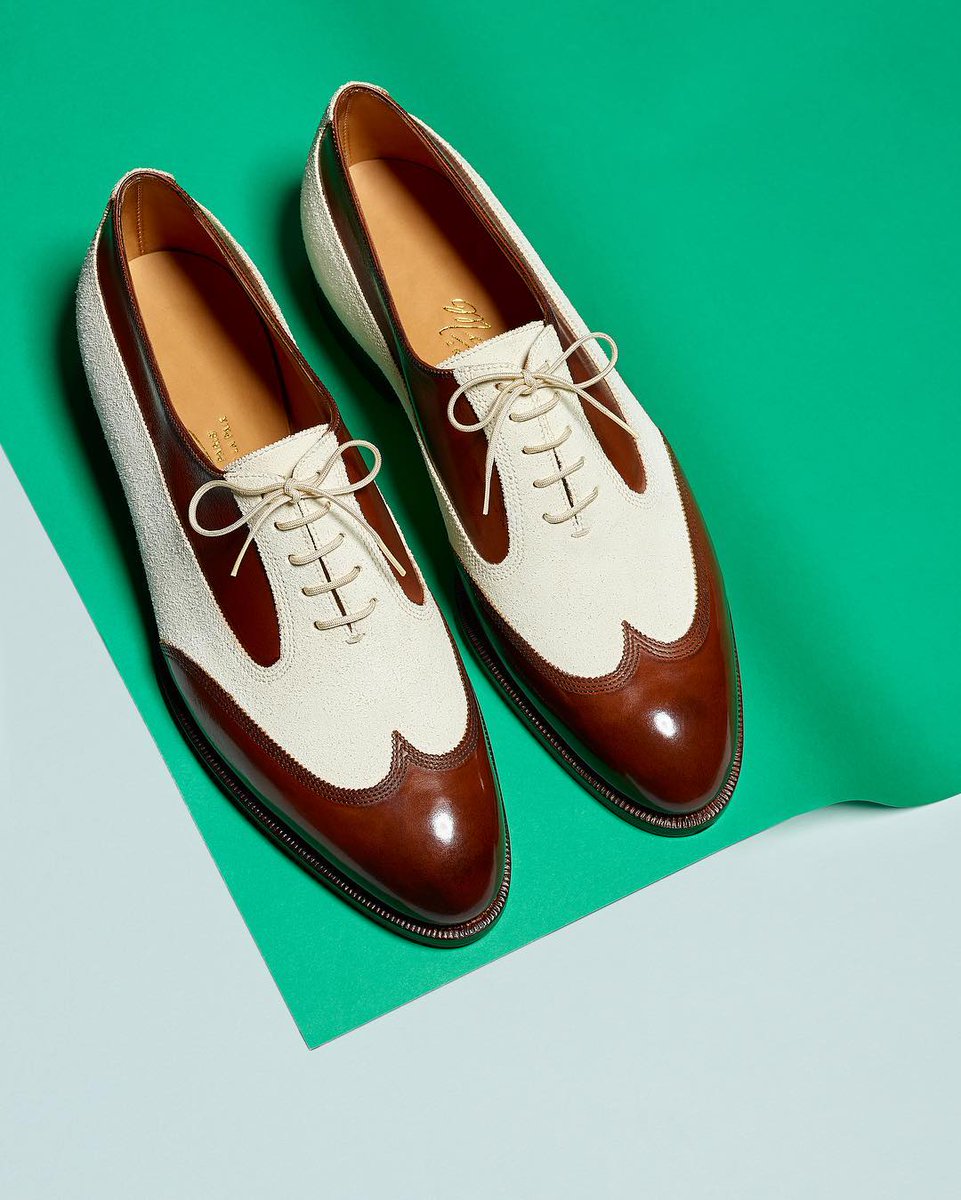
Footwear is broadly broken into two categories: bespoke and ready-to-wear. In London, bespoke makers, including those for women, are largely focused on traditional styles, such as wingtip derbies and loafers. Emiko Matsuda is great for this.
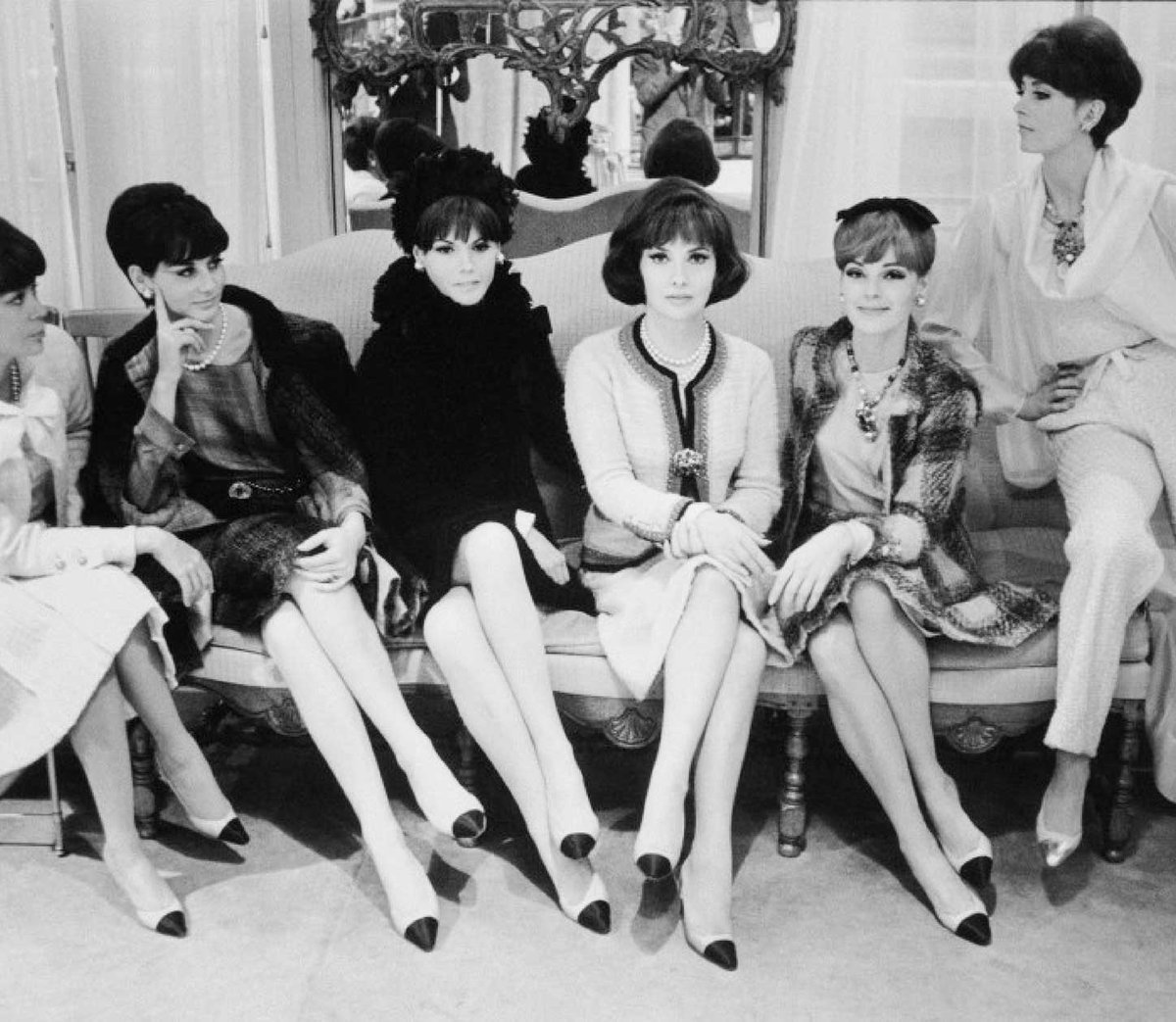
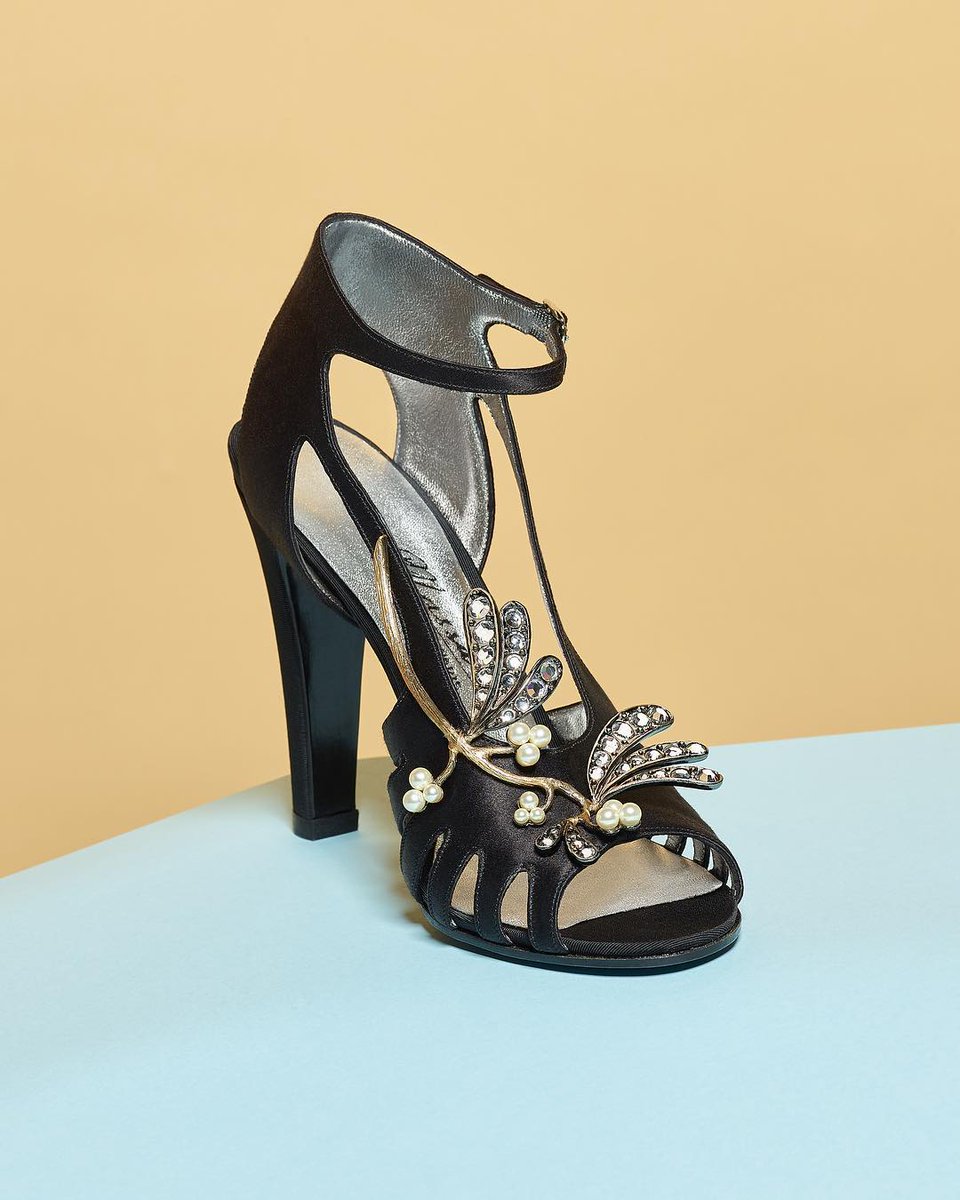
In Paris, there's Massaro, a historic firm that has been operating since 1894, now owned by Chanel. Their designs are less about creating the women's equivalent of traditional men's footwear and more about things such as heels or creative styles. Aesthetic is still "traditional."
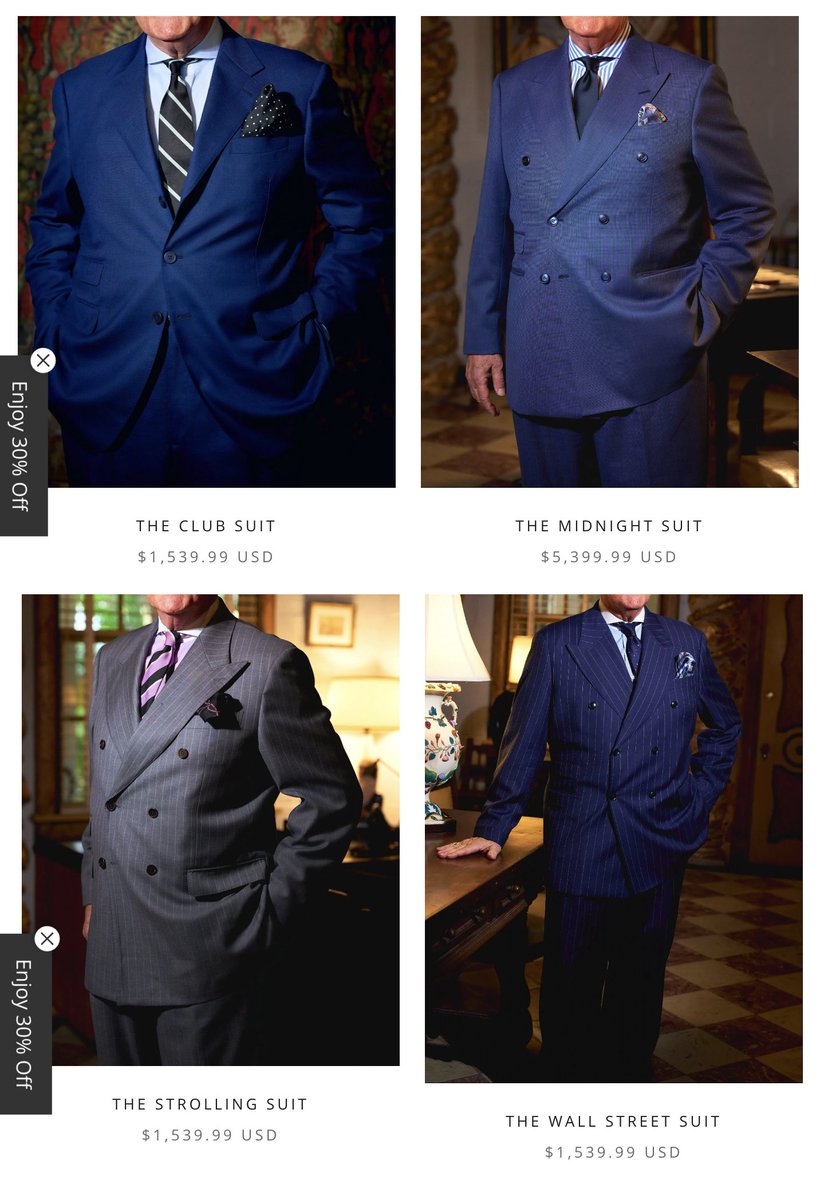
Earlier today, Roger Stone announced his partnership with a menswear company, where together they've released a collection of tailored clothing items.
Here is my review of those pieces. 🧵
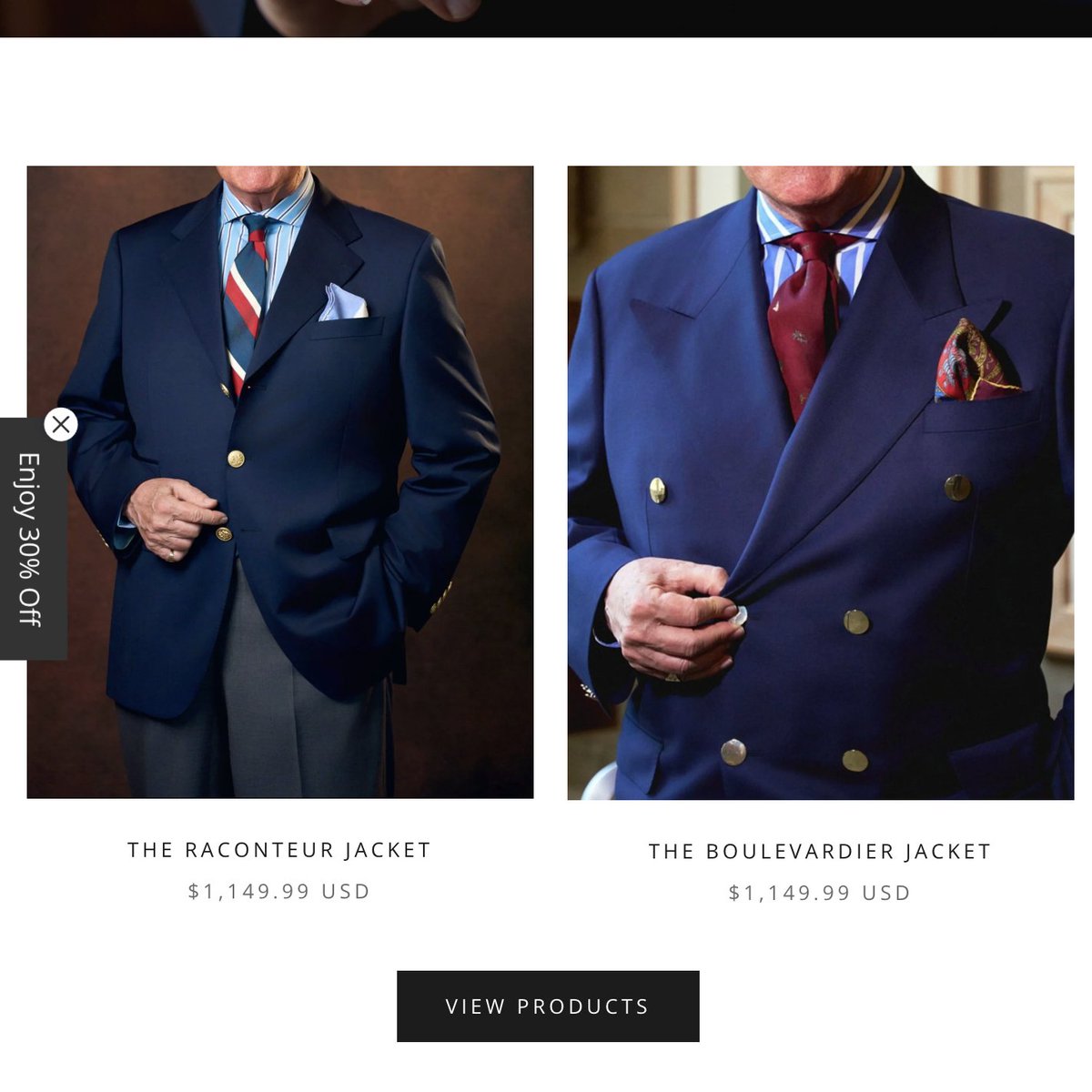
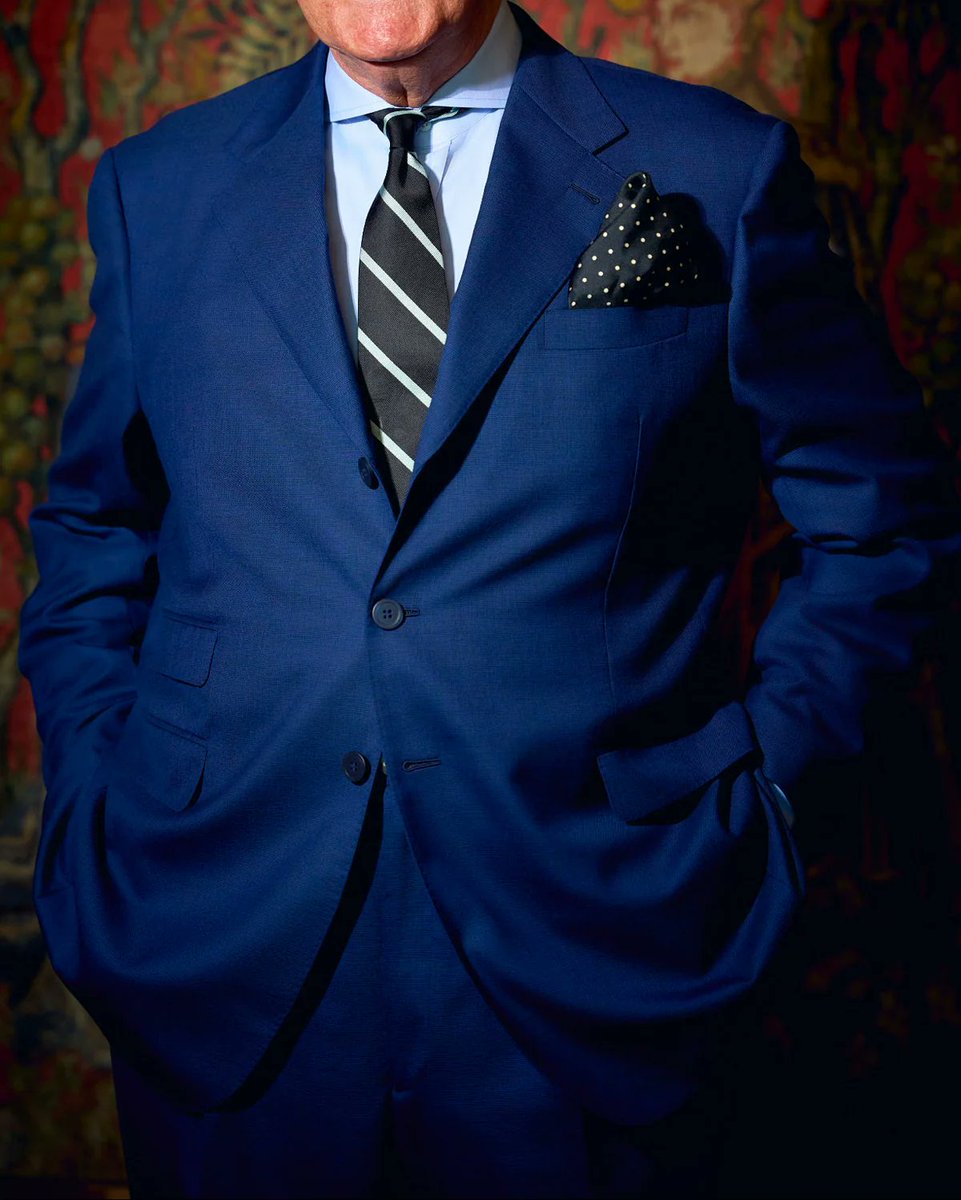
The line is mostly comprised of suits and sport coats, supplemented with dress shirts and one pair of odd trousers (tailor-speak for a pair of pants made without a matching jacket). Suits start at $1,540; sport coats are $1,150. One suit is $5,400 bc it's made from Scabal fabric
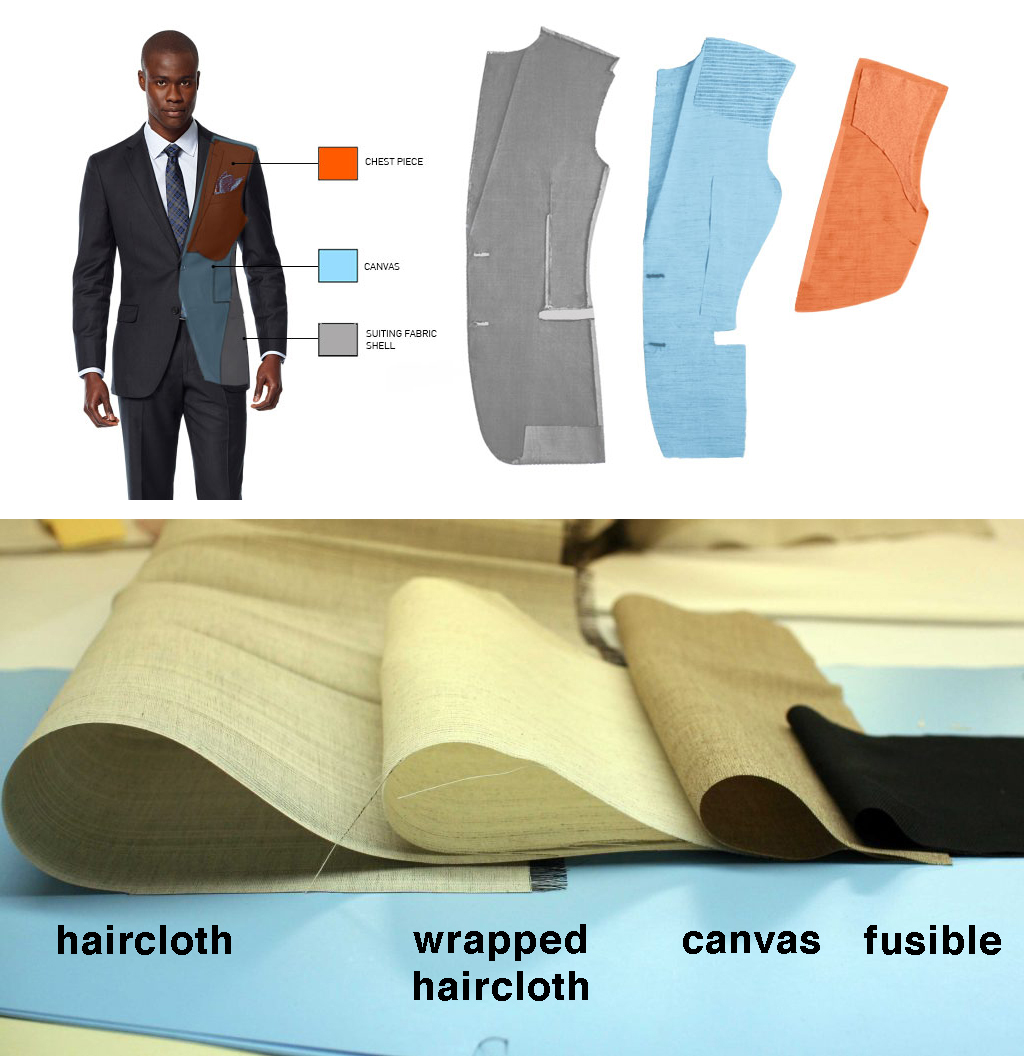
Let's start with the good points. These are fully canvassed jackets, meaning a free floating canvas has been tacked onto the face fabric to give it some weight and structure. This is better than a half-canvas and fully fused construction, but requires more time and labor.
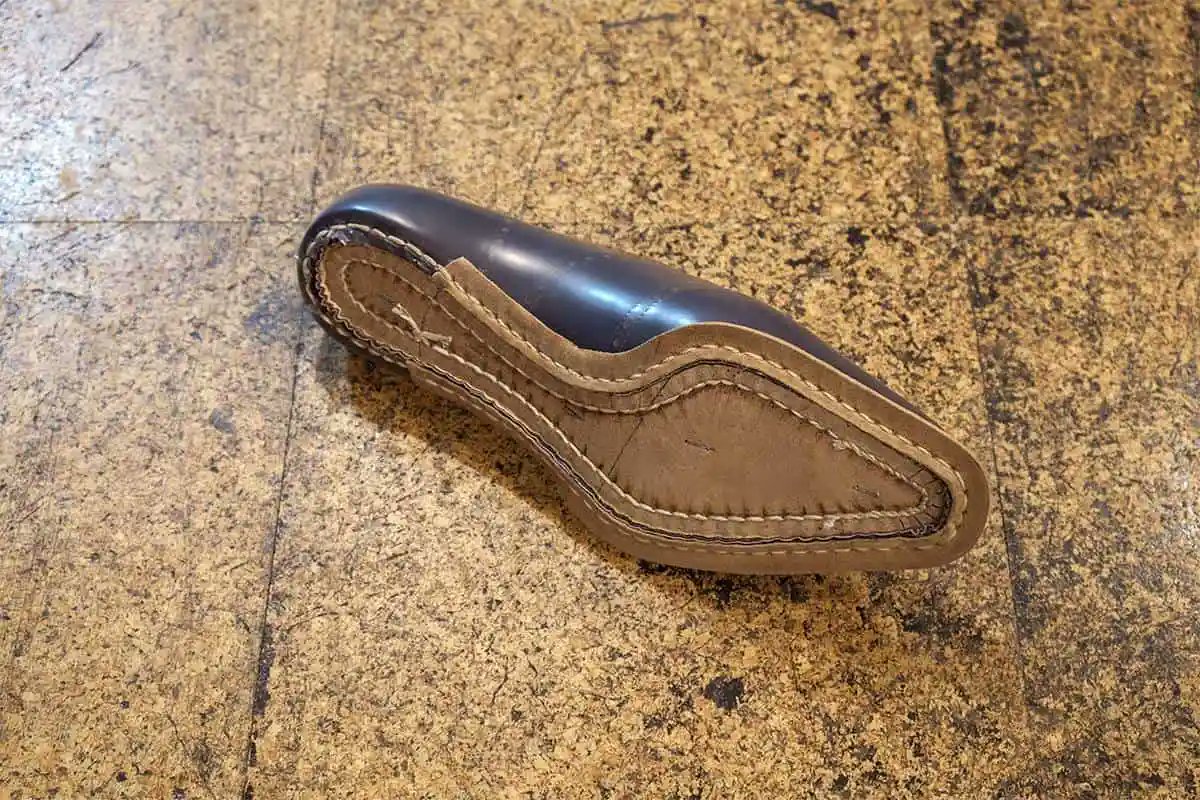
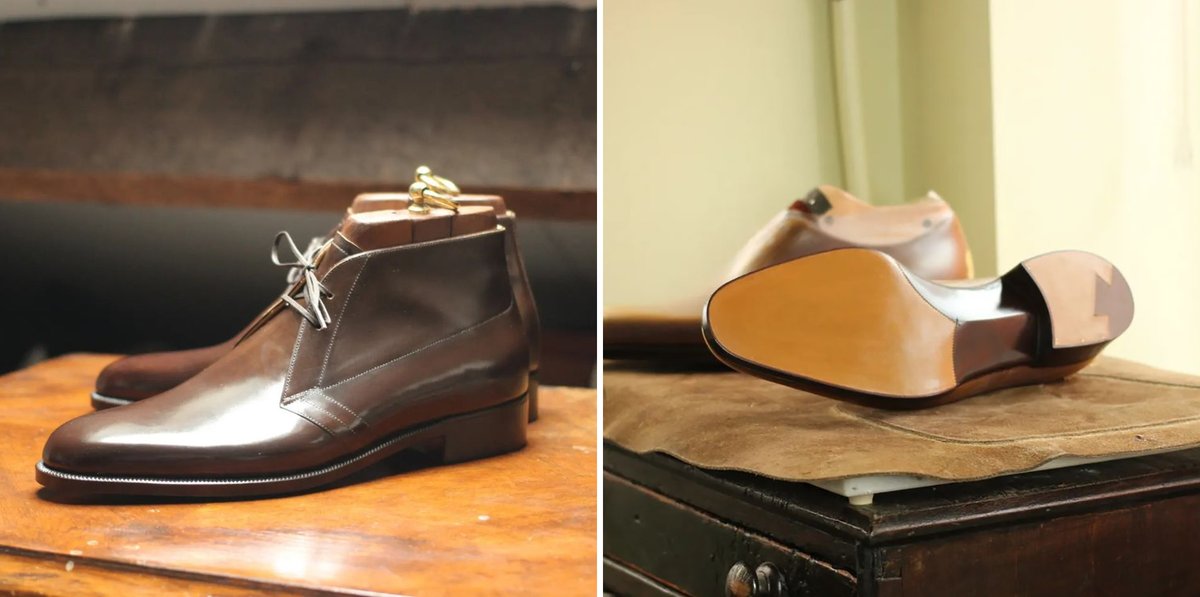
Here is a guide breaking down what goes into quality men's footwear. This is focused on men's shoes, as women's shoes, depending on the style, will have different construction techniques and thus standards. 🧵
First, let's set a standard. What does it mean for a pair of shoes to be "good quality?" In this thread, I define that standard to be two things:
— Do the shoes age well?
— Can they be easily repaired?
In short, you should want and be able to wear the shoes for a long time.
We'll start with the part most people see: the uppers.
Quality uppers are made from full grain leather, which shows the natural grain of the hide (pic 1). Low quality uppers will be made from corrected grain, where bad leather has been sanded and given a chemical coating (pic 2)
When I was on a menswear forum, one of my most controversial opinions was that certain coats look better when they're worn open, while others look better when they're closed.
For instance, which of these two outfits look better to you? 🧵
If you shop for an overcoat today, there's a good chance you'll land on a single breasted. As suits and sport coats have receded from daily life, the types of outerwear that men historically wore with them have also slowly disappeared.
If you look at the past, men had all sorts of designs to wear over their tailored clothing: polos, Ulsters, Balmacaans, Chesterfields, paletots, wrap coats, etc. They were offered in a wider range of materials: gabardine, camelhair, covert, heavy tweeds, etc.
The reason why this looks off is bc the coat is built from many layers of material — haircloth, canvas, and padding — which sits on top of another jacket with similar structure. This can make you look a bit like a linebacker. If you find this to be the case, switch to a raglan 🧵
A raglan is defined by its sleeve construction. Most coats have a set-in sleeve, which is to say the sleeve attached to a vertical armhole, much like a shirt. A raglan, by contrast, has a diagonal seam running from the neck to armpit. Historically, this was put on raincoats.
A raglan construction is a bit more waterproof that its set-in sleeve counterpart because there's not vertical seam in which water can sit and eventually penetrate. But most importantly, it's completely devoid of padding. This results in a softer, rounder shoulder line. Compare:
If you mainly wear suits and sport coats, then you will want a simple dress watch on a leather strap. Remember that the spirit here is elegance, so the watch should also be elegant. Certain dress chronos can also work, such as the Vacheron Constantin 4072 in pic 4
If your wardrobe leans a bit more rugged — bombers, boots, raw denim — then you'll want a similarly rugged tool watch. Something like a dive watch or G-Shock. These larger watches will look more at home with your visually heavy clothes. Although small military watches also work