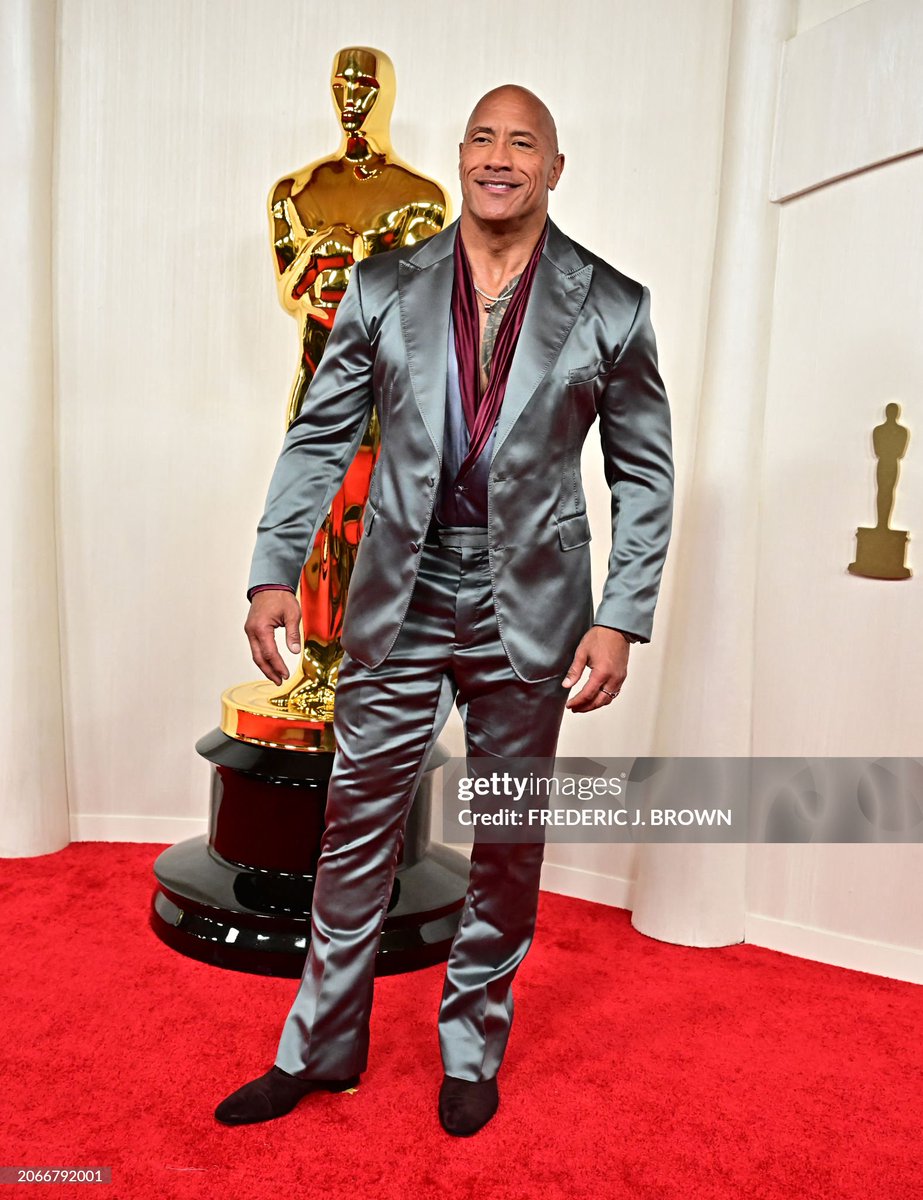
The Rock's suit is interesting because it illustrates the limits of made-to-measure. 🧵 

Broadly speaking, there are three types of clothes
1. Ready to wear: what you find at your local shop
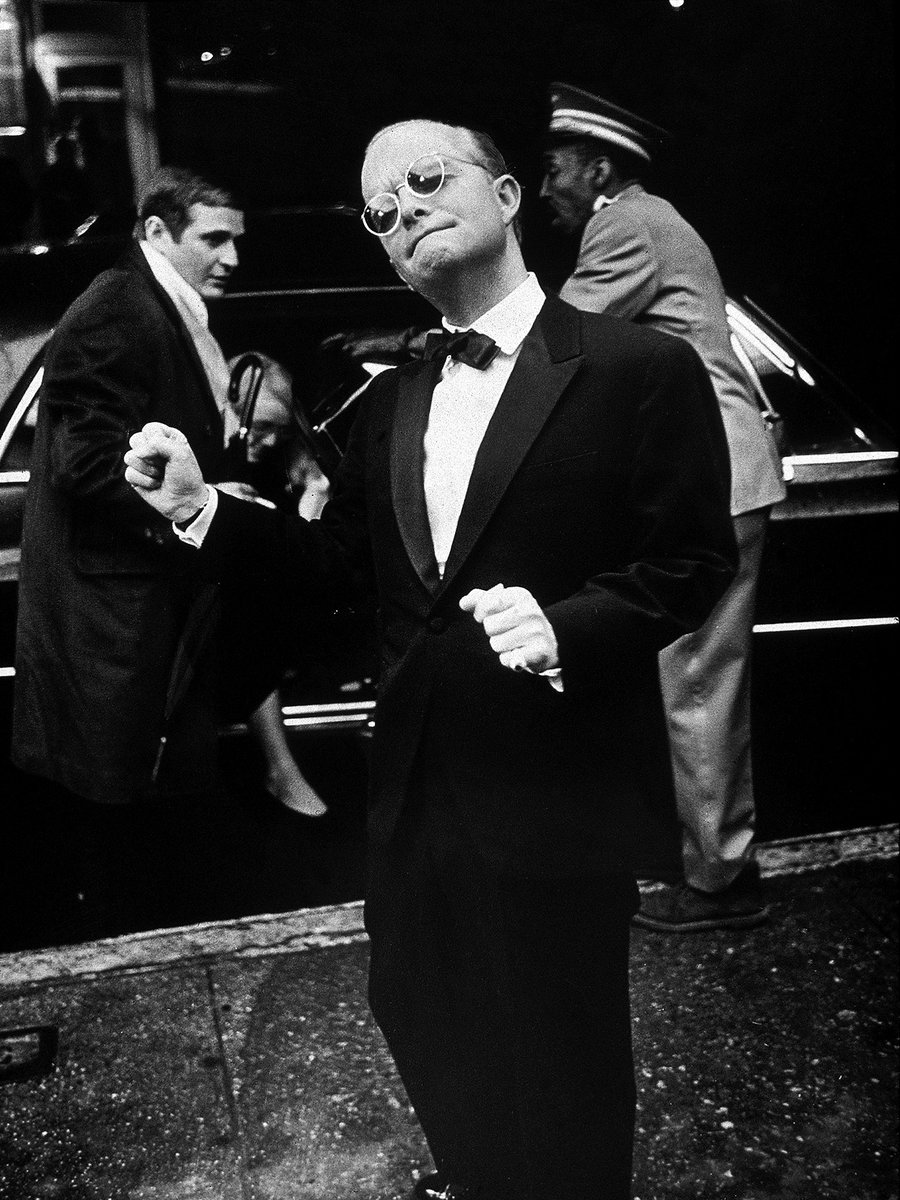
2. Bespoke: a tailor, such as the one below, creates a new garment for you completely from scratch
3. Made-to-measure: a company adjusts a block pattern for you.
1. Ready to wear: what you find at your local shop
2. Bespoke: a tailor, such as the one below, creates a new garment for you completely from scratch
3. Made-to-measure: a company adjusts a block pattern for you.

A pattern is like a garment's architectural blueprint. It determines how something fits you. In bespoke, this pattern is theoretically drafted from scratch and by hand using various drafting formulas. But in made-to-measure, a company starts with a pre-designed block.

This pre-designed pattern is then adjusted according to your measurements using a computer-aided design program (CAD). This system can work reasonably well if you're within a certain distance from the block. But if you are not, then you will need a totally new pattern.

Made-to-measure companies will not draft you a totally new pattern because this is laborious and will significantly increase their costs. If they're honest, they should just turn away your business. But many will make the garment anyway, so you wind up with something like this:

Here, we see the outbreast pocket almost at the armhole. Maybe the person adjusting this block just added more material to the front edge and wasn't able to move the pocket to its correct placement.

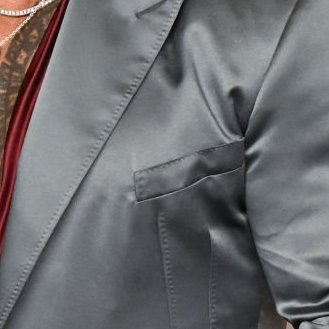
The areas around the armholes are collapsing on both sides. This may be because the block is designed for someone with squarer shoulders. If The Rock lifted both of his shoulders, I imagine this fold would go away. He needs the pattern adjusted for a more sloped shoulder.


A lot of pulling around the front of his legs. This should be an easy adjustment; not sure why it was not made.

By comparison, here is Arnold, who has a similar figure. Guys who are very muscular often think they look better in tighter suits. I have no opinion on whether a tight suit makes you look more muscular, but I think all of the pulling looks bad. This looks much better to me


I often get comments from fitness guys who say that fat people don't look good in clothes. That's absolutely not true. But it is true that certain body types will have a harder time finding ready-made clothes that fit. That applies to muscular builds!
I prefer this framing in the book The Modern Tailor, Outfitter, and Clohthier, edited by AA Whife. This was published in 1918, well before the term "woke" became a thing. This frames things not as "ideal" or "bad" body types but what is "standard" given a market.

Notably, some clothing markets don't even cater to the "standard" figure anymore, but that's another conversation.
However, framing it in this way allows us to better understand what we may need when shopping for a garment.
However, framing it in this way allows us to better understand what we may need when shopping for a garment.
Most people should at least try ready-to-wear, as there's a good chance there's something on the market that will fit. And if not, you can always put things back on the rack. No loss.
Some people, such as The Rock, will need bespoke because they have an atypical figure.
Some people, such as The Rock, will need bespoke because they have an atypical figure.

Some people may be within batting distance of a company's block pattern. With a good company, they may be able to get a better fit through made-to-measure. Your chances of success increase if you're able to try on a ready-made suit produced in the block pattern

This way, you and the fitter can see what needs to be adjusted. A little adjustment here or there—no problem. But if you find yourself like The Rock and can't even squeeze into the suit, you should move on. The more you have to adjust, the more risk you take.


This is also why cheap and/ or online made-to-measure companies (for things like suits, not shirts) can be risky. Cheap companies often rely on trendy blocks (read: very slim, short jackets that don't fit anyone). Online MTM companies also don't have fitters or sample garments.
Don't assume that MTM is automatically better than RTW. Think of it like the editors of that 1918 tailoring book: getting the right fit is like figuring out how to solve a problem. Some need bespoke or MTM; others are fine with RTW. Also good RTW is better than bad MTM/ bespoke

• • •
Missing some Tweet in this thread? You can try to
force a refresh