Hi @BBCCasualty, your recent episode will contribute to the discrimination faced by people who are Clinically Vulnerable to Covid.
It concerns a character called Aishling, a lady wearing an FFP2 mask, who had isolated herself for four years.
1/🧵
It concerns a character called Aishling, a lady wearing an FFP2 mask, who had isolated herself for four years.
1/🧵
Episode 4 - 'Trauma'
Aishling's "Covid anxiety" had resulted in her overdosing on anxiety medication and being unable to drive.
To assist this narrative, she was completely healthy and, therefore, clearly portrayed as a bit mad.
2/
Aishling's "Covid anxiety" had resulted in her overdosing on anxiety medication and being unable to drive.
To assist this narrative, she was completely healthy and, therefore, clearly portrayed as a bit mad.
2/
By the end of the episode, Aishling is seen pulling off her mask to speak (as if people in masks can't talk) and seemingly finding perspective as she realises the doctor suffered her own, far worse, Covid trauma.
More on this later...
3/
More on this later...
3/
This episode is littered with misconceptions, which will no doubt permeate the thinking of the casual viewing public:
"𝘏𝘦𝘺, 𝘥𝘰 𝘺𝘰𝘶 𝘸𝘢𝘯𝘵 𝘵𝘰 𝘵𝘢𝘬𝘦 𝘺𝘰𝘶𝘳 𝘮𝘢𝘴𝘬 𝘰𝘧𝘧? 𝘉𝘳𝘦𝘢𝘵𝘩𝘦 𝘢 𝘭𝘪𝘵𝘵𝘭𝘦 𝘦𝘢𝘴𝘪𝘦𝘳."
4/
"𝘏𝘦𝘺, 𝘥𝘰 𝘺𝘰𝘶 𝘸𝘢𝘯𝘵 𝘵𝘰 𝘵𝘢𝘬𝘦 𝘺𝘰𝘶𝘳 𝘮𝘢𝘴𝘬 𝘰𝘧𝘧? 𝘉𝘳𝘦𝘢𝘵𝘩𝘦 𝘢 𝘭𝘪𝘵𝘵𝘭𝘦 𝘦𝘢𝘴𝘪𝘦𝘳."
4/
This scene perpetuates the myth that masks significantly limit breathing.
The episode misrepresents and undermines mask wearing generally, which is especially problematic for those at higher risk.
The public already don't support them!
#MaskAbuse is a growing problem.
5/![65% of UK mask wearers have been challenged / abused / discriminated against for wearing a mask. [Poll of ~900 UK mask wearers, Jan 2024] Clinically Vulnerable Families](/images/1px.png)
The episode misrepresents and undermines mask wearing generally, which is especially problematic for those at higher risk.
The public already don't support them!
#MaskAbuse is a growing problem.
5/
![65% of UK mask wearers have been challenged / abused / discriminated against for wearing a mask. [Poll of ~900 UK mask wearers, Jan 2024] Clinically Vulnerable Families](https://pbs.twimg.com/media/GInWpi5XAAAR0wj.jpg)
Vaccines *don't* prevent Covid infections.
The patient is repeatedly reassured by staff that they are "𝘧𝘶𝘭𝘭𝘺 𝘷𝘢𝘤𝘤𝘪𝘯𝘢𝘵𝘦𝘥".
This is misleading to viewers. Vaccines reduce the severity of the disease, they do NOT result in sterlising immunity.
6/
The patient is repeatedly reassured by staff that they are "𝘧𝘶𝘭𝘭𝘺 𝘷𝘢𝘤𝘤𝘪𝘯𝘢𝘵𝘦𝘥".
This is misleading to viewers. Vaccines reduce the severity of the disease, they do NOT result in sterlising immunity.
6/
The episode minimises legitimate anxieties and health concerns of people at higher risk from Covid by contrasting them unfavorably with other forms of trauma (as experienced by her doctor throughout the episode).
7/
7/

We believe this will contribute to the public's lack of empathy and understanding towards those who have health conditions, or other risk factors, which mean they remain at higher risk from Covid.
8/
8/
![[Image: Aishling in hospital bed wearing FFP2 mask [On screen text] But look the risks you face from Covid, they're a lot smaller...](https://pbs.twimg.com/media/GInWrb1WQAAOHsg.jpg)
![[Image: Aishling in hospital bed wearing FFP2 mask] [On screen text] ... than the risks from the situation you are actually in.](https://pbs.twimg.com/media/GInWrcjWIAApDKT.jpg)
Aishling's story ended with her taking a deep breath as she pulled off her mask, and will undoubtably contribute to gaslighting faced by Clinically Vulnerable people trying to access essential care safely. It may also influence medical staff.
#MasksInHealthcare #CleanAir
9/
#MasksInHealthcare #CleanAir
9/
Casualty has failed to acknowledge any risks posed by Covid, especially from nosocomial infections in healthcare.
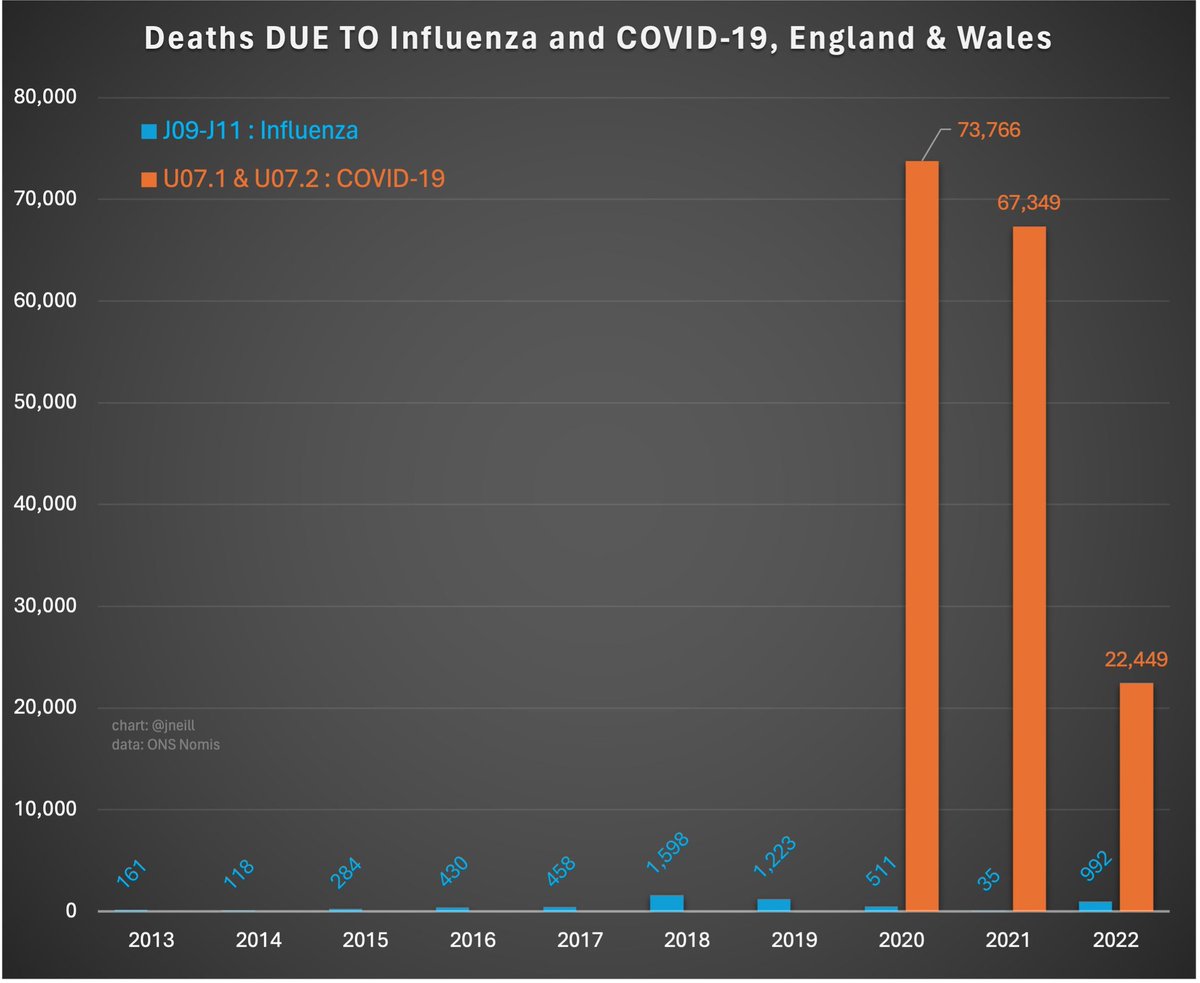
Many more people continue to die from Covid than 'flu. (HT @jneill)
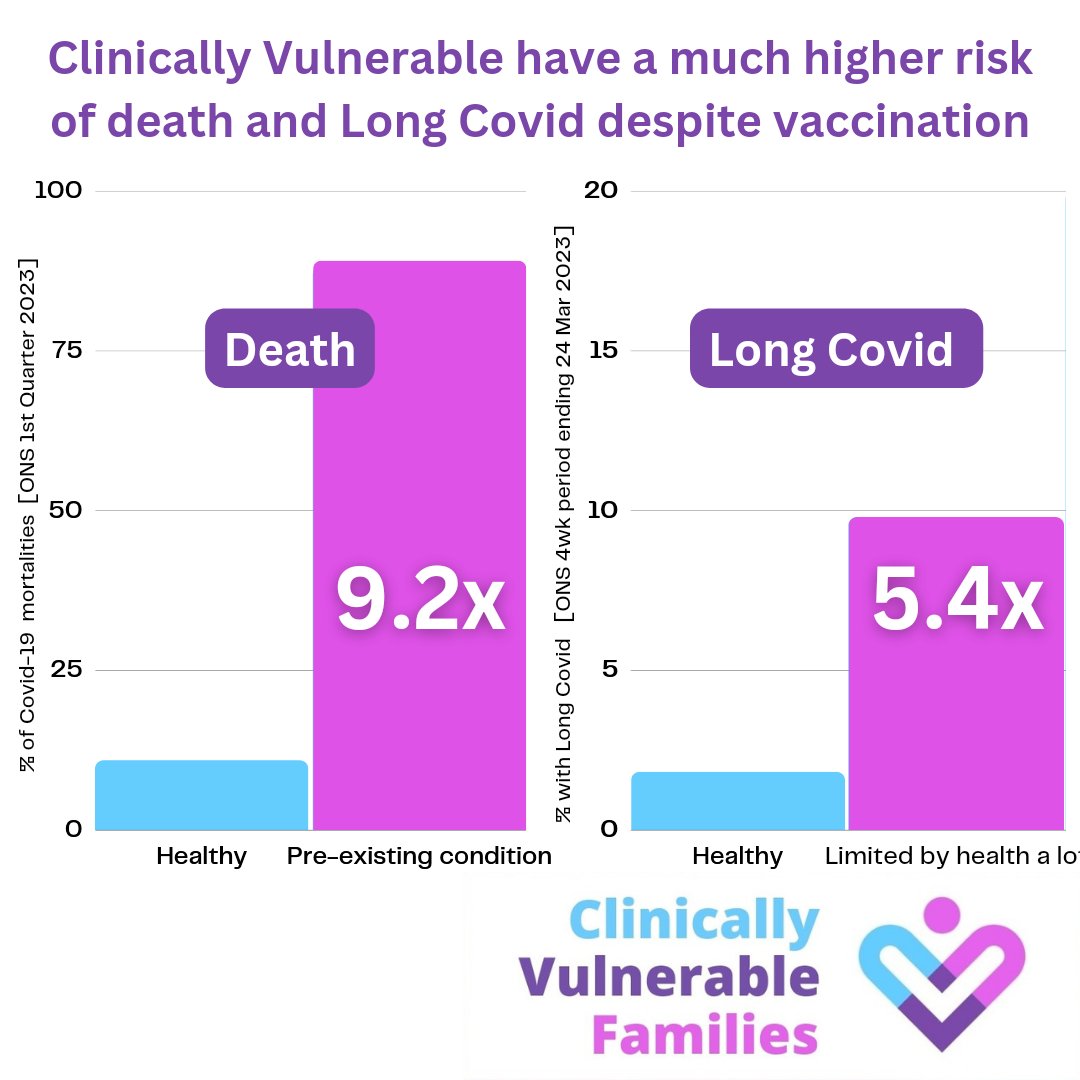
~20 million people are Clinically Vulnerable to Covid. We remain at higher risk.
10/
Many more people continue to die from Covid than 'flu. (HT @jneill)
~20 million people are Clinically Vulnerable to Covid. We remain at higher risk.
10/
We accept that masking may make others feel uncomfortable (due to their own hang-ups).
As in sexual harrassment, what someone else chooses to wear is nobody else's business.
Personal protective equipment enables people to manage risks - particularly in unsafe environments.
11/
As in sexual harrassment, what someone else chooses to wear is nobody else's business.
Personal protective equipment enables people to manage risks - particularly in unsafe environments.
11/
The BBCs minimising of Covid, mask wearing, and general misinformation only serves to increase the stigmatisation of this already marginalised group - who don't share the health privilege of the general population.
Would you target other minorities in this way?
12/
Would you target other minorities in this way?
12/
We support everyone's right to wear a mask , if they choose to, and #MasksInHealthcare😷.
***
Please complain to the BBC:
Then complain to OFCOM:
Thank you 🙏 + ♻️
13/bbc.co.uk/contact/compla…
ofcom.org.uk/complaints
***
Please complain to the BBC:
Then complain to OFCOM:
Thank you 🙏 + ♻️
13/bbc.co.uk/contact/compla…
ofcom.org.uk/complaints
• • •
Missing some Tweet in this thread? You can try to
force a refresh