views
Aristocratic Fury Profile picture
Mar 19 17 tweets 9 min read Read on X
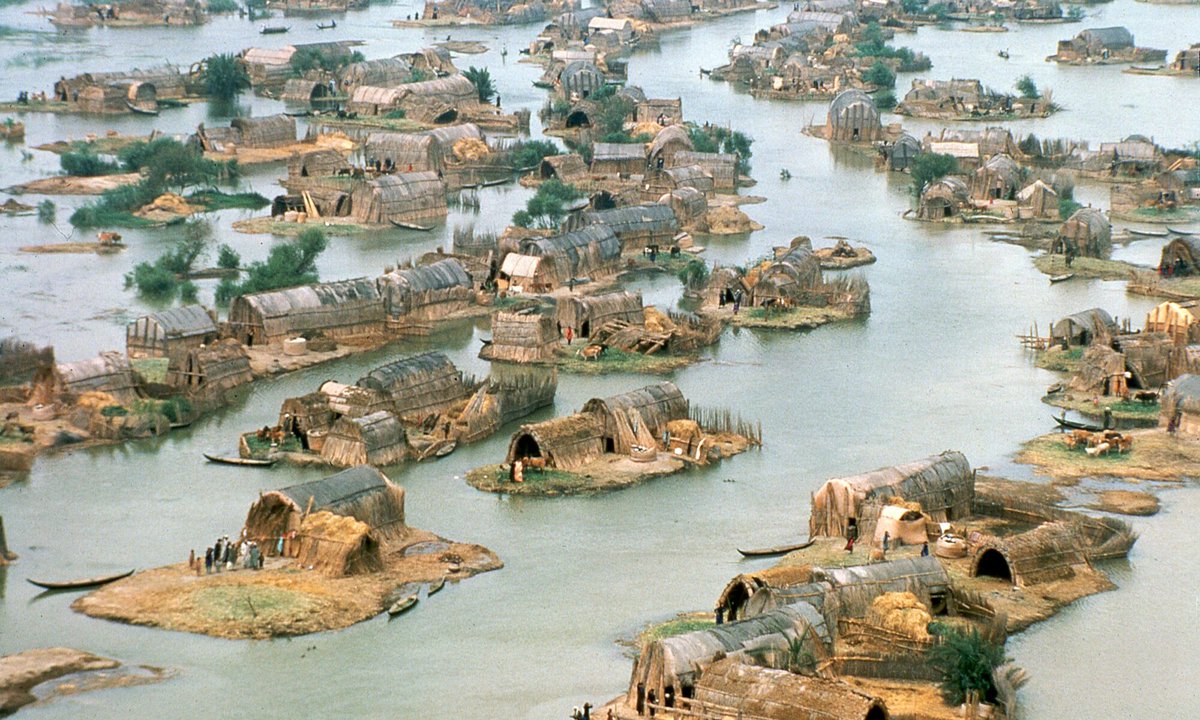
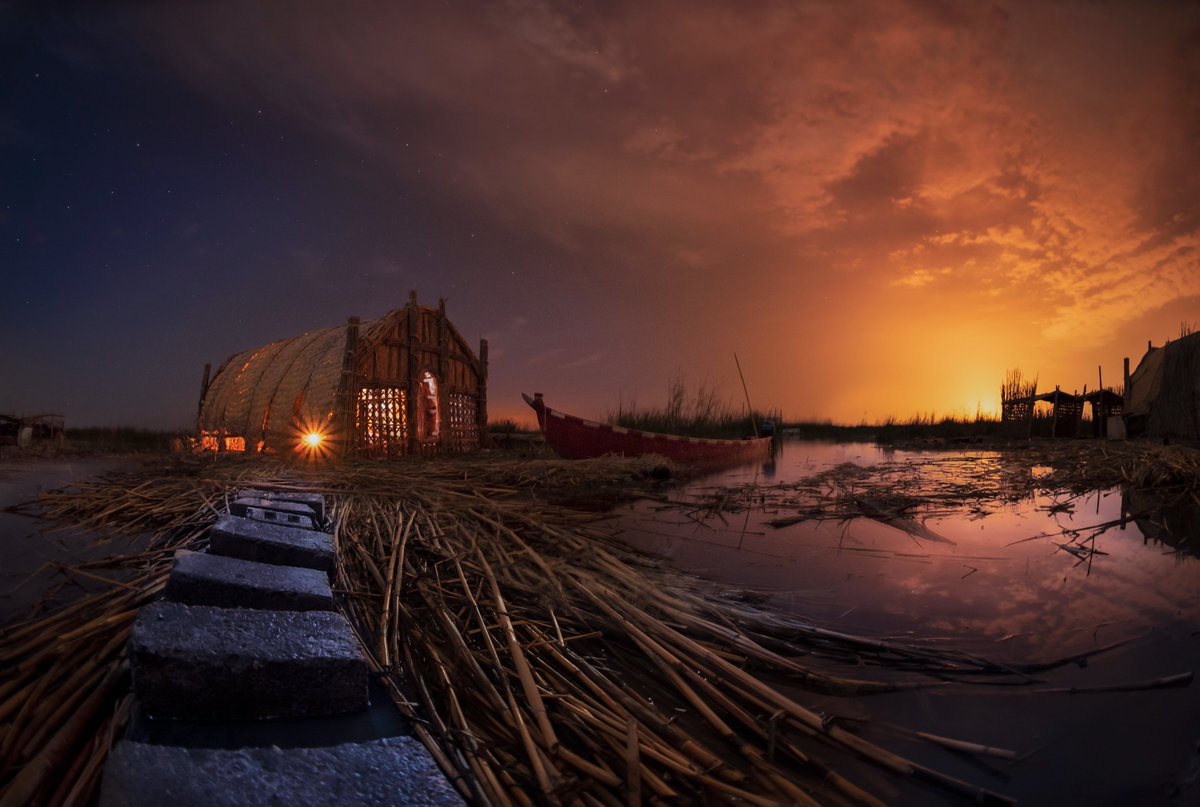
The culture of Marsh Arabs is very interesting. These are people of mysterious origin who inhabit the marshes in southern Iraq and live in traditional reed houses.

There used to be much more of them.


Image
Image
Image
Image
I recently found a depiction of the Marsh Arabs made by the Portuguese around 1540 where it is said "These people are called jizares, inhabit some islands that are in the strait of Basra, are very valiant people and great marksmen."

This caught my interest and I researched more.Image
While they speak Arabic, it is not known where the people known as Marsh Arabs, also referred to as the Ahwaris, came from.

But they have lived in these marshlands for a long time and developed their own distinct culture different from their neighbors. Image
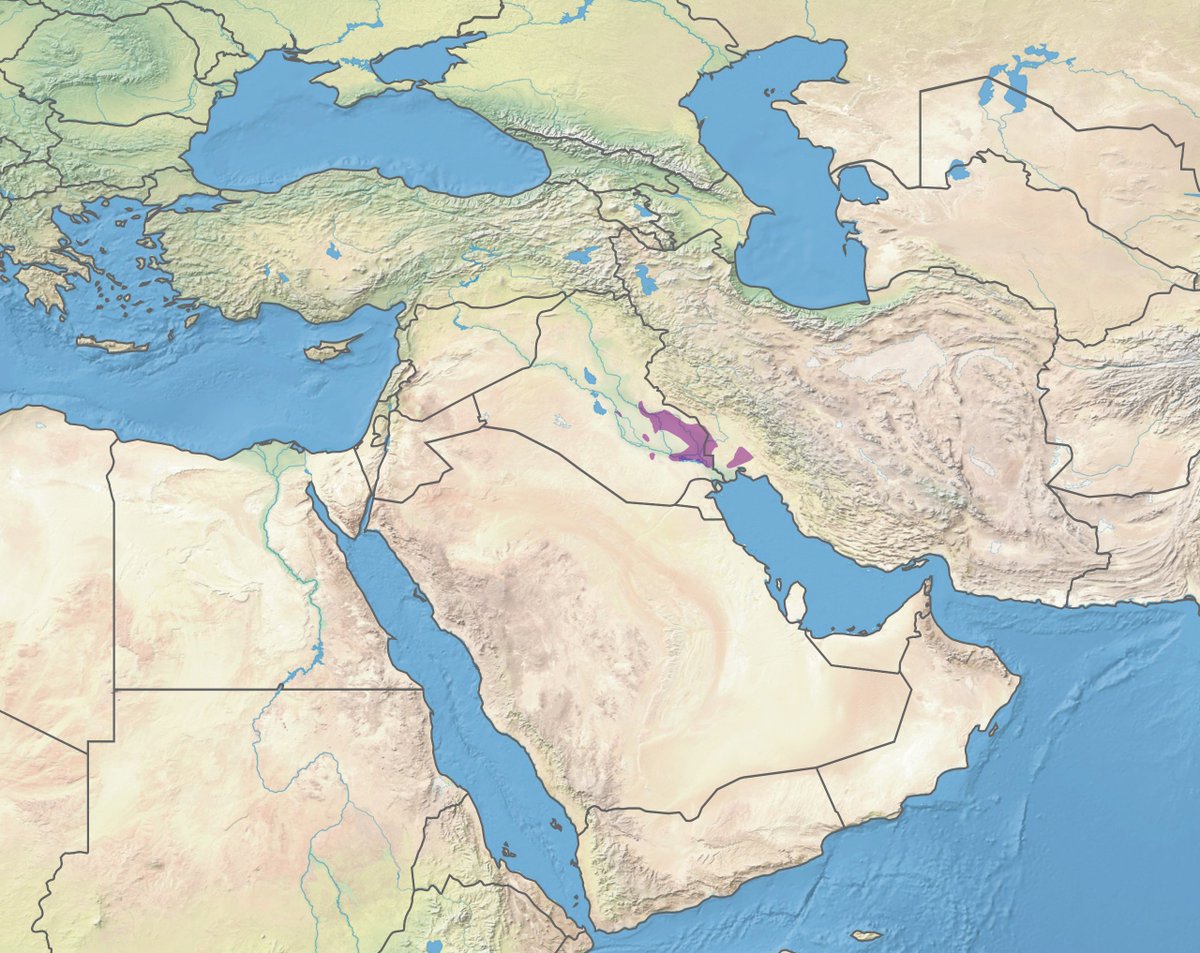
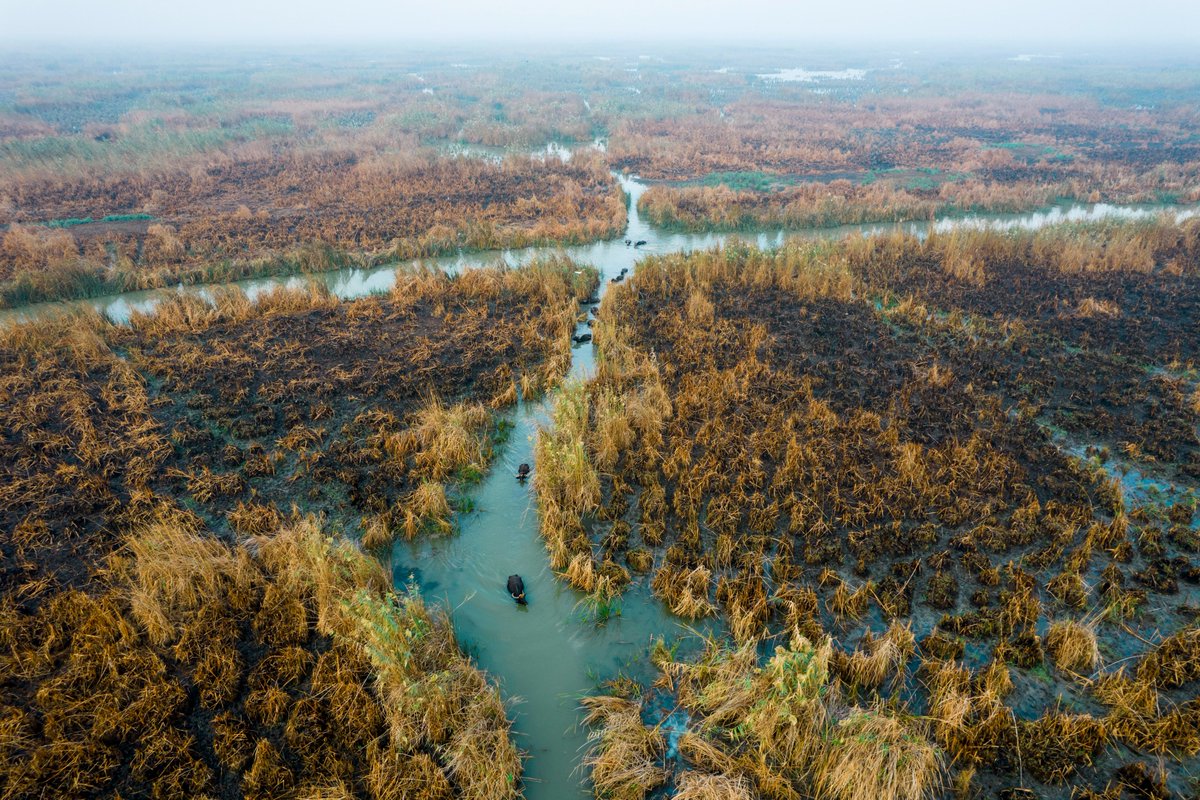
The Mesopotamian marshlands cover a huge area in Southern Iraq and southwestern Iran as well as partially in northern Kuwait.
Image
Image
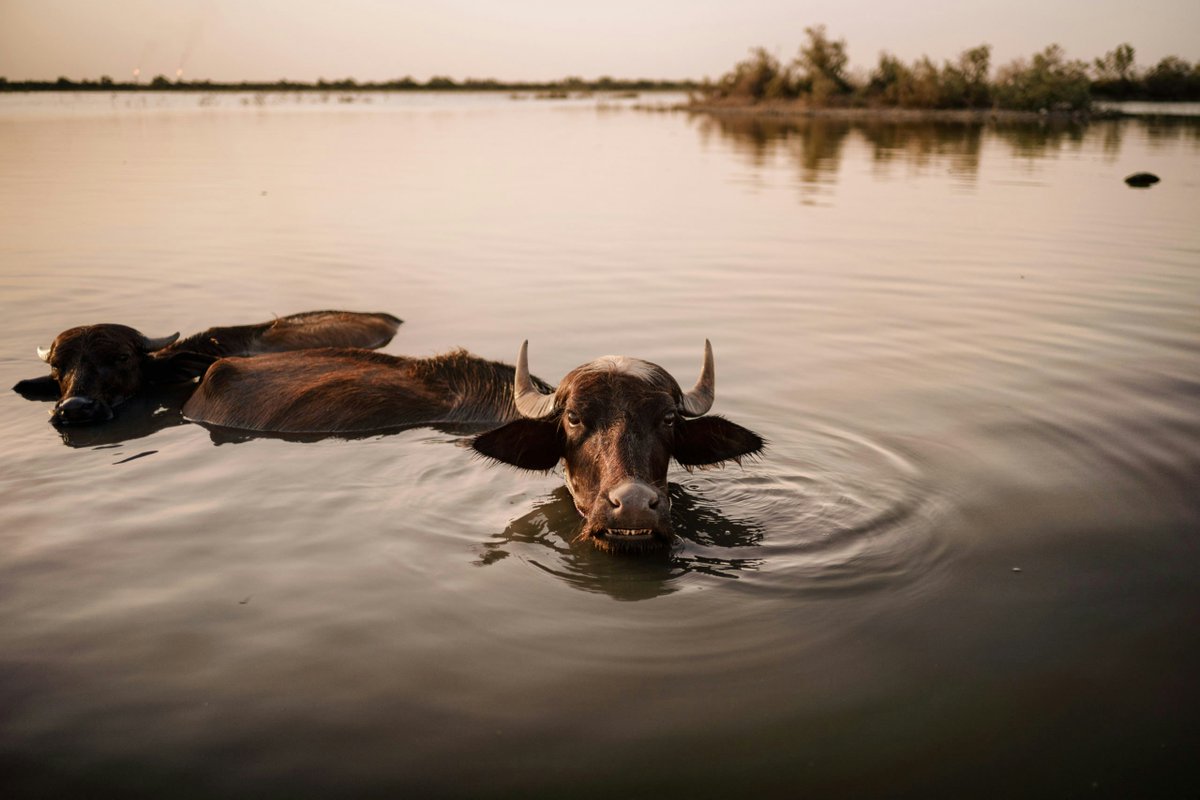
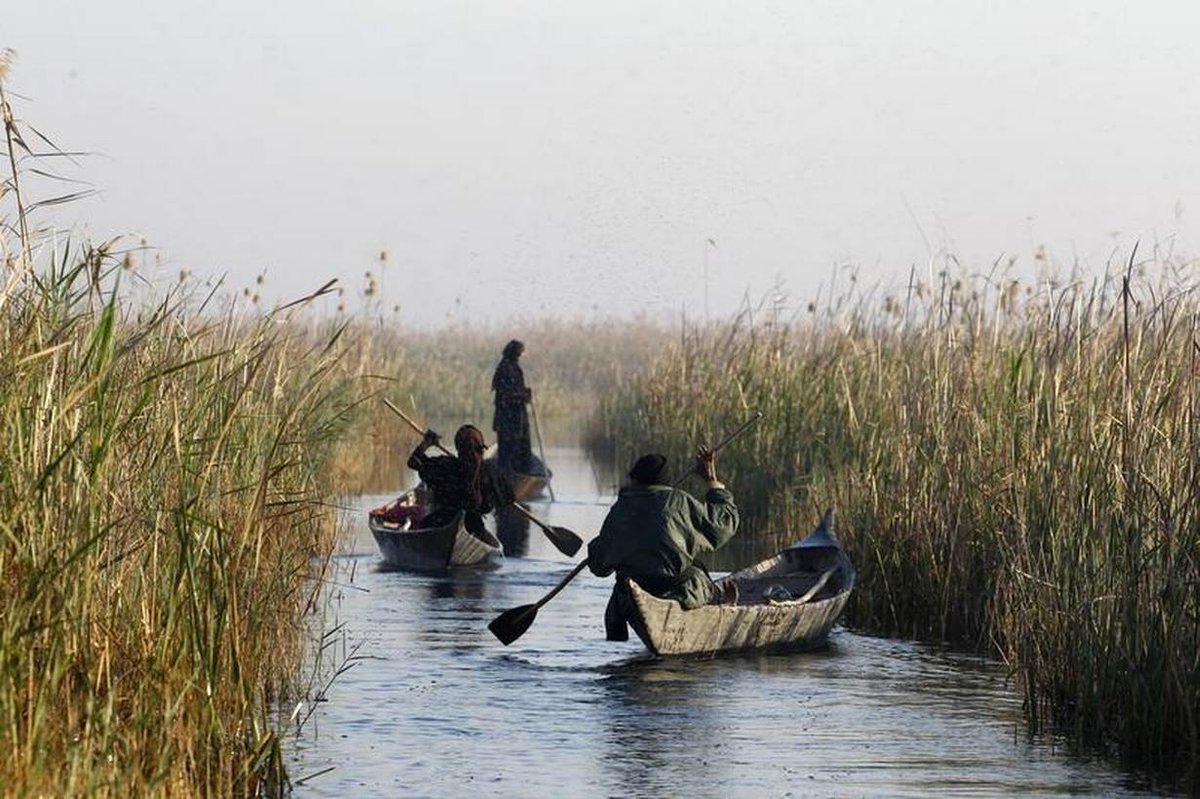
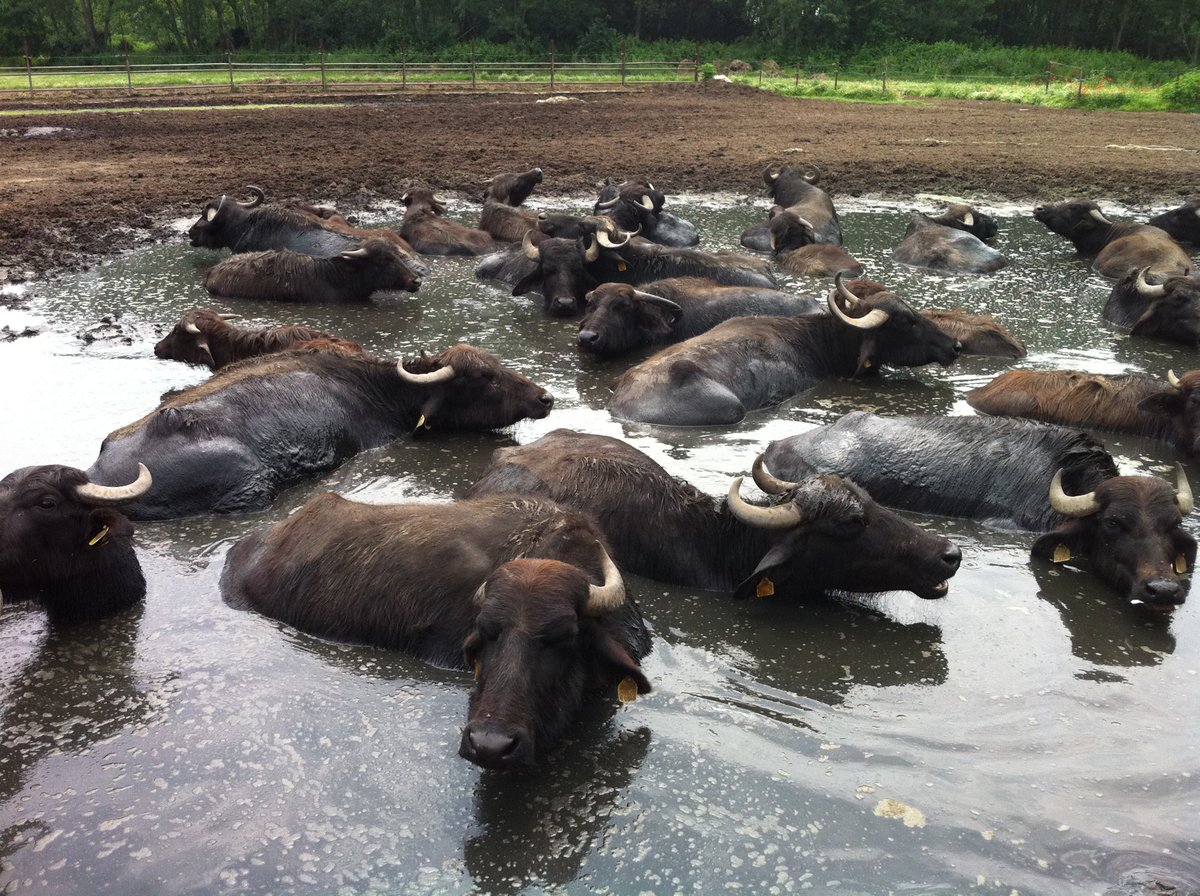
To survive in such environment, the Marsh Arabs traditionally depended on raising water buffalos which are found in these marshes.

They also cultivated rice and other crops.

Image
Image
Image
Image
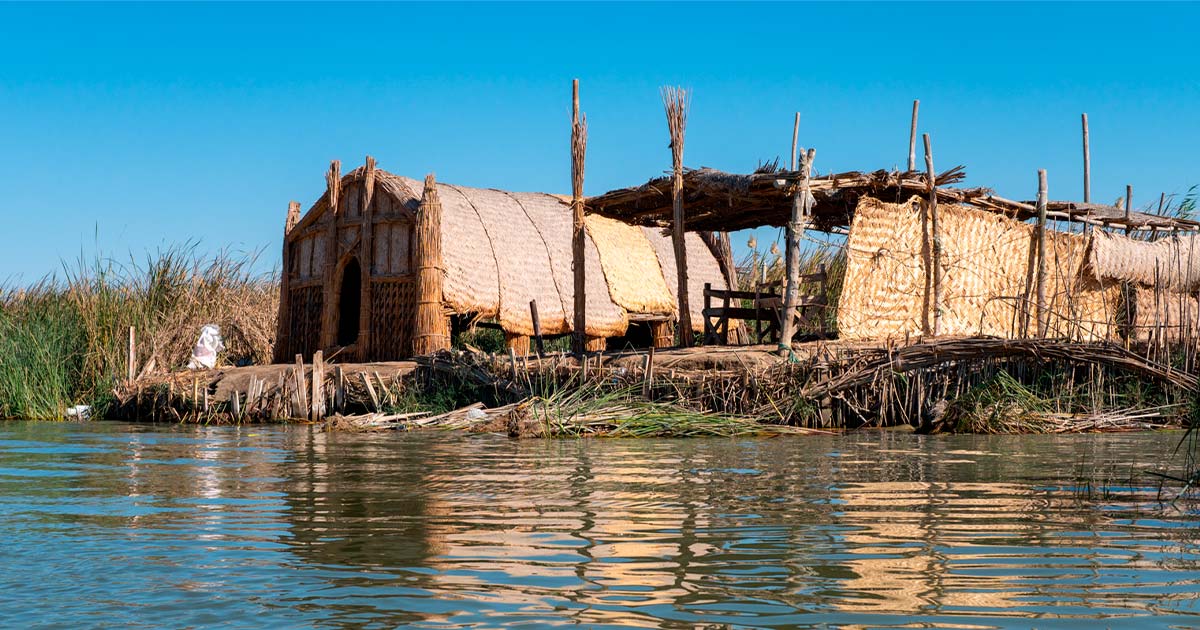
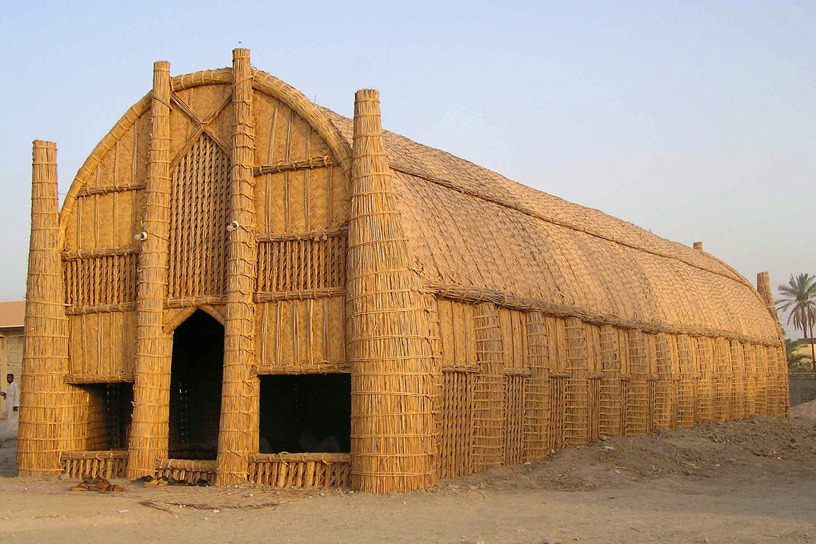
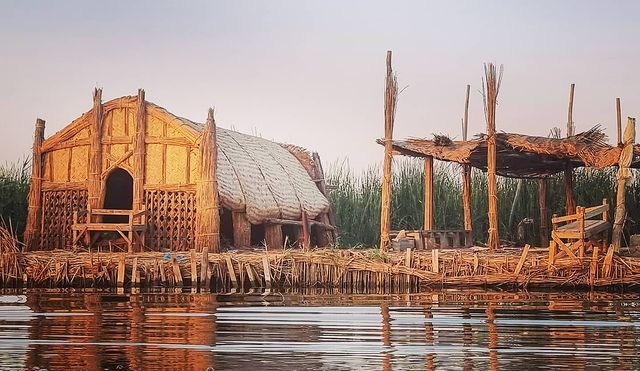
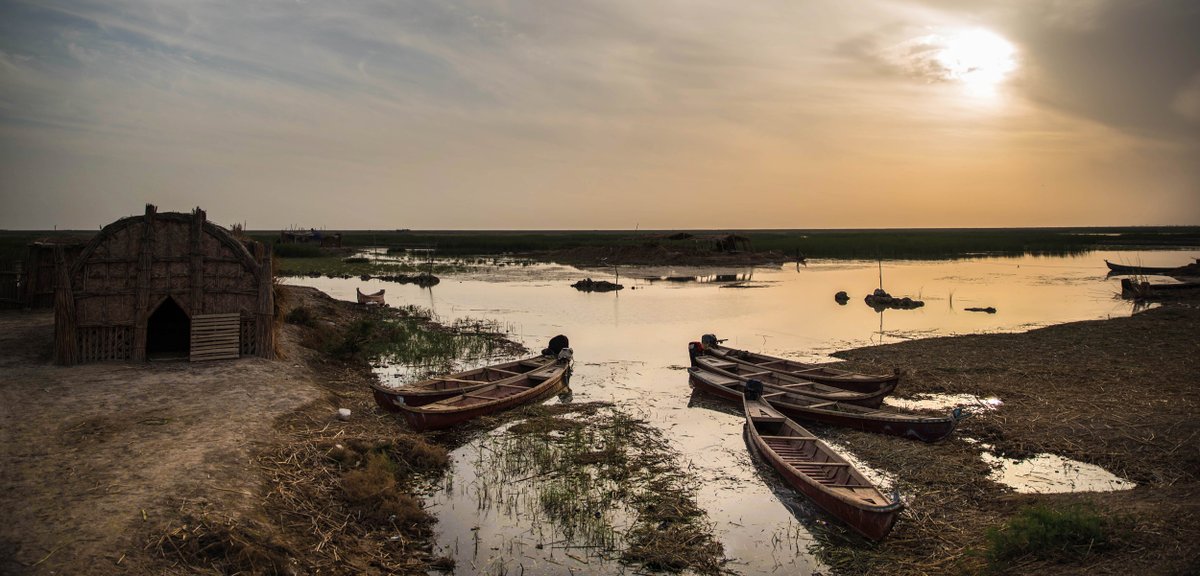
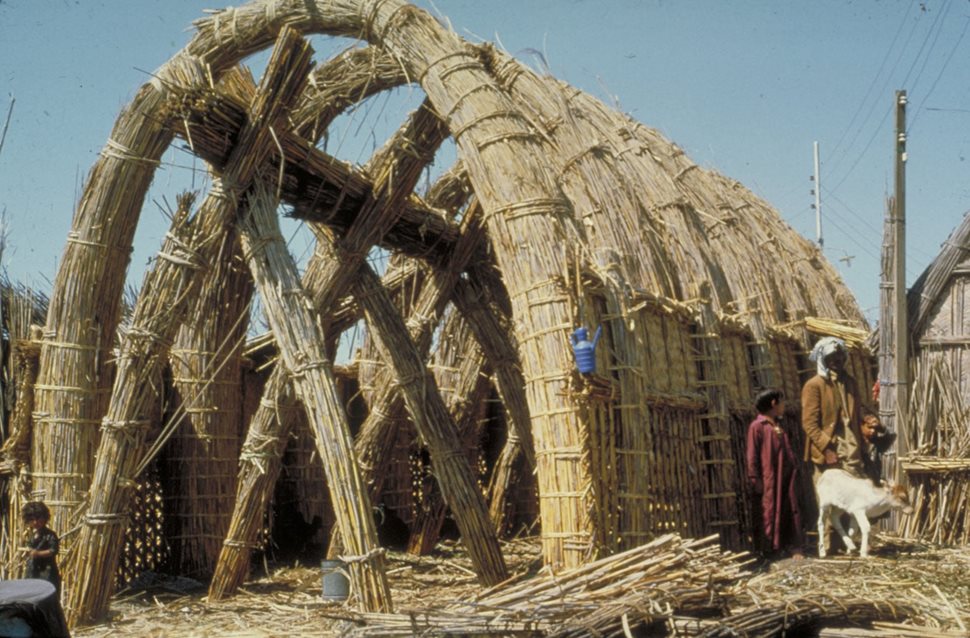
The traditional reed houses of Marsh Arabs are called mudhif!

Reeds from the marshes proved to be a good building material and stood the test of time.Image
Image
Image
Image
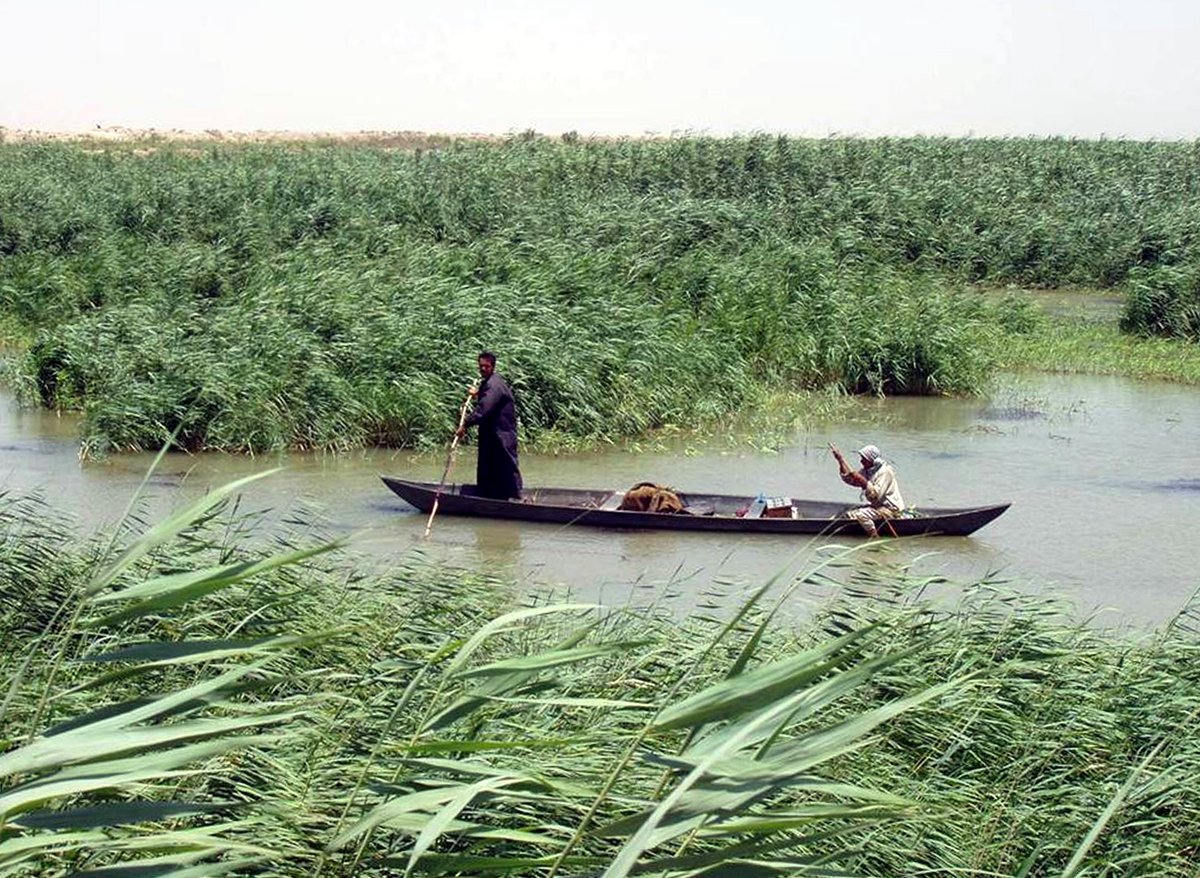
For transportation they use long canoes called mashoof.Image
But Marsh Arabs were often looked down upon.

They lived a very humble existence and any money they made was mostly from selling reed mats. Image
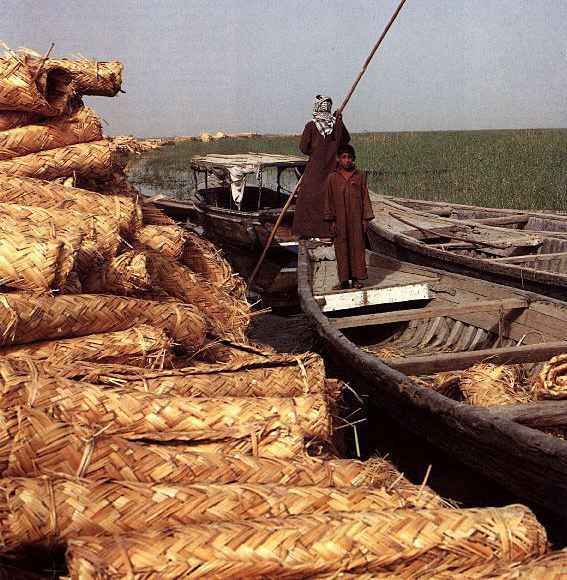
The marshlands also developed a sinister reputation as a safe haven for thieves and bandits.

A British observer wrote in 1920s, "Their neighbours look upon them with scorn not unmixed with fear. Apart from their outlandish manner of life they are hardened thieves and cutthroats."Image
Historically the Mesopotamian marshlands were also a refuge for slaves and rebels such as during the Zanj Rebellion 869-883. Image
Such reputation carried into modern times.

During the government of Saddam Hussein, the marshlands were seen as refuge for his political opponents and insurgents. Image
Following the failed uprising in 1991, Saddam Hussein's government decided to drain the marshes to punish the Marsh Arabs, who were mostly Shiite Muslims.

200,000 Marsh Arabs were displaced as a result of this campaign against them. Image
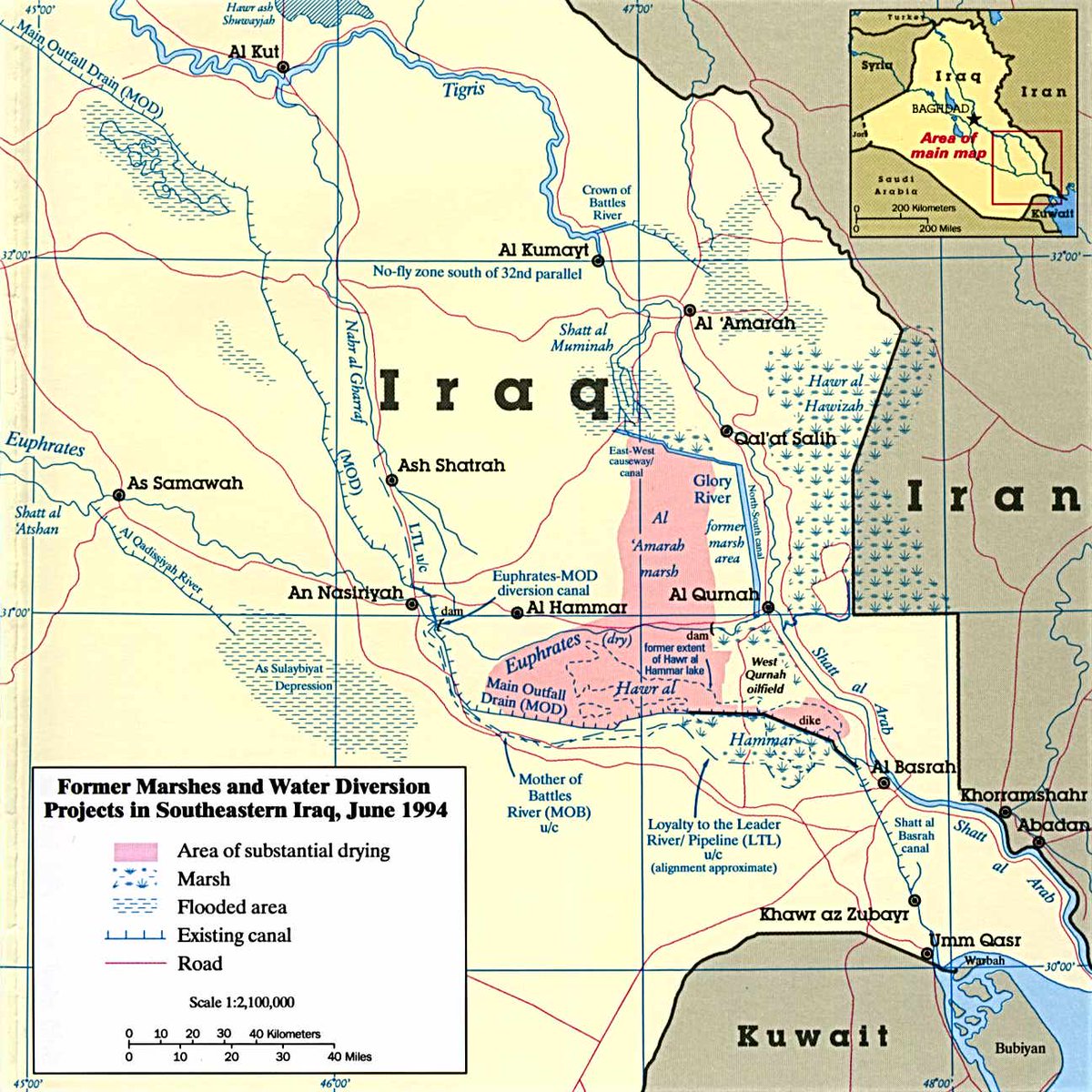
But following the overthrow of Saddam's regime water flow to the marshes was restored and the ecosystem has begun to recover.

The permanent wetlands now cover more than 50% of 1970s levels! Image
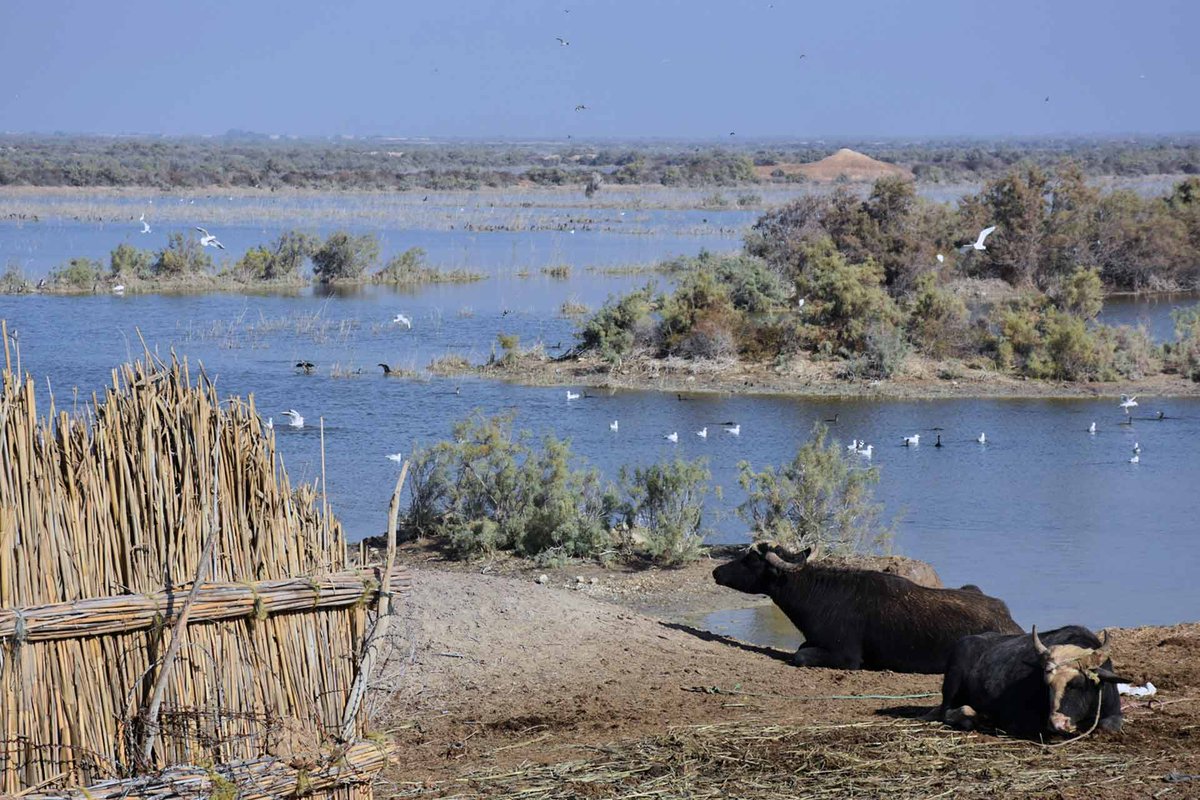
However apparently only few of the resettled Marsh Arabs have returned.

Their numbers are fewer than they used to be.

It is a very tough lifestyle which seems to be disappearing. Image
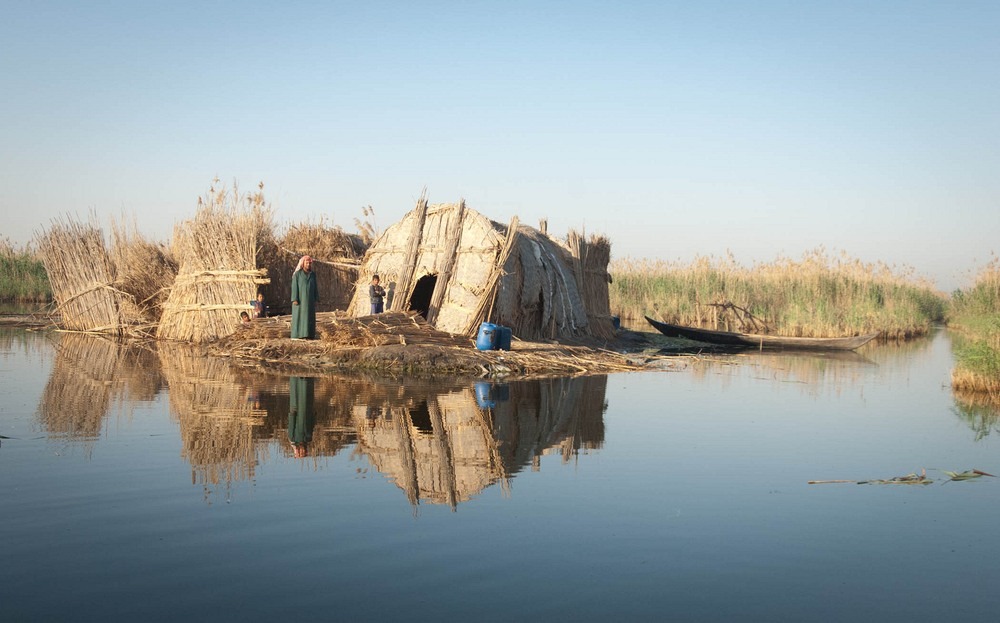
More photos of Marsh Arabs who continue living their traditional lifestyle.
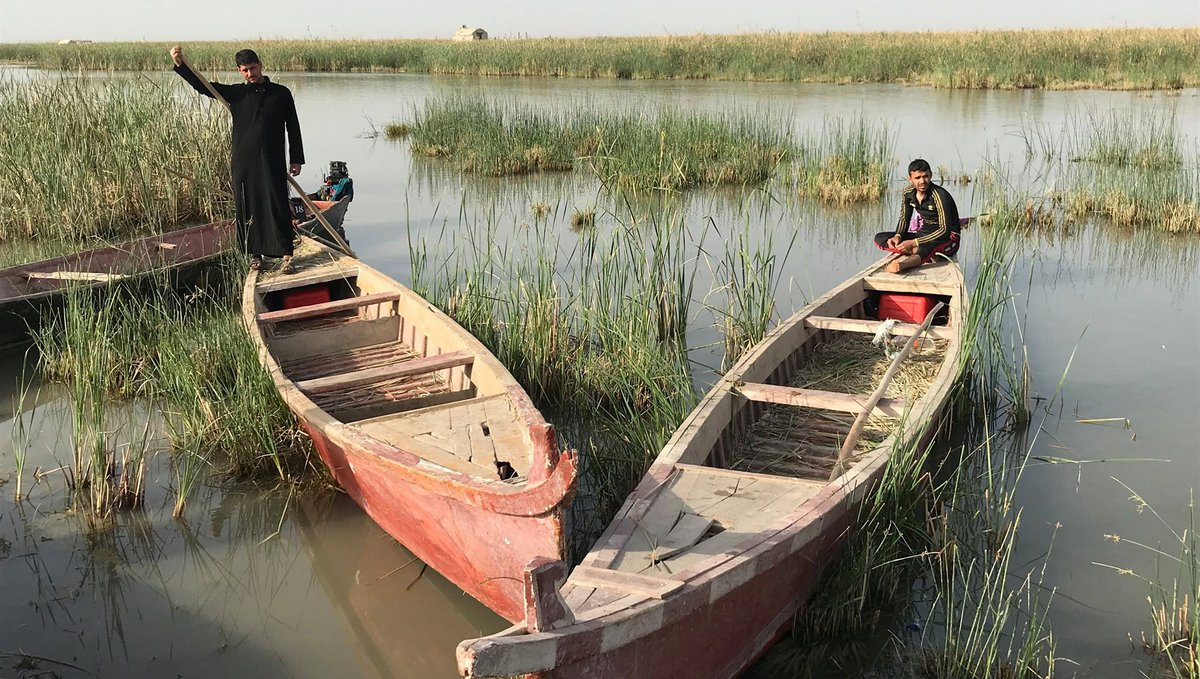

Image
Image
Image
Image
Water buffalos continue to be essential for maintaining the traditional way of life of Marsh Arabs.

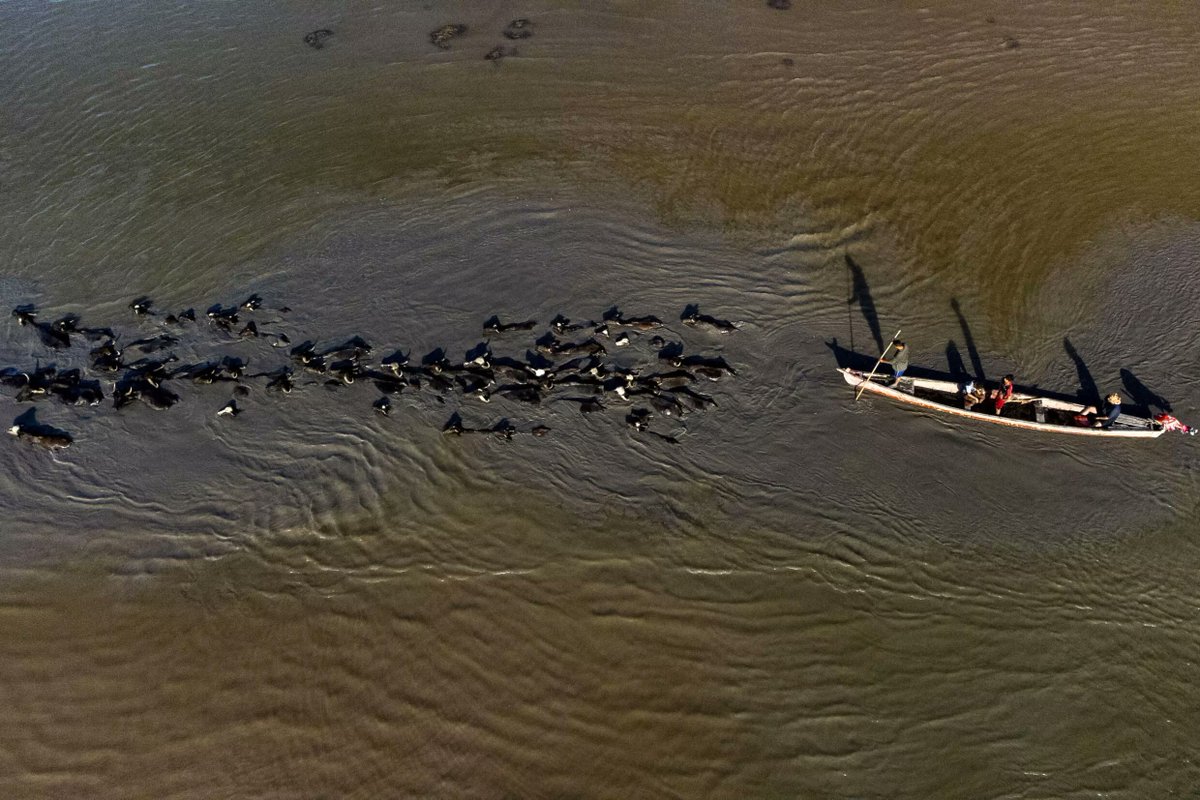
Image
Image
Image
Image
*I apologize for the grammatical error, I now realize that I should have written "many more of them" instead of "much more of them".

This is something very specific in English language of which I was not aware of. But we learn something new every day.

• • •

Missing some Tweet in this thread? You can try to force a refresh

 

Keep Current with Aristocratic Fury

Aristocratic Fury Profile picture

Stay in touch and get notified when new unrolls are available from this author!

Read all threads

This Thread may be Removed Anytime!

PDF

Twitter may remove this content at anytime! Save it as PDF for later use!

Try unrolling a thread yourself!

how to unroll video
  1. Follow @ThreadReaderApp to mention us!

  2. From a Twitter thread mention us with a keyword "unroll"
@threadreaderapp unroll

Practice here first or read more on our help page!

More from @LandsknechtPike

Mar 19
What are some of the popular phrases and sayings that originate from pike and shot era wars?

"Hoist with one's own petard" is one of the most known ones, but there are others. 🧵
Image
Image
A petard was an explosive device invented in 1579.

It was used during sieges to blow up gates or sections of walls. The petards often blew too fast and could hurt the petardiers (men who carried the petard and lit the fuse), hence the phrase "hoist with his own petard".Image
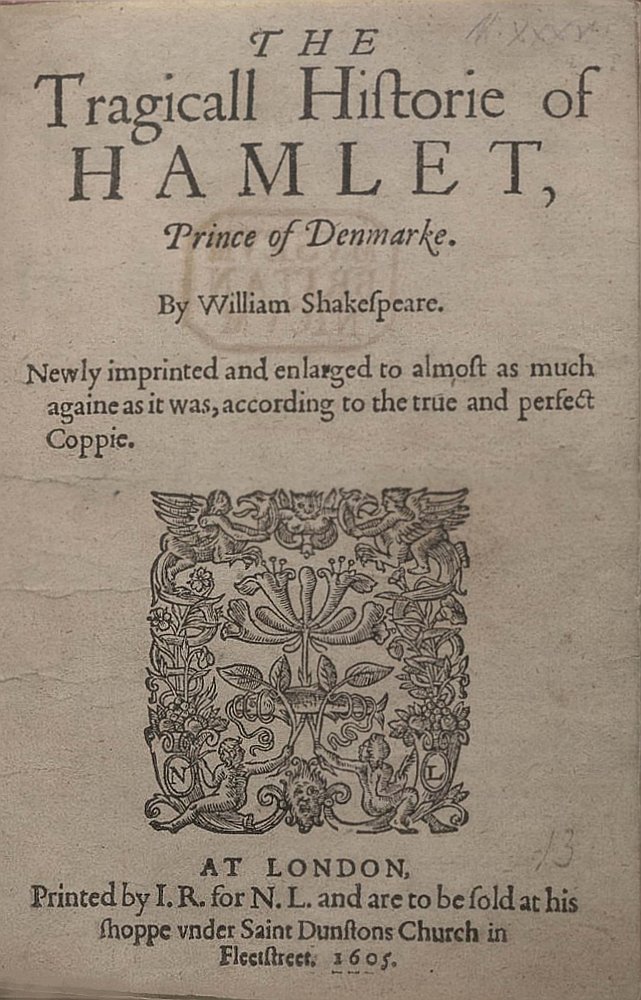
The phrase is famous because it was used by William Shakespeare in his play Hamlet to indicate an ironic reversal or poetic justice.

"For 'tis the sport to have the enginer
Hoist with his own petard; and 't shall go hard"Image
Image
Read 15 tweets
Mar 15
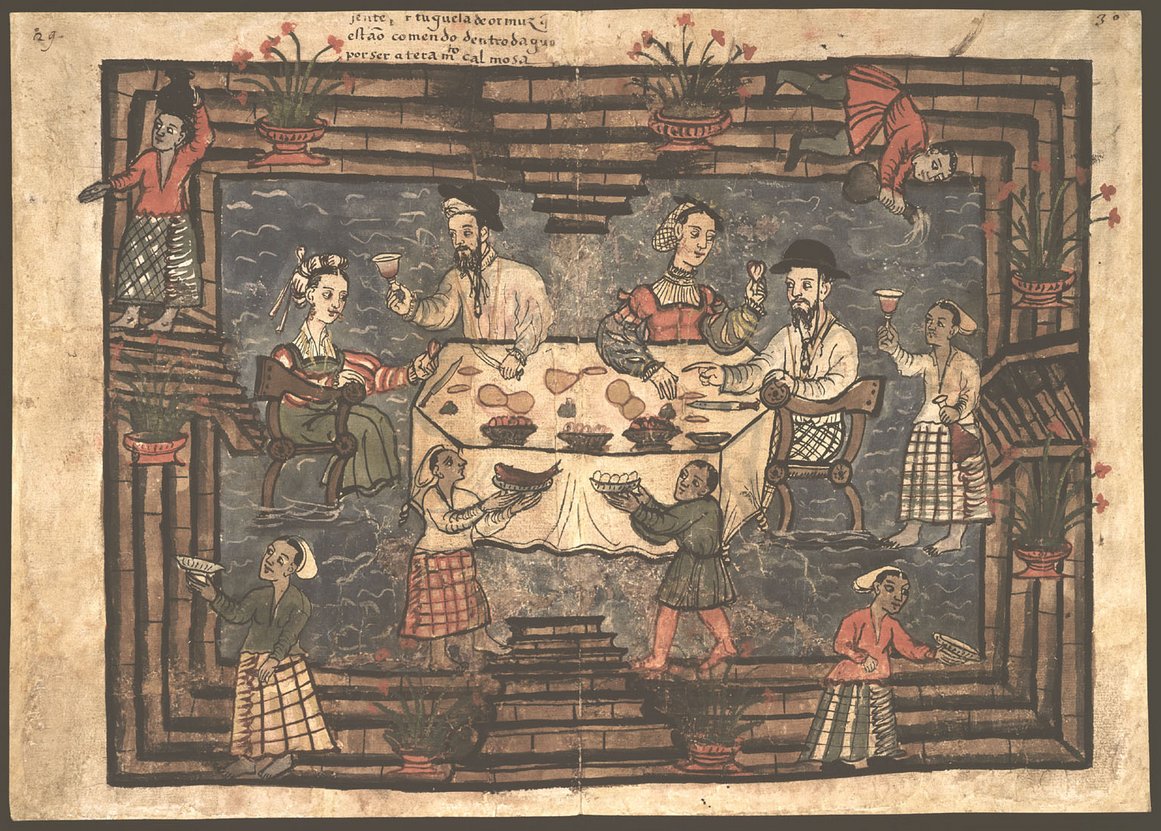
Very interesting depiction of a Portuguese household on Hormuz Island in the Persian Gulf from around 1540.

The inscription says "Portuguese folk of Hormuz that are eating in water for the land is very warm."

Apparently they purposely flooded their homes due to hot climate! Image
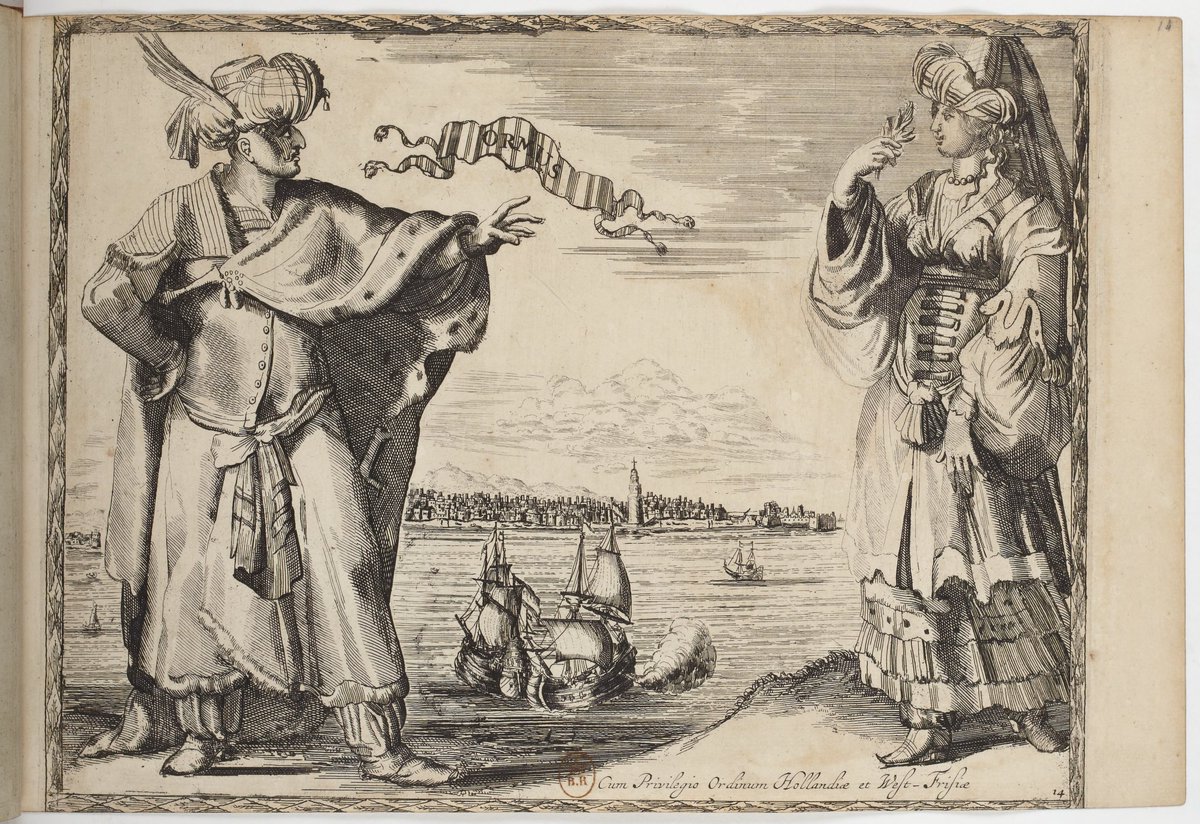
Hormuz was one of the important strongholds of the Portuguese Empire in the 16th century after they conquered it twice in 1507 and 1515.

The port city of Hormuz was very wealthy and prosperous as seagoing trade between India and the Middle-East passed through there. Image
Travelers from many parts of the world spoke about the enormous wealth of Hormuz!

Arab traveler Ibn Battuta described it as "a fine large city with magnificent bazaars".

The Chinese who were part of Ming treasure voyages mentioned how there were "no poor families there". Image
Read 13 tweets
Jan 13
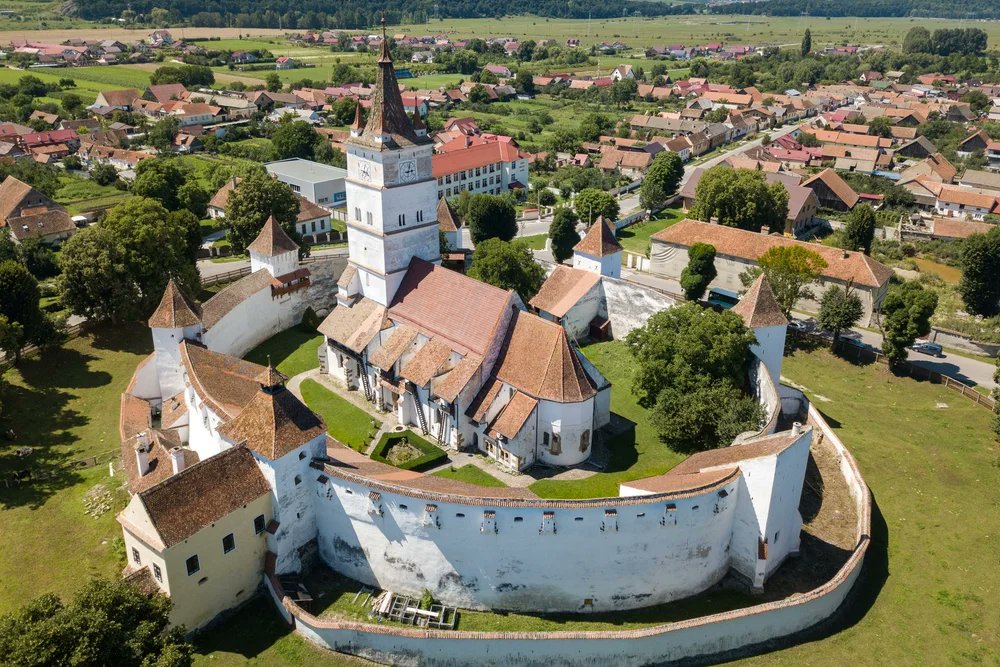
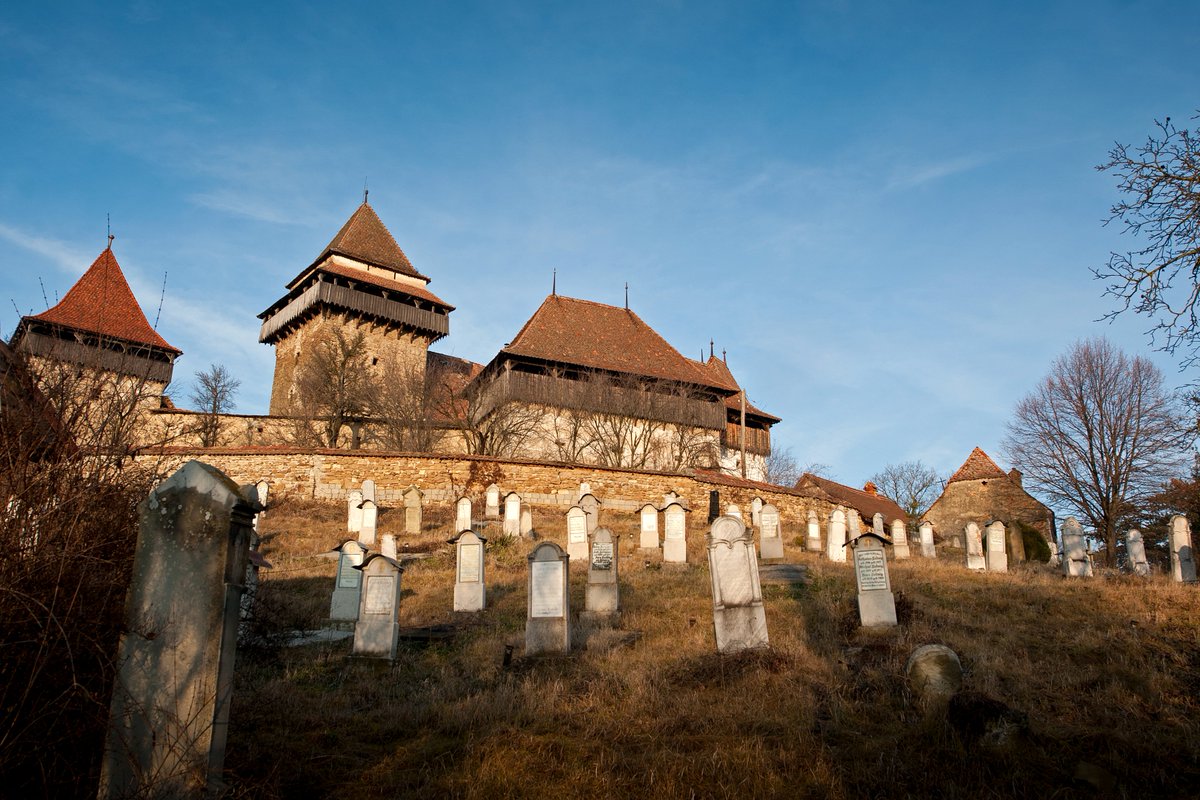
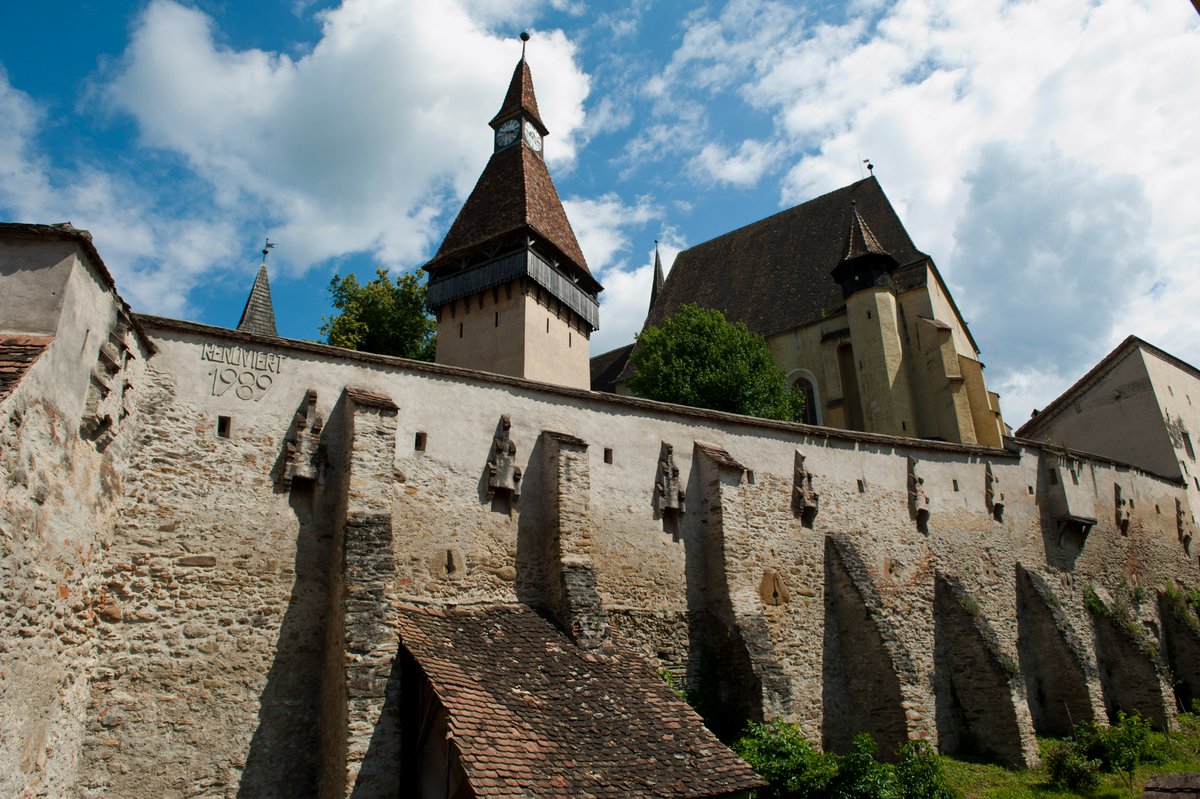
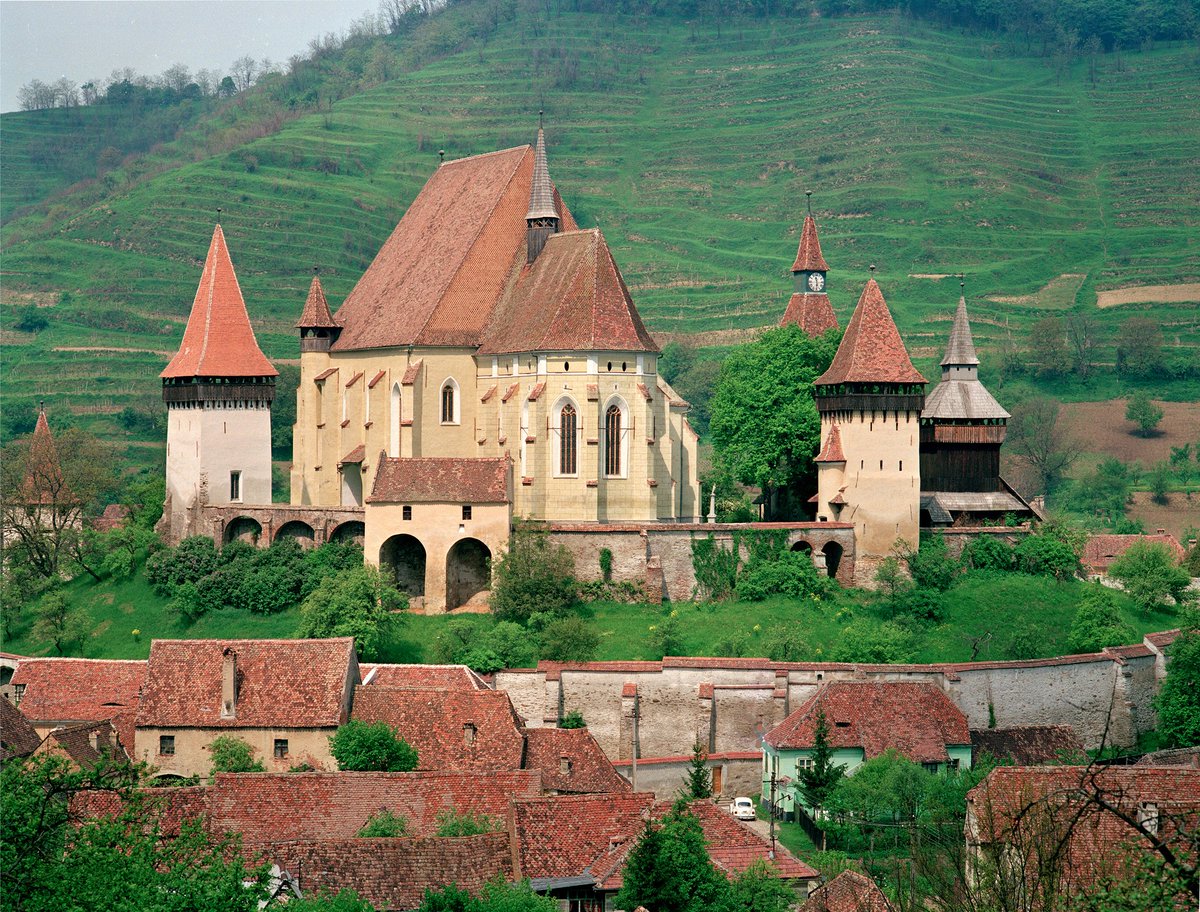
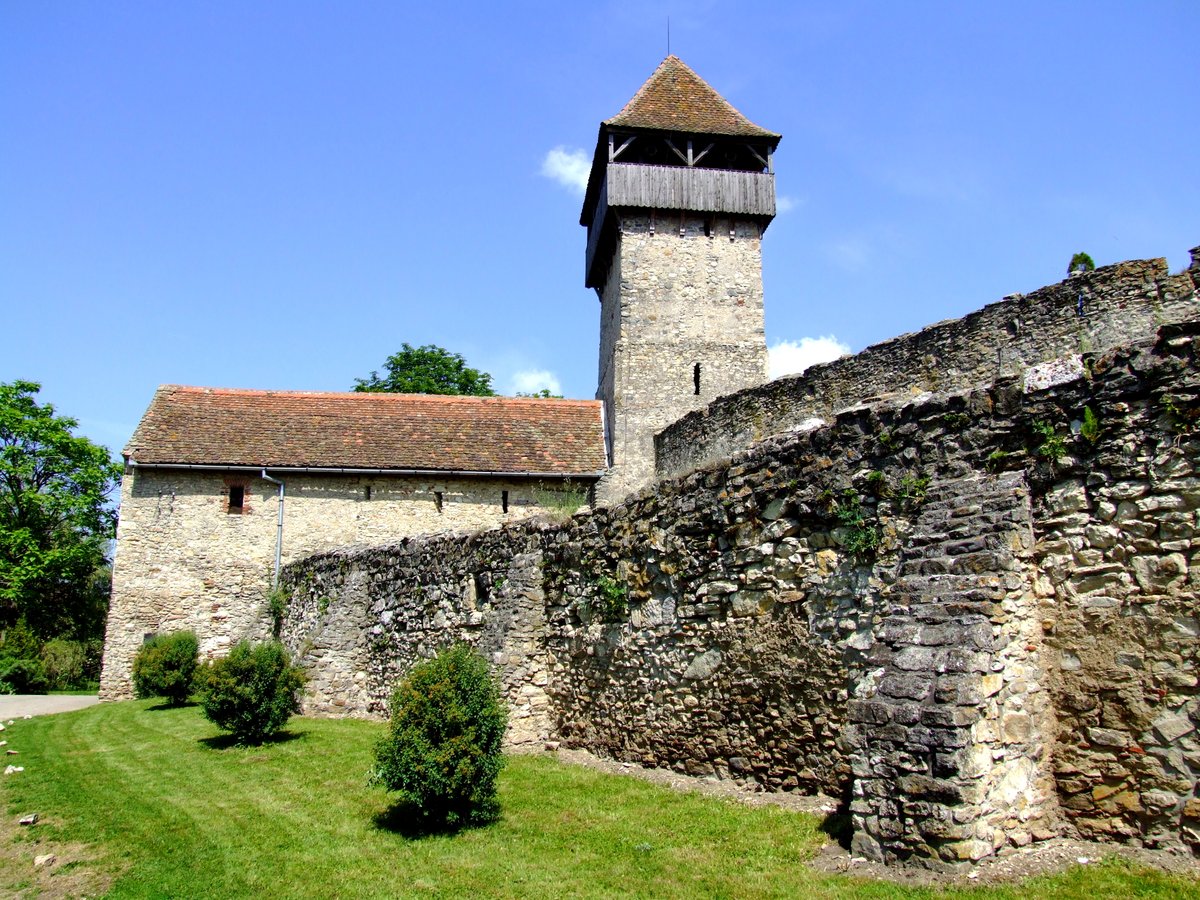
The fortified churches in Transylvania remind us of the troubled violent past of this borderland region.

Many churches had to be heavily fortified in 15th and 16th centuries due to the Ottoman danger.

In this thread I will post some of the most fascinating examples. 🧵


Image
Image
Image
Image
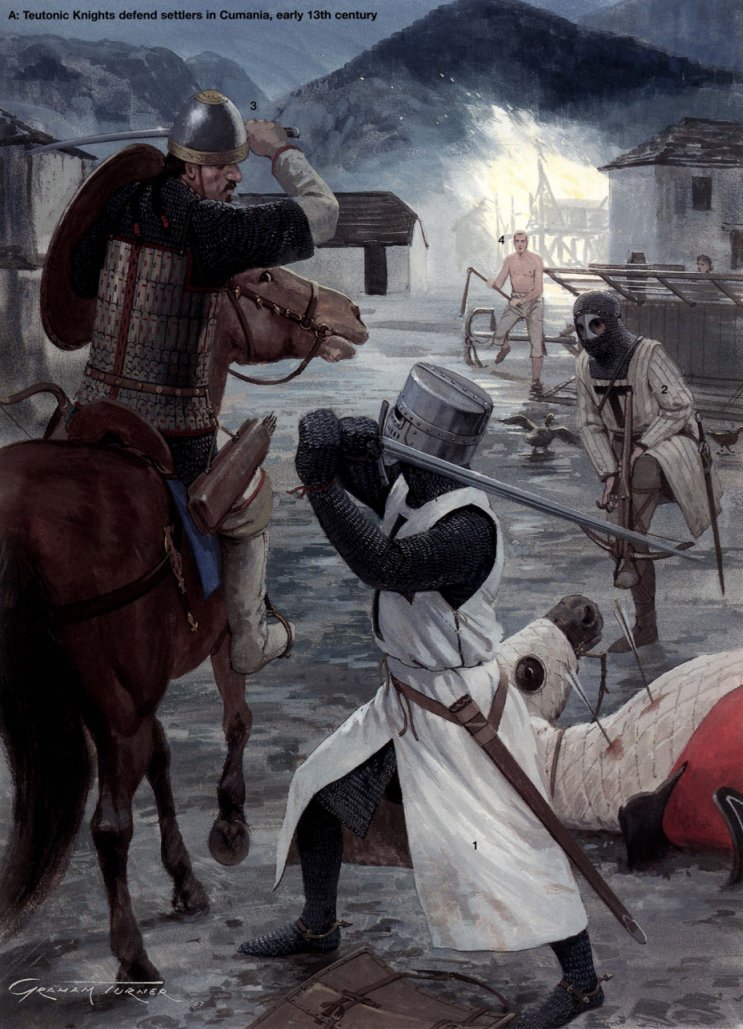
The fortified churches in Transylvania were mostly built by Transylvanian Saxons.

These were people from Holy Roman Empire who came to settle this dangerous borderland region of the Kingdom of Hungary in 12th and 13th century.
Image
Image
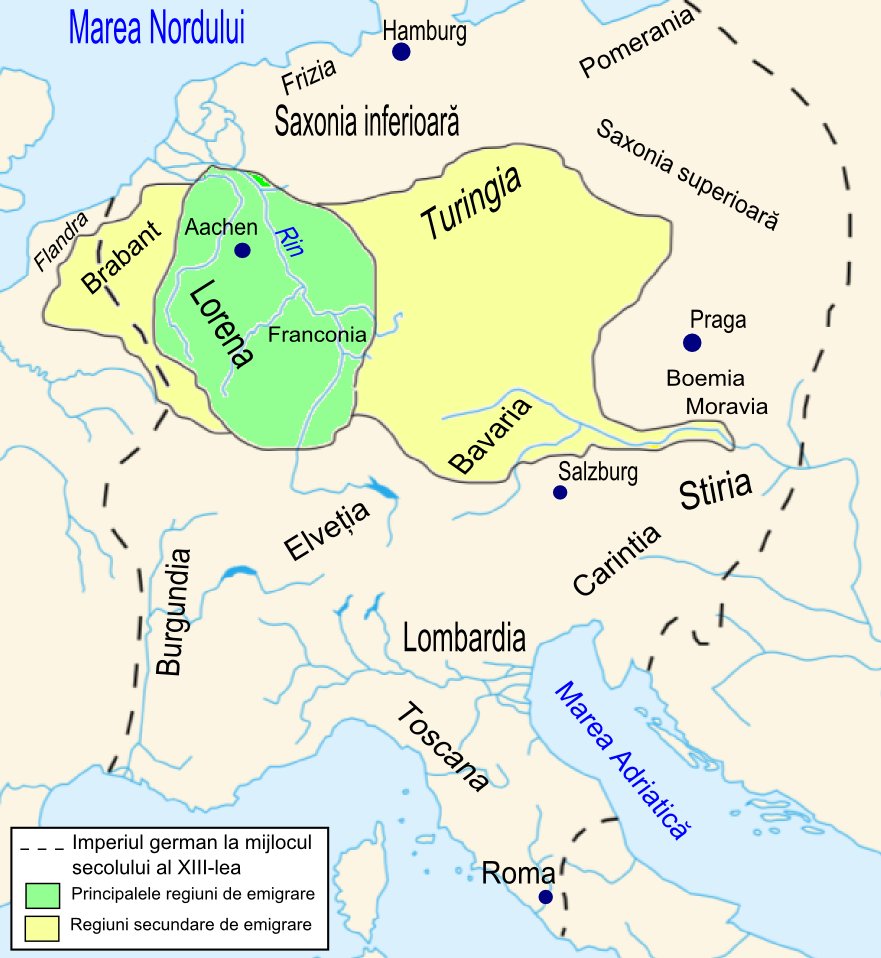
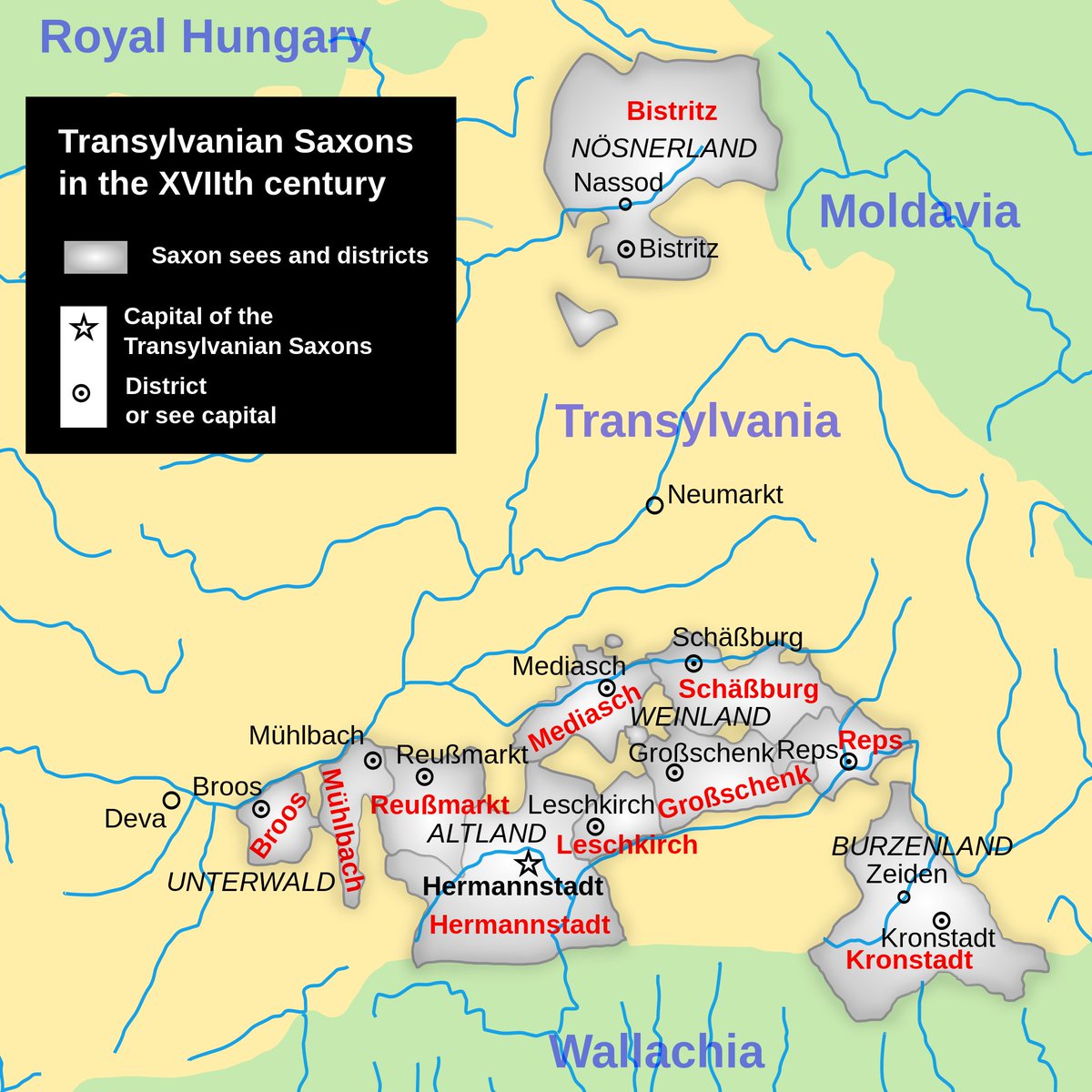
These settlers became collectively known as Transylvanian Saxons, but in reality they came from various lands of the Holy Roman Empire, including the Low Countries.

On these maps you can see their origin, and where they settled in Transylvania!
Image
Image
Read 13 tweets
Jan 7
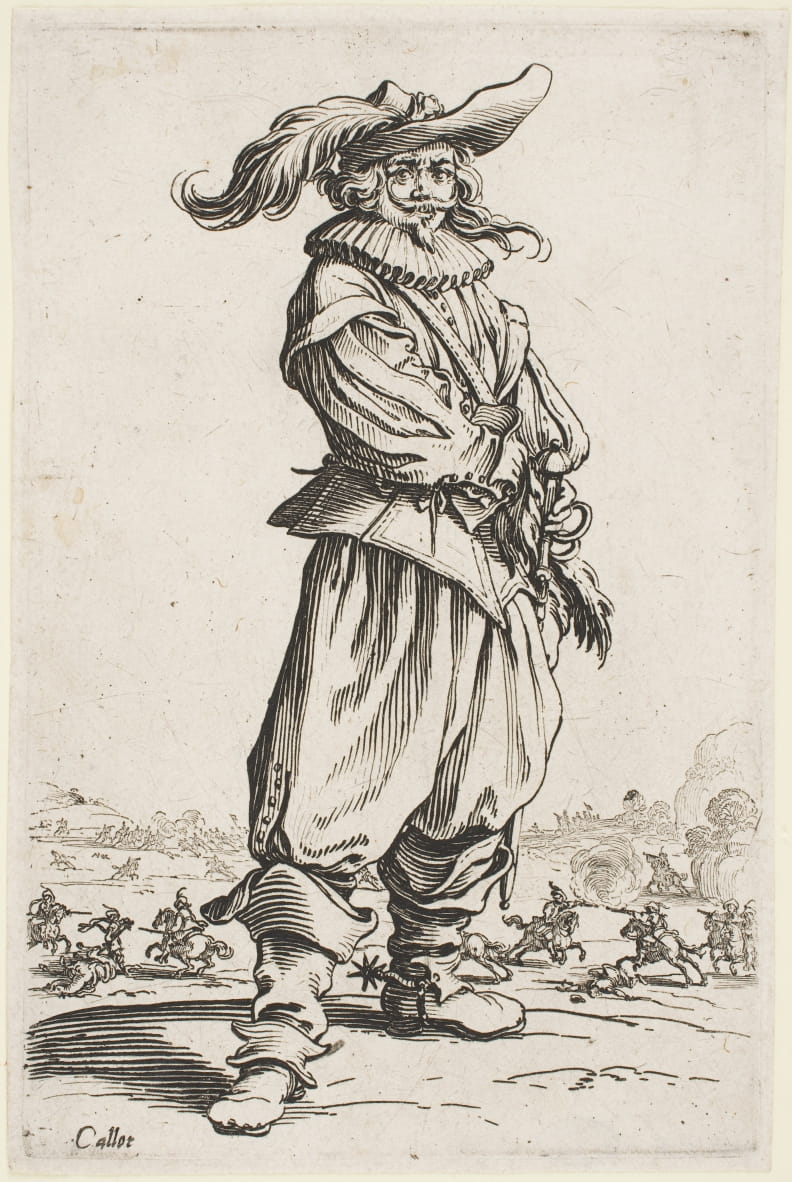
Around 1620 baroque artist Jacques Callot posted a series of prints depicting nobility in his native region of Lorraine.

I will post his prints in this thread, for I really like this depictions of nobles. Just look how elegant they were!

(1/12) 🧵 Image
(2/12) Image
(3/12) Image
Read 12 tweets
Nov 20, 2023
One of the most amazing feats of military engineering in the Middle Ages was the galeas per montes (galleys across mountains)!

In 1438-39, the Republic of Venice transported a large number of ships from the Adriatic Sea to Lake Garda.

This included a difficult land journey. 🧵


Image
Image
Image
This happened in the context of Wars in Lombardy, a series of conflicts between large coalitions of Italian cities led by the Duchy of Milan and Republic of Venice, as these two rival powers clashed in northern Italy.

The war lasted 1423 to 1454.
Image
Image
The Venetians had long been a formidable sea power.

But in 15th century they started to also rapidly expand their Domini di Terraferma (mainland domains).

On this map you can see the territories gained by Venetians, and the year in which they came into their possession. Image
Read 21 tweets
Nov 12, 2023
I just learned about an interesting Mamluk tradition of mahmal!

Mahmal was a ceremonial litter carried on a camel on the annual Hajj pilgrimage to Mecca.

The tradition started in 13th century by Sultan Baibars and lasted until mid-20th century. 🧵

Image
Image
Image
I recently heard about mahmal when I was reading this 15th century Mamluk account following the battle of Varna in 1444, when the Ottoman Sultan sent Hungarian captives to Cairo.

"Their arrival occasioned a greater tumult than on the day of the mahmil."

This caused a great curiosity! What was this day of the mahmil?

This is how I learned about the tradition of sending a mahmal for the annual pilgrimage.

The mahmal's departure from Cairo was accompanied by celebrations. This was the day of the mahmal. But when did this start?
Image
Image
Read 11 tweets

Did Thread Reader help you today?

Support us! We are indie developers!


This site is made by just two indie developers on a laptop doing marketing, support and development! Read more about the story.

Become a Premium Member ($3/month or $30/year) and get exclusive features!

Become Premium

Don't want to be a Premium member but still want to support us?

Make a small donation by buying us coffee ($5) or help with server cost ($10)

Donate via Paypal

Or Donate anonymously using crypto!

Ethereum

0xfe58350B80634f60Fa6Dc149a72b4DFbc17D341E copy

Bitcoin

3ATGMxNzCUFzxpMCHL5sWSt4DVtS8UqXpi copy

Thank you for your support!

Follow Us!

:(