Hate Incidents: how thousands of people are ending up on Scottish police databases for non-crimes.
A week away from the introduction of the Hate Crime Act, this is chilling. 🧵
#HateCrime
The new law extends the ways people can end up on a list, but Police Scotland have been recording accusations for several years.
This is their handbook:
So what happens when someone contacts police to report something they’ve seen that they don’t like?
This is the most recent police guidance: scotland.police.uk/what-s-happeni…
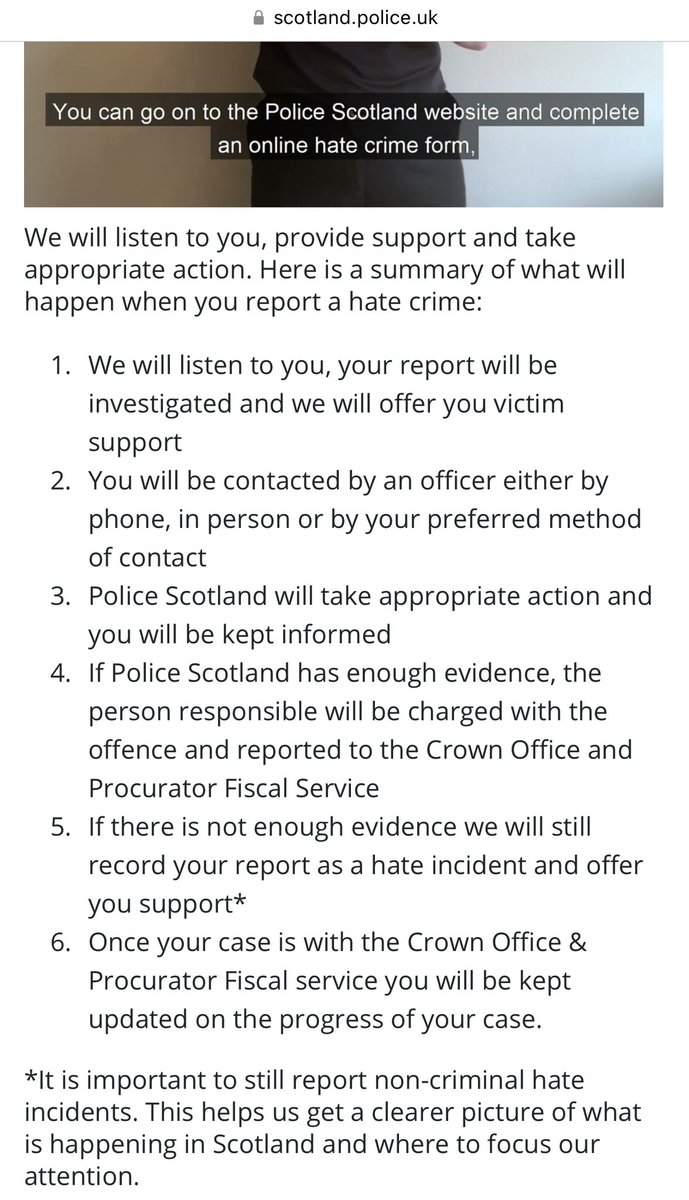
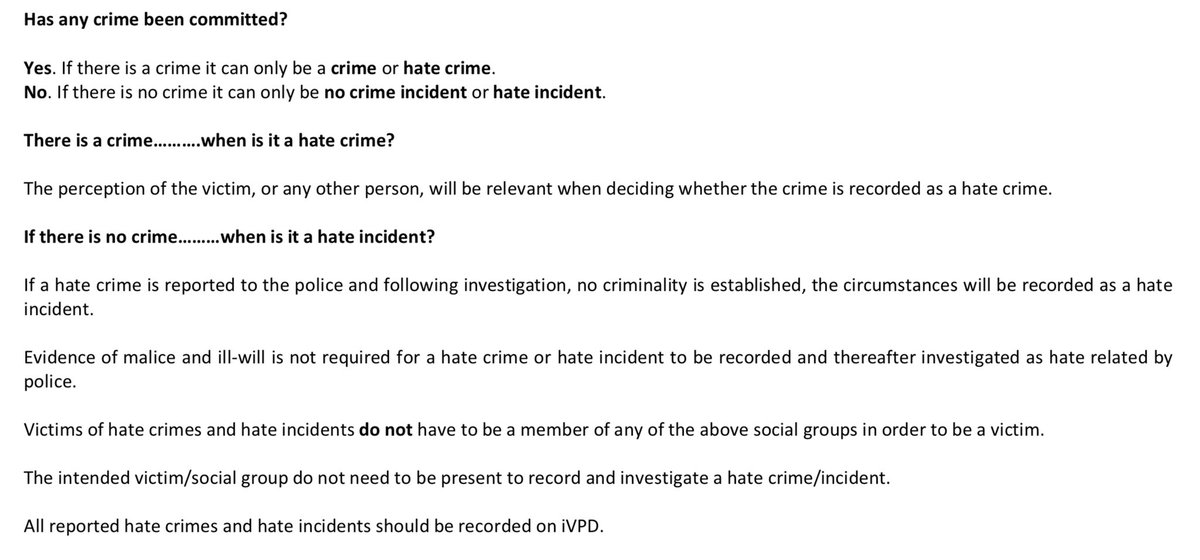
The report will be investigated. The complainant will get victim support. And even if it’s not a crime, it will be recorded as a hate incident. Because the perception of hate is what counts here. Back to the toolkit:
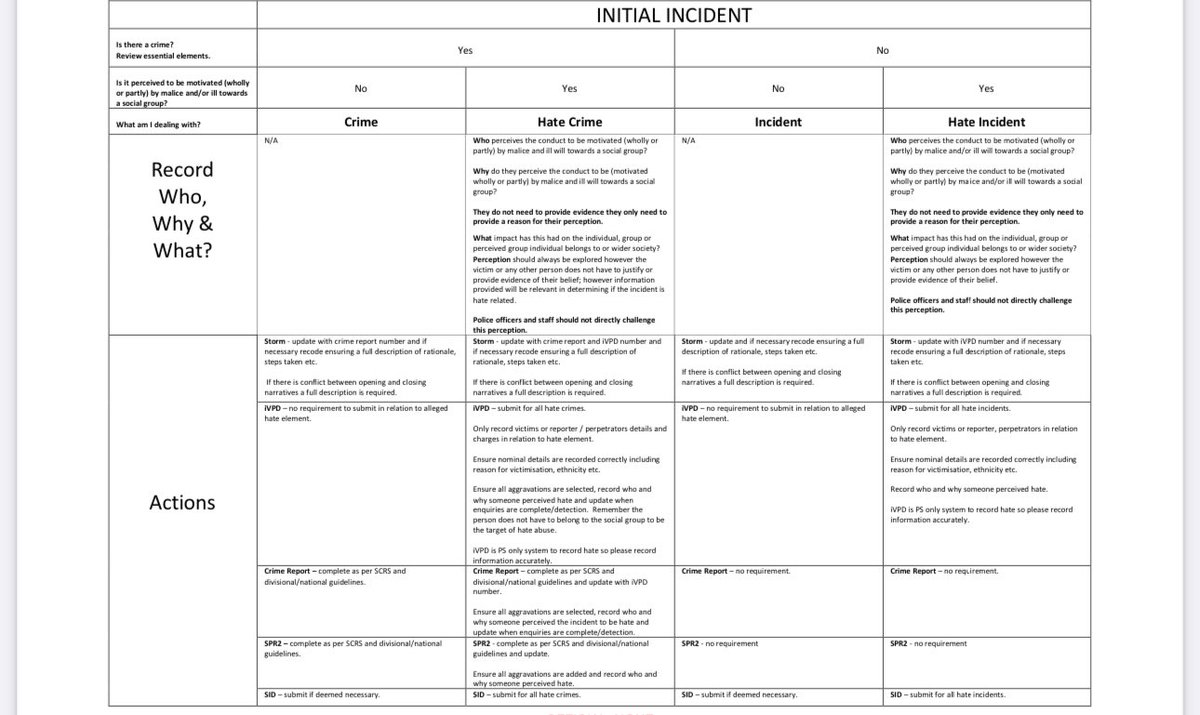
There’s a lot to unpick. Let’s leave the actual crimes to one side and deal with what happens if police conclude there’s no crime. It will still be recorded as a hate incident if the person reporting it perceives it as one. Police are told not to challenge this.
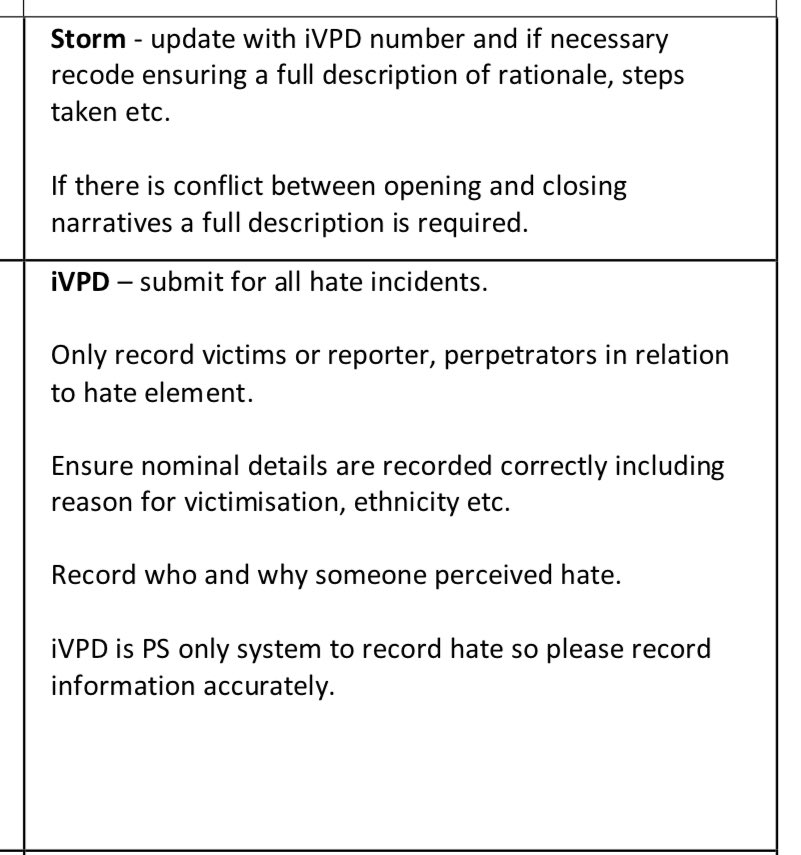
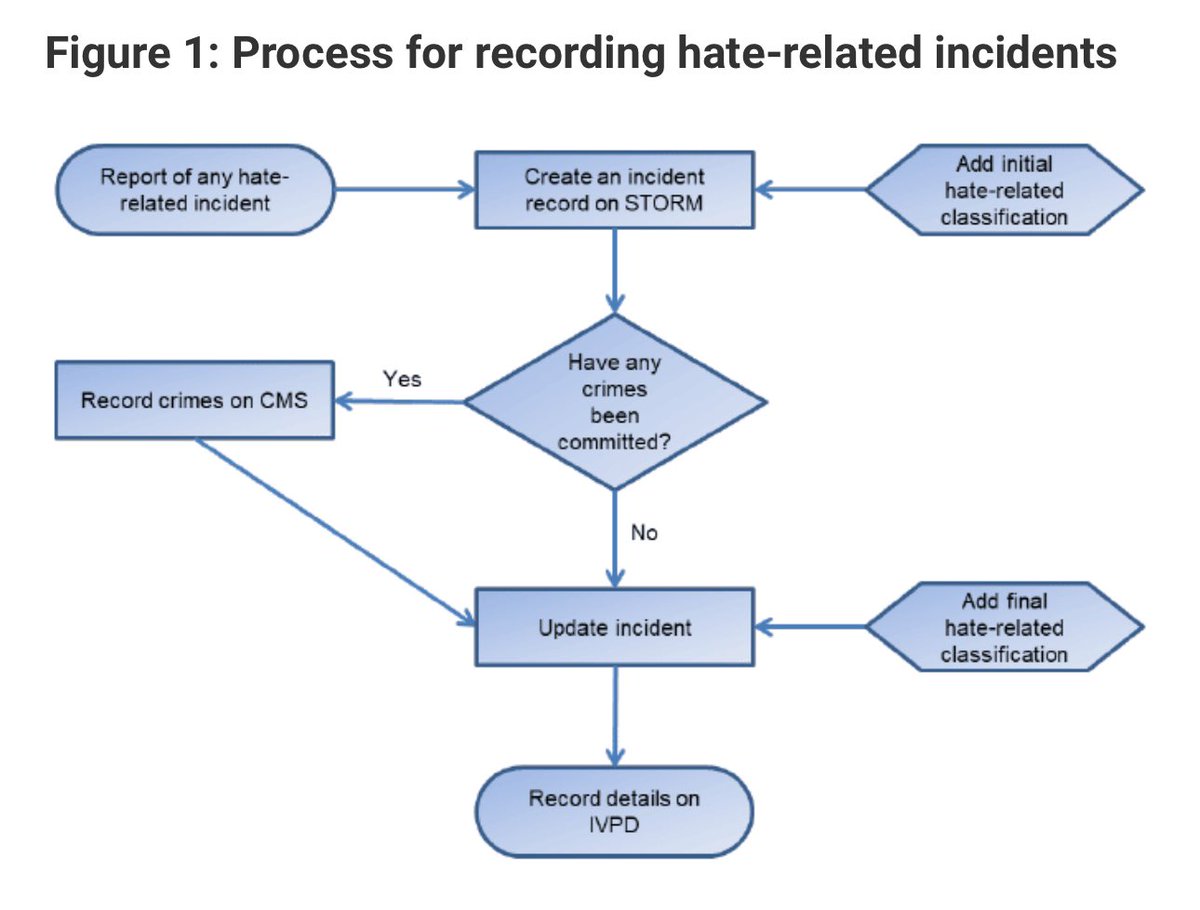
What happens next? You go on a list. First it’s recoded on STORM, the system used by Police Scotland to record incidents. Then it goes on the iVPD - the interim Vulnerable Persons Database - where they record hate crime gov.scot/publications/d…
The “perpetrator” is recorded. On top of the statement here, we know this too from the Murdo Fraser case today and the fact that hate incidents recorded against an individual can be mentioned in an enhanced disclosure. Here’s the full flow:
There’s no requirement to have intended to offend. The complainant doesn’t even need to have experienced the perceived offence themself.
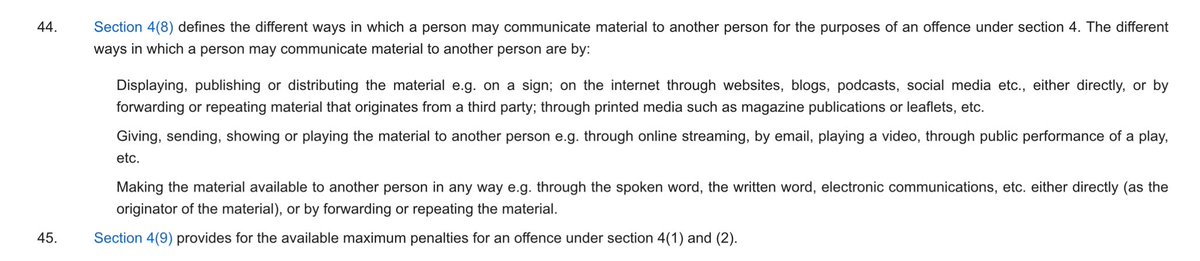
And that’s how you end up on a list. There appears to be no published way of contesting it. No defence. No way to remove the mark against your name. And that’s before the new law extends the scope for complaints to anything published on the internet that can be viewed in Scotland
• • •
Missing some Tweet in this thread? You can try to
force a refresh

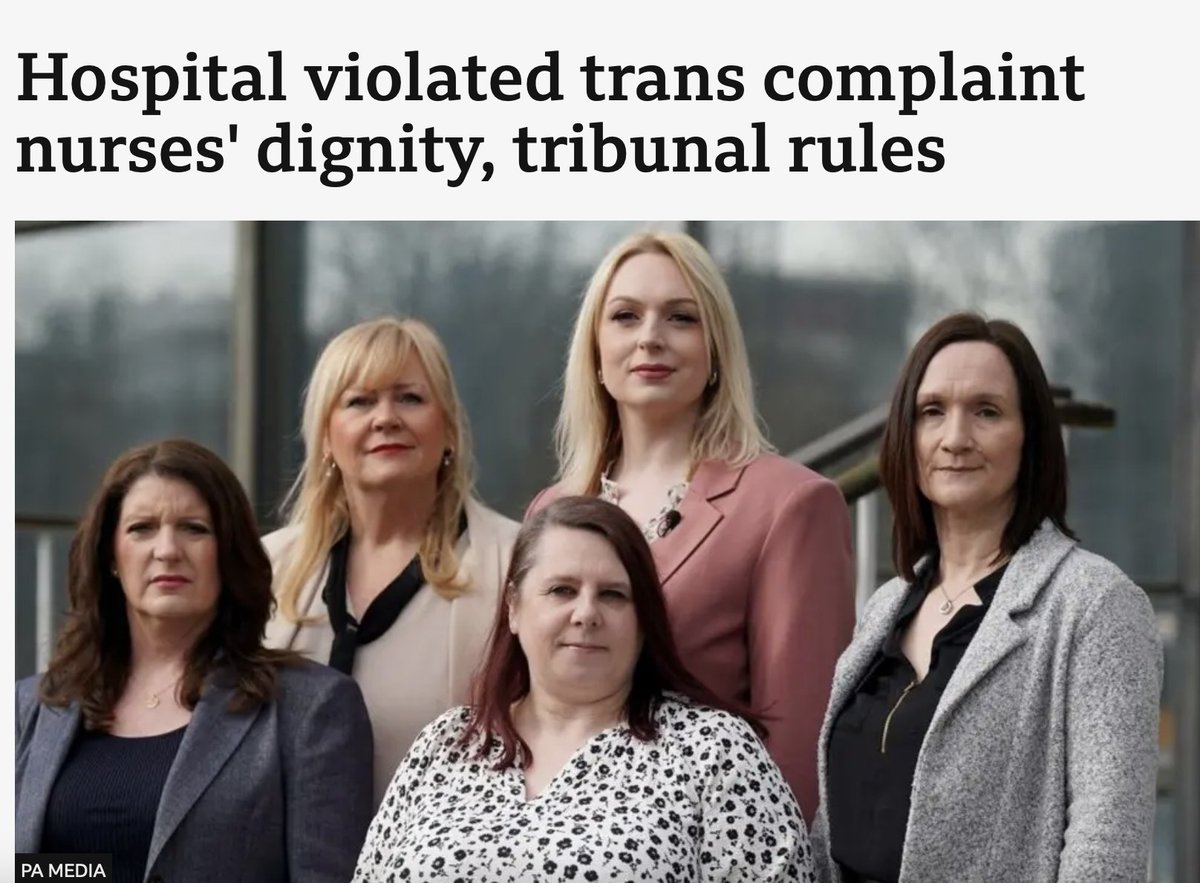
Anyone who thought UNISON was making a strong statement over access to single sex spaces in response to the Darlington nurses tribunal should think again. Because it turns out this is very much a case of do as we say, not as we do.🧵
The union's response to the ruling ignored the success of the female nurses, instead pledging support for trans workers and insisting it would not change its policy despite the result. Courageous? Sticking two fingers up to the courts? No.
What the union failed to mention was that it didn’t need to change its trans policy on access to single sex spaces to comply with the law, because it had already done so long before the tribunal result was announced.
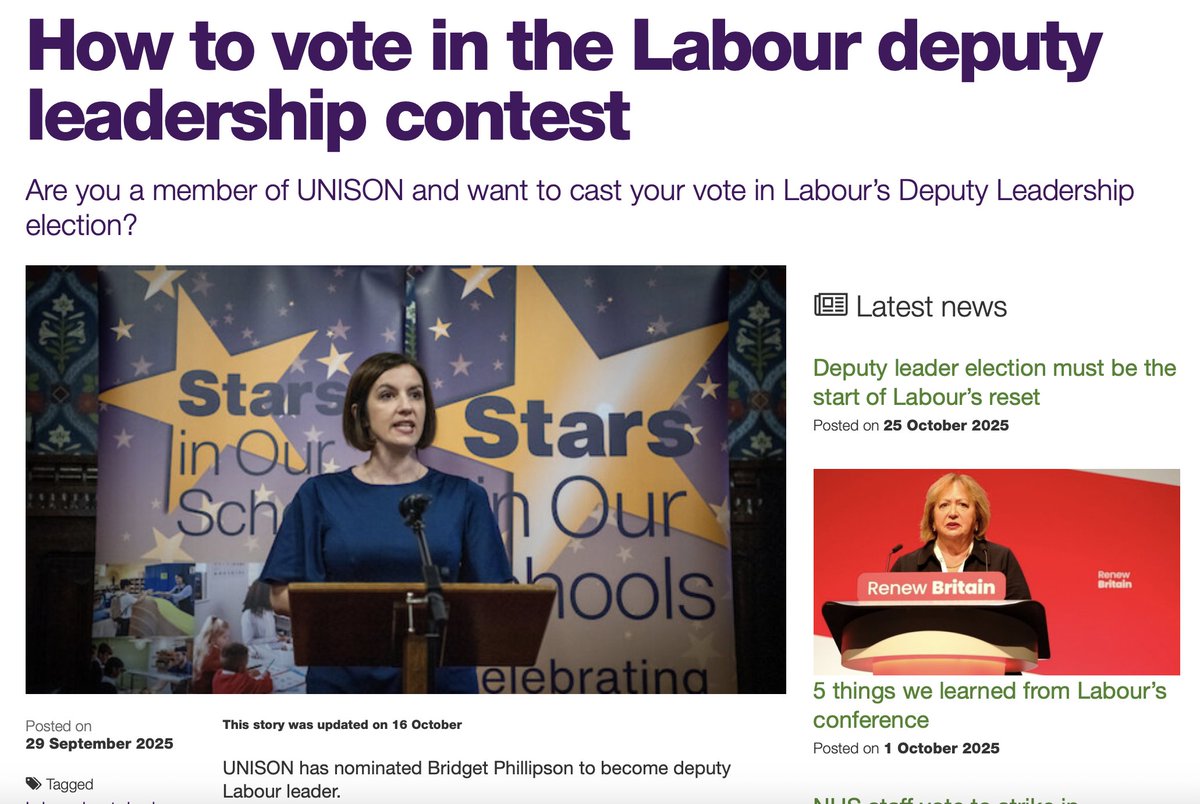
When Unison backed Bridget Phillipson for the Labour deputy leadership, it told members she would be the union's voice inside the Labour Party. As she stalls on publishing new guidance on single sex spaces, it looks very much like that's the case.🧵
Phillipson was backed by the union's Labour Link committee, which is reported to have subsequently assured union members that it would be pressing her to ensure that the Equality and Human Rights Commission new code of practice fully reflects Unison's policies.
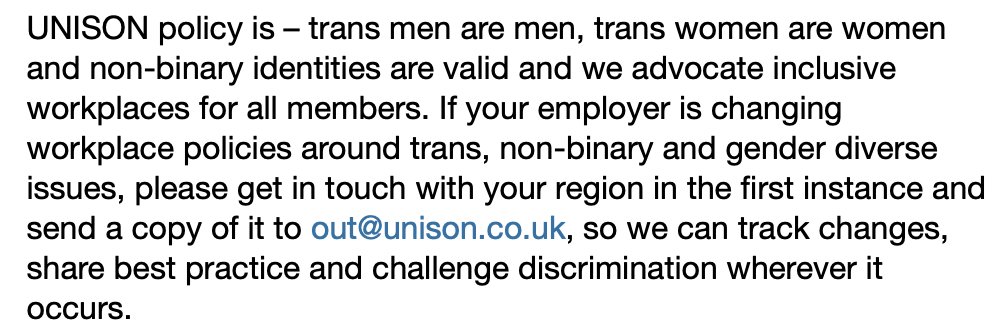
Unison's policy is that trans men are men and trans women are women.
Something very odd happened when the Sandie Peggie employment tribunal delivered its judgment - and it wasn’t just the made-up quotes and mangled law. 🧵
Call it institutional bias, ideological capture, or just the law doing its job, but what Judge Sandy Kemp’s tribunal delivered was the most one-sided outcome since Butch and Sundance decided to come out shooting.
Every single member of the NHS Fife side was accepted as a credible witness. But Peggie and her team were cut down in a hail of negative conclusions. It seems worth spending a little time with the judgment to understand how this happened. judiciary.uk/wp-content/upl…
From the moment Alexander "Sandy" Kemp held up his hand to pause the first witness in the Sandie Peggie tribunal so he could write down what had been said in laborious longhand, it was clear what sort of judge was in charge.🧵
Never mind that this unnecessary note-taking disrupted the flow of the evidence and the legal arguments, never mind that there was a stenographer in court and the hearing was recorded, Judge Kemp had his own way of doing things and he was sticking to it.
Anyone who’s spent time around courts knows the type. It’s almost always a man, a man who believes he inhabits a realm above those of mere mortals, a king in his own courtroom.
Sandie Peggie has been badly let down by a legal system hamstrung by class and sexism. The employment tribunal simply couldn’t accept that a working class woman might be entitled to stand up for her rights. So it rejected her evidence and tried to rewrite the law.
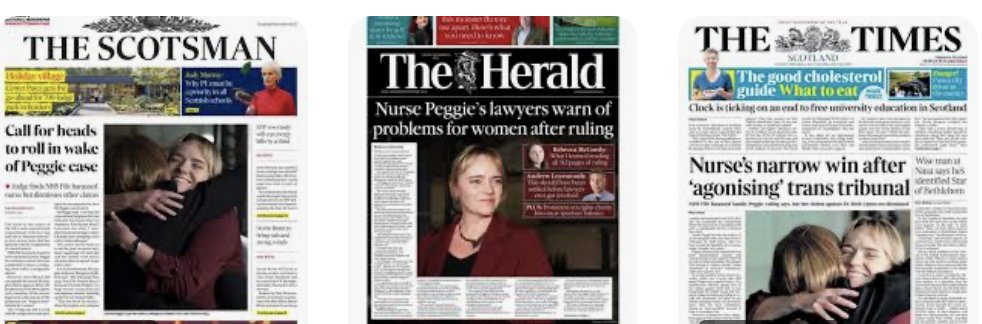
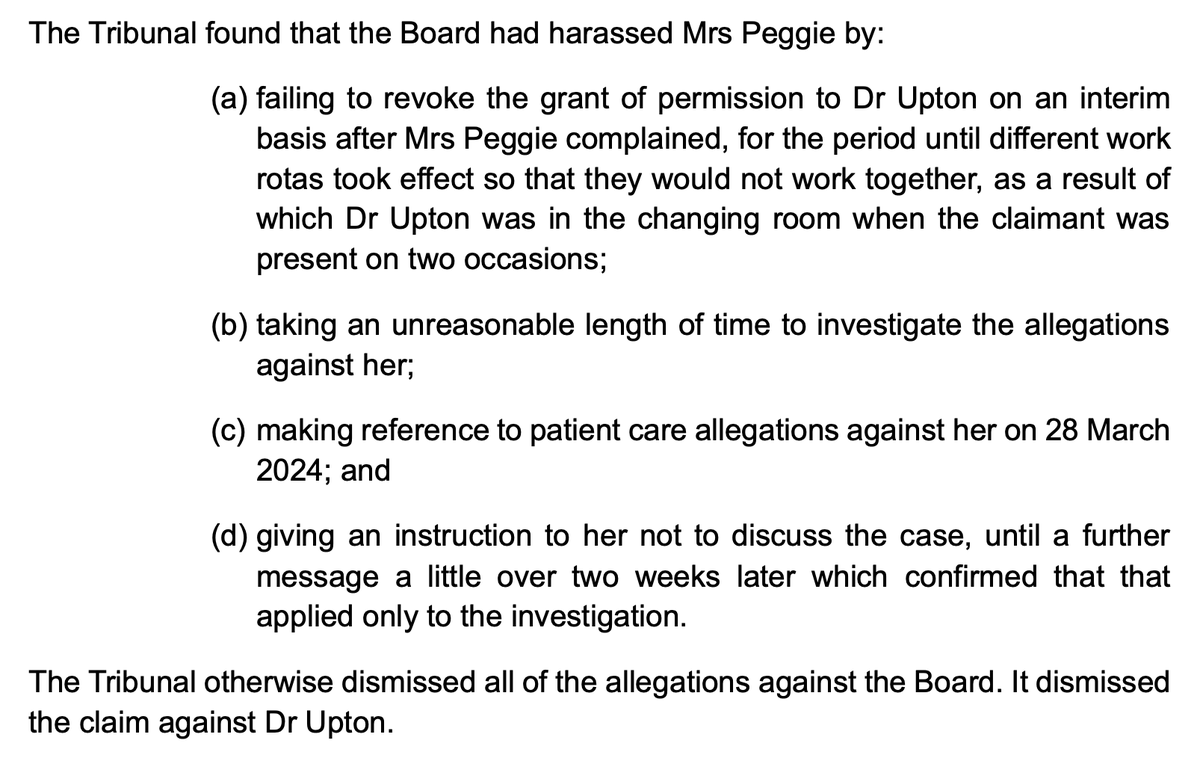
Her win was a technical one; a grudging admission by the tribunal that NHS Fife made mistakes in handling her case. But the tribunal made it clear that it did not believe that female staff had any right to single sex spaces.
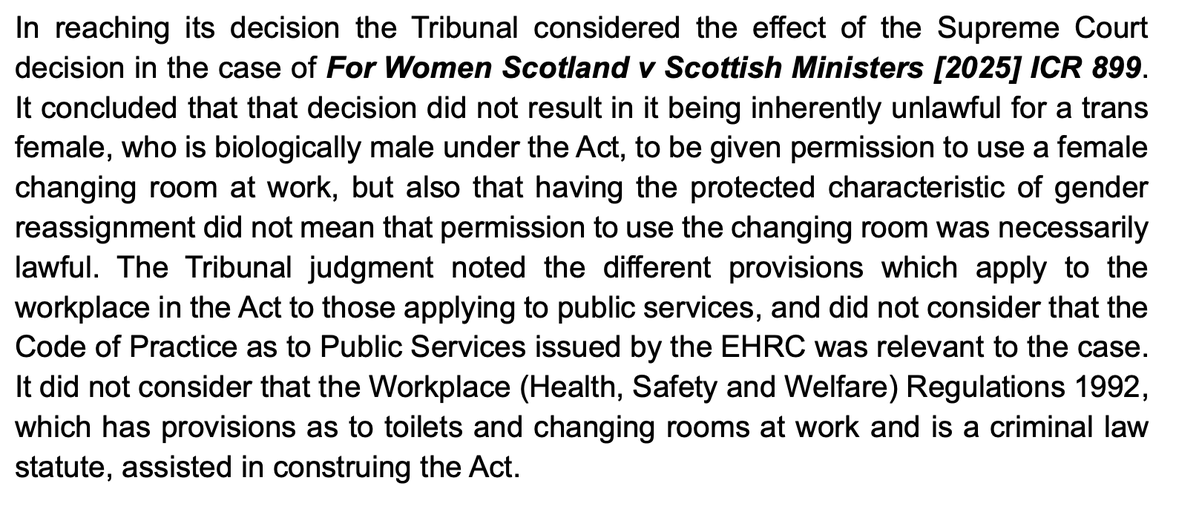
The Supreme Court judgement that the definition of sex in the Equality Act 2010 should be interpreted as 'biological' sex was succinct and crystal clear. But the tribunal thought it knew better.
Umbrellagate: what goes up must come down. How Police Scotland had to say sorry after allowing one man to dominate a peaceful protest by hundreds of women.
🧵
Tom Harlow, a drag performer with a track record of disrupting women’s events, arrived early for the September 4 protest organised by For Women Scotland outside the Scottish parliament.
Harlow set up his usual sound system within metres of the women’s protest. There’s no evidence that he had permission to use the space, which must be agreed months in advance with the parliament.