So what is 3M22 Tsirkon (SS-N-33)? I have some thoughts based on written Russian sources, published test footage, and conversations with Ukrainian colleagues.
Is Tsirkon a “hypersonic (anti-ship) cruise missile? The answer is “yesn’t”👇🏻
1|20
Is Tsirkon a “hypersonic (anti-ship) cruise missile? The answer is “yesn’t”👇🏻
1|20
https://twitter.com/Etienne_Marcuz/status/1772636485243588947
While renders from the past decade depict it as a rocket-assisted scramjet vehicle, similar to X-51 Waverider, this is not accurate to the system that has been fielded.
I suspect that they potentially depict an earlier Tsirkon concept that was abandoned or not pursued.
2|20

I suspect that they potentially depict an earlier Tsirkon concept that was abandoned or not pursued.
2|20


Since the first live fire test in 2020, all published images and video have indicated a design substantially different design.
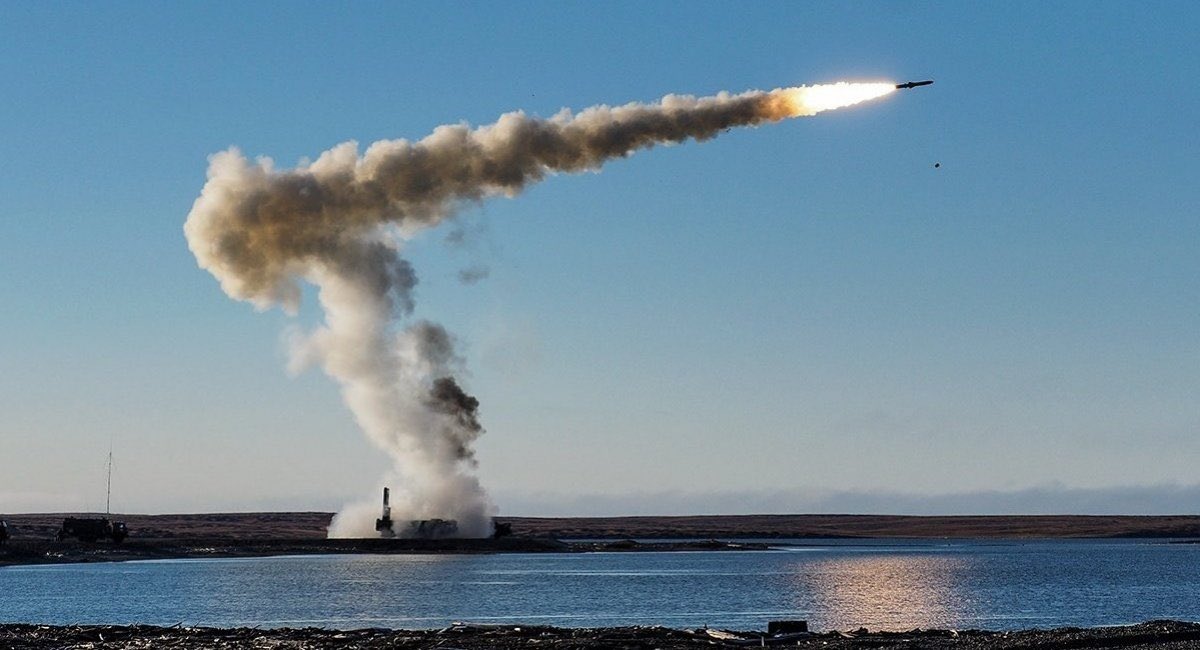
Rather than a scramjet vehicle, Tsirkon bore a striking resemblance to 3M55 Oniks (third image), Russia’s existing supersonic ASCM system.
3|20
Rather than a scramjet vehicle, Tsirkon bore a striking resemblance to 3M55 Oniks (third image), Russia’s existing supersonic ASCM system.
3|20
https://twitter.com/ralee85/status/1313740703126753280


Oniks employs a rocket-assisted ramjet. At launch, a solid rocket motor aft of the ramjet’s combustion chamber accelerates the missile to the ramjet’s operating velocity and is then ejected.
Oniks’ ramjet can sustain cruising at ~2.5M at sea-level out to 600 km.
4|20
Oniks’ ramjet can sustain cruising at ~2.5M at sea-level out to 600 km.
4|20
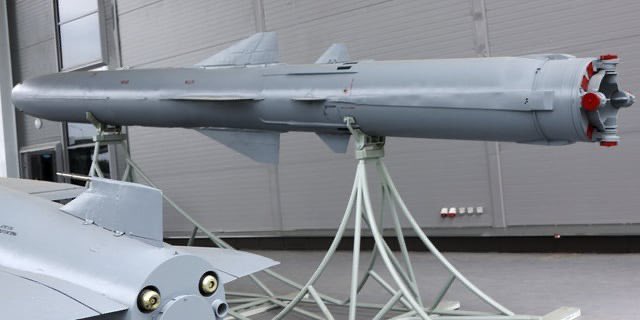
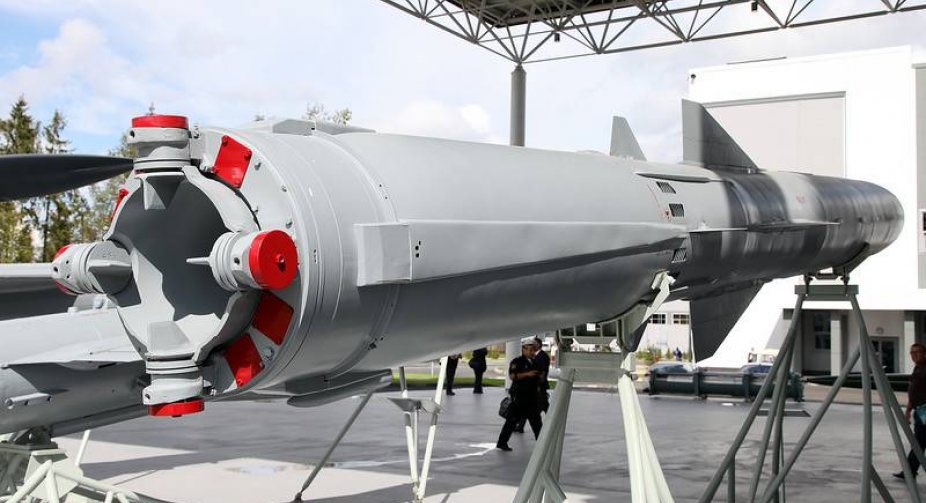
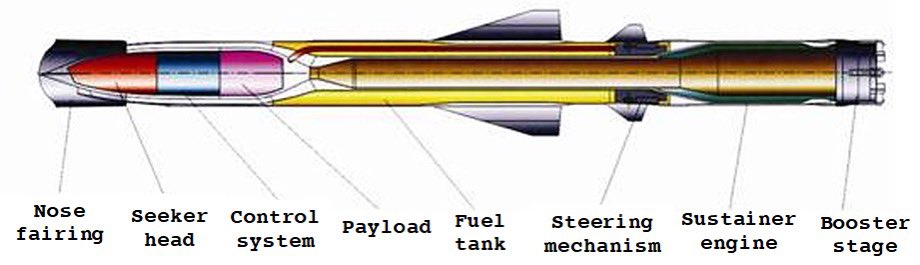

Like Oniks, Tsirkon has an inlet cover with an Attitude Control System that executes a pitchover program to the target azimuth. Whereas Oniks’ ACS pitches it 90 degrees, Tsirkon’s ACS makes a small correction. The rest is completed with control surfaces or thrust vectoring.
5|20
5|20
https://twitter.com/ralee85/status/1417131944333152259
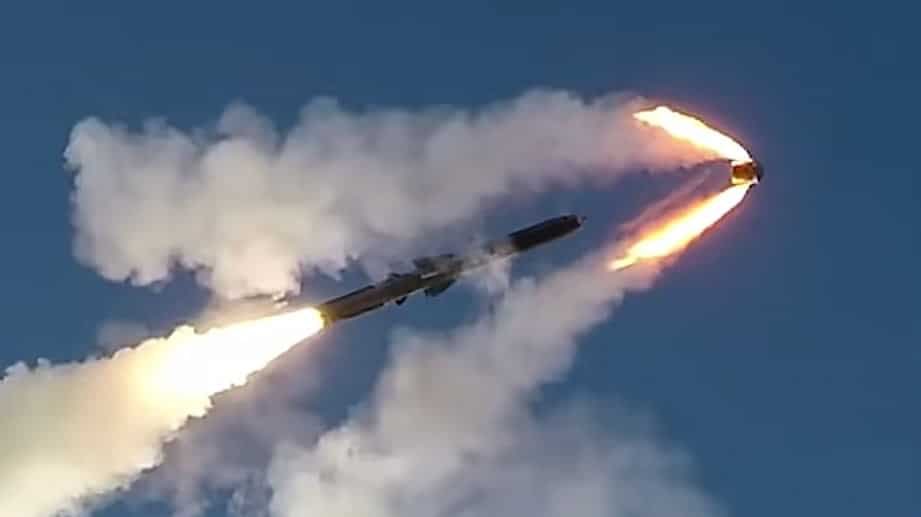
Test footage further indicates that, like Oniks, Tsirkon has an axially symmetric airframe with an annular inlet.
Tsirkon’s booster also lofts it to a dramatically greater apogee than Oniks before completing the pitchover program and transition to cruise phase.
6|20
Tsirkon’s booster also lofts it to a dramatically greater apogee than Oniks before completing the pitchover program and transition to cruise phase.
6|20
https://twitter.com/m51_4ever/status/1772636479468015764
Additional test footage shows Tsirkon executing a shallow dive toward its target in terminal phase. This would be a very shallow, although not unheard of, descent angle for (aero)ballistic missiles.
So Tsirkon isn’t really an (aero)ballistic or sea-skimming missile.
7|20
So Tsirkon isn’t really an (aero)ballistic or sea-skimming missile.
7|20
With Russian claims for velocity (1.66 km/s, ~4.8M) and cruising altitude (25-30 km), we can derive a few conclusions.
Tsirkon likely performs a high supersonic (4-5M) cruise at high altitude, then executes a shallow low hypersonic (5-6M) dive to low altitude in terminal.
8|20
Tsirkon likely performs a high supersonic (4-5M) cruise at high altitude, then executes a shallow low hypersonic (5-6M) dive to low altitude in terminal.
8|20
https://twitter.com/ralee85/status/1313784041947058177
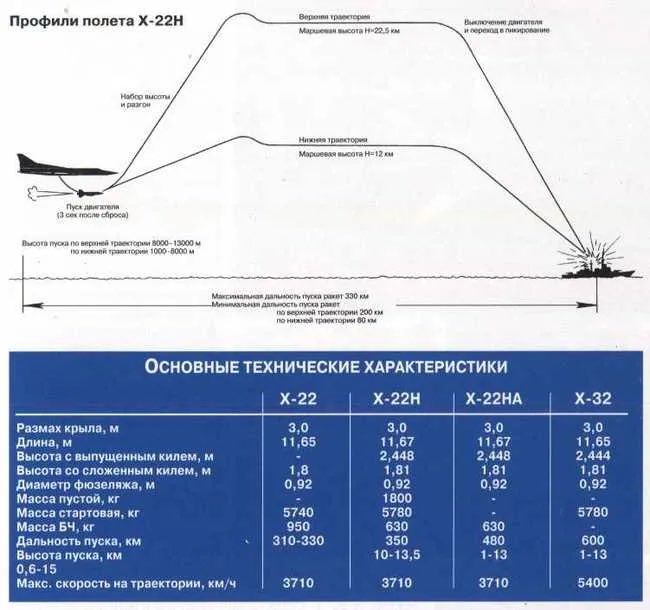
This profile is somewhat similar to the approach taken by the Soviet vintage Kh-22 supersonic anti-ship missile.
The primary distinction, aside from greater cruising altitude/velocity and terminal velocity, would be a much longer (and thus shallower) dive during terminal.
9|20
The primary distinction, aside from greater cruising altitude/velocity and terminal velocity, would be a much longer (and thus shallower) dive during terminal.
9|20
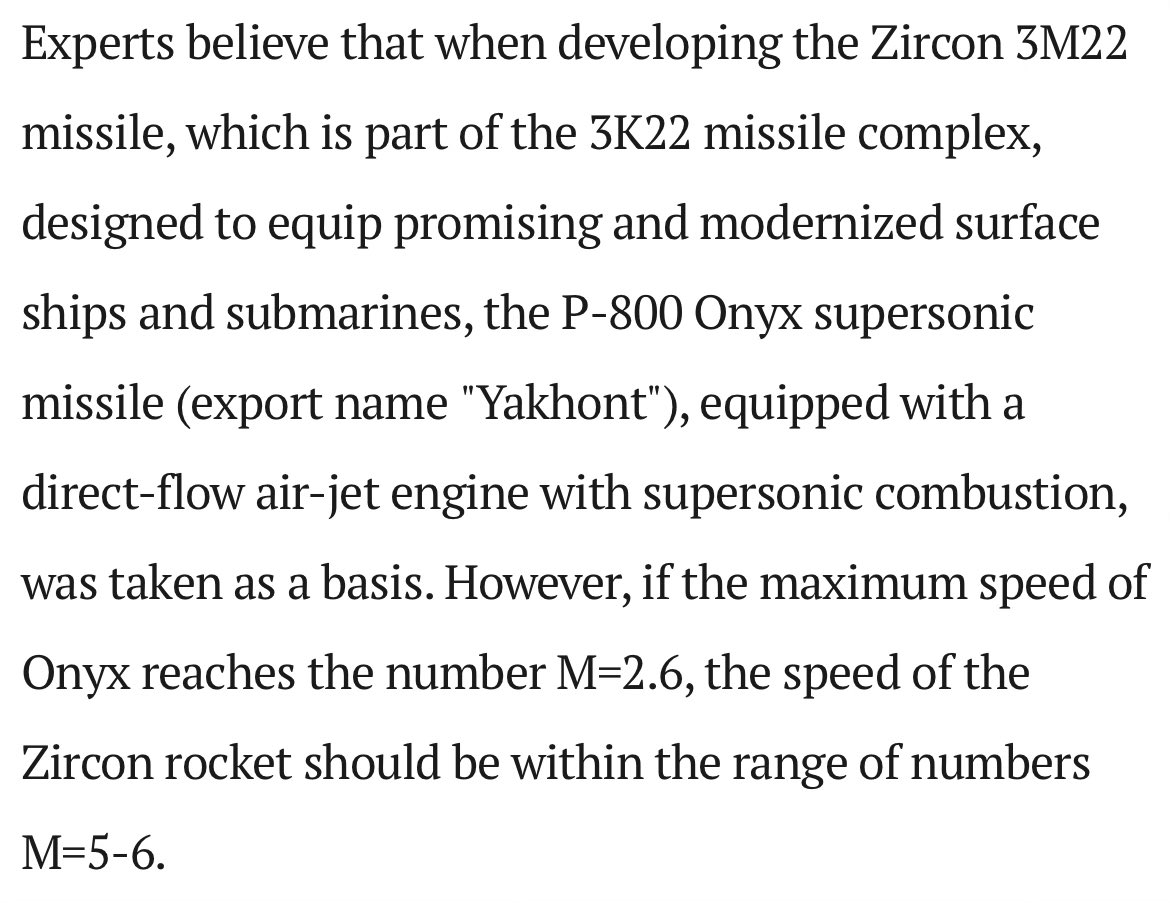
Overall, Tsirkon bears a large degree of similarity to Oniks. Both Russian media and Ukrainian technical assessments indicate that Tsirkon is likely a deeply evolved derivative of Oniks.
10|20
10|20
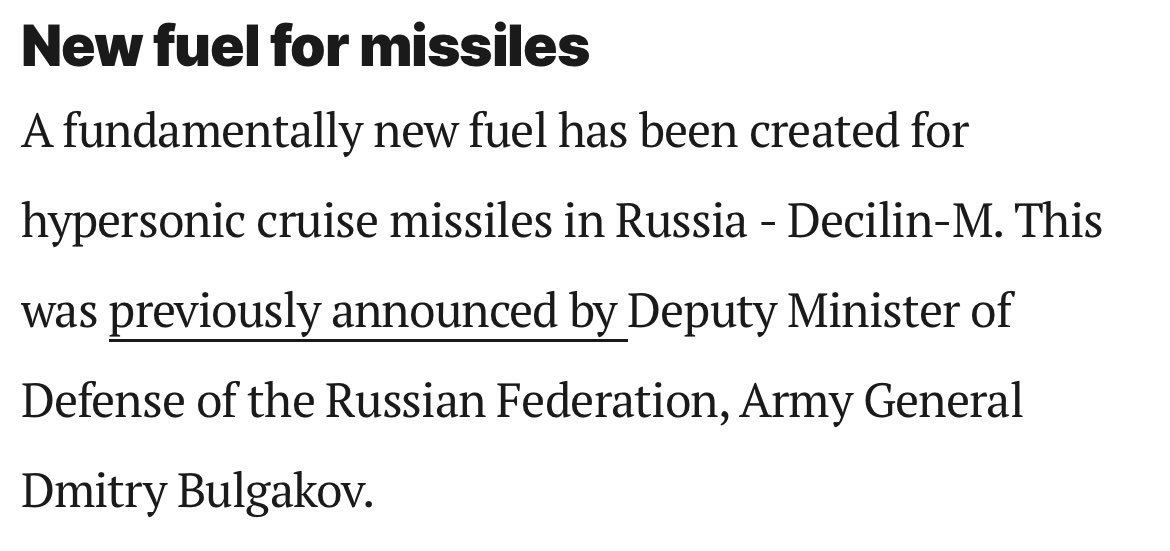
The Russians likely heavily iterated on Oniks’ rocket-assisted ramjet propulsion to enable it to deliver the performance needed to operate in high supersonic and low hypersonic flight regimes.
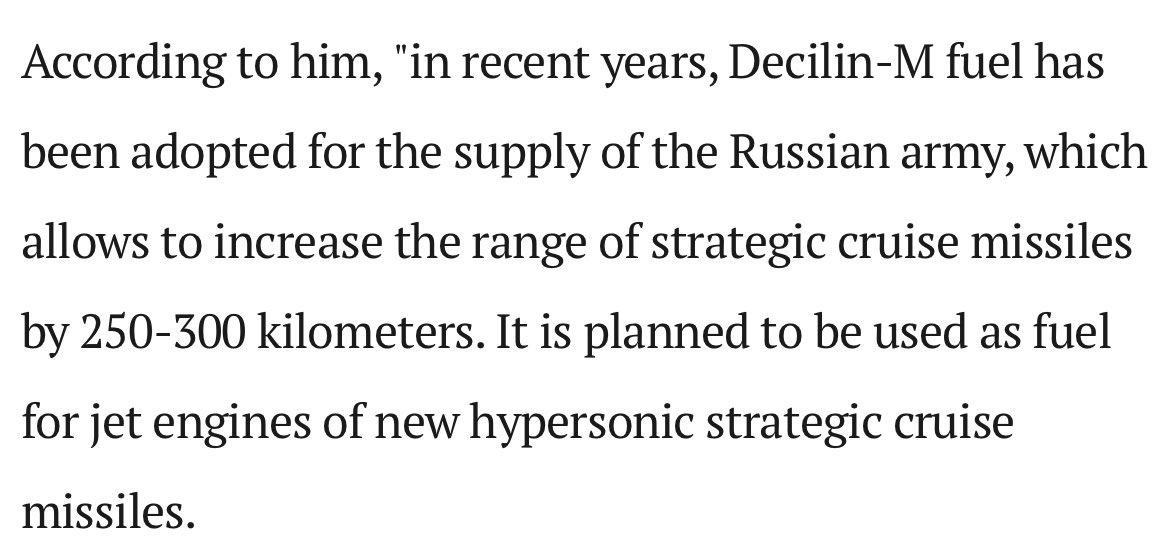
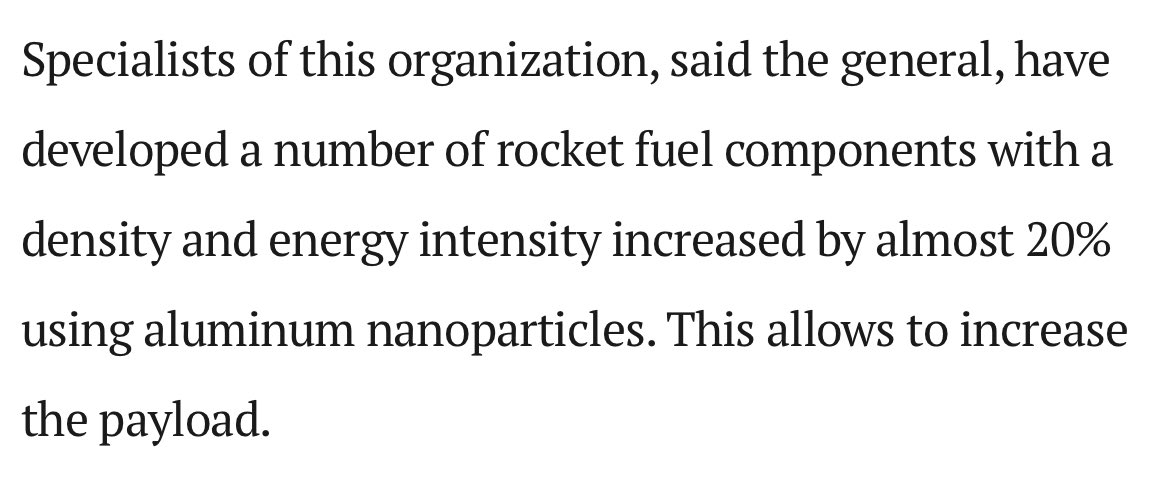
Russian media reports of aluminum nanoparticle additive fuel are one example.
11|20
Russian media reports of aluminum nanoparticle additive fuel are one example.
11|20
Tsirkon differs dramatically from Oniks in airframe construction and Thermal Protection System however.
Its airframe appears to make much greater use of composites for both structural and thermal performance.
12|20
Its airframe appears to make much greater use of composites for both structural and thermal performance.
12|20
https://twitter.com/capt_navy/status/1772314847251697770
Operating in high supersonic and low hypersonic regimes places much greater aerothermal loads on the vehicle.
In particular, the Russians likely faced serious engineering challenges developing a thermally refractory yet radio transparent material for the seeker radome.
13|20
In particular, the Russians likely faced serious engineering challenges developing a thermally refractory yet radio transparent material for the seeker radome.
13|20
https://twitter.com/osinttechnical/status/1772257528639844829
My overall assessment of Tsirkon is that it straddles the line between a high-performance supersonic cruise missile and a hypersonic cruise missile.
If a HCM is strictly defined as a vehicle that experiences hypersonic flow in most or all of flight, then it is not a HCM.
14|20
If a HCM is strictly defined as a vehicle that experiences hypersonic flow in most or all of flight, then it is not a HCM.
14|20
Alternatively, if you define a HCM as a vehicle using scramjet propulsion, I believe that Tsirkon fails that criteria as well.
I do not see any compelling evidence that Tsirkon employs a scramjet as opposed to a high-performance ramjet.
15|20
I do not see any compelling evidence that Tsirkon employs a scramjet as opposed to a high-performance ramjet.
15|20
As a corollary, I’d like to touch on defense against hypersonic threats.
The 25 APR raid tentatively demonstrated Patriot’s ability to defeat low-end hypersonic threats with PAC-3 MSE and MPQ-65. It also, as usual, deflated much public Russian marketing about Tsirkon.
16|20
The 25 APR raid tentatively demonstrated Patriot’s ability to defeat low-end hypersonic threats with PAC-3 MSE and MPQ-65. It also, as usual, deflated much public Russian marketing about Tsirkon.
16|20
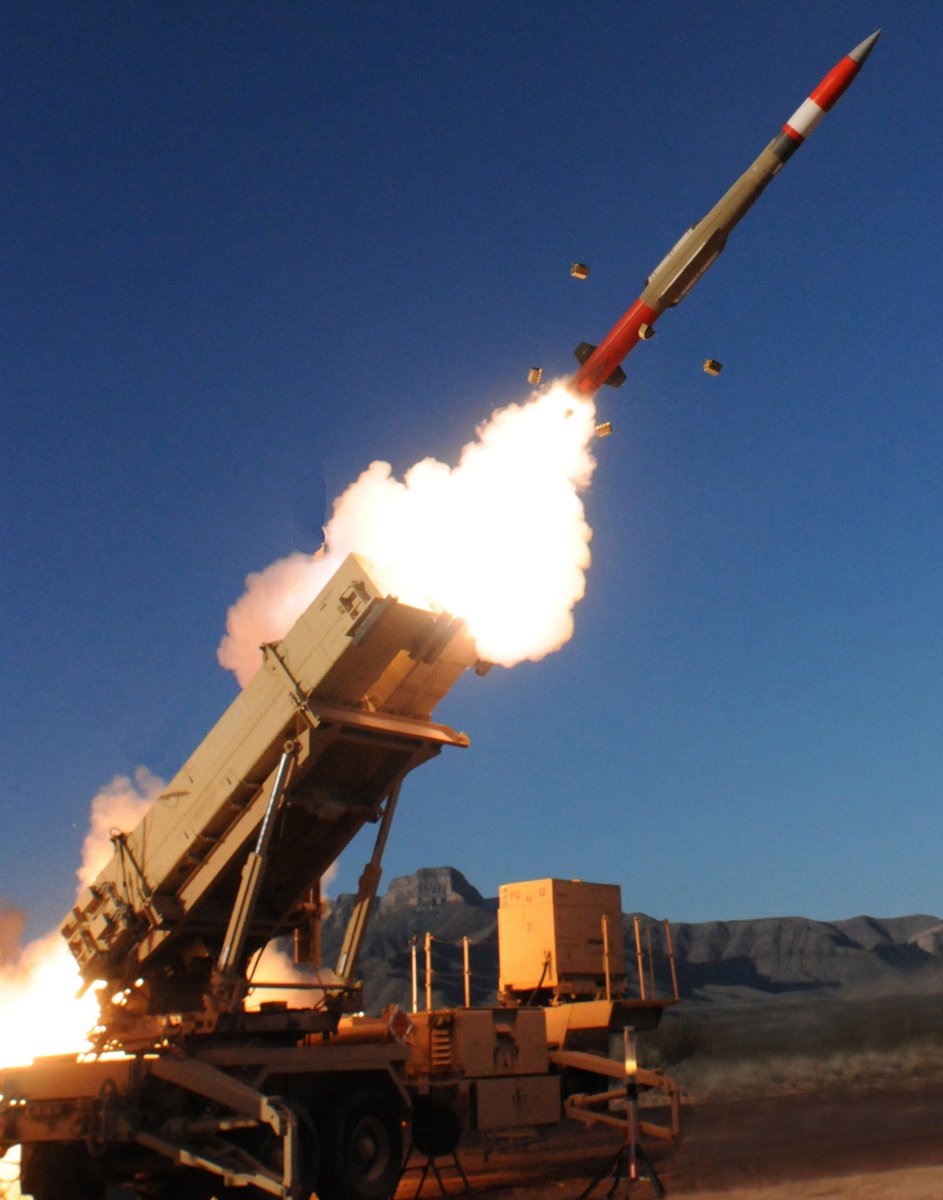

That said, even low-end hypersonic threats are very stressing to currently fielded Air and Missile Defense (AMD) systems.
Only one of two missiles was intercepted. And none of the at least three Tsirkons employed against Kyiv from DEC 2023 to FEB 2024 were intercepted.
17|20
Only one of two missiles was intercepted. And none of the at least three Tsirkons employed against Kyiv from DEC 2023 to FEB 2024 were intercepted.
17|20
https://twitter.com/john_a_ridge/status/1757074493099462920
Alongside Kh-32, Tsirkon has the greatest terminal velocity of any Russian missile system employed in Ukraine, 50-100% greater than Iskander-M/Kinzhal.
18|20
18|20
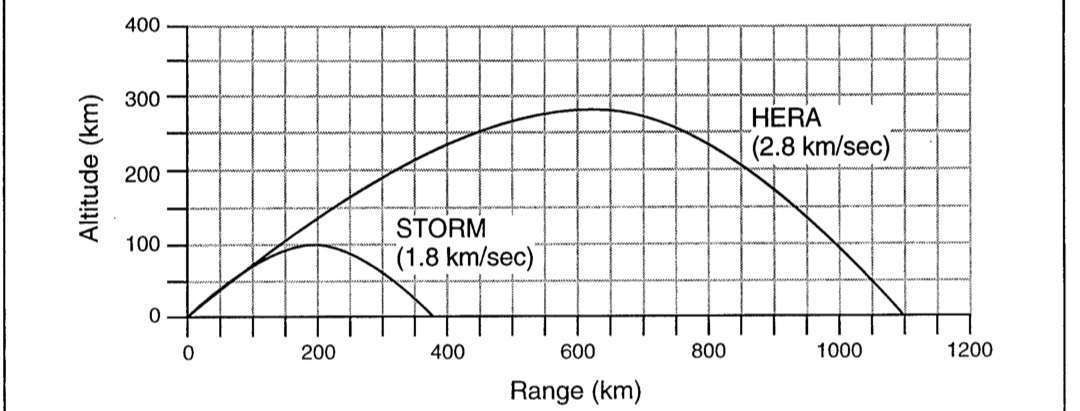
While PAC-3 MSE is certified against faster threats, such as MRBMs, Tsirkon’s relatively low altitude in terminal will seriously stress MPQ-65’s sensor envelope.
This will erode PAC-3 MSE’s Pk and shrink Patriot’s defended footprint.
19|20
This will erode PAC-3 MSE’s Pk and shrink Patriot’s defended footprint.
19|20
Finally, the employment of Tsirkon not only highlights Ukraine’s need for sustained and sophisticated AMD assets.
It reinforces the urgency with which the U.S. and allies must continue to field new AMD capabilities to defeat Russian and Chinese hypersonic threats.
20|20
It reinforces the urgency with which the U.S. and allies must continue to field new AMD capabilities to defeat Russian and Chinese hypersonic threats.
20|20

Typo, APR should be MAR
https://x.com/John_A_Ridge/status/1772734368454213798?s=20
As soon as I post lmao. After brief consultation with @Link_Plumeria, this looks to be similarly dimensioned to Yakhont’s warhead. Yakhont being the MTCR-compliant export version of Oniks.
21|20
21|20
https://twitter.com/bayraktar_1love/status/1772746309717426687
@Link_Plumeria There are a number of unique and interesting features of Tsirkon that I didn’t discuss in detail due to a lack of open source references. This is one of them.
22|20
22|20
https://twitter.com/namesareap53238/status/1772752821546615246
@hl_hp_ua It’s also difficult to disentangle a weapon’s inherent precision from Target Location Error, which is the difference between the aim point uploaded to the weapon and the desired target’s actual location.
@hl_hp_ua An example would be the strikes against the Artem Plant in Kyiv. Some of the cruise missiles impacted apartment buildings adjacent to it. That could be due to a lack of precision.
Or it could be due to TLE, with the Russians using slightly incorrect coordinates for the plant.
Or it could be due to TLE, with the Russians using slightly incorrect coordinates for the plant.
@hl_hp_ua So if your goal is to specifically defend military assets and infrastructure in Kyiv, as long as you prevent threats from reaching them, then your engagements are successful.
@hl_hp_ua That warhead may have submunitions or a chemical, biological, radiological, or nuclear payload that will affect a wide area, including potentially the defended asset(s), if it isn’t reliably destroyed.
@hl_hp_ua With CMs, this is less of an issue as the warhead will go down in the general vicinity of the intercept, which may be quite far from the defended asset(s)
• • •
Missing some Tweet in this thread? You can try to
force a refresh