The island of Rügen in the Baltic Sea changed hands many times in history.
Today it is a popular tourist destination, but the history of this island is full of brutal wars and invasions!
This was a very violent part of Europe!
Let's take a look at what was going on. 🧵

Today it is a popular tourist destination, but the history of this island is full of brutal wars and invasions!
This was a very violent part of Europe!
Let's take a look at what was going on. 🧵


It is not known when the island of Rügen was first settled but they speculate it was inhabited since the Stone Age.
By 1st century it was populated by the East Germanic tribe of Rugii.
In the 7th century the island was invaded and conquered by the West Slavic Rani.
By 1st century it was populated by the East Germanic tribe of Rugii.
In the 7th century the island was invaded and conquered by the West Slavic Rani.


But the Slavic Rani encountered strong rivals in the Danish crusaders who started expanding in the region in 12th century.
In 1168 the Danes conquered the island after they successfully besieged the fortress of Arkona.
In 1168 the Danes conquered the island after they successfully besieged the fortress of Arkona.


The Danes brought with them Christianity and began converting the pagan Ranis.
This modern painting depicts Bishop Absalon destroying the pagan shrine to the god Svantevit at Arkona.
This modern painting depicts Bishop Absalon destroying the pagan shrine to the god Svantevit at Arkona.

The Rani became vassals of the Danish as part of the Principality of Rügen.
However this principality continued to be ruled by the local Rani dynasty of Wizlawiden and was part of the Holy Roman Empire.
It was also settled by many Germans.
However this principality continued to be ruled by the local Rani dynasty of Wizlawiden and was part of the Holy Roman Empire.
It was also settled by many Germans.


As Danish vassals, Rugians participated in numerous Danish wars of expansion in 12th and 13th century.
But there was also a pressure on Rügen from neighboring Pomerania which tried to unsuccessfully conquer it.
Denmark began losing its influence on the region in 13th century.
But there was also a pressure on Rügen from neighboring Pomerania which tried to unsuccessfully conquer it.
Denmark began losing its influence on the region in 13th century.

In 1325 the Wizlawiden dynasty died out and the Principality of Rügen passed on to Pomeranian rule.
The Danes couldn't keep the island under their control as King of Denmark Christopher II was busy fighting a rebellion of important nobles at home.
The Danes couldn't keep the island under their control as King of Denmark Christopher II was busy fighting a rebellion of important nobles at home.

But there were other regional powers who tried to take advantage of the opportunity and claim Rügen for themselves.
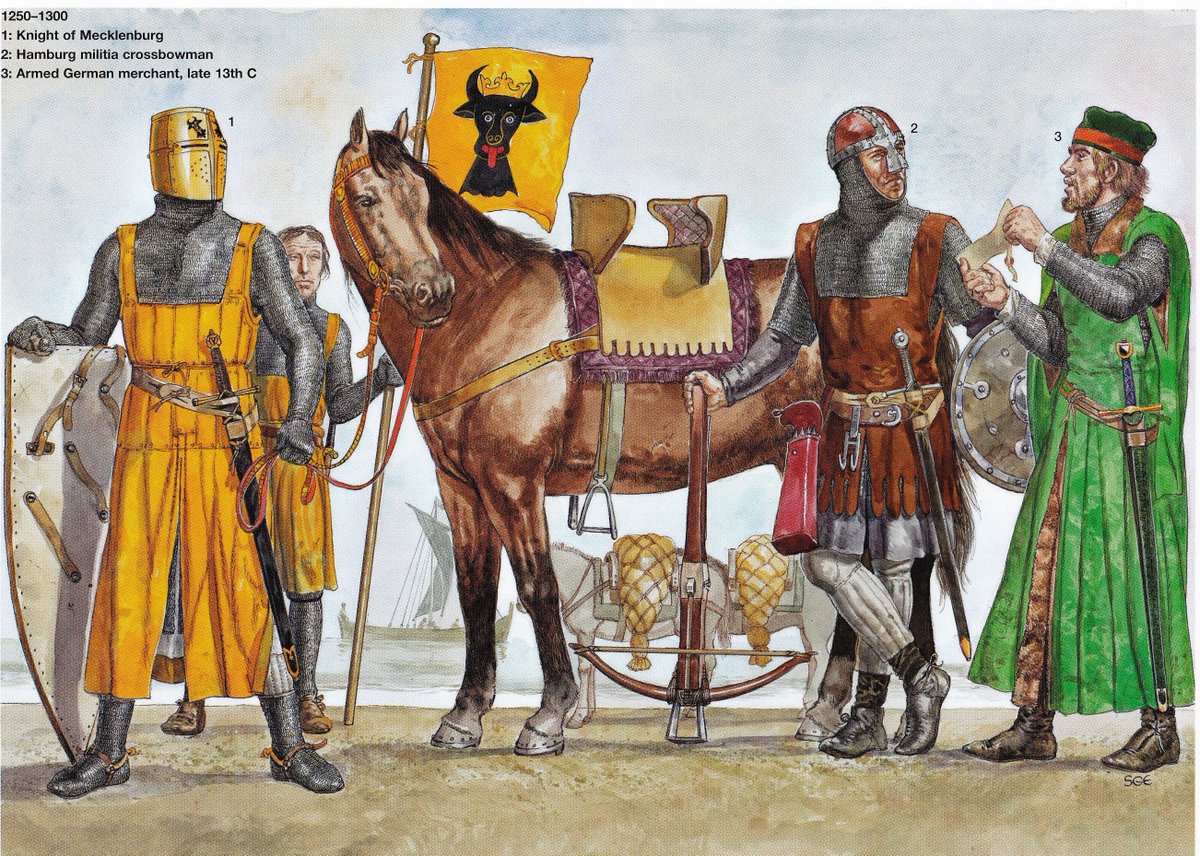
A series of conflicts known as the Wars of the Rügen Succession emerged which would last until 1354, as Mecklenburg and various Hanseatic cities got involved.
A series of conflicts known as the Wars of the Rügen Succession emerged which would last until 1354, as Mecklenburg and various Hanseatic cities got involved.
Rügen remained under Pomeranian control.
However at the time the Duchy of Pomerania was divided and control of Rügen switched between Pomerania-Wolgast and Pomerania-Barth.
Pomerania was finally united again in 1478.
However at the time the Duchy of Pomerania was divided and control of Rügen switched between Pomerania-Wolgast and Pomerania-Barth.
Pomerania was finally united again in 1478.

During the Thirty Years' War Rügen became part of Swedish Pomerania following the Swedish intervention in 1630.
This was formally recognized by the Treaty of Westphalia in 1618.
The Swedish Pomerania existed until 1815.
This was formally recognized by the Treaty of Westphalia in 1618.
The Swedish Pomerania existed until 1815.

However during the existence of Swedish Pomerania Rügen was contested and invaded on multiple occasions.
There was fierce fighting for the control of the island during the Scanian War of 1675-1679.
The island was important because of proximity to mainland town of Stralsund.
There was fierce fighting for the control of the island during the Scanian War of 1675-1679.
The island was important because of proximity to mainland town of Stralsund.

Stralsund had already been contested during the Thirty Years' War and after the Swedes gained possession of it, they decided to fortify the city and it became one of two major Swedish forts in Pomerania alongside Stettin.
Rügen was important for the supply lines to Stralsund!
Rügen was important for the supply lines to Stralsund!
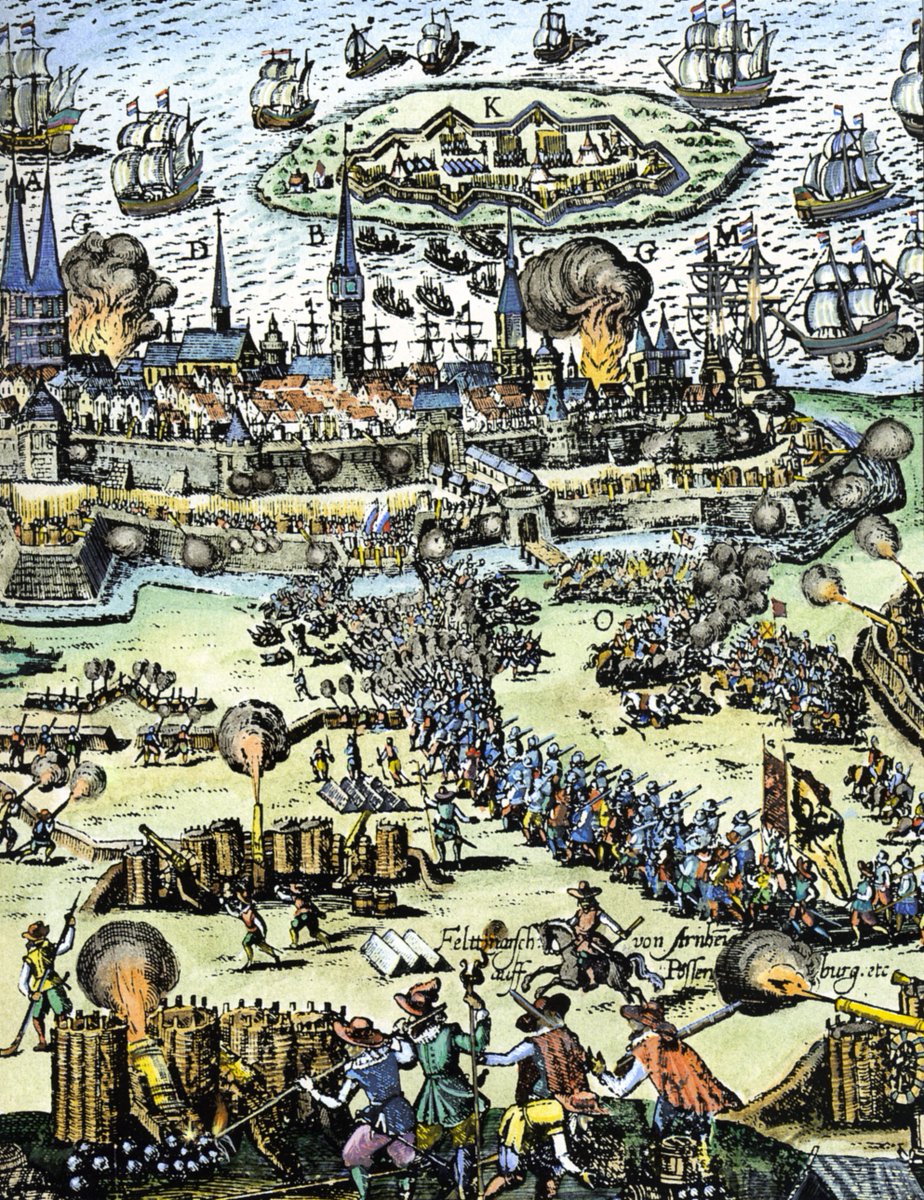

The Danes invaded Rügen in 1677 and caught the Swedes totally off guard, defeating them at Bergen with the aid of their Brandenburgian allies.
But the soldiers completely devastated the island with looting and a large number of soldiers could no longer be sustained there.
But the soldiers completely devastated the island with looting and a large number of soldiers could no longer be sustained there.

The Swedes were able to recapture Rügen in early 1678, as the devastated island was poorly guarded.
They won the Battle of Warksow where they killed or captured practically entire Danish-Brandenburgian force.
But the Danes were determined to come back.
They won the Battle of Warksow where they killed or captured practically entire Danish-Brandenburgian force.
But the Danes were determined to come back.

The Danes kept staging raids over the summer and in autumn conducted a joint invasion with the Brandenburgians.
Despite its poor condition, the island of Rügen was still considered crucial for the planned siege of Stralsund.
They prepared an impressive invasion force.
Despite its poor condition, the island of Rügen was still considered crucial for the planned siege of Stralsund.
They prepared an impressive invasion force.

The large Danish fleet invades Rügen!
27 warships were made available for the invasion to protect the landing of the Brandenburgian troops which formed the bulk of infantry.
The goal was to push the Swedes from the island for good!
27 warships were made available for the invasion to protect the landing of the Brandenburgian troops which formed the bulk of infantry.
The goal was to push the Swedes from the island for good!

The Elector of Brandenburg Frederick William personally led the Brandenburg Navy!
He was growing impatient with the progress and opted for an aggressive strategy.
Eventually the joint Danish-Brandenburgian force overwhelmed the Swedes and occupied the island.
He was growing impatient with the progress and opted for an aggressive strategy.
Eventually the joint Danish-Brandenburgian force overwhelmed the Swedes and occupied the island.

Later that month Brandeburg troops also successfully conquered the fortress of Stralsund.
However Rügen would not remain under Danish control for long.
As the Scanian War ended, Rügen and Stralsund were both returned to Sweden in the Treaty of Saint-Germain-en-Laye in 1679.
However Rügen would not remain under Danish control for long.
As the Scanian War ended, Rügen and Stralsund were both returned to Sweden in the Treaty of Saint-Germain-en-Laye in 1679.

This war completely devastated Rügen as the island had been brutally plundered by soldiers from all sides.
In 1715, Rügen was invaded again during the Great Northern War by a combined Danish-Saxon-Prussian army which also conquered Stralsund.
In 1715, Rügen was invaded again during the Great Northern War by a combined Danish-Saxon-Prussian army which also conquered Stralsund.


But once again Rügen and Stralsund ultimately remained in Swedish after the war ended.
The truth was that the local nobility simply preferred Swedish rule and foreign powers realized it would be hard for them to maintain their rule there.
The truth was that the local nobility simply preferred Swedish rule and foreign powers realized it would be hard for them to maintain their rule there.

However the Swedish rule finally ended with the Napoleonic Wars.
Rügen was held by the French from 1807 to 1813.
Following the French defeat, Rügen was first given to Denmark and finally to Prussia in 1815.
Rügen was held by the French from 1807 to 1813.
Following the French defeat, Rügen was first given to Denmark and finally to Prussia in 1815.

After incorporation into Prussia, the island of Rügen has been part of German history ever since.
This was the age of nationalism which tried to rewrite its previous history as well.
In 1854-55 Prussians constructed large columns to commemorate previous German invasions.
This was the age of nationalism which tried to rewrite its previous history as well.
In 1854-55 Prussians constructed large columns to commemorate previous German invasions.

In reality the historic Brandenburgian and Prussian invasions in 1678 and 1715 that the columns commemorate were not popular and left the island impoverished.
The columns also meant to symbolically demonstrate Prussia as the new dominant power in the Baltic.
The columns also meant to symbolically demonstrate Prussia as the new dominant power in the Baltic.

Prussian rule also popularized Rügen as a tourist resort and this is the reputation which the island has held ever since in Germany.
The town of Putbus was built in entirely neoclassical style and became popular as a bathing resort.
The town of Putbus was built in entirely neoclassical style and became popular as a bathing resort.

The Nazis also took great interest in Rügen as they started to build a large building complex named Prora which was supposed to be a colossal holiday resort.
But it was never finished.
But it was never finished.


• • •
Missing some Tweet in this thread? You can try to
force a refresh