The Ultimate Thread on Nicotine 💪
A pro-metabolic, anti-inflammatory, performance-enhancing, dopaminergic, neuroprotective POWERHOUSE
Learn how this unique substance supercharges the brain:
- Improve focus, cognition & memory recall
- Maximize learning & productivity
#Therapueticnicotine
A pro-metabolic, anti-inflammatory, performance-enhancing, dopaminergic, neuroprotective POWERHOUSE
Learn how this unique substance supercharges the brain:
- Improve focus, cognition & memory recall
- Maximize learning & productivity
#Therapueticnicotine

You'll also learn how nicotine can be protective against a variety of health conditions including:
- Parkinson's disease
- Dementia
- Inflammatory bowel diseases
- Depression
- Schizophrenia
- COVID/mortality due to other viral infection
#Therapeuticnicotine
- Parkinson's disease
- Dementia
- Inflammatory bowel diseases
- Depression
- Schizophrenia
- COVID/mortality due to other viral infection
#Therapeuticnicotine

Nicotine is an alkaloid derived from tobacco
After entry into the blood, it is broken down into several different metabolites...
The primary bioactive metabolite is called cotinine, although others are currently being studied
After entry into the blood, it is broken down into several different metabolites...
The primary bioactive metabolite is called cotinine, although others are currently being studied

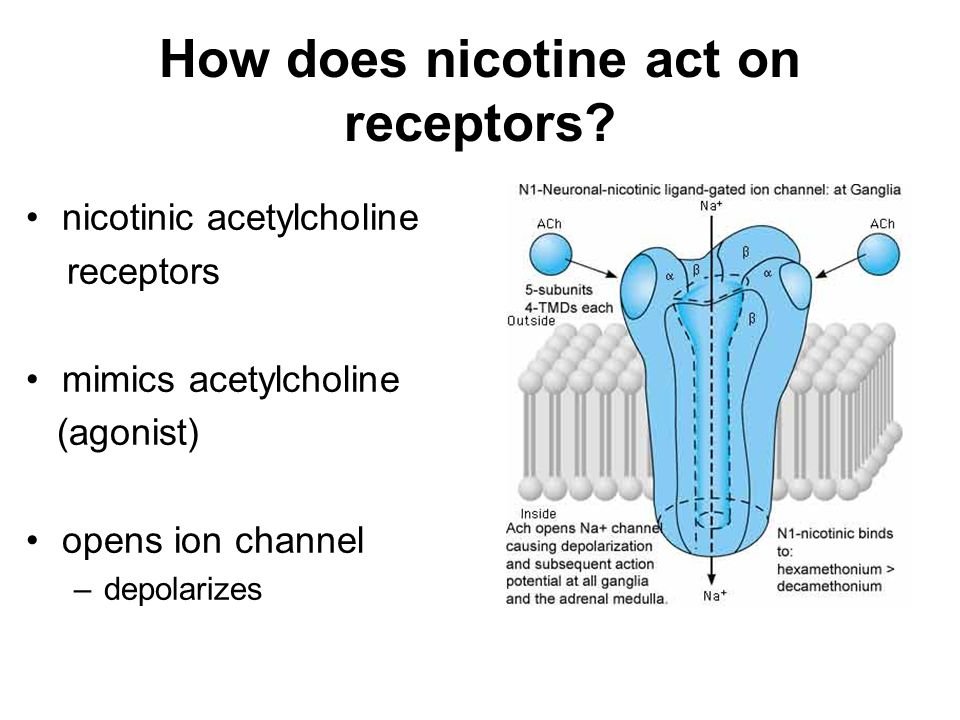
Acetylcholine:
In the brain, nicotine essentially "mimics" the neurotransmitter acetylcholine (ACh)
It does this through binding with 7-a-nicotinic acetylcholine receptors
Nicotine also upregulates these receptors
Recent evidence suggest nicotine may also inhibit acetylcholinesterase, the enzyme responsible for breaking down ACh, in the brain.
The result is increased cholinergic neurotransmission in the nervous system, which is thought to be one of the ways by which nicotine enhances memory and learning.
In the brain, nicotine essentially "mimics" the neurotransmitter acetylcholine (ACh)
It does this through binding with 7-a-nicotinic acetylcholine receptors
Nicotine also upregulates these receptors
Recent evidence suggest nicotine may also inhibit acetylcholinesterase, the enzyme responsible for breaking down ACh, in the brain.
The result is increased cholinergic neurotransmission in the nervous system, which is thought to be one of the ways by which nicotine enhances memory and learning.
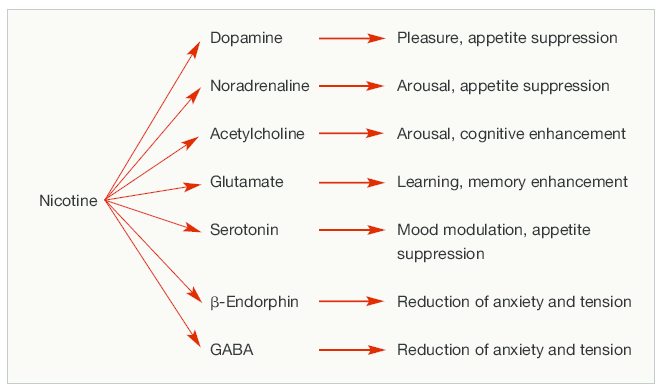
This has downstream effects on numerous other neurotransmitter systems including:
- Dopamine
- Serotonin
- Glutamate
- GABA
- Dopamine
- Serotonin
- Glutamate
- GABA
Acetylcholine & cognitive impairment/Alzheimer's:
Abundant evidence suggests a cholinergic deficit in the CNS is one of the drivers of MCI/Alzheimer's (AD)
One study found subcutaneous nicotine to improve:
"primary and secondary cognitive measures of attention, memory, and mental processing"
Another study found inverse association between AD and smoking:
"A statistically significant inverse association between smoking and Alzheimer's disease was observed at all levels of analysis, with a trend towards decreasing risk with increasing consumption"
Abundant evidence suggests a cholinergic deficit in the CNS is one of the drivers of MCI/Alzheimer's (AD)
One study found subcutaneous nicotine to improve:
"primary and secondary cognitive measures of attention, memory, and mental processing"
Another study found inverse association between AD and smoking:
"A statistically significant inverse association between smoking and Alzheimer's disease was observed at all levels of analysis, with a trend towards decreasing risk with increasing consumption"


Cognitive benefits:
"1. Nicotine improves attention in a wide variety of tasks in healthy volunteers.
2. Nicotine improves immediate and longer term memory in healthy volunteers.
3. Nicotine improves attention in patients with probable Alzheimer's Disease.
4. While some of the memory effects of nicotine may be due to enhanced attention, others seem to be the result of improved consolidation as shown by post-trial dosing."
sciencedirect.com/science/articl…
"1. Nicotine improves attention in a wide variety of tasks in healthy volunteers.
2. Nicotine improves immediate and longer term memory in healthy volunteers.
3. Nicotine improves attention in patients with probable Alzheimer's Disease.
4. While some of the memory effects of nicotine may be due to enhanced attention, others seem to be the result of improved consolidation as shown by post-trial dosing."
sciencedirect.com/science/articl…
Nicotine: An Anti-inflammatory Molecule
The nicotine : acetylcholine interaction extends beyond cognitive benefits
Acetycholine is one of the primary tools used by the body to suppress inflammation and immune-hyperactivation
In this way, it can “switch off” an overactive immune system
It does this through a network of neuronal connections known as the "cholinergic anti-inflammatory pathway", which operates through the vagus nerve
Stimulating this pathway via different means has yielded promising results in a variety of chronic inflammatory diseases
"Nicotine stimulation plays a key role in suppressing inflammatory cytokine production
- Can significantly down-regulate and delay inflammatory and autoimmune responses in the central nervous system
- Could further attenuate neuro-inflammation"
The nicotine : acetylcholine interaction extends beyond cognitive benefits
Acetycholine is one of the primary tools used by the body to suppress inflammation and immune-hyperactivation
In this way, it can “switch off” an overactive immune system
It does this through a network of neuronal connections known as the "cholinergic anti-inflammatory pathway", which operates through the vagus nerve
Stimulating this pathway via different means has yielded promising results in a variety of chronic inflammatory diseases
"Nicotine stimulation plays a key role in suppressing inflammatory cytokine production
- Can significantly down-regulate and delay inflammatory and autoimmune responses in the central nervous system
- Could further attenuate neuro-inflammation"

Anti-inflammatory effects pt.2
The following paper discusses anti-inflammatory and pro-inflammatory effects of nicotine at length.
Read it and you will see the "anti" far outweighs the "pro"
"Of all the diseases summarized here concerning systemic inflammation, especially in sepsis and endotoxemia, nicotine exerted the most pharmaceutical effect and significantly improved the survival.
Next, nicotine is also a potential candidate for treating ulcerative colitis, rheumatoid arthritis, osteoarthritis, multiple sclerosis, and myocarditis;"
ncbi.nlm.nih.gov/pmc/articles/P…
The following paper discusses anti-inflammatory and pro-inflammatory effects of nicotine at length.
Read it and you will see the "anti" far outweighs the "pro"
"Of all the diseases summarized here concerning systemic inflammation, especially in sepsis and endotoxemia, nicotine exerted the most pharmaceutical effect and significantly improved the survival.
Next, nicotine is also a potential candidate for treating ulcerative colitis, rheumatoid arthritis, osteoarthritis, multiple sclerosis, and myocarditis;"
ncbi.nlm.nih.gov/pmc/articles/P…
Protection against endotoxin:
"In this model of abbreviated inflammation, nicotine exposure attenuates the febrile response to LPS and promotes a more prominent anti-inflammatory phenotype."
"In this model of abbreviated inflammation, nicotine exposure attenuates the febrile response to LPS and promotes a more prominent anti-inflammatory phenotype."

Dopamine:
Nicotine stimulates the release of dopamine in the midbrain and prefrontal cortex
Protects dopaminergic neurons from degeneration.
ncbi.nlm.nih.gov/pmc/articles/P…
Nicotine stimulates the release of dopamine in the midbrain and prefrontal cortex
Protects dopaminergic neurons from degeneration.
ncbi.nlm.nih.gov/pmc/articles/P…

This protection extends to Parkinson’s disease.
Smokers are vastly less likely to develop Parkinson’s.
Even exposure to secondhand smoke drastically reduces the chances.
“The link between smoking and a lower risk of Parkinson's disease (PD) is one of the strongest environmental or lifestyle associations in neuroepidemiology. Growing evidence supports the hypothesis that the association is based on a neuroprotective effect of smoking on PD”
…mentdisorders.onlinelibrary.wiley.com/doi/full/10.10…
Smokers are vastly less likely to develop Parkinson’s.
Even exposure to secondhand smoke drastically reduces the chances.
“The link between smoking and a lower risk of Parkinson's disease (PD) is one of the strongest environmental or lifestyle associations in neuroepidemiology. Growing evidence supports the hypothesis that the association is based on a neuroprotective effect of smoking on PD”
…mentdisorders.onlinelibrary.wiley.com/doi/full/10.10…
Neuroprotection / anti-excitotoxic:
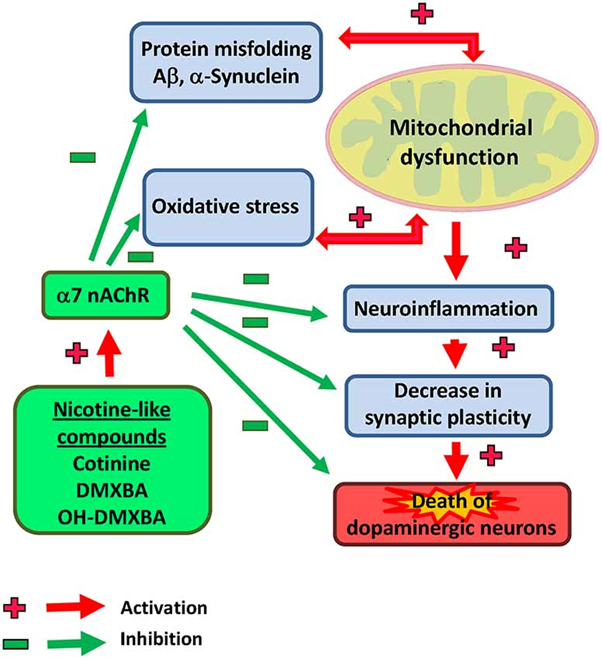
Nicotine exerts neuroprotective effects through reducing glutamate excitotoxicity in several regions of the brain, including the hippocampus.
This may help to explain positive neuropsychiatric benefits in conditions such as schizophrenia, bipolar disorder, ADHD and anxiety
ncbi.nlm.nih.gov/pmc/articles/P…
Nicotine exerts neuroprotective effects through reducing glutamate excitotoxicity in several regions of the brain, including the hippocampus.
This may help to explain positive neuropsychiatric benefits in conditions such as schizophrenia, bipolar disorder, ADHD and anxiety
ncbi.nlm.nih.gov/pmc/articles/P…
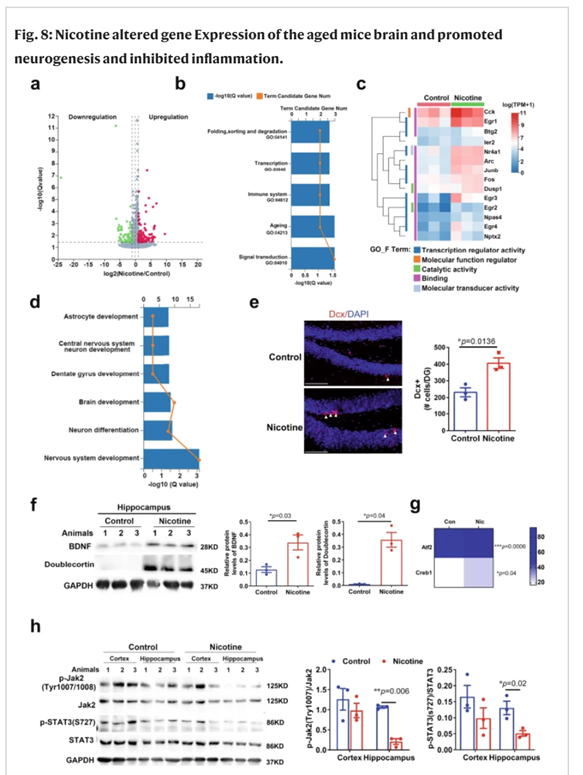
Neurogenesis, NAD+ and Anti-Aging:
“F-FDG PET imaging revealed that nicotine is also capable of efficiently inhibiting glucose hypermetabolism in aging male mice.
Additionally, nicotine ameliorated cellular energy metabolism disorders and deferred age-related deterioration and cognitive decline by stimulating neurogenesis, inhibiting neuroinflammation, and protecting organs from oxidative stress and telomere shortening.
Collectively, these findings provide evidence for a mechanism by which low-dose nicotine can activate NAD+ salvage pathways and improve age-related symptoms.”
nature.com/articles/s4146…
“F-FDG PET imaging revealed that nicotine is also capable of efficiently inhibiting glucose hypermetabolism in aging male mice.
Additionally, nicotine ameliorated cellular energy metabolism disorders and deferred age-related deterioration and cognitive decline by stimulating neurogenesis, inhibiting neuroinflammation, and protecting organs from oxidative stress and telomere shortening.
Collectively, these findings provide evidence for a mechanism by which low-dose nicotine can activate NAD+ salvage pathways and improve age-related symptoms.”
nature.com/articles/s4146…
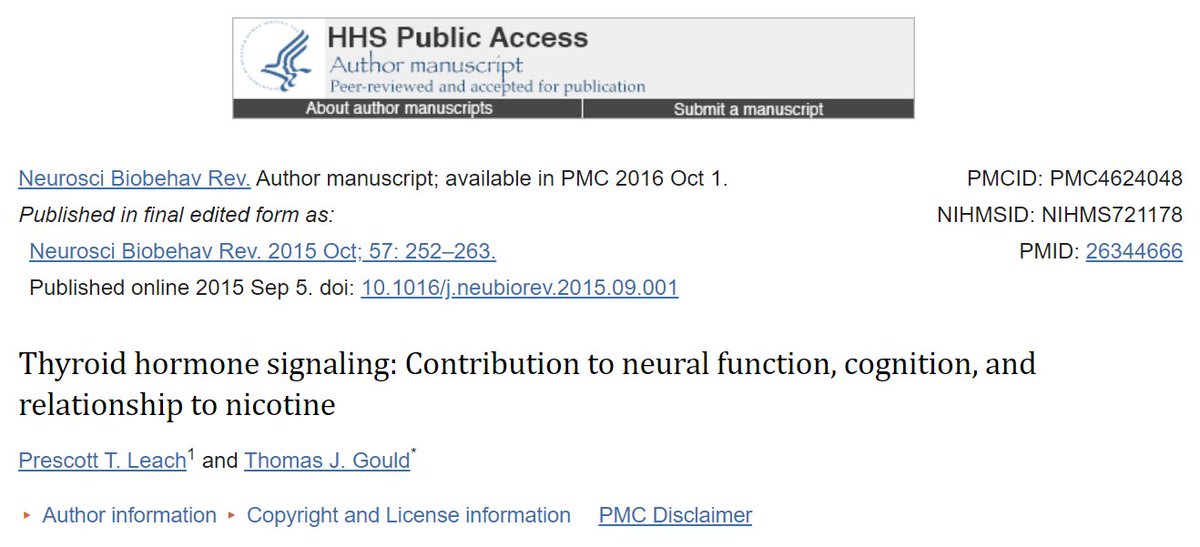
Metabolism/Thyroid:
Nicotine is well known to increase resting metabolic rate.
Nicotine was shown to activate thyroid hormone receptor-B in the brain, and might “substitute” for thyroid hormone to some extent.
Nicotine stimulates the conversion of T4 to active thyroid hormone, T3, through increasing activity of deiodinase 2.
“nicotine reversed/ameliorated hypothyroidism-induced deficits in learning and memory at the molecular, cellular, and behavioral level.”
When smokers quit, the deficits in learning/cognition/memory could be alleviated by thyroid hormone supplementation.
ncbi.nlm.nih.gov/pmc/articles/P…
Nicotine is well known to increase resting metabolic rate.
Nicotine was shown to activate thyroid hormone receptor-B in the brain, and might “substitute” for thyroid hormone to some extent.
Nicotine stimulates the conversion of T4 to active thyroid hormone, T3, through increasing activity of deiodinase 2.
“nicotine reversed/ameliorated hypothyroidism-induced deficits in learning and memory at the molecular, cellular, and behavioral level.”
When smokers quit, the deficits in learning/cognition/memory could be alleviated by thyroid hormone supplementation.
ncbi.nlm.nih.gov/pmc/articles/P…
Smoking and the thyroid:
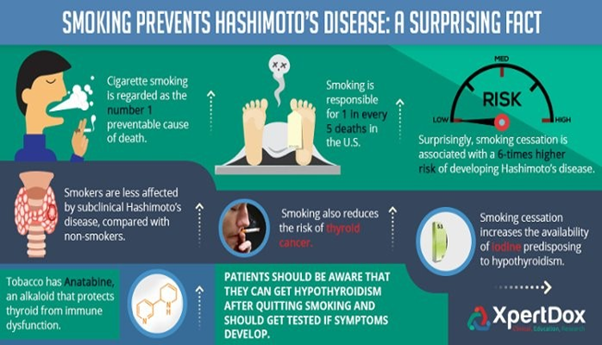
Smokers on average have higher T3 levels, lower TSH and lower markers of thyroid autoimmunity.
Smokers have a significantly lower risk of developing hypothyroidism and autoimmune thyroid disease. This protection disappears 3 years after quitting smoking.
ncbi.nlm.nih.gov/pmc/articles/P…
onlinelibrary.wiley.com/doi/pdf/10.111…
Smokers on average have higher T3 levels, lower TSH and lower markers of thyroid autoimmunity.
Smokers have a significantly lower risk of developing hypothyroidism and autoimmune thyroid disease. This protection disappears 3 years after quitting smoking.
ncbi.nlm.nih.gov/pmc/articles/P…
onlinelibrary.wiley.com/doi/pdf/10.111…
COVID & dysautonomia:
The fix for long-COVID (or vaccine-induced) Dysautonomia?
For many, its NICOTINE
Why? Top-down control of the autonomic nervous system depends on cholinergic neurotransmission, involving the neurotransmitter acetylcholine.
Researchers found evidence of an interaction between SARS-CoV-2 spike protein & nicotinic-acetylcholine receptors (nAChRs), and hypothesize that this may impair the cholinergic system.
When the body loses control of acetylcholine, it loses control of the autonomic nervous system = dysautonomia.
Nicotine binds with nAChRs and potentiates the action of acetylcholine.
Nicotine UPREGULATES nAChRs. It is hypotethized that nicotine may "counteract the viral blockade of nAChRs" and restore cholinergic activity.
It was known in the early days that smokers had much higher protection against infection, and it was thought this was related to the ACE2 receptor.
However, many are using it post-covid and even post-vaccination to re-establish autonomic balance.
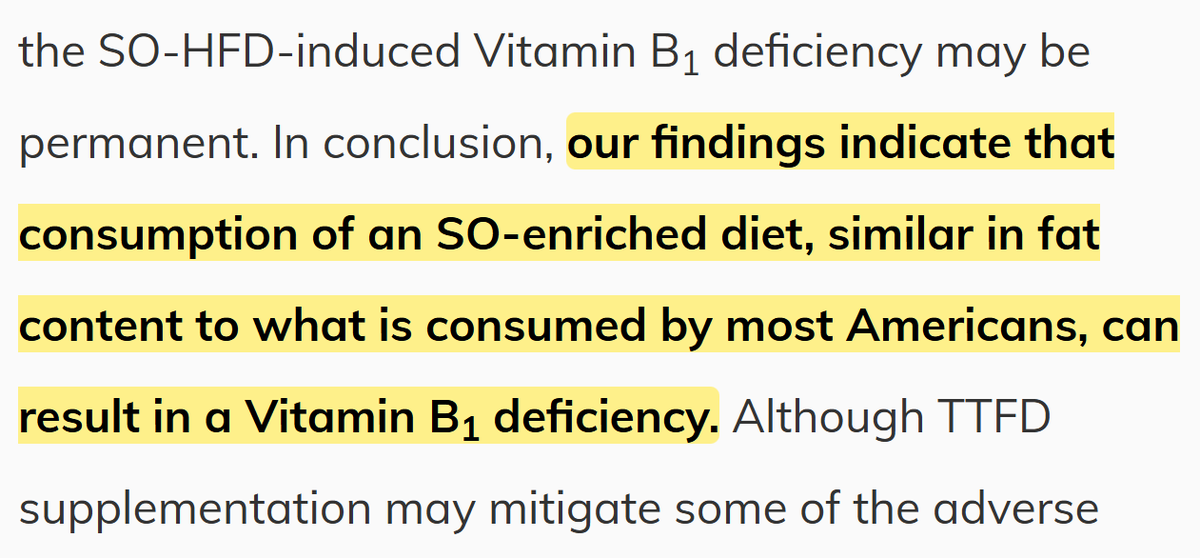
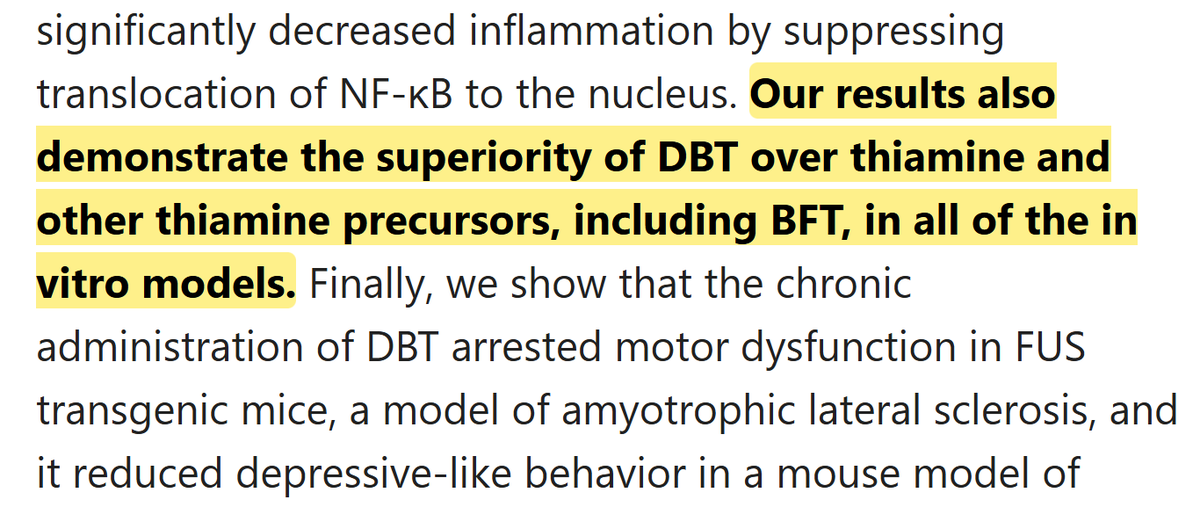
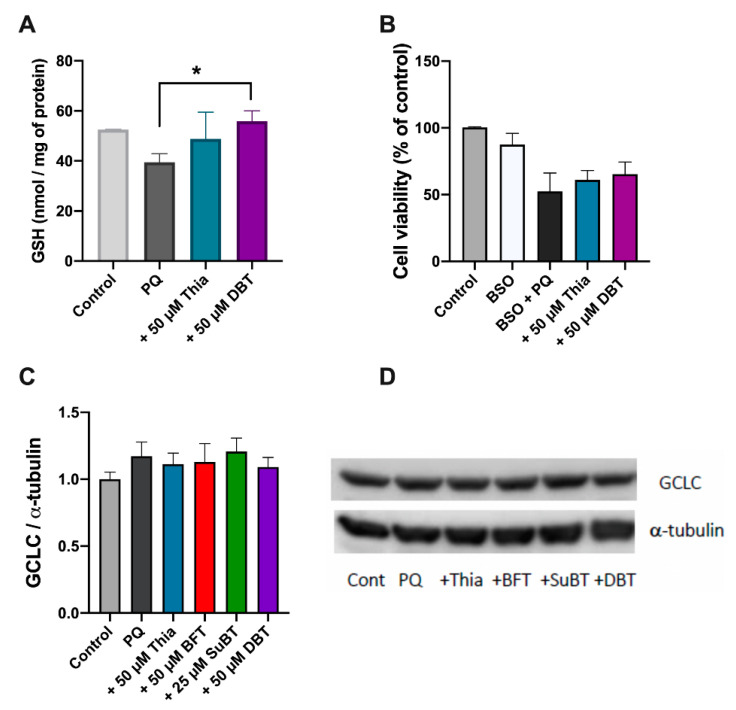
A lot of people already know HIGH DOSE THIAMINE can be effective for long-covid/post-covid vaccine effects.
What many don't know is that thiamine is necessary for the release and action of acetylcholine at every step!!
The combination of thiamine + nicotine could be a game changer.
Nicotine can be used in gum, patches, or of course... combusted.
Vaporization would be my personal choice of entry
The fix for long-COVID (or vaccine-induced) Dysautonomia?
For many, its NICOTINE
Why? Top-down control of the autonomic nervous system depends on cholinergic neurotransmission, involving the neurotransmitter acetylcholine.
Researchers found evidence of an interaction between SARS-CoV-2 spike protein & nicotinic-acetylcholine receptors (nAChRs), and hypothesize that this may impair the cholinergic system.
When the body loses control of acetylcholine, it loses control of the autonomic nervous system = dysautonomia.
Nicotine binds with nAChRs and potentiates the action of acetylcholine.
Nicotine UPREGULATES nAChRs. It is hypotethized that nicotine may "counteract the viral blockade of nAChRs" and restore cholinergic activity.
It was known in the early days that smokers had much higher protection against infection, and it was thought this was related to the ACE2 receptor.
However, many are using it post-covid and even post-vaccination to re-establish autonomic balance.
A lot of people already know HIGH DOSE THIAMINE can be effective for long-covid/post-covid vaccine effects.
What many don't know is that thiamine is necessary for the release and action of acetylcholine at every step!!
The combination of thiamine + nicotine could be a game changer.
Nicotine can be used in gum, patches, or of course... combusted.
Vaporization would be my personal choice of entry
https://twitter.com/EO_Nutrition/status/1729444553923469770
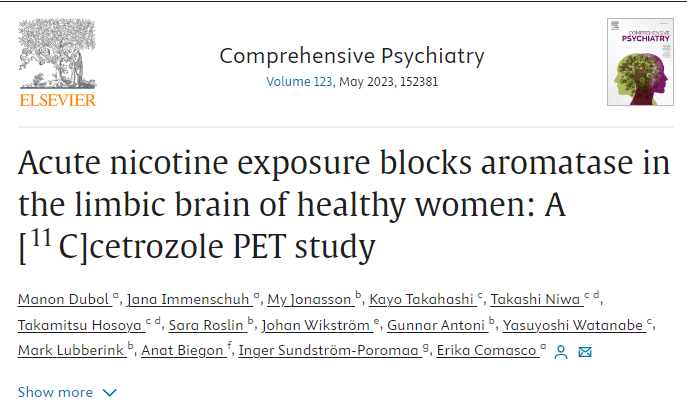
Nicotine = Anti-estrogenic
Low dose of nicotine inhibits aromatase, the enzyme which catalyses the conversion of androgen hormones into estrogen
This has been shown to occur in numerous regions of the brain
In animals: "In laboratory studies on female rats, we confirmed the aforementioned epidemiological findings that chronic nicotine exposure reduced endogenous 17β-estradiol (E2; a potent estrogen) levels"
sciencedirect.com/science/articl…
Low dose of nicotine inhibits aromatase, the enzyme which catalyses the conversion of androgen hormones into estrogen
This has been shown to occur in numerous regions of the brain
In animals: "In laboratory studies on female rats, we confirmed the aforementioned epidemiological findings that chronic nicotine exposure reduced endogenous 17β-estradiol (E2; a potent estrogen) levels"
sciencedirect.com/science/articl…
• • •
Missing some Tweet in this thread? You can try to
force a refresh