What does the literature say about population density and fertility?
Across numerous countries over time, there is a consistently negative and statistically significant relationship. High density ➡️ low fertility.
Thus, policy should favor low density! Important 🧵, please share.

Across numerous countries over time, there is a consistently negative and statistically significant relationship. High density ➡️ low fertility.
Thus, policy should favor low density! Important 🧵, please share.
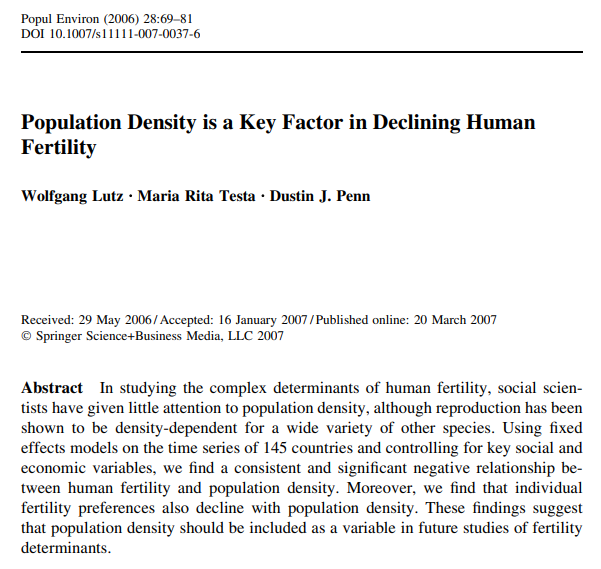
First up, Lutz et al. (2006).
Examining 145 countries and controlling for several socioeconomic variables, Lutz et al. conclude, "Population density is now the most important factor explaining the fertility level, with only female literacy coming close in significance." 2/11
Examining 145 countries and controlling for several socioeconomic variables, Lutz et al. conclude, "Population density is now the most important factor explaining the fertility level, with only female literacy coming close in significance." 2/11
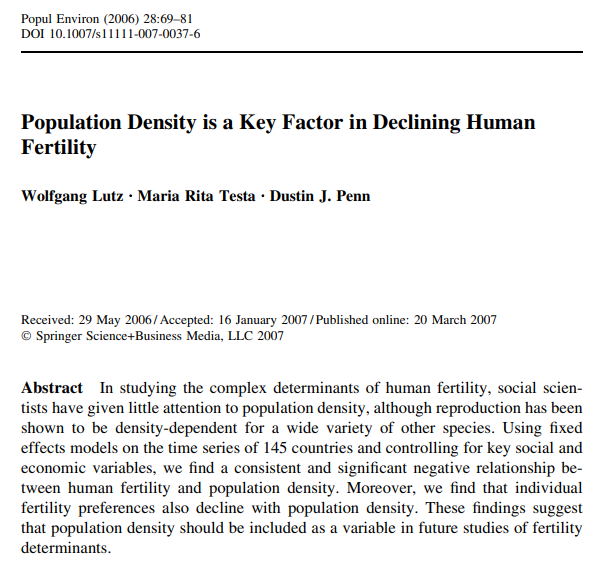
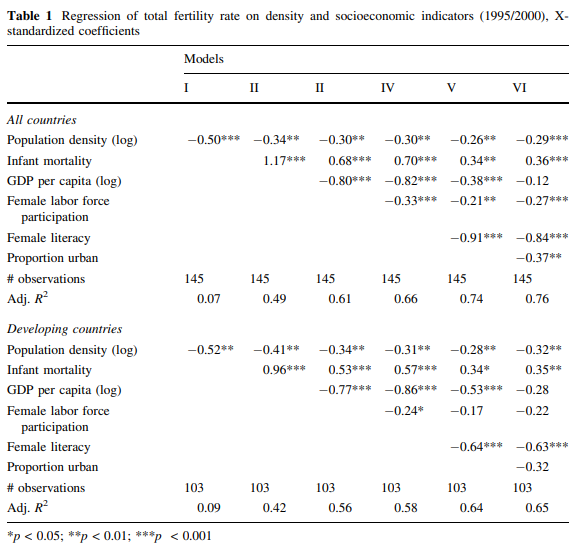
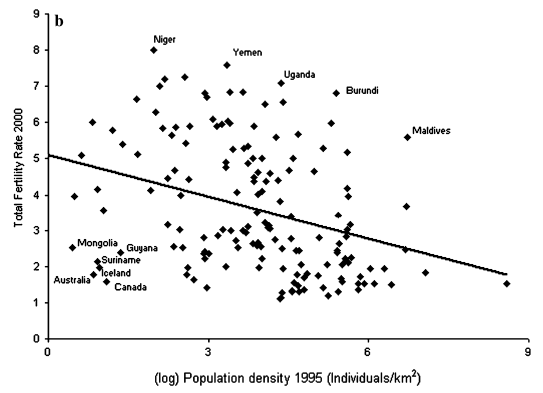
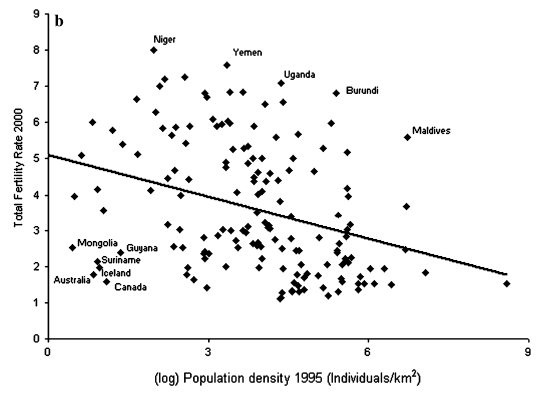
Lutz et al. reports that fertility rate declines with increasing density across numerous countries.
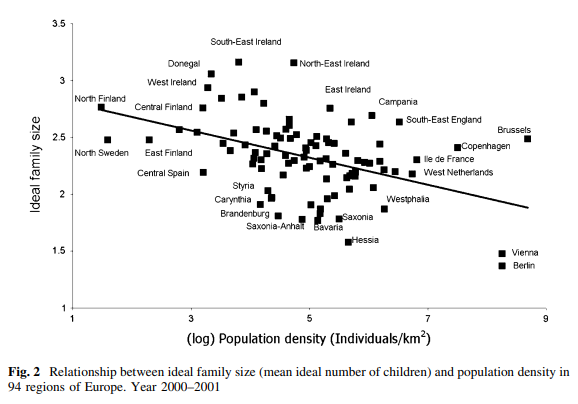
Not only this, in 94 regions of Europe, ideal family size was significantly negatively correlated with population density. 3/11
Not only this, in 94 regions of Europe, ideal family size was significantly negatively correlated with population density. 3/11
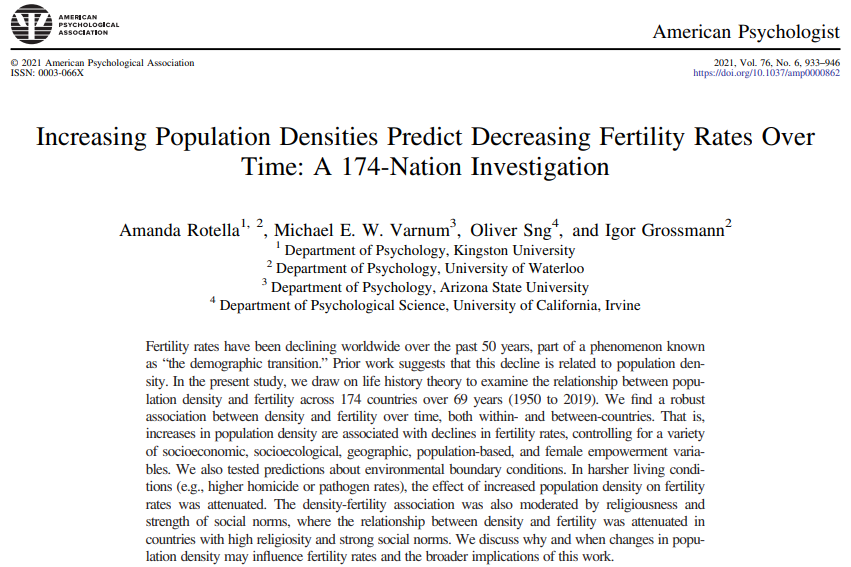
Next, Rotella et al. (2021).
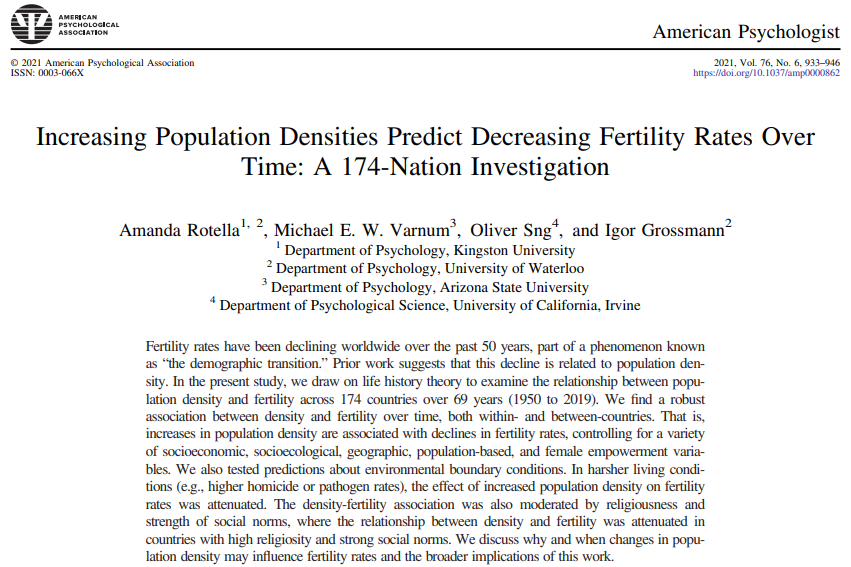
In a study of 174 countries over 69 years, the authors find a robustly negative relationship between density and fertility both within and between countries, even when controlling for a range of variables. 4/11
In a study of 174 countries over 69 years, the authors find a robustly negative relationship between density and fertility both within and between countries, even when controlling for a range of variables. 4/11
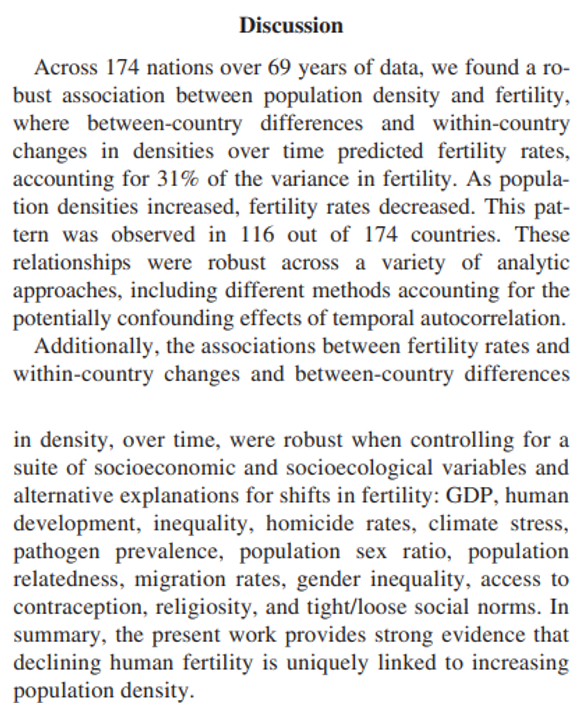
Rotella et al. write that "between-country differences and within-country changes in densities over time predicted fertility rates, accounting for 31% of the variance in fertility." (p < 0.001).
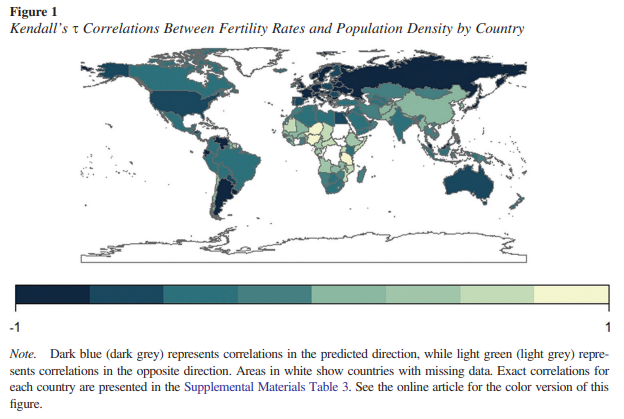
Across all developed, most developing countries this negative correlation holds. 5/11
Across all developed, most developing countries this negative correlation holds. 5/11
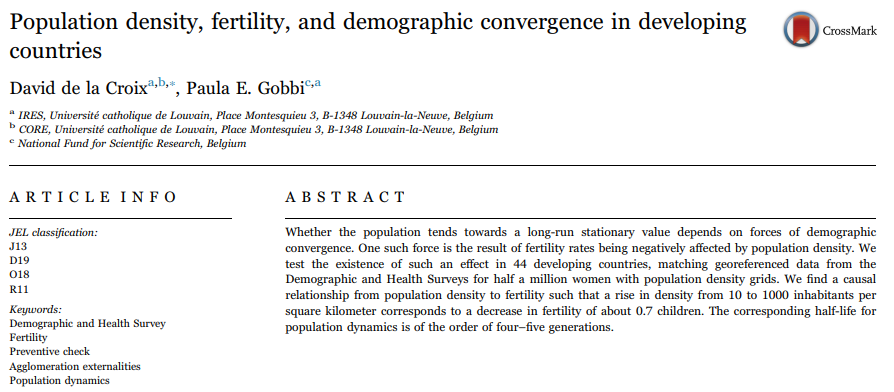
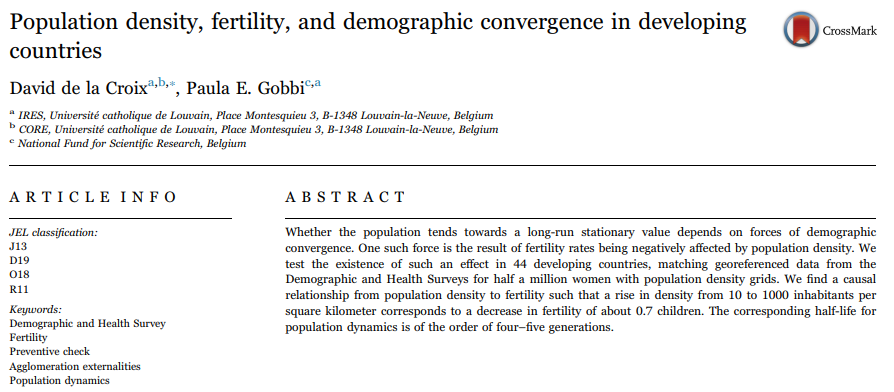
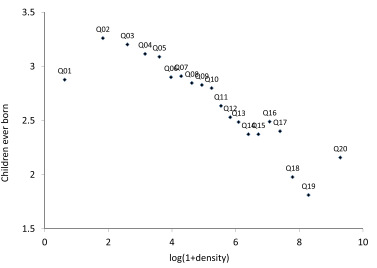
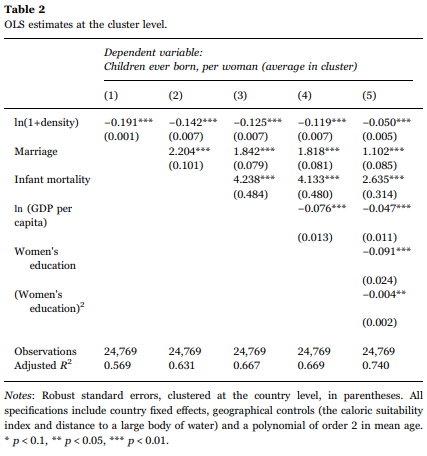
Next, de la Croix et al. (2017) report that across 44 developing countries an increase in density from 10 to 1000 inhabitants per square km results in a decrease in fertility of about 0.7 children. 6/11
Using 20 density clusters, the authors find a significantly negative relationship between density and fertility that is significant at the p<0.01 level. 7/11
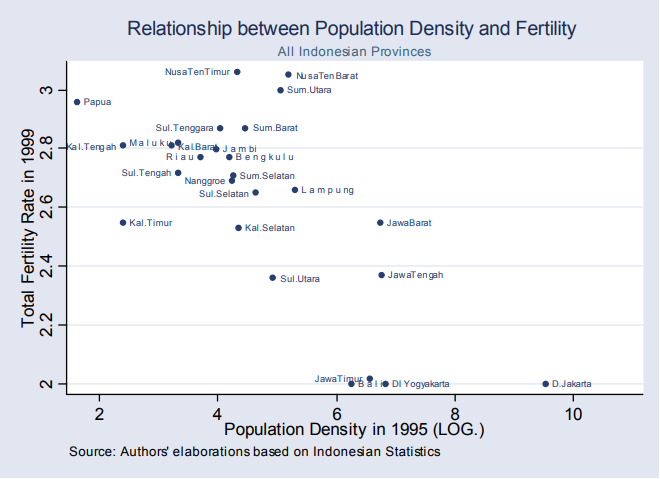
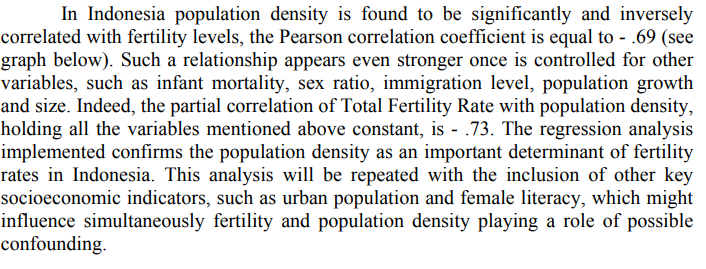
Next, Testa (2004) finds in a paper entitled Population Density and Fertility, that for Indonesia, fertility is strongly negatively correlated with density across the provinces. 8/11
Numerous other papers show similar negative relationships between density and fertility.
Demographer @lymanstoneky noted this week, "There are basically zero studies that have been able to argue that density was pro-natal, on any measure of density." 9/11
Demographer @lymanstoneky noted this week, "There are basically zero studies that have been able to argue that density was pro-natal, on any measure of density." 9/11

Pundits including @mattyglesias and @bryan_caplan argue for densification on the basis of reduced housing costs.
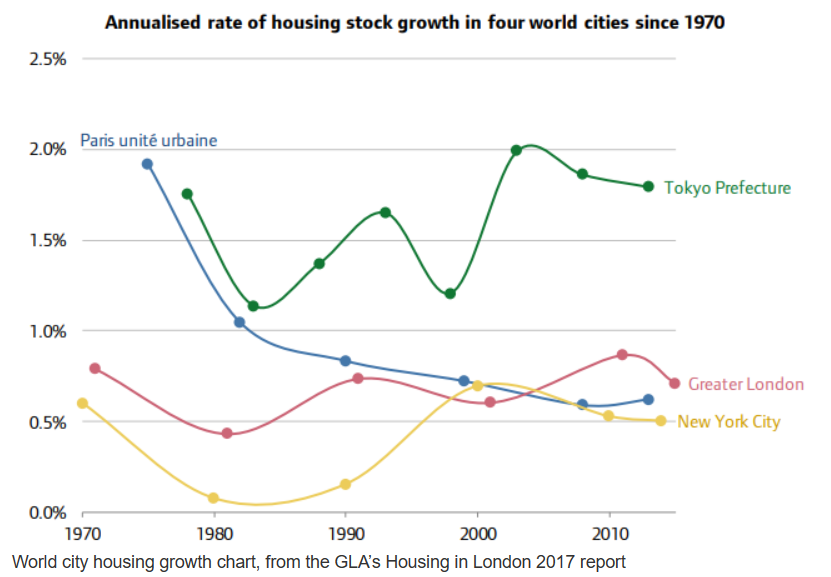
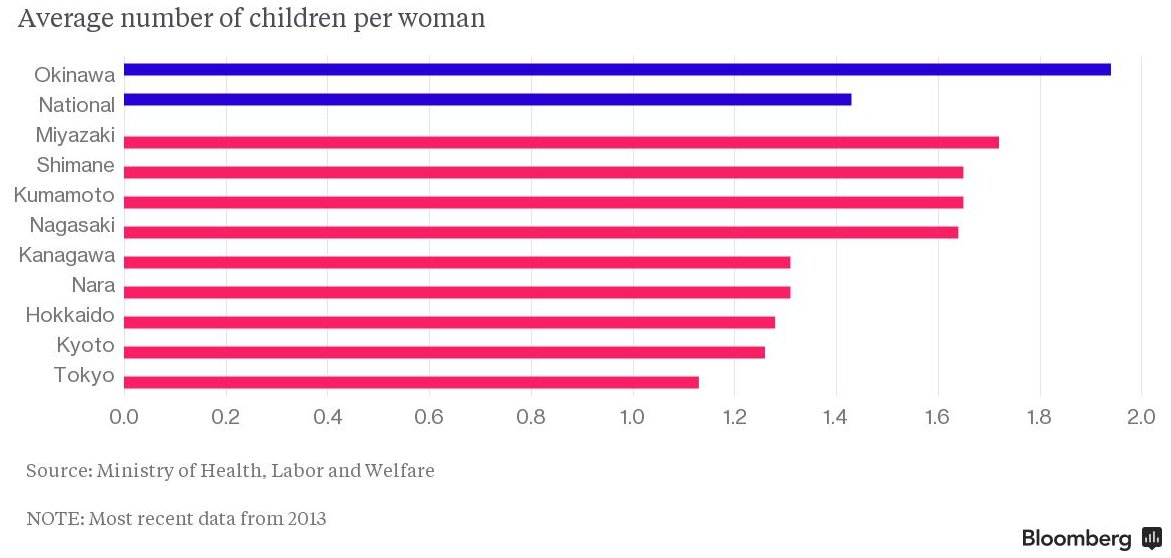
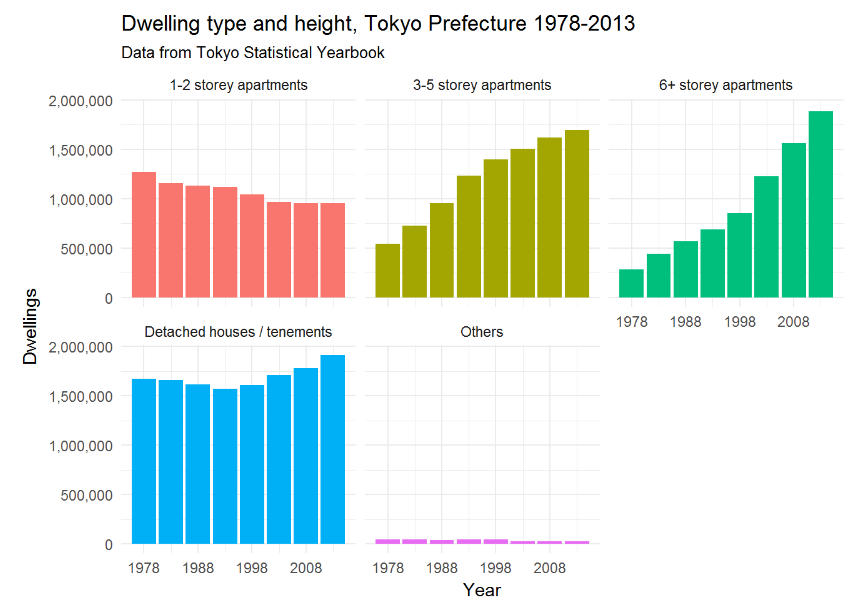
Tokyo has done this, building tall towers and bringing down prices. Yet its fertility rate remains lowest in Japan (1.04 in 2022)!
Why? Density hurts birthrates! 10/11
Tokyo has done this, building tall towers and bringing down prices. Yet its fertility rate remains lowest in Japan (1.04 in 2022)!
Why? Density hurts birthrates! 10/11

With fertility rates collapsing in 🇺🇸 and most other countries, it is not enough to simply build housing.
Housing must be of a pro-natal rather than an anti-natal form. Above all that means lower density.
Since housing endures for generations, getting this right is crucial. 11/11
Housing must be of a pro-natal rather than an anti-natal form. Above all that means lower density.
Since housing endures for generations, getting this right is crucial. 11/11
• • •
Missing some Tweet in this thread? You can try to
force a refresh