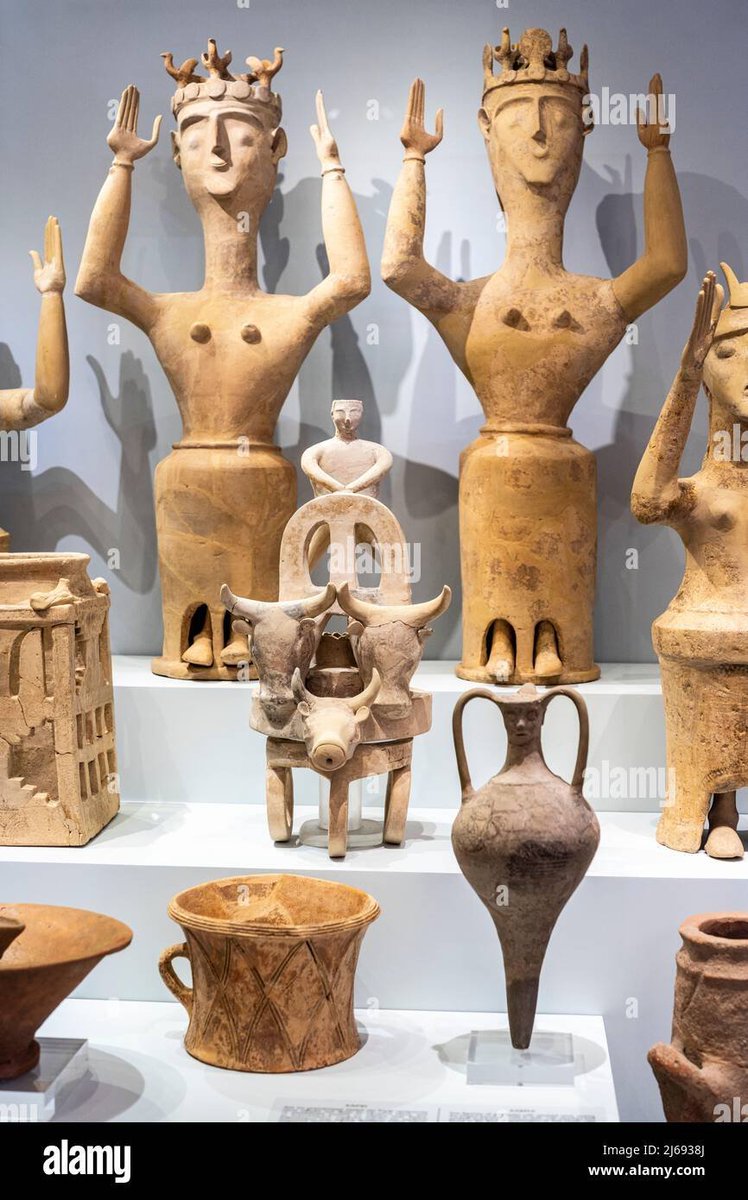
Closed, endogamous communities have a rich history in Southern Asia. Throughout the past millennium, they have been referred to as 'jati' in Sanskrit, 'qaum' in Arabic, 'zat' in Persian, among other terms.
Interestingly, there is no direct equivalent for "caste" in any Indian or Asian language, despite its pervasive use today in Indian public and policy discussions.
The term was originally introduced as 'casta' by Iberians – Portuguese and Spanish – first in the Iberian peninsula and later in Asia and the Americas. However, the precise ways in which this term was utilized – descriptively, administratively, and sociologically – remain less explored.
There have been classification in most parts of the world based on their status, color, hierarchy etc.
Lets delve
#Bookmark this #thread on Caste system in the ancient world
1/
Interestingly, there is no direct equivalent for "caste" in any Indian or Asian language, despite its pervasive use today in Indian public and policy discussions.
The term was originally introduced as 'casta' by Iberians – Portuguese and Spanish – first in the Iberian peninsula and later in Asia and the Americas. However, the precise ways in which this term was utilized – descriptively, administratively, and sociologically – remain less explored.
There have been classification in most parts of the world based on their status, color, hierarchy etc.
Lets delve
#Bookmark this #thread on Caste system in the ancient world
1/
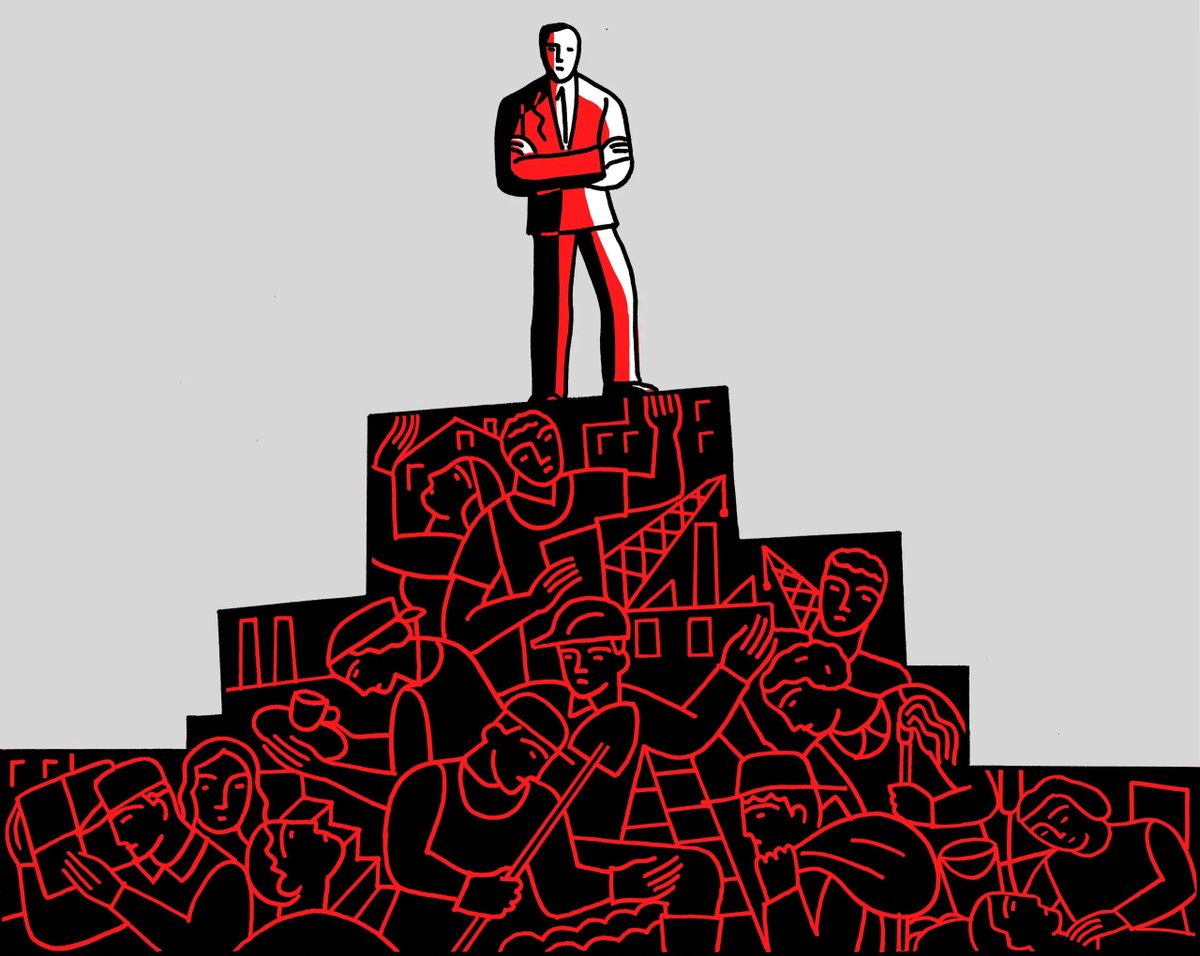
The term "caste" has a rich history. Originally derived from Spanish and Portuguese, it referred to lineage or tribe. The word took on its modern sense when Portuguese colonizers encountered the Indian social groups in 1498, where it described endogamous social divisions.
The term "caste" was first used in English in 1613 in the context of India. In Latin America, "caste" is also used to refer to a racial classification system based on ancestry. Despite the linguistic link between the Latin American and South Asian systems, the comparability of the two remains a subject of debate.
Historically, European societies were stratified into closed social systems like nobility, clergy, bourgeoisie, and peasants. Each group had distinct privileges and rights that were inherited and not based on wealth or citizenship. Inter-caste marriage often led to loss of privileges. Some countries gave titles to these groups with their own codes of behavior and dress. These closed social classes were sometimes referred to as estates in parts of Europe.
In European society, below the recognized estates, a large group of serfs served those with status. Serfs endured into the mid-19th century, with limited rights and restricted mobility. Marriage and living arrangements were controlled by State, Church, landowners, and local custom.
2/
The term "caste" was first used in English in 1613 in the context of India. In Latin America, "caste" is also used to refer to a racial classification system based on ancestry. Despite the linguistic link between the Latin American and South Asian systems, the comparability of the two remains a subject of debate.
Historically, European societies were stratified into closed social systems like nobility, clergy, bourgeoisie, and peasants. Each group had distinct privileges and rights that were inherited and not based on wealth or citizenship. Inter-caste marriage often led to loss of privileges. Some countries gave titles to these groups with their own codes of behavior and dress. These closed social classes were sometimes referred to as estates in parts of Europe.
In European society, below the recognized estates, a large group of serfs served those with status. Serfs endured into the mid-19th century, with limited rights and restricted mobility. Marriage and living arrangements were controlled by State, Church, landowners, and local custom.
2/

The Sistema de Castas in colonial New Spain classified people by race, with Spaniard as the most desirable and Negro as the least. Blacks were marginalized, while some of African descent achieved elevated status within the system.
1. Peninsulares: Spaniards born in Spain, held highest status in colonies.
2. Criollos: Spaniards born in Americas, seen as inferior, faced discrimination.
3. Mestizos: Mixed European and Indigenous ancestry, middle hierarchy position.
4. Mulattos: Mixed European and African ancestry, faced discrimination.
5. Zambos: Mixed Indigenous and African ancestry, marginalized.
6. Indigenous peoples: Native Americans, subjected to forced labor and discrimination.
7. Africans: Enslaved, at the bottom of social hierarchy.
3/
1. Peninsulares: Spaniards born in Spain, held highest status in colonies.
2. Criollos: Spaniards born in Americas, seen as inferior, faced discrimination.
3. Mestizos: Mixed European and Indigenous ancestry, middle hierarchy position.
4. Mulattos: Mixed European and African ancestry, faced discrimination.
5. Zambos: Mixed Indigenous and African ancestry, marginalized.
6. Indigenous peoples: Native Americans, subjected to forced labor and discrimination.
7. Africans: Enslaved, at the bottom of social hierarchy.
3/

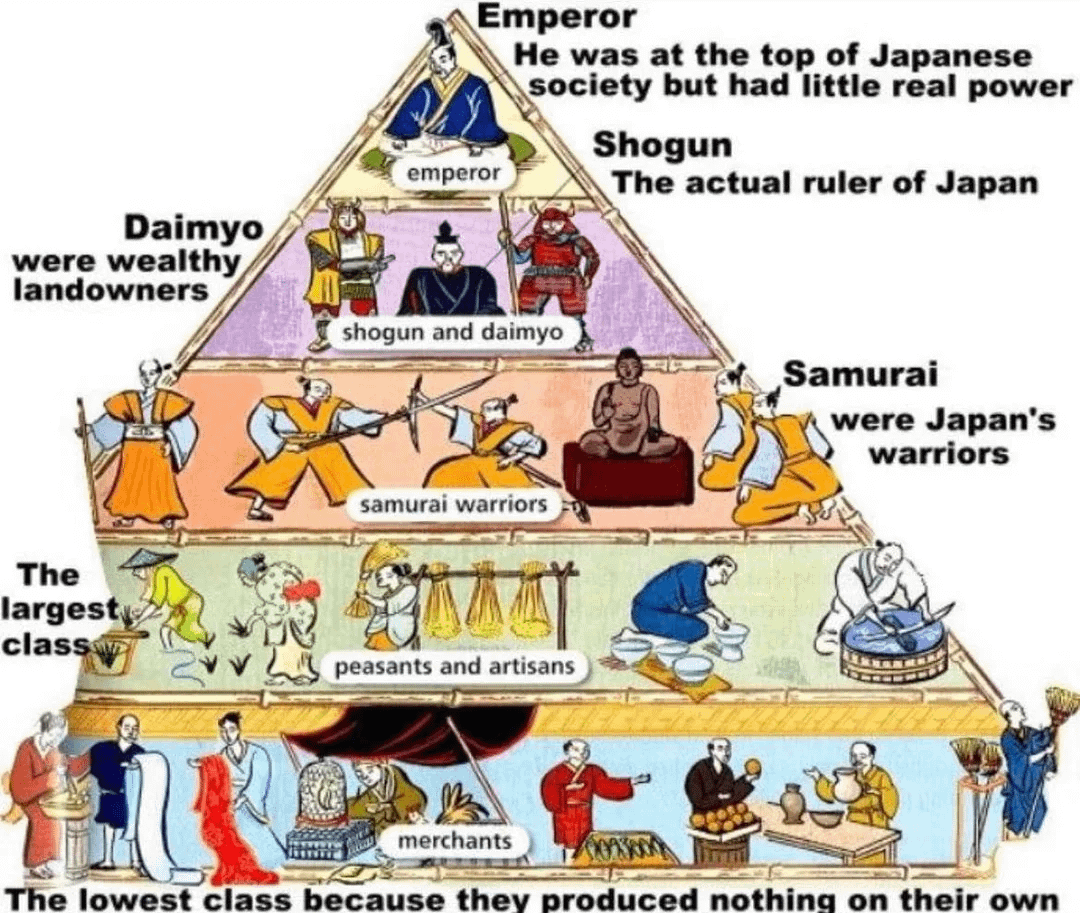
In ancient Japan, there were social classes that influenced people's lives and opportunities.
1. **Emperor and Imperial Family**: The divine rulers with political power.
2. **Samurai**: Warrior-administrators following bushido.
3. **Nobility**: Courtiers, daimyo, and aristocrats holding land and power.
4. **Peasants and Farmers**: Majority of the population providing essential resources.
5. **Artisans and Merchants**: Despite being looked down upon by samurai and nobility for their focus on trade, artisans and merchants were another class.
6. **Outcasts**: Outcast communities like eta (associated with impure tasks) and hinin (street performers and beggars) faced discrimination.
4/
1. **Emperor and Imperial Family**: The divine rulers with political power.
2. **Samurai**: Warrior-administrators following bushido.
3. **Nobility**: Courtiers, daimyo, and aristocrats holding land and power.
4. **Peasants and Farmers**: Majority of the population providing essential resources.
5. **Artisans and Merchants**: Despite being looked down upon by samurai and nobility for their focus on trade, artisans and merchants were another class.
6. **Outcasts**: Outcast communities like eta (associated with impure tasks) and hinin (street performers and beggars) faced discrimination.
4/
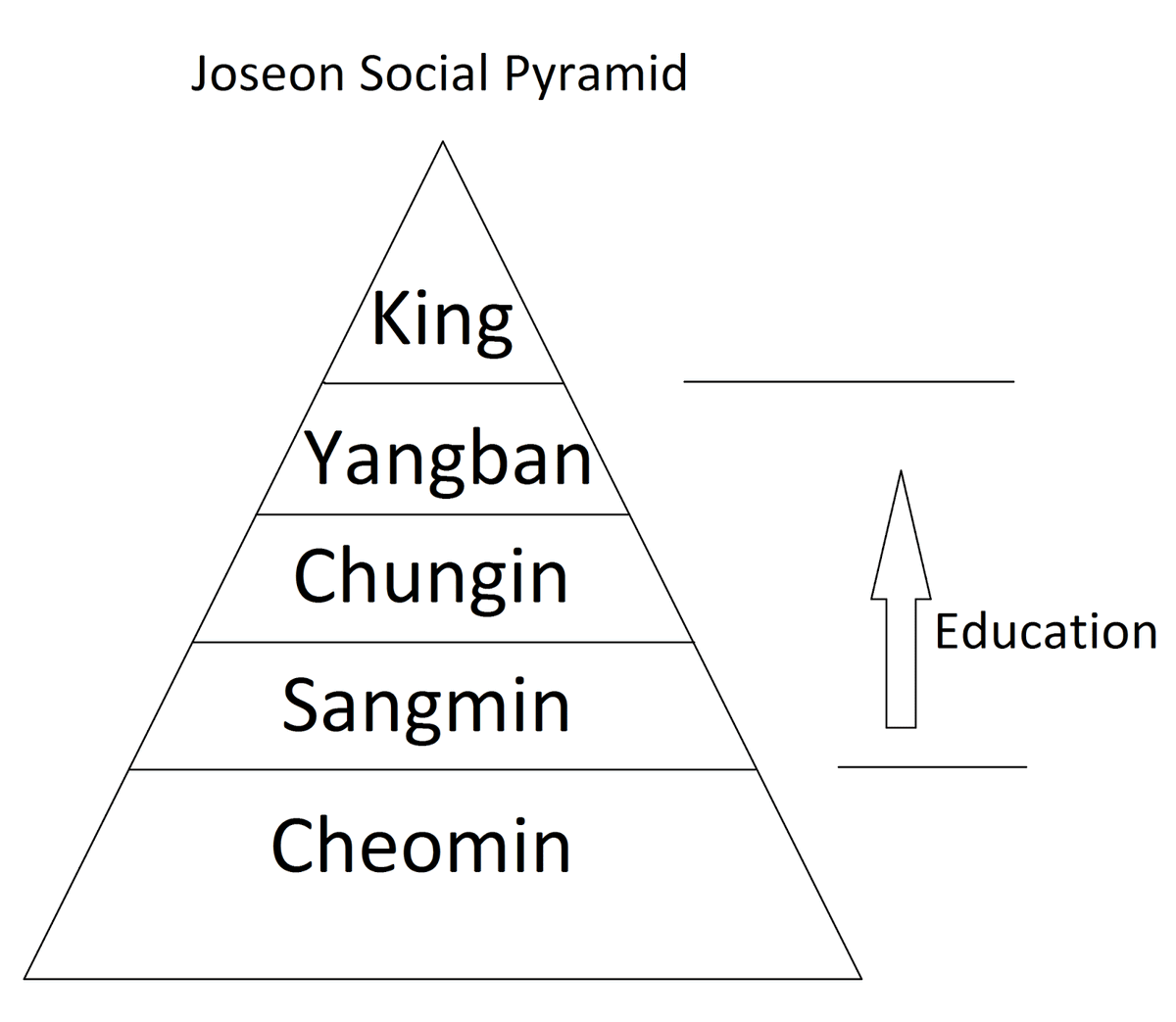
In ancient Korea, the social structure was primarily based on Confucian principles and the influence of the ruling class.
1. **Yangban**: Top social class - scholars, bureaucrats, and land-owning aristocrats with political power.
2. **Commoners**: Farmers, artisans, merchants - lower social status compared to yangban.
3. **Chungin**: Middle class - professionals like doctors, teachers, minor officials, below yangban in status.
4. **Sangmin**: Lowest class - laborers, servants, limited rights.
5. **Cheonmin**: Sub-class of sangmin - slaves, few rights.
Similar to Bhartiya Varna system, it was possible for individuals to move between classes through education, achievement, or royal decree. Additionally, certain professions were hereditary within families, contributing to the preservation of social distinctions over generations.
Commoners in the Joseon dynasty wore straw hats and shoes. Their clothing was made of hemp. They were only allowed to have thatch roofs. People of the yangban social class and above were entitled to build ceramic roofs.
5/
1. **Yangban**: Top social class - scholars, bureaucrats, and land-owning aristocrats with political power.
2. **Commoners**: Farmers, artisans, merchants - lower social status compared to yangban.
3. **Chungin**: Middle class - professionals like doctors, teachers, minor officials, below yangban in status.
4. **Sangmin**: Lowest class - laborers, servants, limited rights.
5. **Cheonmin**: Sub-class of sangmin - slaves, few rights.
Similar to Bhartiya Varna system, it was possible for individuals to move between classes through education, achievement, or royal decree. Additionally, certain professions were hereditary within families, contributing to the preservation of social distinctions over generations.
Commoners in the Joseon dynasty wore straw hats and shoes. Their clothing was made of hemp. They were only allowed to have thatch roofs. People of the yangban social class and above were entitled to build ceramic roofs.
5/

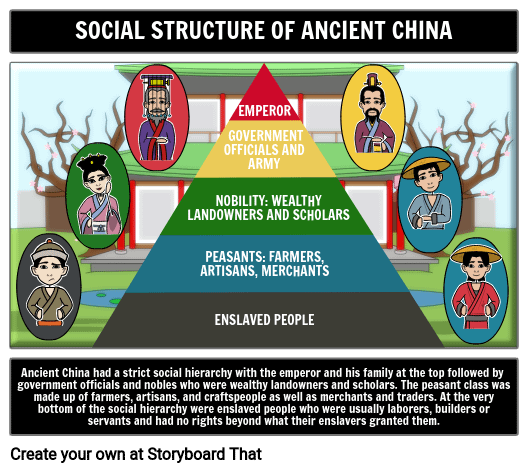
In ancient China, there was a social hierarchy based on Confucian principles and influenced by the feudal system. This social structure had distinct classes with limited social mobility.
1. **Scholars and Officials (Shi)**: Educated in Confucianism, held government positions, highly respected for knowledge and moral integrity.
2. **Farmers (Nong)**: Backbone of society, respected for agricultural contributions.
3. **Artisans (Gong)**: Skilled workers producing goods like pottery, textiles, and metalwork; had some social status below scholars and farmers.
4. **Merchants (Shang)**: Engaged in trade and commerce, viewed with suspicion due to perceived exploitation.
5. **Military (Shi)**: Included soldiers and officials, respected for defense role but lower in status.
6. **Slaves and Servants**: Bottom of hierarchy, had few rights, considered property.
Ancient China had limited social mobility, emphasizing stability within classes. Some rose through education, military success, or favor from elites, but overall, the social hierarchy remained stable, reinforcing divisions.
6/
1. **Scholars and Officials (Shi)**: Educated in Confucianism, held government positions, highly respected for knowledge and moral integrity.
2. **Farmers (Nong)**: Backbone of society, respected for agricultural contributions.
3. **Artisans (Gong)**: Skilled workers producing goods like pottery, textiles, and metalwork; had some social status below scholars and farmers.
4. **Merchants (Shang)**: Engaged in trade and commerce, viewed with suspicion due to perceived exploitation.
5. **Military (Shi)**: Included soldiers and officials, respected for defense role but lower in status.
6. **Slaves and Servants**: Bottom of hierarchy, had few rights, considered property.
Ancient China had limited social mobility, emphasizing stability within classes. Some rose through education, military success, or favor from elites, but overall, the social hierarchy remained stable, reinforcing divisions.
6/
In ancient Russia, society was structured hierarchically based on social classes and feudal relationships.
1. **Nobility (Boyars)**: The ruling class with political, military, and administrative power.
2. **Clergy**: Orthodox Church leaders with spiritual authority, land, and wealth.
3. **Peasants (Serfs)**: Majority of population tied to nobility or church lands, with limited rights.
4. **Merchants and Artisans**: Middle class in medieval Russia involved in trade, crafts, and economic activities.
5. **Cossacks**: Skilled warriors along borders with semi-independent status.
6. **Outcasts and Marginalized Groups**: Criminals, vagrants, and foreigners faced social stigma in medieval Russia.
While these social groups existed and interacted within Russian society, Social mobility could occur through various means, including military service, education, or economic success, although the opportunities were often limited based on one's birth and social status.
7/
1. **Nobility (Boyars)**: The ruling class with political, military, and administrative power.
2. **Clergy**: Orthodox Church leaders with spiritual authority, land, and wealth.
3. **Peasants (Serfs)**: Majority of population tied to nobility or church lands, with limited rights.
4. **Merchants and Artisans**: Middle class in medieval Russia involved in trade, crafts, and economic activities.
5. **Cossacks**: Skilled warriors along borders with semi-independent status.
6. **Outcasts and Marginalized Groups**: Criminals, vagrants, and foreigners faced social stigma in medieval Russia.
While these social groups existed and interacted within Russian society, Social mobility could occur through various means, including military service, education, or economic success, although the opportunities were often limited based on one's birth and social status.
7/

Ancient Britain, particularly during the medieval period, society was stratified based on social classes and feudal relationships, similar to many European societies of that time.
1. **Nobility and Aristocracy**: Land-owning elites at the top of society who held power and often served as knights or lords.
2. **Clergy**: Religious leaders with significant influence associated with the Church.
3. **Knights and Vassals**: Warriors who served nobility for land, protection, or privileges in the feudal system.
4. **Merchants and Tradespeople**: Middle-class included merchants, traders, and skilled craftsmen contributing to the economy and urban development.
5. **Peasants and Serfs**: Majority were peasants or serfs working land owned by nobility or Church, with limited rights tied to feudal obligations.
6. **Outlaws and Marginalized Groups**: Included outlaws, beggars, and marginalized groups facing social stigma or discrimination.
Social mobility in medieval Britain was possible but often limited by birth, status, and opportunities available within one's social class. Education, military service, or economic success could sometimes enable individuals to move up the social ladder, but the structure of feudal society generally maintained social divisions and hierarchies.
8/
1. **Nobility and Aristocracy**: Land-owning elites at the top of society who held power and often served as knights or lords.
2. **Clergy**: Religious leaders with significant influence associated with the Church.
3. **Knights and Vassals**: Warriors who served nobility for land, protection, or privileges in the feudal system.
4. **Merchants and Tradespeople**: Middle-class included merchants, traders, and skilled craftsmen contributing to the economy and urban development.
5. **Peasants and Serfs**: Majority were peasants or serfs working land owned by nobility or Church, with limited rights tied to feudal obligations.
6. **Outlaws and Marginalized Groups**: Included outlaws, beggars, and marginalized groups facing social stigma or discrimination.
Social mobility in medieval Britain was possible but often limited by birth, status, and opportunities available within one's social class. Education, military service, or economic success could sometimes enable individuals to move up the social ladder, but the structure of feudal society generally maintained social divisions and hierarchies.
8/

In ancient Ireland, society was organized along distinct social classes and hierarchies based on various factors such as land ownership, wealth, and political power.
1. **Kings and Nobility**: Held political power, controlled land and resources.
2. **Freemen (Aos Dána)**: Skilled craftsmen, poets, scholars contributing culturally and economically.
3. **Semi-Free and Tenant Farmers**: Worked the land with some independence and rights.
4. **Clients and Dependents**: Some individuals served noble landowners in exchange for benefits.
5. **Slaves and Servants**: Slavery in ancient Ireland was not widespread; slaves were often captives or debtors, with limited rights.
6. **Outcasts and Marginalized Groups**: Groups like criminals, foreigners, or people with disabilities may have faced social exclusion.
Social mobility in ancient Ireland was possible, especially through skills, achievements, or alliances with powerful individuals or families. The importance of kinship ties, clan affiliations, and honor played a significant role in shaping social relationships and status within the community.
9/
1. **Kings and Nobility**: Held political power, controlled land and resources.
2. **Freemen (Aos Dána)**: Skilled craftsmen, poets, scholars contributing culturally and economically.
3. **Semi-Free and Tenant Farmers**: Worked the land with some independence and rights.
4. **Clients and Dependents**: Some individuals served noble landowners in exchange for benefits.
5. **Slaves and Servants**: Slavery in ancient Ireland was not widespread; slaves were often captives or debtors, with limited rights.
6. **Outcasts and Marginalized Groups**: Groups like criminals, foreigners, or people with disabilities may have faced social exclusion.
Social mobility in ancient Ireland was possible, especially through skills, achievements, or alliances with powerful individuals or families. The importance of kinship ties, clan affiliations, and honor played a significant role in shaping social relationships and status within the community.
9/

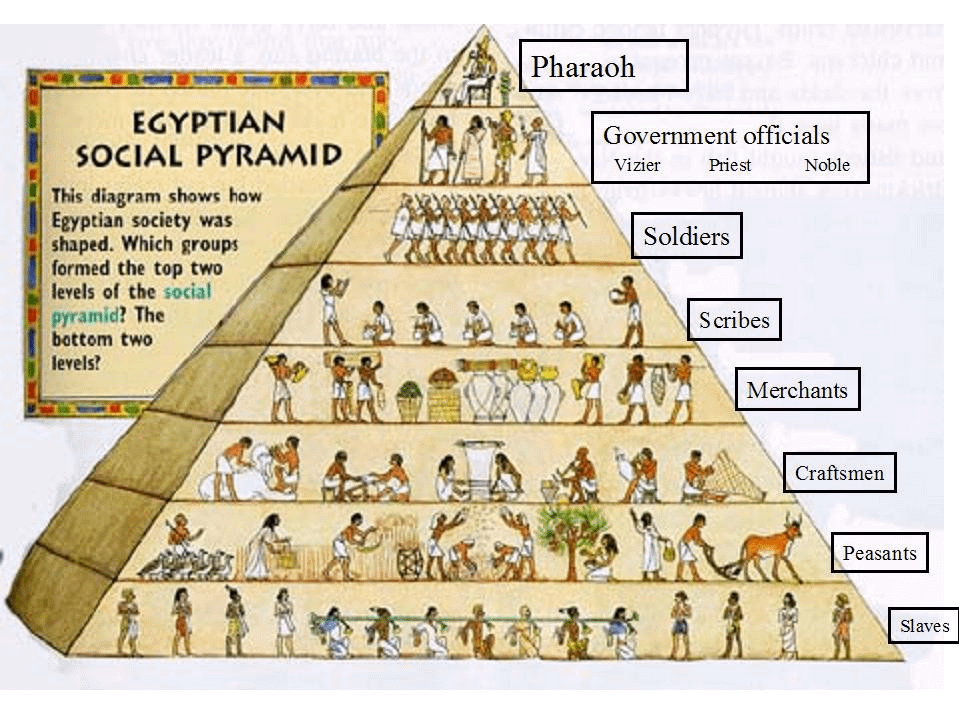
Ancient Egypt society was hierarchically structured with different social classes and roles.
1. **Pharaoh and Royalty**: Pharaoh was divine ruler with absolute authority. Royal family and queen held high status.
2. **Priests and Nobles**: Below pharaoh, priests and nobles managed temples, conducted rituals, and had political influence.
3. **Scribes and Officials**: Scribes were educated individuals in bureaucratic roles, responsible for record-keeping and government tasks.
4. **Craftsmen and Artisans**: Skilled workers made pottery, jewelry, textiles, and buildings, boosting the economy.
5. **Farmers and Laborers**: Most people farmed and did manual labor like construction.
6. **Slaves and Servants**: Some worked as servants, laborers, or soldiers under ownership, less rigidly than in other societies.
Social mobility in ancient Egypt was limited, mainly based on skills and contributions. Social status was usually inherited or linked to occupation and social groups. The hierarchy was connected to religious beliefs, political power, and economic roles.
10/
1. **Pharaoh and Royalty**: Pharaoh was divine ruler with absolute authority. Royal family and queen held high status.
2. **Priests and Nobles**: Below pharaoh, priests and nobles managed temples, conducted rituals, and had political influence.
3. **Scribes and Officials**: Scribes were educated individuals in bureaucratic roles, responsible for record-keeping and government tasks.
4. **Craftsmen and Artisans**: Skilled workers made pottery, jewelry, textiles, and buildings, boosting the economy.
5. **Farmers and Laborers**: Most people farmed and did manual labor like construction.
6. **Slaves and Servants**: Some worked as servants, laborers, or soldiers under ownership, less rigidly than in other societies.
Social mobility in ancient Egypt was limited, mainly based on skills and contributions. Social status was usually inherited or linked to occupation and social groups. The hierarchy was connected to religious beliefs, political power, and economic roles.
10/
While in most part of the world, the caste system is abolished by law or by the society. In ancient India, people were born as Shudra and earned their varna through their activities
There was no Slavery and caste system in India as noted by Magathenese during 3rd century BCE.
Bharat had profession based democratic system. This system existed untill 18th century AD as noted by Adams in his research
11/
jstor.org/stable/3632125
There was no Slavery and caste system in India as noted by Magathenese during 3rd century BCE.
Bharat had profession based democratic system. This system existed untill 18th century AD as noted by Adams in his research
11/
jstor.org/stable/3632125
https://x.com/GemsOfINDOLOGY/status/1464771605431603200
French Untouchables : "Cagots"
Cagots were usually segregated into separate quarters, known as crestianies in the past and cagoteries from the 16th century onwards. These hamlets were often located on the outskirts of villages. In Béarn, for instance, Cagots, many of whom were carpenters, were distributed similarly to other craftsmen, who were mainly concentrated in the piedmont region.
Cagots were forbidden to marry outside their community, resulting in enforced endogamy. However, in certain regions during later centuries, like Béarn, they were permitted to marry non-Cagots, but the non-Cagot spouse would then be considered a Cagot. Additionally, they were prohibited from entering taverns or using public fountains.
13/
Cagots were usually segregated into separate quarters, known as crestianies in the past and cagoteries from the 16th century onwards. These hamlets were often located on the outskirts of villages. In Béarn, for instance, Cagots, many of whom were carpenters, were distributed similarly to other craftsmen, who were mainly concentrated in the piedmont region.
Cagots were forbidden to marry outside their community, resulting in enforced endogamy. However, in certain regions during later centuries, like Béarn, they were permitted to marry non-Cagots, but the non-Cagot spouse would then be considered a Cagot. Additionally, they were prohibited from entering taverns or using public fountains.
13/

Untouchables in China : Tankas
The Tankas are a sinicised ethnic group in Southern China traditionally living on boats along the coast. Some still fish from boats, preserving native traditions not found in Han culture.
They were once considered outcasts and called "sea gypsies." Tankas' origins trace back to the Baiyue ethnic minorities of southern China. Some Tankas also live in parts of Vietnam as a subgroup of the Ngái ethnicity.
14/
The Tankas are a sinicised ethnic group in Southern China traditionally living on boats along the coast. Some still fish from boats, preserving native traditions not found in Han culture.
They were once considered outcasts and called "sea gypsies." Tankas' origins trace back to the Baiyue ethnic minorities of southern China. Some Tankas also live in parts of Vietnam as a subgroup of the Ngái ethnicity.
14/
Untouchables in Yemen : Al Muhamashin
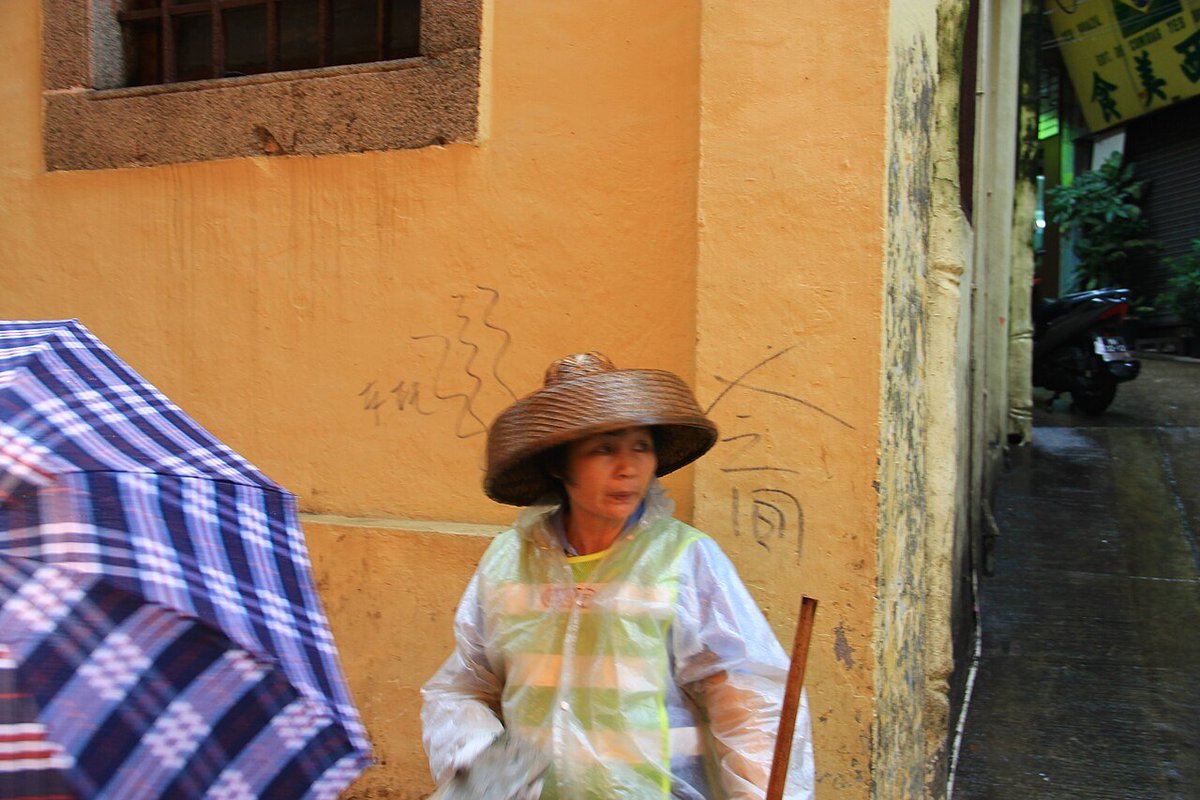
The Al-Muhamashīn, also known as the marginalized ones (Arabic: المهمشين), were previously referred to as al-Akhdām, Akhdām, or Achdām (Arabic: الأخدام) which translates to "the servants" in Arabic. They are an Arabic-speaking ethnic group residing in Yemen. While they are Arabic-speaking Muslims like most other Yemenis, the Muhamashīn are placed at the bottom of the caste system which was supposedly abolished. They face social segregation from other Yemenis and are mainly employed in menial jobs in the country's major cities. Unofficial estimates suggest that the Muhamashīn population ranges from 500,000 to 3,500,000 individuals.
Origins
The exact origins of the Akhdam are unclear, with some speculating that they are descendants of African slaves or soldiers from the Kingdom of Aksum in the 6th century. There is a popular belief that they are the offspring of Ethiopian Aksumites who settled in Yemen during the Ethiopian occupation of the region in pre-Islamic times. It is said that when these troops were driven out at the beginning of the Islamic era, some Ethiopian migrants decided to stay, giving rise to the Akhdam community.
15/
The Al-Muhamashīn, also known as the marginalized ones (Arabic: المهمشين), were previously referred to as al-Akhdām, Akhdām, or Achdām (Arabic: الأخدام) which translates to "the servants" in Arabic. They are an Arabic-speaking ethnic group residing in Yemen. While they are Arabic-speaking Muslims like most other Yemenis, the Muhamashīn are placed at the bottom of the caste system which was supposedly abolished. They face social segregation from other Yemenis and are mainly employed in menial jobs in the country's major cities. Unofficial estimates suggest that the Muhamashīn population ranges from 500,000 to 3,500,000 individuals.
Origins
The exact origins of the Akhdam are unclear, with some speculating that they are descendants of African slaves or soldiers from the Kingdom of Aksum in the 6th century. There is a popular belief that they are the offspring of Ethiopian Aksumites who settled in Yemen during the Ethiopian occupation of the region in pre-Islamic times. It is said that when these troops were driven out at the beginning of the Islamic era, some Ethiopian migrants decided to stay, giving rise to the Akhdam community.
15/

• • •
Missing some Tweet in this thread? You can try to
force a refresh